CosmoFab's Posts
Nairaland Forum › CosmoFab's Profile › CosmoFab's Posts
 Politics › Re: Pictures Of A Doctor Who Died In The Damaturu Attack by CosmoFab: 2:47pm On Dec 03, 2014 Politics › Re: Pictures Of A Doctor Who Died In The Damaturu Attack by CosmoFab: 2:47pm On Dec 03, 2014 |
May his soul and those of others that have been innocently lost in this senseless Boko Haram war rest in peace. And may his family, especially his wife and kids find the strength to move forward. |
| Celebrities › Re: Woman From Hell Slaps, Kicks, Stomp On A Child For Throwing Up (evil Maid) by CosmoFab: 3:19pm On Nov 22, 2014*. Modified: 2:53pm On Dec 03, 2014 |
EDITED @Aysuperstories, thanks for making the necessary update. |
| Phones › Re: Instagram Users Thread-Let's connect by CosmoFab: 11:35pm On Jan 02, 2014*. Modified: 6:15pm On Jun 30, 2014 |
Nice one  |
| Phones › Re: Nigerian Twitter Users (Tweeps) Thread - Let's Follow Each Other by CosmoFab: 11:31pm On Jan 02, 2014*. Modified: 6:15pm On Jun 30, 2014 |
|
| Fashion › Re: Check Out M.A.F Couture Charity Collection: Everything For The Kids by CosmoFab(op): 5:14pm On Dec 30, 2013 |
|
| Fashion › Re: Check Out M.A.F Couture Charity Collection: Everything For The Kids by CosmoFab(op): 4:57pm On Dec 30, 2013*. Modified: 5:16pm On Dec 30, 2013 |
More photos from the collection https://farm3.staticflickr.com/2809/11538158256_7a2db5b254_z.jpg https://farm4.staticflickr.com/3833/11538123914_3794d8ccae_z.jpg https://farm8.staticflickr.com/7449/11538156736_2941550d38_z.jpg https://farm8.staticflickr.com/7400/11538152716_6670b71e8d_z.jpg Visit AfroCosmopolitan for news on fashion, events, beauty, travel, interviews and many more http://afrocosmopolitan.com |
| Fashion › Check Out M.A.F Couture Charity Collection: Everything For The Kids by CosmoFab(op): 4:53pm On Dec 30, 2013*. Modified: 5:22pm On Dec 30, 2013 |
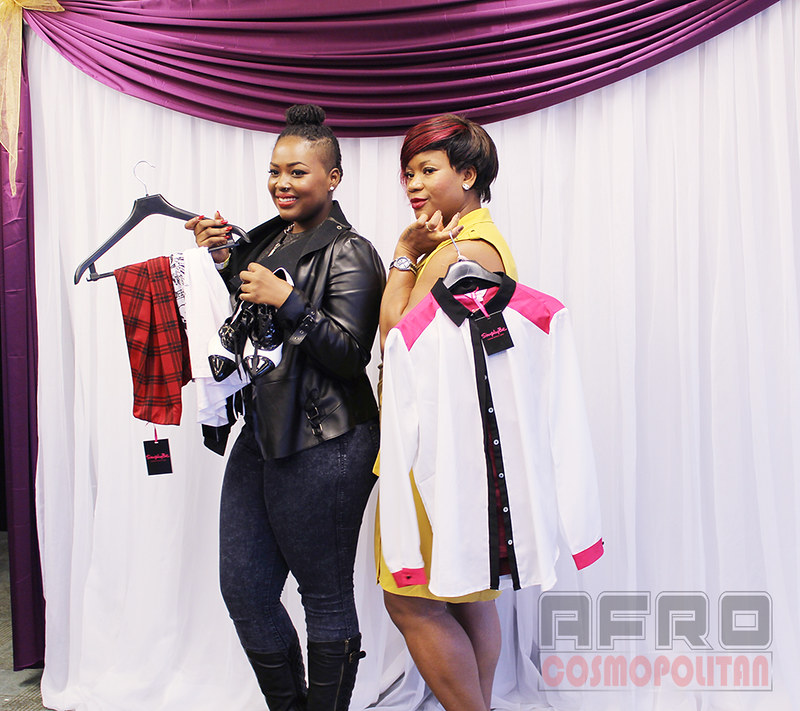
Check out Mafcouture's Charity Collection. M.A.F is an international lifestyle brand offering smart, affordable luxury and bringing newness and style to life with an entirely new touch. The brand offers styles to suit various classes of people. With different edgy outfits and accessories, one can easily find a pick to suit any style. In this collection, M.A.F. Couture teamed up with Maflo Foundation to design this hand made collection thats dedicated to educating orphaned children in Cameroon. According to Mary, the CEO and creative director of MafCouture, "every cent made out of this collection goes straight to the foundation. Every cent...so please guys when the collection officially comes out please don't hesitate to support." https://farm4.staticflickr.com/3812/11538074235_5774acdf0e_z.jpg https://farm4.staticflickr.com/3705/11538083825_391b05967d_z.jpg https://farm6.staticflickr.com/5516/11538157156_4e06e8b536_z.jpg https://farm4.staticflickr.com/3780/11538081435_bdf5ba333b_z.jpg By Fashionista Musa http://afrocosmopolitan.com/everything-kids-charity-collection-maf-couture |
| Events › Re: Enter Our Competition & Win A Free Ticket To The Uk’s 1st Plus Size Wedding Fair by CosmoFab(op): 10:07pm On Dec 20, 2013 |
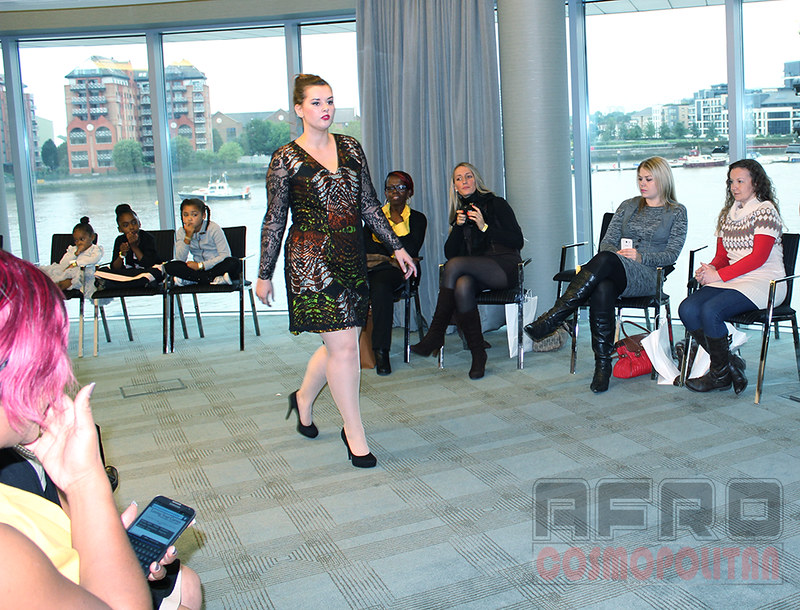
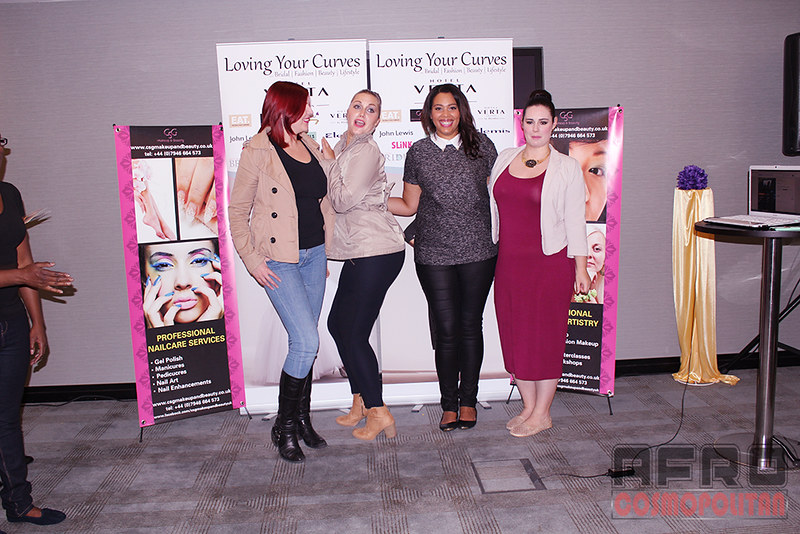
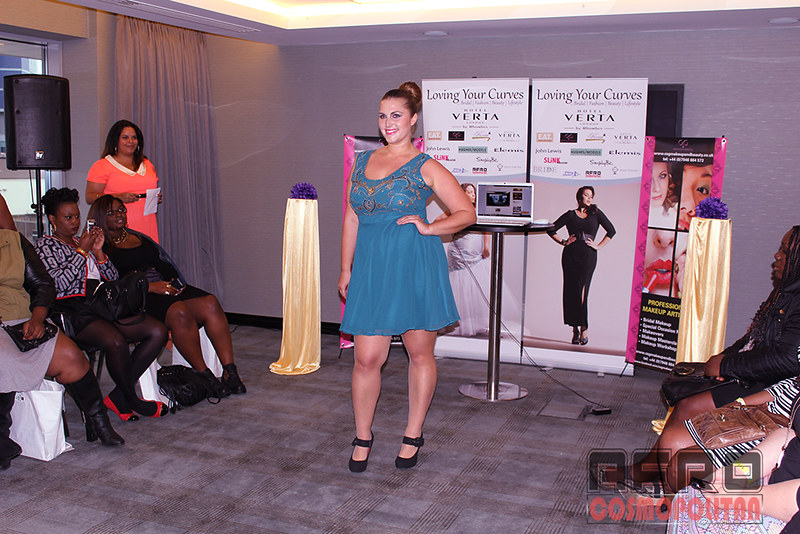
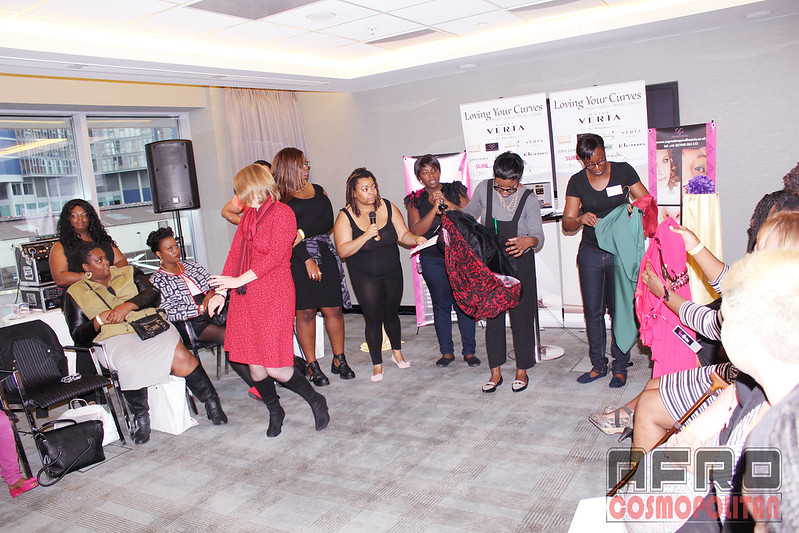
And more photos! [img]http://www.flickr.com/photos/afrocosmopolitan/10021059195/sizes/c/in/photostream/[/img] https://farm4.staticflickr.com/3682/10021070976_49bf29d546_c.jpg https://farm4.staticflickr.com/3688/10021150865_0378019989_c.jpg https://farm8.staticflickr.com/7290/10021154605_64ffe7f85c_c.jpg To read about the event, check out our article http://afrocosmopolitan.com/a-day-with-the-big-girls-loving-your-curves-plus-size-event |
| Fashion › Re: Nigerians Have A Great Sense Of Family And Community: Kemi Farquharson by CosmoFab(op): 9:22pm On Dec 20, 2013 |
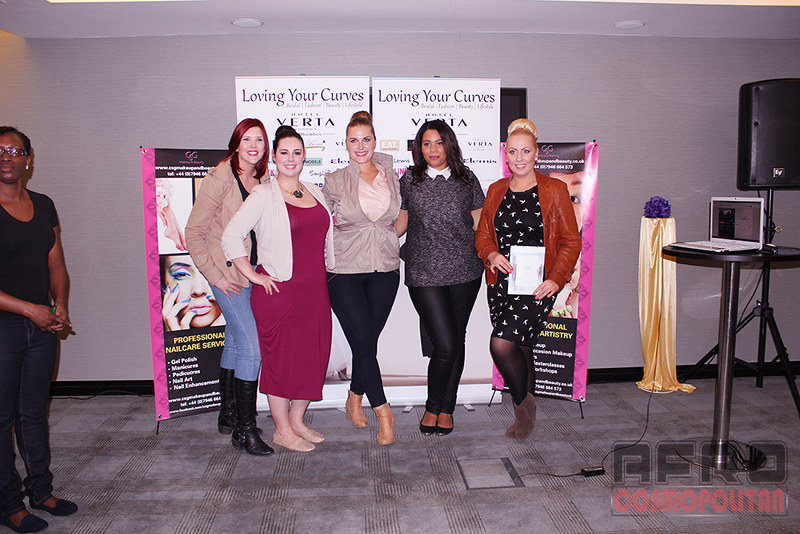
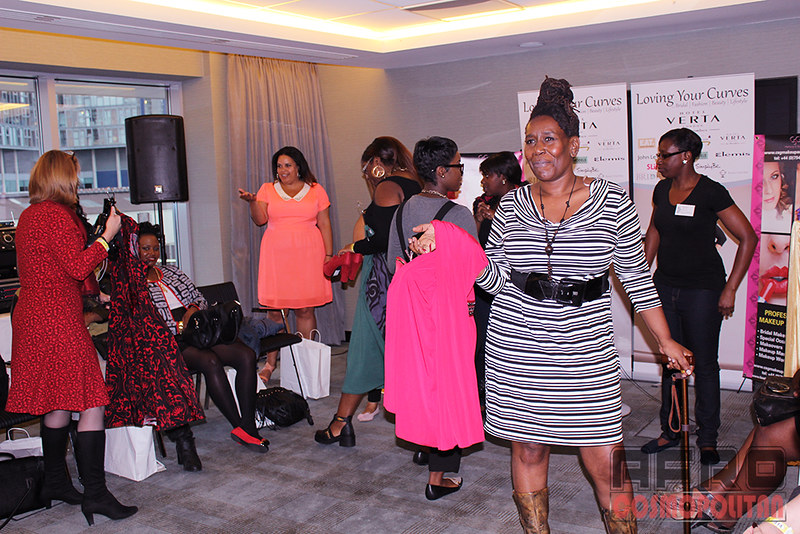
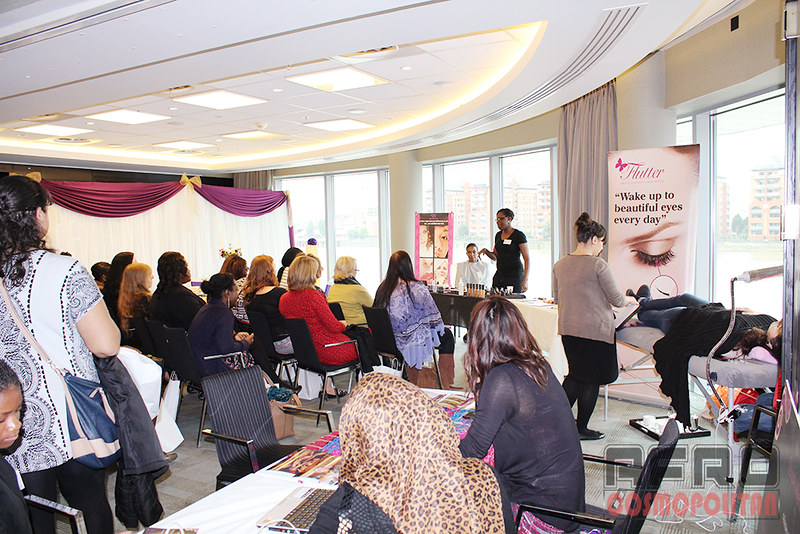
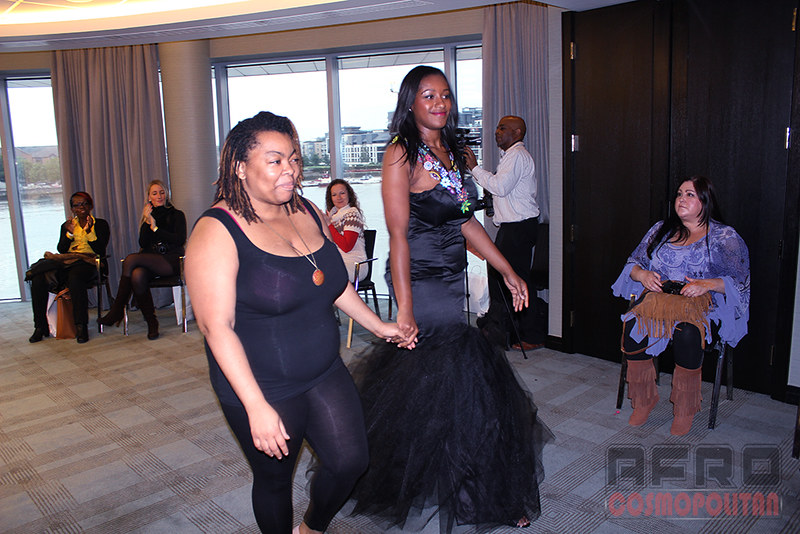
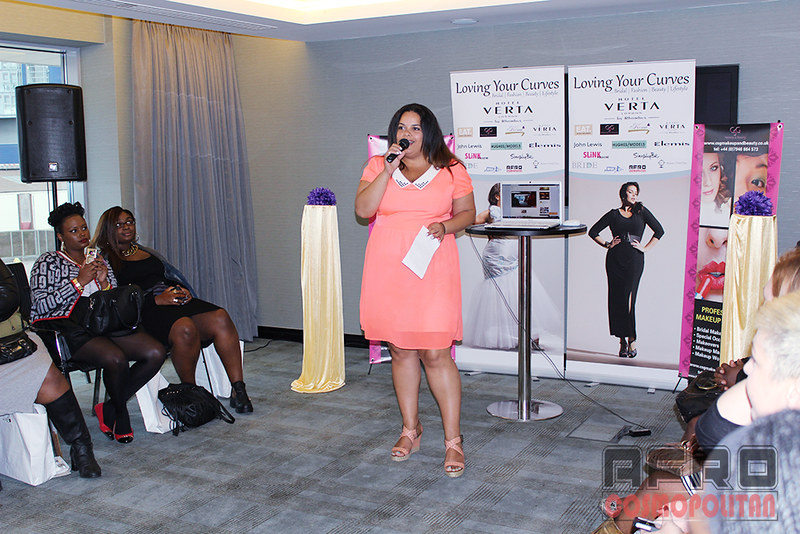
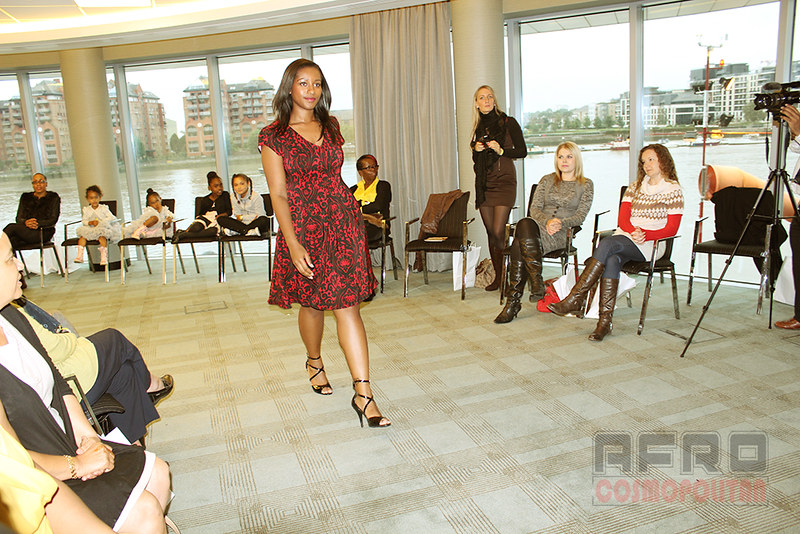
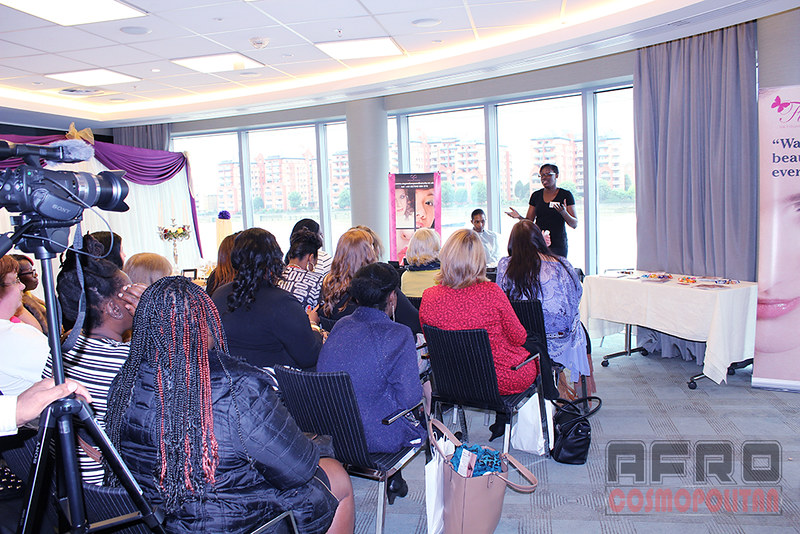
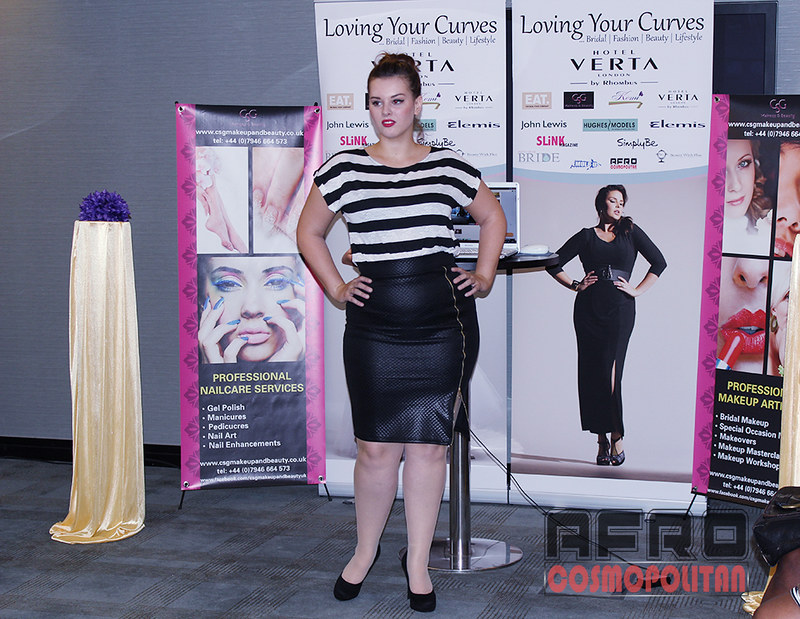
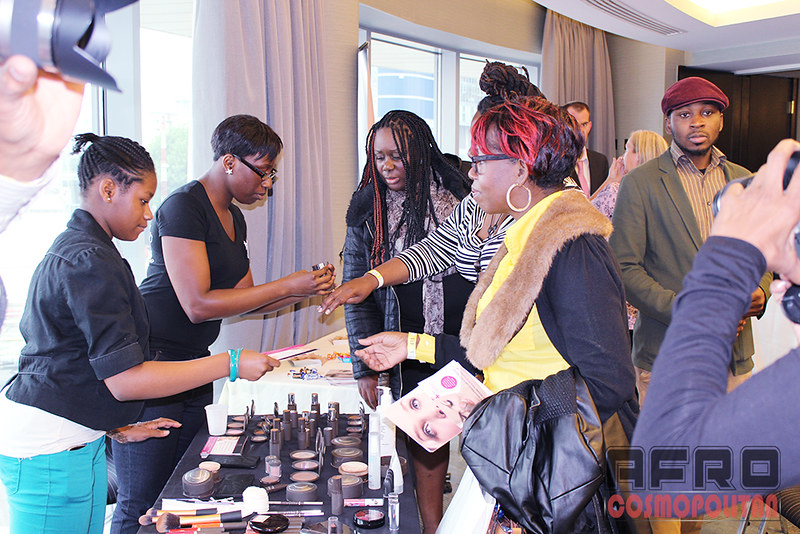
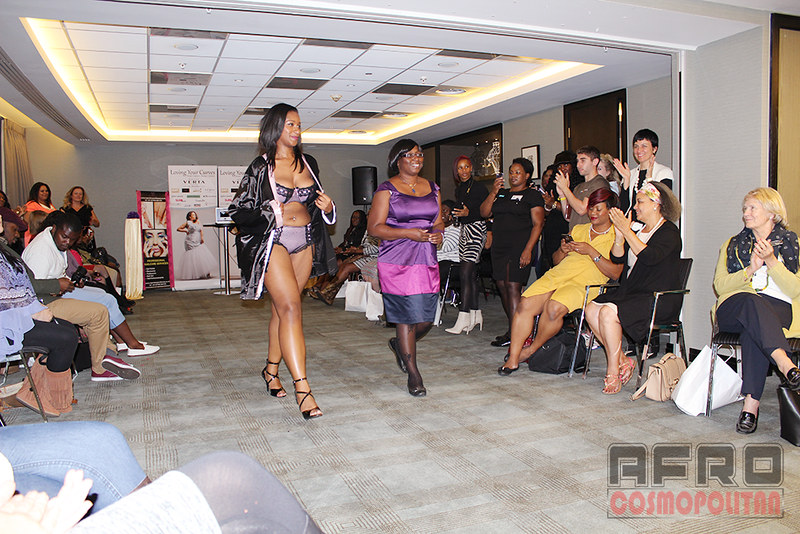
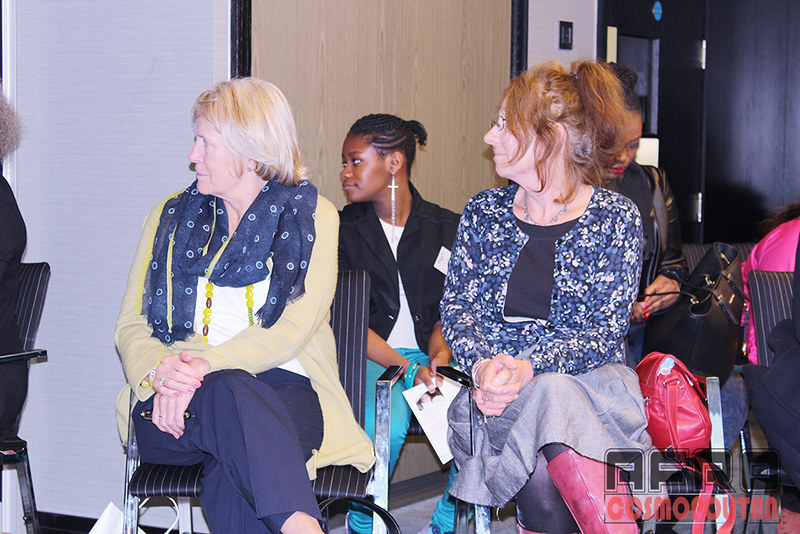
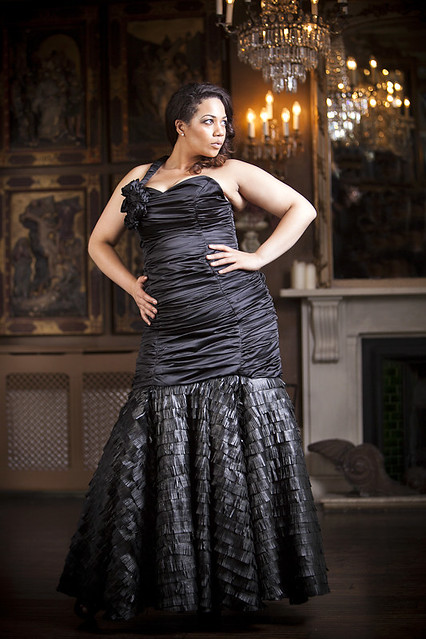
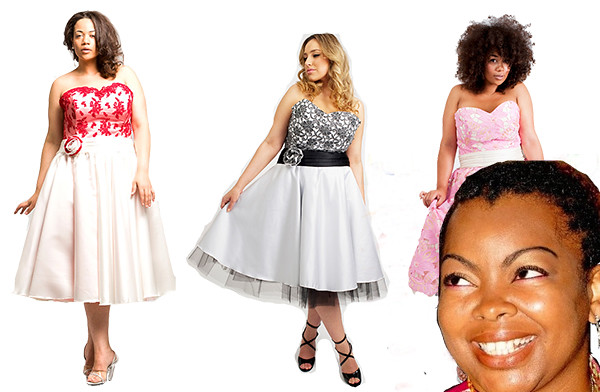
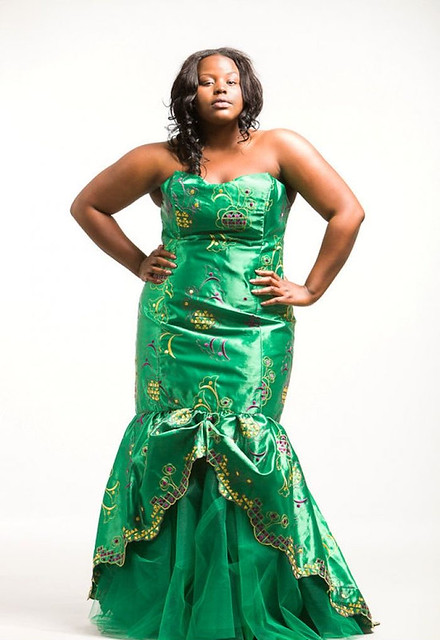
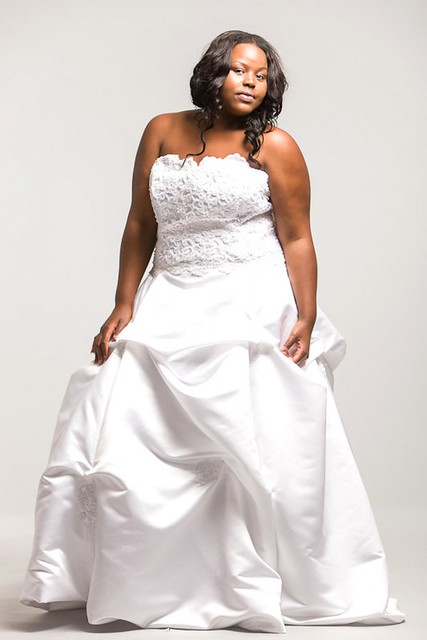
Here are some images from the Loving your Curves Bridal Exhibition and Bridal Show that took place at Hotel Verta in London. https://farm8.staticflickr.com/7364/10021088774_0a91f76c72_c.jpg https://farm3.staticflickr.com/2891/10022606843_83ce60b2ab_c.jpg https://farm6.staticflickr.com/5492/10022529245_eefd33b55b_c.jpg https://farm3.staticflickr.com/2845/10022537465_88b7c701d5_c.jpg https://farm6.staticflickr.com/5453/10022629173_976914dda0_c.jpg https://farm6.staticflickr.com/5445/10021319243_be7e7edbfb_c.jpg https://farm8.staticflickr.com/7428/10022551266_b13b0598e6_c.jpg |
| Webmasters › Re: Nigerian Online Ventures That Are Offshoots Of Nairaland by CosmoFab: 3:58am On Dec 20, 2013 |
Interesting list! Good to see how much Nairaland has contributed to the growth of businesses that are owned by some of its members. |
| Events › Re: Enter Our Competition & Win A Free Ticket To The Uk’s 1st Plus Size Wedding Fair by CosmoFab(op): 6:01am On Oct 06, 2013 |
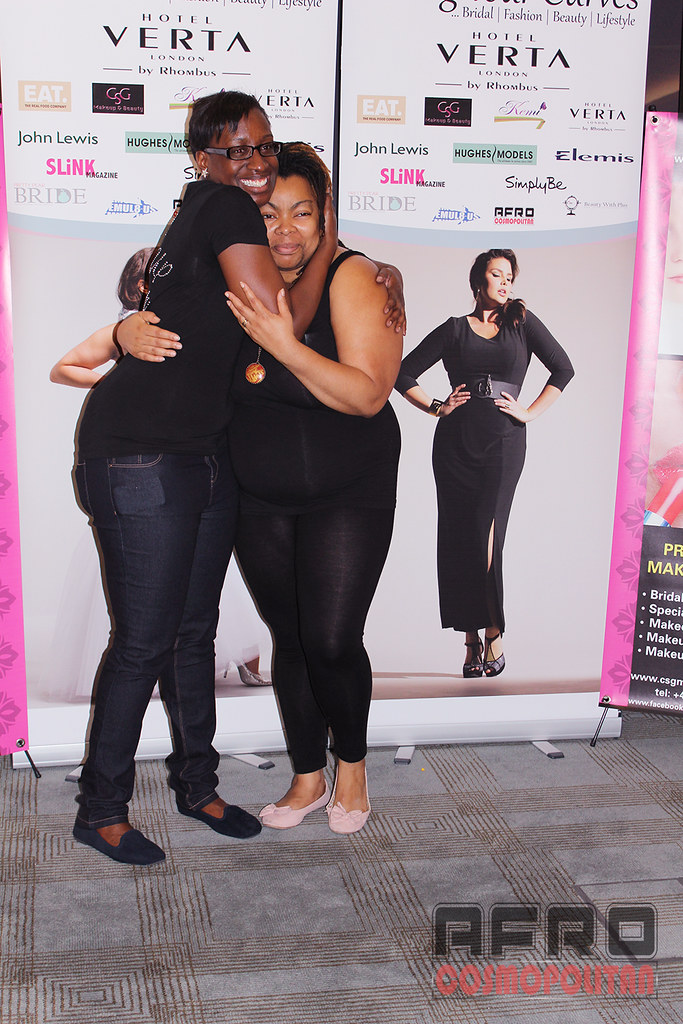
See more photos https://farm8.staticflickr.com/7364/10021088774_0a91f76c72_c.jpg https://farm6.staticflickr.com/5445/10021319243_be7e7edbfb_c.jpg https://farm6.staticflickr.com/5453/10022629173_976914dda0_c.jpg https://farm3.staticflickr.com/2845/10022537465_88b7c701d5_c.jpg https://farm3.staticflickr.com/2891/10022606843_83ce60b2ab_c.jpg https://farm6.staticflickr.com/5492/10022529245_eefd33b55b_c.jpg https://farm8.staticflickr.com/7428/10022551266_b13b0598e6_b.jpg Kemi and Chantelle of CSG Makeup http://afrocosmopolitan.com/a-day-with-the-big-girls-loving-your-curves-plus-size-event |
| Events › Re: Enter Our Competition & Win A Free Ticket To The Uk’s 1st Plus Size Wedding Fair by CosmoFab(op): 5:53am On Oct 06, 2013 |
A Day With The Big Girls: Loving Your Curves Plus Size Event So, the Loving Your Curves Event took place on September 21 and 22 in London. The venue was moved from Battersea Arts Centre, London to Hotel Verta. Below are some of the pictures from the event. https://farm3.staticflickr.com/2831/10021174246_d623ced7eb_c.jpg https://farm8.staticflickr.com/7351/10021162065_ecc6a675b3_c.jpg https://farm4.staticflickr.com/3682/10021070976_49bf29d546_c.jpg https://farm8.staticflickr.com/7298/10021059195_37f41c4d8a_c.jpg https://farm4.staticflickr.com/3764/10021055605_8188788061_c.jpg https://farm4.staticflickr.com/3725/10021051545_b797a9f3cc_c.jpg https://farm8.staticflickr.com/7398/10021046775_890786574a_c.jpg https://farm4.staticflickr.com/3746/10020994854_090a6451d0_c.jpg https://farm8.staticflickr.com/7313/10021123884_d0c74f6f29_c.jpg https://farm8.staticflickr.com/7356/10021111394_85679d4146_c.jpg https://farm8.staticflickr.com/7290/10021154605_64ffe7f85c_c.jpg https://farm4.staticflickr.com/3688/10021150865_0378019989_c.jpg https://farm4.staticflickr.com/3730/10021147536_a55290eecd_c.jpg |
| Events › Re: Enter Our Competition & Win A Free Ticket To The Uk’s 1st Plus Size Wedding Fair by CosmoFab(op): 12:06pm On Aug 21, 2013 |
See the video of the first plus size model casting event. https://www.youtube.com/watch?v=aju4MS4BPlY |
| Events › Re: Enter Our Competition & Win A Free Ticket To The Uk’s 1st Plus Size Wedding Fair by CosmoFab(op): 12:05pm On Aug 21, 2013*. Modified: 12:35pm On Aug 21, 2013 |
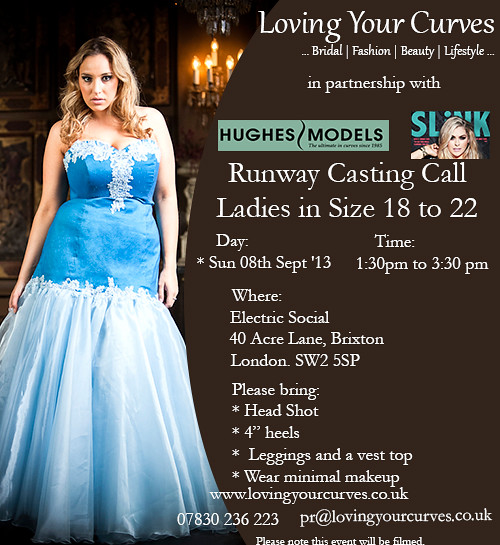
Second Runway Casting Call For The UK’s First Plus Size Wedding Fair And Expo[size=14pt][/size] After a successful model casting event that took place on Sunday 28 July 2013, the organisers of Loving Your Curves, the first plus size wedding fair and expo to take place in the UK, is holding a second casting call to recruit more models to meets the growing demands of participants. To participate, interested models should be between size 18 and 22 (UK size). In addition, models are required to come to the casting venue with a pair of 4 inch high heeled shoes, leggings and a vest top. They are also required to put on very minimal makeup. If you are a plus size woman already working professionally, as an amateur or you are interested in modelling, you are all welcome and encouraged to participate at this event. DATE: September 8, 2013 TIME: 1.30pm – 3.30pm VENUE: Electric Social 40 Acre Lane, Brixton. London, SW2 5SP For more details on the casting event, call 078 30 236 223 0r email, pr@lovingyourcurves.co.uk. You can also visit the event website at: www.lovingyourcurves.co.uk See the event poster below. https://farm8.staticflickr.com/7457/9563023016_11234e8bdc_z.jpg Source: [ur]http://afrocosmopolitan.com/second-runway-casting-call-for-the-uks-first-plus-size-wedding-fair-and-expo[/url] |
| Family › Re: The Michael Adebowale’s Tale: Why London Is No Place For A Young Black Man by CosmoFab(op): 2:39pm On Aug 01, 2013 |
@birdman and @damiso, you people have made some very valid points. Really enjoying it! |
| Family › Re: The Michael Adebowale’s Tale: Why London Is No Place For A Young Black Man by CosmoFab(op): 12:45pm On Jul 24, 2013*. Modified: 2:18am On Jul 25, 2013 |
funnyx: Excuses! Excuses! ! And excuses!!! What about many of us who migrated from Nigeria and are still able to get jobs and move up the ladder despite our accent and other shortcomings? The writer of this article need to get a life and rather than feeding his children hatred who should teach them how to confront their obstacles and overcome them. No need playing the victim for ever. Maybe be it's because those who migrate there know what they will have to go through and have made a decision to fight and struggle to prove themselves until the system starts believing in them?And for those that were born there, maybe it's because they feel a sense of entitlement and want everything to come easy without working for hard for it? And when it doesn't, they blame it on their race and colour? Maybe and just maybe. |
| Events › Enter Our Competition & Win A Free Ticket To The Uk’s 1st Plus Size Wedding Fair by CosmoFab(op): 12:35pm On Jul 24, 2013*. Modified: 11:22am On Jul 27, 2013 |
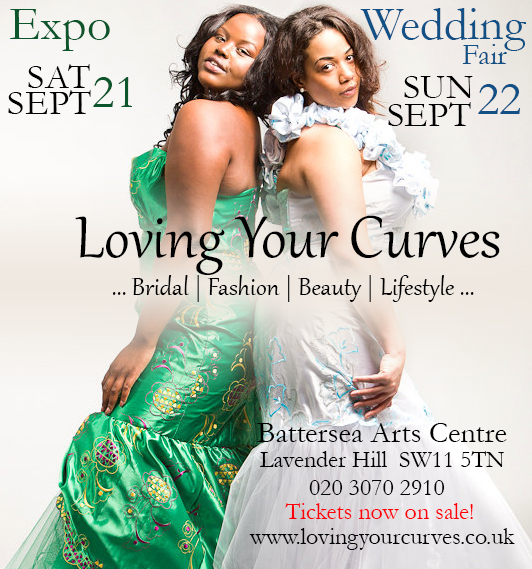
With less than two months left for the UK’s First Plus Size Wedding Fair & Fuller Figured Expo to take place, we are collaborating with the Loving Your Curves team, to offer free tickets for the event. Two free tickets will be given out to two lucky contestants. As a winner, you can choose to attend the expo or the wedding fair. To participate in the free ticket competition, leave a comment below the article on our website and tell us why you think you are the right person. You can also compete by sending us an email (info (at) afrocosmopolitan.com). Which ever method you choose, make sure you add your first and last name. The Loving Your Curves event is scheduled to take place on Saturday 21 September (Expo) and on Sunday 22 September (Wedding Fair) at Battersea Arts Centre, London (BAC). The free ticket competition will expire on August 15 and the winner will be announced a few days later. The bridal show will open at 11am and end at 6pm. There will be entertainment and workshops throughout the day. We are an official media partner of Loving Your Curves Wedding Fair & Fuller Figured Expo. We look forward to seeing you at the event. http://afrocosmopolitan.com/free-ticket-competition-for-the-loving-your-curves-bridal-event https://farm6.staticflickr.com/5457/9355787557_a989fc5d01_o.jpg |
| Romance › Re: If Virginity Is The Pride Of A Lady, What Is A Guy's Pride? by CosmoFab: 11:54am On Jun 09, 2013 |
kalufelix: huh??And you wonder who is taking their virginity at 15. Aliens i suppose  |
| Romance › Re: If Virginity Is The Pride Of A Lady, What Is A Guy's Pride? by CosmoFab: 11:49am On Jun 09, 2013 |
Afam4eva: If a woman's pride is virginity, why shouldn't a man's pride be the the same?The only sensible answer to this question from Afam, very objective. No bias because he is a man. Why say virginity is the pride of a woman and apply a different one to men? You see all the selfish and egoistic men saying money, keeping to your words and all the bla, bla, bla as if women are not doing that as well. By the way, how many of the men talking about money here has more money than Oprah Winfrey, Folorunso Alakija, Cecilia Ibru and so many other women? Since those are the criteria that should be applied to men. And some other ones will say the number of women a man has been with is his pride. Then you wonder, if you aspire to sleep with as so many women as possible, how are women supposed to keep their virginity? The biggest irony is that, the majority of men who seek virgin women are the ones who often take away the virginity of young women by enticing them with money and gifts. Even when they are older and should be wiser, they enjoy taking advantage of the innocence and naivety of these young girls. Some stupid old men would not even mind sleeping with the teenage daughter of their so called friend. gilgal7: ZIP UP....USE UR DICCK FOR URINATING ONLY TILL UR WEDDING NITE....thats a pride of a REAL MAN......trust meAnd if the men follow this quote by gilgal, there will be enough virgin for every man to marry. 5 Likes |
| Nairaland General › Re: Maduakor Ifeanyi Aka ' Ebucca' Is A Scammer - Beware by CosmoFab: 9:17am On Jun 06, 2013*. Modified: 9:32am On Jun 06, 2013 |
Ebucca: hahahahahaha got Y'all....! This ain't scam. People are suffering, children are dying from one sickness to another. Billions of dollars are been spent for no useful meaning by our Governments, NGO's promising to help the starving children yet nothing has been done about this. If the government and NGO's, can't do it, we all can! Here i am, send me!WOW! You have taken 419ing to another level. No shame or remorse. Did you really type this? With all confidence and brashness? After being caught red handed? It's just unbelievable. |
| Family › Re: The Michael Adebowale’s Tale: Why London Is No Place For A Young Black Man by CosmoFab(op): 8:33am On Jun 06, 2013 |
damiso: Me for now i cant afford to live in those nice places so i will move out to get access to better less crowded amenities and more space for my money.That does not mean i will just make a sweeping generalisation that the whole of London is not a place to raise kids.Like you said, there are "better less crowded amenities and more space for my money," and London as a city, is not a bad place to raise kids. The problem is, most black people cannot afford to live in the decent neighbourhood of London. Instead of moving to another city where they can have a better live and environment for their kid, they will remain in the cheaper neighbourhoods of London where crime and gang culture is a thing to be proud of. |
| Family › Re: The Michael Adebowale’s Tale: Why London Is No Place For A Young Black Man by CosmoFab(op): 8:25am On Jun 06, 2013 |
bebe2: Been here for 12yrs, 7yrs in london now in manchester. My observations, nigerians like cheap, free, and the are greedy! Everybody knows london is not a good place to raise kids, but they won't leave becos they dnt want to loose their council flat, and their friends in the community. Pple expect the govt to do every thing for them. I might add more later. Its a say issue.While i do not agree with all your assertion, i must say it is very true about Nigerians wanting to live in London because of the community. Some just live there to say "i live in London". Most of them would rather live in ghetto neighbourhood than live in better places outside London. Lik you said, Manchester is a lovely city with nice and cheaper houses but most Nigerians would rather live in Peckham and some of the crappy neighbourhood in Southeast London. And even for a single room, the amount they would pay for a decent apartment in a city like Manchester. They forget the environment they bring up their kids will have a great influence on who they become, their dreams and aspirations, the way they see the world, and many more. |
| Fashion › Nigerians Have A Great Sense Of Family And Community: Kemi Farquharson by CosmoFab(op): 7:33am On Jun 06, 2013*. Modified: 8:11am On Jun 06, 2013 |
Read below, our exclusive interview with the designer, Kemi Farquharson. The designer behind KemiBoutique plus size design and the Loving Your Curves bridal event. https://farm4.staticflickr.com/3822/8965763035_d5b2e50d22_z.jpg AC: Tell us about yourself. KEMI: I was born in Lagos, Nigeria and lived in Ikoyi where I went to St Saviours School and later to Atlantic Hall before moving to London, UK. I established my first career in Business and Finance but really had a passion for creative elements. Not sure what I wanted to specialise in, I simply followed my passion for creative elements undertaking a number of projects in my early twenties in events planning, pre-production of a TV programme and operating a camera for a Christian cable channel. [b]AC: Before becoming a designer, you started your career in Business and Finance. Why did you choose to go into fashion designing?[/b] KEMI: At 24 I was diagnosed with Polycystic Ovarian Syndrome (PCOS) and took some years to embrace my curves and redefine my syndrome. So, when in my late twenties, i grew really frustrated with the lack of options in Plus Size Fashion in London and knew I wanted to design for women in my same situation. I then decided to take some time out for health reasons and travelled to Jamaica where I was inspired by life, love, travel and the raw beauty of the Caribbean. Then then, I began designing my collections. Over the next few years, I prepared for self-employment and went back to college to study professional sewing, pattern cutting, draping, fashion illustration and tailoring at Morley College & Newham College. https://farm8.staticflickr.com/7420/8965854759_2641d4cc6a_z.jpg AC: Before launching Kemi Boutique, did you work for anyone else after graduating from Morley College, London? KEMI: [/b]No, I did not work for anyone, but I did undertake some internships. I find they are a great way to gain experience whilst working out what area within an industry you want to focus on. [b]AC: How did you get started as a fashion designer? KEMI: I went to college, sourced a business mentor within the fashion industry and combined my experience in business with my new found skills in fashion. AC: Why did you choose to specialise on bridal apparels? KEMI: It was a personal experience. When first looking for wedding dresses a few years back, I did not have a great time. The dresses came up really small and as a size 18, I was offered dresses in size 22. Not a great moral booster! I also found that a lot of the shops did not have larger size stock dresses, or were not friendly to Plus Size brides-to-be. I did not want anyone to have the same experience as me. And so, the core of Kemi Boutique is great customer service and creating a fabulous wedding dress experience. AC: In your opinion, what is the most important trait of a bridal fashion designer? KEMI: Care and Passion – the passion to create the dream dress for the bride within her budget, and the care to make the whole experience memorable for all the right reasons. AC: How do you balance creativity with managing your brand? KEMI: I have a team of staff that work with me, from sewing to events & PR. Having a team is important. No one person can undertake all the elements of a business and maintain a high level of excellence. AC: Tell us more about your new project, Loving Your Curves. KEMI: Loving Your Curves is a great and exciting event coming up in September at Battersea Arts Centre combining a Fashion, Beauty & Lifestyle Expo with a Wedding Fair for the lady with Curves. With leading experts in Beauty, Fitness, Nutrition, Fashion and Bridal presenting workshops and giving top tips and industry insights, runways shows and our very own beauty lounge offering complementary treatments sponsored by CSG Makeup & Beauty. This is going to be a very exciting weekend. https://farm4.staticflickr.com/3812/8965908795_2bc77927f5_z.jpg AC: You have exhibited in several bridal exhibitions, why do you feel there is a need for the Loving Your Curves fair? KEMI: There are hundreds of wedding fairs throughout the year in London, from Vintage to Luxury to Cultural – however, when looking for a show that catered exclusively to the bride to be that might want a size 18 or 20 wedding dress, or size 8 or 9 wedding shoes there was nothing exclusively for the bride with curves. I also wanted to incorporate Fashion, Beauty & Lifestyle and as these are not elements that you would associate with the wedding fair, it was a great opportunity to create a new and unique platform. AC: What kind of feedback have you been receiving from other plus size designers since LYCurves was initiated? KEMI: The feedback has been great with renowned bridal designers like Lillian Mayro and Carolyn De La Drapiere confirmed for the Wedding Fair. Also, Dea London and Morts & More have confirmed for the Fashion Expo, to name a few. AC: What are your expectations for the event? KEMI: With the fabulous businesses and designers already confirmed, we are expecting to deliver a great Fashion Expo and Wedding Fair with focus on Bridal, Fashion, Beauty & Lifestyle. AC: Where do you see Loving Your Curves in the next 5 years? KEMI: I see Loving Your Curves becoming a platform that international designers can engage with Ladies of Curves. For our attendees, I hope that we can both bring established and new designers from the US to EU to Africa that may not have showcased in the UK to our runways shows and vending lounge. I also hope that the Expo will not just grow in terms of Fashion & Bridal, but that we will be able to continue to bring Beauty, Lifestyle and Health to the forefront of our Curvy Community in a fun and enjoyable environment. AC: If you have to describe Loving Your curves in three words, which would you use? KEMI: All about Curves AC: Who inspires you the most in the fashion industry? KEMI: The designers that inspire me are Vivienne Westwood, Christian Lacroix and Elie Saab. I love dramatic romance in design and inspire to bring that into my bridal wear. AC: Where do you get the inspiration for your designs? KEMI: I am inspired by Life, Love and Travel. I love to incorporate colours and cultures into my designs. AC: What would be your advice to anyone who wants to go into fashion designing? KEMI: Follow your passion, be realistic and have fun. It is also important to pick where you showcase your brand and keep on top of your costs. https://farm9.staticflickr.com/8395/8965762933_a5ce418f45_z.jpg Please Complete The Sentences Below, What I love most about Twitter is … the instant connection with people. When I am bored, I … love to play dominoes or pool with my husband. I see cooking as … an enjoyable experience sometimes. I like trying new things when I have the time. The thing I love most about myself is … how I have come into my own in my 30’s. This by far has been the best years of my life as I have grown in confidence and self-awareness. For me, friendship means … loyalty and support. I am always happy when I … travel; I love the sun, sand and sea. The one thing I cannot leave my house without is my … mobile phone; it is a personal and business essential. The one thing I love most about my culture is … our community. Nigerians have a great sense of family and community. My dream holiday destination is … Necker Island. A private Island with my closest and dearest would be perfect. When I want to relax, I … play board games or pool with my husband. To know more about the Loving Your Curves Event, visit here http://afrocosmopolitan.com/loving-your-curves-uks-first-plus-size-bridal-exhibition To register for the event, visit here http://www.lovingyourcurves.co.uk/exhibitors-sponsors/ Follow Loving Your Curves on Twitter: @LYCurves Like Loving Your Curves on FaceBook https://www.facebook.com/lovingyourcurvesweddingfair Source: http://afrocosmopolitan.com/meet-the-designer-exclusive-qa-interview-with-kemi-farquharson https://farm9.staticflickr.com/8544/8966969564_0363681eae_z.jpg |
| Health › Re: Breast-Cancer Risk For Storing Phone In Bras by CosmoFab: 3:14pm On May 31, 2013 |
WOW! I never knew women store their phones in there. Hehehehe |
| Jobs/Vacancies › Re: Why Do People Stay Unemployed For So Long??? by CosmoFab: 1:21pm On May 31, 2013 |
ebenezer4o2: Not everybody want τ̲̅ȍ be under a pay master like Abati α̲̅nϑ Reuben.Being under a pay master,you are duty bound τ̲̅ȍ follow his instructions whether you like ΐτ̅ or not.Moreover,majority who are not employ lack †ђξ capital τ̲̅ȍ start a business Ø̶̷̩̥̊͡Ƒ̶̷̩̥̊͡ their choice,Ϟo wonder prostitution has become a legal α̲̅nϑ recognised business which needs Ϟo initial capital.Well, whether you want to be under a pay master or not, you need to do something for so many reasons. 1. If you want to start you own business, you need start up funds and you will not get this by sitting at home an being jobless (by the way, the would not be called jobless if they had their own business). 2. To get a great job, you need experience. Degrees with no experience are useless. And the more gap on your CV with no activities, the more difficult it gets to get a job. Except you have some special connections. 3. Even if you want to start your own business, working with small pay will give you the opportunity to learn how the real corporate/business world works before you go solo. Also, when it comes to business, a lot of people want to start making millions the minute they start up. There is no dedication, commitment or passion in what they do. When the fail to see immediate results, they quit and complain. And by the way, it is only a very lazy person that lack creativity and proper education that will graduate and remain jobless for that long. If you are creative and smart, you'll either get a job or start up something yourself and nourish it from strength to strength. |
| Family › Re: The Michael Adebowale’s Tale: Why London Is No Place For A Young Black Man by CosmoFab(op): 1:01pm On May 31, 2013 |
damiso: Wow,wow,really insightful read.Alot of truths about political correctness and people not wanting to address that there is an endemic problem for young black males in the uk esp of immigrant extraction(for some odd reason the girls have it slightly better).Yes indeed. It is really insightful. Concerning the issues, this article was written a while ago. Maybe it would have touched some of the issues you felt were missing if it was written now. |
| Family › The Michael Adebowale’s Tale: Why London Is No Place For A Young Black Man by CosmoFab(op): 8:39am On May 31, 2013*. Modified: 1:03pm On May 31, 2013 |
[b]At the moment, many are still wondering. And asking questions such as, what could have caused a young man from a Christian family to become a Muslim. And more confusing, an extreme form of Islam. The only people that can answer those questions, are Michael Adebowale and his younger accomplice. Will we ever find out? Maybe yes. Maybe Never. While still pondering over the above questions and many others, it would be interesting to take a look at this article “Why London Is No Place For A Young Black Man.” It was written for the UK Guardian a while ago by Peter Akinti, a British of Nigerian parenthood. In one of the paragraphs, Peter wrote, "It has become fashionable for both black and white people in Britain to act as if they don’t have the slightest idea about racism, about why black men reach the point where inertia sets in, where we can’t seem to connect properly with the world, why we are absent, why we end up unfocused, directionless, trying to rob and kill." Do peter and Michael share any similarities? You can read the full article below and share your thoughts. It is long, but certainly an interesting read.[/b] I grew up in the East End of London, in an area called Forest Gate, where you could get your arse kicked if you didn’t learn fast to keep your mouth shut and your eyes constantly averted. My best friend, Alex, and I spent our free time hanging around, robbing bus conductors, breaking windows, stealing cars and challenging people to fight on the flimsiest pretexts. When I was 15, I bought a gun from a dread in Notting Hill Gate and Alex and I committed an armed robbery. Alex got caught and went to prison. I got away. My parents, Nigerians, found out about the robbery from Alex’s mum and vowed never to let me out of the house again; I could study and go to church, but that would be it. Nigerian culture doesn’t allow for parent/child negotiations, so I complied, perhaps because I always wanted to be a good Catholic boy – and because I was terrified they would make good on their threat to hand me over to the authorities themselves. Like many black men, I had reached a place from which there seemed no way out, gripped by the fear that all our efforts will come to nothing, that our whole lives may fall apart in our hands. It is a place where we easily forget any allegiances, feeling instead as useless as unstrung beads. I have felt like this twice in my life. Ambition dulled, aspirations exhausted, my frustration became so all-consuming that I felt compelled to lash out against the system that I was convinced had been set up to make me, and others like me, fail. I had friends with older brothers who tried to live by the book. I watched many of them fail miserably. Breaking the law made sense; it felt like an easier option. In Britain we are not generally honest or open with each other about racism, even within black families. When I was five, I spent the first of many summer holidays going to work with my father at Chelsea Barracks on the Kings Road. I would eat lunch with the soldiers in the mess hall and towards the end of his shift we would walk around the beautiful grounds switching on the dim lamps before it got dark. My father, tall and shiny, would lift me up and tell me bogeyman stories about the IRA (who nail-bombed his beloved barracks in 1981), and whenever he passed a soldier he would get all stiff and address him as “sir”. I loved the camaraderie of the soldiers, the way they saluted each other. I was going to be a soldier, just like my old man. I was 12 before I realised my father was a security guard. He didn’t lie about his job, but for some reason I had always assumed he was the same as the soldiers I so admired. I felt so embarrassed. In the general confusion of adolescence, this discovery (and the feeling that I had been betrayed) made me lose all respect for him; I couldn’t forgive him. Our relationship became quarrelsome and violent, and we grew apart. How could my father, who spoke to me of nothing but education and gainful employment, end up as a security guard? It was only after I left home that I learned that in Nigeria he had been a governor of 12 schools. He came to London with the spirit of African independence blowing behind him but was refused teaching positions because he had a hard edge to his Nigerian accent. At some point he gave up his idealism. But at 12 I doubt this knowledge would have meant much to me – or made a difference. I would find out how hard it was soon enough, when, at 19, I tried to find a career for myself. Almost 30 years had passed since my father arrived in Britain, but not so much had changed. I wasn’t sure what to do after I left school. I wanted to write a novel but in the meantime I was working Saturdays in Topman on Oxford Street, selling suits to my mates at inflated discounts on the side. One day my mother, ever a believer in progress through hard work, sent me, trussed up in a suit, to the career advice centre on Hoe Street in Leyton. The room was heavy with the smell of piss; discarded ticket stubs littered the floor. In a corner was a huge binder full of jobs for school-leavers. I noted the three or four that looked interesting. One was at HM Treasury Chambers. Then this chubby white woman with Leo Sayer curly hair called out my number. She spoke at me for 20 minutes before concluding with the offer of a job at the local McDonald’s in Walthamstow, east London. “It’s very popular,” she said. “Ideal for boys your age.” What’s wrong?” My mum asked when I got home and burst into tears. “Fat bitch said I should work in McDonald’s,” I sobbed. “Don’t say ‘bitch’,” she said. Then, having listened to what happened, she wiped the snot from my nose, embraced me, and said, “Where’s that piece of paper, the one with the jobs you were interested in? There is nothing to stop you applying for them yourself. And don’t let me catch you crying over something like this again.” It was 1991, 10 years after the riot in Brixton, six years after the Broadwater Farm and Handsworth riots. In all the years I had spent in education, not one teacher had asked me what I wanted to do. Not one had offered me a book that I could relate to, nor spoken openly about race and social justice. My school was mixed-race but all the more confusing for it. The rugby team was mostly white; the football team mostly black; rap music was not allowed at the summer disco and we all spoke urban slang. I wasn’t bullied but I grew up with a sense that I was less than “black”. I was an African, laughed at by everyone because starving “Ethiopians” were always on the telly, because of my surname, my father’s tribal marks, his accent, my mother’s funny clothes. When I left all I knew was that I wanted to leave the area I had grown up in. In the end, I read law at university to please my mother and then worked at HM Treasury Chambers in Westminster for five years. To some this might seem like a turning point, but I don’t believe that education saved me. Lots of well-educated black men I know are unemployed or in jail. For me, staying out of trouble was more about listening to the voice inside that says you don’t want to end up where you know you could, where lots of people expect you to end up. My motivation has always been to resist the image that many people have of black men. For a while I felt I had arrived. I was earning decent money, bought my first suit (Kenzo) and a tacky Ford XR2 (white with all the trims), I got married and became a father. I thought I was the business. On Gordon Brown’s first day at work as chancellor of the exchequer I was one of the few hundred or so Treasury staff who, still riding high on the promise of New Labour, lined the marble steps to welcome him. I even shook his hand. The political landscape had tilted and everything felt right. But of course it wasn’t. When I looked around at all the anodyne black men in that fancy building it scared me to death. I soon became bored of office life. I was terrified of turning into one of my black colleagues who had been working there for decades, making the same complaints about the illusions of equality within the civil service being worse than the obvious inequality. (Yes, there are lots of black people in the civil service but they’ll spend a lifetime waiting to be promoted, unlike their white counterparts.) So I wrote a letter to Tony Elliott, the founder and publisher of the Time Out Group, about a fantasy I had to start a magazine for black men. After a year of an internship (after work, I would take the tube from Westminster to Tottenham Court Road), he agreed to invest. He gave me £100,000 in instalments, and I launched Untold, a style magazine for black men. It sold 30,000 copies a month and ran for five years. Advertisers paid top dollar for pages. I interviewed Tony Blair, Nelson Mandela, Quincy Jones, Youssou N’Dour. But the £100,000 didn’t go far. Soon I was on my own, trying to extract money from reluctant advertisers. It is not only because of their small circulation that so many magazines aimed predominantly at black people collapse. It is about racism. I ran around London trying to sell advertising space for five years and mostly got nothing but absurd excuses. It was like banging my head against a jagged wall. Then one day I turned up for work at the magazine offices, bright and early as usual, and a bailiff, a tall white dude in a bomber jacket and scuffed boots, greeted me at the front door. “All right, Pete,” he said, smug as you like. He knew my name because he had come knocking so many times before. “Bollocks to all this,” I thought, and I never went back. And then for the second time I found myself in that dark place. Only this time it was much worse than when I was 15. Like all company directors who lose their businesses, I felt a huge sense of failure. My magazine had banged on about successful black men. Now I couldn’t afford a travelcard. I was 32 and immersed in anger. I had lost my business and my home. I was bankrupt, divorced, and finding it difficult to come to terms with my absent/weekend father status. My world was falling apart. I started making bad decisions under stress. I was tired of constantly being reminded that I was not good enough, of having to be better than average just to be considered normal. I went into free fall, tempted to do things I had never dreamed I could contemplate doing. Instead of simply reacting to what was happening, I wanted to act: think I’m a thief? I’ll show you a thief. Think I’m violent? I’ll show you violence. I wanted to fight everyone, to repudiate all allegiances, morals, values, loyalties and sentiment. I just wanted to lash out. But what I really wanted was to curl up like a dead leaf and allow myself to go wherever the wind blew. To me it seemed that the systems – those historical conditions that shape advantage (government, economy, judiciary, education, mass media, pop culture), so drenched in racism – were geared to make me fail. I had to get out of east London fast. I spent a year living in west London, four months in Paris, a year in Nigeria. Whenever I spoke to my mum she reminded me (nicely) just how much of a bum I was. Then, two years ago, I moved to Brooklyn. It was like taking a deep, warm bath. America has always had its problems dealing with race. Accepting black men into positions of power isn’t necessarily one of them. I’m no expert; I just prefer my chances in the US, where I’ve met more than enough successful black men to lift the lid on my kettled anger. At first I returned to London every three months. It was when I started to dread these trips home that I realised how completely I had lost faith in my country. I had my first punch-up in Chingford; I scored my first hat-trick over on Hackney marshes on a Sunday morning; I lost my virginity one spring among the hyacinths by the pond in Victoria Park: I could buy you a beef patty from a Jamaican spot in Dalston that might be the best in the UK, if not the world. But I can’t walk around London without wondering what has happened to all the black men of my generation. The lack of any significant social reform is disappointing. We should look back and perhaps reform the race relations acts of the 1960s. Some of these hideously white companies should be forced to hire and promote black people. The arbitrary powers to exclude that are too often deployed against black boys in our schools need to be overhauled. Banks should be encouraged (subsidised) to help black business. We need black universities just like they have in America. It feels to me as if black men are being denied access to the credentials that enable us to compete. In some respects it is as if we are in the process of being wiped out. I haven’t known anything but a multicultural Britain. Yet the echo of all we have inherited from the postwar immigration era rings loud and clear in my ears and in the ears of young black Britons of the fifth and sixth generation. I still go home from time to time, and whenever I’m back in Forest Gate, amid the drone of souped-up engines and the rank odour of KFC, I see groups of young men milling at street corners. I always get a sentimental sense of connection. They stare at me like they could kill me and I stare at them back, with their wild hair, sagging jeans and arses hanging out, and I understand them perfectly. Rebellion is the only way to escape the deadly boomerang visited on us. Not all, but lots of my friends do bad things as a matter of survival. I don’t necessarily agree with anyone breaking the law, but in our country, the way things are, I don’t judge. Just before I left for New York I met my old friend Alex again. We had a Guinness in the Princess Alice in Forest Gate. He is now a businessman of sorts. He sells heroin, morphine, methamphetamine and cocaine around a large slice of east London. “We would’ve made great partners, me and you,” he said. Alex spent years in prison because of something we had both done. He got caught and in that great east London tradition, he never spoke a word to the police about me. In those years we grew far apart. So much changed between us – but not really. When we were kids Alex’s little brother Isaac used to try to hang out with us. I remember Isaac begging to come out with us one Friday night when he found out we were going to rob the man who collected the money from our parents for the football pools. We followed that man for most of the night around the estates. He was white, in his mid-40s with a Barbour-style jacket and a flat cap. We took him for £80 and used the money towards buying a gun. I asked how Isaac was now. But Isaac was dead, Alex said. He had jumped off a tower block when he was 16, and he hadn’t left a note. For months after learning of Isaac’s death I used to hear his thoughts in my head. Still I picture him often, looking scared and beaten, leaning over the edge of the deserted tower, with the harsh world rolling around in his mind. He must have known he didn’t stand a chance – at anything. I picture Isaac looking in concentration over the tops of the sycamores, watching streams of tail-lights disappear down familiar perilous streets. In my mind I am always the first to arrive at the scene and when I look at the body, I see that he is me. Alex the dealer could have been me, too. It has become fashionable for both black and white people in Britain to act as if they don’t have the slightest idea about racism, about why black men reach the point where inertia sets in, where we can’t seem to connect properly with the world, why we are absent, why we end up unfocused, directionless, trying to rob and kill. In 2007, 30 teenagers, mostly black, were reported murdered. A recent police report on London’s gang culture identified 170 separate gangs, with more than a quarter said to have been involved in murders. According to a 2008 study by Queen Mary University, London, suicide is proportionally more common among young black men than white men; but more alarmingly, most of the suicides that occur among black men happen within 24 hours of talking to a counsellor. Black men in Britain remain almost invisible, at the lowest level of the “racial hierarchy”. Yes we get jobs, but not often enough in boardrooms; 37% of black men in the UK are on the police’s national database, whether they have been found guilty of a crime or not (compared with 13% of Asian and 9% of white men). This racial disparity hardly ever works in our favour. Even if we play by the rules we are twice as likely to be unemployed. White men are the gatekeepers to the roles we could use to redefine ourselves: in politics (UK ready for an Obama? Pull the other one), in television, radio, newspapers, even club promoting. Let us not pretend we can’t see. I still have a lot of things to put right, but today I have found a way to value myself and to look in the mirror without flinching. Last year, I got married again. I have a two-month-old son. Despite the promise of Obama, I’m gutted that I will have to fly my son over if I ever want him to see the Arsenal, and I’m sick that he will say, “Mommy can I have a cookie” instead of, “Got any biccies mum?” as I did. I would have loved for him to grow up in east London, but he won’t because London is too much of a risk for my boy. When he’s old enough I will talk to him about my failures and the failures of British society. I’ll give him the books that triggered all the questions in me and when he gets angry I’ll chill him out, take the time to answer all the difficult things he asks, and hopefully he won’t ever have to contemplate buying a gun According to the Guardian, some of the names in the article were changed. The article writer, Peter Akinti is the author of “Forest Gate,” “ a novel about broken bodies and a broken country. Titled after a disadvantaged borough in East London. [url]Source: http://afrocosmopolitan.com/the-michael-adebowales-tale-why-london-is-no-place-for-a-young-black-man[/url] 6 Likes
|
| Celebrities › Re: Ogusbaba Tweets Pictures of Wife & Kids by CosmoFab: 8:23pm On May 30, 2013 |
Beautiful! Daughter looking like mum |
| Celebrities › Re: Sheer Copycat: Natalie Nunn In Elegante By Tiannahstyling Vs. Aisha Shaba by CosmoFab(op): 8:20pm On May 30, 2013 |
More Photos
|
| Celebrities › Sheer Copycat: Natalie Nunn In Elegante By Tiannahstyling Vs. Aisha Shaba by CosmoFab(op): 8:16pm On May 30, 2013 |
Sheer is one of the hot trends of this season and American reality TV star, Natalie Nunn was seen wearing Elegante by Tiannahstyling while Nigerian actress, Aisha Shaba was seen wearing Pretty Mai by Gilbert. Both ladies just make you do a double take as they step out in almost identical black sheer lace numbers. LA based Natalie Nunn became popular by participating as one of the housemates of the Bad Girls Club. It was only on May 18, that the American reality TV star appeared on Toyin Lawani’s (Creative Director of Tiannahstyling) Instagram feed, modelling this sexy little black dress from the designer’s ‘Freedom’ collection. A week later, on May 26 to be precise, Nigerian actress, Aisha Shaba was turning heads in a similar black dress that left little to the imagination. Two sexy ladies, two sheer little black dresses, from LA to Lagos, who rocked it best? First picture, on the right side is Aisha Shaba while Natalie Nunn is on the left side. [url]Source:http://afrocosmopolitan.com/sheer-copycat-american-reality-tv-star-natalie-nunn-in-elegante-by-tiannahstyling-vs-nigerias-aisha-shaba[/url]
|
| Webmasters › Re: Female Bloggers On Nairaland! Come Here!! by CosmoFab: 12:06pm On May 29, 2013*. Modified: 6:18pm On Jun 30, 2014 |
. |
| Entertainment › Re: Bloggers Introduce Yourselves! by CosmoFab: 11:58am On May 29, 2013*. Modified: 6:18pm On Jun 30, 2014 |
. |