Nabhani's Posts
Nairaland Forum › Nabhani's Profile › Nabhani's Posts
1 2 (of 2 pages)
 Foreign Affairs › Re: Kenya Is Ahead of Nigeria In All Aspect (Facts Don't Lie) by Nabhani: 3:35pm On Jun 20, 2017 Foreign Affairs › Re: Kenya Is Ahead of Nigeria In All Aspect (Facts Don't Lie) by Nabhani: 3:35pm On Jun 20, 2017 |
TayserMahiri:TZ in this b!tch, I went through a few of the posts. Kenyans are talking reckless about us, man...thats not right are we not family  ? ?  |
| Foreign Affairs › Re: Kenya Is Ahead of Nigeria In All Aspect (Facts Don't Lie) by Nabhani: 1:49pm On Jun 20, 2017 |
Muafrika2:Haha! i have to preface women only tho! my 9ja brothers if you find yourself in TZ you are on your own i cant do nothing for you. It's not right to see my 9ja sisters all by themselves in Tanzania, I just want to be a companion, you see... 1 Like |
| Foreign Affairs › Re: Kenya Is Ahead of Nigeria In All Aspect (Facts Don't Lie) by Nabhani: 1:16pm On Jun 20, 2017 |
NairobiWalker:It's hard to define Swahili people sometimes even Swahilis themselves don't know what they want to be. They started of as Africans (Bantus whatever) but after all this heavy cultural and ethnic mixing which lets be clear happened mostly in the last 300 years or so, they have become 1/2 Africa 1/2 Indian Ocean. |
| Foreign Affairs › Re: Kenya Is Ahead of Nigeria In All Aspect (Facts Don't Lie) by Nabhani: 1:09pm On Jun 20, 2017 |
obaaderemi:Yeah Tanzanian-Swahilis still have a presence and I guess they are still influentual. |
| Foreign Affairs › Re: Kenya Is Ahead of Nigeria In All Aspect (Facts Don't Lie) by Nabhani: 1:00pm On Jun 20, 2017 |
Muafrika2:Like i said it's not as black and white as some make it out to be. For example, you can have Coastarian with both Native Swahili and Arab ancestry, is that person Arab or Swahili? it will solely depend on how they identify. There are Arab-Arabs and there are Swahili-Arabs the latter speak Swahili as their mother tongue & practice Swahili culture, those are swahilis by way of culture and language but Arabs by way of ancestry. Nigerians that ride with Tanzanians, when you are in TZ let me know, I GOT YOU!  |
| Foreign Affairs › Re: Kenya Is Ahead of Nigeria In All Aspect (Facts Don't Lie) by Nabhani: 12:21pm On Jun 20, 2017 |
freshest4live:Hahaha KENYANS KNOW who really rep this Swahili ting in East Africa but I meant the Kenyan Swahilis (Ethnic Group) have more a sense of identity than Tanzanian Swahili people. |
| Foreign Affairs › Re: Kenya Is Ahead of Nigeria In All Aspect (Facts Don't Lie) by Nabhani: 12:08pm On Jun 20, 2017 |
genieluv:You have to look at Swahili people like Dominicans, a group of people who are a mixture of Africans, Natives & Europeans. Some Dominicans identify with their African roots whilst others identify more with their European or native roots but at the end of the day they're all Dominicans. So, let's take Mombasa for example, you have the Twelve Tribes (Native Swahilis), Swahilized Africans & Swahilized Arabs. Naturally the Arab Swahili will identify more with Arabia then a Swahili Pokomo-Kenyan but they're both Swahili connected by their mother tongue language, culture and beliefs. That was the simple lazy breakdown but the Swahili coast is a little more intricate than that. I'm a Swahili from Tanzania and what I have noticed is the Kenyan Swahilis have a more well defined Swahili identity than the Tanzanian ones, I think they might be more Arabized as well but I'm rambling |
| Culture › Re: East African Coast | Culture And People by Nabhani: 10:06am On Apr 11, 2015*. Modified: 10:39am On Apr 11, 2015 |
gallivant:Interesting thing about this Middle Eastern fella is that his mother was a European slave and his father the son of a Ethiopian slave. His grandfather seemed to have a peculiar appetite for European & Ethiopian concubines. |
| Culture › Re: Black Girl Fights Somali Girl Cause Somali Girl Has Nice Hair by Nabhani: 9:36pm On Mar 24, 2015 |
Do you know there is Swahili town called Pate that claimed they once ruled the whole entire benadir coast but without the proper evidence that would just be hogwash, right? 1 Like |
| Culture › Re: Black Girl Fights Somali Girl Cause Somali Girl Has Nice Hair by Nabhani: 9:25pm On Mar 24, 2015 |
ArtanK:I'm not disregarding anything you say, brother. To be honest, whether Barawa is a Swahili town or not is not really that important to me, I just want to see you prove Somalis built the city of Barawa, it's all banter my broda. We can't deny there is Swahili group in Barawa called Barawanis, fair? all I want to know is where did they come from and why did they go there? like I said they can't be Zanzibaris because their dialect is older. I want actual evidence, just saying Swahili traders went there doesn't really say much. 1 Like |
| Culture › Re: Black Girl Fights Somali Girl Cause Somali Girl Has Nice Hair by Nabhani: 8:40pm On Mar 24, 2015 |
ArtanK:And therein lies the problem Just answer this question (with evidence), where did the Swahili of Barawa come from and why did they go to Barawa? and because you admittedly stated you don't know much about Swahili history, I'll let you know they definitely didn't come from Zanzibar because the Barawani dialect is clearly older than the Zanzibari Swahili dialect. 2 Likes |
| Culture › Re: Black Girl Fights Somali Girl Cause Somali Girl Has Nice Hair by Nabhani: 10:58am On Mar 21, 2015 |
ArtanK:I think you are confusing immigrants from Arabia with Swahili "immigrants" because I know for a FACT you can't prove which Swahili clan migrated to Barawa. You say Barawanis expanded the city, how so? what was there already before their arrival? What other similar settlements did the Tunnis establish? The portuguese in 1503 mentions that Barawa was governed by a corporation of twelve clans, were they Somali clans? Barawa town was divided into several wards, each ward representing prominent families/clans. What is the significance of that in Somali or Tunni culture? Why do the Barawanis refer to themselves as "The people of the town" or "Urban city dwellers"? As for the Ajuuran liberators, it was very common for Swahili towns to seek military assistance from neighbouring tribes. If you actually read upon Swahili history you will see that they sought help from Bantus, Cushites, Arabs, & Europeans. 3 Likes |
| Culture › Re: Black Girl Fights Somali Girl Cause Somali Girl Has Nice Hair by Nabhani: 12:24pm On Mar 19, 2015 |
ArtanK:You are being very disingenuous if you are claiming that the Tunni Somalis built the coral town of Barawa. In the Swahili dialect of Barawa, Barawanis call themselves Wamwiini and they speak Chimiini, in other words they consider themselves to be the "People of the town" and they speak the "language of the town" which is Swahili. What you need to understand is Swahili people don't occupy every inch of the Kenyan coast, they share it with other tribes, just like in southern Somalia. So, the Tunni Somalis may be from Barawa but the medieval coral town of Barawa is a Swahili settlement, hence why they speak Swahili. An this Ajuraan empire liberating everyone, please give me primary sources so i can read about this history of East Africa. 1 Like |
| Romance › Re: Beautiful and Handsome Bantu People Photos Here! by Nabhani: 4:46pm On Feb 19, 2015 |
This is a Somali (I think) on the Swahili Coast, Lamu to be exact. Nobody loves putting henna on their beard more than a Somali... https://www.lamupaintersfestival.org/painters-festival-2013/about/bilder/festival2013-05.jpg |
| Romance › Re: Beautiful and Handsome Bantu People Photos Here! by Nabhani: 4:35pm On Feb 19, 2015 |
ArtanK:What ? you must of been in Nairobi or somewhere else on the mainland. What is a Swahili man without his embroidered cap?https://lh3.googleusercontent.com/-qAT60EyrBOw/UugLBmit4PI/AAAAAAAALb0/_uUnGmimxXw/w737-h553-no/CIMG0616.JPG An old pic https://zanzibarhistory.org/assets/images/SJB2%2011.jpg |
| Romance › Re: Beautiful and Handsome Bantu People Photos Here! by Nabhani: 11:23am On Feb 17, 2015 |
Man, people are going in on the Swahilians on here, what have they done? |
| Romance › Re: Beautiful and Handsome Bantu People Photos Here! by Nabhani: 11:18am On Feb 17, 2015 |
Rafikizolo:Cut it out!!!!! |
| Romance › Re: Beautiful and Handsome Bantu People Photos Here! by Nabhani: 10:51am On Feb 17, 2015 |
ArtanK:Those are Swahili caps. I've seen it worn i many places Oman kids https://cdn.c.photoshelter.com/img-get/I0000JsKJqt65oqk/s/900/900/Oman-79-902-06-Omani-Schoolboys-Wadi-Bani-Kharus.jpg Uganda muslims [img]http://www.newvision.co.ug/newvision_cms/newsimages/image/Brenda/nakibingecongregation.jpg[/img] Al Mukalla, Yemen https://farm9.staticflickr.com/8302/7750764278_496e64ee98_c.jpg 1 Like |
| Culture › Re: The Reason Why Blacks Try So Hard To Claim Somalis/ethiopians by Nabhani: 2:57pm On Aug 06, 2013 |
KidStranglehold: Good post. I remember you made this good post on my African phenotype thread.Much respected famo |
| Culture › Re: The Reason Why Blacks Try So Hard To Claim Somalis/ethiopians by Nabhani: 2:22pm On Aug 06, 2013 |
HAHAHA I LOVE THIS!. SOME QUALITY STUFF HERE!! Here is lil' sumthin' for ya @KidStranglehold The time for sailing commences in October, and the trade is open during the whole of the fair season. The greatest number of boats arrive from Zanzibar in the latter end of May ; three or four Arab boats, of those which visit Mandavie annually, are taken up for the African trade, but the greater part is carried on in Cutch boats and by Cutch crews. Among the merchants of Mandavie, the arrival of their "Suwallee" boats creates great excitement. An owner will liberally reward the messenger who brings the first intelligence of the arrival of his vessel : for this purpose the western bastion of the city wall is generally crowded, particularly about sun-set, with persons provided with telescopes... |
| Culture › Re: The African Phenotype Diversity Thread by Nabhani: 4:31pm On May 18, 2013 |
[quote author=PAGAN 9JA]about the M'alayah , contrary to what online articles say, I dont think its originally African. I have some reasons. And no. When it comes to the M álayah, the dancers are mostly Bidoun people (Gulf Arabs who dont have passport). the singers are also mostly Bidoun, though some are Swahilli at times. Liwa is 100% Swahilli.[/quote]I have my reasons as well lol but I guess we'll have to agree to disagree. |
| Culture › Re: The African Phenotype Diversity Thread by Nabhani: 2:28pm On May 18, 2013 |
[quote author=PAGAN 9JA]yeah Ive seen them. they also do the Liwa dance. They are also called Zanj.[/quote]The Liwa dance is called Mduara in East Africa. I believe the people who dance liwa and Malayah descend or have had contact with earlier Swahili folks (during the Omani dynasty) and are not the ones who returned more recently. Although those Zanzibari-Omanis do the Liwa/Mduara dance it’s more similar to the East African version. |
| Culture › Re: The African Phenotype Diversity Thread by Nabhani: 1:19pm On May 18, 2013 |
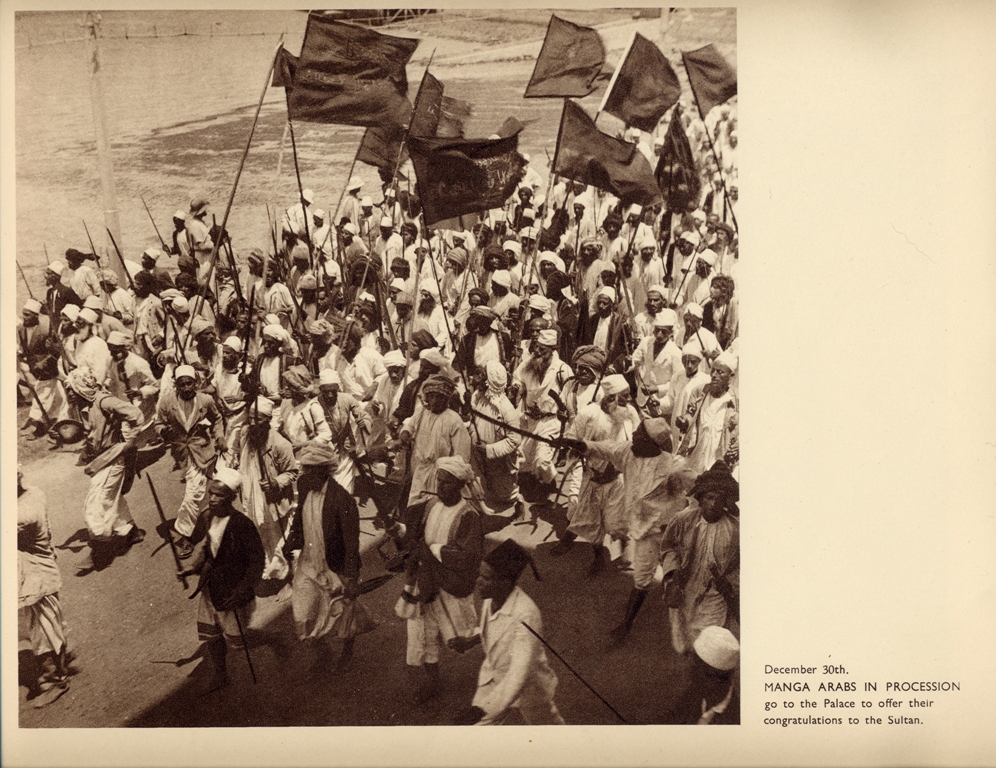
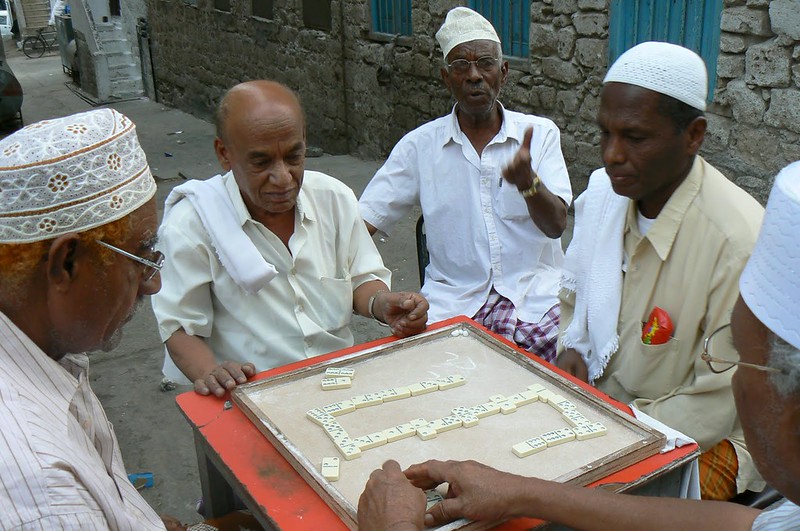
KidStranglehold: Those Swahili people of the coast even identify as Arab and they look like your stereotypical Africans, but it's because their culture is Arab dominate.The Swahili people do not necessarily identify themselves as Arabs, however those with Arab ancestry may make mention it. Actually it's more common for neighbouring communities to call them “Waarabu” based on their supposed solidarity with other Arabs (on the coast), shared culture and Islamic heritage. What the urban Swahili originally identified themselves as was “Waungwana”, which could translate to “the civilized ones”. To be accepted as one amongst them you had to possess a stone house, covet materialism, knowledgeable in local culture, fluent in the Swahili language and other miscellaneous things. Being an Arab or have Arab ancestry is not on the list of requirements for upward social mobility. Before the Busaidi rule in Zanzibar, the newly arrived immigrants from Arabia were not permitted to live within core town settlements, instead had to live on the outskirts until their social status changed. The only Arabs that were exempt from this were those of Sharif ancestry. Yet still, In the Swahili lands you can say the Swahili became Arabized and the Arabs Swahilized. So identities may overlap sometimes. Here are some “Arabs” in Oman that returned after the Zanzibar revolution. They are called “Swahilis” by their fellow Omanis http://www.youtube.com/watch?v=0PuzH45g6tM 1 Like |





1 2 (of 2 pages)