Rematiptop's Posts
Nairaland Forum › Rematiptop's Profile › Rematiptop's Posts
1 (of 1 pages)
 Autos › Common Issues With Snap-in Tyre Valves And How To Prevent Them by Rematiptop(op): 10:46am On May 01, 2025 |
Proper tyre care is essential for your safety and for keeping your vehicle running smoothly. It is the case that a large number of drivers are aware of the need to inspect their treads and tyre pressure, but the frequently unnoticed snap-in valves become the source of the problems. These small factors can cause big problems, leading to less safety and a bad driving experience. This article goes into detail about the issues with snap-in valves and offers solutions, as explained by experts. Understanding Snap-In Valves and Their Components Most common vehicles, like passenger cars and light trucks, use snap-in valves, which are also widely used. A snap-in valve consists of three main parts: the valve stem, valve cores, and valve caps. When a snap-in valve is put in properly using the right tool, it creates a tight seal, giving you a long-lasting fix for tyre pressure loss. The Importance of Quality Valve Caps You should not underestimate the value of valve caps. They are there to not only beautify the wheel but also provide important protection. Quality valve caps protect the valve core from dust, moisture, and dirt. These particles can damage the equipment. If you mistakenly apply incorrect types of valve caps, the system can still be dirty and cause an air leak or pressure problem. The best valve caps from a department store won’t hurt your valve. They will help it last longer and work better. Common Issues with Snap-In Valves Air Leakage Problems A common issue with snap-in valves is air leaking out due to valve cores that weren’t put in properly. If the cores aren’t tightened enough, they can still let air escape slowly. This type of leak is so small it’s easy to overlook, but it can cause problems when air levels drop, which may lead to safety and driving issues. Corrosion and Material Degradation Snap-in valves are always open, so they’re constantly exposed to really harsh conditions like road salts, extreme temperature swings, and UV radiation. This takes a toll on the valve materials over time, causing problems like oxidation of the metal parts, brittleness in the rubber parts, or a decrease in the valves’ ability to seal properly. Improper Installation Complications Most valve issues are caused by poor installation techniques. Using the wrong valve installation tool can lead to uneven installation of the valve’s rubber grommet, creating paths for leaks to form. When technicians do the job perfectly, the valve will fit the wheel rim just right every time. In a Nutshell Snap-in valves can be a real pain, so it’s crucial to get every detail just right. When you know what to look out for and stay on top of maintenance, you can avoid the hassle and safety risks that come with valve failures. Rema Tip Top provides the best possible quality valve components and installation tools, designed with the help of industry and tech experts who know their stuff in tyre maintenance. |
| Autos › Tyre Plug Vs. Patch! Which Is The Better Solution For Flat Tyres? by Rematiptop(op): 10:45am On Apr 24, 2025 |
There is no doubt that a decision on whether to use a plug or a patch when you are in a flat tyre situation can be what makes the difference between a quick solution and a thorough one. Umbilical repair plugs and radial tyre repair patches are two of the most important tools in the tyre repair industry, yet they have different functions and principles of operation. How Tyre Repair Plugs Work Tyre repair plugs help fix punctures in the tread area at once. These rubber-based plugs are inserted through the hole directly from the tyre’s exterior. The most popular ones, such as minicombi plugs and stems, use an adhesive and a plug in one spot so that the repair is more straightforward to do on the road. The main advantages of repair plugs and tools include: *Quick installation (usually under 15 minutes *No need to remove the tyre from the rim. *Effective for small punctures (under 6mm) Yet, there are cases where plugging does not fully seal the damage; for example, big holes or sidewall damage would not be patched. The Benefits of Radial Repair Patches Modern radial repair patches employ reinforced materials that supply both excellent durability and rigidity, which in turn provide a more voluminous and safer repair. Dual-ply edge repair stitches can provide good repair results if they can be correctly repaired after the scratches have been cleaned and prepared. Key benefits include: *Creates a permanent airtight seal *Reinforces the damaged area from the inside *Suitable for larger punctures when combined with plugs Special repair patches are available for bicycle and motorcycle inner tubes. These patches are tailored to fit specific air measurements and pressure needs. Combination Repairs: The Best of Both Worlds For the purpose of getting the best tyre safety, various professional tyre repair specialists urge the utilisation of combination repairs employing minicombi plugs and stems together with radial repair patches for specific types of punctures. This will not only eliminate the puncture but also provide the highest quality of reliability and safety. Choosing the Right Repair Solution The appropriate repair method depends on several factors: *Puncture size and location *Tyre type and construction *Available repair plugs and tools *Whether it’s a temporary or permanent fix Professional vs. DIY Repairs Although there is a great variety of DIY repair kits, these can be roughly divided into two main categories: those that use a tyre repair plug and those that utilise tube repair patches. Most of the time, professional repairs using radial patches and the best equipment can ensure a much better quality of the automotive application. It is normally the case that professional repairmen, who have all the necessary tools, have high-quality radial repair plugs to work with the task, especially if a vehicle of a specific type comes to the garage. To Conclude Whether you choose tyre repair plugs or radial repair patches, proper application is crucial for safety. For the most reliable repairs, quality materials matter significantly. Rema Tip Top offers premium tyre repair solutions trusted by professionals throughout Australia, ensuring your vehicle returns to the road safely after tyre damage. |
| Autos › Tyre Valve Leaking? How To Diagnose & Fix It With The Right Tools by Rematiptop(op): 11:29am On Apr 10, 2025*. Modified: 12:20pm On Apr 10, 2025 |
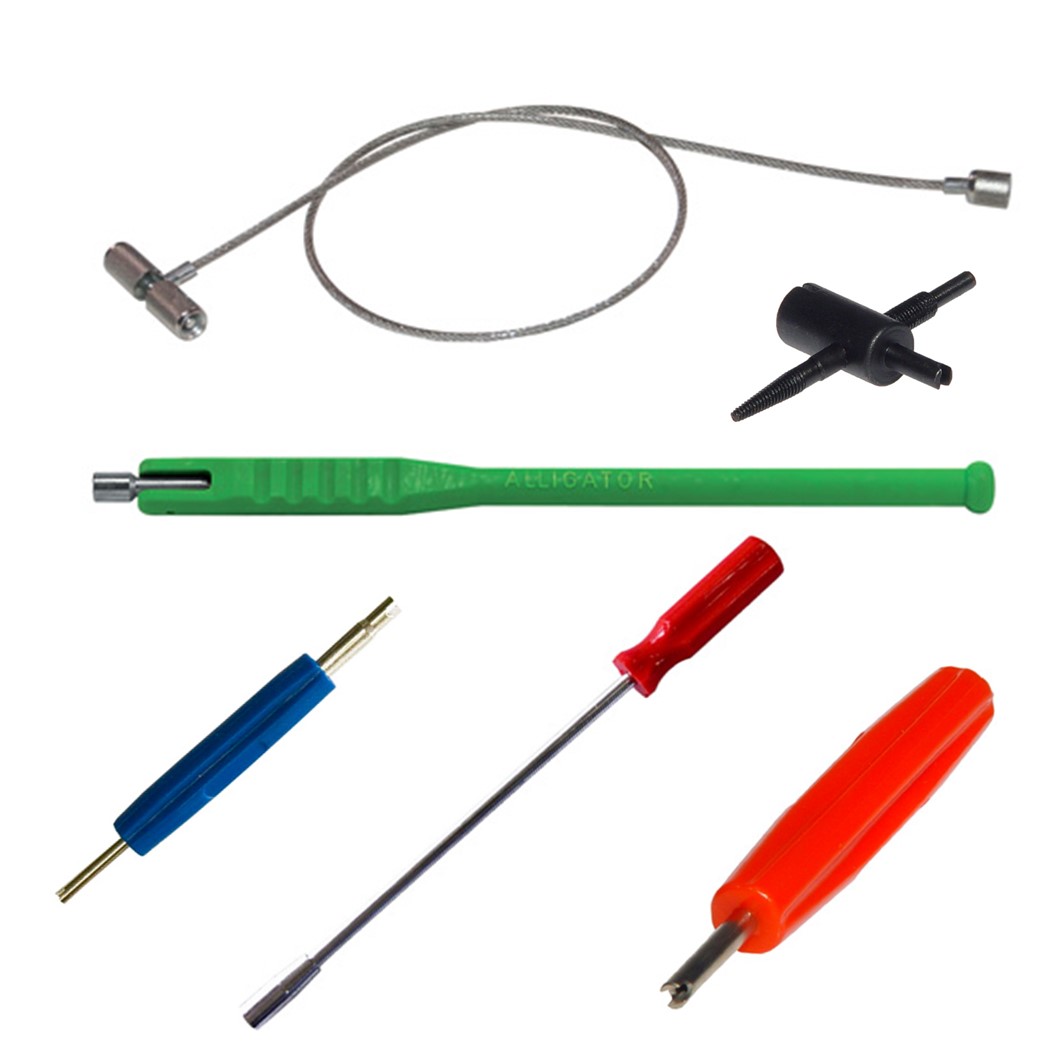
A leaking tyre is not only an annoyance—it’s also an unsafe situation waiting to happen, resulting in poor handling, decreased fuel efficiency, and even deadly blowouts. Although various causes can contribute to lost tyre pressure, as much as 30% of slow leaks can be traced back to defective valves. Identifying valve problems with a tyre valve wrench can prevent https://shop.rema-tiptop.com.au/images/CategoryImages/SX0C0206.jpg Common Signs of Valve Problems Watch for these symptomatic signs when diagnosing a leaking tyre valve: *Consistent pressure loss between drives *Bubbles form around the valve stem when soapy water is applied *Visible damage to the valve stem or cap *Whistling noise coming from the valve area while driving *TPMS (Tyre Pressure Monitoring System) valve warnings appearing intermittently on your dashboard Most modern vehicles are equipped with a TPMS valve system that alerts drivers when pressure drops below safe levels. If your warning light comes on repeatedly after reinflation, valve issues are likely the culprit. Essential Tools for Tyre Valve Maintenance The Complete Tyre Valve Tool Kit A good tyre valve tool kit is necessary for accurate diagnosis and correction. Your tool kit should have at least the following: *A valve removal tool, also known as a valve core tool *Replacement valve cores of suitable sizes *Valve caps *A pressure gauge *Leak detection solution The use of a valve removal tool is necessary because it enables one to get an appropriate torque while removing or inserting valve cores. Employing makeshift tools can ruin the valve assembly and exacerbate the leak. Step-by-Step Diagnostic Process Testing for Valve Leaks *Inflate your tyre to its recommended pressure *Mix dish soap and water, and apply the soap solution to the valve stem *Observe bubbles developing, which suggest escaping air *If bubbles form, use your tyre valve tool to grip and tighten the valve core *If tightening still does not correct the problem, try a replacement Performing Tyre Valve Core Replacement If a tyre valve is leaking beyond repair, valve core replacement is the cheapest option: *Remove the valve cap and safely secure it *Your valve removal tool can be used to remove the core (anticlockwise) *Examine the extracted core for debris or damage *Install the new valve core using the tyre valve tool. *Tighten snug—overtightening can do serious damage to the new *Re-inflate the tyre and check using soapy water *Replace the valve cap to avoid contamination In the case of vehicles using TPMS valve systems, special caution is necessary. Such specialised valves have sensitive electronics inside them that send pressure information to your computer. Careless handling during the replacement of tyre valve cores can destroy such components. Professional Solutions for Persistent Issues Some valve problems can be overcome by using good quality tyre valve tool kits, yet other issues necessitate professional intervention, especially in modern TPMS valve systems. For professional tyre valve maintenance, repair, and overall tyre valve core replacement services, REMA TIP TOP provides specialist tools and professional services. Its technicians have training in all valve types, even the more complicated TPMS valve systems, so your tyres can be kept at optimum pressure for safe and optimal driving. Don’t forget that correct tyre pressure care not only increases tyre longevity, but is also essential for your Australian road safety. |
| Autos › Essential Tyre Repair Accessories You Need For On-the-go Fixes by Rematiptop(op): 10:14am On Mar 20, 2025 |
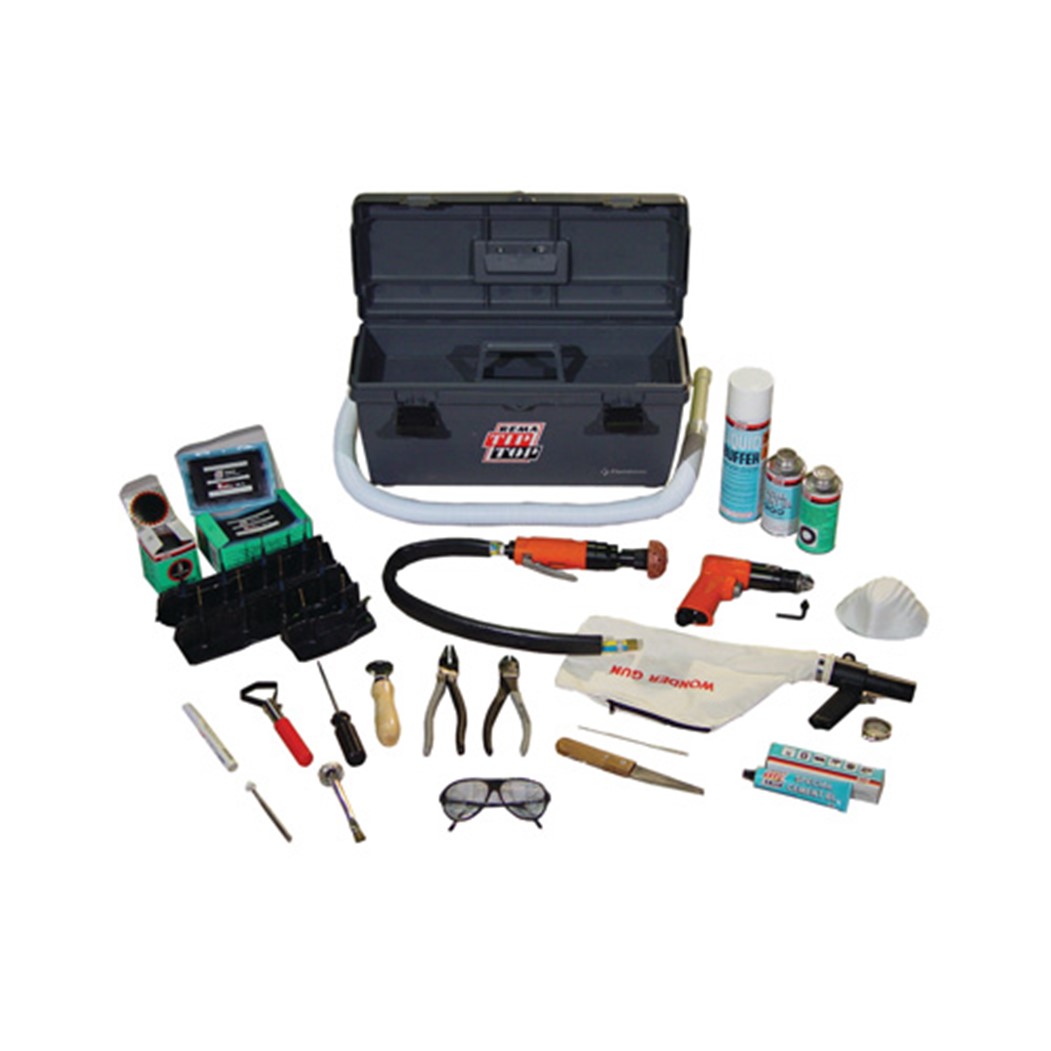
Maintaining a safe and roadworthy car is of utmost importance, particularly when you are far from home and want a rapid tyre repair. Whether your everyday travels depend on your automobile or you’re a weekend warrior, having the correct tyre repair kit and accessories will save you time and effort should a puncture develop. https://shop.rema-tiptop.com.au/images/CategoryImages/Category%20Images/SX0A03.jpg Why Being Prepared Matters Being caught with a flat tyre is never a pleasant situation. Hence, quality tyre repair accessories are quite useful. More than just a temporary fix, a good tyre repair kit guarantees that you may resume driving without waiting for a tow. When you have to act quickly, having the correct mix of sturdy tyre repair tools and equipment, tube repair patches, and puncture sealant can make all the difference. Choosing the Right Tyre Repair Kit When you’re looking for a tyre repair kit, you should look for things that meet all of your needs. Kits that are worth their salt will come with tube repair patches and puncture glue to fix broken inner tubes for good. The tools and materials in the tyre repair kit are just as important. They make sure you have everything you need, from pliers to special repair plugs. When time is of the essence, this all-encompassing plan makes sure you don’t have to look for missing parts. Key Components You Should Have A basic kit should contain a combination of puncture sealant and tube repair patches, which are two necessities. While the sealant fixes small punctures quickly, the tube repair patches perform best when applied correctly. Furthermore, making investments in high-quality tools and equipment for tyre repair would streamline the process and assist to preserve tyre integrity. These products can help you to manage anything from a steady leak to a rapid puncture. How to Use Your Tyre Repair Tools Effectively Usually starting with safe parking your car and evaluating the damage, the repair process starts. Once the puncture has been found, you can cut out the damaged section and follow directions on applying the tube repair patches. Following manufacturer recommendations will help you to guarantee a strong bond using the puncture sealant. By carefully following each stage, you not only prolong the life of your tyre but also enhance the resilience of the repair. Regular maintenance of your tyre repair accessories will help to guarantee their continued good condition. Periodically replacing or updating your kit will help you stay current with the most recent developments in tyre repair technologies. To Conclude Ultimately, on the road, having a whole range of tyre repair tools and accessories including a dependable tyre repair kit, puncture sealant, and tube repair patches makes all the difference. Rema Tip Top provides premium solutions that fit any repair demand for people looking for dependable goods and professional help. |
| Autos › Why Use A Puncture Repair Kit Instead Of A New Inner Tube? by Rematiptop(op): 12:32pm On Jan 29, 2025 |
Many bikers and car owners have to choose between replacing the inner tube or using a puncture repair kit when confronted with a flat tyre. Although both choices have benefits, using a repair kit usually makes the most sense. Let's investigate the advantages of a puncture repair kit—convenience, economy, and adaptability, among other things. Convenience of Puncture Repair Kits The simplicity a puncture repair kit provides is among its most important benefits. You want a speedy fix when you come across a flat tyre. Usually including everything you need to patch a flat on the spot, a puncture repair kit lets you get back on the road right away. Quick Fix: An average tubeless tyre repair kit include tools, sticky patches, and detailed directions, which will help you to rapidly fix the hole. Especially if you're in a rush, this helps you save the time-consuming effort of removing the wheel and changing the inner tube. Compact and Portable: Puncture repair kits are ideal for cars and bikers equally, as they are made to be light and simple to carry. Stowing them in your bag or car will help you to always be ready for unplanned punctures. Cost-Effectiveness Furthermore, a puncture repair kit might be less expensive than other tyre repair accessories. Although inner tubes are rather cheap, if you regularly live in flats the expenses might mount up. Single Investment: Multiple times usage of a single investment grade puncture repair kit will let you mend various punctures without requiring new inner tubes. Along with saving money, this lessens the frequency of purchases. Reduced Waste: Less trash in landfills results from fixing punctures rather than replacing inner tubes. Eco-aware people should use this ecologically beneficial method as it fits with sustainable methods. To Wrap Up Using a puncture repair kit rather than a new inner tube has several advantages overall. Puncture mending kits are essential because they allow for quick fixes, save money, and are easy to carry. Consider getting a tyre repair kit when you find a flat tyre next time. With the right tools and some know-how, you'll be back on the road and ready for your next trip in no time. |
| Autos › DIY Tyre Repairs: Essential Tools And Kits For Quick Fixes by Rematiptop(op): 5:58pm On Oct 28, 2024 |
Travelling through Australia's tough landscapes or dealing with sudden road issues? A DIY tyre repair kit is vital. With the right tools, you can easily fix a flat tyre. Don't let a puncture stop you. Stay prepared with this essential kit. It's crucial for every driver. This guide will list the key tools and kits for DIY tyre repairs. You will be ready to fix any puncture with confidence. Puncture Tyre Repair Kit: Your Mobile Tyre Shop A puncture tyre repair kit is a quick-fix solution for on-the-go repairs. This kit usually contains essential tyre repair tools, including: Tyre Levers: Tyre levers simplify rim access, prying rubber from metal to expose tubes and liners. These compact tools streamline repairs, saving time and effort during wheel maintenance. Tyre Plugs: Small punctures in tubeless tires find swift salvation through plugs. These simple devices seal holes effectively, offering drivers a quick fix to get back on the road without delay. Insertion Tool: This handy device inserts tyre plugs, effectively sealing punctures. It guides the plug into the hole, guaranteeing a secure repair for your damaged tyre. Lubricant: This lubricates and safeguards during insertion, minimizing harm. It smooths entry and protects delicate tissues. A puncture repair kit turns your car into a mini tyre shop. Keep it in the glove box or boot. This small tool lets you quickly fix flat tyres. You can patch a leak with a few simple steps and get back on the road in minutes. It offers roadside independence, all neatly packed. Tyre Repair Kit Essentials: Beyond the Basics Though the Puncture Tyre Repair Kit covers the essentials, here are some other tools that can make your DIY tyre repair skills more capable: Tyre pressure gauge. Wheel chocks. Air compressor. Wheel repair tool. Where to Source Quality Tyre Repair Accessories Quality tool and accessory use is highly relevant for proper and safe tyre repairs. REMA Tip Top from Australia offers high-quality tyre repair solutions. Their range includes products for both DIY and professional use. You can find kits, tools, and tyre repair accessories there. It's Australia's top choice for tyre care products. To Sum Up By investing in an all-around, thorough kit for repairing the tyre, take time to practice this art of 'doing-it-yourself' before emergencies crop up. Always keep your vehicle ready. Preparations will make everything easier when it's all coming to the testing hour and will prepare you so well that you can confront it at ease. Now go driving with that satisfied feel inside because you're completely geared, ready to roll, and confident enough for emergencies! |
| Autos › DIY Tyre Repairs: How To Use A Tyre Puncture Repair Kit Effectively by Rematiptop(op): 4:47pm On Oct 03, 2024 |
Regardless of where you are in Australia, flat tyres tend to come as an unwelcome surprise to most drivers. The beauty of it all is that with the correct tool and procedure, you can face this roadside emergency with confidence. So, here's the process for effectively using a tyre puncture repair kit, and you'll always be ready for tubeless tyres' troubles. Selecting Your Kit Tyre repair kits come in a variety of shapes and sizes, and not all kits are created equal, either. For modern vehicles that have tubeless tyres very often these days, a more specific kit that is described as a standard kit is required. Cheap, generic kits should be avoided, and those kits tend to be more related to bicycle inner tube repairs. A commercial-grade, tubeless tyre kit ought to be ordered: one the pros use. These kits usually have rope-style plugs, mushroom-style repair units, or proprietary plugs for a permanent fix. The Repair Process Steps for self-repairing a punctured tubeless tyre using a tubeless tyre repair kit are as follows: Remove the Puncture Object: Remove the nail, screw, or any other object that is causing the puncture; avoid breaking away at the edges to enlarge the hole. Clean and Prepare: Clean the inside of the tyre around the puncture so the patch bonds well. Some kits will involve an additional step of opening up the puncture with a rasp. Apply Vulcanizing Fluid: Kits with vulcanising fluid must be dabbed with a coat applied to the repair unit, that is, a mushroom patch, for an airtight seal. Insert the Plug: For rope-type plugs, insert the plug into the hole and the insert should fill the puncture. Mushroom type repairs: for a mushroom, follow the manufacturer's general installation instructions. Secure and Reinforce: Include in the kit a security coat or adhesive over the patch to strengthen the repair and make it last longer. Recommended Products Dynaplug Tubeless Tyre Repair Plugs: These patented plugs bond with the tyre for a permanent fix, therefore, highly recommended by do-it-yourselfers. Tech Mushroom-Style Repair Units: Professional-grade patches achieve an airtight seal, ensuring a fail-safe fix. Western Weld Rasp: This is a useful tool to be used on preparing the puncture with smooth execution of the repair. Where To Buy? Ultimately, REMA TIP TOP provides different types of tyre repair equipment. With their reliable products, they can help you beat any tires-related mishaps. However, there are some tasks that are best left to the professionals. You can never go wrong with safety and experts if you do not know what you are doing or with complex tyre solutions. |


1 (of 1 pages)