Rotimm's Posts
Nairaland Forum › Rotimm's Profile › Rotimm's Posts
1 (of 1 pages)
 Investment › 11 Cryptocurrency Acronyms And Terminologies You Must Know In 2022 by rotimm(op): 5:50pm On Apr 05, 2022 Investment › 11 Cryptocurrency Acronyms And Terminologies You Must Know In 2022 by rotimm(op): 5:50pm On Apr 05, 2022 |
One of the biggest buzzwords in the technology space at the moment has to be Cryptocurrency. So big, the entire cryptocurrency space is currently worth $1.72 Trillion as of the time of writing the article. If the cryptocurrency market was a stock market operated by a country, it will be the 18th largest stock exchange by market cap in the world. But very few know how cryptocurrency works or what it’s used for. According to a recent survey done by Cardify, only 16.9% of investors who have bought crypto “fully understand” the value and potential of cryptocurrency, while 33.5% of buyers have either zero knowledge about the space or would call their level of understanding “emerging.” Even fewer know about the larger ecosystem that exists beyond the cryptocurrency space which includes Blockchain, Decentralised Finance, Web3, Smart Contract and so much more. In this article, we will break down all the terminologies and jargon around the cryptocurrency space into much simpler and more digestible bits using related anecdotes. ALSO READ: 7 Business Automation Tools To Subscribe To In 2022 Let’s go! Nakatamo Satoshi What better way to start than with the man who is presumed to be the brains behind the creation of Bitcoin, the first cryptocurrency. Many folks in the crypto space believe he’s a pseudonym that represents the original creator(s) of Bitcoin. Whatever and wherever he is, dead or alive, the name has made history as being the pioneer of the most disruptive technology innovation at the moment. Given the price of BTC today, Satoshi would be a billionaire. In addition, the poor (rich) lad also exists as a token called Satoshi and currently trades on the Coinmarketcap with the price set at $0.000412. Blockchain Blockchain is a combination of computer networks that transparently stores all the information about a crypto transaction. Visualise several series of blocks that contain the information in a space connected by endless chains. Blockchain is the technology that powers all cryptocurrency transactions, for without it there won’t be any cryptocurrencies in existence. Its mission is to ‘wrestle power’ from centralised and opaque organisations like banks, government, lawyers, Insurance companies, “omo oniles”, etc and put it in the safe and transparent hands of ordinary folks like you and me, hence decentralising the whole process of money exchange (a classic tale of Robinhood). Bitcoin As you probably have noticed, decentralisation is ironically the central theme for cryptocurrency and no other token, coin or terminology represents this theme like Bitcoin. Bitcoin is a virtual or digital token that can only be used on the internet. Unlike the physical currencies e.g the US dollar and UK Pound Sterling which are controlled by the government, Bitcoin is controlled by anyone. And like the traditional currencies which are stored in physical wallets, Bitcoin can also be stored in wallets called digital wallets (We will talk more about this). Bitcoin is the first and most valuable cryptocurrency with the price currently at $44,230. Ethereum Ethereum is the second most popular and valuable cryptocurrency but it has a more unique usage than Bitcoin. The former both serve as a medium of exchange and technology within the blockchain where other decentralised applications like Defi, Smart Contracts and NFT can be built on while the latter is only used as a medium of exchange. Think of Ethereum as the Gold of cryptocurrency and Bitcoin as the dollar. Ethereum can also be referred to as an alternative coin to Bitcoin. Blockchain Wallet The blockchain wallet acts the same way as your physical wallet which is used to store cash and cards except it is used online to store digital currencies like Bitcoin. It is very secure and can only be accessed by a key unique only to the wallet online (unlike the physical wallet that can be ‘accessed’ by boys under the bridge). Address An Address is a string of characters in a wallet that can send and receive cryptocurrency. It is synonymous with a real-life address or an email. Just like a physical address where no two houses can share the same numbers, each address on the blockchain is unique and marks the location of a wallet. Alt Coins Short form for alternative coins, Altcoins refer to any type of cryptocurrency other than Bitcoin. Altcoins were created to serve a much better purpose to cryptocurrency users than Bitcoin. Ethereum was the first-ever altcoin created. Other examples of altcoin include Solana, Bitcoin Cash (which is the 3rd most valuable cryptocurrency), XRP, Cardano, etc. Shitcoins Shitcoins are altcoins that are fraudulently created and serve no intrinsic value to users. They are truly shitty by every definition of the word. Examples of shitcoins include Dogecoin, Shiba Inu, Safe Moon, Magic Internet Money, etc. Cryptocurrency Exchange Crypto Exchanges are platforms where digital currency owners can buy or sell cryptocurrency coins like Bitcoin, Ethereum, Polygon, Litecoin Solana and the likes. They are two types of Crypto Exchanges: Centralised Crypto Exchanges – These exchanges are operated by trusted third-party companies where individuals have little or no control over the trading of their digital assets. They are safe but kind of defeat the essence of decentralisation. Examples of centralised crypto exchanges include Binance, Luno, Huobi, Coinbase, etc. Decentralised Crypto Exchanges – these exchanges grant users total control over their digital assets without involving any third party, think of it as the bundle of cash you keep underneath the mattress or in the dark spot of your wardrobe and use whenever you want. Examples include Uniswap, PancakeSwap, Kine Protocol, etc. Tokens Tokens are simply altcoins that have no dedicated blockchain, unlike Bitcoin and Ethereum. They leverage existing blockchain, most commonly Ethereum. They are essentially like coaches that only move once attached to a train engine. One great advantage of tokens is that cryptocurrencies can be created on an existing blockchain without the need to build a blockchain, just like a coach needing to move on the rail tracks without a need to build a new train engine. Decentralised Finance Defi, short for decentralised finance, is the movement within crypto that removes the control banks and institutions have on money, financial products and financial services. It eliminates the fees that banks and other financial companies charge for using their services. This means anyone can lend, borrow and other access financial services just by being connected to the internet without the need for intermediaries like banks. More buzzwords pop up daily around the crypto space, but these 11 are some of the most useful and popular terminologies around the cryptocurrency space. For More Details About How You Can Invest in Crypto, Visit >>>> https://www.descasio.io/11-cryptocurrency-acronyms-and-terminologies-you-must-know-in-2022/ 1 Like
|
| Business › 7 Business Automation Tools To Subscribe To In 2022 by rotimm(op): 9:35am On Mar 14, 2022 |
Picture yourself sitting on your cosy office chair with both legs comfortably stretched on the shiny marble desk and a digital clicker on the left hand that lets you solve all work-related tasks from negotiating complex deals with clients to the complex art of making a cup of coffee without thinking so much about the task (unlike the task I’m currently on). Gotten a picture yet? Let’s take it a notch higher, imagine if all you do daily at work to complete your task is punching the buttons on the aforementioned digital clicker the same way you scroll TV stations at home endlessly with a TV remote control. You must be swelling inwards at the possibility of being in such a working environment (don’t type that letter!), but I hate to be a bearer of bad news; a futuristic device like a digital clicker only exists in movies. It will probably take a hundred years to create such a device. Key Stats About Business Automation Back to reality, more organizations are abandoning manual business processes and jumping on the train of automation. According to a 2020 Mckinsey survey of business leaders from a wide cross-section of industries, 66% were piloting solutions to automate at least one business process, up from 57% two years earlier. Also, in a recent survey carried out by Frevvo, a leading Business Process Automation software company, 78% of business leaders believe that automating tasks in the organization increases productivity for everyone involved. These key stats show the level of commitment and investment business owners put (and are still putting) in automating their business processes to achieve the desired results. Business Process Automation The benefits of business process automation, which is the use of technology to accomplish monotonous and tedious tasks, are immense for businesses looking to edge out the competition. According to a 2021 report by Zappier, another BPA software platform, on the state of business automation, 88% of small businesses say automation allows them to compete with larger companies by allowing them to move faster, close leads quickly, spend less time on dead-end works, limit errors and offer better customer service. There are over a thousand and one business processes across industries that have been automated. From performing simple work tasks like sending an email to a prospective customer to complex accounting tasks of reconciling financial records, automating business processes is as critical as death and taxes. But to steer your business or organization on the path of automation, the right automation tools must be used. These tools are essential to the growth and success of a company. Here are 7 Business Automation tools your company can subscribe to in 2022: Hubspot HubSpot CRM platform is one of the most effective automation tools out there for businesses looking to grow their customer base at scale. It’s a marketer’s/sales expert’s delight! The platform can virtually automate all marketing, sales, and customer service processes, including capturing quality leads, sending targeted emails to prospective and existing clients or customers, blog and social media content creation and management, and customer service management. There are five inbuilt software to get your marketing automation journey started on the HubSpot platform; the Marketing software with features like Lead generation, Market Automation, and Analytics will help you grow and convert your online visitors and run complete inbound marketing campaigns at scale, the Sales software with features like advanced CRM, Meeting Scheduling and Quotes will help you close more deals faster, the Customer Service software, Content Management software with an SEO recommendation and a Drag and Drop feature and Operations software. It also offers integration capabilities with your favourite online tools like Gmail, All HubSpot inbuilt software comes with different pricing bundles that suit your budget needs, but you can request a demo if you are in doubt of their automation services. Zapier One task that truly gets tiring even for the genius walking among us is regular coding which keeps one from doing the tasks that matter. This genuine challenge is the reason no-code-based platforms like Zappier were created. Zappier does the tricky backend coding task for you so you can concentrate on the task that matters. Its functionalities include connecting two or more everyday used apps like Teams and Gmail, creating seamless multiple workflows and automating repetitive tasks that save hours of work. It offers flexible pricing plans that fit your company’s needs. Wordsmith Every business process has been automated one way or another and that includes content writing. You probably think it’s impossible to come up with an automation process for writing, well think Wordsmith. As the name suggests, this is a content automation tool that transforms data into insightful narratives. Call it the Shakespeare of numbers and you won’t be wrong. It automatically expresses data across your organization in the most informative and conversational written tone. Powered by artificial intelligence, Wordsmith enables you to get a better understanding of your business by creating clear, concise, and insightful analysis that helps you make better data-driven decisions. Big companies like Associated Press, Microsoft, Yahoo, and PwC use the tool to generate billions of content every year. You can subscribe to the paid plan of $250 per 1000 articles to get started. Microsoft Power Automate Most Microsoft applications usually pack a punch. Some of these applications offer some form of automation; the Microsoft apps are a low-code development tool designed to create apps. Microsoft lists help manage and customize workflows. Microsoft Sway creates interacting infographics and presentations using an inbuilt design engine. But none of these applications offers an end-to-end automation process as the Microsoft Power Automate. With Power Automate, you can create an entire automated workflow and business process. It also offers thousands of prebuilt templates to start automating common business processes. With features like Flow where repetitive and time-consuming multistep, guided processes are automated with pre-built connectors, AI Builders to create intelligent automation and insights by building and publishing AI models without a single line of code or requiring data science skills and Process Advisor which record and visualizes end-to-end processes, Power Automate is the ultimate automation platform. What’s best is that you can automate on the go with Power Automate Mobile. You can also seamlessly connect your workflows with other Microsoft 365 applications. Pricing for Power Automate is flexible across features. Netsuite Financial Management One of the most demanding business processes for most organizations has to be Accounting processes. Accounting tasks are arduous and if not done rightly, can spell financial doom for any business. This is why businesses need accounting automation tools like Netsuite Financial Management to navigate the intricacies of financial processes. Built for large organizations in mind, NFM helps automate complex financial processes such as budgeting and forecasting, bank reconciliation, asset management, revenue management, compliance management, payables and receivables and so much more. The software solves the challenges that come with manual processing, data accessibility, accuracy, and compliance with features like Revenue Recognition, Planning and Budgeting, Accounting, Billing, Financial Reporting, Financial Consolidation and Governance, Risk, and Compliance. Pricing for NFM is flexible and based on the number of users per company. SolveXia As seen with the previous tool above, the most important business process automation is arguably the one that involves financial processes. Most hardly cater to the needs of small businesses but a few, and one of those few is SolveXia. As the name suggests, SolveXia solves complex financial problems including revenue management, expense analysis, reconciliation, and much more using a powerful financial automation suite. The automation software is suited for large and medium-scale businesses with more complex financial processes. IFTTT Here’s one automation platform social media small businesses can jump on. IFTTT, which is short for If This Then That, helps small businesses connect all their online assets. Mostly it’s used for personal use but it has some amazing workflows for small businesses. For example, automatically add all email attachments to Google Drive or other tasks like that. IFTTT can be used to automate various aspects like social media, email marketing, blogging content, and more. It offers a standard package for free forever. Last Words Fictional narratives aside, automation is not a sort of glitch in the Matrix or a robot from the future, it is a big deal for businesses looking to improve their revenue base and speed up work processes. It isn’t also meant to replace workers but to compliment them, freeing them up to do the work that matters for the organization. Read More Business Stories here >>> https://www.descasio.io/7-business-automation-tools-to-subscribe-to-in-2022/
|
| Business › 6 Ways To Keep Cyber Hackers Away From Your Online Business by rotimm(op): 12:38pm On Sep 28, 2021 |
A couple of years ago, a friend of mine, a young versatile entrepreneur, had launched a revolutionary financial product to bridge the credit gap for the unbanked. His product gained incredible traction in the first year with over 100,000 users downloading the app and a million naira in processing.https://www.descasio.io/6-ways-to-keep-hackers-away-from-your-business/ 7 Likes 3 Shares
|
| Business › 5 Reasons You Must Use This Online Tool To Stay Ahead Of Your Competition by rotimm(op): 12:08pm On Sep 15, 2021 |
Throughout the ages in history, humans have relied on varying tools, not just to survive, but to stay dominant and ahead of others. More particularly, some of these tools were used for optimization purposes. The Stone Age tools of the prehistoric era like the Handaxe (a multipurpose food gathering tool), fire controller (a technological evolution at that period), and Bone tool served as a huge advantage for those who wielded them. Think of them as the Elon Musk and Bill Gates of the prehistoric era. A Million and One Online Business Tools Fast forward millions of years later into a much more digitized world, a million and one online tools have popped up for big and small companies to optimize regular work processes with. Take, for example, a simple process like sending or exchanging documents internally can be done with collaborative tools like Microsoft teams and Google Workplace (You can read extensively about 21 digital tools to use for your business in 2021. ) These tools have greatly enhanced and reduced efficiency and overhead cost respectively, digitally transforming businesses that have adopted them and giving these businesses the edge to always stay ahead of their competition. DT Assessment Tool One tool that stands out in the 21st century is the Digital Assessment Tool, a tool that specifically helps organizations across all industries determine their level of readiness for embracing technology translation – a platform dedicated to positioning your business to be at the forefront of digital transformation. Call it the Houdini of tech solutions and you wouldn’t be firing blanks. Since the release of the tool a month ago, over a thousand organizations have already used the tool to check their digital maturity, a very useful parameter to determine if your company is technologically driven. The higher your company is on the digital maturity scale the digitally transformed it is. Below are five lasting effects the DT assessment tool will have on your business to stay ahead of the competition: The Future Becomes Your Oyster One of the most transformational effects on your business after making use of the DT Assessment tool is the realization of what it takes to get your business ready for future disruptions. For example, a modern commercial transportation company with fleets of combustible engine cars will easily be disrupted and rammed into (all pun intended) by a commercial transportation company that has invested in a fleet of electric cars. Taking the DT assessment will arm the former with the ample information needed to digitally transform its business model to survive the impending tsunami and favourably compete with and get ahead of the latter. Less Money to Spend Based on Available Data Here’s a telling stat: According to an Adobe study done six years ago, 82% of companies still very much invest billions in paper usage. Even the pandemic and the advent of remote working hasn’t slowed down the use of paper as the paper market is expected to see positive growth for the next 3 years. The good news; this is the biggest opportunity to get ahead of the curve by eliminating paper-based tasks in your business processes, saving huge amounts of money, and investing it elsewhere. An example of an industry that has eliminated paperwork is the Fintech industry. This essentially is what the DT assessment tool is all about, identifying what your business needs to let go to position it for digital transformation based on data about your business. Clearer Picture It’s hard to keep up as a business owner or manager when so many business processes are executed in real-time which can easily lead to broken and dysfunctional processes. This is especially true for large and medium-scale businesses. The DT Assessment tool can help fix these redundancies by assessing internal work processes and showing you a clearer picture of what your business needs with the right software. Find Your Solution As stated earlier at the beginning of this article, there are millions of technology solutions out there in the digital world. The upside is that we get to be spoilt for choice. And the downside? We get to be spoilt for choice. As a result, many companies find it difficult to determine what solutions are most appropriate for them among the pool of existing solutions. Do I need to adopt Microsoft Teams because my competitors adopt the same? Or should I use an alternative tool with a different offering in an attempt to outperform them? These are questions that many business owners have been troubled with over the years. However, with the DT Assessment tool mirroring your business processes back to you in the clearest form, you will be able to determine what solutions are a perfect fit for broken workflows. You’d also get some recommendations on suitable solutions to adopt in specific areas after completing the assessment. Rinse and repeat We live in an ever-evolving business landscape where you have to use your best paddles at all times to move along the current. Those paddles in the form of the DT Assessment tool is your guide to help your business consistently stay ahead in the race. It is advised you take the assessment periodically. This is also to ensure the tool naturally adapts to your business needs and predicts the right changes for your business to grow. Conclusion There is no better time to assess the digital maturity of your business. The tragic Covid19 pandemic has forced quite a lot of companies to take the digital transformation journey, but some has unfortunately found that journey tedious. The DT Assessment will make that journey less tedious and seamless. Click the link >>> https://www.descasio.io/5-reasons-you-must-use-this-online-tool-to-stay-ahead-of-your-competition/
|
| Business › How To Use This Important Digital Tool To Increase Your ROI by rotimm(op): 4:20pm On Aug 17, 2021 |
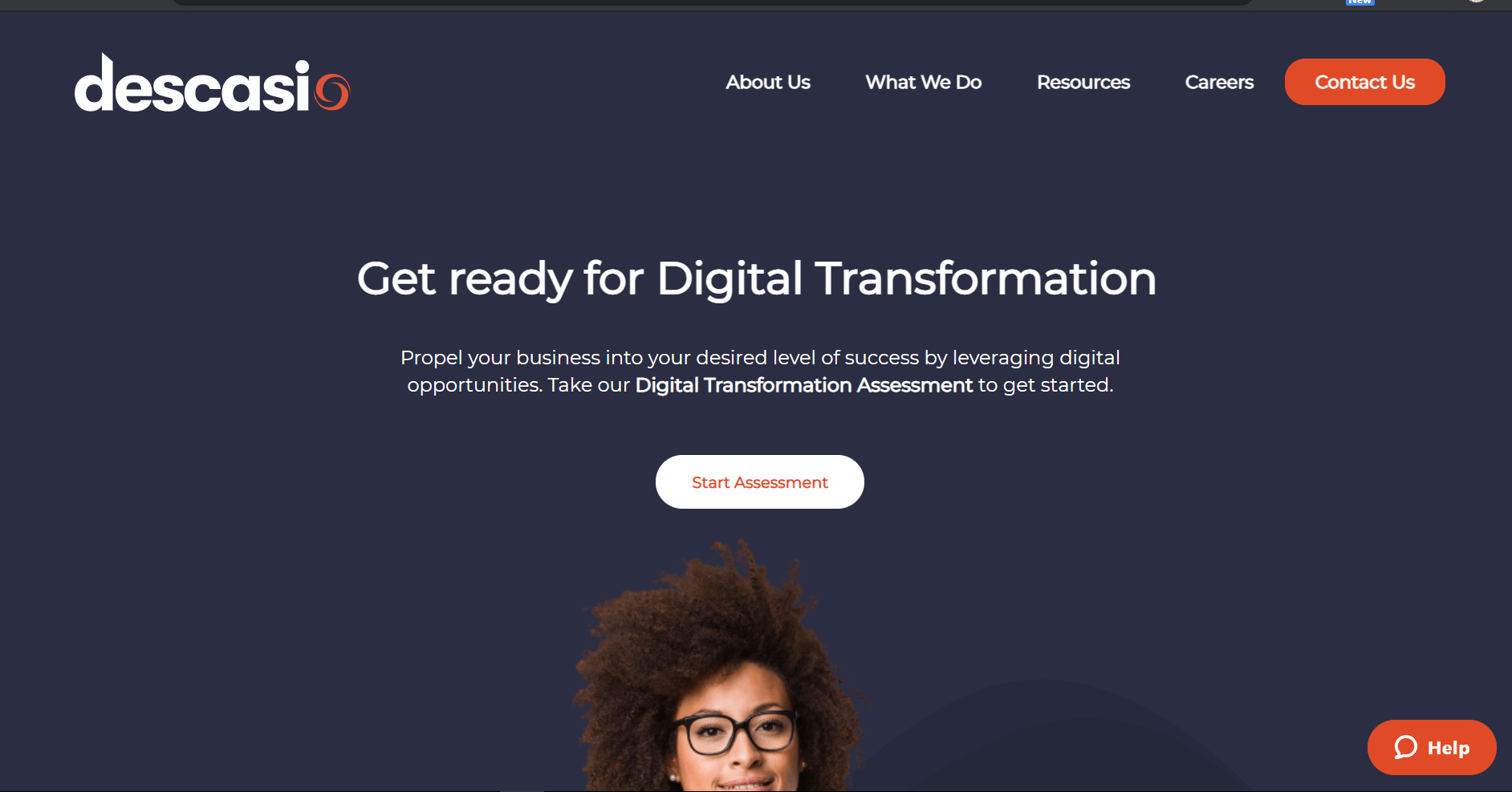
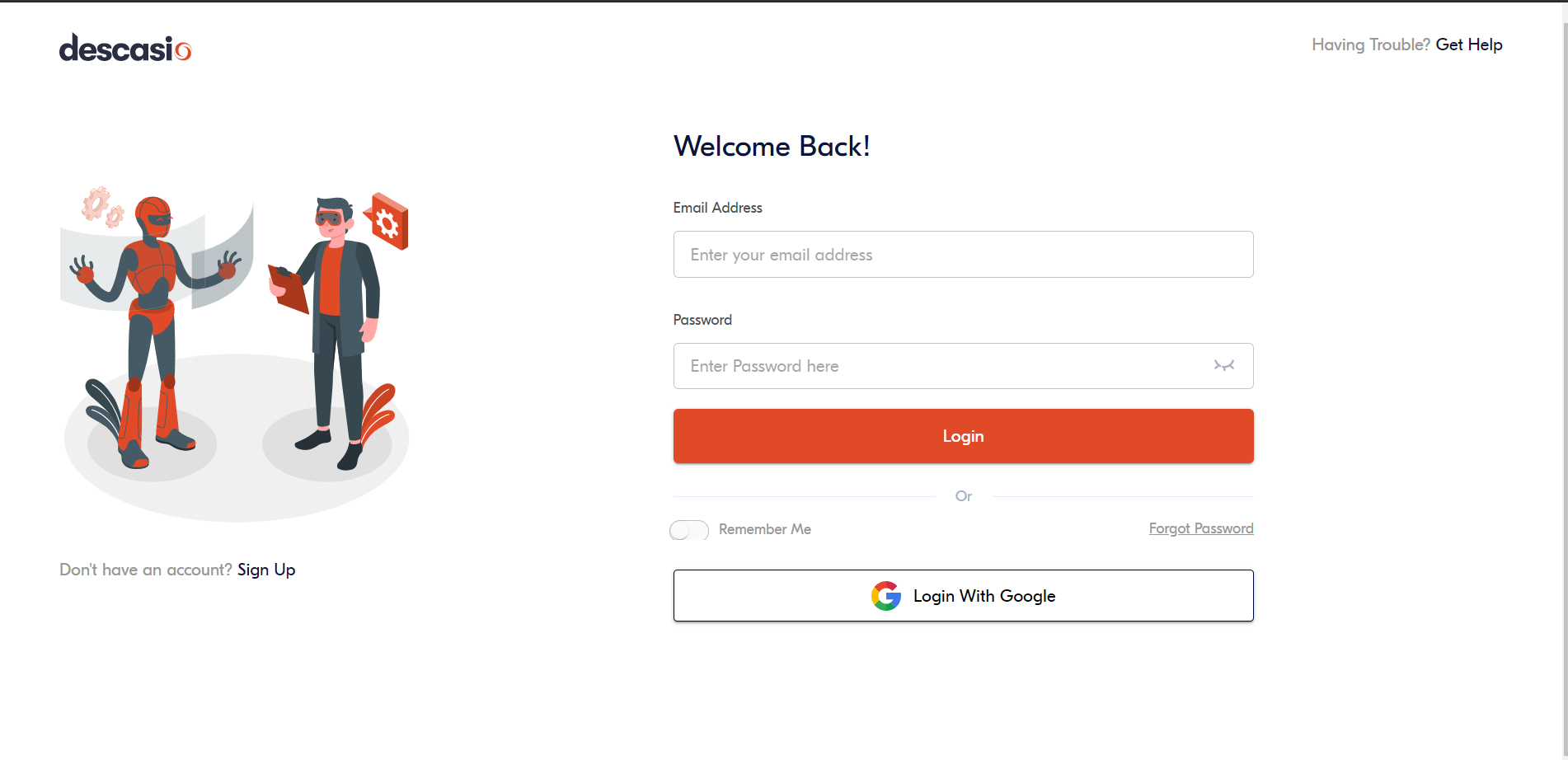
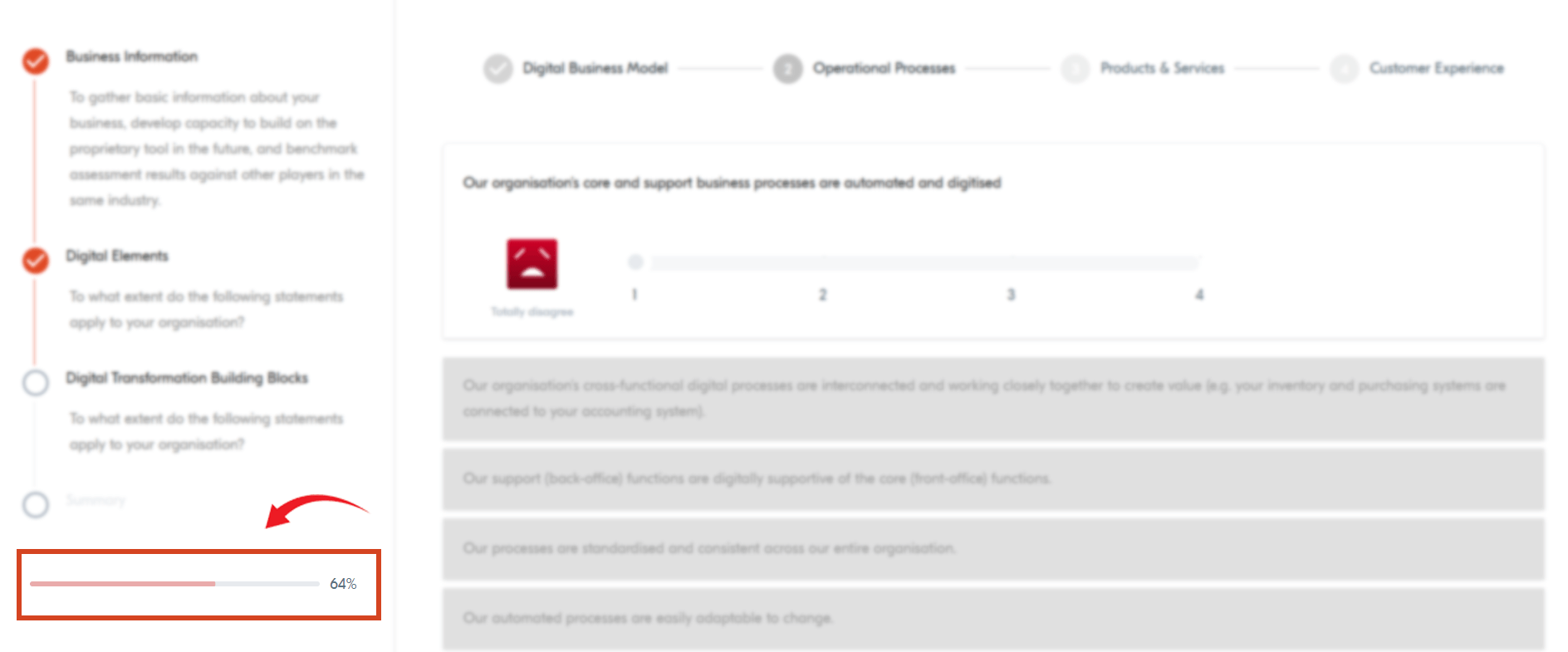
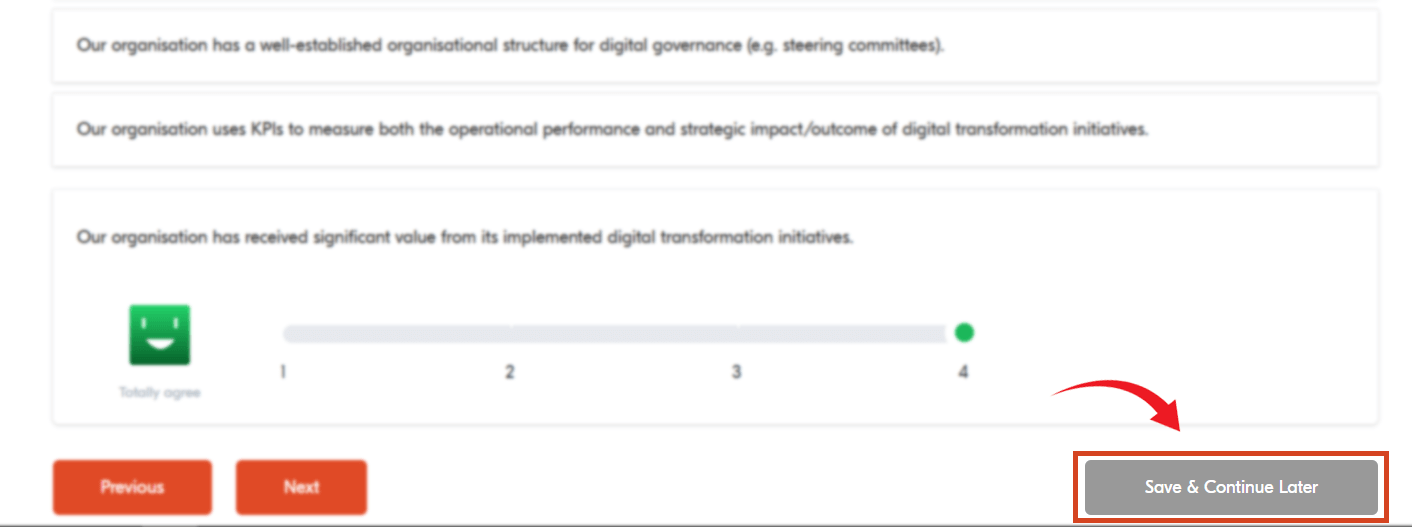
[img]https://www.descasio.io/wp-content/uploads/2021/08/Blog-Image-722x321.png[/img] Technology has come a long way since we first had a glimpse of what it could do. While that may sound cliche, there’s a whole lot of truth and mind-blowing detail wrapped in that simple statement. At the initial stage of technology’s arrival, we familiarized ourselves with hardware like printers, desktops, laptops, mobile phones, and lots more, and we used them to complete simple tasks with basic software for messaging, keeping time, taking pictures, and saving dates on our calendar. However, with time, the software has evolved massively and that has started an entirely different revolution under which anything can be made possible and easy too. Today, there are over a billion applications on the different app stores that exist, enabling us all to do just about anything we can think of. Surviving through the pandemic has been hard, but with technology, businesses have been able to shut the doors to their physical offices and open a wider door online. Teams that have been dispersed across the world have been able to bridge the distance using collaboration software, complete million-dollar projects right from the comfort of a couch and celebrate wins – whether big or small – together. Riding on the wings of this technological revolution, we at Descasio have continued to create tailored solutions for businesses of all sizes across Africa and beyond. Transforming businesses through technology has always been our goal. To see local businesses gain the digital advantage and begin to play on the global field is all that we live for. To make that transition process easier, we recently launched a tool that allows business owners to run an X-ray of their business to find out which bones are cracking and which ones could use a little bit of firming up. Typically, this solution helps businesses conduct a self-assessment, see what areas they need to improve on, see how technology can help them achieve better results in those areas, understand what technology solutions will be more appropriate for them, and get recommendations on the next steps to take in achieving their desired business outcome. In this simple guide, we’ll be showing you how to use our Digital Transformation Assessment Tool. 1. Visit https://assessments.descasio.io/ [img]https://www.descasio.io/wp-content/uploads/2021/08/descasio-5-steps-to-digital-maturity.png[/img] Our Digital Transformation Assessment Tool can be accessed via your web browser on smartphones and PCs of all kinds, i.e. IOS, Android, and Windows. To access the tool, open your web browser and type in the URL as seen above. Or simply click here to be redirected to the tool. 2. Sign up [img]https://www.descasio.io/wp-content/uploads/2021/08/descasio-5-steps-to-digital-maturity-5.png[/img] Sign up in one easy step by filling in your desired email address and a unique password. We are very big on security. Hence, we’ve done everything possible on our path to ensure that this tool is 100% safe for users. However, we encourage healthy security practices for all our customers and so we advise that you do the following both here and elsewhere; - Create passwords with a minimum of 8 characters. - Write some letters of your password in uppercase. It doesn’t always have to be the first character, you can mix it up to reduce the chances of hackers guessing your password. - Use special characters (*, ‘ , ^, � - Do not share your password with any unauthorized or unknown user. 3. Select the appropriate answer for each question To make the assessment easier and faster for users, we have provided a set of options for each question. This way you wouldn’t have to spend long hours thinking of the best way to construct your answers and can complete the assessment in as little time as 10 mins. However, we implore users to select the most appropriate answers for each question as it relates to them, as this will impact the accuracy of the report that will be issued to them at the end of the assessment. a. Monitor the progress of your assessment [img]https://www.descasio.io/wp-content/uploads/2021/08/descasio-5-steps-to-digital-maturity-7.png[/img] Easily monitor the progress of your assessment by watching the progress bar on the bottom left of your screen. b. Pause and resume your assessment [img]https://www.descasio.io/wp-content/uploads/2021/08/descasio-5-steps-to-digital-maturity-4.png[/img] Need to attend to urgent tasks right in the middle of your assessment? Not to worry. You can easily hit the “Save & Continue Later” button at the bottom right of your screen to save your assessment and resume later. 4. Get a report on your business’s digital maturity profile Now to the main tea – the report. After ticking your way to the end of the assessment, hit submit and do a little stretch. Your digital maturity report should be waiting on your screen as soon as you look back down. Get recommendations on how to improve your business across critical pillars In combination with actionable insights into your business’s current position on the digital maturity scale, you will also be getting recommendations on how to improve your business processes, customer experience, and products to help you meet your business target. Now you know exactly what you need to do, so don’t gamble. Don’t hesitate. Take your digital transformation assessment today. |
| Business › Descasio Launches New Digital Tool To Help Businesses Attain Digital Growth by rotimm(op): 12:26pm On Jul 29, 2021 |
https://i2.wp.com/businessday.ng/wp-content/uploads/2021/07/Untitled-design-2021-07-27T100115.499.png?resize=700%2C400&ssl=1 As part of Descasio’s strategic plan to close the gaping distance between the current position of many African businesses and the attainable level of digital growth, Descasio has launched its proprietary Digital Transformation Assessment Tool. With this solution, organizations across all industries can determine their level of readiness for embracing technology, and find out key areas within their organization where strategic changes can be effected to drive digital growth. 10 Times Growth Commenting on the importance of the assessment, Busayo Oladejo, Technical Product Manager, Descasio said, “Businesses that adopt digital solutions relevant to their business goals are 10x more likely to guarantee customer satisfaction and hit their profit target. This places them at an advantage over businesses that have chosen to maintain their traditional modes of operation and others who adopt technology without adequate insight.” “To make the switch from traditional to digital or keep pace with transformative changes, most businesses typically have to engage high-priced consultants in order to measure their level of digital maturity and readiness for transformation. However, our Digital Transformation assessment Tool enables small and medium-sized businesses to take ownership of that process and assess their own maturity profile in record time. We are excited at the opportunity to serve these businesses in this way,” she concluded. Infinite Opportunities The pandemic has spurred many business owners into recognizing the infinite opportunities that exist in the digital space and the need for digital strategies in leveraging these opportunities. However, businesses that have adopted technology during this space without any underlying insight or strategy but the sheer need to stay in the competition have found themselves frustrated from being unable to justify their digital spend. Many organizations have found themselves struggling to hold on to the new changes. This points to a low level of readiness to be transformed or influenced by technology. A lot of these organizations are unaware of where they stand in the journey towards becoming more open to the influence and opportunities that exist in the digital world, making it difficult for them to determine the best line of action in responding to the disruptions that are taking place within their environment. “In today’s world, digital is no longer an option for businesses looking to gain or maintain a competitive edge. It has rather become a necessity for sustainability,” said Desacsio’s Chief Strategist, Gbemisola Ajayi. The Digital Transformation Assessment tool by Descasio is positioned to provide the underlying insight for businesses to build their technology adoption strategies upon. The tool is only the first in a suite of solutions that Descasio plans to roll out in furtherance of its agenda of bridging the gap between the current position of African businesses and the attainable level of digital growth and profitability. At the end of the Digital Transformation Assessment, users will get a report on their digital maturity level as well as actionable recommendations on steps to move forward and ensure return on investments in tech solutions to meet the organizations’ goal. To take Descasio’s digital assessment and kickstart your journey towards reaping the benefits of the Digital space, visit https://assessments.descasio.io/. |
| Business › 21 Digital Tools To Use For Your Business In 2021. by rotimm(op): 12:08pm On Jul 02, 2021*. Modified: 1:05pm On Jul 02, 2021 |
Since the start of the third industrial revolution – also known as the digital revolution age – in the mid 20th century, businesses and corporate organisations have always adopted improved ways to function digitally. The rapid adoption of digital tools by businesses didn’t begin until the late 90s at the height of the internet boom. This golden era heralded the rise of digital products like cloud software which have transformed the way businesses and organisations store important data from meagre physical hard drives sizes of the 60 to the 90s to powerful giant servers housed by software companies like Microsoft Azure, Amazon Web Service and Google Cloud Platform. Using efficient and innovative digital tools has many advantages which include customer satisfaction and retention, improved internal and external communication, time optimisation, low customer churn out rate, information centralisation, etc. READ MORE: 10 Things You Need To Know About Digital Transformation The Rise of GAFAM Most businesses and organisations that have transformed or are in the process of transforming digitally have adopted the use of some digital tools owned by Google, Apple, Facebook, Amazon and Microsoft also known as the Big 5. From cloud storage, collaboration, security, to communication tools, these tech giants have it covered. The Right Digital Tools Beyond joining the digital transformation wave, It’s imperative that businesses choose the right digital tool that works for them. For example, an upcoming fashion brand will quickly improve its operational process digitally with a Customer Relationship Management tool like Zendesk, while a Logistics company will prioritise the use of several management tools. Some tools remain very necessary to integrate across industries and we’ll take a look at 21 of them. Here are 21 digital tools businesses should promptly adopt this year if they haven’t: Microsoft Teams Microsoft Teams is one of the most effective digital tools out there for businesses that want an all in one package. It gained prominence during the pandemic last year. The collaborative software, replacing other Microsoft messaging and collaborative platforms like Skype and Classroom, consist of a chat feature where users can chat seamlessly with other users both one on one and as a group, file sharing, meeting, live event and a video/audio call feature. Microsoft Teams is itself an online workspace where Team members can get work done. Zoom Video Communications The Zoom app was pretty much an inconspicuous digital tool that gained so much traction as the go-to social distancing tool during the surge of the COVID 19 pandemic last year. This led to Zoom being the fifth most downloaded mobile app worldwide in 2020 at 477 million downloads. The video conferencing platform is best used for remote working, distance education (usually known as webinars) and all those boring Monday meetings. The app can be downloaded from the Apple app store and Google Play Store and also on desktops. Whatsapp Business For most individual businesses, especially on social media, the Whatsapp Business app is the go to digital tool. With features such as a business profile, catalogue to show your products and services, auto messaging, QR codes to invite new customers and other features, Whatsapp business allows businesses to enhance operations and provide them with a professional and personalised way to engage with their customers. The messaging app was created by Facebook as a standalone application for business owners and can be downloaded from the app and PlayStore. Zendesk Interfacing with a lot of old and new customers seamlessly can be a hassle if your business has yet to integrate with the right customer service software. This is where Zendesk comes in. The tool helps optimise your customer relationship with features like messaging and live chat, ticketing system, voice, answering bot and so much more. Sage Cloud Accounting One of the best accounting software out there, the Sage business cloud accounting platform is a truly transformative digital tool for any business that has adopted it. The software comes fully fitted with advanced inventory, stocks management, invoicing, debtor management, etc and can be used across all industries. Hootsuite Social media has increasingly become a very important medium used by companies and organisations to communicate with customers. But managing several social media accounts at the same time will require social media management tools like Hootsuite. With Hootsuite, you can manage, plan, schedule and analyse all your company’s social media platforms (LinkedIn, Facebook, Instagram, Twitter and Youtube) and contents in one place. The platform comes in 3 different plans; Professional, Teams and Enterprise and can be accessed on the web and downloaded from the app and Play Store. Google Workspace Arguably the most used digital tool by businesses and individuals due to its simplicity and seamless integration, the Google Workplace, formerly known as Google Suites is a powerful digital transformation tool. The collaborative suite includes well known digital tools like Gmail, Calendar, Docs, Slides, My Tasks, Drive and a number of others that employees can use to share real-time information. The digital tools under the G Workspace package can be used independently or jointly. Before its ban, Twitter was one of the most favourite online tools used by Nigerian businesses for the quick dissemination of information about their offerings. Its disposition to capture a lot of audiences in a matter of minutes makes it a go-to affordable marketing tool for small businesses. Asana Another popular collaborative digital tool businesses can use to work remotely is Asana. Created by a former Facebook co-founder Dustin Moskovitz, Asana is a web and mobile application designed to help teams organise, manage and track their work. Unlike Microsoft Teams and Google workspace, Asana is a bit limited in features that include automated workflow and reporting, but it’s still a great option especially for small scale businesses and startups. Google Marketing Platform This is one of the best digital marketing tools for any B2Bs or B2Cs looking to gain visibility and traction. The Google Marketing Platform offers solutions like Data Studio (check below for more information), Analytics for reporting, Optimize to test your app or web products and Surveys for fast and reliable opinions from your customers for both Small businesses and Enterprises comes loaded with a lot of rich offerings. Google Data Studio The first data analytics digital tool on the list, the Google Data Studio is a data analytics tool like no other. Simplistic in its usage, the tool is used for converting data into customisable and visualisable informative reports and dashboards. A product of Google Marketing Platform, the Data Studio features include Data Connectors for seamless integration with other Google platforms like Google Sheets and Google Ads, Data Transformation to transform raw data into meaningful information and Data Visualization. Dropbox As the name implies, it’s a box where you can drop stuff. Well, it’s a little more than that. It’s a gigantic, remotely accessible box where you can drop and access any of your files. With Dropbox, you can easily share different files, no matter how large or small, with the rest of your teammates, making it easier to collaborate and co-create. Dropbox can be easily accessed from any computer, mobile device or web driver and its creators assure users of optimal security during file transfers. Microsoft Azure Build applications to meet customer demands using AI and machine learning. Test, deploy, manage and scale applications up and down depending on demands. Do all of this and even modernize your existing applications with Microsoft Azure. Do we even need to go deep into this one? I’m guessing no. But we’d do it anyway for the sake of those who aren’t still in the know. One of the most important tricks with marketing and digital marketing is understanding where exactly your customers are and meeting them right there. With this in mind, think of who your ideal customers are, think of what they’d most likely be doing during the day at every moment when they get a breather from work. If you can picture them scrolling through Instagram feeds, then you already know your business page should be one of those feeds they’re feeding on. (hmmm. So that’s why they call them feeds. Oh! you just learnt something extra. I should get a tip for that). If you also sell furniture, clothes, tech gadgets or just about anything, Instagram has a shopping feature that allows you to sell directly to your customers right from your device. WordPress WordPress is one of the most popular content management systems. As of May 2021, 41.4% of the top 10million websites around the world uses WordPress. This tool enables users to create websites or blogs for any purpose and helps manage the contents deployed on the website after creation for great SEO ranking. TalentSoft TalentSoft is a cloud-based HR software that enables Human resource managers to have better interactions with other managers across the organization as well as employees. The tool has a wide range of features that caters to different HR functions like, recruiting, employee engagement, onboarding and more. TalentSoft adapts to HR practices across different countries and organizational structures, making the tool effective for talent management on a global scale even whilst it respects local requirements. DT Assessment tool Businesses that adopt digital technologies with no other strategy than the sheer aim to compete have found themselves in a puddle 9 out of 10 times. This underscores the importance of the digital transformation assessment tool for businesses. This tool, which is to be released a month from now, will enable businesses to look inward and find out how ready they are to adopt technology, based on their current operational process and also provide recommendations to help businesses understand what technologies they need to adopt. Ultimately this will help to ensure that businesses can guarantee high returns on their investment in technology solutions. MailChimp Your business is incomplete without an email marketing tool. One of the most popular digital email marketing tools out there, MailChimp is virtually used by any business – including news platforms and podcast hosts – with a moderate or large customer/audience base. The MailChimp features which include Audience Management for segmentation and targeting, Creative Tools for content creation, Marketing Automation and Insights and Analytics allow for seamless and faster interaction with customers and integration to other digital tools. HubSpot Very few digital tools offer so much comprehensive digital interaction for businesses the way HubSpot does. The HubSpot platform packs a big punch; it combines customer relationship management solutions, inbound marketing solutions and other digital solutions into one package and can be integrated with other popular digital tools. The platform also offers easy to use free features to help businesses grow their audience base online. Trello Trello is a visual collaboration tool where users share and manage projects. Unlike most collaboration tools on this list, Trello’s unique offering is in its powerful visual perspective to remote work. Not considered as a go-to option for most businesses due to its limited features, it’s still an attractive option for users who want a fun and simple interface to work on. PayFit A list of digital tools for businesses is not complete without a payroll management tool like PayFit. The tool completely takes away the hassle of manually preparing and processing payment of employee salaries and entitlements from Human Resources managers by automating the process using various features like employee portal, onboarding and reporting and exports. Click the Link for More Digital Tools to Adopt for Your Business >>> https://www.descasio.io/21-digital-tools-to-use-for-your-business-in-2021/ 1 Share
|
| Business › 10 Things You Need To Know About Digital Transformation Digital Transformation by rotimm(op): 3:27pm On Jun 21, 2021*. Modified: 11:35am On Jul 12, 2021 |
It is unimaginable to start a business right now without thinking of its digital journey. In today’s world, going digital is the only way you can stay ahead of the competition as the world continues to move swiftly in the digital direction. Before taking that leap from the traditional mode of business operation to digital, business owners must understand what it all entails. In this blog, we will be sharing with you ten things you need to know about digital transformation. But before we get into that, let’s lay some foundations and start with the definition of digital transformation. What is Digital Transformation? Digital transformation is the cultural, and operational change of an organization, industry, or ecosystem through smart integration of digital technologies, processes, and competencies across all levels and functions in a staged and strategic way. Simply put, it is all about strategically using technology to enhance internal business processes, products, and ultimately consumer experience. A typical example of an aspect of digital transformation that we all witnessed recently was businesses switching from working from a physical location to working remotely and using different cloud-based software to collaborate and keep the workflow going. Want To Learn a Little About the Cloud? Read Our Article on Top Companies Using Cloud Technology Including Netflix In that scenario, we notice two major factors; a change in operation, the use of technology to support the operational change. These two factors combined is what digital transformation is all about. Why Digital Transformation? Our lives are being transformed daily using technology. We once trooped into banking halls to perform one form of transaction or the other, that process has been digitally transformed with the advent of banking apps, PoS and other digital payment tools. This is just one amongst diverse examples of the huge impact of technology on processes. With digital comes convenience, ease of access, reduction in latency, increased return on investment (when properly deployed), scalability and many other values that businesses and their customers can benefit from. Hence, its importance. Here are the 10 things about Digital Transformation you need to know. The Future is not Digital Going digital belongs to the past. Digitally transforming your entire business process is what determines the survival of your company/business in the future. But digitally mature companies that have embraced and invested in technology in their early stages are more likely to transform quicker than the companies with little or no digital awareness. Luckily, most businesses across all spectrums especially in Nigeria have woken up to the reality of a complete digital transformation. Gen Z want to associate with Digitally inclined Brands The major driving force behind the adoption of digital tools by brands are the Gen Z (people born after 1996). This digitally savvy demographic has made organizations to completely overhaul their business strategies in order to target and satisfy them, invariably making the demographic the biggest push for digital transformation. Customers are the front and center of Digital For most organizations, their journey into the digital world is mostly based on the parallel switch of a lot of their customers from offline to online. We can clearly see this shift from the Digital 2021: Nigeria report released by DataReportal which revealed that Nigeria’s increasing internet penetration rate currently stands at around 50%. As more customers switch on that online bulb, more businesses will have little choice but to start their transformative digital journey to ensure that they are right where their customers are at. Assessing your digital readiness is important If it’s so important, then what exactly is it? Simply put, Digital readiness is defined by the level at which an organization or its workforce is prepared to transition into digitized workflows that are enabled by software and technology. To know this, organizations will usually have to sit through a consultation session. Thankfully, with Descasio’s soon to be released solution, businesses will be able to complete this process faster and without having to interface with anyone. Data is everything, or at least almost Brands and organizations in the past hardly get any insight on their marketing campaigns and other initiatives. But with digital, organisations can turn to analytics and media monitoring tools to get better insight through data, insight that can help businesses to scale. It’s a total game changer for businesses. Social Media is the new customer service desk Listening and responding to customers across all social media channels (except for twitter currently) sounds daunting if you’re just getting started with some of the social media apps – like LinkedIn – on your own phone. But a host of tools designed for social service makes it easy to highlight customer needs, integrate social channels into your service workflows, and start measuring brand sentiment and activity across social media. Meeting your customers where they already are is a big part of winning business in our digital world. Approaching social service with a digital transformation mindset can really spell the difference between struggling to keep up with customer needs and turning service calls into opportunities to grow your brand. AI is the go to digital tool for Businesses Artificial intelligence systems can be incredibly helpful in their ability to comb through vast amounts of data in search of useful patterns and other insights and it’s no wonder big organisations and small and medium scale enterprises are in love with it. The right skill set is needed In considering undertaking the digital transformation journey, you must be aware of the fact that you might need to bring on digitally savvy people to the team in necessary areas and train existing staff members to use adopted technology in order to ensure a smooth run. Any Businesses Can Be Transformed Digitally Regardless of size or industry, every business can and should take steps to transform their operations through the use of technology. The most important thing is for the business to be able to pinpoint the areas where transformation is needed and plug in the relevant tech solutions that can bring about that needed change. When this is done, the company can then monitor results and optimize as they go on. Like Cryptocurrency Digital Transformation is Here to Stay The world is currently bitten by the cryptocurrency bug. Most financial institutions are threatened by its whirlwind with some partially or outrightly banning it. This has only fuelled the push and acceptance for digital currency. A lot of parallels can be drawn between cryptocurrency and digital transformation (the former is seen as the next frontier of digital transformation), the more business and corporate organisations delay the inevitable – the adoption of digital transformation, the faster they lose out. Conclusion It has become more apparent than ever that business owners and corporate organisations need to infuse digital transformation into their company/brand’s DNA as quickly as possible Click the link >>> https://www.descasio.io/10-things-you-need-to-know-about-digital-transformation/ to read more 1 Share
|
| Business › 10 Things You Need To Know About Digital Transformation Digital Transformation by rotimm(op): 8:52am On Jun 21, 2021 |
[img]https://www.descasio.io/wp-content/uploads/2021/06/technology-4816658_1280-1-1030x664.jpg[/img] It is unimaginable to start a business right now without thinking of its digital journey. In today’s world, going digital is the only way you can stay ahead of the competition as the world continues to move swiftly in the digital direction. Before taking that leap from the traditional mode of business operation to digital, business owners must understand what it all entails. In this blog, we will be sharing with you ten things you need to know about digital transformation. But before we get into that, let’s lay some foundations and start with the definition of digital transformation. What is Digital Transformation? Digital transformation is the cultural, and operational change of an organization, industry, or ecosystem through smart integration of digital technologies, processes, and competencies across all levels and functions in a staged and strategic way. Simply put, it is all about strategically using technology to enhance internal business processes, products, and ultimately consumer experience. A typical example of an aspect of digital transformation that we all witnessed recently was businesses switching from working from a physical location to working remotely and using different cloud-based software to collaborate and keep the workflow going. Want To Learn a Little About the Cloud? Read Our Article on Top Companies Using Cloud Technology Including Netflix In that scenario, we notice two major factors; a change in operation, the use of technology to support the operational change. These two factors combined is what digital transformation is all about. Why Digital Transformation? Our lives are being transformed daily using technology. We once trooped into banking halls to perform one form of transaction or the other, that process has been digitally transformed with the advent of banking apps, PoS and other digital payment tools. This is just one amongst diverse examples of the huge impact of technology on processes. With digital comes convenience, ease of access, reduction in latency, increased return on investment (when properly deployed), scalability and many other values that businesses and their customers can benefit from. Hence, its importance. Here are the 10 things about Digital Transformation you need to know. The Future is not Digital Going digital belongs to the past. Digitally transforming your entire business process is what determines the survival of your company/business in the future. But digitally mature companies that have embraced and invested in technology in their early stages are more likely to transform quicker than the companies with little or no digital awareness. Luckily, most businesses across all spectrums especially in Nigeria have woken up to the reality of a complete digital transformation. Gen Z want to associate with Digitally inclined Brands The major driving force behind the adoption of digital tools by brands are the Gen Z (people born after 1996). This digitally savvy demographic has made organizations to completely overhaul their business strategies in order to target and satisfy them, invariably making the demographic the biggest push for digital transformation. Customers are the front and center of Digital For most organizations, their journey into the digital world is mostly based on the parallel switch of a lot of their customers from offline to online. We can clearly see this shift from the Digital 2021: Nigeria report released by DataReportal which revealed that Nigeria’s increasing internet penetration rate currently stands at around 50%. As more customers switch on that online bulb, more businesses will have little choice but to start their transformative digital journey to ensure that they are right where their customers are at. Assessing your digital readiness is important If it’s so important, then what exactly is it? Simply put, Digital readiness is defined by the level at which an organization or its workforce is prepared to transition into digitized workflows that are enabled by software and technology. To know this, organizations will usually have to sit through a consultation session. Thankfully, with Descasio’s soon to be released solution, businesses will be able to complete this process faster and without having to interface with anyone. Data is everything, or at least almost Brands and organizations in the past hardly get any insight on their marketing campaigns and other initiatives. But with digital, organisations can turn to analytics and media monitoring tools to get better insight through data, insight that can help businesses to scale. It’s a total game changer for businesses. Social Media is the new customer service desk Listening and responding to customers across all social media channels (except for twitter currently) sounds daunting if you’re just getting started with some of the social media apps – like LinkedIn – on your own phone. But a host of tools designed for social service makes it easy to highlight customer needs, integrate social channels into your service workflows, and start measuring brand sentiment and activity across social media. Meeting your customers where they already are is a big part of winning business in our digital world. Approaching social service with a digital transformation mindset can really spell the difference between struggling to keep up with customer needs and turning service calls into opportunities to grow your brand. AI is the go to digital tool for Businesses Artificial intelligence systems can be incredibly helpful in their ability to comb through vast amounts of data in search of useful patterns and other insights and it’s no wonder big organisations and small and medium scale enterprises are in love with it. The right skill set is needed In considering undertaking the digital transformation journey, you must be aware of the fact that you might need to bring on digitally savvy people to the team in necessary areas and train existing staff members to use adopted technology in order to ensure a smooth run. Any Businesses Can Be Transformed Digitally Regardless of size or industry, every business can and should take steps to transform their operations through the use of technology. The most important thing is for the business to be able to pinpoint the areas where transformation is needed and plug in the relevant tech solutions that can bring about that needed change. When this is done, the company can then monitor results and optimize as they go on. Like Cryptocurrency Digital Transformation is Here to Stay The world is currently bitten by the cryptocurrency bug. Most financial institutions are threatened by its whirlwind with some partially or outrightly banning it. This has only fuelled the push and acceptance for digital currency. A lot of parallels can be drawn between cryptocurrency and digital transformation (the former is seen as the next frontier of digital transformation), the more business and corporate organisations delay the inevitable – the adoption of digital transformation, the faster they lose out. Conclusion It has become more apparent than ever that business owners and corporate organisations need to infuse digital transformation into their company/brand’s DNA as quickly as possible Click the link >>> https://www.descasio.io/10-things-you-need-to-know-about-digital-transformation/ to read more
|






1 (of 1 pages)