Techmatas's Posts
Nairaland Forum › Techmatas's Profile › Techmatas's Posts
1 2 3 4 5 6 7 8 9 10 (of 21 pages)
 Science/Technology › Re: Meet MONONOFU The World's Largest Humanoid Robot by techmatas(op): 2:44pm On Aug 08, 2021 Science/Technology › Re: Meet MONONOFU The World's Largest Humanoid Robot by techmatas(op): 2:44pm On Aug 08, 2021 |
For more Intriguing high Tech news visit: http://advanxis.com/blog-news/tech 1 Like |
| Science/Technology › Re: Meet MONONOFU The World's Largest Humanoid Robot by techmatas(op): 7:33pm On Aug 04, 2021*. Modified: 8:31am On Aug 05, 2021 |
why do my inserted images look broken  |
| Certification And Training Adverts › Re: Solidworks 3D Design Training And Industrial Application by techmatas(op): 7:18pm On Aug 04, 2021 |
get the skill get the job!! |
| Science/Technology › Re: Meet MONONOFU The World's Largest Humanoid Robot by techmatas(op): 6:25pm On Aug 04, 2021*. Modified: 7:16pm On Aug 04, 2021 |
Here’s is an interview with one of the developers [img] https://www.youtube.com/watch?v=RLNeD1epGhw[/img] source: http://advanxis.com/blog-news/tech/meet-mononofu-the-worlds-largest-humanoid-robot For more Intriguing high Tech news visit: http://advanxis.com/blog-news/tech |
| Science/Technology › Re: Meet MONONOFU The World's Largest Humanoid Robot by techmatas(op): 6:24pm On Aug 04, 2021*. Modified: 7:34pm On Aug 04, 2021 |
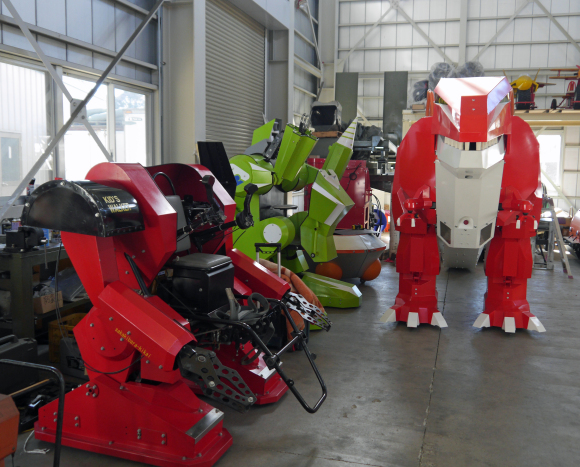
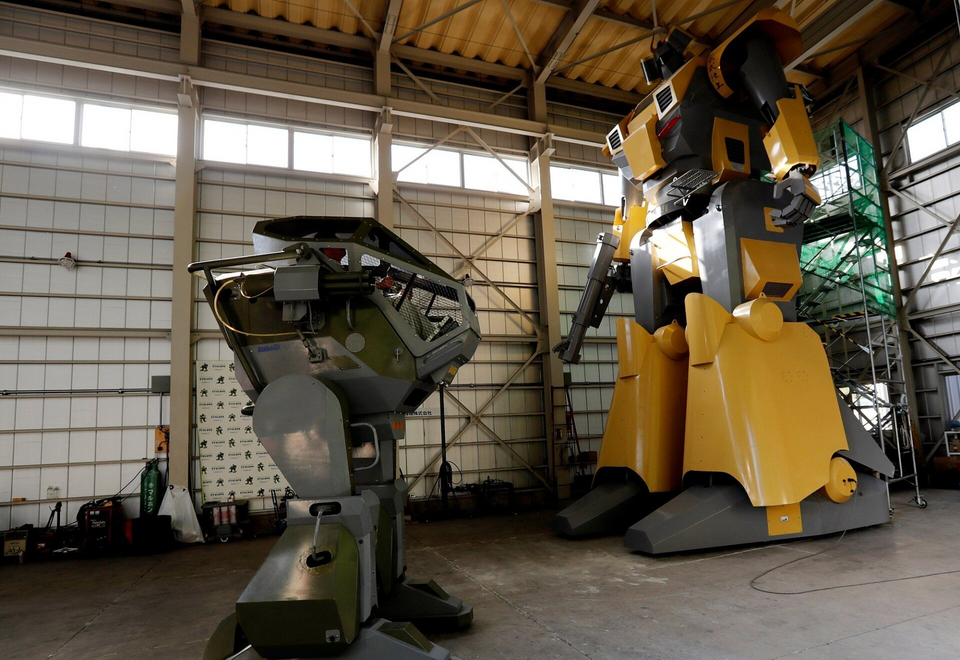
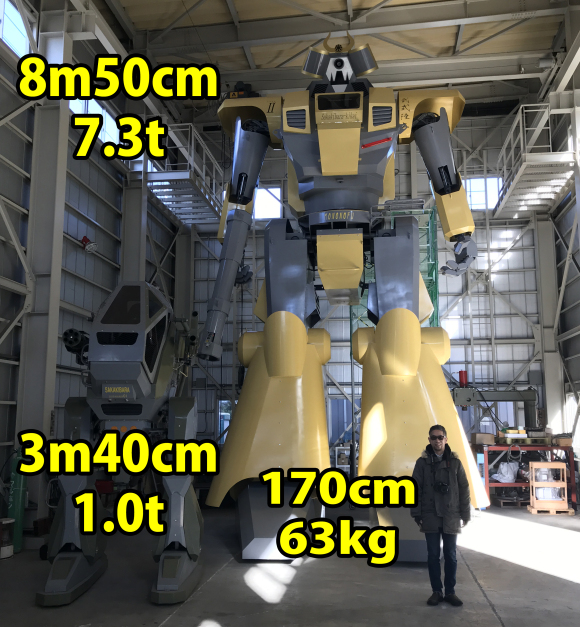
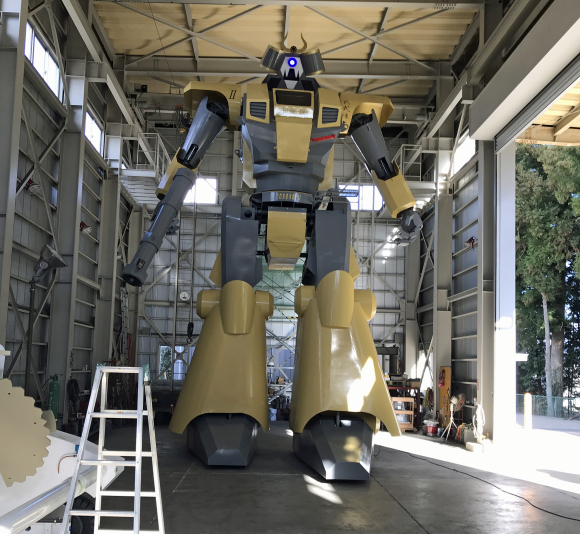
https://advanxis.com/wp-content/uploads/2021/08/Advanxistech3.jpg You might have wondered why a robotics company was based way out in the sticks of Gunma. Well that’s because Sakakibara is actually a farm machinery company creating equipment such as feeding machines and automatic soil aeration. However, the agriculture business as we know it has been on the decline for quite some time, so Sakakibara decided to diversify into amusement machines, utilizing their know-how of safety and ease of use that goes into their farming equipment. https://advanxis.com/wp-content/uploads/2021/08/Advanxistech4.jpg Sakakibara Kikai has developed other robots and amusement machines alongside its main agriculture equipment business and rents them out for about ¥100,000 ($930) an hour, for kids’ birthday parties and other entertainment. The company has created robots as varied as the 3.4-meter tall Landwalker, the smaller Kid’s Walker Cyclops and the MechBoxer boxing machine — but the mighty Mononofu towers over them all and executes more complex movements. https://advanxis.com/wp-content/uploads/2021/08/Advanxistech5-1.png MONONOFU is designed to resemble robots from various Japanese animation such as GUNDAM, and features a cockpit from which you can control all movements. It even has a lift that takes the pilot up to the cockpit from the ground! According to Masaaki, the company’s initial plan was for something slightly shorter. “We were thinking of around five to six metres. But because we wanted a cockpit, that height will not be enough,” he explained. https://www.youtube.com/watch?v=FSC0lBxmMe4 source: http://advanxis.com/blog-news/tech/meet-mononofu-the-worlds-largest-humanoid-robot For more Intriguing high Tech news visit: http://advanxis.com/blog-news/tech |
| Science/Technology › Meet MONONOFU The World's Largest Humanoid Robot by techmatas(op): 6:23pm On Aug 04, 2021*. Modified: 7:35pm On Aug 04, 2021 |
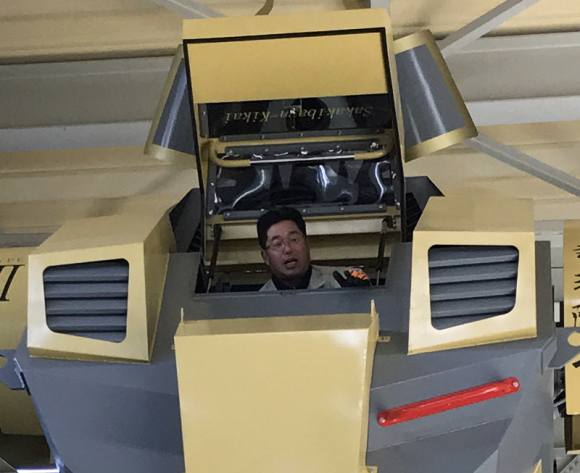
Standing at 8.46 m (27 ft 9 in) tall, 4.27 m (14 ft) long and 4 m (13 ft 1 in) wide, two-legged robot weighing in at more than 7 tons, Sakakibara Kikai's beast named MONONOFU (meaning "samurai warrior" in Japanese) holds a Guinness World Records title for the largest humanoid robot vehicle. https://advanxis.com/wp-content/uploads/2021/08/Advanxistech.jpg Mononofu became larger than the door to the warehouse. This means that it can’t go outside without them either dismantling it or the building itself https://advanxis.com/wp-content/uploads/2021/08/Advanxistech1.jpg Developed by engineer Masaaki Nagumo from Sakakibara Kikai, a maker of farming machinery based in Gunma Prefecture, Japan This humanoid looking beast can move its fingers and turn its upper body, and walk forward and backward, thus setting the new world record for being the Largest humanoid robot (largest humanoid vehicle), according to the WORLD RECORD ACADEMY. https://www.youtube.com/watch?v=p8pLSU4gbks It’s movement was eerily smooth, as if it had wheels on the bottom. However, its knees appeared to be moving as if it were walking. Nagumo later explained that Mononofu does have wheels but isn’t driven by them. Rather it uses its pelvis and knees to move forward and backward along the wheels. source http://advanxis.com/blog-news/tech/meet-mononofu-the-worlds-largest-humanoid-robot for more high tech news visit: http://advanxis.com/blog-news/tech |
| Certification And Training Adverts › Re: Solidworks 3D Design Training And Industrial Application by techmatas(op): 6:52am On May 15, 2021 |
Be certified with us!! 1 Share
|
| Certification And Training Adverts › Re: Solidworks 3D Design Training And Industrial Application by techmatas(op): 7:33am On May 14, 2021 |
Solidworks Electrical at its best!! 1 Share
|
| Certification And Training Adverts › Re: Solidworks 3D Design Training And Industrial Application by techmatas(op): 7:43am On May 12, 2021 |
Its hot! get the right skill set! Get the Job!! 1 Share
|
| Certification And Training Adverts › Solidworks 3D Design Training And Industrial Application by techmatas(op): 11:20pm On May 07, 2021 |
SOLIDWORKS is the leader in 3D CAD technology, empowering product design teams with intuitive, high performance software that is easy to use, and provide excellent 3D rendition. it has application in the process , power, telecoms and virtually any industry. We at Advanxis offers a very comprehensive and industrial application based solidworks training Course Content Module 1: SolidWorks Basics and the User Interface Design Intent File References Opening Files The SolidWorks User Interface Using the Command Manager Module 2: Introduction to Sketching 2D Sketching Saving Files What are We Going to Sketch? Sketching Sketch Entities Basic Sketching Rules That Govern Sketches Design Intent Sketch Relations Dimensions Extrude Sketching Guidelines Lesson 3: Basic Part Modeling Basic Modeling Terminology Choosing the Best Profile Choosing the Sketch Plane Details of the Part Boss Feature Sketching on a Planar Face Cut Feature View Selector Using the Hole Wizard Filleting Editing Tools Detailing Basics Drawing Views Center Marks Dimensioning Changing Parameters Module 4: Symmetry and Draft Boss Feature with Draft Symmetry in the Sketch Sketching Inside the Model View Options Using Model Edges in a Sketch Creating Trimmed Sketch Geometry Creating Views of Assemblies Why Use Patterns? Linear Pattern Circular Patterns Reference Geometry Planes Mirror Patterns Using Pattern Seed Only Sketch Driven Patterns Module 5: Revolved Features Revolved Features Building the Rim Building the Spoke Edit Material Mass Properties File Properties SolidWorks SimulationXpress Using SolidWorks SimulationXpress The SimulationXpress Interface Shelling and Ribs Analyzing and Adding Draft Other Options for Draft Shelling Ribs Full Round Fillets Thin Features Lesson 8: Editing: Repairs Part Editing Editing Topics Sketch Issues Freezing Features FilletXpert Module 6: Editing: Design Changes Part Editing Design Changes Information From a Model Rebuilding Tools Replace Sketch Entity Sketch Contours Module 7: Configurations Con gurations Using Con gurations Other Methods to Creat Congurations Using Global Variables and Equations Creating Equalities Global Variables De ning the Overall Width Equations Creating a Minimum Edge Distance Modeling Strategies for Con gurations Editing Parts that Have Con gurations Design Library Module 8: Using Drawings More About Making Drawings Section View Model Views Broken View Detail Views Drawing Sheets and Sheet Formats Projected Views Annotations Module 9: Bottom-Up Assembly Modeling Creating a New Assembly Position of the First Component Feature Manager Design Tree and Symbols Adding Components Mating Components Using Part Con gurations in assemblies Sub-assemblies Smart Mates Inserting Sub-assemblies Pack and Go Module 10: Using Assemblies Using Assemblies Analyzing the Assembly Checking for Clearances Changing the Values of Dimensions Exploded Assemblies Explode Line Sketch Bill of Materials Assembly Drawings click here to register for this program for more information call: 08160052942. you may send us a mail @ info@advanxis.com, our website advanxis.com Or visit our office @ 22 Trans Amadi Rd, Trans A madi, Port Harcourt. 1 Share
|
| Certification And Training Adverts › Re: PLC Automation Easter Training Promo by techmatas(op): 7:35am On Mar 26, 2021 |
Get the skillset and get the job |
| Certification And Training Adverts › Re: PLC Automation Easter Training Promo by techmatas(op): 8:25am On Mar 24, 2021 |
Its on |
| Certification And Training Adverts › PLC Automation Easter Training Promo by techmatas(op): 12:40am On Mar 23, 2021*. Modified: 7:04am On Mar 25, 2021 |
Advanxis Technologies & Process Automation in conjunction with advanced Center for Engineering Career and Technology (ACECATECH) as part of their Easter promo is offering discount of 20% on their PLC automation training. The extensive practical PLC training will cover most of the popularly used PLC vendors in Nigeria such as Allen Bradley, Siemens, Ge Fanuc, Mitsubishi, Omron, ABB, etc. Also our trainee will be drilled in all IEEE 1131-3 standard such as LD, FBD, IL, SFC and ST and more. It will also be practical and application based as we are going to carry out typical PLC based application in the oil and gas, packaging, food and beverage/bottling, petrochemical, power, etc industries About the Automation Training In recent times automation is increasingly taking over the industrial production systems and processes prompting a high demand for skilled automation engineers and technicians. Many industrial production systems and processes that were once manually run are now mostly automated. There is hardly any well established industry that does not employ automation in one form or the other. For instance, in the oil and gas industry automation is employed to control the flow, level, etc of petroleum product in a process control system. In the bottling industry automation is employed in the filling, cocking and packaging processes. In the power industry automation is normally deployed and utilized in the monitoring and control of power system parameters. The list goes on to include petrochemical, pharmaceutical, Food & beverage, packaging, automobile, chemical, Robotics, Marine, Agricultural, utility, Telecommunication, etc. in fact, it is projected in the business circle that a time will come when industrial production system and processes will be completely automated thus making automation personnel kings in the industry. This trend no doubt is catching up with the times faster than expected. PLC an acronym which stands for programmable logic controller is the most widely used microprocessor based control system in the industry. It is a special computer specifically designed and fortified to handle control problems in the industry. It works in conjunction with sensors which serves as feedback to the process or machine and can be likened as the eyes of the PLC. The signals from the sensors are analyzed and controlling actions taking by the PLC on the process/machine according to the stored program of instruction in the memory of the PLC. The PLC ensures consistency, efficiency, economy and safety in the industrial production system and processes. Who need this training The training is specifically for Engineers, technologist and technicians as well as those with science background program Objective At the end of this Training our trainees will be able to: Demonstrate a sound Knowledge and understanding of how a PLC system work Independently design a PLC system to automate a process/machine Wire and interface PLC system with field devices Wire up a relay control panel to field devices Have good knowledge of various PLC brands, their capabilities and industries where they are mostly used Write PLC program using either of the five Standard IEEE 1131-3 programming languages Carry out pre-commissioning and commissioning of a typical PLC automated system Carry out troubleshooting and maintenance on PLC systems Write PLC programs in various PLC brands such as Siemens, Allen Bradley, Mitsubishi, Delta, Omron etc. Demonstrate sound knowledge of PLC safety. Carry out practical hands on networking between various PLCs, PCs, HMI, Field instruments, etc. PLC Automation Training Module Module I: Introduction to PLC Basic concept of automation PLC definition, evolution, advantage and application PLC system types, brands and product series Overview and physical examination of various PLC brands (eg Siemens, AB, Delta, Omron, etc) Practice and exercise Module II: PLC Hardware and Software PLC System Hardware Components (PLC system, signal cables, adapters, etc) PLC internal Architecture PLC software overview (Semantic step 7, RSlogix, Melsoft, wplsoft, wprolad, CX one, etc) Practice and Exercise Module III: Input and output Devices Concept of sensors PLC Input devices (Limit Switches, Proximity switches, Photo sensors, encoders, pressure switches, temperature switches etc) PLC output devices (motors, Relays, valves, solenoid, Lamps, etc) Practice and exercise Module IV: PLC Input/output processing and wiring PLC Input/output unit data processing (concept of sourcing and sinking, Opto isolator, ADC & DAC, Relays, Transistor, Triac, etc) Signal conditioning Interfacing Input/Out devices with PLC input/output unit Wiring Input/Out devices to PLC PLC remote connection and networking PLC scan time and addressing Practice and exercise Module V: PLC programming Relay logic programming and practical relay wiring (programming and wiring up discrete relay, Timer, etc on a control panel) Introduction to IEEE 1131-3 standard (LD, FBD, IL, SFC and ST) Review and practical programming on the standard IEEE 1131-3 programming languages__ Ladder logic (LD), Function Block Diagram(FBD), Sequential Function Chart (SFC), Instruction List(IL), Structured Test (ST) Downloading/uploading PLC programs Practice, Simulation and Exercise Module VI: Practical PLC Systems design Program development from control narrative PLC fault finding and troubleshooting PLC commissioning ( Forcing Input/output, Testing, etc) PLC safety (concept of fail-safe, HAZID, HAZOP, SIS, etc) PLC system Documentation Practice, simulation and exercise Module VII: Practical Industrial Application program examples Temperature control Automatic Process control Robotic control systems Valve sequencing Practice and exercise Available PLC brand for training: Allen Bradley PLC (ControlLogix 5000, Micrologix 1000 & SLC 500) Siemens PLC (S7 400 & S7 1200) Other PLCs available Training start Date: 6th April, 2021 Free accommodation will be provided for trainees coming from outside port Harcourt. Free Lunch will also be provided for all trainees Promo applies if you register on or before 1st of March, 2021. click here to register for this program for more information call: 08160052942. you may send us a mail @ info@advanxis.com, our website advanxis.com
|
| Career › Re: Most Demanded Skilled Personnel In Offshore/onshore Oil &gas Production Platform by techmatas(op): 8:08am On Jan 31, 2021 |
^^ yeah, some of the trade posted up there don't even require you to be a graduate before you can fit in |
| Career › Most Demanded Skilled Personnel In Offshore/onshore Oil &gas Production Platform by techmatas(op): 11:56pm On Jan 26, 2021 |
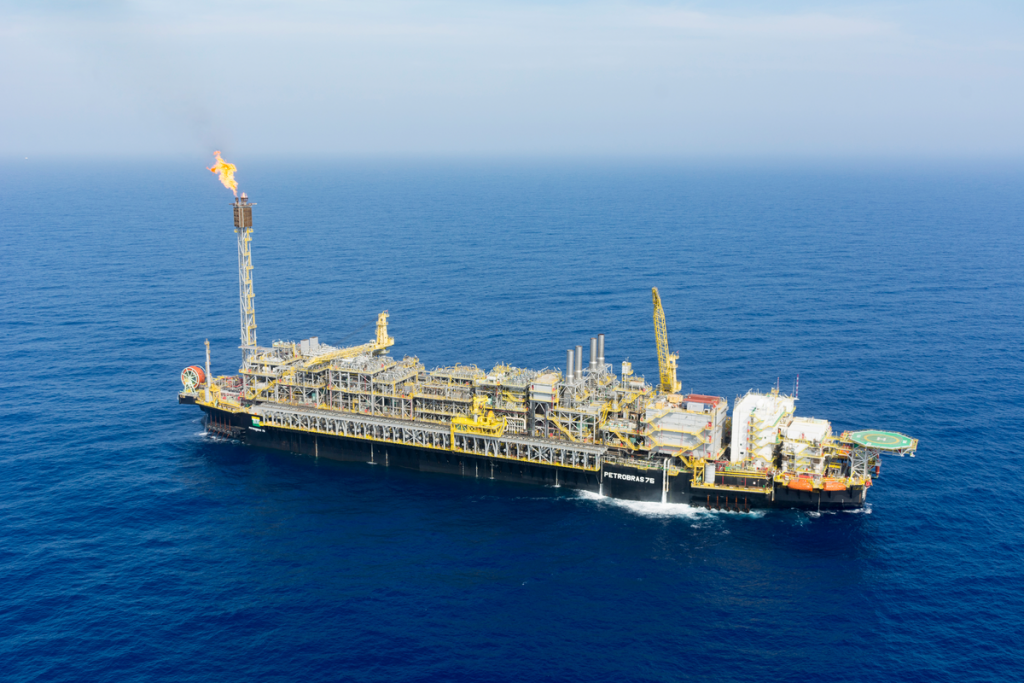
https://advanxis.com/wp-content/uploads/2021/01/advanxis28-1024x683.png The oil and gas offshore/onshore production platforms often demand technically inclined professionals with outstanding skills, training and experience to man its facility. In an offshore/onshore production setting, various professionals ranging from painters, welders, operators, technicians, document controllers and engineers work together to see that production goals are achieved. In a typical oil and gas production platform there is often very high demand for hands on skilled personnel like the technicians, operators, artisans, etc, far more than any other trade. In fact, these group of workers make up over 80% of workers in the shore hence the list will be dominated by these set of workers. The following list shows in order the most likely dominant trade you can find in any offshore /onshore production platform Maintenance Personnel Maintenance personnel tops the list. Maintenance personnel are responsible for the repairs as well as routine and preventive maintenance of the oil and gas production facilities as well as the living quarters utilities of the accommodation areas. The maintenance team is made up of different unit ranging from instrumentation/controls, mechanical, electrical, HVAC, etc. Each maintenance unit is made up of mainly technician with supervisors heading each unit and onshore support Engineers providing necessary maintenance support from onshore. A minimum of ND or it equivalent is what qualifies one to work as maintenance technician in most offshore/onshore companies. Instrument/controls personnel Instrumentation and control professionals are currently the most demanded profession in a typical modern oil and gas production platform maintenance team hence they are often the largest personnel you can find on site within the team. As modern production facilities get increasingly automated so also the demand for automation professionals (Instrumentation, controls, safety controls, etc) increases. Who’s qualified Although personnel with Electrical/Electronic background dominate this field. Other engineering professionals or science personnel with appropriate training/certification and or experience can also fit in. Mechanical system personnel mechanical system professionals are the second largest group of personnel you can find in the maintenance team. production systems are mechanical in nature so frequent breakdown is always envisaged hence the high demand for mechanical technicians and their allied professionals. Besides, for efficient operation of those equipment the need for routine and preventive maintenance is inevitable. Compressors, Turbines, blowers, hydraulic systems, among others fall within the purview of mechanical professionals. In Who’s qualified Although personnel with Mechanical background dominate this field. Other engineering professionals or science personnel with appropriate training/certification and or experience can also fit in. Electrical System Personnel This is often the second most sort after professionals in the oil and gas production facility. The fact that the production system utilizes electricity to power it machinery it becomes imperative that adequate personnel be available to ensure that power system is adequately maintained. pumps, compressors, blowers, HVAC, utilities, etc among others are parts of the equipment that is powered by electricity offshore. in fact, a typical offshore location may have an electrical power demand in excess of 20MW! (Can easily power a town). In a typical production site, they can have up to seven to eleven electrical personnel onboard. Who is qualified Although personnel with Electrical/Electronic background dominate this field. Other engineering professionals or science personnel with appropriate training/certification and or experience can also fit in. Construction/fabrication personnel These are usually the second most likely dominant group of personnel you can find on site in the shores. There job is usually physically challenging and they usually complement the maintenance team. In this group we have the Scaffolders, painters/blaster, riggers, rope access, welders, crane operators, forklift operators, etc. Who is qualified In most cases, minimum of O level certificate with relevant experience, training/certification can qualify one to work as any of the above stated trades. Production Personnel production personnel used to be the most dominant professionals in a typical oil and gas production facilities, after all they operate the production facilities. However, due to increasingly modernization and automation of the production system fewer and fewer operators are currently on demand. over 85% of the oil and gas production machinery runs autonomously with production operators merely monitoring the performance of the system hence you keep having less and less operators as production get even more automated. Who is qualified A minimum of ND (ND, HND, BSC, etc) in any of the STEM (Science, Technology, Engineering) courses is what is required to be considered. Marine Personnel These are personnel who are involved in all marine operations and logistics. They are usually in charge of the various vessels around the shore, the chemical supplies, the food supplies, the equipment supplies, boat landing and helicopter operations. Who is qualified In most cases minimum of O level certificate with relevant experience qualifies you. source http://advanxis.com/blog-news/most-demanded-skilled-personnel-in-the-offshore-onshore-oil-and-gas-production-platform 1 Like 1 Share
|
| Foreign Affairs › Re: US Capitol Locked Down After Pro-Trump Protesters Storm Building by techmatas: 8:40pm On Jan 06, 2021 |
This is unbelievable 7 Likes |
| Art, Graphics & Video › Re: Graphic Designer Urgently Needed For Immediate Employment In Ph by techmatas(op): 4:31pm On Oct 21, 2020*. Modified: 7:24pm On Aug 04, 2021 |
kk
|
| Art, Graphics & Video › Re: Graphic Designer Urgently Needed For Immediate Employment In Ph by techmatas(op): 7:16pm On Oct 18, 2020*. Modified: 7:24pm On Aug 04, 2021 |
On Oct 17 Graphics designer needed for immediate employment as a front desk personnel by a company in Trans Amadi Port Harcourt. The preferred candidate must be good in 2d and 3d animation work with any of his/her preferred software. Interested candidate should send there CV to the following email: acecatech@gmail.com .
|
| Art, Graphics & Video › Graphic Designer Urgently Needed For Immediate Employment In Ph by techmatas(op): 6:44pm On Oct 17, 2020 |
Graphics designer needed for immediate employment as a front desk personnel by a company in Trans Amadi Port Harcourt. The preferred candidate must be good in 2d and 3d animation work with any of his/her preferred software. Interested candidate should send there CV to the following email: acecatech@gmail.com |
| Jobs/Vacancies › Re: Receptionist With Computer Knowledge Urgently Needed In PH by techmatas(op): 8:55am On Oct 08, 2020 |
Receptionist with computer knowledge urgently needed by a company in Trans Amadi Port Harcourt. Female candidate preferable Interested candidate should send there CV to acecatech@gmail.com . |
| Jobs/Vacancies › Receptionist With Computer Knowledge Urgently Needed In PH by techmatas(op): 4:16pm On Oct 07, 2020 |
Receptionist with computer knowledge urgently needed by a company in Trans Amadi Port Harcourt. Female candidate preferable Interested candidate should send there CV to acecatech@gmail.com |
| Celebrities › Re: Tacha BBNaija: Uche Elendu "Why I Spent 100k On Cards To Vote For Her" by techmatas: 5:32pm On Oct 03, 2019 |
I wish Niaja should channel all these BB thingy to tech competition 1 Like 1 Share |
| Politics › Re: What Atiku Told Reno Omokri About Jobs by techmatas: 12:44pm On Oct 30, 2018 |
Its Good to create job though it better to focus on pragmatic ways of creating the jobs than mere pronouncements. 2 Likes |
| Computers › Re: How Do I Retrieve Files From Hard Drive Infected With Shortcut Virus? by techmatas: 8:11am On Oct 27, 2018 |
This problem is probably batch file shortcut malware that replicate your files to shortcut. The solution has already been provided. Just follow one of those prompt command solution recommended by some contributors earlier. 1 Like |
| Fashion › Re: Meet Miss Ambassador For Peace 2018 Contestants (photos)* by techmatas: 9:59am On Sep 16, 2018 |
They'll really look alike |
| Sports › Re: White Nigerian And Family Rock 2018 Super Eagles World Cup Jersey - Pictures by techmatas: 11:43am On Jun 05, 2018 |
very attractive jersey |