CotenantNIG's Posts
Nairaland Forum › CotenantNIG's Profile › CotenantNIG's Posts
1 2 3 4 5 6 7 8 9 10 (of 32 pages)
 Politics › Re: Reps Reject Yakubu Abdullahi's Motion To Declare Bauchi Oil-Producing State by CotenantNIG: 11:02am On Jul 16, 2021 Politics › Re: Reps Reject Yakubu Abdullahi's Motion To Declare Bauchi Oil-Producing State by CotenantNIG: 11:02am On Jul 16, 2021 |
north wants this oil so bad 3 Likes |
| Properties › Cost Of Floor And Ceiling Finishes by CotenantNIG(op): 5:39pm On Jul 15, 2021 |
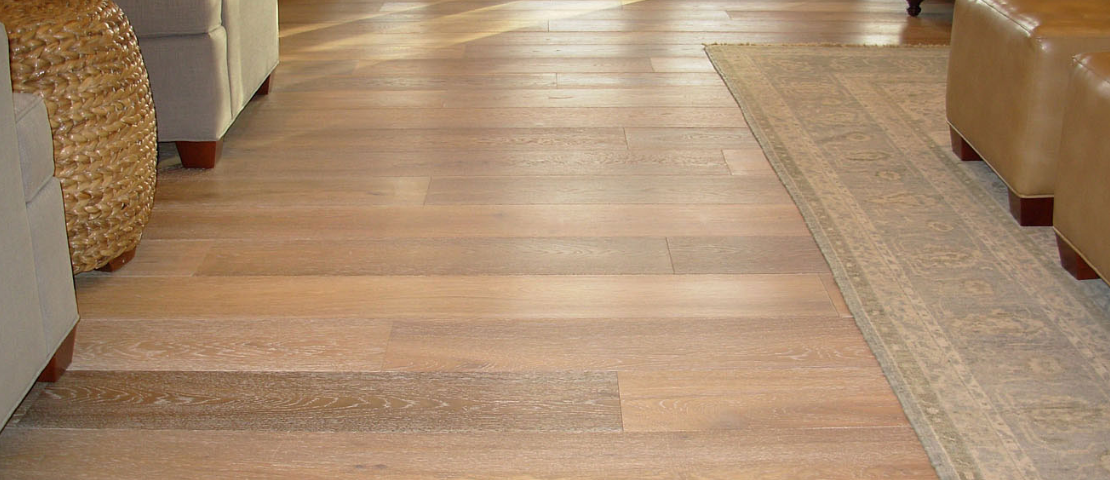
FLOOR FINISHES https://cooperfloors.com/wp-content/uploads/2017/03/provenza-floors_heirloom-ashford-1110x480.png A floor finish is a liquid that is applied to a resilient tile floor and dries to a hard, durable, and smooth film. This film is about the thickness of waxed paper and is expected to protect and extend the life of the floor while providing an attractive appearance and slip-resistant surface Ceiling Finishes A ceiling is part of a building that encloses a space and is exposed overhead. Ceilings help create an enclosure of and separation between spaces, they help to control the diffusion of light and sound around a room and help prevent the passage of sound between rooms. They have fire-resistant properties and may also accommodate building services such as vents, lighting, sprinkler heads, and so on, as well as being able to conceal other services such as ducts, pipes, and wiring. I was able to compare prices from Jiji and a few websites too FLOOR FINISHES 150 x 150 wall tiles (Italian) sq. mtr 2800 3200 150 x 150 wall tiles (China) sq. mtr 1500 1800 250 x 150 wall tiles (Italian) sq. mtr 3800 4500 250 x 150 wall tiles (China) sq.mtr 2000 2500 300 x 300 wall tiles (China) sq. mtr 3500 4500 450 x 450 vitrified tiles (local) sq. mtr 4500 6000 Polished granite floor tiles (local) sq. mtr 28000 40000 Royal Palato marble tiles (local) sq. mtr 10200 15000 Quarry floor tiles (local) sq. mtr 3500 5000 CEILING FINISHES UPVC ceiling strips bundle 12000 13500 POP preformed ceiling board N/A 5500 6500 POP cast in place sq. mtr 12000 13000 ORAC POP cornices N/A 9500 11000 Accoustic suspended ceiling pkt 6500 7500 Wall angle/hanger N/A 600 800 Wall screed sq. mtr 1100 1500 https://clytee.com/2021/05/19/cost-of-floor-and-ceiling-finishes/ 10 Likes 3 Shares |
| Properties › Re: Most Expensive House For Sale In Nigeria by CotenantNIG(op): 3:10pm On Jul 15, 2021 |
lalasticlala |
| Properties › Re: Most Expensive House For Sale In Nigeria by CotenantNIG(op): 3:06pm On Jul 15, 2021 |
yh |
| Properties › Re: Most Expensive House For Sale In Nigeria by CotenantNIG(op): 3:05pm On Jul 15, 2021 |
instagram |
| Properties › Most Expensive House For Sale In Nigeria by CotenantNIG(op): 3:05pm On Jul 15, 2021 |
Question: Do you think Nigerian Real Estate Market is over Priced. I was on Nigeria property center yesterday looking for a property for a client and I stumbled on this property. According to Nigerian Property Center, this 30 Luxury Apartment is the most expensive house for sale in Nigeria right now, It cost $35,000,000 and if exchanged for naira it would cost ₦14,385,000,000 the house features include the following a room Bq & Swimming Pool Plus Gym On 15 Floors. With massive parking space *DESCRIPTION* 26 units of luxury 3bedroom apartment measuring 280sqm. 2 units of 4bedroom luxury penthouse. 2 units of 2bedroom luxury apartment measuring 150sqm. These are the images of the said property https://i2.wp.com/clytee.com/wp-content/uploads/2021/07/060d798ecbbb42-26-units-of-luxury-3bedroom-apartment-and-2units-of-4bedroom-penthous-block-of-flats-for-sale-ikoyi-lagos.jpg?w=256&h=319&ssl=1 https://i2.wp.com/clytee.com/wp-content/uploads/2021/07/060d798eb1a389-26-units-of-luxury-3bedroom-apartment-and-2units-of-4bedroom-penthous-block-of-flats-for-sale-ikoyi-lagos.jpg?w=536&h=319&ssl=1 Do you think this property is overpriced or real estate, in general, is overpriced in Nigeria? check Instagram to see more pictures of the luxury building https://www.instagram.com/p/CRWbeTLtCFP/?utm_medium=copy_link |
| Properties › Re: Updated Cost Of Renting A 1 Bedroom Apartment In Lagos by CotenantNIG(op): 4:37pm On Jul 12, 2021*. Modified: 8:04pm On Jul 12, 2021 |
Do you need an apartment for rent in Lagos We have Mini flats , 2 Bedroom, 3 Bedroom and duplexes for rent across Lagos Rent ranges from #200k to #5M depending on type of property Follow link to see more https://clytee.com/do-you-need-an-apartment-to-rent-in-any-part-of-lagos/ 4 Likes 1 Share |
| Properties › Re: Updated Cost Of Renting A 1 Bedroom Apartment In Lagos by CotenantNIG(op): 4:36pm On Jul 12, 2021*. Modified: 8:03pm On Jul 12, 2021 |
Flood prone areas in Lagos https://www.instagram.com/realclytee/ 3 Likes |
| Properties › Updated Cost Of Renting A 1 Bedroom Apartment In Lagos by CotenantNIG(op): 4:36pm On Jul 12, 2021 |
Updated Cost of renting a 1 Bedroom Apartment in Lagos. You can read the previous article for 2019 here https://www.nairaland.com/5183998/cost-renting-1-bedroom-apartment Lagos The average price of 1 bedroom flats for rent in Lagos is ₦750,000 per annum. The most expensive flat costs ₦3,500,000 per annum while the cheapest costs ₦100,000 per annum. Agbara-Igbesa| Agege| Ajah| Alimosho| Amuwo Odofin| Apapa| Ayobo| Badagry| Egbe| Ejigbo| Eko Atlantic City| Epe| Gbagada| Ibeju| Ibeju Lekki| Idimu| Ifako-Ijaiye| Iganmu| Ijaiye| Ijede| Ijesha | Ikeja| Ikorodu| Ikotun |Ikoyi| Ilashe |Ilupeju| Ipaja| Isheri |Isheri North| Isolo| Itire| Ketu| Kosofe| Lagos Island| Lekki| Magodo| Maryland| Mushin| Ogudu| Ojo| Ojodu| Ojota| Oke-Odo| Orile| Oshodi| Shomolu| Surulere| Victoria Island (VI)| Yaba Ogudu The average price of 1 bedroom flats for rent in Ogudu, Lagos is ₦650,000 per annum. The most expensive flat costs ₦1,360,000 per annum while the cheapest costs ₦250,000 per annum Alimosho The average price of 1 bedroom flats for rent in Alimosho, Lagos is ₦300,000 per annum. The most expensive flat costs ₦500,000 per annum while the cheapest costs ₦200,000 per annum. Ikotun The average price of 1 bedroom flats for rent in Ikotun, Lagos is ₦200,000 per annum. The most expensive flat costs ₦500,000 per annum while the cheapest costs ₦120,000 per annum. Maryland The average price of 1 bedroom flats for rent in Maryland, Lagos is ₦600,000 per annum. The most expensive flat costs ₦1,800,000 per annum while the cheapest costs ₦400,000 per annum. Surulere The average price of 1 bedroom flats for rent in Surulere, Lagos is ₦550,000 per annum. The most expensive flat costs ₦1,000,000 per annum while the cheapest costs ₦118,000 per annum. Yaba The average price of 1 bedroom flats for rent in Yaba, Lagos is ₦600,000 per annum. The most expensive flat costs ₦1,300,000 per annum while the cheapest costs ₦250,000 per annum. Lekki The average price of 1 bedroom flats for rent in Lekki, Lagos is ₦1,400,000 per annum. The most expensive flat costs ₦3,000,000 per annum while the cheapest costs ₦600,000 per annum. Magodo The average price of 1 bedroom flats for rent in Magodo, Lagos is ₦650,000 per annum. The most expensive flat costs ₦1,500,000 per annum while the cheapest costs ₦400,000 per annum Ikeja The average price of 1 bedroom flats for rent in Ikeja, Lagos is ₦1,000,000 per annum. The most expensive flat costs ₦2,460,000 per annum while the cheapest costs ₦500,000 per annum. Ikoyi The average price of 1 bedroom flats for rent in Ikoyi, Lagos is ₦3,000,000 per annum. The most expensive flat costs ₦14,400,000 per annum while the cheapest costs ₦700,000 per annum. Ilupeju The average price of 1 bedroom flats for rent in Ilupeju, Lagos is ₦600,000 per annum. The most expensive flat costs ₦1,000,000 per annum while the cheapest costs ₦300,000 per annum. Ajah The average price of 1 bedroom flats for rent in Ajah, Lagos is ₦600,000 per annum. The most expensive flat costs ₦1,300,000 per annum while the cheapest costs ₦250,000 per annum. Gbagada The average price of 1 bedroom flats for rent in Gbagada, Lagos is ₦700,000 per annum. The most expensive flat costs ₦1,640,000 per annum while the cheapest costs ₦300,000 per annum. Amuwo Odofin The average price of flats for rent in Amuwo Odofin, Lagos is ₦1,200,000 per annum. The most expensive flat costs ₦2,800,000 per annum while the cheapest costs ₦250,000 per annum. Ikorodu The average price of 1 bedroom flats for rent in Ikorodu, Lagos is ₦200,000 per annum. The most expensive flat costs ₦400,000 per annum while the cheapest costs ₦100,000 per annum. Isolo The average price of 1 bedroom flats for rent in Isolo, Lagos is ₦500,000 per annum. The most expensive flat costs ₦750,000 per annum while the cheapest costs ₦300,000 per annum. https://clytee.com/2021/07/12/cost-of-renting-a-1-bedroom-apartment-in-lagos/ 20 Likes 4 Shares
|
| Properties › Re: Where To Buy Real Estate In Lagos In 2021 by CotenantNIG(op): 7:06pm On Jul 09, 2021 |
Lalasticlala |
| Properties › Re: Where To Buy Real Estate In Lagos In 2021 by CotenantNIG(op): 1:38pm On Jul 09, 2021 |
lalasticlala |
| Properties › Re: Where To Buy Real Estate In Lagos In 2021 by CotenantNIG(op): 1:38pm On Jul 09, 2021 |
Most Expensive Real Estate Locations In Nigeria (2021) : |
| Properties › Where To Buy Real Estate In Lagos In 2021 by CotenantNIG(op): 1:37pm On Jul 09, 2021 |
Thou this article is coming a little late, we believe it doesn’t stop you from making that real estate decision you have been thriving to accomplish in this 3rd Quarter. we have had a lot of people coming to our website asking us where they can start their real estate investment from, what locations are the best. https://i2.wp.com/clytee.com/wp-content/uploads/2021/07/1.png?resize=750%2C465&ssl=1 That’s why we came up with this article. According to research carried out by Nairametrics, the most lucrative areas in Lagos for discerning real estate investors are around Ibeju Lekki, Lekki axis, Banana Island, Ikoyi, Surulere, Ikeja GRA, Magodo, Gbagada, and border towns like Arepo, Magboro, and Sango-Ota in Ogun State. The Nigerian economy slipped into recession in Q3 2020 as the impact of Covid-19 took its toll on several sectors including real estate, which has been in a recession since the 3rd quarter of 2019, ballooning to 21.99% in the second quarter of 2020 before retreating to 13.4% in the third quarter. However, reports across Lagos indicate real estate developers continued to build during the pandemic months of 2020 fuelled by increased demands in residential housing units. We would add some top and least locations with their prices, so you can make your decision. Most of these prices are estimate they could be higher or lower than we estimated Make sure to contact your nearest real estate firm or equally us to assist you. Let's inspect together The average price of land for sale in Lagos is ₦6,000,000 per plot. The most expensive land costs ₦100,000,000 per plot while the cheapest costs ₦400,000 per plot. Places you can consider and buy from these locations Agbara-Igbesa| Agege| Ajah| Alimosho| Amuwo Odofin| Apapa| Ayobo| Badagry| Egbe| Ejigbo| Eko Atlantic City| Epe| Gbagada| Ibeju| Ibeju Lekki| Idimu| Ifako-Ijaiye| Iganmu| Ijaiye| Ijede| Ijesha | Ikeja| Ikorodu| Ikotun |Ikoyi| Ilashe |Ilupeju| Ipaja| Isheri |Isheri North| Isolo| Itire| Ketu| Kosofe| Lagos Island| Lekki| Magodo| Maryland| Mushin| Ogudu| Ojo| Ojodu| Ojota| Oke-Odo| Orile| Oshodi| Shomolu| Surulere| Victoria Island (VI)| Yaba We have picked certain locations from the above. Agbara-Igbesa Agbara/Igbesa Estate is one of the largest industrial estates in sub-Saharan Africa. The overriding objective is to have an integrated industrial, residential and commercial Estate within easy reach of Lagos in keeping with the Government’s policy to encourage urban development across the State. The average price of land for sale in Agbara-Igbesa, Lagos is ₦1,450,000 per plot. The most expensive land costs ₦4,000,000 per plot while the cheapest costs ₦500,000 per plot. Ajah Ajah is a large neighborhood in the Lekki area of Lagos. It spans from Victoria Garden City (VGC) down to Abraham Adesanya roundabout on the Lekki-Epe express and extends to places like Badore, Ado, and Langbasa in its interior. It is one of the constantly developing places in the Lekki axis. It takes between 25-40 minutes to get to Victoria Island (V.I) from Ajah. The average price of land for sale in Ajah, Lagos is ₦35,000,000 per plot. The most expensive land costs ₦71,000,000 per plot while the cheapest costs ₦19,000,000 per plot. Localities Ado Ajiwe Alasia Badore Ilaje Ogombo Oke Ira Okun-Ajah Olokonla Sangotedo Read: We have plots of land for sale for as low as #1,500,000 at ibeju lekki Alimosho Alimosho is a Local Government Area in the Ikeja Division, Lagos State, Nigeria. Alimosho is regarded as the largest Local Government Area in Lagos state. It has now been subdivided into several Local Community Development Areas (LCDA). The six sub-divisions created out of the old Alimosho are Agbado/Oke-Odo LCDA, Ayobo/Ipaja LCDA, Alimosho LG, Egbe/Idimu LCDA, Ikotun/Igando LCDA, and Mosan Okunola LCDA. The LGA contains the urban area of Akowonjo. Alimosho was established in 1945 and it was under the then western region. The majority who dominate Alimosho were the Egbados. The area is very rich in culture, prominent amongst which are Oro, Igunnu, and Egungun Festivals annually celebrated. Aside from the cultural heritages, the majority of the inhabitants of the council area are Islamic and Christian faithful. However, the Yoruba language is widely spoken in the community. The average price of land for sale in Alimosho, Lagos is ₦10,000,000 per plot. The most expensive land costs ₦45,000,000 per plot while the cheapest costs ₦3,000,000 per plot. Localities Akesan Akowonjo Egbeda Igando Isheri Olofin Orisunbare Shasha Ayobo Ayobo is a suburb in Alimosho local government area of Lagos State, south-western Nigeria. Anchor University, Lagos is located there. The prices of land have really increased in ayobo due to the road built by Governor Ambode which has made it easy for motorists to navigate the area. The average price of land for sale in Ayobo, Lagos is ₦5,500,000 per plot. The most expensive land costs ₦18,000,000 per plot while the cheapest costs ₦2,000,000 per plot. Lekki Lekki is considered to be one of the most expensive places to live in Nigeria. It currently has a reputation as an area with some of the most expensive real estate assets in Lagos State. The properties in Lekki are expensive due to high demand (for both commercial & residential purposes) and proximity to the Victoria Island / Ikoyi business districts. Lekki s a fast-growing neighborhood known to have lots of spots for recreation and leisure. The area is also very commercial with lots of business outfits including restaurants, shopping malls/plazas, boutiques, hotels, etc. Recreation centers in Lekki include Fun Factory for Kids, Lekki Tennis Club, Lekki Waterside, Funtopia Leisure Resort, Funturf, Flamingo gaming, play barn for kids. Lekki currently houses several Estates, gated residential developments, agricultural farmlands, areas allocated for a Free Trade Zone, with an airport, and a seaport under construction. The proposed land-use master plan for the Lekki envisages the Peninsula as a “Blue-Green Environment City”, expected to accommodate well over 3.4 million residential population and an additional non-residential population of at least 1.9 million. The average price of land for sale in Lekki, Lagos is ₦56,000,000 per plot. The most expensive land costs ₦228,000,000 per plot while the cheapest costs ₦40,000,000 per plot. Localities Abijo Agungi Idado Igbo Efon Ikate Ikate Elegushi Ikota Ilasan Jakande Lafiaji Lekki Expressway Lekki Free Trade Zone Lekki Phase 1 Lekki Phase 2 Nicon Town Ologolo Orange Island Osapa VGC Ipaja This is another densely populated area in west Lagos with various state-owned low-income housing and private residential properties. There is no special recreation in the area except for a few moderate hotels, eateries, nightclubs, and drinking bars. Ipaja is not very prone to crime but residents have set up vigilante groups alongside the police posts to help protect the area. The average price of land for sale in Ipaja, Lagos is ₦9,000,000 per plot. The most expensive land costs ₦28,000,000 per plot while the cheapest costs ₦4,000,000 per plot. Localities Abesan Baruwa Boys Town Iyana Ipaja Ikorodu Ikorodu is a city located in the northeast part of Lagos State, Nigeria. This city is along Lagos Lagoon and it shares a boundary in the north with Ogun State, while in the East, it has a common boundary with Agbowa-Ikosi, a town in the Epe Division of Lagos State. As of the 2006 Census, Ikorodu had an estimated population of 535,619. All three main religions co-exist in Ikorodu. Ikorodu is very rich in culture and hospitable in nature. The average price of land for sale in Ikorodu, Lagos is ₦2,000,000 per plot. The most expensive land costs ₦17,500,000 per plot while the cheapest costs ₦300,000 per plot. Localities Adamo Agbowa Agric Apeka Ebute Erunwen Gberigbe Ibeshe Igbogbo Imota Ipakodo Isawo Isiu Ita Oluwo Jumofak Maya Odogunyan Oke Eletu Badagry Badagry is a coastal town and a Local Government Area in Lagos State, Nigeria. It is cited between the city of Lagos and the border with Benin at Seme. Badagry nourishes largely on fishing, agriculture, and maintains a small museum of slavery. Badagry has inhabitants from all over Nigeria, and these people in effect engage in different businesses in the town. Some trade-in clothing, food items, used cars from overseas, and other imported goods. The town is just a few kilometers from Seme a border town to the Republic of Benin and generates the highest Nigeria Customs duties income to date. The average price of land for sale in Badagry, Lagos is ₦15,000,000 per plot. The most expensive land costs ₦40,000,000 per plot while the cheapest costs ₦2,00,000 per plot. Localities Age Mowo Ajido Aradagun Ilogbo Eremi Magbon Oko Afo Epe Epe is a town and port in Lagos State, Nigeria. It lies on the north bank of the coastal Lagos Lagoon and has road connections to Ijebu-Ode and Ikorodu. A traditional settlement of the Ijebu people (a subgroup of the Yoruba). Epe was established in the mid 18th century as the chief port (slaves, cloth, agricultural produce) for Ijebu-Ode, the capital of the Ijebu kingdom. It later served as the refuge for the forces of Kosoko, the Yoruba king ousted from Lagos by the British in 1851. In 1892 Epe was the embarkation point for the military expedition sent by Sir Gilbert Carter, the governor of Lagos, to defeat the awujale (the Ijebu political and spiritual ruler) at Ijebu-Ode. Modern Epe is a collecting point for the export of fish, cassava (manioc), corn (maize), green vegetables, coconuts, cocoa, palm produce, rubber, and firewood to Lagos. Special leaves useful in preserving kola nuts are trucked to Ijebu-Ode, Shagamu, and the other main kola-shipping towns. Epe is best known for its construction of the motorized, shallow-draft barges that navigate the coastal lagoons. Fishing is a major occupation. The town is served by secondary schools, several hospitals, and a health office. Pop. (2006) local government area, 181,409. The average price of land for sale in Epe, Lagos is ₦5,000,000 per plot. The most expensive land costs ₦10,000,000 per plot while the cheapest costs ₦800,000 per plot Ibeju Lekki Ibeju-Lekki is the most sought-after location for real estate investment in Nigeria. The likes of Dangote refinery, Kellogs, power oil factories and many more been there makes it a choice destination for real estate developers and investors. The average price of land for sale in Ibeju Lekki, Lagos is ₦3,530,000 per plot. The most expensive land costs ₦25,000,000 per plot while the cheapest costs ₦400,000 per plot . Localities Adeba Aiyeteju Town Akodo Ise Alatise Apakin Arapagi Oloko Asegun Awoyaya Baba Adisa Badore Bogije Ebute-Lekki Eleko Eleranigbe Eluju Eputu Folu Ise Iberekodo Idasho Igando Orudu Ikegun Ilamija Imalete Alafia Itamarun Lakowe Lapekun Mafogunde Mosere Ikoga Ode Omi Ogogoro Okun Imedu Okun Imosan Okun-Ise Okunraiye Onosa Oribanwa Origanrigan Orimedu Osoroko Owode Ise Shapati Siriwon Town https://clytee.com/2021/07/04/where-to-buy-real-estate-in-lagos-in-2021/ |
| Properties › Re: Most Expensive Real Estate Locations In Nigeria (2021) by CotenantNIG(op): 5:38pm On Jul 07, 2021 |
lalasticlala |
| Properties › Re: Most Expensive Real Estate Locations In Nigeria (2021) by CotenantNIG(op): 5:26pm On Jul 07, 2021*. Modified: 6:36pm On Jul 07, 2021 |
follow us on instagram to see real estate updates https://www.instagram.com/realclytee/ 1 Like |
| Jobs/Vacancies › Re: Some Fireable Offenses You Need To Know by CotenantNIG: 5:01pm On Jul 07, 2021 |
office politics 1 Like |
| Properties › Re: Most Expensive Real Estate Locations In Nigeria (2021) by CotenantNIG(op): 4:49pm On Jul 07, 2021*. Modified: 6:36pm On Jul 07, 2021 |
3 Bedroom Apartment for sale at Lekky County Lekki https://clytee.com/2021/04/21/3-bedroom-apartment-for-sale-at-lekky-county-lekki/ 2 Likes |
| Properties › Most Expensive Real Estate Locations In Nigeria (2021) by CotenantNIG(op): 4:49pm On Jul 07, 2021 |
Real Estate in Nigeria has become a multi-billion dollar business in Nigeria. New locations are emerging daily in Nigeria while some locations are still developing others have become a gold mine, We would be looking at some of the most expensive real estate locations with their prices. Do you plan to buy Luxury Real estate, this might help you make your decision let’s inspect. We would be adding cost of buying a duplex and cost of renting an apartment in this locations in our post Most residents can only dream to own properties in these locations as they are mainly demanded by the upper class, the expatriates, the creme de la creme of the society. Ikoyi https://i2.wp.com/guardian.ng/wp-content/uploads/2019/11/Ikoyi-real-estate.jpg?resize=800%2C449&ssl=1 By and large, Ikoyi is a posh neighborhood with a mishmash of exquisite residential apartments and commercial presence. Ikoyi borders the Lagos Lagoon and takes up the eastern half of Lagos Island. It is one of the towns that make up the Eti-Osa Local Government Area of Lagos state. Originally, the British Colonial Governments designated Ikoyi as a residential area for the expatriate community perhaps due to its proximity to the sea. However, this arrangement changed with time with big establishments locating their corporate headquarters at Ikoyi. Ikoyi is home to the creme de la creme of the Nigerian society, from diplomats to senior company, business executives and senior public servants. The average price of houses for sale in Ikoyi, Lagos is ₦450,000,000. The most expensive house costs ₦6,000,000,000 while the cheapest costs ₦100,400,000. The average price of 2 bedroom flats for rent in Ikoyi, Lagos is ₦8,000,000 per annum. The most expensive flat costs ₦20,000,000 per annum while the cheapest costs ₦2,000,000 per annum. Localities in Ikoyi Banana Island Falomo Old Ikoyi Osborne Parkview 2nd Avenue Estate Abacha Estate Abdullahi Adamu Estate Bourdillon Road Dolphin Estate Grenadines Skyvilla Mojisola Onikoyi Estate Osborne Foreshore Estate Osborne Phase 1 Osborne Phase 2 Shoreline Estate Maitama District, Abuja https://i0.wp.com/real-estate-nigeria.beforward.jp/wp-content/uploads/2019/11/propertyguyng_-20191028-0062.jpg?resize=800%2C560&ssl=1 Maitama is a district located in the north of the city of Abuja. It is bound by Wuse to the southwest and Central Districts to the southeast. It is under the phase 1 development plan of the federal capital territory. It is a very exclusive and expensive district where the cr¨me de le cr¨me and top politicians reside. Embassies and High commissions are located Maitama district. The Major roads are Murtala Mohammed way, Shehu Shagari Way, IBB way, Agoyi Ironsi Street and Gana Street. The average price of houses for sale in Maitama District, Abuja is ₦650,000,000. The most expensive house costs ₦1,970,000,000 while the cheapest costs ₦120,000,000. The average price of 2 bedroom flats for rent in Maitama District, Abuja is ₦4,150,000 per annum. The most expensive flat costs ₦18,000,000 per annum while the cheapest costs ₦1,100,000 per annum Asokoro District, Abuja https://i2.wp.com/farm3.static.flickr.com/2287/2087579920_349320a0ec_o.jpg?resize=800%2C509 Asokoro district is a major district in Abuja which is high class and pretty much a secured area. It contains all the lodges and guest houses found in Abuja. Properties/land in this district are generally very expensive. The ECOWAS secretariat is a focal point of interest. Asokoro is to the east of Garki District and south of Central District. It is one of the most exclusive districts of Abuja and houses virtually all of the federal cabinet ministers; in addition, the Presidential Palace (commonly referred to as the Aso Rock). The Ibb Golf Club and The National Children’s Park and Zoo are among the attractions found in this district. Some of the major roads in Asokoro include Mutala Mohammed Way, Yakubu Gowon Cresecent, Maitama Sule Street, Julius Nyerere Crescent, Kwame Nkrumah Crescent, and Nelson Mandela Street. The average price of houses for sale in Asokoro District, Abuja is ₦800,000,000. The most expensive house costs ₦3,290,000,000 while the cheapest costs ₦350,000,000. The average price of 2 bedroom flats for rent in Maitama District, Abuja is ₦8,000,000 per annum. The most expensive flat costs ($45,000) ₦18,000,000 per annum while the cheapest costs ₦4,000,000 per annum Localities in Asokoro Aso Rock Aso Villa NAF Valley Estate Apapa https://i0.wp.com/www.wantedinafrica.com/i/preview/storage/uploads/2019/09/Apapa_Lagos.jpg?resize=800%2C429&ssl=1 Apapa is a Local Government Area, located in the western part of Lagos Island, Lagos, Nigeria. Apapa contains a number of ports and terminals operated by the Nigerian Ports Authority (NPA), including the major port of Lagos State and Lagos Port Complex (LPC). The region of Apapa lies near the mouth of Lagos lagoon, and contains ports and terminals for various commodities such as containers and bulk cargo, houses, offices and a small old disused railway station (Apapa North). The average price of houses for sale in Apapa, Lagos is ₦170,000,000. The most expensive house costs ₦9,000,000,000 while the cheapest costs ₦80,000,000. Localities in Apapa Ajegunle Apapa Wharf GRA Ijora Kirikiri Olodi Tin Can Wuse Abuja https://i2.wp.com/www.villaafrika.com/wp-content/uploads/2019/01/wuse-homes-property.jpg?resize=680%2C400&ssl=1 Wuse is one of the districts in Abuja located in the northwestern part of the city, with the Maitama District to its north and the Central District to its south. The District is numbered Zones 1-8. Wuse Market is Abuja’s most popular market (Zone 5). The second most important Post Office in the city is located here. This district also houses the Sheraton Hotel and Towers (Zone 4), Ibro International hotel, Rockview Hotel, the Nigerian Customs Services Headquarters, the Foreign Affairs Ministry Headquarters (Zone 1) and Federal Road Safety Commission (FRSC). National Agency for Food and Drugs Administration (NAFDAC) (Zone 7), Wuse General Hospital, and the Nigerian Tourism Development Corporation. Wuse has Wuse II, This is different from Wuse Zone 2. The average price of houses for sale in Wuse 2, Abuja is ₦230,000,000. The most expensive house costs ₦1,000,000,000 while the cheapest costs ₦100,000,000. The average price of 2 bedroom flats for rent in Wuse 2, Abuja is ₦2,500,000 per annum. The most expensive flat costs ₦11,000,000 per annum while the cheapest costs ₦1,300,000 per annum. Utako, Abuja https://i0.wp.com/banksomeglobalrealtors.com/wp-content/uploads/2019/07/Plot-1032-utako.jpeg?resize=800%2C600&ssl=1 Utako is a District located in Abuja, Nigeria. It is situated in the phase 2 development plan of Abuja and is mainly a residential area. Utako has good road network and there are many beautiful residential houses. Most Commercial transport companies have their terminals in Utako. Utako is about 10minutes drive from the Central business district and about 30 minutes from the Abuja airport. The major roads that transverse Utako are the Obafemi Awolowo Way that starts from the Berger Junction and the Shehu Yar’adua Way. The average price of houses for sale in Utako, Abuja is ₦500,000,000. The most expensive house costs ₦1,800,000,000 while the cheapest costs ₦120,000,000. The average price of 2 bedroom flats for rent in Utako, Abuja is ₦4,000,000 per annum. The most expensive flat costs ₦15,100,000 per annum while the cheapest costs ₦2,200,000 per annum. Victoria Island (VI), Lagos [img]https://www.localguidesconnect.com/t5/image/serverpage/image-id/655810i98235F23336C9820/image-size/large?v=v2&px=999[/img] Victoria Island (VI) is an affluent area that encompasses a former island of the same name that sits between Lagos Island and the Lekki Peninsula in the Lagos Lagoon. It is the main business and financial centre of Lagos in Lagos State, Nigeria. Victoria Island is one of the most exclusive and expensive areas to live in Nigeria. The town and island lie within the boundaries of the Eti-Osa LGA. Originally designated an upscale residential area, failing infrastructure and overcrowding in the old business district on Lagos Island and lax zoning enforcement in Victoria Island led to a mass migration of businesses over the last twenty-five years. Today, Victoria Island is one of Nigeria’s busiest centres of banking and commerce, with most major Nigerian and international corporations headquartered on the Island. The Island has continued to rapidly develop and along with Ikoyi, is a favourite spot for Nigerians and foreigners to live and play. The average price of 2 bedroom flats for rent in Victoria Island (VI), Lagos is ₦3,500,000 per annum. The most expensive flat costs ₦15,000,000 per annum while the cheapest costs ₦1,220,000 per annum. The average price of houses for sale in Victoria Island (VI), Lagos is ₦700,000,000. The most expensive house costs ₦1,490,000,000 while the cheapest costs ₦170,000,000. Localities Oniru Victoria Island Extension 1004 Estate Dideolu Estate Eko Hotel Millennium Estate Oniru Estate Katampe https://i2.wp.com/nigeriapropertyzone.com.ng/wp-content/uploads/2019/09/IMG-20190826-WA0002.jpg?resize=800%2C600&ssl=1 Katampe is a developing phase 2 district of Abuja city. Here you will find the Katampe Hill: a rocky outcrop that serves as one of the highest points in the capital and the geographic midpoint of the nation. This naturally hilly topography allows for some of the most beautiful panoramic views of The Federal Capital Territory. The district is made up of two parts namely Katampe: ‘Main’ (in the south) and ‘Extension’ (in the north). The Katampe Extension area is designated as a “diplomatic zone”. The neighborhood boasts of good infrastructure, in parts, including electricity, roads and landscaping. Most amenities are only a short distance away. Notable places of interest include Baking Bee Cake Shop, Mariefii Event Place, Burma Park, Five Abuja and The Hill. The average price of houses for sale in Katampe, Abuja is ₦140,000,000. The most expensive house costs ₦700,000,000 while the cheapest costs ₦90,000,000. The average price of 2 bedroom flats for rent in Katampe, Abuja is ₦2,800,000 per annum. The most expensive flat costs ₦4,500,000 per annum while the cheapest costs ₦1,855,000 per annum. Guzape District, Abuja https://i1.wp.com/i.ytimg.com/vi/NIQybRd845E/maxresdefault.jpg?resize=800%2C450&ssl=1 Guzape is a district located in Abuja, Nigeria. It is situated in the Abuja phase one, but it has not been fully developed like other districts in phase 1. This is likely due to the hilly nature of the area. Guzape is near Asokoro and Garki 2 districts. The average price of houses for sale in Guzape District, Abuja is ₦400,000,000. The most expensive house costs ₦1,000,000,000 while the cheapest costs ₦125,500,000. The average price of 2 bedroom flats for rent in Guzape District, Abuja is ₦3,000,000 per annum. The most expensive flat costs ₦5,500,000 per annum while the cheapest costs ₦1,500,000 per annum. Ikeja, Lagos https://i2.wp.com/www.newofficeafrica.com/images/offices/5-isaac-john-ikeja-gra-opposite-adam-and-eve-5155-0.jpg?resize=777%2C518&ssl=1 Ikeja is part of what is known as Lagos Mainland. As well as been the State Capital, Ikeja is also a Local Government Headquarter. Official census figure put the population of Ikeja at about 4.5 million people which is keenly contested by the Lagos State Government. However, A United Nation’s 2011 data suggests Ikeja is plausibly home to 11.2 million people. Ikeja is one of the most densely populated parts of Lagos State. The average price of houses for sale in Ikeja, Lagos is https://clytee.com/2021/07/03/most-expensive-real-estate-locations-in-nigeria-2021/ 17 Likes 3 Shares |
| Politics › Re: Central Bank Digital Currency: Is ‘NIGCOIN’ Possible? by CotenantNIG(op): 10:35am On Jun 02, 2021 |
very interesting |
| Politics › Central Bank Digital Currency: Is ‘NIGCOIN’ Possible? by CotenantNIG(op): 10:34am On Jun 02, 2021 |
A very Interesting piece The Central Bank of Nigeria’s policy on cryptocurrency is clear. On February 5, this year, the CBN posted a circular that stated, “dealing in cryptocurrencies or facilitating payments for cryptocurrency exchanges is prohibited.” Institutions were told to “identify persons and/or entities” transacting with cryptocurrency or operating crypto exchanges. The CBN clarified this statement to say trading in cryptocurrency is not banned but CBN wants to “prohibit transactions on cryptocurrencies in the banking sector.” In effect, a ban. Nigerians responded to this directive from the CBN by simply moving to apps that allow Peer-to-Peer cryptocurrency transactions such as the cryptocurrency trading firm, Binance. Binance has specifically targeted the Nigerian market in the wake of the CBN ban on cryptocurrencies by creating an NGN FIAT/NGN pair. This allows Nigerians to buy and sell Naira/USD by simply buying cryptocurrencies on the Binance platform and converting to Naira/USD. I looked at the Naira to the USD exchange rate; it was N410 on the CBN website but N495 on the currency trading website, AbokiFX. According to CBN, if I receive 1$ via a Nigerian bank, I also get N5 addition, from the receiving bank, thus, the CBN is indirectly matching the AbokiFX rate to remove the disparity. This N5 promotion policy still falls short. I can receive USD inflow from abroad, but if I wanted to import rice, I cannot approach my bank to buy 1$ at N412 which is the Importers-Exporters rate. Why? Because CBN has rice among the items that are banned from accessing the CBN FX system. Thus to import rice, I have to go to “AbokiFX” and get $1 at 495. This is how inflation is imported into Nigeria. The CBN understands this, that why it tries to keep the Naira/USD exchange rate as low as possible so that the pass-through effect of a weak naira does not make local prices rise. The problem is this, if demand for USD exceeds supply, the exchange rate of the Naira with the Dollar will favour the Dollar and see the Naira weakening. The solution to a “strong” Naira is not to artificially reduce the demand for CBN dollars but to increase the inflow of USD to Nigeria. Nigeria gets her forex from many sources including: Exports Foreign Direct Investment/Foreign Portfolio Investment (FDI/FPI) Loans Remittances Let us talk about remittances. On November 30, 2020, the CBN said that beneficiaries of diaspora remittances through International Money Transfer Operators (IMTOs) would thenceforth, receive such inflows in foreign currency (US Dollars) through the designated bank of their choice. The CBN can extend this directive to include Fiat Stabilized Stablecoins (Stablecoins). A stablecoin is a type of digital currency designed to maintain a stable value by being pegged to another asset, like a FIAT currency or another cryptocurrency. So, a stable digital currency like the USDT or BUSD is essentially backed 1:1 by USD. A stablecoin can be traded and exchanged for FIAT Naira, via an exchange. So, my foreign partners can debit their bank account and buy $1000 worth of USDT, a stablecoin, and transfer to me. I simply sell that BUSD for Naira at my price point, at zero transaction cost. Again, zero transaction cost. Cost is a key factor here. The Brooking Institute says, “The fees paid to remittance service providers to send money to Africa average nearly 9 percent— the highest rate in the world and three times the Sustainable Development Goal target for remittance costs (3 percent).” Currently, the CBN and in essence, Nigeria, is losing out as more and more of these remittance transactions happen on private exchanges like Binance, which means less USD is flowing to the CBN Import-Export Window. The Binance exchange trading the BTC/NGN pairs is doing an average of N1billion a day. The CBN is essentially competing with these Peer-to-Peer exchanges and the deciding factor for the holder is who can offer a higher rate for USD. If the CBN does not recognize and address this trend, it will continue to see a reduction in remittances. The next evolution of this is for the CBN to encourage and leverage its network of local banks and the FINTECH community in Nigeria to create a blockchain-enabled Naira stablecoin to enable faster and cheaper remittances and inter Nigeria trade. Thus, instead of my partners buying BUSD issued by Binance, they can buy, for example, NIGCOIN, a stablecoin issued by an Industry group of Nigerian banks who fund it by creating a separate fund of USD deposits, Thus, if NIGCOIN fund size is $1 billion, bank A can deposit $100 million to fund its own 10% of the currency, and so forth. Extend this to private sector FPI investors as well. This will mean that private individuals and corporates (e.g. MTN or Dangote Cement) can invest in that NIGCOIN Fund as well. The CBN can allow the Nigerian banks to fund the 45 items banned from CBN fx-trades via the NIGCOIN, thus the bank will compete for USD deposits from tourists and even Nigerians. This way the CBN does not need to collateralize her foreign reserves to back the NIGCOIN. This NIGCOIN can be a natural stepping stone towards an ECOWAS currency as other smaller West African nations will hold NIGCOIN because of its USD peg which counters inflation. The CBN can then reap the benefits of increased remittances into Nigeria, by widening its product mix without the volatility of cryptocurrencies, which of course, increases the business, revenues, and taxes that will flow from the banks. The Nigerian banks, via the NIGCOIN, will be able to attract FPI to Nigeria like Eurobonds by simply marketing the NIGCOIN and via mining and burning, maintaining that peg to that basket. This, I believe, is a good way for the CBN to start this inevitable journey into the blockchain ecosystem. JPMorgan Chase has introduced JPM COIN, a stablecoin backed by its reserves. Tunisia has its eDinar, Senegal has an eCFA, Dubai has the EmCash. Nigeria must ensure she remains in play. https://nairametrics.com/2021/06/02/central-bank-digital-currency-is-nigcoin-possible/ is this really possible Lalasticlala 1 Like 1 Share |
| Politics › Re: History Of Chief Of Army Staff Appointments From 1999 Till Date by CotenantNIG: 5:36pm On May 27, 2021 |
presidnt obasanjo was never a tribalist 39 Likes |
| Properties › Re: Insecurity: Lagos Bans Occupation Of Abandoned Properties, Buildings by CotenantNIG(op): 1:32pm On May 26, 2021 |
i think this perfect |