DonBrad's Posts
Nairaland Forum › DonBrad's Profile › DonBrad's Posts
 Jobs/Vacancies › Urgent Recruitment: Travel, Tourism & Ticketing Business Development Lead by DonBrad(op): 11:25am On Aug 13, 2025 Jobs/Vacancies › Urgent Recruitment: Travel, Tourism & Ticketing Business Development Lead by DonBrad(op): 11:25am On Aug 13, 2025 |
Job description Our client is entering an exciting growth phase in the aviation and travel industry – and we’re looking for a dynamic, entrepreneurial leader to set up and scale our Travel, Tourism, and Ticketing division from the ground up. This is a rare opportunity to build a full-service travel operation covering: Ticketing (B2B & B2C) Holiday & Tour Packages (Inbound & Outbound) Corporate Travel Management Visa Advisory & Concierge Services Group & Special Interest Tours If you’re experienced in GDS platforms (Amadeus, Sabre, Galileo), have worked with IATA-accredited agencies, and possess a strong commercial mindset to grow market share, this role is for you. Key Responsibilities: Develop and execute the business plan for for the client's travel & tourism operations. Lead IATA, BSP & GDS accreditation/integration processes. Build partnerships with airlines, hotels, tour operators, embassies, and tourism boards. Design innovative holiday packages and corporate travel solutions. Drive sales, partnerships, and marketing campaigns to grow customer base. Oversee operations, online booking systems, and CRM platforms. Ensure top-tier customer service and regulatory compliance. What We’re Looking For: 5–10 years of proven experience in travel agency or tourism business management. Bachelor’s degree in Tourism, Hospitality, Business Administration, or related field. IATA/UFTAA certifications & GDS proficiency (Amadeus, Sabre, Galileo) highly preferred. Strong industry network across airlines, travel agencies, and tourism boards. Leadership skills with the ability to set up and grow a new business unit. Deep knowledge of travel trends, pricing, and customer experience. Compensation: Competitive salary + performance bonuses Health and travel benefits Chance to build and lead a flagship travel brand within a fast-growing aviation group Apply Now Send your CV to careers@agoradigitalagency.com with subject: Travel, Tourism & Ticketing Business Development Lead |
| Jobs/Vacancies › Sales And Brand Development Lead (FMCG) by DonBrad(op): 1:52pm On Aug 12, 2025 |
Job Summary: Our client is seeking a high-performing, self-driven, and entrepreneurial leader with proven experience in building and scaling FMCG brands in Nigeria. The candidate will take full ownership of launching, promoting, and growing two international brands. They must possess strong leadership capabilities, go-to-market execution experience, commercial acumen, and a deep understanding of the Nigerian retail and distribution landscape. This is not a desk-bound role; it requires strategic thinking, field engagement, distribution network development, marketing execution, and cross-functional leadership. Key Responsibilities: Strategic & Brand Leadership Define and execute GTM (Go-to-Market) strategy for both brands in Nigeria. Build brand awareness and equity through digital, traditional, and BTL marketing. Translate global brand objectives into local, market-specific plans. Develop and localize campaigns that resonate with Nigerian consumers. Lead innovation, pricing, and packaging decisions for market-fit. Commercial & Sales Leadership Set and deliver revenue, volume, and profit targets across channels. Lead the setup and management of regional distribution, wholesalers, and retail networks. Manage trade marketing and route-to-market plans. Build strong relationships with distributors, supermarkets, hotels, lounges, restaurants, cafes, and modern trade players. Monitor market performance, distributor performance, and retail execution. Operations & Team Management Recruit and lead a high-performing sales and brand team. Set KPIs for sales teams and distributors and ensure performance management. Coordinate with logistics and supply chain teams to ensure timely product availability. Ensure compliance with Nigerian regulatory bodies (e.g., NAFDAC, SON, Customs for alcoholic beverages). Reporting & Analytics Provide regular reporting on brand health, market penetration, competitive trends, and commercial performance. Leverage consumer insights to adapt marketing strategies. Forecast demand and manage commercial planning and budgeting. Ideal Candidate Profile: Education: B.Sc./HND in Marketing, Business Administration, or related field MBA or postgraduate qualifications (advantageous but not required). Certifications: APCON, NIMN, or other relevant professional bodies. Experience: 7–12 years of experience in FMCG, with at least 5 years in a senior commercial, marketing, or brand management role. Proven track record of launching or scaling a new brand in Nigeria (particularly premium beverages, snacks, or lifestyle FMCG). Deep understanding of Nigerian retail dynamics: open markets, key distributors, modern trade, e-commerce, and BTL marketing. Experience managing P&L, commercial negotiations, and distributor relationships. Existing industry contacts with distributors and key retail accounts is a plus. Key Skills & Competencies: Entrepreneurial mindset with a “builder” attitude Strong leadership and people management Excellent brand management and storytelling Strategic sales and negotiation skills Financial planning, budgeting, and P&L understanding Strong digital and social media marketing experience Analytical, data-driven, and results-oriented Excellent communication and stakeholder management Personal Attributes: High integrity and self-discipline Passionate about consumer goods and brand growth Willing to travel and work flexible hours Performance-driven and hands-on Adaptable to a fast-paced, startup-like environment Remuneration & Benefits: Competitive salary + performance-based bonuses Career growth into GM/Managing Director level Health insurance, travel allowance, and other perks Kindly send your Application with the position as the email subject to careers@agoradigitalagency.com |
| Jobs/Vacancies › Urgently Hiring!!! Financial Controller For A Multinational Company by DonBrad(op): 1:09pm On Jun 20, 2025 |
JOB TITLE: FINANCIAL CONTROLLER LOCATION: LAGOS REPORTS TO: CHIEF FINANCIAL OFFICER (CFO) We are recruiting an experienced financial professional with a passion for precision and a thorough understanding of freight forwarding operations? We are looking for a dynamic Financial Controller to oversee the financial management of our client's business. In this role, you will be responsible for managing financial reporting, cash flow, budgeting, and operational cost control within the freight and logistics sector. JOB SUMMARY: To provide strategic financial leadership, control, and oversight for the company’s financial activities, ensuring accurate financial reporting, operational profitability, regulatory compliance, and prudent financial risk management. The Financial Controller will oversee all core financial operations of the business, including accounts, tax, budgeting, costing, and financial analysis to support informed decision-making and operational efficiency. KEY RESPONSIBILITIES • Manage and oversee the daily operations of the finance department, including accounts payable/receivable, general ledger, budgeting, tax, and audit. • Ensure the timely, complete, and accurate preparation of monthly, quarterly, and annual financial statements in accordance with applicable accounting standards. • Monitor and control the company’s cash flow, working capital, and financial position to maintain liquidity and business continuity. • Lead the annual budgeting and forecasting process, in collaboration with operational and commercial teams. • Monitor performance against budget, investigating variances, and providing regular financial analysis to management. • Recommend financial strategies to improve profitability and cost-efficiency. • Track and reconcile freight receivables and payables, monitoring customer credit exposure and vendor payment terms. • Manage financial aspects of import/export documentation, duty payments, shipping line charges, demurrage, and third-party logistics (3PL) costs. • Oversee job costing and profit & loss tracking on each shipment/job file. • Validate freight rates, supplier invoices, and agency fees to avoid revenue leakage. • Liaise with operations and sales teams to support pricing decisions and financial risk assessment on complex shipments. • Ensure compliance with local tax laws, customs regulations, port authorities, and relevant financial reporting standards. • Liaise with external auditors, tax authorities, and regulatory bodies on financial matters. • Ensure timely filing and remittance of statutory deductions and corporate taxes. • Develop and enforce robust internal controls over financial reporting, invoicing, collections, and cash management. • Identify financial risks within operational activities and recommend mitigation measures. • Implement fraud prevention procedures, especially for payment processes and shipment-related disbursements. • Supervise and mentor finance team members. • Lead training initiatives to build financial competence within the team. • Promote a culture of accuracy, accountability, and continuous improvement. QUALIFICATION AND EXPERIENCE • Bachelor’s Degree in Accounting, Finance, or a related field. • ACA, ACCA, or an equivalent professional accounting certification. • A minimum of 10 years of financial management experience, with at least 5 years in the Freight Forwarding, Logistics, Shipping, or Maritime sector. • Strong knowledge of IFRS, tax laws, and shipping industry regulations. • Proficiency in financial software and Freight Management Systems. KEY SKILLS AND COMPETENCIES • Excellent financial reporting and analytical skills. • Strong leadership, interpersonal, and team management abilities. • In-depth understanding of freight forwarding processes, pricing, and operational cost structures. • High attention to detail and process discipline. • Strong negotiation skills with banks, suppliers, and vendors. • Ability to work under pressure and manage multiple deadlines. • Proficiency in Microsoft Excel and business analytics tools. Send your CV & cover letter to careers@agoradigitalagency.com with “Financial Controller” as the subject. Only shortlisted candidates will be contacted. |
| Jobs/Vacancies › Vacancy! Commercial Manager by DonBrad(op): 11:47am On Nov 22, 2024 |
COMMERCIAL MANAGER FOR AN INTERNATIONAL FREIGHT FORWARDING COMPANY Job description JOB TITLE: Commercial Manager LOCATION: Lagos REPORTS TO: Chief Executive Officer INDUSTRY: Freight Forwarding and Logistics ELIGIBILITY: Both expatriates and Nigerians with the required experience can apply. Our client, a reputable international organization in the Freight Forwarding and Logistics industry headquartered in Nigeria with offices across sub-Saharan Africa and the United States of America, is seeking a highly skilled and results-driven Commercial Manager. The successful candidate will play a pivotal role in supporting the Commercial and Operations team by overseeing daily commercial activities, managing key accounts, optimizing operational workflows—including customs processes—and driving revenue growth while ensuring exceptional customer service delivery. KEY RESPONSIBILITIES - Develop and execute pricing strategies for air, sea, and land freight services based on market intelligence, and competitor analysis. - Build and maintain relationships with airlines, shipping lines, and other vendors to secure competitive rates and service terms. - Ensure timely responses to customer quote requests and maintain high accuracy and competitiveness in pricing. - Ensure compliance with all operational and regulatory standards, including customs and international shipping laws. - Participate in the preparation of proposals and cost estimates for business prospects, bids, and tenders. - Promptly analyze and respond to rate requests and tenders in alignment with the company’s profit objectives. - Coordinate and solve problems with the operations team, carriers, and other stakeholders to ensure successful deliveries of customer cargo. - Work with the team to ensure swift response to all complex / project commercials within the required timeline. - Ensure that the agreed gross profit margin is maintained on all commercial quotes for maximum business profitability. - Collaborate with the sales team to prepare, review, and approve customer quotations. - Identify and pursue new business opportunities, attending networking events to expand market share in freight forwarding services. - Collaborate closely with Inside Sales and Business Development to meet sales targets, enhance service delivery, and resolve operational - challenges affecting customer satisfaction. - Validate sales quotations for accuracy and profitability before communicating with clients. - Support the team in reviewing and updating commercial processes to enhance efficiency and effectiveness, optimizing workflows and customer interactions. QUALIFICATIONS - An Expatriate who has worked in Nigeria for at least 10 years or a Nigerian with at least 20 years of experience in a pricing/Commercial role in a freight-forwarding company (in both ocean freight and air freight). - Bachelor’s degree in business, Logistics, Supply Chain, or a related field; MBA or equivalent preferred. - At least 10+ years of senior management experience in Nigeria. - Experience in International Freight Forwarding (Both import and export operations) SKILLS Strong negotiation, analytical, strategic thinking, and financial acumen skills, with proven experience in setting and managing KPIs for revenue growth, account retention, and profitability. Qualified candidates can send their resume to careers@agoradigitalagency.com with[b] “Commercial Manager”[/b] as the Email Subject Application Closes 3rd December 2024 |
| Crime › Re: After Collecting N22m From FMC Staff To Supply Cars, Company CEO Vanishes by DonBrad: 3:56am On Mar 15, 2022 |
heykims:No. I am an individual client based in Lagos. |
| Crime › Re: After Collecting N22m From FMC Staff To Supply Cars, Company CEO Vanishes by DonBrad: 8:36pm On Mar 14, 2022 |
This is sad. I am also a victim of these guys. Paid 50% upfront since November 2020. No Vehicle, No Refund. - CEO’s phone lines switched off. - MD never answers his calls. - No one responds to messages or emails. - Contact forms on website has been removed. - Comments on Instagram has been turned off. - WhatsApp line switched off. - No means of communication or contact at all. Offices closed. Zero communication. No explanation on what peoples money was used for. We have several other individual clients not attached to an organization in this situation. It is sad the authorities are doing nothing about it. They collected 50% upfront from individuals like me. heykims: |
| Webmasters › Verified Adsense Account Atleast 2years Plus Urgently Needed by DonBrad(op): 9:55pm On Dec 14, 2021 |
In need of A Verified Adsense Account Kindly reply if available. Thanks |
| Autos › Re: Anyone Heard Of White Horse Group Ltd & Whitehorse Capital?[Updated] by DonBrad(op): 7:26pm On Dec 10, 2021 |
The situation on ground is they have failed to deliver since last year October. I think you should stop giving excuses for them. They’ve closed their office in Lagos Blocked comments on Instagram Turned off their WhatsApp and customer care line The MD and so many other staffs have resigned and left. Brought down their contact us page. Like they have closed every means of communication. And you’re out here defending them. Who does that? You know how much of peoples money they have in their possession since last year? Yet they don’t think they need to constantly communicate with their clients. Tell them the real issue on ground and update them on every step taken to resolve it. They keep people in the dark ignore calls. Chairman switched off all his numbers The current MD never answer calls or replies sms. Common now. If this behavior isn’t shady what else? If you want to be genuine, act like it. Come clean. Put people in a WhatsApp group and constantly update them. Give people repayment plans and stick to it. It is like they don’t even know how to get out of the current mess they are in. Really sad. Blackcnn: |
| Crime › Re: Could I Have Being Scammed By Whitehorse Capital Ltd by DonBrad: 3:30pm On Dec 10, 2021 |
With the way they have handled People’s transaction in past one year you can’t blame anyone for calling them a Scam. How can you go into an agreement and deposit a certain sum for a service to be rendered and over a year it hasn’t been rendered nor has the fund be returned without any proper communication on the issue and maybe a payment plan or a date of which you will refund people. You turned off every means of communication. Closed your offices and just left people to their fate. You only reach out to them when you feel like. Is that now scam like? What’s wrong in adding people up into a group and constantly updating them on the situation and handling things professionally? It is really sad the way they have handled things, what is more sad is they don’t seem to know how to get themselves out of the issue. Blackcnn: |
| Crime › Re: Could I Have Being Scammed By Whitehorse Capital Ltd by DonBrad: 2:13pm On Nov 30, 2021 |
Has this been resolved? Have they paid you now? Just saw this https://guardian.ng/issue/auto-dealer-fire-service-workers-trade-blame-in-failed-car-purchase-scheme/ sandrel: |
| Jobs/Vacancies › Vacancy! Sales And Marketing Manager In A Reputable Logistics Company by DonBrad(op): 12:45pm On Oct 13, 2021 |
JOB SUMMARY: Candidate must be able to create awareness for FGSL services to business prospects to win new business and increase sales revenue JOB LOCATION: Lagos REQUIRED EXPERIENCE: Candidate must have at least ten (10) years’ relevant experience, five (5) of which must be spent within the Shipping & Logistics Industry. Candidate must also possess a good knowledge of International Freight Forwarding. JOB DESCRIPTION Candidate must be able to perform the following: • Develop sales action plan and strategies to achieve the company’s Sales and Marketing goals and increase revenue. • Identify new business opportunities and generate sales leads. • Identify and implement strategies for achieving the company’s sales target through effective planning and budgeting. • Assist in the development and implementation of marketing plans. • Gather market and customer information and network with major players in the Oil and Gas Industry, FMCGs, Telecommunication industry etc and the decision makers and provide feedback on industry trends. • Develop strategies and budgetary requirement forecasts to grow sales and profit targets for existing and new clients. • Develop field sales action plans for improved sales performance, identifying marketing opportunities, market requirements, and build customer database based on company’s client’s market niche. • Manage key accounts to meet/exceed targets relating to revenue growth activities, profit margin, sales, customer retention and customer acquisition, generates key account performance report weekly. • Regularly visit assigned existing accounts validating our service levels and develop new revenue streams • Responding to customer needs: exploring specific needs, anticipating new opportunities, developing client-specific interphases for continuity, and managing sales process from opportunity identification to winning business. • Maintain current and accurate knowledge of competitor products, services, rates or pricing strategies, clientele, and market share. Using this highlight to promote FGSL market share by recommending competitive selling prices. • Keep abreast of competitor’s activity, evaluating key competitor’s strengths and weaknesses and recommending any necessary tactical action monthly • Develop and maintains a profitable relationships with all customers and with all stakeholders and promptly resolving all customer-service problems • Provide weekly, monthly, and quarterly time-phased reports on achievement and activities for management information and generate progress report on sales and business volume targets from the sales data and trends. EDUCATIONAL REQUIREMENT Candidate must have graduated with not less than a 2nd class from a reputable higher institution and/or professional qualification. SKILLS REQUIRED: Ideal candidate must have: • Good business sense • A deep understanding of Sales and Marketing principles • Must have achieved obvious results in sales and marketing with evidence of continuous growth especially in the freight forwarding industry. • Good communications skills and must be able to speak with a diverse range of prospective clients- varying in size, industry, and business model. • Good knowledge of INCOTERMS and its applications Other skills required include • A positive attitude • Good negotiation skills • Ability to take initiatives • Business development skills • Marketing and Sales skills Interested candidates should send their applications to careers@fglobalshipping.com and use the job title as the subject on or before 20 October 2021 |
| Business › Post Cargo Clearance Audit: Do You Know You Can Be Liable To Costly Penalties ? by DonBrad(op): 11:32am On Sep 30, 2021 |
https://blog.fglobalshipping.com/wp-content/uploads/2021/09/Customs-750x375-1.jpg Research has shown that several organizations in Nigeria are vulnerable to post-audit penalties due to greater emphasis on lower logistics costs than compliance and technical expertise. A post-clearance audit is used to determine whether an importer or exporter complied with the established requirements for processing cargo clearance or release. This exercise is usually carried out by the Nigerian Customs Service to examine if the right duties were paid, or whether the correct documents were presented during the clearance process. Typically, a post-audit process interrogates the accuracy and authenticity of specific cargo clearance transactions, even up to seven years after cargo release once such transaction is flagged for a possible breach of customs requirements. And since global best practice requires 100% compliance with requirements, 99.9%compliance is a red flag and can attract post-audit sanctions. That is why shippers are expected to be aware of possible regulatory breaches that could become a serious subject for post-audit: Possible Breaches That Can Attract Post Audit Penalties - Undervaluation - Wrong Classification - Wrong description of Goods - Concealment/Under declaration of Goods - Use of falsified documents (forgery) The question then is, how can one avoid the trap of audit penalties? The answer is simple. Hire a competent third-party logistics agent/company for the following reasons: Pre-Shipment Advice: A competent third-party logistics agent or company demonstrates an excellent understanding of the applicable requirements for the importation and exportation of cargo, then provides professional advice to the shipper well ahead of time. A comprehensive knowledge of end-to-end documentation, the required modes of transportation, and how to process them is key. Importantly, a good Knowledge of cost requirements and the ability to make a well-informed decision on end-to-end transaction cost with very thin or no margin for error is one the most important pre-shipment advice an importer should obtain prior to the importation of the said items. This helps importers to stay compliant and rarely exposed costly post-audit penalties. Accurate Documentation: Competent agent would always save shippers from costly post cargo clearance audit penalties because understands that the import and export documentation processes, as well as specific documents required for the clearance of diverse cargo. Excellent Understanding of HS Code Classifications: Harmonization Systems (HS) Codes contain numbers or codes that provide accurate description and classification of it being imported, so that the appropriate duty can be paid, based on the designated percentage associated with such items – whether it is 0%, 5%, 10%, 20% or even 50% levy. In conclusion, shippers should pay attention to the potential pitfalls that could lead to post-clearance audit penalties and not prioritize spending less on the cargo clearance process over compliance. While it is important to be cost-conscious, it costs much less to be compliant with standard requirements than to be non-compliant because, beyond penalties, post-audit clearance can lead to a more damning consequence for either the shipper, the agent(s), or companies involved in it. That is why Fortune Global continually maintains a strong commitment to compliance and is a leading advocate of Global best practices in Nigeria and beyond. Source: https://blog.fglobalshipping.com/post-cargo-clearance-audit-do-you-know-you-can-be-liable-to-costly-penalties-many-years-after-clearing-your-cargo/ |
| Business › Why You Need An E-form M For The Importation Of Goods Into Nigeria by DonBrad(op): 3:10pm On Sep 01, 2021 |
https://blog.fglobalshipping.com/wp-content/uploads/2021/08/Ensure-efficient-business-operations-with-effective-documentation.jpg There are certain rules and regulations governing trade globally. Likewise, specific documents are mandatory requirements for cross-border importation and exportation of goods in every country. Though there are universal documents like the Bill of Lading, Airwaybill, Commercial Invoice, Packing List, Nigeria specifically requires an e-Form M for the importation of goods into her territory, whether via air, sea, or even land. The Form M is a principal document put in place by the Central Bank of Nigeria (CBN) and the Nigerian Customs Service. The question for someone who is interested in importing into Nigeria would then be, what is a Form M? What are the requirements and how can an importer obtain an e-Form M in Nigeria? What is a Form M? A Form M is a mandatory document, generated electronically, approved by the Central Bank of Nigeria and the Nigerian Customs Service, as the principal requirement for the importation of goods into Nigeria. This is to ensure that the appropriate import duties are paid for imported items. It contains a comprehensive detail on the cargo being imported – including its value. Form M has an initial validity period of 360 days for general merchandise goods but can be extended for another 180 days by an Authorized Dealer Bank. For plants, machinery, and equipment, the initial validity is 720 days but can be extended for another 360 days by an Authorized Dealer Bank. A Form M also has a Banker’s Acceptance (BA) number. The BA number is usually indicated in the Form M issued to importers and specifies the amount payable, the date, and the person to whom the payment is due. What Are The Requirements and How Can An e-Form M Be Opened? Application and submission of documents are made through the single windows for trade platform trade.gov.ng, using the importers TIN, already validated with FIRS. Once submitted, it is processed by the bank for approval and registered by customs. The following documents below are submitted during processing. Proforma Invoice Insurance Certificate Product Certificate (for Standard Organization of Nigeria (SON) regulated items) E-permit for NAFDAC regulated items. The Case for Compliance with e-Form M Processing The Nigerian government expects every importer to comply with Form M processing prior to the importation of authorized items into the Nigerian territory. Non-compliance with this rule simply means that the importer will not be able to ship, except in cases of special or authorized exemptions. Also, the date on the Form (Say August 25, 2021) should precede the date of sailing (say, August 30, 2021). However, in cases where cargo sailed earlier than the date captures in the Form M, the importer must notify the CBN in writing, requesting for special grant, while offering valid reasons why they should be granted special privileges. The key consideration for processing a Form M prior to the importation of goods into Nigeria is compliance. Importers are expected to be 100% compliant with the pre-importation procedures – including Form M processing. Fortune Global is one of the leading industry advocates of compliance and transparency in the import process. With a strong pedigree of excellent performance in import documentation and clearance procedure, we offer end-to-end advisory on all requirements for the importation of diverse cargo – including the cargoes that fall under special privileges and exemptions. Source: [url] https://blog.fglobalshipping.com/why-you-need-an-e-form-m-for-the-importation-of-goods-into-nigeria/[/url] |
| Business › Commonest Import Challenges In Nigeria by DonBrad(op): 12:28pm On Aug 11, 2021 |
https://blog.fglobalshipping.com/wp-content/uploads/2019/07/Nigeria-Customs-Service.jpg Volatile cost of shipping, unexpected delivery delays, and mistakes in import documentation are among the most critical challenges that importers continue to encounter in Nigeria. Nevertheless, importers ought to consult or engage import agents with the right expertise and pedigree of effectively resolving their commonest challenges. The following case study gives us a clearer picture of how these challenges could be resolved in a single transaction. For instance, company XYZ is a pharmaceutical distribution company based in Nigeria. They intend to import a container load of conventional antibiotics from China into Nigeria. How can they achieve this objective without being trapped by the costly challenges associated with the import processes? Or being exposed to unanticipated costs during and even after such transactions? The answer is simple. Finding a competent freight forwarding company/agent is the first step towards achieving this goal based on the following benefits: Pre-Shipment Advice: A competent agent has excellent knowledge and understanding of the International Commercial Terms (INCOTERMS) applicable to the importation of a container load of conventional antibiotics and advises the importer well ahead of time. This eliminates potential conflicts and clearly defines who bears the risks involved and shared responsibilities of both the importer and the agent in the transaction. Also, a comprehensive understanding of end-to-end documentation, the required modes of transportation, and how to process them is key. Importantly, a good Knowledge of cost requirements and ability to make well-informed decision on end-to-end transaction cost with very thin or no margin for error is one the most important pre-shipment advice an importer should obtain prior to the importation of the said items. This helps importers to stay compliant and rarely exposed to costly penalties or incurring unanticipated cost. Accurate Documentation: A competent agent understands that the importation of a container load or container loads without incurring unanticipated costs or costly post cargo clearance audit penalties require perfect documentation. The question then is, what documents does one need to process or have in the entire process of shipping a container load of conventional antibiotics to avoid costly sanctions? The following documents are not only required but are expected to agree with the information captured in every other document connected to the specific import process: Bill of Lading: A Bill of Lading (BL or BOL) is a shipping contract document issued by an ocean carrier to a shipper/importer, with detail of the cargo being carried, including name of the carrier, name of consignee, detailed list of goods being transported, number of packages and the kind of packaging, weight and/or volume of the cargo, freight class, terms of payment and special handling instructions. Information captured in the Bill of Lading must match with those captured in the Form M, PAAR, Commercial Invoice, and the Packing list because even the minutest discrepancy will attract a penalty. NAFDAC e-Permit: National Agency for Food & Drug Administration and Control (NAFDAC) permits, and registration certificate can be obtained electronically by importers of conventional antibiotics, like other medically related products. Only digital forms issued by NAFDAC are valid. The approval reference code stated on the NAFDAC permit is then inputted for the processing of Form-M, Pre-Arrival Assessment Report (PAAR). Form-M: This is a mandatory document, generated electronically, approved by the Central Bank of Nigeria and the Nigerian Customs Service, as the principal requirement for the importation of goods into Nigeria. The goal is to ensure that the appropriate import duty is paid for imported items, based on the correct invoice value. Though a Form M is valid for 180 days, it must be processed before the shipment sails. In other words, the date on the Form M should precede the date that vessel sails. PAAR: This document is one of the key requirements of the Nigerian Customs Services for clearing imported goods into Nigeria. As is the case with Form M, PAAR is usually processed by authorized commercial banks. It is a tool for accurate duty assessment and to ensure that the right duty is determined or that the appropriate levies are paid. Commercial Invoice: This contains the full payment detail of the item being imported, including importer’s reference number, description of goods, price per unit at a particular location, total quantity, total value, packing specifications, INCOTERMS of sale, name, and number of vessels conveying items, bill of lading number, place and country of origin, terms of payment, invoice validity period, VAT, approval signature etc. Packing List: A packing list is an important import document that provides detailed information about the goods imported to the clearing agents, the Nigerian Customs Service, and the importer/consignee. The list includes the gross weight of imported items. Forwarders can also use the information on the packing list to create the bills of ladings for the items being imported. The key consideration for the foregoing documents is that the general information on the imported item(s) must be consistent without any disparity and they must also be in synch with the classification on the HS Code so that the right duty or levies can be determined. HS Code: Harmonization Systems (HS) Codes contain numbers or codes that provide accurate description and classification of the item(s) being imported. This is to ensure that the appropriate duty can be paid, based on the designated percentage associated with such cargo. However, the importation of drugs into Nigeria attracts 0% duty but antibiotics or drugs that contain antibiotics attract up 20% levy. Importers ought to be aware of these technicalities or at least consult experts for proper guidance to avoid costly sanctions. In view of the foregoing, the benefits of hiring a competent freight forwarding agent like Fortune Global are many but specifically saves importers of potentially high cost of shipping, unexpected delays, and technical mistakes in documentation. We are experts at providing pre-shipment advisory – including documentation, timely interface with regulatory authorities, and in helping clients determine the required tariffs, duties, and levies associated with diverse shipments. Source: https://blog.fglobalshipping.com/how-we-have-repeatedly-helped-organizations-to-resolve-the-commonest-import-challenges-in-nigeria/ 1 Like |
| Autos › Re: Anyone Heard Of White Horse Group Ltd & Whitehorse Capital?[Updated] by DonBrad(op): 9:10pm On Jul 29, 2021*. Modified: 11:49am On Aug 02, 2021 |
Nbotee:Update: It has ended in stories... They have failed to deliver or refund my initial deposit since the transaction was initiated last year. |
| Nairaland General › Re: Adamawa Deputy Speaker, Whitehorse Group Chairman Inducted by IAMPS by DonBrad: 4:59pm On Jul 29, 2021*. Modified: 11:47am On Aug 02, 2021 |
| Business › Three Major Ways Of Improving Customer Service In The Logistics Industry by DonBrad(op): 10:16am On Jul 28, 2021 |
https://blog.fglobalshipping.com/wp-content/uploads/2021/07/Supply-chain.jpg Recent studies have shown that customer service is at the heart of the strategic objectives of over 90% of logistics service providers across the world. Specifically, several logistics industry players consider the ability to meet pressing customer service demands at every time and every day of the week, as a major challenge. Equally, being able to meet customers’ needs 24/7 is one of the most important performance indicators in logistics. Speed, cost, and safe cargo delivery are the most critical issues of concern to customers in the logistics industry. Despite these pressing needs, logistics agents are hardly able to meet customers’ expectations. In other words, the ability to deliver cargo faster, safer, within a pre-determined cost limit, translates to excellent service. Excellent service can only be achieved when customer needs are consistently met and occasionally exceeded. “Commitment to excellent service delivery is the most important service differentiator in logistics.” (Kanayo Nnamani). While the challenges associated with delivery speed, cost, and safety may remain in the logistics process, the following measures can be useful ways of improving and maintaining excellent service and customer relationship: Honest Communication: Honest communication helps to build mutual trust between service providers and customers. From the first phone call, email, or face-to-face conversation on customer needs, honest answers must be provided. While customers understand that challenges could occur, they should be promptly informed about existing and all potential challenges, as well as the cost implications, if there are any. Response time to customer requests/queries is another key consideration for logistics service providers. A survey conducted by FrontApp.com on logistics service providers shows that over 60% of logistics service providers respond to customer requests within 1 hour. Again, the timeline for customer communication should be defined with the shortest timeframe of 30 minutes to 1 hour or 2 hours maximum. Importantly, one of the several ways of building trust is the willingness to keep the customer informed of all requirements, the true situation of things at every point – including challenges or potential challenges, the cost implication of those challenges (if any) to avoid unpleasant surprises. Maintain a Single TouchPoint with Customers: Studies have shown that having multiple touchpoints or having to relate with more than one contact person from the providers’ end can put customers off. Since majority of customers feel more comfortable with a single contact person, it is important to ensure you have specific individuals delegated to manage individual customers. This important step helps to gain customer confidence. However, this does not mean the absence of teamwork. While the entire team works towards customer satisfaction, a dedicated contact point for customers helps the team to stay professional. Alternatively, automatically routing specific enquiries to employees with the appropriate technical capabilities to handle them is one of the most effective ways of gaining customers' confidence. For instance, since the shipping and logistics industry has diverse areas requiring the right competencies to handle, routing can be based on subjects like sea freight (containerized cargo), airfreight, loose cargo, dangerous goods, etc. Enquiries in these specific areas are automatically routed to individuals with the requisite competence to handle them. Obtain regular customer feedback and plan for improvement: Structure your feedback system to obtain daily, weekly, monthly quarterly feedback either through a Customer Relationship Management (CRM) technological platforms/database, online, or other conventional media. The key objective must be understanding and analyzing customer behaviours, antecedents, consistency, pattern of request, key requirements, and so on to improve their overall experience. Most importantly, definite timelines for resolving complaints arising from such feedbacks should be defined and closed out satisfactorily. In other words, if a customer complains of incurring unanticipated cost during their transaction with you, all you need to do is to address the root cause of that problem, articulate required corrective actions, close them out within a realistic timeline to avoid re-occurrence, and monitor the effectiveness of the measure(s) you have put in place. How then do we measure whether close-out was satisfactory? This could require a follow-up with the customer to obtain their feedback. Also, a request for quotation or an enquiry on a fresh job can be good indicators of a satisfactory resolution of customer complaint. In conclusion, the foregoing among several ways of improving logistics services are critical steps towards maintaining healthy customer relationships. Though cost, delivery timelines, and safety are key considerations in logistics, commitment to excellence and customer-centric values are the critical drivers of customers satisfaction, customer retention, and continual improvement on customer service outcomes. Source: https://blog.fglobalshipping.com/three-major-ways-of-improving-customer-service-in-the-logistics-industry/ |
| Business › The Nigerian Logistics Industry In Troubled Times: Some Tips For Staying Competi by DonBrad(op): 12:47pm On May 21, 2021 |
https://blog.fglobalshipping.com/wp-content/uploads/2020/02/Apapa-Customs.jpg In the face of enormous infrastructure deficit, operational inefficiencies, port congestion, extremely cumbersome cargo clearance processes, high cost of transportation, non-compliance, huge competency gap across several industry verticals, the Nigerian logistics industry has also had to grapple with the economic consequences of a global (covid-19) pandemic. The economic implication of the lock-down and the strict restrictions that followed exposed the country to a precarious situation that further worsened the already weak underlying economic conditions. The pandemic cum lock-down triggered a free fall in oil prices, FOREX shortages, inflation, unemployment, sharp decline in cargo volumes, high and volatile logistics cost, or the general cost of doing business. Though, with relatively stable oil prices, resumption of key economic activities, the country continues to bleed from the scars of the pandemic, while logistics service providers have continued to grapple with high transportation cost, increasing global freight cost and operational delays resulting from port congestion, limited physical contact with customers among many other challenges that cannot be exhausted in a single article. For the average logistics industry player, certain performance considerations can be key to their competitiveness, and important steps for cushioning the effects of the covid-19 induced economic blisters may be achieved based on the following: Proper Planning: The first and most critical step is planning for every job before it begins. Failure to do this will disrupt the entire delivery objective and unlock costly consequences. In other words, the estimated transit time from pick-up, transportation, to delivery of shipments to the designated location, requires the effective channeling of the resources (people, finance, trucks documents, IT) required for achieving the desired result. Smart planning helps to save time, effectively manage cost, guard against potential failure, and increases mutual profitability. Promote Efficient Transportation: Logistics Managers should, more than ever, extensively analyze and brainstorm on issues pertaining efficiency in relation to delivery speed and cost by: • Determining the best delivery routes. • The most cost-effective transportation option(s). • Measure the expected results. Performance Measurement and Improvement on Feedback Obtained: It can be difficult to set smart goals and plan effectively without measuring performance and obtaining customer feedback. Internal Performance in relation to services rendered to customers should be tracked daily or weekly, depending on the volume of activities, and measured in line with three major determining metrics such as: • Cycle time metrics – including turn-around time for quotation and cargo transit times and last-mile delivery timelines. • Cost metrics vs estimated budget. • Service metrics vs service requirement or customer expectations Compliance: There is a growing need for increased stakeholders’ support for the NPA e-Call-up system (where trucks can only be around the port complex when they have been called up from designated truck parks) will not only promote efficiency but improve Nigeria’s ranking on Global Logistics Performance Indices. All industry players and agencies must collectively support this highly innovative scheme to make it a success and guarantee much greater ease of doing logistics business in and around Lagos, especially. Develop the Export Market: Key industry players need to collaborate with the Nigeria Export Promotion Council (NEPC) to develop the export market because apart from Oil export, the countless opportunities in the export sector remain either under-tapped or untapped. Once maximized, this will boost the flow of FOREX into the Nigerian economy and go a long way in bridging the existing trade imbalances. Increase Collaboration: Recent findings have shown that the world is gradually shifting from traditional competition to collaboration. Third-party logistics providers must now seek strategic partnerships to shore up areas of limited capacity. However, studies have shown that capacity crunch will further deepen the woes of marginal industry players. Players with the capacity to speedily deliver huge volumes, consistently provide tailored logistics solutions require a great deal of collaboration to achieve more, compete better, and able to maintain their long-term goals. In conclusion, while the foregoing recommendations are a few among many ways of pulling through some of the challenges the Nigerian logistics industry is currently experiencing, industry players must now articulate plans and strategies for remaining competitive in the industry now and in the future. Source: https://blog.fglobalshipping.com/the-nigerian-logistics-industry-in-troubled-times-some-tips-for-staying-competitive/ |
| Business › Six Key Importance Of An Airway Bill In Airfreight Logistics by DonBrad(op): 11:31am On Apr 01, 2021 |
https://blog.fglobalshipping.com/wp-content/uploads/2021/04/istockphoto-1047540990-612x612-1.jpg Just like a Bill of Lading for sea freight, an Airwaybill is one of the most important documents in airfreight logistics. As important as it is, issues of clarity, hidden detail, and the legality of an Airwaybill are prevalent and can be confusing to even shippers who either have limited knowledge or fail to pay attention to the hidden detail. The focus of this article is to briefly explain the key components of an Airwaybill and six key reasons it is regarded as a principal document in airfreight logistics. What is An Airwaybill? An airwaybill is a document of receipt issued by an airline or its authorized agent. It shows that there is a contract of carriage between an airline and the sender of cargo, for the transportation of cargo from the origin (sender’s airport) to the receiver’s airport or designated location. An Airwaybill is a straight, non-negotiable document that contains 11 digits, with a detailed description of cargo. Other important information contained on an airwaybill is the name and address of the sender, place, and address of the owner of the cargo, the type, quantity, and weight of the cargo, place of loading, date of loading, transportation cost, place and date of its payment and the declared value of cargo. Key Importance of an Airwaybill Beyond serving as a mandatory document for airfreight logistics, the Airwaybill is important for the following six major reasons: Contract of Carriage: It represents a contract of carriage because it defines the terms and conditions of transportation of goods from origin to destination airport. In other words, an Airwaybill represents the airline’s obligation to transport the goods to the specified destination, under the agreed conditions, in exchange for a specific sum of money. Also, the contract of carriage contains the name of the recipient entitled to the right to claim the consignment at the destination. Evidence of Cargo Receipt: It serves as evidence for the receipt of cargo, showing that goods were delivered to the designated recipient in good condition. This can also serve as legal evidence in case a dispute regarding the condition of shipment comes up. Freight Invoice: It provides information on the freight charges to be paid by the consignee. In other words, when paired with other supporting documents, an airwaybill can be used as a bill or invoice indicating the charges to be paid by the consignee, charges due to the agent or the carrier. Insurance Certificate: An Airwaybill can also serve as a certificate of insurance. This is so because since the Airway Bill is legal evidence that the carrier has received the goods in good condition, it can also be used by the carrier to insure the goods, especially if requested by the supplier of the goods. Customs Declaration: It facilitates customs declaration. it is a legal document that includes a comprehensive detail of the airfreight; recognized by Customs for the clearance and release of cargo in line with Customs clearance guidelines. Cargo Tracking: For cargo visibility, the Airwaybill can be used to track the movement of cargo from origin to destination. This can be done by inputting the Airwaybill number on the designated tracking menu on the carrier’s (airline) website and information on the location or status of shipment will be displayed. Just like a Bill of Lading, a single article may not be enough to explore every dimension of an Airwaybill, the goal of this article is to briefly examine its fundamental importance in the airfreight forwarding and logistics industry. The next article will explore the various nomenclatures, features, formats, and significance of the 11 digit numbers on an airwaybill. Source: https://blog.fglobalshipping.com/six-key-importance-of-an-airway-bill-in-airfreight-logistics/ |
| Business › The Importance Of Bill Of Lading & Why You Should Pay Attention To It by DonBrad(op): 11:50am On Mar 22, 2021 |
https://blog.fglobalshipping.com/wp-content/uploads/2021/03/negotiated-bill-of-lading.png A Bill of Lading is one of the most important documents in international shipping. It is a mandatory requirement for customs clearance. It is expected to contain accurate information and the slightest error on it can be costly. Though many industry stakeholders are aware of the hidden detail of a Bill of Lading, there are some who know it as one of the necessary documents for clearing goods from the seaport, without a clear understanding of its import. Therefore, the aim of this article is to refresh the minds of industry players and other interested parties who may not fully understand the significance of a Bill of Lading in international shipping. What is a Bill of Lading? A Bill of Lading (BL or BOL) is evidence of a shipping contract issued by an ocean carrier to a shipper with detail of the goods being carried to the port of destination. Originally, the term “bill”, is defined as a printed or written statement of the cost for the goods or services delivered or to be delivered. The term “laden” means to put the cargo onto a ship. Typically, a Bill of Lading includes the name of the carrier, contact detail of consignee, notify party. A detailed list of goods being transported, number of packages and kind of packaging, weight and/or volume of the cargo, each package's freight class, terms of payment (which is optional), and special handling instructions are also contained in the BL. Also, a typical Bill of Lading contains the date it was issued, detailed information of the destination handling agent, and must be signed by the carrier. A Bill of Lading can either be direct or negotiable. You may be wondering how a Bill of Lading is negotiable. Yes, it is negotiable. A Negotiable Bill of Lading is common when a Letter of Credit is involved. Here, the Bill of Lading is consigned according to the order of the shipper (which is usually indicated on the consignee column), signed by the shipper, and sent to an authorized bank in the consignee/ buyers’ country. The bank holds the original Bill of Lading until the shipper meets the terms in the Letter of Credit. Meeting the terms of payment means paying the amount specified in the letter of credit. In other words, the bank will order the shipping line or the destination handling agent to release the cargo to the actual consignee once these conditions have been met. A Direct Bill of Lading is not only consigned to a particular consignee but the shipper or its authorized agent who takes possession of the consignment(s) or shipment(s) once a signed original Bill of Lading is presented. There are other types of Bill of Lading (Express Bill of Lading, Telex Bill of Lading, and Surrender Bill of Lading), which will not be discussed in this article. Having said that, we will focus on the significance of a Bill of Lading and some common challenges associated with it. The Significance of Bill of Lading Evidence of Contract of Carriage: It is widely believed to be a contract between a carrier and shipper. However, it can basically serve as evidence that shows the existence of a carriage contract between the carrier of specific freight(s), for the transportation and delivery of cargo to a designated port location, under specific terms and conditions. Bill of Lading as A Document of Title: Apart from a Straight Bill of Lading which is not a document of title, a Bill of Lading grants its holder the right to take delivery of cargo or convey them further. That is why it is called a document of title. It is a document of the title because it confers the right of ownership to the holder, which then allows them to deal with the cargo as though they are the owners. Receipt of Cargo: A Bill of Lading can also serve as cargo receipt when it is issued to a shipper by a carrier through a shippers’ agent when the goods have been received from the shipper or supplier for transportation by the carrier. It also contains a comprehensive detail and description of the condition of the cargo. In other words, in case of a dispute regarding the condition or quantity of cargo on delivery at the port of destination, the Bill of Lading can offer further evidence to prove that the cargo was shipped in good condition from the origin. This also gives the consignee the right to sue in case of any contention on the status of a shipment or disputes arising from the originally agreed terms of carriage. Common Challenges with The Bill of Lading As important as the Bill of Lading is, there some common problems associated with it, and these will be briefly examined below: A possible mismatch between the information captured in the Bill of Lading and the cargo manifest. Though this can be amended once noticed, it can lead to a delay in the clearance process due to the amount of time it takes. Replacement of the consignee with the notify party. This is likely to occur when the contact detail of the consignee is not provided, the goods are then consigned to the notify party, who in most cases is the forwarding agent. In Nigeria, for instance, some Bills of Lading do not come with the required Form M/BA (Bank Allotted) number. This can also be amended but attracts some processing charges if it is the consignee’s error. If the error is from the shipping line, then, they are responsible for making the required amendment(s), while the consignee or its agent follows-up for close-out. A single article may not be enough to explore all the legal dimensions of a Bill of Lading but its importance as evidence of a contract between shippers and carriers is well established. Apart from containing a detailed description of cargo, the terms and conditions of carriage, the fact that it gives room for negotiation and transfer of rights of ownership, makes it about the most important document in shipping. However, its vulnerability to fraud and conferment of the right of title or ownership constitutes some of the most significant risk elements which should never be ignored or downplayed. Source: https://blog.fglobalshipping.com/the-importance-of-bill-of-lading-why-you-should 1 Like |
| Business › Three Signs You Might Be Dealing With A Fraudulent Shipping Agent In Nigeria by DonBrad(op): 1:21pm On Jan 06, 2021 |
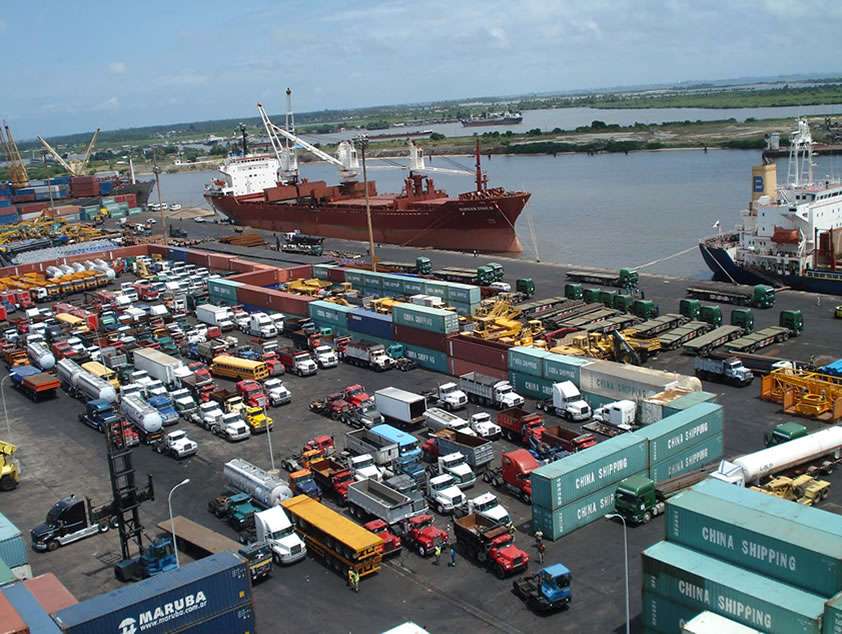
https://blog.fglobalshipping.com/wp-content/uploads/2019/06/Port-Harbor-with-Containers-in-Terminal.jpg Consignees across the world are always on the lookout for professional forwarding or logistics agents to handle their cargo from the place of origin to destination, under established terms of service. This service may also include end-to-end documentation, Customs Clearance at the port of destination, and delivery, involving the performance of the required regulatory procedures. Payment of the necessary trade tariffs, duties, and taxes based on the classification of goods in line with their actual value are also key components of services provided. Bearing the foregoing background in mind, prospective consignees could then ask, how can I go about importing my goods without any room for error or incurring the unanticipated cost of shipping? While this is a very important question in relation to shipping your cargo, finding an agent is one of the most critical steps to take in achieving your aim. Anyways, this article is not about finding the right agent but identifying some important (out of many) attributes of fraudulent freight agents and they are as follows: Non-Compliance: In Nigeria, importation of goods requires, certain basic documentation, such as Form-M, Pre-Arrival Assessment Report (PAAR), and many others, depending on the items involved. Once an agent begins to suggest by-passing these basic documentation processes, that is a sign right there that you are most certainly dealing with a fraudulent agent. Sudden Change of Bank Details: Every established shipping or forwarding agent is expected to have official account detail from the invoicing stage of every transaction. However, if a person or individuals suddenly starts pushing desperately for payments to be made to a new account, you are possibly dealing with scammers who may have hacked into the email trail on your transaction with the right agent. Once this is noticed, you must quickly commence further verification to authenticate the right agent or establish that you are dealing with a fraudster. Ridiculously Low Pricing: In a bid to exploit you, a fraudulent agent can become desperate by offering prices that are far below the market average just to win you over. Once they succeed in winning you over, you are then exposed to all hidden charges. Apart from incurring unplanned costs, your shipment can be held back, causing undue delays that adversely affect service delivery to your own customers. Apart from this, if you fail to verify some of the charges presented, they can inflate the amount of duty payable and present a fake receipt reflecting the amount claimed. Again, this takes us back to due diligence. Always find a way to verify the cost you have been offered and obtain authentic industry-based information to determine average market prices. The foregoing, constitute some of the many signs that suggest you are dealing with a fraudulent shipping agent in Nigeria. However, in the face of this damning reality, Fortune Global continues to invest in the advocacy for better regulations, stronger barriers against fraudulent agents, while remaining firmly committed to the cardinal principles of compliance and increased transparency. Source: https://blog.fglobalshipping.com/three-signs-you-might-be-dealing-with-a-fraudulent-shipping-agent-in-nigeria/ |
| Business › 9 Most Important Shipping Documents In Nigeria’s Import Trade Logistics by DonBrad(op): 11:45am On Nov 20, 2020 |
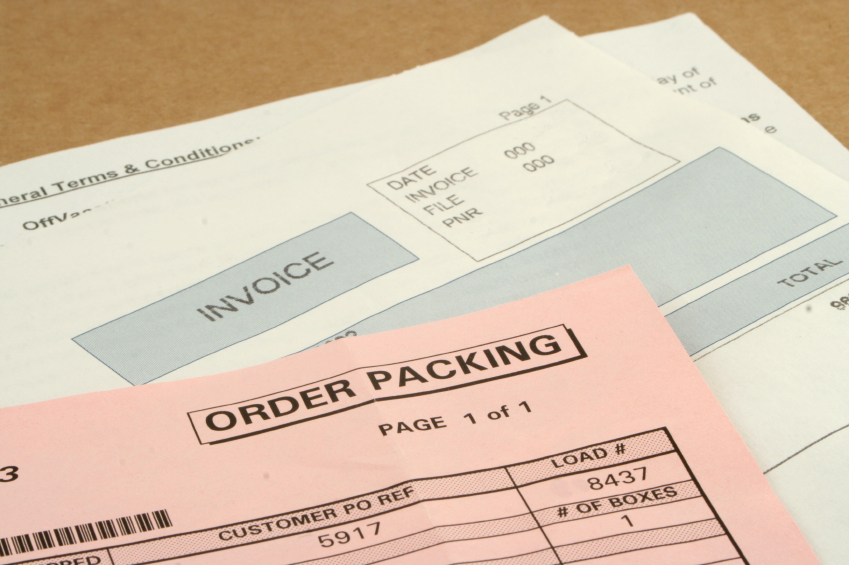
https://blog.fglobalshipping.com/wp-content/uploads/2020/11/documents.jpg As it applies globally, the importation of all legitimate cargoes into Nigeria requires both general and product-specific documents for seamless clearance and release to the importer or shipper. While this is a demonstration of compliance with trade regulations, inaccurate or incorrect documentation, such as wrong valuation, classification, inaccurate invoicing, misinformation, or disinformation in shipping documents or failure to obtain the appropriate import licenses or permits can attract very costly sanctions. Document accuracy promotes compliance with extant trade laws and regulations, logistics efficiency, transparency, compliance, trust between shippers and their agents. Having established the importance of documentation in shipping, the following nine major documents constitute the most important requirements for importation into Nigeria because they contain similar information on the cargo to be imported, suppliers, country of origin, carriers, shippers, or importer, which are then verified for consistency, accuracy by Customs, other relevant clearing authorities before cargo is released to the shipper/importer or consignee. Form-M: This is a mandatory document, generated electronically, approved by the Central Bank of Nigeria and the Nigerian Customs Service, as the principal requirement for the importation of goods into Nigeria, to ensure that the appropriate import duties are paid for imported items. Form M is valid for a period of 180 days and renewable for another 180 days. It is processed by authorized dealer banks with the following documents: • Certificate of Incorporation • Importer’s Tax Identification Number (TIN) • Proforma Invoice • Insurance Certificate • Product Certificate (for Standard Organization of Nigeria (SON) regulated items) Pre-Arrival Assessment Report PAAR: This document is one of the key requirements of the Nigerian Customs Services for clearing imported goods into Nigeria. As is the case with Form M, PAAR is usually processed by authorized commercial banks. It is a tool for accurate duty assessment and the following documents are required to process it: • Bill of Lading (for Sea freight) or airwaybill (for airfreight) • Certificate of Origin • Final/Commercial Invoice • Packing List • Manufacturers’ Certificate of origin (if applicable) • Certificate of Analysis (depending on the item imported) Packing List: A packing list is an important import document that provides detailed information about the goods imported to the clearing agents, the Nigerian Customs Service, and the importer/consignee. The list includes the net, gross weight, and dimension of imported items. Forwarders can also use the information on the packing list to create the bills of ladings for the imported item(s). In some cases, releasing agencies like Customs can use the packing list to locate certain specially packed items they may want to unwrap and examine rather than searching every box or pallet. Proforma Invoice: A typical end-to-end import process starts with an inquiry, leading up to a request for a quotation for the item to be imported. In such a transaction, the quotation will be provided as a proforma invoice that will help the importer to arrange for a Letter of Credit (if needed) and other necessary import licenses. Typically, proforma invoices are like final/commercial invoices. The difference is that a proforma invoice provides an estimate for the final amount of an order. A commercial invoice shows the final amount that should be paid. Details in a proforma invoice include: • The buyer (importer) and the seller (the supplier) in the transaction • A comprehensive description of the shipment • The Harmonized System classification of goods (HS Code) • Price of the item(s) to be imported • International Commercial Terms (INCOTERM) of payment • Mode of transportation, place, and cost of delivery • Currency used for quotation • Validity period Commercial Invoice: As stated earlier, a commercial invoice the full payment detail for each transaction, upon approval of the proforma invoice or quotation, including the order or purchase order number, importer’s reference number, description of goods, the price per unit at a particular location, total quantity, total value, packing specifications, INCOTERMS of sale, the total number of packages, name and number of flight or vessel conveying items, bill of lading number, place and country of origin, terms of payment, invoice validity period and approved, etc. Bill of Lading/Airwaybill: While a Bill of Lading (BL or BOL) is a shipping contract document issued by an ocean carrier to a shipper/importer, with detail of the goods being carried, an airwaybill is a contract of carriage between the air carrier and the shipper/importer with detail of the goods to be carried, as in the Bill of Lading. Typically, a Bill of Lading includes the name of the carrier, name of the consignee, a detailed list of goods being transported, number of packages and kind of packaging, weight and/or volume of the cargo, each package's freight class, terms of payment and special handling instructions. While Bills of Lading can either be direct or negotiable, Airwaybills are not negotiable. You may be wondering how a Bill of Lading is negotiable. Yes, it is! A Negotiable Bill of Lading is common when a Letter of Credit is involved. Here, the Bill of Lading is consigned according to the order of the shipper, signed by the shipper, and sent to an authorized bank in the buyers’ country. The bank holds the original Bill of Lading until the shipper meets the terms in the Letter of Credit. A Direct Bill of Lading is not consigned to a particular consignee (who may either be the shipper or its authorized agent), who takes possession of the consignment(s) or shipment(s), once a signed original Bill of Lading is tendered. Certificate of Origin: Certificate of Origin is a document that certifies that an imported item is truly obtained, manufactured, or produced in a particular country of origin, as presented to Customs during an examination. SONCAP Certificate: SONCAP simply means Standard Organisation of Nigeria Conformity Assessment Program. SONCAP certificates are usually processed at origin and the aim is to ensure that manufactured goods imported into Nigeria meet the minimum safety standard. In other words, such goods must be certified by the SONCAP issuing bodies from the origin, just to make sure that the final consumer is not exposed to the safety implications of sub-standard products. National Agency for Food and Drug Administration and Control (NAFDAC)Permit/Certificate: Importers of NAFDAC regulated goods such as: Food, drugs, cosmetics, medical devices, packaged water, chemicals, and detergents, are expected to obtain a NAFDAC permit before such goods can be imported. Following a recent directive by the Central Bank of Nigeria, the permit can only be obtained electronically on the CBN trade portal and this also means that: • Only digital forms issued by NAFDAC will be valid for the importation of NAFDAC regulated goods, as stated above. • Applicants must now input the approval reference code stated on the NAFDAC e-licenses for Form-M, Pre-Arrival Assessment Report (PAAR) processing, Customs Clearance, and other trade-related transactions. The foregoing documents constitute the most prominent requirements for the importation of diverse cargo into the Nigeria Customs territory. While most of these documents are universal, some (Like Form M, PAAR, SONCAP, and NAFDAC permit) are peculiar requirements for importation into Nigeria. All prospective importers must pay attention to these major documents and other minor ones not mentioned here. This is to ensure that the appropriate import documentation and the right permits are obtained to avoid costly sanctions. That is why importers in Nigeria need the kind of expertise a company like Fortune Global offers. Fortune Global is one of the leading industry advocates of compliance and transparency, with a strong pedigree of excellent performance in import documentation and clearance procedure. We offer end-to-end advisory on document and other key import requirements for import in diverse industries and trade across Nigeria and other parts of the world. Source: https://blog.fglobalshipping.com/9-most-important-shipping-documents-in-nigerias-import-trade-logistics/ 1 Like |
| Autos › Re: Anyone Heard Of White Horse Group Ltd & Whitehorse Capital?[Updated] by DonBrad(op): 12:50pm On Nov 13, 2020 |
Nbotee:They actually do. |
| Autos › Anyone Heard Of White Horse Group Ltd & Whitehorse Capital?[Updated] by DonBrad(op): 11:43am On Nov 13, 2020*. Modified: 11:16am On Nov 18, 2020 |
They seem to have nice offers on imported cars? Has anyone transacted with them? Are they Legit?
|
| Business › Understanding The Importance Of Warehousing In Logistics by DonBrad(op): 1:08pm On Aug 28, 2020 |
https://blog.fglobalshipping.com/wp-content/uploads/2020/08/Explicit-19-720x340.jpg From raw material tracking, finished goods, secured storage, inventory management to distribution and customer service, the place of warehousing in the supply chain of product and service-based firms is unquestionably important. While the focus of our discussion is on understanding the importance of warehousing, we are also mindful not to assume that our entire audience understands what a warehouse is. This will be defined in the simplest terms; the various types of warehouses and their functions will also be discussed. What is A Warehouse? A warehouse is a commercialized building generally used for the proper storage of goods and handling of general cargo. A standard warehouse is often configured with technological tools for the facilitation of records and inventory of goods, as well as making them available on-demand with little or no room for surprises. Warehouses vary in sizes, capacity, and operational permits. For instance, some warehouses are built and designed to handle heavy-duty equipment and general cargoes, while others are not. Some others are specially configured for the storage of food, drugs, sensitive materials, and chemicals, and so on while many others are meant for general cargo with no capacity to handle sensitive goods, drugs, or chemicals. Below are the various types of warehouses and their functional importance. Private Warehouse: This category of warehouses is usually owned, rented, or leased by manufacturers, traders, retailers, wholesalers, farmers, and almost likely sited close to their selling centers for both storage and distribution. Public Warehouse: This can be government or semi-government owned that is offered to private companies for rent. This type of warehouse is set-up to support Small and Medium Scale (SMEs) businesses, manufacturers, importers, or exporters who may not financially be positioned to own their own warehouse. Bonded Warehouse: This can be owned, managed, or controlled by the government or private agencies after duly obtaining a bond license. In other words, a custom bonded warehouse is a licensed building or other secured area in which dutiable goods may be stored, customs inspections/examinations are carried, correct duties paid, and cargo released. Special project, time-sensitive cargo, containers, and Groupage or Less Than Container Load shipments are transferred straight from the ports to the bonded warehouses with minimal delays. This is because the cost of going through manual port clearance processes, multiple examinations, and delays prompted by port congestion can be very high. This kind of warehouse is best suited for a country like Nigeria, for two major reasons: Efficiency: The fact that shipments can be consigned from origin to the bonded warehouse directly, without the risk of being trapped in port congestion is one of the key benefits of a bonded warehouse in Nigeria. This makes the clearance of special Oil & Gas, project-based, time-bound, and other high-value cargoes, faster, easier, and better with little or no exposure to additional costs. Easier Acess to Cargo: Given that Groupage containers carry Less Than Container Loads of multiple consignees (multiple individual cargo owners), a bonded warehouse gives these multiple consignees easier access to their goods outside the seaport, faster clearance and processes, and cargo pick-up. Co-operative Warehouse: This category of warehouses is usually owned by a cooperative society for the purpose of providing storage facilities at the most affordable cost to their members only. Unlike the conventional warehouse, this is a less profit-oriented warehouse. [b]Distribution Warehouse: [/b]This is also known as distribution centers due to its design for having large storage spaces. This also gives room for the quicker movement larger quantity goods over a short period of time. It can also serve as a large distribution hub where goods are bought by multiple suppliers to customers at a quicker rate. In most cases, effective inventory management and the distribution processes are technologically aided by warehousing software systems, like EPOS, an inventory tracking software system, 3PL Warehouse Manager, etc. Distribution centers are mostly sited closer to a transport facility with tailored capacity to handle goods meant for distribution within 24 hours – especially perishable and Fast Move Consumer (FMC) goods. In conclusion, bearing in mind that the warehousing as a subject matter cannot be exhaustively discussed in a single article, this is the first of our series on warehousing. However, whether your business is centered on manufacturing, distribution, or service delivery, the importance of warehousing in every supply chain system is key and its potential to reduce cycle times through expert inventory, distribution, and storage management is even more pivotal. Source: https://blog.fglobalshipping.com/understanding-the-importance-of-warehousing-in-logistics/ |
| Car Talk › Re: Buying New Tyres In Nigeria by DonBrad: 9:16am On Jul 28, 2020 |
bizzle2:Just sent you a mail. Thanks |
| Car Talk › Re: Buying New Tyres In Nigeria by DonBrad: 12:17am On Jul 28, 2020 |
bizzle2:Thanks. Will do. |
| Car Talk › Re: Acura Mxd 08 Or Lexus Rx330? by DonBrad: 9:14pm On Jul 27, 2020 |
| Car Talk › Re: Buying New Tyres In Nigeria by DonBrad: 6:37pm On Jul 27, 2020 |
bizzle2:Hello Chief, I am considering getting an Acura Mdx too. will really appreciate any advise from you and if we could chat outside here cause i do have a few questions you're in the best position to help answer. Thanks. I look forward to your response |
| Car Talk › Re: Acura Mxd 08 Or Lexus Rx330? by DonBrad: 4:00pm On Jul 27, 2020 |
aylagos:Hello Chief, I am considering getting an Acura Mdx too. will really appreciate any advise from you and if we could chat outside here cause i do have a few questions you're in the best position to help answer. Thanks. I look forward to your response. |