EnrouteNG's Posts
Nairaland Forum › EnrouteNG's Profile › EnrouteNG's Posts
1 (of 1 pages)
 Culture › Re: 8 Facts You Possibly Didn't Know About The Fulani Milkmaids by EnrouteNG(op): 11:27am On May 21, 2016 Culture › Re: 8 Facts You Possibly Didn't Know About The Fulani Milkmaids by EnrouteNG(op): 11:27am On May 21, 2016 |
Of course they may not be. Fact is that they are resident there no matter how small. Muafrika2: |
| Culture › Re: 8 Facts You Possibly Didn't Know About The Fulani Milkmaids by EnrouteNG(op): 10:07am On May 21, 2016 |
They are very much present in Mauritania and Senegal to Sudan, Ethiopia, and Kenya. Only Liberia may not have any Fulani settlements. Muafrika2: |
| Culture › The Yoruba Gods (PART 1) by EnrouteNG(op): 9:25am On May 21, 2016 |
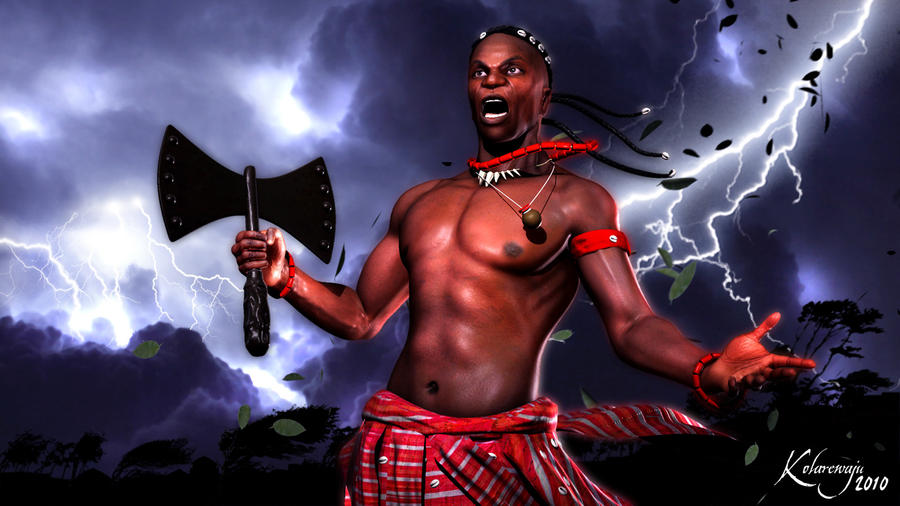
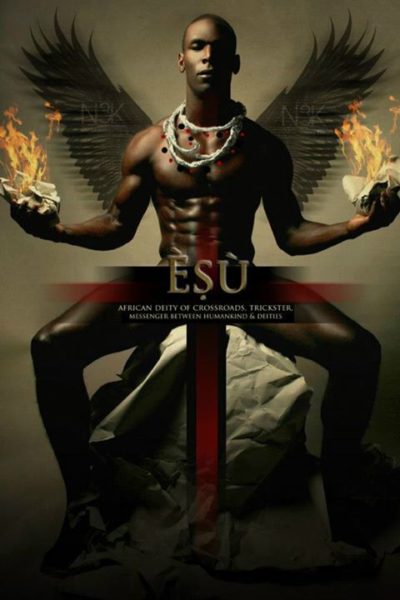
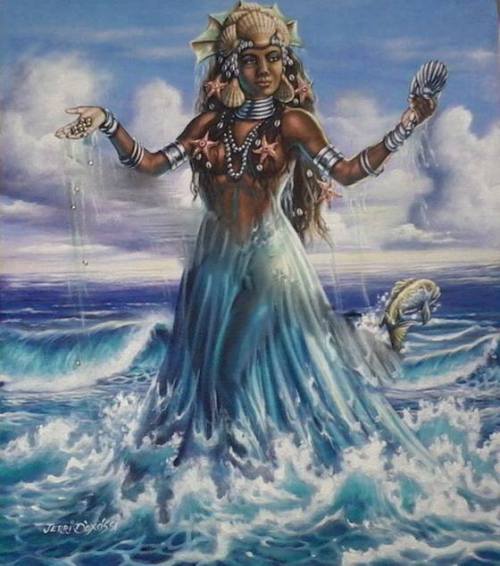
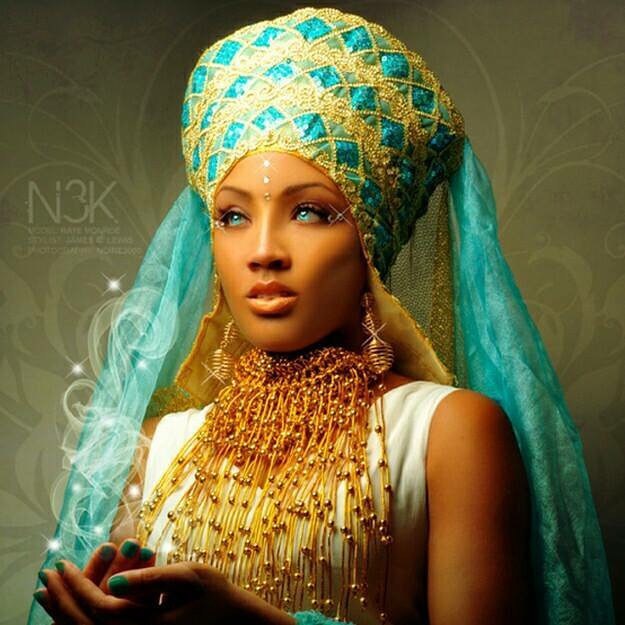
A god or a deity is believed to either be a natural or supernatural being, who is thought of as holy, divine, or sacred. As a matter of fact, some religions have one supreme deity, while others have multiple deities. A god represents a male deity while a female deity is referred to as a goddess. They all have their own unique traits, attributes and functions. While some live in human bodies (remember Thor; the Scandinavian god, in the Avengers movie), others live in animals, objects and even planetary bodies (who do you think pulls down all those meteorites that drop from the sky). Yoruba people right from time believe a lot in deities especially due to their ancestral beliefs in divine protection, fertility, guidance and victory in times of war. Here's a list of some of the gods that Yoruba people attach great importance to; Sango https://img02.deviantart.net/5f40/i/2010/161/4/2/sango___nigerian_legend_by_koinnovations.jpg Sango refers to the god of thunder and lightening, and was the third "Alaafin" of Oyo kingdom. He married three wives known as Oba, Osun and Oya, who later became goddesses. He's popularly known with spitting out fire. Sopona [img]http://magazine.jhsph.edu/sebin/v/r/03-sopona-collections-spring-2015.jpg[/img] Sopona is the deity of terminal diseases like smallpox, leprosy and AIDS. The name is considered to be a secret and taboo (somewhat like Lord Voldemort in the Harry Porter movie). It's also known as "Omolu". Ogun https://s-media-cache-ak0.pinimg.com/236x/61/34/f3/6134f3047b8140e842aad60d08e3cac0.jpg Ogun is the deity of iron, fire, hunting, war, sacrifice, labour, technology and politics Osun https://enroute.ng/wp-content/uploads/2016/05/oshunpeacock.jpg Osun is a goddess in charge of love, intimacy, wealth, beauty and peacekeeping. She was the second wife of Sango. Oya https://s-media-cache-ak0.pinimg.com/236x/3d/be/16/3dbe160173e979e756ae5164535c08a6.jpg Oya was the third wife of Sango who is also the goddess of wind, fertility, lightening (legend says she got this power by discovering Sango's secret) , magic, and fire. Esu https://www.bellanaija.com/wp-content/uploads/2014/01/James-C-Lewis-Orisha-Exhibition-BellaNaija-January2014005-400x600.jpg Esu is regarded as the messenger between the human and divine worlds; he's also the deity of duality, crossroads, beginnings and fertility. Esu is usually referred to as a trickster, nothing compared with who the Christians call the Devil. Yemoja https://67.media.tumblr.com/0a0155eb17b197614a7ed4bd720468d9/tumblr_nhtlksuOcz1s2hryzo1_500.jpg Yemoja is referred to as a divine mother of mankind and divinity of all water bodies. She is also the daughter of "Obatala" and wife of "Aganju". Her domain is every body of water but mostly tributaries, where the river connects the sea. Orunmila https://img.buzzfeed.com/buzzfeed-static/static/2013-10/enhanced/webdr05/17/17/enhanced-buzz-7750-1382045901-19.jpg Orunmila is the divinity of wisdom, destiny, divination, prophecy and foresight. Ifá is the divinatory system from which he talks through. Obatala https://img.buzzfeed.com/buzzfeed-static/static/2013-10/enhanced/webdr02/17/17/enhanced-buzz-23603-1382045880-10.jpg Regarded as the deity of peace, Obatala is a chief divinity, father of humankind, divinity of moral uprightness, spiritual purity and light. He's popularly referred to as the white divinity. Oba https://40.media.tumblr.com/e1ffcafe01a1ed82f75c1bf745af554e/tumblr_nrc6h5Hpcf1ua22qmo1_1280.jpg Oba was Sango’s first wife, daughter of Yemoja alongside been a great female warrior. She represents the divinity of marriage and family life. She specializes in rivers with dangerous currents. You can read Part 2 here: http://enroute.ng/art-and-culture/yoruba-gods-2/ This article was originally published on: http://enroute.ng/art-and-culture/yoruba-gods-1/ 1 Like |
| Culture › 8 Facts You Possibly Didn't Know About The Fulani Milkmaids by EnrouteNG(op): 8:56am On May 21, 2016 |
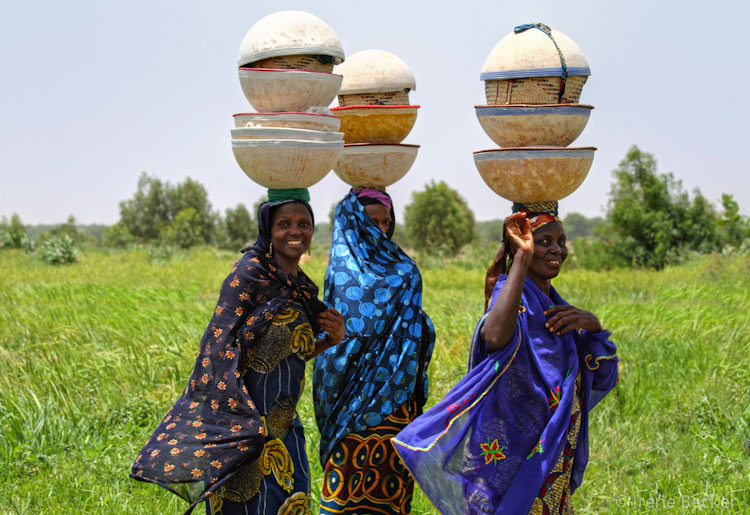
The Fulani Milkmaids are one of the most beautiful set of women we have in Nigeria. Here are some facts you possibly didn't know about them; They are found in more than twenty nations in Africa Fulani milkmaids can be seen in more than twenty countries in Africa. These countries range from Nigeria to Ghana, Senegal to Niger, Gambia to Burkina Faso, Kenya to Mali and a host of others. They are entitled to receive cows from their husbands Fulani Men must give their wives enough cows to milk from or they suffer risking their marriages because it's always part of the marriage rites. They control local dairy production in Nigeria https://7069-presscdn-0-30.pagely.netdna-cdn.com/wp-content/uploads/2014/01/Fulani-Children-The-Trent-Nigerian.jpg Although they own a few of the cattle, the extraction, production and selling of milk are the most important economic preoccupations of the Fulani milkmaids. Milking cows depends on seasons The Fulani women milk the cows at least twice a day in the wet season, collecting about 1.5 liters of milk per cow. In the dry season, milking is sometimes suspended or reduced to just once a day. Proceeds from Dairy sales are theirs alone The women keep the proceeds from dairy sales, which they use in buying grains, seasonings, flavorings, beverages, food utensils and other household goods. Moreover, the purchase of such items for the family is voluntary. The Fulani men do not count on the Fulani women's contribution in family upkeep for fear of being seen as failing household providers. Fulani milkmaids are semi-nomads https://40.media.tumblr.com/3ba9724bed0f65a1f11980df2e9890de/tumblr_mlpo8pvxyn1s3cno8o1_1280.jpg They do not move about as much as the men, some are even sedentary, they stay within their communities. The basic settlement of the Fulani people is known as "wuru". No Special value is placed on virginity https://farm4.static.flickr.com/3230/2855044857_fe29d871df_b.jpg The Fulani expect young women to bring sexual experience to marriage and even the women do not shy from boasting about their previous sexual experiences. They are sometimes not present at their marriages This happens due to shame avoidance taboos, the significance of the cattle ceremony (koowgal) is also a major feature of the wedding. In that ceremony, the bride's father transfers one of his herd to the groom, legalizing the marriage. They may also follow a more typical Islamic ceremony referred to as "kabbal". [img]https://eghoartculture.files./2013/04/hausa-ladies.jpg[/img] This article was originally published on http://enroute.ng/up-north/8-facts-possibly-didnt-know-fulani-people/ |
| Travel › Re: The First Of Its Kind In Nigeria #flybackfriday by EnrouteNG(op): 8:49am On May 21, 2016 |
Do you think that the quality of cement produced by the cement companies may have dropped too? lipstick2: |
| Travel › The First Of Its Kind In Nigeria #flybackfriday by EnrouteNG(op): 3:37pm On May 20, 2016 |
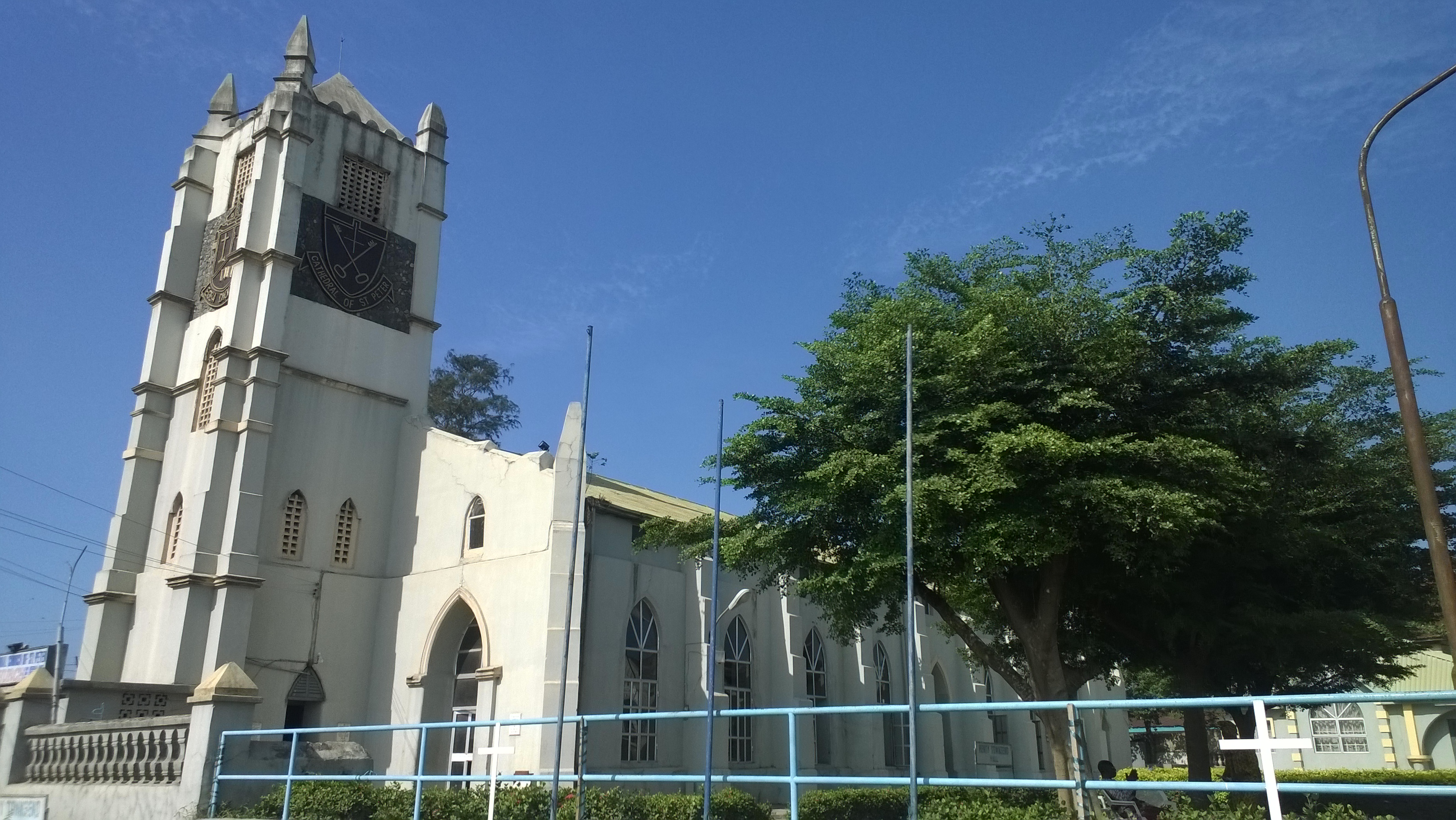
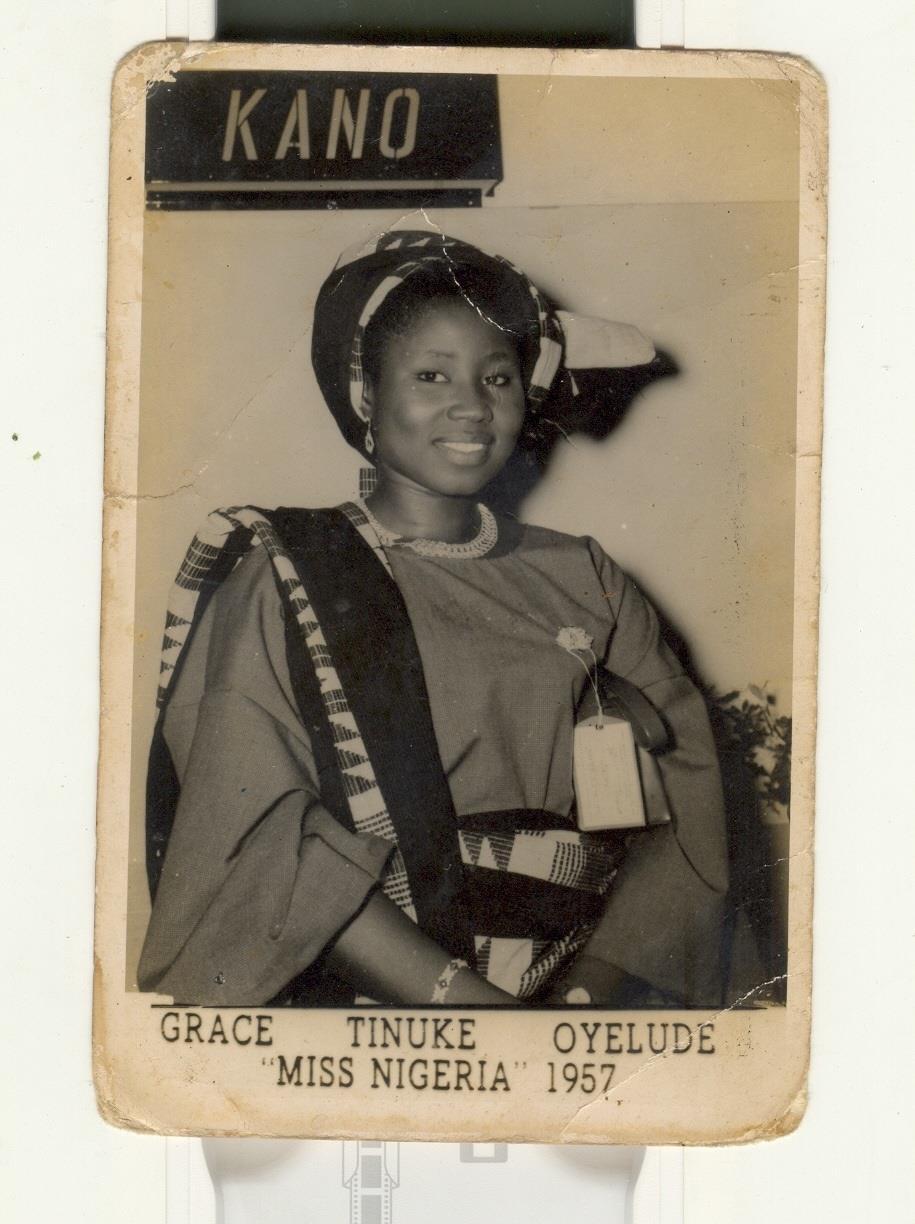
The First University in Nigeria - University of Ibadan (1948) https://cdn.dailypost.ng/wp-content/uploads/2012/12/UI-GATE.jpg University of Ibadan started from Yaba College which was the first tertiary institute in Nigeria founded in 1932. Yaba College was moved to Ibadan to become University College of Ibadan in 1948. It was instituted as an external college of the University of London. By 1962 it became an independent university called University of Ibadan. The First Museum - Esie Museum (1945) [img]http://api.ning.com/files/mOXSBPPrT3G5Sr9jOPAU5BpfjNABHKzMxEVP5USXb4n5ZkWioKHEYihkMWxFjrGFSxesenovdkt-vCE3o859ZcHGRbG*qM8z/P3090077.JPG[/img] The Esie museum was opened in 1945 and is adjudged to be the first museum in Nigeria. It is known to have the largest collection of soapstone images in the world. Currently, the Esie museum is now used for religious activities and it hosts a festival annually. It’s situated in Esie, Kwara State. The First Television Station in Nigeria - Western Nigerian Television (1959) https://nationalmirroronline.net/new/wp-content/uploads/2013/09/Children-watching-television.jpg Television broadcasting started in Nigeria in October 1959, when the then premier of Western Region, the legendary, Chief Obafemi Awolowo established the Western Nigerian Television (WNTV) in Ibadan. It was the first station in Africa. The Western region blazed the trail by establishing the first TV not only in Nigeria but also in Africa. First Storey Building - Badagry (1845) https://enroute.ng/wp-content/uploads/2016/04/WP_20160402_097a-400x209.jpg The foundation for the First Storey Building in Nigeria was laid in 1842 and house completed in 1845 in Badagry, Lagos State. Its construction follows modern architecture. But there is the story of the Gobarau Minaret built with clay between 1348 and 1398 with indigenous technology. First Church - Cathedral of St. Peter Church (1843) https://www.ktravula.com/wp-content/uploads/2014/04/WP_20140410_0721.jpg In case you didn't know, Cathedral of St. Peter Church in Ake Abeokuta, Ogun state is the first and oldest church in Nigeria. The church is still doing great with a strong building structure. First Skyscraper - Cocoa House (1965) https://enroute.ng/wp-content/uploads/2016/05/cocoa_house_4-400x600.jpg From proceeds from commodities such as Cocoa, Rubber, Timber, and so on, the first skyscraper in Nigeria, and tropical Africa was built. Cocoa house is a 105 meters building located in the ancient city of Ibadan, the capital of Oyo state in Nigeria. It was completed in 1965. First Secondary School - CMS Grammar School (1859) https://static.pulse.ng/img/incoming/crop4245444/4875291818-chorizontal-w1600/Darey-at-CMS.jpg CMS Grammar School, Bariga, is the first secondary school in Nigeria. It was founded on 6 June 1859 by Church Missionary Society. Thanks to seed funding made possible by James Pinson Labulo Davies who in April 1859 provided Babington Macaulay (The First Principal of the school) with £50 (equivalent of ₦1.34 million as of 2014) to buy books and equipment for the school. First Airport - Mallam Aminu Kano International Airport (1936) https://static.panoramio.com/photos/original/101476018.jpg Mallam Aminu Kano International Airport is the oldest in Nigeria, with operations starting in 1936. The bulk of international flights cater for the large Lebanese community in Kano and Muslim pilgrimages to Mecca. In 1936 the airport was an important fuel-stop for airlines offering intercontinental services between Europe and Africa. First Miss Nigeria - Grace Oyelude (1957) https://40.media.tumblr.com/tumblr_m94akcF8hu1qd09eyo1_1280.jpg Grace Oyelude won the maiden edition of Miss Nigeria in 1957, and would later use part of her £200 prize money to travel to England where she studied Nursing. First (and only) Miss World - Agbani Darego (2001) Agbani Darego is a Nigerian model and beauty queen, the 51st winner of the Miss World pageant. In November 2001, she became the first native Sub- Saharan African to claim the Miss World title. Darego's victory was widely welcomed in Nigeria, and her one-year tenure included goodwill trips and scheduled appearances on behalf of the pageant. First Olympic Gold Medalist - Chioma Ajunwa-Opara (1996) [img]http://1.bp..com/-SYsRtd_fXmk/UlcwNlCRzFI/AAAAAAAAHTg/iM24Gw8hCnc/s1600/CHIOMA+AJUNWA+03.jpg[/img] Ajunwa went on to become the first West-African woman, as well as the first Nigerian, to win an Olympic gold medal in a track and field event when she emerged victorious in the women's long jump event at the 1996 Olympics in Atlanta, with a jump length of 7.12 meters (on her first attempt) during the final. First Nobel Prize Winner - Prof. Wole Soyinka (1986) https://www.ekekeee.com/wp-content/uploads/2014/12/Wole-Soyinka.jpg Soyinka was awarded the Nobel Prize for Literature in 1986, becoming the first African laureate. It was the first Nobel Prize awarded to an African writer. First President - Dr. Nnamdi Azikiwe [img]https://ajetdeeunusual.files./2015/11/3.jpg[/img] Dr. Azikiwe became Governor General of the Nigerian Federation at independence from Britain in 1960, and President in 1963, when Nigeria was declared a republic. Dr. Azikiwe towered over the affairs of Africa's most populous nation, attaining the rare status of a truly national hero who came to be admired across the regional and ethnic lines dividing his country. This article was originally published on http://enroute.ng/fly-back-thursday/the-first-nigeria/ 2 Likes |
| Travel › Top Five Places To Visit In Dubai by EnrouteNG(op): 3:21pm On May 20, 2016 |
From being a desert outpost, Dubai has transformed to a top contender in different vacation lists. Whether its for the best bargains, personal relaxation or even family fun, Dubai is "that guy". With shopping malls so big they contain large sized aquariums, indoor ski slopes and a bevy of sightseeing attractions. This city of gold offers more than any single person can desire. The Las Vegas of the Middle East, Dubai is buzzing with energy. So much energy, the lavish city hasn’t just captured the eyes of tourist but continues to attract the eyes of many young expats; who find Dubai offers a better lifestyle. Hey, Dubai is expat heaven! Here are five places you should visit in Dubai. https://enroute.ng/wp-content/uploads/2016/05/Vogue-Fashion-Dubai-Experience-2013-640x427.jpg Burj Khalifa https://upload.wikimedia.org/wikipedia/commons/thumb/f/f5/BurjKhalifaHeight.svg/2000px-BurjKhalifaHeight.svg.png The modern day version of the biblical "Tower of Babel", the top of Burj Khalifa is just in the clouds. Towering over this ultra-modern city, it resembles a huge iceberg bursting out of the desert sand. It boasts of the world’s highest Mosque, the highest and fastest elevator (1 minute from ground floor to observation area) and more floors than any other structure with 160. Dubai Mall https://enroute.ng/wp-content/uploads/2016/05/Dubai-Mall-640x426.jpg It is the city's premier mall and provides entry to the Burj Khalifa as well as the Dubai Aquarium. There is also an ice-skating rink, gaming zone and cinema complex if you're looking for more entertainment options. The shopping and eating is endless and there are nearly always special events such as live music and fashion shows within the mall. Dubai Fountain https://enroute.ng/wp-content/uploads/2016/05/beautiful-dancing-of-dubai-fountain-640x480.jpg Set on the 24-acre Burj Lake, the Fountain features water that jets as high as 450 ft (140 metres), which is equivalent to a 45-storey building. The Fountain has five circles of varying sizes and two central arcs. The beam of light shining upward from the fountain can be seen from over 20 miles away, and is visible from space, making it the brightest spot in the Middle East, and quite possibly in the entire world. It is the world's tallest performing fountain. Palm Island [img]https://architectureintlprogram.files./2011/06/palm-jebel-ali.jpg[/img] Completed in November 2014, Palm Jumeirah is on the coast of Dubai, United Arab Emirates. This island takes the form of a palm tree, topped by a crescent. It places host to a large number of residential, leisure and entertainment centers. The creation of the Palm Jumeirah began in June 2001. The Palm Jumeirah is the world's largest man-made island covering 560 hectares of land and was meant to be a bigger island, but it was later downsized. Atlantis The Palm https://world-visits.com/wp-content/uploads/2011/08/Dubai-Underwater-Hotel-2-500x313.jpg The underwater suites at Atlantis The Palm are fit for the king of the seas. Set alongside a huge aquarium, they are pretty much the most intimate and romantic lodging you could ever dream of...as long as you don't have nightmares about sharks! If lying in bed while the marine life of the Persian Gulf drifts by your floor-to-ceiling windows appeals to you, the 'Neptune' or 'Poseidon' suite might just be worth it. This article was originally published on http://enroute.ng/across-the-ocean/top-five-places-visit-dubai/ 1 Like |
| Nairaland General › Top 5 Travel Blogs In Nigeria by EnrouteNG(op): 2:46pm On Apr 20, 2016*. Modified: 3:44pm On May 20, 2016 |
Local travel and tourism is growing quite well in Nigeria, and this could be due to the current economic challenges the country is facing. Airline agencies are not banking enough foreign travel ticket revenue as they did some many months back because To this effect, travel media has began to grow too. People are getting jobs as travel guides more and more and some people have started businesses that organise local tours. Below are the top 5 travel blogs in Nigeria (in no particular order) that serve varying travel interests. ENROUTE NIGERIA (www.enroute.ng) EnRoute Nigeria simply exhibits Nigeria to the world. The blog does more than showcase specific destinations but generally tells you a lot about what to expect in those destinations; the residents there, and their cultures (food, music, dance, royalty, etc). In short, the blog is likely going to become the most comprehensive travel guide in Nigeria soon with its current trajectory. You can send them email to [email]hello@enroute.ng[/email] or follow them on twitter (@enroutenigeria) or facebook (/enrouteng) if your need any form of guidance or advise on various destinations in Nigeria, or if you are interested in contributing to their blog. Recommended: Five Things You Probably Didn’t Know About The “Egun” People - http://enroute.ng/art-and-culture/five-things-didnt-know-egun-people/ SOCIAL PREFECT ([url]socialprefect.net[/url]) Chiamaka Obuekwe is a tour guide who blogs about local hotspots via socialprefect.net. She arranges tours for corporate workers, friends and families who are interested in short vacations in select spots in Nigeria (sometimes, beyond). She has even featured on enroute.ng's Memoirs of a South-West Tour: http://enroute.ng/word-with-a-traveller/memoir-south-west-tour/. If you desire a space from the hustle and bustle around you, Social Prefect should be on your speed dial. UNRAVELLING NIGERIA ([url]unravellingnigeria.com[/url]) Unravelling Nigeria is basically like Social Prefect as par tour planning, but the blog contains more diverse content. So most of the aforementioned applies with this blog too. By the way, if you desire to visit the Idanre Hills, unravelling Nigeria is about going on a tour with few people from the 23rd April - 24th April, 2016. You can email [email]unravellingnigeria@gmail.com[/email] for enquiries. NAIJA NOMADS ([url]naijanomads.com[/url]) Naija Nomads is the go-to spot for adventure seeking Nigerians. The blog basically curates the experiences of Nigerians who have travelled around the world. You can send an email to [email]travel@naijanomads.com[/email] to share your experience outside of Nigeria. NAIJA TREKS ([url]naijatreks.com[/url]) Just like Social prefect and unravelling Nigeria, Naija treks also takes a number of people on tours around Nigeria in various seasons of the year. you can follow up on them on their website. If you want to go with them on any tour, you can simply visit [url]naijatreks.com/naijatreks-tour[/url]. More Recommended reads: (1) Reasons why we love to watch NPFL Matches live from the Stadia - http://enroute.ng/art-and-culture/five-reasons-love-watch-npfl-matches/ (2) The Kwa Falls of Cross River: Serenation and Rhythm for Love Birds - http://enroute.ng/mountains-and-valleys/kwa-falls-serenation-rhythm-love-birds/ (3) All you need to know about the Agodi Gardens in Ibadan - http://enroute.ng/resort-centers/agodi-gardens-glows-ancient-city-ibadan/ (4) Golfing at Le Meridien Ibom Golf Resort - http://enroute.ng/resort-centers/golfing-at-le-meridien-ibom-golf-resort/ (5) What’s So Special About Kaduna? - http://enroute.ng/travel-in-style/whats-so-special-about-kaduna/ |
| Travel › Top 5 Travel Blogs In Nigeria by EnrouteNG(op): 2:39pm On Apr 20, 2016*. Modified: 11:38am On Apr 26, 2016 |
Local travel and tourism is growing quite well in Nigeria, and this could be due to the current economic challenges the country is facing. Airline agencies are not banking enough foreign travel ticket revenue as they did some many months back because To this effect, travel media has began to grow too. People are getting jobs as travel guides more and more and some people have started businesses that organise local tours. Below are the top 5 travel blogs in Nigeria (in no particular order) that serves varying travel interests. ENROUTE NIGERIA (www.enroute.ng) EnRoute Nigeria simply exhibits Nigeria to the world. The blog does more than showcase specific destinations but generally tells you a lot about what to expect in those destinations; the residents there, and their cultures (food, music, dance, royalty, etc). In short, the blog is likely going to become the most comprehensive travel guide in Nigeria soon with its current trajectory. You can send them email to [email]hello@enroute.ng[/email] or follow them on twitter (@enroutenigeria) or facebook (/enrouteng) if your need any form of guidance or advise on various destinations in Nigeria, or if you are interested in contributing to their blog. Recommended: Five Things You Probably Didn’t Know About The “Egun” People - http://enroute.ng/art-and-culture/five-things-didnt-know-egun-people/ SOCIAL PREFECT ([url]socialprefect.net[/url]) Chiamaka Obuekwe is a tour guide who blogs about local hotspots via socialprefect.net. She arranges tours for corporate workers, friends and families who are interested in short vacations in select spots in Nigeria (sometimes, beyond). She has even featured on enroute.ng's Memoirs of a South-West Tour: http://enroute.ng/word-with-a-traveller/memoir-south-west-tour/. If you desire a space from the hustle and bustle around you, Social Prefect should be on your speed dial. UNRAVELLING NIGERIA ([url]unravellingnigeria.com[/url]) Unravelling Nigeria is basically like Social Prefect as par tour planning, but the blog contains more diverse content. So most of the aforementioned applies with this blog too. By the way, if you desire to visit the Idanre Hills, unravelling Nigeria is about going on a tour with few people from the 23rd April - 24th April, 2016. You can email [email]unravellingnigeria@gmail.com[/email] for enquiries. NAIJA NOMADS ([url]naijanomads.com[/url]) Naija Nomads is the go-to spot for adventure seeking Nigerians. The blog basically curates the experiences of Nigerians who have travelled around the world. You can send an email to [email]travel@naijanomads.com[/email] to share your experience outside of Nigeria. NAIJA TREKS ([url]naijatreks.com[/url]) Just like Social prefect and unravelling Nigeria, Naija treks also takes a number of people on tours around Nigeria in various seasons of the year. you can follow up on them on their website. If you want to go with them on any tour, you can simply visit [url]naijatreks.com/naijatreks-tour[/url]. More Recommended reads: (1) Reasons why we love to watch NPFL Matches live from the Stadia - http://enroute.ng/art-and-culture/five-reasons-love-watch-npfl-matches/ (2) The Kwa Falls of Cross River: Serenation and Rhythm for Love Birds - http://enroute.ng/mountains-and-valleys/kwa-falls-serenation-rhythm-love-birds/ (3) All you need to know about the Agodi Gardens in Ibadan - http://enroute.ng/resort-centers/agodi-gardens-glows-ancient-city-ibadan/ (4) Golfing at Le Meridien Ibom Golf Resort - http://enroute.ng/resort-centers/golfing-at-le-meridien-ibom-golf-resort/ (5) What’s So Special About Kaduna? - http://enroute.ng/travel-in-style/whats-so-special-about-kaduna/ |
| Travel › Buhari’s Trip To China; Its Effect On The Travel Industry - Enroute.ng by EnrouteNG(op): 12:23pm On Apr 20, 2016 |
President Buhari and other top Government officials embarked on a trip to China to seek economic support, adequate financial means, infrastructural development, agricultural expansion, advancement in solid minerals and a more robust manufacturing sector. You might want to ask, “How did the trip affect travel and tourism?” or “What does the future hold for travel and tourism in Nigeria?” well, President Buhari and his entourage came back with good news that affects travel and tourism amidst other important outcomes of his working visit to China. One of such news is the development of a $1 billion USD Greenfield expressway for Abuja-Ibadan-Lagos, under an agreement reached by the Infrastructure Bank and Sinohydro Corporation Limited. This is an amazing development especially for people that ply this route; it gives them a chance of having to choose between different alternatives to go from Lagos or Ibadan to Abuja, not leaving out the various inhabitants of towns and cities that this road will pass through. It’s a remarkable development, one that will adequately aid movement of people, and as such will affect the travel industry positively. Lagos is a metropolitan city with more than twenty million people; it’s a place that always has an issue with transportation due to its high population density. The emergence of the Bus Rapid Transit (BRT) and LAGBUS has done little to solve transportation problems in Lagos. This brings me to another very important development which is the $2.5 billion USD agreement for the development of the Lagos Red line Metro Rail Transit Red Line project. Although, constructions are still ongoing for the Lagos Blue Line Metro Rail Transit project, this recent development will solve the transportation problems Lagos has to deal with to a very large extent. Rail mode of transportation is a different and unique alternative to the land mode of transportation that is very popular in Lagos. It will reduce traffic congestion, high road transport fares, traffic related emissions and road accidents. For pictures of the anticipated projects and more, continue here: http://enroute.ng/travel-highlights/buharis-trip-china-effect-travel-industry/ |
| Travel › Egba And Ijebu People; Their Discrete Features And Traditions - Enroute.ng by EnrouteNG(op): 12:15pm On Apr 20, 2016 |
Ogun State is blessed with two different sets of people with rich cultural heritage and blessed age-long traditions; the Egbas and the Ijebus. The Egba and Ijebu people are wonderful sets of people and are both under the Yoruba tribe of Nigeria. They might have a lot of similarities but they sure have their different characteristics, traditions, customs and norms. Here are some of the differences I have observed and gotten about them; The Egbas love to eat “Lafun”; a meal made from Cassava flour, while the Ijebus love “Ikokore”; a meal made from water yam. A combination of “Lafun” and “Ewedu” (Corchorus) is perfect for the Egbas while Ijebus love to have “Ikokore” garnished with fish and meat. As you know very well, any Egba son who does not eat lafun is what Fela refers to as suwegbe. In BBHS, we had a place we called down below. At down below, you ate very hot and very smooth lafun every morning. I still do that. Lafun is my best food with ewedu.– Oba Adedotun Aremu Gbadebo, Alake of Egba land She paid attention to details and would ask what food I wanted ahead of our arrival. On one occasion she made sure my favourite Ijebu delicacy, Ikokore, was ready, accompanied by assorted meat and snails.– Dele Momodu on Mama Awolowo Language The Egba people speak a local dialect known as the Egba dialect, while the Ijebu people speak a local dialect referred to as the Ijebu dialect. Though you might find some of them speaking the central Yoruba language. Anthem The Egba people have an anthem that depicts their cultural heritage and their ties with the Olumo rock, below is the Egba anthem; Lori oke o’un petele Ibe l’agbe bi mi si o Ibe l’agbe to mi d’agba oo Ile ominira Chorus: Maa yo, maa yo, maa yo o; l’Ori Olumo; Maa yo, maa yo, maa yo o; l’Ori Olumo Abeokuta ilu Egba Un ko nii gbagbe e re Un o gbe o l’eke okan mi Bii ilu odo oya Emi o f’Abeokuta sogo Un o duro l’ori Olumo Maayo l’oruko Egba ooo Emi omoo Lisabi E e! Which loosely translates to: On the hill and in the valley, it is where I was born, it is where I was nurtured, the home of victors. Chorus: I’ll rejoice, rejoice, rejoice; On top of Olumo; I’ll rejoice , rejoice, rejoice; On top of Olumo. Abeokuta, home of the Egbas, I will not forget you, I will regard you highly in my heart, like the cities beyond the shores,I will sing the praises of Abeokuta, I will stand on Olumo rock, I will rejoice in the Egba’s heritage, I, a descendant of Lisabi! Unlike the Egba people, the Ijebus only have an anthem that eulogizes the Awujale of Ijebu land. It goes thus: Kaabiyesi o (2ce) Alaiye Oba wa, K’adepel’ori o kibatape lese, k’adepel’ori. K’odigbapel’orun, Ki Oba petiti, Ki ijobatuwalara, kaabiyesi o. Oba waoninu re. Kaabiyesi o (2ce)! Which translates to: Oh King! (2ce) Ruler of the earth, may your authority last long, may your reign bring ease to the land, Oh King. Our kind King, Oh King! (2ce) Facial Marks The Egbas and Ijebus can be distinguished from other Yoruba groups with how their facial tribal marks are cut. The Egba facial mark is known as the “Abaja Oro” which consists of three perpendicular lines, each about 3 inches long on each cheek. Although, the younger generations have their lines rather faint or of shorter lengths. The Ijebu facial mark is known as “Pele Ijebu” which consists of three short longitudinal lines inscribed on the cheeks. continue here: http://enroute.ng/art-and-culture/differences-can-find-among-egba-ijebu-people/ 1 Like |













1 (of 1 pages)