WriterNig's Posts
Nairaland Forum › WriterNig's Profile › WriterNig's Posts
1 2 3 4 5 6 7 8 ... 143 144 145 146 147 148 149 150 151 (of 179 pages)
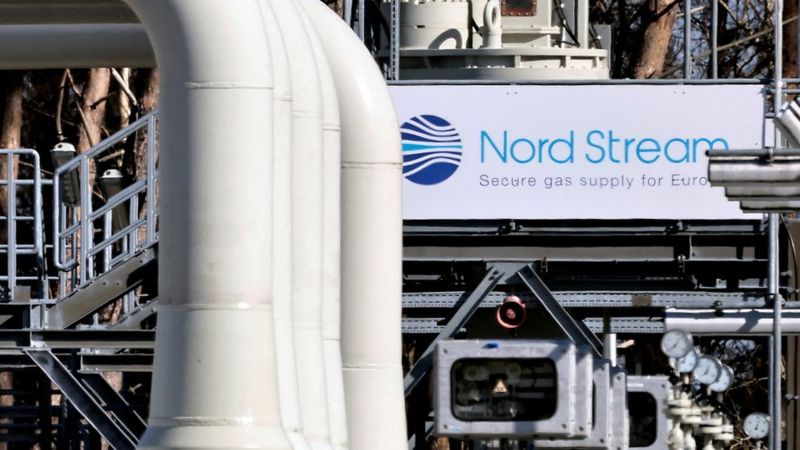
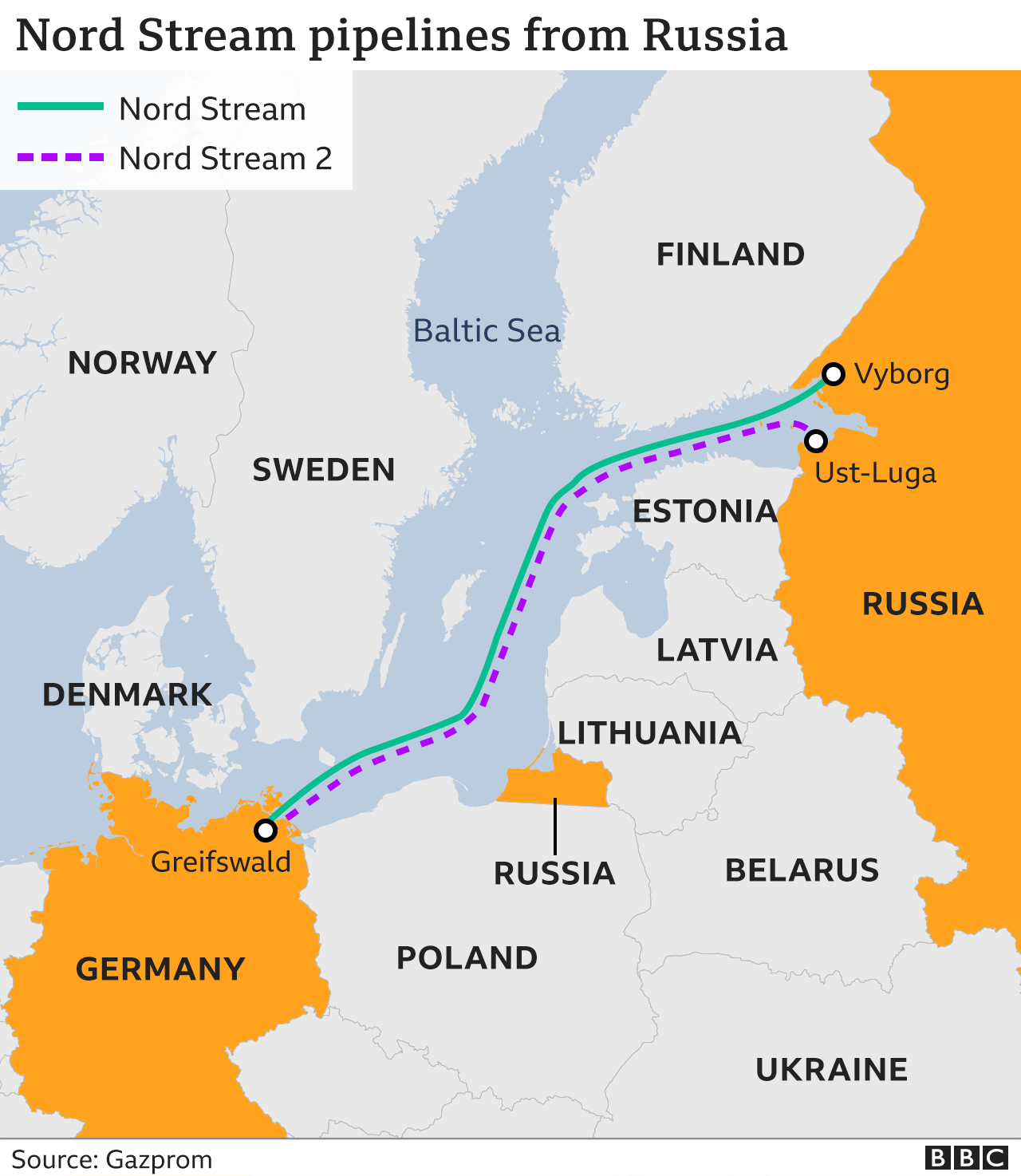
 Foreign Affairs › Germany To Use Firewood, Coal If Russia Cuts Off Gas Supply by WriterNig(op): 8:59pm On Jul 14, 2022 Foreign Affairs › Germany To Use Firewood, Coal If Russia Cuts Off Gas Supply by WriterNig(op): 8:59pm On Jul 14, 2022 |
https://ichef.bbci.co.uk/news/800/cpsprodpb/16053/production/_125859109_hi077225619.jpg Business Insider || Telegraph UK 5 Likes
|
| TV/Movies › Re: What Movie Are You Watching Now? by WriterNig: 8:34pm On Jul 14, 2022 |
He's the ONLY reason why I'll be watching the Rings Of Power #LOTR
|
| TV/Movies › Re: What Series Are You Watching Now? Part 2 by WriterNig: 8:33pm On Jul 14, 2022 |
He's the ONLY reason why I'll be watching the Rings Of Power #LOTR
|
| TV/Movies › Re: What Series Are You Watching Now? Part 2 by WriterNig: 11:31pm On Jul 13, 2022 |
Brukx:Thank you. Sadie sink too, there's nothing special about her acting. |
| TV/Movies › Re: What Series Are You Watching Now? Part 2 by WriterNig: 8:56pm On Jul 12, 2022 |
I can’t look at her and not see Mia Khalifa  She's hot. 1 Like
|
| TV/Movies › Re: What Movie Are You Watching Now? by WriterNig: 6:19pm On Jul 12, 2022 |
IS THIS REAL?
|
| Foreign Affairs › Re: Russia Will Forcefully Take Back Alaska From U.S, If Provoked (Photos) by WriterNig(op): 4:21pm On Jul 11, 2022*. Modified: 8:41am On Jul 12, 2022 |
°°°°°° |
| Foreign Affairs › Re: Russia Will Forcefully Take Back Alaska From U.S, If Provoked (Photos) by WriterNig(op): 8:31pm On Jul 10, 2022*. Modified: 4:21pm On Jul 11, 2022 |
°°°°°°° |
| Foreign Affairs › Re: Russia Will Forcefully Take Back Alaska From U.S, If Provoked (Photos) by WriterNig(op): 7:37am On Jul 09, 2022*. Modified: 4:24pm On Jul 11, 2022 |
Cc Lalasticlala |
| Foreign Affairs › Re: Russia Will Forcefully Take Back Alaska From U.S, If Provoked (Photos) by WriterNig(op): 7:43pm On Jul 08, 2022*. Modified: 8:31pm On Jul 10, 2022 |
°°°° |
| Foreign Affairs › Re: Russia Will Forcefully Take Back Alaska From U.S, If Provoked (Photos) by WriterNig(op): 7:32pm On Jul 06, 2022 |
Like for Russia, share for USA/Nazi/NATO 46 Likes 21 Shares |
| Foreign Affairs › Re: Russia Will Forcefully Take Back Alaska From U.S, If Provoked (Photos) by WriterNig(op): 7:32pm On Jul 06, 2022*. Modified: 8:43pm On Jul 07, 2022 |
The $7.2 million check the United States government used to pay for Alaska, 1868, (roughly $135 million in 2022). In 1866 the Russian government offered to sell the territory of Alaska to the US. Russian minister to the US negotiated for the Russians. On March 30, 1867, the 2 parties agreed on the price.
|
| Foreign Affairs › Russia Will Forcefully Take Back Alaska From U.S, If Provoked (Photos) by WriterNig(op): 7:32pm On Jul 06, 2022*. Modified: 8:30pm On Jul 14, 2022 |
@Tadeuz Giczan tweeted; Russia's Duma speaker Volodin Vyacheslav is now threatening to take Alaska back from the US since, like Ukraine, it's also an ancestral Russian land: "America should always remember about Alaska. Before they seize our resources abroad, they must remember that we also have something to take back"On March 30, 1867, the United States reached an agreement to purchase Alaska from Russia for a price of $7.2 million. The Treaty with Russia was negotiated and signed by Secretary of State William Seward and Russian Minister to the United States Edouard de Stoeckl. Alaska is one of the two non-contiguous US states. It is located in the northwestern region of North America bordering Canada. In the past, the United States and the United Kingdom (which had control of Canada) had a dispute about the boundary of the state. The dispute began back in 1821 during the time of the Russian Empire and was not resolved until later in 1903 through arbitration. Initially, the dispute existed between the UK and the Russian Empire. However, the United States purchased Alaska from the Russian Empire in 1867 thus inheriting the dispute with the UK. The final resolution clearly favored the US, which is why Alaska is part of the US today. The Daily Beast || News-WeekCc Lalasticlala Mynd44 Seun 3 Likes
|
| Foreign Affairs › Re: Scott Ritter: US-NATO Cannot Win Russia In A Large Scale War by WriterNig(op): 10:11am On Jul 05, 2022 |
Like for Russia, share for USA/Nazi/NATO 608 Likes 97 Shares |
| Foreign Affairs › Scott Ritter: US-NATO Cannot Win Russia In A Large Scale War by WriterNig(op): 10:11am On Jul 05, 2022 |
U.S Army & Marine Intelligence Officer, Scott Ritter; NATO became an offensive regime-change promoting alliance. Look at NATO engagement in Kosovo, Serbia, Libya, Afghanistan, Iraq. NATO is a problem. We do not have a military today that can fight a large-scale ground war in Europe. If we fight Russia we will lose! Europe cannot beat Russia in a war. Ask the French, Germans, British, they can't do it.”Scott Ritter is an external Contributor to Energy Intelligence. He is a former US Marine Corps Intelligence Officer whose service over a 20-plus-year career included tours of duty in the former Soviet Union implementing arms control agreements, serving on the staff of US Gen. Norman Schwarzkopf during the Gulf War and later as a Chief Weapons Inspector with the UN in Iraq from 1991-98. Ron Paul Liberty Report 42 Likes 3 Shares
|
| Travel › . by WriterNig(op): 9:56am On Jul 05, 2022*. Modified: 10:13am On Jul 05, 2022 |
| Crime › Re: Funny Conversation Between Me And A Facebook Scammer (Photos) by WriterNig(op): 7:03am On Jul 03, 2022*. Modified: 8:41am On Jul 12, 2022 |
°°° |
| Crime › Re: Funny Conversation Between Me And A Facebook Scammer (Photos) by WriterNig(op): 5:27pm On Jul 02, 2022*. Modified: 6:16pm On Jul 12, 2022 |
°°°°°°°° 2 Likes |
| Crime › Funny Conversation Between Me And A Facebook Scammer (Photos) by WriterNig(op): 5:26pm On Jul 02, 2022 |
37 Likes 2 Shares
|
| Sports › Re: Ronaldo, Messi, Benzema, Other Football Stars Enjoying Their Vacation (Photos) by WriterNig(op): 4:35pm On Jul 01, 2022*. Modified: 8:42am On Jul 12, 2022 |
20 Likes 2 Shares
|
| Sports › Re: Ronaldo, Messi, Benzema, Other Football Stars Enjoying Their Vacation (Photos) by WriterNig(op): 4:35pm On Jul 01, 2022 |
18 Likes 1 Share
|
| Sports › Ronaldo, Messi, Benzema, Other Football Stars Enjoying Their Vacation (Photos) by WriterNig(op): 4:35pm On Jul 01, 2022 |
Photos Of Top Football Stars Enjoying Their Well Deserved Vacation. ❤️ ❤️ ❤️ UEFA Champions LeagueLike for Ronaldo, share for Messi 351 Likes 207 Shares
|
| Foreign Affairs › Re: Biden, Macron & Other G7 Leaders Mock Bare-Chested Horseback Rider Putin (Video) by WriterNig(op): 6:38am On Jun 27, 2022*. Modified: 8:42am On Jul 12, 2022 |
°°°°° |


1 2 3 4 5 6 7 8 ... 143 144 145 146 147 148 149 150 151 (of 179 pages)