Khalhokage's Posts
Nairaland Forum › Khalhokage's Profile › Khalhokage's Posts
1 2 3 4 5 6 7 8 ... 92 93 94 95 96 97 98 (of 98 pages)
 Science/Technology › New Candidate Brings Us One Step Closer To An HIV Vaccine by khalhokage(op): 9:31pm On Jun 21, 2015 Science/Technology › New Candidate Brings Us One Step Closer To An HIV Vaccine by khalhokage(op): 9:31pm On Jun 21, 2015 |
Despite more than 30 years of intense research, a cure or vaccine for HIV still continues to elude us. But scientists are not quitting, and slowly but surely they seem to be making promising progress in this field. For example, two new mouse studies have just come out that demonstrate that a novel vaccine candidate is able to prompt the beginnings of an immune reaction needed to prevent infection. While the results are not the “breakthrough” everyone is looking for, they are certainly a stride in the right direction. Vaccines can be made in a variety of different ways, for example by inactivating whole pathogens or isolating particular components of them, both with the ultimate goal of stimulating a defense response from the immune system, readying it for any future assaults. But the problem with pesky HIV is that it mutates remarkably rapidly, changing its components so that they become unrecognizable by the immune system. This means that should a vaccine be successful in inducing the production of protective antibodies, they usually have such a narrow window of activity that they are effectively useless. But there are some antibodies that are different, called broadly neutralizing antibodies (bNAbs), and scientists have high hopes that these may hold the key to producing a successful HIV vaccine. As the name suggests, rather than being specific to just one target, these antibodies are able to recognize and inhibit a range of HIV variants, or strains, and thus are much more therapeutically useful. Although a subset of HIV-positive individuals produce these antibodies, scientists have so far failed to induce their production via vaccination. Many researchers believe the key to achieving this is by presenting the body with multiple targets, or antigens, that differ slightly, training the immune system to recognize and hone in on the more conserved elements of HIV that are found in different strains. One particular molecule that scientists are interested in is an antigen called eOD-GT8, which was engineered by researchers, headed by William Schief, at The Scripps Research Institute. Rather than attempting to directly elicit bNAbs, this antigen is designed to stimulate the production of precursor antibodies that will eventually mature into bNAbs following prolonged exposure to the virus, The Scientist explains. So by starting off with these immature antibodies, scientists hypothesize it may be possible to encourage them to develop into bNAbs over time by gradually exposing the immune system to slightly different HIV antigens, forcing the antibodies to mutate in order to recognize more conserved regions of the virus. When testing this molecule out in mice genetically engineered to produce antibodies similar to those found in humans, the researchers found that it was indeed able to elicit these first-line antibodies. Additionally, they found it also created a pool of antibody-producing “ memory ” B cells that the researchers believe could be boosted through exposure to different antigens, sort of like receiving booster shots. These findings have been reported in Science. In another paper, published in Cell, scientists used the same molecule but a different mouse model, and once again the vaccine was able to prompt an immune response that was headed in the right direction. Unfortunately, however, the antibodies were unable to neutralize HIV. But the researchers still believe it has merit, and could be effective if combined with other molecules, which is what they will investigate next. www.iflscience.com/health-and-medicine/new-candidate-brings-us-one-step-closer-hiv-vaccine |
| Phones › Re: Enter Here And Choose! Which Is Your First Mobile Phone by khalhokage(m): 6:19pm On Jun 21, 2015 |
My 1st phone isn't here so I'll just pick those I've used: 4, 8 & 10 |
| Computers › Re: Help Tell Me How To Convert A Win 32 Bit To A 64 Bit by khalhokage(m): 5:43pm On Jun 21, 2015 |
AwesomeRomeo:8.1is better |
| Computers › Re: Help Tell Me How To Convert A Win 32 Bit To A 64 Bit by khalhokage(m): 5:42pm On Jun 21, 2015 |
AwesomeRomeo:You're welcome bro |
| Computers › Re: Help Tell Me How To Convert A Win 32 Bit To A 64 Bit by khalhokage(m): 3:30pm On Jun 21, 2015 |
AwesomeRomeo:If you want the original unpirated version check Konga or jumia if it's the pirated then it's about 200 naira in the market |
| Science/Technology › Re: The Sciences Discussion Thread. by khalhokage(m): 1:12pm On Jun 21, 2015 |
Teempakguy:Lol, apart from this one. |
| Science/Technology › Re: The Sciences Discussion Thread. by khalhokage(m): 1:02pm On Jun 21, 2015 |
Nairaland isn't interested in science, when was the last a science related topic reach FP? |
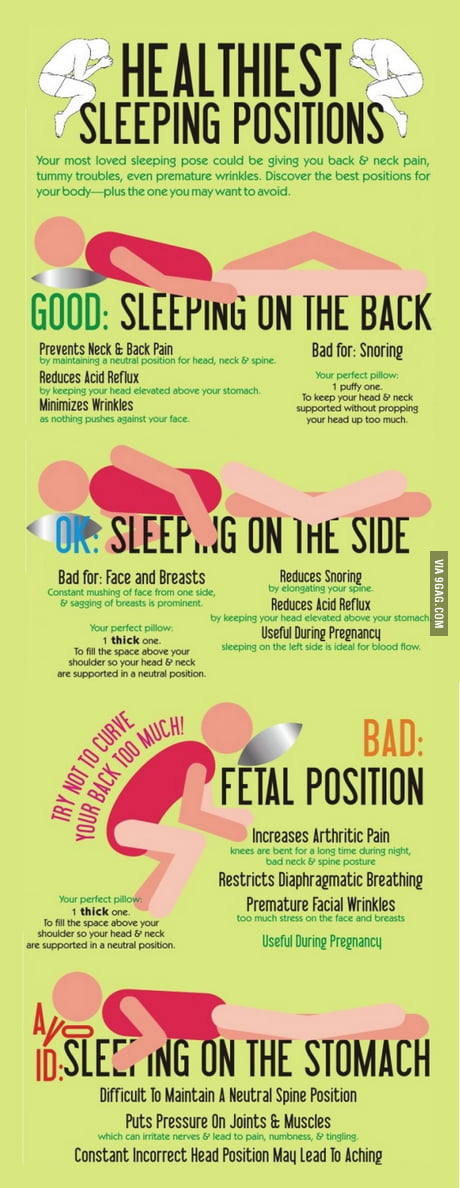
| Health › Effects Of Different Sleeping Positions by khalhokage(op): 12:49pm On Jun 21, 2015 |
| Computers › Re: Help Tell Me How To Convert A Win 32 Bit To A 64 Bit by khalhokage(m): 12:47pm On Jun 21, 2015 |
AwesomeRomeo:Buy or download a 64bit windows software. |
| Gaming › Re: Who Would You Fight Alongside? by khalhokage(op): 11:57am On Jun 21, 2015 |
njokuifeanyi30:So you want to be Robin abi? |
| Gaming › Re: Ps4 Kinect Needed by khalhokage(m): 11:24am On Jun 21, 2015 |
There's no such thing as PS4 Kinect, they have a similar peripheral I believe is called PlayStation eye though. |
| Computers › Re: Help Tell Me How To Convert A Win 32 Bit To A 64 Bit by khalhokage(m): 11:22am On Jun 21, 2015 |
You can't convert it, you'll have to install the 64bit version |
| Gaming › Re: Who Would You Fight Alongside? by khalhokage(op): 8:27am On Jun 21, 2015 |
AdeLaNa1:I probably didn't remember him because i'm not into Splinter Cell games, I've played only one (Double Agent). |
| Gaming › Re: Who Would You Fight Alongside? by khalhokage(op): 7:47am On Jun 21, 2015 |
AdeLaNa1:Agent 47 works alone |
| Gaming › Re: Who Would You Fight Alongside? by khalhokage(op): 6:36am On Jun 21, 2015 |
I'm picking Cortana because I have a crush on her, yes wetin concern you, plus without her Halo would have never left Combat Evolved. |
| Gaming › Re: Who Would You Fight Alongside? by khalhokage(op): 6:34am On Jun 21, 2015 |
cao:Yea, working with Kratos would most likely spell your doom, he could decided kill you in other to replenish his health or just use your corpse to solve a puzzle, as much I like Kratos i wouldn't want to interact with him face to face. 2 Likes |
| Health › Eight Hours Is Enough – More Sleep Could Lead To An Early Grave by khalhokage(op): 6:26am On Jun 21, 2015 |
Sleep is vital for good health but more of it may not always be better for everyone. Research recently published in the journal Neurology has found middle-aged and older people who sleep more than eight hours a day have an increased risk of stroke. The findings are presented alongside a meta-analysis of 11 other studies from across seven countries involving over half a million people, which also finds longer sleeps can land you in an early grave. Sleep And Stroke Poor sleep is a significant health concern because it’s known to affect emotional and cognitive well-being, quality of life, work-related productivity and safety. But insomnia itself is not associated with higher rates of premature death, according to a US study of more than 1.1 million people aged between 30 and 102 years. Rather, it’s sleep that is habitually either too short or too long that may be problematic. The authors of the Neurology paper asked almost 10,000 people aged between 42 and 81 the average number of hours they slept daily and whether they generally slept well. Participants answered these questions twice in a four-year period and were monitored for nine-and-a-half years to see whether or not they had a stroke. After adjusting for age and sex, researchers found long sleeps (more than eight hours) were associated with a significant (45%) increase in the risk of stroke. What’s more, being a good sleeper for those long hours in bed didn’t protect against this increased risk. Short sleeps of less than six hours a night were associated with a 19% increased risk of stroke. It seems there’s a U-shaped relationship between sleep and stroke risk, with higher risk for sleep durations on either side of the six- to eight-hour band. It’s how long you sleep, rather than how well, that’s associated with the higher mortality risk and higher risk of stroke. But, as the authors of the Neurology paper point out, unmeasured sleep disorders, such as obstructive sleep apnoea, may be playing a role in their finding, especially among long sleepers. The Golden Mean We know that as many as 72% of surviving stroke patients have sleep apnoea. The condition makes a night’s sleep lighter as the sleeper repeatedly moves from deep to light sleep, to help them breath. For those with untreated sleep apnoea this may translate to a longer, lighter night’s sleep, rather than a shorter, deeper sleep, which seems ideal. Of course, an association between two things doesn’t necessarily mean one causes the other. Researchers are still debating the question of whether short and long sleep duration are the cause, consequence or early markers of poor health. Earlier research reports suggest long sleeps may be related to a range of physical factors, such as increased inflammatory biomarkers or certain cardiovascular conditions, but the UK paper provides no support for these suggestions. Its finding of the relationship between sleeping for more than eight hours and stroke risk was robust across healthy people and those with a range of pre-existing illnesses. The paper’s authors say we need to know more before prolonged sleep can be taken to be a useful clinical marker for increased stroke risk, and before we can understand what mechanisms may be operating. At an individual level, it remains an open question as to whether deliberately changing how much you sleep will change your risk of stroke. Perhaps the saying of “eight hours work, eight hours play and eight hours sleep” per day should be modified to suggest that, for most of us, closer to seven hours sleep each day might be healthiest. After all, we know from population-based studies that include hundreds of thousands of people that more sleep is not always a good thing. Last month, the US-based National Sleep Foundation published revised guidelines on how much sleep people need based on input from 18 sleep experts and over 300 studies. For those aged between 18 and 65 years, it recommended between seven and nine hours over a 24-hour period. For those aged over 65, it suggested the narrower band of between seven and eight hours. In the light of the new findings, this narrower band may be the best idea for all adults, not just those aged over 65 years. www.iflscience.com/health-and-medicine/eight-hours-enough-more-sleep-could-lead-early-grave |
| TV/Movies › Re: What Series Are You Watching Now? Part 2 by khalhokage(m): 8:09pm On Jun 20, 2015 |
Sense8 |
| Gaming › Re: Upcoming Nigerian Gaming Event by khalhokage(m): 7:40pm On Jun 20, 2015 |
Where will it take place? |
| TV/Movies › Re: What Movie Are You Watching Now? by khalhokage(m): 12:27am On Jun 20, 2015 |
Jarizod:Survival drama. Nothing scary about it, it's not even about the zombies. |
| Forum Games › Re: Solve This Simple Arithmetic by khalhokage(m): 8:23am On Jun 19, 2015 |
..... |
| TV/Movies › Re: What Movie Are You Watching Now? by khalhokage(m): 7:56am On Jun 19, 2015 |
Jarizod:The walking dead isn't horror. |
| Gaming › Who Would You Fight Alongside? by khalhokage(op): 7:28am On Jun 19, 2015 |
Now Who would you Fight Alongside in a videogame 1. Booker DeWitt (Bioshock infinite) 2.Tank Dempsey (Blackops zombies) 3. Cortana (as an ai companion) 4. Franklin (Gta V) 5. Undead John Marston 6. Joel (The Last of Us) 7. Drake ( Uncharted) 8. Kratos (God of War) 9. Dante (Devil May Cry or DmC) 10. Kirby. |
| Science/Technology › Re: Mtn Free 3GB/6GB Imei Tweaking by khalhokage(m): 7:12pm On Jun 18, 2015 |
sanxynet:Guy i've tried diff methods none of them has worked for me |
| Science/Technology › Re: Mtn Free 3GB/6GB Imei Tweaking by khalhokage(m): 6:55pm On Jun 18, 2015 |
sanxynet:Lenovo A3300, it's an MTK device o |
| Science/Technology › Why Don't Strangers Help Stop Fights? The Bystander Effect. by khalhokage(op): 6:42pm On Jun 18, 2015 |
Have you ever witnessed a fight, but noticed no one steps in to try to help? Why don't we naturally help other people in these situations? You'd probably like to think that if a dangerous crime were happening in front of you that you would do something. Psychologically speaking, there's a good chance that you wouldn't. According to the National Crime Victimization Survey, two-thirds of all violent crimes have a bystander. The news constantly cycles cell phone videos of fights, arrests, and shootings, and often they feature people who seem to be just milling around, doing nothing. The most famous case of this happening was in 1964 in New York City, when 29-year-old Kitty Genovese was raped and murdered while numerous people nearby watched but did nothing. Psychologists call this "The Bystander Effect". Numerous studies (and incidents like the one cited above) have found that humans in groups are less likely to come to the aid of someone in need, even if they would have jumped to a rescue when alone. In one 2014 study, five-year-olds refrained from helping a "confused" experimenter when in a group, but readily assisted when alone. Other studies have shown this extends to online environments too. Bystander effect seems to be a combination of two things: Pluralistic Ignorance , and Diffusion of Responsibility . Pluralistic Ignorance is the idea that without ever saying anything to other members of the group we assume everyone is on the same page. When other people don't act, we assume everyone has decided it's fine. Diffusion of responsibility says that we are less likely to take responsibility when others are present; because the responsibility is now spread across everyone. In emergency situations, this tends to get multiplied because we have to act quickly and make decisions without being able to talk them out. The cure for the bystander effect is, simply, for someone to act. As soon as a bystander jumps in a pool to save someone from drowning, for example, responsibility isn't diffused any longer, and the pluralistic ignorance of the group is broken. It is easy to think you'd do something different when watching a video at home by yourself, but standing with other people in the moment complicates things intensely. People who do act are called active bystanders, and according to Psychology Today , they "tend to have heightened concern for the welfare of others, greater feelings of social responsibility and a greater commitment to moral values." http://testtube.com/dnews/why-dont-strangers-help-stop-fights |
| Science/Technology › Re: Mtn Free 3GB/6GB Imei Tweaking by khalhokage(m): 6:21pm On Jun 18, 2015 |
Why can't i tweak my Imei o!! |
| Celebrities › Re: Don Jazzy Shares Sexy Beach Photos by khalhokage(m): 1:58pm On Jun 18, 2015 |
Tomfrench:How is it your concern? Nigeria is already overpopulated and by the likes of you that think getting married and having kids is the most important thing in the world. |
| Science/Technology › Pain For Science (props To This Man) by khalhokage(op): 1:53pm On Jun 18, 2015 |
| Science/Technology › Five Amazing Extinct Creatures That Aren’t Dinosaurs by khalhokage(op): 1:31pm On Jun 18, 2015 |
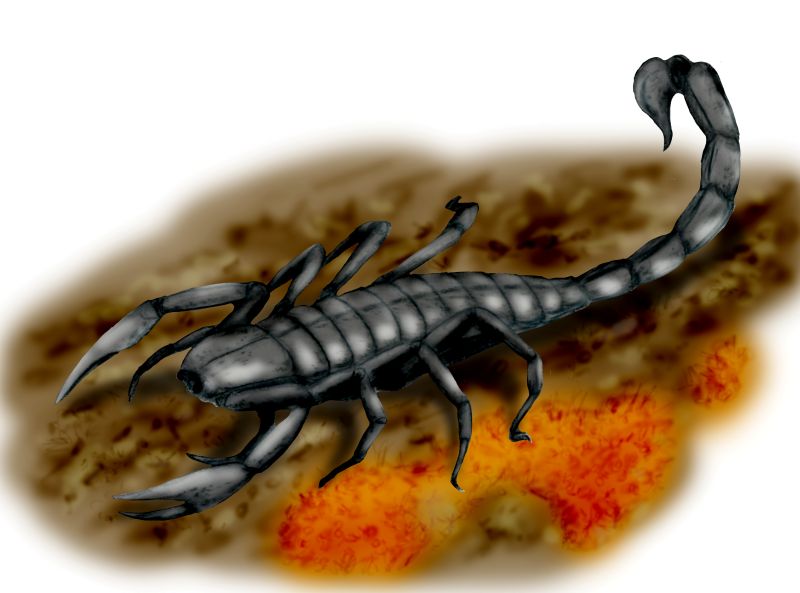
https://www.iflscience.com/sites/www.iflscience.com/files/styles/ifls_large/public/blog/%5Bnid%5D/image-20150617-23263-1atc7q9.jpg photo credit: Jumping the shark. Dmitry Bogdanov, CC BY-SA The release of Jurassic World has reignited our love for palaeontology. Many of us share a longing to understand the dinosaurs that roamed the Earth long before we arrived. But palaeontology is a discipline much broader than this. Dinosaurs dominated the land for 135 million years, but what happened during the rest of the Earth’s 4.6 billion-year history? The role of palaeontologists past and present has been to unravel the mysteries of life on Earth, and in doing so they’ve found a lot more than just dinosaur bones. 1. The Spiky-Backed Ocean Dweller [img]http://www.weinmayer.at/uploads/images/Gallery/Hallucigenia/insektenhal-2013.jpg[/img] Right side up? Natural Math/flickr, CC BY-SA Hallucigenia was discovered when a 508 million year old fossil was found in 1911 in the world-famous Burgess Shale fossil site in Canada. Since then, our understanding of this ocean-dwelling creature has changed dramatically. Its age means it falls into the geological Cambrian period, a pivotal moment for all life on Earth when complex lifeforms started to rapidly evolve. When originally described, Hallucigenia was first thought to have walked along the ocean floor on spiny legs and used tentacles on its back to catch food. Palaeontologists also argued over which end was its head. But when a similar fossil was found in China , Hallucigenia was re-examined. Palaeontologists then discovered that its “legs” were actually protective spines on its back, and the tentacles formed two rows on its underside enabling it to “walk”. Researchers are still debating many of the features of Hallucigenia today, more than 100 years after it was discovered. 2. (Almost) The First Fish Out Of Water https://upload.wikimedia.org/wikipedia/commons/2/2b/Tiktaalik_roseae_life_restor.jpg Best foot forward Nobu Tamura, CC BY-SA 100 million years on from Hallucigenia , aquatic habitats were thriving, but life on land was still in its earliest stages. Tiktaalik, part fish, part four-legged animal, is believed to be the first creature to develop characteristics that would help animals move out of the water and on to land. It had gills, fins and scales like a fish, but also evolved features such as a flexible neck and a reptile-like head and lungs, beneficial for life on the ground. Fossils also show Tiktaalik had long fins that acted as legs, meaning it could “walk” along riverbeds as well as swim. 3. The Giant Scottish Scorpion https://upload.wikimedia.org/wikipedia/commons/0/07/Pulmonoscopius_BW.jpg Sting in the tail Nobu Tamura, CC BY Pulmonoscorpius kirktonensis , a 70cm-long scorpion, lived in what we now know as Scotland 340 million years ago. At a length greater than that of the average pet cat, this terrifying creature used its tail to catch and kill its prey. Pulmonoscorpius also had unusually large eyes compared to its modern relatives, so most likely hunted during daylight hours. Scorpions shed their skin as they grow, so fossils of both the skin and the animal itself have been found. 4. The Spiral-Lipped Shark https://www.iflscience.com/sites/www.iflscience.com/files/styles/ifls_large/public/blog/%5Bnid%5D/image-20150617-23263-1atc7q9.jpg Giving some lip. Dmitry Bogdanov, CC BY-SA Helicoprion , a shark-like fish alive during the Permian (290 million years ago), had a rather unique dental structure. With a face that baffled palaeontologists for years, this creature had a lower jaw made up of a spiral of teeth, known as a tooth-whorl . Modern sharks are able to lose and replace their teeth, but Helicoprion kept them all, with older teeth hidden within the inner layers of the tooth-whorl. When it caught its prey (most likely relatives of the squid), it would close its mouth and rotate its tooth-whorl to shred its catch. 5. A Tiny, Drunk Horse https://upload.wikimedia.org/wikipedia/commons/c/cb/Eurohippus_messelensis_-_Naturmuseum_Senckenberg_-_DSC02238.JPG Gone to that big horsey ring in the sky. Daderot The Messel Oil Shale , once a volcanic lake in Germany, has plenty to offer the world of palaeontology. Eurohippus messelensis, was a miniature horse (the size of a modern day fox) originally thought to have died from eating fermented berries and in a drunken stupor, fallen into the lake. It’s now believed the 47 million year old horse actually died from inhaling toxic gas occasionally released from the depths of the lake. But the misfortune continues, as it was later discovered that the horse was pregnant. Palaeontologists used high-resolution microscopes to identify the bones of a foal within the adult Eurohippus , improving our understanding of foetal development in these animals. Palaeontology is a career firmly seated on many childhood wish-lists alongside movie stars and astronauts, and rightly so. But it’s important to remember there’s a lot more to palaeontology than the dinosaurs. This list is just the start. www.iflscience.com/plants-and-animals/five-amazing-extinct-creatures-aren-t-dinosaurs |


 Tanx a lot.