MCentral's Posts
Nairaland Forum › MCentral's Profile › MCentral's Posts
1 2 3 4 5 6 7 8 9 10 (of 10 pages)
 Business › Re: Access Bank Struggles While CEO Buys $20mn Mansion On London’s Billionaire's Row by MCentral(op): 12:44pm On Oct 01, 2025 Business › Re: Access Bank Struggles While CEO Buys $20mn Mansion On London’s Billionaire's Row by MCentral(op): 12:44pm On Oct 01, 2025 |
DSS1335:Access has not been executing its strategy well for some time. Yea Wigwes death was a blow to the bank |
| Business › Access Bank Struggles While CEO Buys $20mn Mansion On London’s Billionaire's Row by MCentral(op): 11:37am On Oct 01, 2025*. Modified: 1:08pm On Oct 01, 2025 |
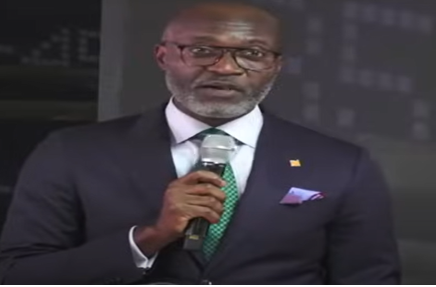
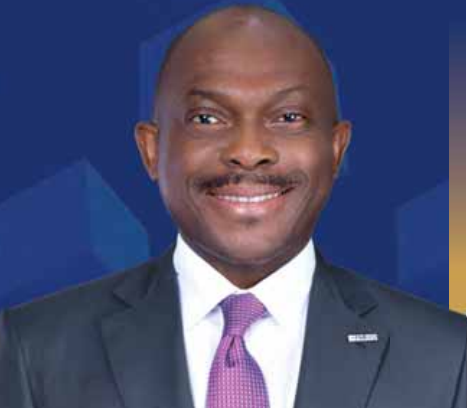
Roosevelt Ogbonna, chief executive officer of Access Bank Plc, bought a mansion for £15 million ($20 million) on a street in London’s Hampstead neighborhood nicknamed Billionaires’ Row, even as the bank holding company struggles with underperformance in the Nigerian stock market this year. The reported $20 million purchase price is equivalent to N30 billion, a huge amount in Nigeria by any standards. It is unclear if the Central Bank of Nigeria (CBN) is aware of the transaction, and if money was moved out of Nigeria to the UK for the purchase of the Mansion. Ogbonna, who has been the boss of Nigeria’s largest bank by assets for over three years, purchased the sprawling mansion in August, according to a UK filing. The house, which has a spa and an entertainment suite, was listed for £17 million as recently as 2021. Access Holdings is the year’s worst performing bank stock as investors begin to doubt that its expensive expansion across Africa will bring value, despite billions of naira spent on such acquisitions. Access Holdings stock has returned just 7.55% year-to-date, dead last among 12 publicly traded bank stocks on the NGX, tracked by MoneyCentral. The lender’s share price has also underperformed the 10-member NGX Banking Index, which climbed 41% since the start of the year,. The financial services holding company has yet to report second quarter (Q2) 2025 results even as the third quarter just ended. Access Bank forecasts expansion to 26 countries through mergers and acquisitions, by the end of 2027, according to a presentation posted on the Nigerian Exchange. Access Holdings reported disappointing Full Year 2024 results with profit up a mere 1% to N618.6 billion as higher expenses hit the bottom-line. City AM first reported the purchase earlier. https://moneycentral.com.ng/exclusive/article/access-bank-struggles-while-ceo-buys-20-million-mansion-on-londons-billionaires-row/ https://moneycentral.com.ng//wp-content/uploads/2024/07/Roosevelt.png |
| Politics › Re: NNPC Awards LNG Cargoes To Linetrale, Lagos Firm With ‘barely Functional Website by MCentral(op): 7:29pm On Sep 29, 2025 |
DatNiggaDaz:Yea at least they should have up to date website to remove the appearance of it being a shady deal. "Trading in liquefied natural gas is a business long dominated by several established players as the high cost and technical complexity of moving LNG around the world mean smaller trading companies rarely get involved." The above quoted from the report is the key issue. |
| Politics › NNPC Awards LNG Cargoes To Linetrale, Lagos Firm With ‘barely Functional Website by MCentral(op): 5:24pm On Sep 29, 2025 |
A little known energy company Linetrale LLC, with a barely functional website was one of three trading houses to win Liquefied Natural Gas (LNG) cargoes offered by Nigerian National Petroleum Corp. (NNPC) last week. The obscure Lagos firm joined more established energy giants such as Gunvor Group and Abu Dhabi National Oil Co. Trading in liquefied natural gas is a business long dominated by several established players as the high cost and technical complexity of moving LNG around the world mean smaller trading companies rarely get involved. Lagos-based Linetrale was founded in 2006, yet it has previously supplied just two cargoes — in 2020 and 2023. Key founding partners include Mustapha Fasinro and Chinedu Nwokedi, who also serve in leadership roles. Not much information is available on the Linetrale website as seen by MoneyCentral on September 29, 2025, as it showed a message that read: “We are currently updating our website to make your experience with Linetrale LLC even better!” Nigeria is Africa’s largest LNG exporter, with a production capacity of about 22.5 million metric tonnes per annum (mtpa) from its six LNG trains operated by Nigeria LNG Limited (NLNG). Expansion projects, including the approved NLNG Train 7, aim to increase annual LNG production capacity to over 30 mtpa by 2025-26. In the first half of 2025, Nigeria produced about 1.37 trillion standard cubic feet (SCF) of natural gas, with a utilization rate of approximately 91.8%. Exports accounted for nearly 481 billion SCF, primarily via LNG. https://moneycentral.com.ng/exclusive/article/nnpc-awards-lng-cargoes-to-linetrale-lagos-firm-with-barely-functional-website/ https://moneycentral.com.ng//wp-content/uploads/2023/06/LNG-1.jpg |
| Politics › Re: These Top Three Nigeria Stocks Are Set To Benefit From AI Boom by MCentral(op): 8:08am On Sep 29, 2025 |
Maybe Aliko Dangote should have Invested the $20 billion used to build the Dangote Refinery in AI |
| Politics › These Top Three Nigeria Stocks Are Set To Benefit From AI Boom by MCentral(op): 7:04am On Sep 29, 2025 |
Global funds are pivoting to capture the artificial intelligence (AI) craze, with investors predicting that booming technology spending will drive returns for years to come. Nigeria, like most developing countries, is pretty much a spectator in the AI race for now, however some cutting edge companies trading on the NGX are already positioning to be AI first movers in the country. AI companies’ valuations have soared from the developed markets Magnificent Seven to Emerging markets, stocks with AI exposure have been rewarded by investors with higher valuations and are the biggest contributors to the rally in the S&P 500 stocks index this year. While much of the AI investment frenzy has focused on a handful of American firms, Frontier Markets companies like Nigeria that can harness the technology are set to benefit.Stock Brokerage AccountStock Trading Software Emerging-market stocks that are highly exposed to AI have even outperformed the so-called Magnificent Seven mega cap tech firms (composed of Nvidia, Microsoft, Apple Inc, Alphabet Inc, Amazon, Meta and Tesla), so far this year, according to equities strategists at Citigroup in a recent note. In Nigeria, there are signs that the momentum is just beginning as AI adoption accelerates across segments including cloud computing and banking services. MoneyCentral scanned the financial statements of major Nigerian firms listed on the NGX to see actual mentions of AI by corporate executives and how they are deploying the technology to improve their services and earnings. The top three firms are listed below. MTN Nigeria (Share Price N420/ share) MTN Nigeria is a $5.8 billion (N8.8 trillion) is a, Lagos Nigeria (NGX) listed company that is a subsidiary of Africa’s largest telecommunications firm, MTN Group. MTN Nigeria is the largest contributor to the MTN Group Ltd revenues, according to data from Half Year, 2025 financials. Group Service Revenue from the Nigerian business, which reported a loss in the first half of 2024, jumped 37.5% to 28.2 billion rand ($1.6 billion) in the six months to June 30, while sales at its South African unit rose 2.3% to 21.6 billion rand ($1.22 billion). MTN is well positioned to deliver AI services to Nigeria’s 230 million people, the largest in Africa. MTN Nigeria has launched the first phase of its US$240 million artificial intelligence (AI), Tier 3 Data Centre as part of a strategy to expand capacity and meet the growing demand for its services...... https://moneycentral.com.ng/artificial-intelligence-a-i/article/top-three-nigeria-stocks-set-to-benefit-from-ai-boom/ https://moneycentral.com.ng//wp-content/uploads/2025/07/data-centre-MTN.png |
| Business › Re: Julius Berger Leases Out Cashew Plant After Failed Agro-diversification by MCentral(op): 6:48am On Sep 26, 2025 |
Father4all:Berger still operates in Nigeria |
| Politics › Re: Tony Elumelu To Pocket N1.68bn Interim Dividend After Boosting UBA Stake by MCentral(op): 4:59pm On Sep 25, 2025 |
LagosOrigin:UBA faces intense competition from fintechs and other banks especially in Nigeria. The stock is a neutral for now |
| Business › Julius Berger Leases Out Cashew Plant After Failed Agro-diversification by MCentral(op): 4:57pm On Sep 25, 2025 |
Construction giant Julius Berger Nigeria Plc has abandoned its Agro-diversification plans after failure to gain traction from it and as such has opted to lease out its cashew processing plant in the Epe area of Lagos. Julius Berger on September 23, 2020, had informed the Market of its Board’s approval to explore a diversification opportunity in Agro-processing. However, the firm now says it is focused on being more thematic to its core business by strengthening its capacity in Nigeria and exploring opportunities regionally and globally. “The Board of Julius Berger, at its meeting of September 24, 2025, took the decision to lease out its cashew processing facilities, upon mutually agreed terms, to Eko Organic Food Industries Limited, whose core business would ensure the continued relevance of Julius Berger and its strategic intent to take value from opportunities in Agro-processing,” Julius Berger said in a filing to the NGX. Julius Berger’s Operating Profit fell by 47% to N9.4 billion in the six-month period to June 2025, from N17.8 billion as at June 2024. The firm reported a loss of N2.4 billion from its diversification efforts in the six months to June 2025 period. Julius Berger Nigeria Plc has four core business segments, civil engineering – encompassing infrastructure and related construction projects within Nigeria; Building involving residential, commercial, and industrial building projects within Nigeria, services, provided to third parties in Nigeria and in Europe. There is also Diversification which comprises of the business unit Cashew Processing in Epe, Lagos and the Groups expanded Construction Business into new regional Markets in West Africa. Julius Berger diversification began in 2022 with the commissioning of its Cashew Processing Plant. Julius Berger stock is listed on the Nigeria Exchange (NGX) and has returned -5.89% year to date. It closed trading at N146.1 per share on Thursday for a market capitalisation of N233 billion. “The goal of the Board of Directors and the Executive Management of Julius Berger remains to deliver on the strategy of maintaining and strengthening the Company’s competitive advantages in the Construction sector,” the Company Secretary, C. E. Madueke, said in the statement. https://moneycentral.com.ng/companies/article/julius-berger-leases-out-cashew-processing-plant-after-failed-agro-diversification/ https://moneycentral.com.ng//wp-content/uploads/2025/05/Berger-New.png |
| Politics › Tony Elumelu To Pocket N1.68bn Interim Dividend After Boosting UBA Stake by MCentral(op): 2:20pm On Sep 25, 2025 |
The Chairman of United Bank of Africa (UBA), Tony Elumelu will receive gross interim dividend of N1.68 billion, after more than doubling his shareholding in the bank to 16.3% with total direct and indirect ownership of 6.72 billion shares as at June 2025. UBA has proposed an interim dividend of N0.25k for every ordinary share of 50 kobo each subject to applicable withholding tax, to be paid to shareholders whose names appear in the Register of Members as at the close of business on Friday October 03, 2025. Elumelu’s shareholdings rose from 2.54 billion total holdings of UBA as at December 2024, when he owned a 7.43%. UBA had 41 billion shares outstanding as at 30th June 2025, up from 34.19 billion as at December 2024. Elumelu increased his direct holding by more than six-fold to 1.5 billion shares, while indirect holdings surged 122% to 5.2 billion shares, between December 2024 and June 2025. The indirect holdings consisted of 2.11 billion shares owned through Heirs Holdings Limited, 1.814 billion shares through HH Capital Limited, 1.33 billion shares held through STH Limited, 324.88 million shares through Eternal properties and 258.9 million shares through Heirs Alliance Limited. The shares were worth N294 billion ($196 million) based on UBA’s closing price of N43.75 per share on Wednesday. United Bank for Africa (UBA) Plc is in the process of raising over N157 billion through a rights issue. https://moneycentral.com.ng//wp-content/uploads/2023/09/Tony-Elumelu.jpg https://moneycentral.com.ng/markets/article/tony-elumelu-to-pocket-n1-68bn-interim-dividend-after-boosting-uba-stake/ 1 Like |
| Investment Ads › These Are Nigeria’s Top 10 Banks By Market Capitalisation by MCentral(op): 8:10pm On Sep 19, 2025 |
Nigeria’s top 10 banks by market capitalisation have global ambitions but they are facing intense competition at home from fintechs, as well as macroeconomic and regulatory headwinds that keeps valuation grounded. Only a handful are valued over a billion dollars in market capitlisation, meanwhile fast growing startup fintechs such as Moniepoint, Flutterwave and Opay sport billion dollar valuations and more. Market capitalization, often called market cap, is the total market value of a publicly traded company’s outstanding shares of stock. It is calculated by multiplying the current share price by the total number of outstanding shares:Currency exchange rates A larger market cap usually signals greater investor confidence, stability, and liquidity, which is important for banks given their systemic role in the economy. Banks with higher market capitalization typically have better access to capital markets at lower costs, aiding in raising funds for expansion, lending, or regulatory capital requirements. Below is a list of the 10 biggest Nigerian banks by market capitalisation in Naira and Dollars, as at September, 19 2025. Top Ten Largest Nigerian Banks by Market cap 1. Guaranty Trust Holding Company, GTCO N3.42 trillion ( $2.28 billion) GTCO is the most valuable Nigerian Bank as seen from it trading at a Price to Book Ratio of 1.10. A market capitalisation of $2.28 billion r N3.42 trillion means its not being outshone by startup Fintechs.Currency exchange rates GTCO will see the growth in 2025, boosted by its recent capital raise of N209 billion, according to Segun Agbaje, Group Chief Executive Officer of GTCO Plc. Proceeds (N208 billion) from the combined equity raise will be strategically deployed to recapitalize the Group’s flagship subsidiary, Guaranty Trust Bank Limited (GTBank Nigeria), enhancing its ability to meet regulatory requirements and further solidify its position as a leading financial institution. Additionally, the funds will support Group-wide growth initiatives, including footprint expansion, product enhancement, and innovation across both Banking and Non-Banking subsidiaries.Digital banking solutions 2. Zenith Bank Plc, N2.64 trillion ($1.76 billion) Zenith Bank Plc reported a 8% slide in profit after tax to N532 billion in the half year period to June 2025, compared to N578 billion as at June 2024. Zenith Bank Plc valued at N2.64 trillion is second on the list. Zenith Bank’s basic and diluted earnings per share fell to N12.95 in the Half Year 2025 period, compared to N18.41 in H1, 2024. This was due to the share count of the bank increasing to 41 billion, from 31.39 billion due to the recent rights issue to raise capital. Zenith Bank in 2024 successfully raised N350 billion in capital through a rights issue and public offer, with a subscription rate of 160%, demonstrating strong investor confidence in the Bank’s growth trajectory. The proceeds from the capital raise have been strategically deployed to enhance Information Technology (IT) infrastructure, invest in subsidiaries, financing operations and unlocking new growth opportunities.Digital banking solutions Zenith has completed its investments following the capital raise. Investments in IT infrastructure by Nigerian banks like Zenith has helped to grow income through fees, while reducing costs and growing margins, boosting overall profitability for the banking sector. 3. United Bank for Africa, UBA N1.8 trillion ($1.2 billion) United Bank for Africa (UBA) with a market capitalisaion of N1.8 trillion is third on the list. UBA is one of only four publicly traded Nigerian bank valued over $1 billion. UBA Nigeria operations were however a drag on profit in the Half-Year H1, 2025 period, compared to its rest of Africa business, a sign of the tough competitive landscape in its home market where at least 20 other major banks and fintechs operate. Analysts say a sustained trend would negatively affect UBA stock price and valuation. UBA reported profit after tax of N88.8 billion in its Nigeria operations, compared to N335.25 billion in Africa and N44.68 billion in its international operations. 4. Stanbic IBTC Holdings N1.55 trillion ($1.03 billion) Stanbic IBTC Holdings is a financial services holding company and a subsidiary of South Africa’s Standard Bank Group. Stanbic IBTC is the most expensive Nigerian bank stock as it trades at a Price to Book ratio of 1.70.Digital banking solutions This helped to push its valuation to N1.55 trillion coming fourth on the list. Stanbic IBTC Holdings profit for 2024 rose by 43.7% to N202.1 billion, compared to N140.6 billion in 2023. 5. Access Holdings N1.38 trillion ($920 million) Access Holdings is the fourth largest Nigerian Bank/ financial services group by market capitaliation. Access Holdings has struggled to execute its strategy sinc the tragic death of Herbert Wigwe, the late CEO.Digital banking solutions Wigwe in 2022 had outlined how he sees payments, pensions and insurance businesses as subsidiaries to help lead the financial services firm’s next growth phase, with an aim to becoming one of the continent’s biggest banks by 2027. Today Access is not even the top bank in Nigeria in terms of market cap. 6. FirstHoldCo Plc N1.33 trillion ($886 million) FirstHoldco is the parent company of First Bank of Nigeria. First Bank used to be one of Nigeria’s largest banks in the past, but has struggled with leadership tussle and poor corporate governance.Digital banking solutions New leadership by activist investor, Femi Otedola... https://moneycentral.com.ng/exclusive/article/these-are-nigerias-top-10-banks-by-market-capitalisation/ https://moneycentral.com.ng//wp-content/uploads/2025/09/Banks-Market-cap-September.png |
| Educational Services › Re: Rugby School Opens In Eko Atlantic City, With Annual Fees Exceeding N100m by MCentral(op): 9:59am On Sep 18, 2025 |
There's levels to this ish ...Hope the standard of education matches the expensive fees. |
| Educational Services › Rugby School Opens In Eko Atlantic City, With Annual Fees Exceeding N100m by MCentral(op): 9:43am On Sep 18, 2025*. Modified: 9:59am On Sep 18, 2025 |
Rugby School Nigeria, a world-class international institution and sister school to the prestigious Rugby School UK, located in the heart of Eko Atlantic City, Lagos Nigeria has been inaugurated and opened for classes on September 15 2025. The school is designed to offer a rich blend of academic rigor and co-curricular depth, featuring over a dozen A-Level offerings and expansive facilities for sports, arts, leadership, and personal development. Nigerian parents would be paying up to £58,920 (N120 million) per annum or £19,640 per term (there are 3 terms in a year) inclusive of VAT, for as Rugby school fees for boarding students. Rugby school fees for Day Pupil are £12,450 inclusive of VAT per term equivalent to £37,350 for 3 terms, or N76 million per annum, according to information from the school. The school offers a UK-style curriculum, with a focus on A-levels in the Sixth Form, a holistic approach to learning, and significant programs in sports, arts, and leadership. Rugby School Nigeria is now offering a two-year A level programme for day students from the age of 16. In September 2026 the School will expand to include day and boarding students aged 11 to 18. Dr Adam England was appointed the founding Principal of Rugby School Nigeria. ‘I am delighted to be returning to Lagos and to becoming Principal of such a prestigious school as Rugby,’ Dr England said. ‘Before then I shall be spending some time at Rugby School England, absorbing its ‘Whole Person Whole Point’ philosophy and its global approach to teaching and learning. I have no doubt that the parents and children of Lagos, and more widely in Nigeria, will be excited about the opening of Rugby and all the educational opportunities it will offer.’ Rugby School Nigeria is on a purpose-built campus in Eko Atlantic City in Lagos, a modern urban space with reliable transport, secure utilities, a beautiful landscape and ocean-side surroundings. Dr Neil Hampton, CEO of Rugby School Group, ‘said: ‘Led by Dr England, we are confident that Rugby School Nigeria will deliver the exceptional education that we have provided in the UK for centuries, and now also offer in Thailand and Japan.’ SEE VIDEO in the LINK BELOW https://moneycentral.com.ng/markets/article/rugby-school-opens-in-eko-atlantic-city-with-annual-fees-exceeding-n100m/ https://moneycentral.com.ng//wp-content/uploads/2025/09/Rugby-School.png |
| Business › UBA, Kenya Sign $150m Road Projects Deal Amid Transparency Concerns by MCentral(op): 2:24pm On Sep 13, 2025 |
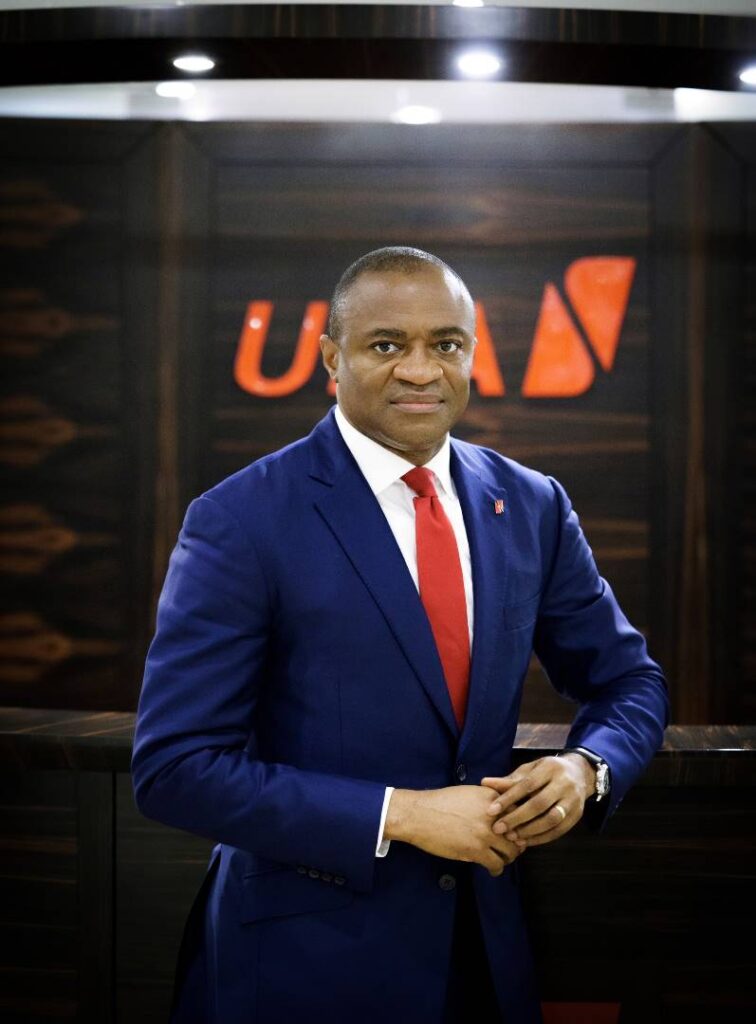
The Government of Kenya has signed a US$150 million (KSh16.38 billion) financing agreement with United Bank for Africa (UBA) as part of a landmark US$1.35 billion (KSh175 billion) programme aimed at clearing unpaid road construction bills and restarting stalled projects across the country. Industry observers, however, caution that while securitisation is innovative, it requires strict transparency and accountability to ensure that future revenues are properly managed and that the burden is not simply shifted forward. The Bank of Ghana recently suspended the foreign exchange license of the United Bank of Africa, Ghana subsidiary, over FX market violations. Kenya is ranked 121st out of 180 countries on the Transparency International Corruption Perceptions Index (CPI) for 2024. The Kenya government has however promised that the programme will be fully monitored and audited to protect public interest. The arrangement, which is one of Kenya’s boldest experiments with securitisation, is designed to inject cash into more than 580 road projects that have been frozen due to a massive funding shortfall. UBA Kenya, a subsidiary of the Lagos-based UBA Group, is one of the largest financiers participating in the deal. According to government data, Kenya has accumulated unpaid road construction bills totalling KSh175 billion, leaving many contractors stranded and communities waiting for key projects to resume. The new financing programme will channel a portion of the Road Maintenance Levy into a special purpose vehicle (SPV) that will securitise the future revenues, raising upfront cash to settle the backlog. UBA Group Chief Executive Officer, Oliver Alawuba, explained that the bank’s participation reflects long-term confidence in Kenya’s economy and infrastructure prospects. “Infrastructure and SMEs are interconnected—one builds the roads, the other drives the economy on them. At UBA, we are financing both sides of that equation,” Alawuba said. Roads and Transport Cabinet Secretary, Davis Chirchir, who had earlier defended the securitisation model in July, described it as a transparent and legally compliant approach to resolving contractor arrears without increasing Kenya’s external debt. “This model allows us to pay contractors promptly, revive suspended projects, and bring lasting relief to communities—all without adding to Kenya’s debt burden,” he stated. Under the structure, Sh7 from the existing Sh25 per litre fuel levy will be assigned to the SPV. The SPV will then securitise the future inflows to generate immediate cash for the government, contractors, and stakeholders. Chirchir stressed that the Kenya Roads Board will not carry further liabilities once the rights to future collections are transferred to the SPV. Analysts say the move highlights a growing trend among African governments to use securitisation as an innovative financing tool for infrastructure. With rising debt levels across the continent, securitisation allows countries to leverage predictable revenue streams such as taxes, levies, and royalties, instead of adding fresh loans to already heavy public debt burdens. https://moneycentral.com.ng//wp-content/uploads/2023/07/UBA-MD-Oliver-Alawuba-756x1024-1.jpg https://moneycentral.com.ng/exclusive/article/uba-kenya-sign-150m-road-projects-deal-amid-transparency-concerns/ |
| Business › UBA And Gtbank Top Failed Bank Transactions List Amid Customer Frustrations by MCentral(op): 1:54pm On Sep 11, 2025 |
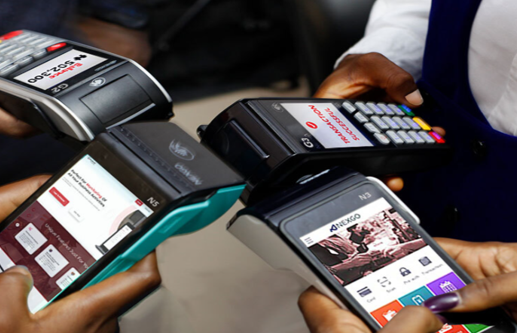
Guaranty Trust Bank (GTBank), United Bank for Africa (UBA) and Zenith Bank ranked among the Nigerian banks with the highest number of failed bank transactions by volume and intensity of failed transaction complaints recorded on various social media sites in 2024. Meanwhile, Stanbic IBTC had the best reputation for reliability in 2024. Incidents of system outages and failed upgrades dogged these three major banks leading to persistent complaints, with thousands of customers reporting failed transfers, frozen accounts, and delayed funds reversal. Large volumes of unresolved failed transactions have also led frustrated customers to switch to fintech platforms. More than 60% of customer complaints in early 2024 related to failed electronic transactions, with failed transfers as a major category. Persistent failures have eroded public trust and forced many individuals and businesses to seek alternatives with fintech providers like OPay, Moniepoint and PalmPay. Mobile money and fintech (OPay, PalmPay) processed ₦41.5 trillion in transactions (Jan–July 2024) compared to negligible levels in 2020, reflecting a shift away from less reliable bank payment channels, according to data from Ecofin Agency. Meanwhile, failure rates on POS rose to roughly 13–15% of all card transaction attempts by mid-2024, a significant uptick compared to pre-pandemic levels, according to the NIBSS. The Central Bank of Nigeria (CBN) has directed banks to speed up reversals and upgrades, with the National Assembly calling for scrutiny of high complaint rates. MoneyCentral looked at incidents of social media complaints by Nigerians about failed bank transactions on Twitter, Facebook, Instagram as well as TikTok, Youtube, WhatsApp and online social sites like Nairaland, in the past year to underscore the ranking.Wealth management services Key Nigerian Banks with Most Failed Transactions GTBank (Guaranty Trust Bank) GTBank recorded nearly a million (941,241) public complaints in 2024, including waves of unresolved issues tied to a botched core banking system upgrade and persistent failed transaction episodes. The social media outcry lasted for weeks and many complaints cited unreversed debits, account freezes, and inaccurate balances. GTBank’s system migration in October 2024 led to a multi-week period when thousands of customers could not access funds, transfer money, or even see correct account balances. This extended outage affected payroll cycles and essential expenses, amplifying personal and business hardship. Social Media Outrage: The crisis dominated social media, with hashtags and posts highlighting users stranded for days or weeks, especially around salary payment periods. Many complaints centered on failed resolution, lost money, and lack of transparency. Critical System Functions Broken: GTBank’s failures were especially glaring because both digital and physical channels (app, USSD, and branch systems) failed in parallel, making the bank seem inaccessible and unresponsive at a national scale. Delayed Restoration and Poor Communication: Despite promises and even weekend branch openings to resolve the crisis, customer complaints persisted long after the incident, and customers noted poor updates and ineffective customer care. Timing During Salary Cycle: The outages coincided with payroll week, causing thousands of workers to miss or delay their salaries, a deeply emotional and economically disruptive trigger that intensified backlash. UBA (United Bank for Africa) UBA logged over 3.2 million complaints in total, with more than 1.1 million cases unresolved at one point—many directly linked to e-payments and money transfers. The customer complaints were highly visibility on social media platforms due to failed transfer disputes. Zenith Bank Received around 203,787 social media complaints with a significant pattern of complaints focused on failed transactions after an October 2024 system upgrade. Zenith Bank was repeatedly cited in customer posts about inaccessible accounts, slow reversals, and poor communication. Access Bank Access Bank is noted for high social media traffic about failed transactions (sharing many customer service complaints with the top three banks), though slightly lower than the above leaders in negative prominence. First Bank First Bank had significant complaints, but overall it was less than GTBank, Zenith, and UBA. It however was still regularly mentioned on social media for failed reversals, which improved by late 2024. Stanbic IBTC Stanbic ITC was ranked as the best performer among top Nigerian banks, with the lowest failed transaction complaints and highest customer satisfaction/issue resolution rates by survey and social media data analysis. Customer Complaints Themes Failed Transactions: Over 60% of complaints in 2024 and 2025 center on failed or delayed transactions, with many users voicing frustration over unreversed debits and lengthy complaint processes. Fintech vs Bank Reliability: Customers on social media praised fintechs (such as OPay and PalmPay) for prompt transaction reversal and high reliability, in contrast to banks like GTBank, Access Bank, UBA, and Zenith Bank, which saw frequent criticism on social media about system downtimes, failed transfers, and weak response to complaints. Complaint Handling: KPMG’s 2024 survey found complaint resolution is banks’ weakest area, driving loyalty away from mainstream banks to fintech alternatives. Trends in Failed Transaction Volumes (2020–2025) Failed transaction volumes in Nigeria have sharply increased since 2020, with the years 2022–2024 particularly turbulent due to banking system strains and cash policy disruptions. The pandemic shutdowns caused a 50%+ year-on-year surge in e-payment volume between 2020–2021, overwhelming legacy banking IT, leading to frequent app/USSD failures and delays. In 2022, a renewed focus on cashless policy fueled online transfer growth, but many bank IT systems experienced scaling issues, particularly during spikes in demand and system upgrades. The naira redesign and cash withdrawal limits of 2023 was a tsunami that triggered a national cash crisis, sharply raising transaction failures; only 60% of failed e-payments were resolved by March 2023, leaving about 40% unresolved (often for weeks). POS and transfer failure complaints then rose to crisis levels. Even as the cash crisis eased, several major banks’ system upgrades caused network outages, payroll delays, and persistent spikes in failed transfers in 2024, especially at GTBank, UBA and Zenith Bank. Despite bank investment in infrastructure, outages and reversals remain a concern in 2025, especially during high traffic (salary dates, major events, system migrations).Wealth management services Fintech payment providers now dominate routine/retail payments largely because customers believe they offer more reliable uptime. https://moneycentral.com.ng/exclusive/article/uba-and-gtbank-top-failed-bank-transactions-list-amid-customer-frustrations/ https://moneycentral.com.ng//wp-content/uploads/2025/01/POS.png |
| Business › UBA Leads Nigerian Banks In AI Adoption As Rivals Scramble To Innovate by MCentral(op): 4:29pm On Sep 04, 2025 |
Several leading Nigerian banks have launched AI-driven products and digital banking innovations, but the level of AI adoption and product maturity varies across institutions.https://moneycentral.com.ng/exclusive/article/uba-leads-nigerian-banks-in-ai-adoption-as-rivals-scramble-to-innovate/ 2 Likes
|
| Politics › Re: Akwa-Ibom Vs Cross River: Which Is The Most Peaceful State In Nigeria? by MCentral: 1:43pm On Aug 30, 2025 |
TimeManager:Point 4: MARRIAGE. It is really cheap to Marry a Calabar Lady because Majority of these ladies their parent inherited houses, landed properties so they believe if the Marriage won't work their daughter have every right to start coming back home instead of fighting for your family, building it and making it work they start running back home immediately. Sometimes is not about Domestic violence it is about the man couldn't afford my fashion sense because they love fashion but don't wanna work, they prefer to cook rich meals, wear jewelry, because they are mostly housewives so if their man isn't keeping up no more as everyday is not Christmas boom they start packing their bags. While in Akwa Ibom or Uyo it is not easy to get married to their ladies because the bride price is really too much. I've heard of situation where after getting the dowry list men that can't keep up run away from their fiancee because of the cost. And after Marriage you can't easily quit as an Akwa ibom lady except it is in the case of Domestic violence but a very big NO to other unnecessary reasons. They stay back and fix their Marriages. They are really supportive, even if their husband's want them to be house wives they find a way to do little businesses outside their houses. E.g Sell stuffs, just something that generates money. Point 5: EDUCATIONAL SYSTEM Well I schooled all my life in Calabar and it was a really nice experience because it was cheap and almost everyone can Afford it But in Uyo it was free in some schools and it is still free so that is the only difference. Point 6 lastly: INRASTRUCTURE In Calabar a lot of these thing ain't working except their good roads but other stuffs like E-library, Good Hospitals, Stadiums, Walk overs Etc ain't working shift like I almost fell down once at Marian Market walk over then if I had fallen down that day I would have been in my grave because a vehicle will crush me and live moves on. We had an independence day presentation years back in my secondary school days and we went to U.J Esuene Stadium the seats were all rusty i mean why?. Akwa Ibom is blessed we have good Hospitals, E-library, Walk on Bridges and Fly Overs, Stadiums where top tier international leagues are been held, Good roads too. So please y'all should stop the comparison. 1 Like |
| Politics › Re: Akwa-Ibom Vs Cross River: Which Is The Most Peaceful State In Nigeria? by MCentral: 1:39pm On Aug 30, 2025 |
TimeManager:Point 1: SAFETY: Calabar isn't safe at all because of the bunch of cultist and touts that exist there ruining young lives and taking from the poor there is a particular place called Calabar South that is a whole different world entirely from the Calabar municipal axis and its terrible in there. While Uyo isn't safe too I mean no place is there is crime everywhere but there's a factory that produces it when it has to do with Calabar and that is the Calabar South Boys. They terrorise the peace of Calabarians. Point 2: JOB OPPORTUNITIES AND SALARY INCOME So the least job you can get as a non graduate in Calabar is a hotel job and that gives you 15,000 to 20,000 thousand a month. And everywhere job opportunity such as cleaning, sales representatives, Record keeper in maybe a laundry shop gives you 10,000 a month and that is so funny. You can never make it in Calabar with that amount or even send yourself to school with such amounts. Then as a graduate if lucky you get yourself to work with the government which doesn't come along often then you could be paid 70,000 at most. Then house rent in general is 60k a year for a room. Which is very affordable and worth it unlike everyother states and the cost of daily living is affordable but you can't move out from that circle it continues till the day you leave maybe travel or die eventually because no progress is gonna come out from there. While in Uyo This same job opportunities can fetch you juicy amounts of money, as a non graduate you should be earning 50k per month in Uyo then as a graduate you should be earning up to 100k per month and the house rent is cheaper, for a one room in uyo is 75000 much spacious and comfortable with good toilets unlike Calabar. And the cost of living daily is extremely affordable because we have alot of people who ventured into Agriculture and made Agricultural products affordable and naturally safe for consumption. POINT 3: PROSTITUTION. In 100% of the ladies living in calabar 90% are prostitute because of the high level of laziness that runs in their blood and the feel relax, they don't wanna work because the salary isn't even worth it so they can get bleeped for a night and go home with the 10,000 that they should have been waiting for in a whole month so it's easier to get it with their body other than getting it with their physical hardwork. As an Akwa ibom girl if you go to places like Lagos, Abuja, Edo, PH and mention you're an Akwa ibom immediately there will be like see Calabar Girl because they are known for good sexual pleasure a.k.a PROSTITUTION So automatically you can't get a genuine relationship as an Akwa ibon Girl because Calabar girls have spoilt the reputation. While in Uyo 100 percnt of the ladies who live there or are from there 90percent are working or self employed because these ladies are so hard working 💪 and AKwa ibom lady ain't tired of using their physical strength to get money other than using their Body like the Calabar Girls. So people should rate Akwa Ibom more than they do because Akwa ibom Girl are truly not calabar girls. 4 Likes |
| Politics › Re: Akwa-Ibom Vs Cross River: Which Is The Most Peaceful State In Nigeria? by MCentral: 1:33pm On Aug 30, 2025 |
TimeManager:We interviewed someone with deep Knowledge of both states who had this to say I'm 24 years old and I was born and brought up in calabar and to be Precise I and my family have lived in like 4 different areas and if my paternal grandmother was alive I will ask her alot of questions why of all the states she choose calabar as our basement why? When there Re alot of beautiful states to choose from. So I have alot of points to make but I will make just 6 point why calabar shouldn't be compared to Akwa ibom even tho I haven't really lived in Akwa ibom but I have visited several times and I think the longest time I have stayed in Akwa Ibom is 1 months that was when we attended my maternal Uncle's funeral. Calabar is the capital city of CrossRiver so and I will speak from experience as someone who has stayed for 22years and 8months and have gone to some of the local government in Cross River such as Yala, Abi,Akamkpa,Etighidi |
| Business › MTN Nigeria Rebounds To Become Largest Revenue Contributor To MTN Group by MCentral(op): 12:53pm On Aug 18, 2025 |
MTN Nigeria has rebounded to become once again the largest contributor to the MTN Group Ltd revenues, according to data from Half Year, 2025 financials released today.https://moneycentral.com.ng/companies/article/mtn-nigeria-rebounds-to-become-largest-revenue-contributor-to-mtn-group/ 4 Likes
|
| Politics › Geregu, Transcorp Power Set For N515bn Boost From FG Electricity Debt Plan by MCentral(op): 11:48am On Aug 14, 2025 |
Nigeria power generating giants Geregu and Transcorp could see a major boost from a Federal Government plan to refinance N4 trillion in outstanding electricity sector obligations. Minister of Finance and Coordinating Minister of the Economy, Mr Wale Edun, presented a memorandum before Wednesday’s Federal Executive Council (FEC) meeting for a plan to refinance N4 trillion in outstanding electricity sector obligations. According to him, the electricity debt resolution will be executed in phases, with the first phase expected within three to four weeks under the coordination of the Debt Management Office, (DMO) and other agencies. If successful the new power reforms could help settle N515 billion in outstanding trade receivables due to Geregu Power and Transcorp Power, both of whom are listed on Nigeria’s Stock market. Geregu had net trade receivables of N150.56 billion as at June 2025, while Transcorp powers receivables were N365 billion as at the same time period, according to data from their financials seen by MoneyCentral. For context Geregu revenues in H1 2025 was N55.87 billion while Transcorp Power had revenues of N205.8 billion as at June 2025. The receivables have weighed on the shares of both power firms this year and a resolution could see them soar. Transcorp power stock trades at 24 times earnings, while Geregu Power trades at 103 times earnings. Both stocks are down year to date with Geregu returning – 0.7% and Transcorp Power -20.39% as at August 13th 2025. The broad NGX All Share Index is up 42% year to date by comparison. Nigeria’s power generating companies such as Geregu Power and Transcorp Power receive their revenues primarily through the Nigerian Bulk Electricity Trading Company (NBET), which acts as the intermediary purchaser of electricity from the generating companies (GenCos). The flow of payments generally works as follows: end consumers pay power distribution companies (Discos), Discos pay NBET, and NBET pays the GenCos for the electricity generated and supplied. However, there is a significant backlog and accumulation of unpaid receivables within this financial value chain, contributing to large trade receivables reported by Geregu and Transcorp. This is mainly due to systemic inefficiencies and liquidity challenges in the Nigerian power sector’s financial architecture. Discos often struggle to collect full payment from their customers, due to issues like weak consumer income, high inflation, and inefficient billing and metering practices. NBET then faces difficulties in fully paying GenCos because of insufficient revenues collected upstream from Discos. Tony Elumelu, the Chairman of Transcorp Group that owns a 51% stake in Transcorp Power said in April that the country’s electricity supply system would collapse if the federal government failed to urgently pay debts owed to power generation companies and accelerate long-delayed sector reforms. “We have another excruciating burden of subsidising the sector as producers who do not get paid for the electricity we generate,” Elumelu said, at the 19th Annual General Meeting of Transnational Corporation Plc (Transcorp). “We put it on the grid, and it is consumed on the grid,” he added. “This, you will ask, is totally not sustainable. It requires urgent attention.” https://moneycentral.com.ng//wp-content/uploads/2025/08/Geregu-Transcorp.png https://moneycentral.com.ng/companies/article/geregu-transcorp-power-set-for-n515bn-boost-from-electricity-debt-plan/ |
| Politics › Re: Bola Onadele Koko Cashes Out With N10.4bn FMDQ Stock Award by MCentral(op): 8:54pm On Aug 09, 2025 |
Babangidapikin:They havent named a new CEO yet. Yes the company is well run although its a tough place to work in terms of pace and rigour 1 Like |
| Politics › Bola Onadele Koko Cashes Out With N10.4bn FMDQ Stock Award by MCentral(op): 5:06pm On Aug 09, 2025 |
FMDQ Group Plc, approved a stock award worth about N10.4 billion for outgoing Chief Executive Officer (CEO) Bola Onadele Koko, a massive payout meant to reward the pioneer CEO of the capital markets infrastructure firm for value created over time, though questions may arise over the size of the compensation package. The agreement was awarded as Share Appreciation Rights (SARs) to Onadele Koko in the form of 1.3 billion shares (about 5%) of FMDQ Group outstanding shareholding, that entitles him to cash payments, to be determined based on the increase in the share price of FMDQ Group PLC between grant date and the time of exercise. “Further to the fulfillment of the vesting conditions as at December 31,2024, the Group Board approved the Vested Share Appreciation Rights for the Chief Executive Officer,” FMDQ said in its 2024 annual report. The awarded stock option has an exercise price of N0.37, and a contractual life of the option was 6.4 years while the vesting price is N7.66 per share. The share price for 2024 was based on 26 billion issued shares, and the 2024 share price for the 26 billion issued shares is ₦8.03 per share. FMDQ booked a total of N14.57 billion in Cash-settled share-based payment liability for the period to account for the SAR awards to Onadele Koko and other senior management. The move underscores Mr. Koko’s pioneering role in the company as CEO from from August 1, 2013, to June 30, 2025, when he stepped down. The value of the award, based on the latest FMDQ share price as at the end of 2024, doesn’t take into account that Onadele Koko has to pay N0.37 per share (exercise price) on 1.3 billion shares, or N481 million in total, to collect it. Mr Onadele Koko’s options were set to an earlier point in time when the share price was lower meaning the securities are already in the money. FMDQ Group maintained a resilient performance in 2024 as the Group’s Profit Before Tax came in at ₦23.23 billion, representing a 65.54% increase from ₦14.03 billion recorded in 2023. Profit after tax was N19.23 billion up 105% from 2023 levels, according to the annual report seen by MoneyCentral. Revenue increased significantly by 50% to ₦51.41 billion from ₦34.29 billion in 2023, marking the highest level in the Group’s history. https://moneycentral.com.ng//wp-content/uploads/2022/08/FMDQ-Koko.png https://moneycentral.com.ng/companies/article/bola-onadele-koko-cashes-out-with-n10-4bn-fmdq-stock-award/ |
| Politics › Re: These Are The Most Profitable Nigerian Side Hustles For A Lazy Weekend by MCentral(op): 9:10pm On Aug 08, 2025 |
OKOATA:Youtube needs dedication and topic that people will be interested in |
| Politics › Re: These Are The Most Profitable Nigerian Side Hustles For A Lazy Weekend by MCentral(op): 1:28pm On Aug 08, 2025 |
MadamVanessa:That could be regarded as a side hustle i guess. But comes with occupational hazard. |
| Politics › These Are The Most Profitable Nigerian Side Hustles For A Lazy Weekend by MCentral(op): 12:12pm On Aug 08, 2025 |
The estimate for the size of the side hustles market in Nigeria is substantial, driven by a large number of micro, small, and medium-sized enterprises (MSMEs), many of which are essentially side hustles. Nigeria has over 35 million micro-enterprises, with a significant proportion operating as sole proprietorships typical of side hustles focused on wholesale, retail, small trading, and services. Side hustles contribute a critical portion of disposable income for many Nigerians, especially youths coping with high unemployment rates. Around 28% of Nigerians aged 25-34 are unemployed, and side hustles are a major survival and income strategy for this group. The side hustle culture has grown further due to economic pressures like inflation and job insecurity, with many turning to digital and offline gigs including social media influence, dropshipping, freelancing, food delivery, and mini-importation businesses. The Nigerian digital economy and fintech expansion fuel growth in tech-enabled side hustles, boosting the market further in 2025. Since we live in a country where rising inflation eats deep into income, it is paramount to diversify our source of income to lead to the kind of life that benefits us all. With a rebased nominal Gross Domestic Product (GDP) size of N372.8 trillion ($243 billion) for 2024, there is enough money to be made on the side in both the formal and informal sectors of the Nigerian economy. Here are key side hustles popular in Nigeria in 2025 Key side hustles popular in Nigeria in 2025 include a diverse range of online and offline opportunities that cater to different skills and capital levels. Here are some of the most notable ones: Freelance Writing Writing content for local and international clients, including marketing, technical, and academic fields. Average annual earnings can be significant with experience. Social Media Marketing Managing social media presence for businesses, creating and moderating content, and engaging with audiences. Online Tutoring Teaching various subjects through online platforms, offering flexibility and good earning potential. Photography and Videography Offering event coverage and selling photos/videos, which is especially in demand for weddings and celebrations. Smart Importation and Sales on Instagram/TikTok Importing goods or dropshipping from platforms like Alibaba and selling locally through platforms like Instagram with minimal capital investment. Home-Based Cooking and Food Delivery Preparing and delivering local dishes and snacks, a highly demanded service especially for busy professionals and students. Second-Hand Sales Selling pre-owned items such as clothes, shoes, and household goods through marketplaces and social media. Digital Marketing for Local Businesses Services including social media management, ad creation, WhatsApp broadcasts, and graphic design. Homemade Beauty Products Producing and selling natural skincare, soaps, and hair oils to meet growing demand for organic alternatives. Online Course Creation Creating and selling educational courses in various professional and creative fields. Airbnb & Short-Term Rentals Renting out extra rooms or apartments to travelers and remote workers. Stock Market and Cryptocurrency Trading Engaging in investment and trading activities for profit. Event Supply Rental and Catering Renting party supplies or offering catering services for events and gatherings. Content Creation Start a Blog or Newsletter: Share your expertise or passion with a wider audience and monetize through various methods. YouTube Channel: Create and monetize videos on a topic you enjoy. Faceless YouTube Channels, Use AI to generate content and voiceovers for videos without needing to be on camera. Passive Income Affiliate Marketing, Promote other companies’ products and earn a commission. https://moneycentral.com.ng//wp-content/uploads/2022/04/content-creator.jpg https://moneycentral.com.ng/markets/article/these-are-the-most-profitable-nigerian-side-hustles-for-a-lazy-weekend/ |
| Business › This Financial Services Firm Has Returned 5,713% To Investors In 5-years by MCentral(op): 6:47pm On Aug 06, 2025 |
…and it may just be getting started If you invested N1 million in United Capital Plc, a non-bank financial services firm in 2020 you will be sitting pretty on N58.13 million as at August 04, 2025, equivalent to a 5,713% capital appreciation in just 5 years. United Capital’s Profit before Tax (PBT) has surged by 269% over the 2020 – 2025 period to N13.79 billion in H1, 2025. The non-bank financial services firm which has a presence in Nigeria, Ghana and Côte d’Ivoire saw its assets under management (AUM) cross the N2 trillion level in the First Half of 2025. United Capital has 7 distinct business lines all primed for growth, including: Investment Banking, Asset Management, Trustee, Securities Trading and Stock Broking, Wealth management, a Micro Finance Bank and Consumer Finance. The firm participated in a record 20 investment banking deals in H1, while its under Asset Management its Money market fund grew by 252% to N140.98 billion in the period, from N39.88bnin H1, 2024. There were over 22 corporate Trust clients added in H1, in its Trustee business and it was ranked 6th by volume and 7th by value on the Nigeria stock exchange (NGX) in the securities business. Under Wealth Management, United Capital recorded a 21% growth in its customer base as its Wealth Management revenue grew by 76% to N3.22 billion. Its Micro Finance Bank customer base grew to 8,681, while its Consumer Finance business recorded loan disbursement of N51.9 billion. United Capital has been consistently listed among the fastest growing company in Africa by the Financial Times (FT). It is listed on the NGX and has a market capitalization of N363 billion as the stock is up 41.6% in the past year. A recently launched investment management business in Francophone West Africa, based out of Côte d’Ivoire with a license to operate in eight countries across French-speaking West Africa., is also a source of future growth. https://moneycentral.com.ng//wp-content/uploads/2021/04/United-Capital.png https://moneycentral.com.ng/markets/article/this-non-bank-financial-services-firm-has-returned-5713-to-investors-in-5-years/ |
| Business › These Are Nigeria's Top 10 Stocks By Market Value by MCentral(op): 9:46pm On Aug 05, 2025 |
MTN Nigeria is the nation’s largest listed company though it may not last long as Dangote Cement is close behind on the top 10 list of stocks by market value, after rallying strongly following a stellar second quarter earnings. MTN Nigeria now has a market capitalisation of N10.07 trillion ($6.49 billion) and is tops on the Nigeria Stock Exchange (NGX). This is followed by Dangote Cement at N9.7 trillion ($6.25 billion). BUA Foods, which was ranked number one in June, has fallen to third place at N9.36 trillion ($6.03 billion). Airtel Africa is at N8.431 trillion ($5.43 billion), while BUA Cement with a market cap of N5.77 trillion ($3.72 billion) makes up the top 5. MoneyCentral had earlier identified 15 Nigerian listed companies on the Nigeria exchange (NGX) worth a billion dollars or more in market capitalization. Stocks majority owned by Nigerian billionaires, Aliko Dangote (Dangote Group), AbdulSamad Rabiu (BUA Group) and Femi Otedola (Geregu Power), feature prominently on the list. Top 10 Nigerian stocks by market value ranking (August 05, 2025) MTN Nigeria market value N10.07 trillion Dangote Cement market value N9.7 trillion BUA Foods market value N9.36 trillion Airtel Africa market value N8.43 trillion BUA Cement market value N5.77 trillion GTCO market value N3.6 trillion Seplat Energy market value N3.27 trillion Zenith Bank market value N3.11 trillion Geregu Power market value N2.85 trillion Lafarge Africa market value N2.36 trillion Stocks close to the top 10 Nigerian Breweries market value N2.35 trillion Aradel Holdings market value N2.25 trillion Transcorp Power market value N2.16 trillion United Bank for Africa (UBA) market value N2 trillion Stanbic IBTC market value N1.6 trillion https://moneycentral.com.ng//wp-content/uploads/2025/07/MTN-Dangote-BUA.png https://moneycentral.com.ng/exclusive/article/mtn-clings-on-dangote-closes-in-these-are-the-top-10-stocks-by-market-value/ |
| Politics › Why NNPC CEO Ojulari Was Asked To Resign After Just 4 Months by MCentral(op): 12:28am On Aug 03, 2025 |
NNPC Chief Executive Officer (CEO) Bayo Ojulari has been asked to resign by the Presidency after just 4-months on the job, MoneyCentral can confirm. Sources in Abuja tell MoneyCentral that Ojulari lost the confidence of the presidency due to a number of missteps including alleged inability to manage stakeholders, incoherent statements on NNPC refineries, alleged extortion as well as the negative fallout from a recent trip to Kigali, Rwanda by NNPC top management. Mr Ojulari was appointed in early April by Mr Tinubu, with the Nigerian president saying the decision was largely due to Mr Ojulari’s expertise in hydrocarbons as a former Shell executive in Nigeria. Kigali trip scandal Mr Ojulari has however been under fire since he authorised a trip on private jets by NNPC executives and mid-level officials to attend an oil and gas conference in Kigali. Mr Ojulari was said to have spent millions of dollars on the trip, although the specific amount remained unknown. He had denied the allegations, saying his detractors were behind the campaign. Incoherent comments on NNPC refineries Ojulari has also come under fire for his incoherent statements on NNPC refineries despite not visiting them since taking over as CEO. Ojulari, the Nigerian National Petroleum Corporation (NNPC) Limited Chief Executive Officer told Bloomberg news last month that there is an ongoing review of all its state owned refineries, which may lead to a sale of the refineries. “Sale of the refineries is not out of the question; all the options are on the table. But the decision will depend on the outcome of the review being done now,” Ojulari said in an interview on the sidelines of the OPEC+ meeting in Vienna, Austria. NNPC Ltd operates three refineries: The Port Harcourt (PH) refinery, the Warri refinery, and the Kaduna refinery. The PH refinery consists of two units with a combined capacity of 210,000 barrels per day. The old plant has a capacity of 60,000 bpd, while the new plant has a capacity of 150,000 bpd. It recently underwent a shutdown for maintenance, as announced by the NNPC. The Warri refinery has a capacity of 125,000 barrels per day. It has also experienced periods of shutdown and restart, with the NNPC announcing its return to production in December 2024. Ojulari later ruled out the sale of the PH refinery reaffirming NNPC’s commitment to completing high-graded rehabilitation and retention of the plant. Ojulari, announced this at a company-wide town hall meeting last week in Abuja. Ojulari stated that the position was not a shift. “Rather, it is informed by ongoing detailed technical and financial reviews of the Port Harcourt, Kaduna and Warri refineries.” The announcement came in the wake of widespread speculations following Ojulari’s remarks at the 2025 OPEC Seminar in Vienna, Austria, where he said “all options are on the table” during an interview with Bloomberg. Inability to manage oil and gas stakeholders Mr Ojulari was said to be unable to effectively manage stakeholders in the oil and gas sector often leading to lack of a common vision and goal for the NNPC and Nigeria. The various missteps have now cost the NNPC CEO his job just 4 months into his tenure. https://moneycentral.com.ng/exclusive/article/why-nnpc-ceo-ojulari-was-asked-to-resign-after-just-4-months/ https://moneycentral.com.ng//wp-content/uploads/2025/04/Ojulari.png |
| Business › Re: NOVA Downgrades To Regional Bank After Struggling To Raise New Capital by MCentral(op): 8:19pm On Aug 01, 2025 |
chimex38:9. Wema Bank Plc Total Assets as of December 31, 2024: N3.59 trillion Wema Bank Plc is a Nigeria-based bank that offers retail banking, small and medium-sized enterprise (SME) banking, corporate banking, treasury, trade and financial advisory services. Its segments include South-west, South-South, Abuja, and Lagos zones. https://moneycentral.com.ng/companies/article/top-10-largest-banks-in-nigeria-by-asset-size-for-2024/ |
| Business › Re: NOVA Downgrades To Regional Bank After Struggling To Raise New Capital by MCentral(op): 5:05pm On Aug 01, 2025 |
Nazareth10:Nigerian banks have now been demarcated into the big and small. And the new capital requirement by CBN will make it worse. The big banks are ACCESS GTB FIRST BANK ZENITH UBA Just blow them you have those known as tier-2 FIDELITY FCMB STANBIC Every one else is small |
| Investment › Beware Of This Risk When Investing In Aradel Shares Even As Profit Rises 40% by MCentral(op): 3:52pm On Aug 01, 2025 |
Aradel Holdings Plc, a Nigerian integrated energy firm recorded double digit profit growth in the First Half (H1) of 2025, as production volumes stabilized, however there is a major risk for investors buried in the notes of the earnings result. Aradel said it had contingent liabilities in respect of legal suits against Aradel Energy Limited as the operator of the Ogbele oil field, and the possible liabilities from these cases amount to N1.2 trillion. The liabilities have not been incorporated into its released financial statements, according to Aradel, which says the Group will not suffer any loss from the outstanding claims. Aradels Profit after tax (PAT) increased by 40.19 percent to N146.39 billion in June 2025 from N104.42 billion as at June 2024. The uptick in profit was supported by a 108.86 percent surge in finance income to N12.49 billion, which salvaged the firm from operational losses and deteriorating net margins. Revenue was up 37.18 percent to N368.07 billion in June 2025 from N268.31 billion as at June 2024. As a result of rising input costs, operating profit dipped by 21.06 percent to N118.61 billion while gross profit rose by a meagre 1.05 percent to N163.15 billion in the period under review. Aradel has enough cash to cover its debts and other obligations, which validities the company’s stable liquidity position. For instance, it has a cash ratio of 1.50, from 1.96, according to MoneyCentral calculations. A company’s cash ratio measures how easily it can cover its short-term liabilities using only its most liquid assets: cash and cash equivalents. The cash ratio is more conservative than other liquidity ratios because it only considers a company’s most liquid resources. A calculation that’s greater than one means that a company’s cash on hand exceeds its current debts. A calculation of less than one means that a company has more short-term debt than cash. “The first half of 2025 was shaped by both opportunities and challenges for Nigeria’s oil and gas industry. Global geopolitical tensions continued to drive supply uncertainties and price volatility, while local operating conditions, from infrastructure to regulatory transitions, demanded resilience and adaptability,” said Chief Executive Officer of Aradel Holdings Plc, Adegbite Falade. Aradel is embarking on a scheme of business combination so as to expand its market share and deliver higher returns to shareholders. The company successfully completed the acquisition of equity interest in Chappal Energies Mauritius Limited. Furthermore, its recent investment in Renaissance Africa Energy Company (Renaissance’), its deemed associate, has yielded positive returns, with the firm’s share of its performance featuring in Aradel’s books for the first time. ND Western Limited and Renaissance Africa Energy Company are expected to remain significant contributors to the company’s bottom-line from non-operated assets into the future. The consistent performance of Aradel associate companies underscores the strategic value of its stake and supports its broader portfolio diversification objectives. Aradel Holdings shares closed trading on Thursday up 3.09% to N530 per share. Aradel has a market capitalization of N2.27 trillion ($1.46 billion) and its stock has returned -11.37% year to date, underperforming the market which is up 35.89% so far in 2025. https://moneycentral.com.ng//wp-content/uploads/2025/01/Aradel.png https://moneycentral.com.ng/companies/article/beware-of-this-risk-when-investing-in-aradel-shares-even-as-profit-rises-40/ 1 Like |