Rita1234's Posts
Nairaland Forum › Rita1234's Profile › Rita1234's Posts
1 2 (of 2 pages)
 Career › Re: See Top 10 Successful Nigerian Women That Made Genuine Wealth by rita1234(op): 7:53am On Sep 27, 2018 Career › Re: See Top 10 Successful Nigerian Women That Made Genuine Wealth by rita1234(op): 7:53am On Sep 27, 2018 |
Sure the post is worth it. It is an inspiration to every Nigerian woman to sit up and believe they can be successful regardless of the society they find themselves. |
| Career › See Top 10 Successful Nigerian Women That Made Genuine Wealth by rita1234(op): 1:21pm On Sep 26, 2018 |
https://www.mysalaryscale.com/blog/wp-content/uploads/2018/09/Financially-Successful-Women-in-Nigeria.jpg Imagine I walk up to you and say, “Would you like to be successful?” what would your response be? I know it would be a big yes! Sure everyone wants to be successful, but success they say is relative because there are no prescribed yardsticks to which success can be measured. This is true, but you can only beat your chest and say you are successful in any society when you engage in an activity that adds value and at the same time results in a reasonable financial reward for you. In this regards, this article will focus on inspiring Nigerian females that aspire to become successful someday with our list of top 10 successful Nigerian women that made wealth by adding value to their society. Just like we said earlier, one is truly successful when you can positively affect (empower) others with the values that you have inside. So ultimately there is no true success without “value”. Yes! Talking about value may sound very theoretical and less tangible because we just want to become rich, but discovering your true value is a step forward to achieving good success. Aspiring to become financially successful is, of course, everyone’s dream, but the questions here are how do we bring our financial dreams into a reality? What are our plans for achieving that monetary goal? Are our financial activities adding value to our society or are we only keen on making money regardless of the process. Based on these questions, we have been able to compile a list of top 10 successful Nigerian women that made wealth by adding value to their society answering these questions. These Nigerian women have gained Forbes Most Powerful Women in Africa recognition at one point or the other. This article emphasizes the importance of creating a successful career and amassing wealth by adding value. It is important for you to note that the rankings below are based on: The impact/value of the company on the Nigerian economy The market value of the brand and company The financial capacity of the company See top 10 successful women in Nigeria; 1. Folorunsho Alakija Talking about Nigerian women that have been able to build a successful career looking above any form of setback, then Folorunsho Alakija is number one on that list. She has succeeded in her career over the years without having a university degree. She started her career as a secretary with Sijuade Enterprises at the prestigious Western House Broad Street, Lagos after completing a secretarial course at Pitman’s Central College London. She later joined The First National Bank of Chicago (also known as Finbank PLC) as the executive secretary to the managing director after which she became the head of corporate affairs department of the International Merchant Bank of Nigeria and subsequently rose to the position of an office assistant to the treasury department. Driven by her passion for fashion, she left the corporate world and went to study fashion design at the American College in London and the Central School of Fashion. After studying fashion in London, she came back to Nigeria and started her first fashion label Supreme Stitches which was later renamed The Rose of Sharon House of Fashion in 1996 which was later renamed The Rose of Sharon Prints and Promotions. Her venture into the oil business started in 1993 when she got the Oil Prospecting License (OPL). The license was granted to Famfa Company Limited. In collaboration with Texaco Nigeria Limited(later taken over by Chevron Nigeria Limited), it commenced full operation in 1996. Famfa became a full family business with her husband Modupe Alakija, she as the executive chairman, and her four sons as the executive directors. Folorunsho Alakija has both local and world recognition as a successful career woman. She was ranked by Forbes as the richest woman in Nigeria. In 2015 she was listed as the second most powerful woman in Africa after Ngozi Okonjo Iweala and the 87th most powerful woman in the world by Forbes. With a net worth of $2.1 billion Folorunsho Alakija is indeed a successful Nigerian woman. 2. Ngozi Okonjo Iweala Ngozi Okonjo Iweala is one Nigerian woman that has stood and looked above setbacks to become financially successful by contributing to the Nigerian society. With a net worth of $3 billion, she has gained both local and international recognition. Ngozi is recognized as a prominent economist in Nigeria and beyond. She graduated from the International School of Ibadan and Havard University with an AB in Economics in 1976 and went on to get her Ph.D. in regional economics and development from MIT in the US in 1981 and an International Fellowship from the American Association of University Women (AAUW). Dr. Okonjo is both a graduate of the International school of Ibadan and Harvard University with an AB in Economics in 1976, Ph.D. in regional economics and development from MIT in the US in 1981 and an International Fellowship from the American Association of University Women (AAUW). After her years of education, she worked in the World Bank for many years as the Corporate Secretary and the Vice President. In 2003, she resigned her job when she was appointed the finance minister in Nigeria by President Obasanjo. In the year 2007, she was appointed the Managing Director of World Bank. Later in 2011, when President Goodluck Jonathan came into power, she once again returned to the post of Finance Minister. Dr. Okonjo-Iweala is currently a senior adviser at Lazard and serves on the boards of the Rockefeller Foundation and the Center for Global Development, among others. She is also the chair of African Risk Capacity. She has recently been appointed by one of the social media giants of our time “Twitter”. Ngozi has been honored with several awards and recognition for her exceptional and exemplary works. She won the Time Europe Hero Award and This Day Nigeria Minister of the Year award in 2004. In the year 2005, she was conferred Euromoney Magazine’s Global Finance Minister of the Year Award and Financial Time’s African Minister of the Year Award. She won the Silverbird Woman of the Year award in 2012. She has been presented with Honorary Doctorate degrees by a number of colleges and universities around the globe. Ngozi Okonjo Iweala is indeed an African personality that every Nigerian woman can draw inspiration from. 3. Ibukun Awosika Ibukun Awosika is one of the most successful female entrepreneurs in Nigeria that refused to be pulled down by the fear of the female career limitation in the country. Ibukun started pursuing her and business early in life during her NYSC period where she worked as an audit trainee at Akintola Williams & Co. After her service year, she worked as a showroom manager at Albert Nigeria Limited. With her strong zeal for entrepreneurship, she went ahead and founded her furniture manufacturing company named Quebees in 1989 which eventually evolved into The Chair Center Limited which one of the biggest furniture company in the industry. She, later on, did a joint venture with SOKOA S.A and Guarantee Trust Bank in 2004 which SOKOA Chair Center Limited. As a result of her professionalism and business knowledge, Ibukun Awosika sits on the board of several companies like; Cadbury Nigeria Plc, Convention of business integrity, and Digital jewels Limited. She is also the Chairman, Board of Trustees of Women in Management and Business (WIMbIZ). With a net worth of $18.6 million, Ibukun has contributed immensely to the economy of Nigeria. In addition to her achievements, she is a multiple award-winning entrepreneur and the First Nigerian recipient to be nominated for the prestigious International Women Entrepreneurial Challenge (IWEC) Award of the US Department of State in 2008. In 2015, she also became the first woman to be appointed Chairman of First Bank of Nigeria. Ibukun Awosika is indeed a successful Nigerian woman. 4. Hajiya Bola Shagaya As a quintessential business leader in Africa and the rest of the world, Hajiya Shagaya is one out of the few Nigerian women that have been able to succeed in their careers by adding value to her society. Hajiya started her career after her tertiary education at Ahmadu Bello University Zaria, and Armstrong College in California. She started out with the audit department of the central bank of Nigeria after which she went into business. Her business commenced with the importation and distribution of photographic materials. Later on, she went on and registered fotofair in 1997 which became one of the biggest photo laboratories in Nigeria. Hajiya later became the managing director of Practoil limited one of the largest importers and importers and distributors of base oil in Nigeria. Hajiya has been able to build her business empire over the years which includes; investments in real estate, oil and gas, fashion and others. As a result of her career strength, she has been able to attract positive recognition and awards to herself which includes; The National Productivity Order of Merit award by the president of the federal republic of Nigeria, Dr. Good luck Ebele Jonathan (GCFR). With a net worth of $630 million, Hajiya Bola Shagaya is indeed a career icon for every woman in Nigeria. 5. Mosunmola Abudu Mosunmola Abudu popularly known as Mo’ Abudu is one of the strongest career women in Nigeria that has been able to build a successful career breaking the wall of society that prevents women from attaining great career heights. She has made a name in Nigeria by positively impacting her generation by creating jobs. With a net worth of $1.7 billion, Mo Abudu can be truly described as successful. “Mo” started her career working as a recruitment consultant in the United Kingdom. After which she went on to work for Esso Exploration & Production Nigeria Limited (Exxon Mobil) as the head of their Human resources and Training Unit. Driven by the passion she established her own specialist human resources development company (Vic Lawrence & Associates Limited in 2000. With her burning love and interest to impact people, Mo Abudu started as executive training center at the Protea Hotel Lagos. Mo Abudu started EbonyLife TV in 2006. She is also the Executive Producer & Host of the TV talk show “Moments with Mo“. Considering her achievements over the years, she has been able to attract both local and international recognition. Mo is described by Forbes as one of “Africa’s most successful women”. Mo Abudu is an entrepreneur, media personality, talk show host, TV producer, human resource consultant, founder of EbonyLife TV and The Inspire Africa Foundation. 6. Uju Ifejika Uju Ifejika has proven to be one of the outstanding Nigerian career women of our time that decided to succeed against the setbacks that the Nigerian society may pose. She started her career pursuit at the position of junior counsel. In 2003 she became secretary for Public and Government Affairs for West Africa. She founded other companies like; Data Appraisal Co. Ltd, Nexttee Oil & Gas Trading Co. Nigeria Limited and Brittania-U Ghana Limited. As a result of her great leadership abilities, she became the CEO of Brittania-U Group. The operation of the company covers the entire range from oil exploration to production, refining, trading, supply & distribution. Hence the company is actively involved in Upstream (Exploration & Production), Downstream (Supply & Trading), Shipping and Sub-Surface Engineering Affiliate Companies. Mrs. Ifejika previously worked in the oil and gas industry for 20 years in Texaco, which later merged with Chevron, rising from junior counsel up to regional company secretary before retiring early to focus a building an enterprise for herself, with a net worth of $18.6 million Uju Ifejika is a successful Nigerian woman to be reckoned with. 7. Funmi Iyanda Funmi Iyanda is one of the most successful media personalities in Nigeria. She started her career after graduating from the University of Ibadan where she studied pharmacy. She delved into the media industry and has gained recognition for herself. With her love and passion for media, Funmi has produced a host of internationally nominated productions namely My Country Nigeria, a 3 part series commissioned by BBC, and nominated for “Best News Documentary”. Funmi’s shows like Talk with Funmi (TWF) and others have been generally acknowledged throughout Africa. Over the years, she has she has successfully started up four media companies which in addition to her own shows, have produced numerous TV documentaries, shows, events, and special communications projects for media organizations and clients. During her tenure as CEO of Ignite Media, the company turned over $6 million in two years. Funmi is the executive director at Oya Media, a London based media production studio and brand advisory. She was also a co-founder and executive director at Creation Television UK. As a result of her intelligence, Funmi quickly became one of Nigeria’s most-watched TV personality. She has also won a lot of recognition for herself for her exceptional work in media. She was honored as a World Economic Forum Young Global Leader and also recognized by Forbes as one of the 20 powerful women in Africa. She is also an honorary fellow of the University of Cumbria amongst others. With a net worth of 312 million, Funmi is indeed a powerful career woman. 8. Ndidi Nwuneli As a successful Nigerian woman that seeks to break the barriers of success for female entrepreneurs in Africa, Ndidi Nwuneli has been able to build a successful a career over the years. She was raised in Enugu where she attended primary and secondary school. After her study in multinational and strategic management at the Wharton School of the University of Pennsylvania, USA she started her career as a management consultant with the prestigious McKinsey & Co. With her love and concern for Africa, she decided to move back to Nigeria to invest in formal leadership development and training for youths. She began FATE Foundation which aimed at creating one entrepreneur per household. After successfully developing FATE Foundation in 2000, Ndidi went on to start her own non-profit LEAP Africa in 2002 to fulfill her vision of youth development. She has also been able to achieve a lot over the years in Nigeria that has brought her loads of recognition and achievements. She has received national and international recognition. She was named Global Leader of Tomorrow and Young Global Leader by the World Economic Forum in 2003. She was also recognized by THISDAY Newspapers as the Young Manager of the Year. She also received a national honor, Member of the Federal Republic (MFR) from the president of the Federal of Nigeria and an excellence award from the African Business Club at Harvard Business School in 2007. She was also selected as one of the Forbes 20 Youngest Powerful Women in Africa. Ndidi has certainly reshaped Africa with her amazing works. 9. Oby Ezkwesili Oby Ezekwesili is one female African personality that every woman in Nigeria should look up to. She has been able to climb the success ladder looking beyond every set back that tried to pull her back. Oby started her career after obtaining her master’s degree in international law and diplomacy from the University of Lagos. She started her career with Deloitte & Touché, where she worked as an auditor and management and financial services consultant. From 1994-1999 she served as a founding Director of Transparency International and as a director for Africa, she also served as a special assistant to the president of Nigeria on budget monitoring, and the price intelligent unit. Oby Ezekwesili served as a Minister of Solid Minerals Development. In 2004, she served chairperson person for the Extractive Industries Transparency Initiative and pioneered the first audit of the oil and gas sector. In June 2006, she became the Minister of Education. During her tenure as the Minister of Education, she made lots of reforms and initiative which includes “Adopt-A-Public-School Initiative in 2007” that were both useful in Nigeria and neighboring countries. From 2007 she served as the Vice-President of the World Bank’s Africa Division till May 2012. Aside from her position in government, Oby has been able to attract some awards to herself which includes the award of Commander of the order of the Federal Republic (CFR). Oby Ezekwesili’s career is fueled with her passion for the pursuit of transparency and accountability which is worth emulating. She is one woman that has made Nigeria proud. 10. Tara Fela-Durotoye As the pioneer of the bridal make-up profession in Nigeria, Tara Fela Durotoye has been able to face challenges and surmount different hurdles to become a successful career woman in Nigeria. She started her journey in the business world as Law undergraduate in the University of Lagos where she started her business with just ₦15,000. After discovering her interest in the beauty business early enough, she went on to train as a makeup artist at Charles Fox. In 1998 she set up the house of Tara which is also known as the industry enabler, being the first to set up a beauty school in Nigeria, and has 14 outlets spread across the country. She launched the first bridal directory in 1999 followed by the establishment of an international standard makeup studio. For a long time now, she has been able to achieve her aim of building a beauty company of African origin. She currently the CEO of House of Tara International, the initiator of the Tara Orekelewa Beauty Range, H.I.P Beauty Range and Inspired perfumes. Apart from her achievement of her beauty product and company, she has been able to attract both local and international recognition. The House of Tara has won loads of awards like; Right Vision Movement Award for Creativity & Productivity Makeover Outlet of the year 2006, The Africa SMME Award presented in South Africa, the Entrepreneur of the Year award 2007 and the Creative Business Award of the Year, Success Digest 2008. In 2013, she was nominated as a young Global Leader by the World Economic Forum and was also named one of Forbes “Young Powerful African Women”. You don’t have to look at limitations if you want to become successful in your career and life generally. Every successful person will not look at an obstacle as a defining factor to be pulled down, but they will rather look beyond any challenge and focus on the goal they wish to achieve. These 10 Nigeria women have been able to build a successful career in Nigeria looking beyond gender and the government of the country. Their career journey should serve as an inspiration to every Nigeria female that wishes to build a successful career regardless of any challenge. Visit https://www.mysalaryscale.com/blog/top-10-successful-nigerian-women-that-made-wealth-by-adding-value/ for more amazing career tips. Don't forget to drop your comment and suggestion if you find this helpful and inspiring |
| Career › Learn How to Use LinkedIn to Land Your Dream Job Today with this Guide by rita1234(op): 3:43pm On Sep 18, 2018 |
Do you wish you could learn how to use LinkedIn to build a successful career? Do you know you can access unlimited life-changing job opportunities and build your professional network? Then think LinkedIn! LinkedIn can be a goldmine of potential job opportunities if properly utilized, but the major challenge is that a lot of people have not yet come to terms with how to effectively use and take advantage of this platform when it comes to using it as a job-hunting tool. LinkedIn primes itself as the go-2-place for effectively building a professional network that can help you build, start or scale your career. So now the big question is how do you use LinkedIn effectively? To help you use LinkedIn effectively, we have put together this resource guide to leveraging LinkedIn in your professional career whether you are just starting your career or a passive candidate, you will definitely find something here to help you; Understand how to use LinkedIn better Use LinkedIn to get a new job offer Build your personal brand using LinkedIn Ready to unravel? Then follow this ultimate LinkedIn career guide; How to Get Started on LinkedIn Unlike all other social media platforms, LinkedIn has become an indispensable tool to help you build your online presence and professional network. If you are new to LinkedIn you can sign up here and follow these steps to optimize your account; Profile Picture: After signing up, you would have to upload a profile picture to increase your online visibility. Choose a simple professional looking picture (your picture tells so much about you). Create a Headline: The next thing to do after uploading a profile picture is to create a catchy and professional headline. You have 120 characters at the top of your profile to describe what you do. It is advisable for you to use descriptive keywords that will help the right people find you. Draft Your Summary: Drafting a summary is like giving a bio about yourself. When writing your summary, it is important for you to make it unique and highly captivating. Ideally, this section should give the reader a strong idea of who you are. You can use your winning CV summary as your summary here also. Experience: You will need to showcase your experiences in the body of your profile just like you do in your professional CV. You will need to give details of your work experience; the places you have worked, how long you have worked, and what roles you performed. When writing about your experiences, you don’t need to put down every place you have worked, you only need relevant ones. If you have a work-related blog or portfolio, it is important for you to make use of the three URL’s you are allowed and link them to it. Connecting with People: When you are done setting up your account, you can now connect with people. You can ask someone to join your professional network by sending them an invitation to connect. If they accept your invitation, they will become your first-degree connections (it is advisable for you to invite people you trust and know). You can invite people to connect by using the following; A member’s profile: You can do this by clicking the ‘connect’ button on the member’s profile page. Search research: Click the ‘connect’ below the person’s information. The add connections page: You can do this by inviting contacts using their email address. Use the people you may know page: To do this, click the connect button under the person’s page. Ask for recommendations: You can reach out to past colleagues, and associates and ask them for a recommendation. Ask each person to speak about a particular skill or highlight certain experiences with as much detail as possible. Endorsements give people viewing your profile a quick visual idea of what you are valued for. The recommendation is a step forward ahead of endorsement. Recommendations are personal testimonials written to illustrate people’s experience of working with you. It is important for you to think of who you would most value a recommendation from, and personalize your request. According to LinkedIn, your profile will appear many times in search result if it is complete. Further Suggested Readings How LinkedIn Profile Aid Job Hunting - MyJobMag How to Get Started on LinkedIn - Managemywebsite 10 Tips for Getting Started on LinkedIn - JeffHavens Getting Started With LinkedIn in Just 10mins – CareerEnlightment Using LinkedIn – The Basics - LinkedIn How JobSeekers Can Successful Network On LinkedIn LinkedIn appears to be the winning social media tool for business networking. Whether you are trying to grow your brand, find resources or explore opportunities, this platform is the one-stop place for business people across the world. To access amazing opportunities on LinkedIn, you would need to network effectively. Follow these steps to network effectively; Find groups and connect with them: To effectively network on LinkedIn, it is important for you to interact with groups and people that you feel will be of great impact to you. When you join a preferred group, post thought content to network and share your ideas with other people. Sustain a relationship with your connections: When you have successfully created a connection with people of your choice, it is, however, important to continue to maintain the relationship you have with them. The more people see and hear from you on regular basis the more you will get remembered by them when opportunities arise. When it comes to networking, familiarity is very important. Avoid sporadic networking: The essence of networking is to meet and connect with like-minded people. So if you are not benefiting or affecting people in your group, then you are not networking effectively. To network effectively, you will have to avoid sporadic network and create well-calculated networks. Grow you network: Simply adding people to your network will not help you build a relationship and good network with them. You will need to engage your connections regularly. You can engage them by providing; Regular status update: Updating your profile regularly will help you stay visible within your community. Like and comment on LinkedIn posts that you find valuable. Share content you find on other websites: You can share a content that you found really interesting on other websites by stating your view about the post. Further Suggested Readings: Networking Rules for Job Seekers: The Good - LinkedIn 5 Tips for Networking Your Way to A Job on LinkedIn - Success Face to Face Networking Tips for JobSeekers - CareerSideKick Job Search Networking for Introvers - JobHunt Landing Your Dream Job Using LinkedIn As one of the top professional website, LinkedIn allows job-seekers to search and apply for the jobs of their dreams. You can land your dream job on LinkedIn using the following tips: Update your profile: The more complete your LinkedIn profile is the greater chances you will be found by prospective employers. Make sure you use your profile like a well-branded resume so that prospective employers can have access to the details they need about your skill and experience. A well-drafted summary and headline will also attract the right people to you. Engage you connections: the more engaged connections you have the greater probability that you will find someone to help you with your job search. Most employers these days often look for referrals from friends or employees before opening up their positions to the masses. While you are trying to have more connections, it is also important for you to connect with people you know. Search for Jobs on LinkedIn: You can search for jobs on LinkedIn by using the search feature to search and apply for jobs on LinkedIn. You can search for jobs on LinkedIn by clicking the ‘’jobs” tab at the top of the home page (entering keywords). You can use the advanced search option to refine your search to search for jobs by date posted, location, company, and industry. The LinkedIn jobs feature allows you to save job searches and receive emails about new listings. Use LinkedIn company profile to search for companies and employers: LinkedIn company profile is one way you can get at-a-glance information about a company or employer you would love to work with. Company profile provides a sharp glimpse of the company’s projects, promotions, and vacancies. LinkedIn can provide a great insight into the company’s culture. Following your dream company on LinkedIn will help you keep up with their events and achievements and will also keep you abreast of job openings. Further Suggested Reading: 40 Career Experts Shares Their Top Secrets - MyJobMag How to search companies on LinkedIn People often search for companies on LinkedIn to build their connections and get the company’s update. Company pages on LinkedIn allow you to explore companies you are interested in, get the latest industry news and update and learn about new job opportunities. Before you can locate a company page on LinkedIn, you would need to search by; Simply typing the company name into the search bar at the top of your LinkedIn home page and click. You can then follow the company after getting the desired result you expect to get the latest company update and news. You can also view your company page and study your connections. You can study the information on a page before deciding to follow that page. You can also view how you are connected to the people on that page. Hover your mouse over the right-hand side of the page under the ‘’how you are connected” header to see how many people in your connection are connected to that company. When you click the see all link in that section, you will get a list of how you are connected to people in that company. How Recruiters use LinkedIn to find the best job candidates In today’s corporate world, many recruiters and employers use LinkedIn as a tool to get the best talents for their teams’. If you want to be found easily by these employers, then it is important for you to find out how they source for talents. Recruiters find talents through; Industry groups: many recruiters and employers find great talents to join their company by visiting industry groups they are interested in and singling out active members that contribute and ask intelligent questions in the group. Recruiters notice members that usually share something informative to other members. Other company’s’ search: Some recruiters look out and search other companies with similar interest to view their employees. Some recruiters target people that perform similar positions at another company. To find these people, they will search by company name associated with titles and skills. Observing endorsements and recommendations: any time you endorse or recommend someone on LinkedIn, the notification goes to your profile and that of the other person. Some recruiters search for people that endorse and recommend others. Recruiters see people that recommend and endorse others as people that respect and value others work, it also shows that the person is a great team player. Alumni from universities: Sometimes when employers notice that their best employees are from a particular university, they tend to search for alumni of that university to get preferred candidates. Top Mistakes LinkedIn Job Seekers Make Having an incomplete Profile: An incomplete profile totally puts people off especially employers. An incomplete profile tells very little or nothing about you. If you aim at getting the jobs of your dreams using LinkedIn, then creating an incomplete profile is one mistake you should never make. Non-searchable headlines: One mistake job seekers make is having a non-searchable and unprofessional headline. Your headlines say so much about you, if your headlines are informal and totally out of context, then there is a likelihood that very few people will be interested in you. LinkedIn is a professional network, so you have to be professional to effectively use LinkedIn. Having no recommendations: Recommendations and endorsements showcases your strong skills and abilities. Many job seekers don’t pay attention to having recommendations, which is necessary for your job search on LinkedIn. Having recommendations help prospective employers have an idea of your skills and abilities easily. It is important for you to solicit recommendations to help you sell your skills and abilities. Neglecting LinkedIn groups: LinkedIn groups help you participate in discussions and also start your own conversations. Employers visit groups to find candidates. Not checking out LinkedIn company profiles: See if your current and former companies have a company profile. If your company of interest have one, then find out which co-workers on your company’s profile are busy on LinkedIn and connect with the ones you know. Research other companies’ profiles for market intelligence. Overlooking the LinkedIn Jobs tab: LinkedIn brings together many job postings, some of which are exclusive listings. It is important for you as a job seeker to always use the LinkedIn job tab regularly. Building your career has become much easier with social media platforms like LinkedIn. With LinkedIn, building a successful career is just at your fingertips. Do you use LinkedIn as a job searching tool? Tell us your experience in the comment below or hop to our social media platform either on twitter or Facebook to continue the discussion. Visit Myjobmag.com/blog for more amazing career and job-search tips 1 Like 1 Share |
| Career › 7 Reasons Why You Should Work For A Non-profit Organization by rita1234(op): 2:26pm On Sep 11, 2018 |
https://www.mysalaryscale.com/blog/wp-content/uploads/2018/09/Ngo-2.jpg The most frequent questions that hang on the lips of every fresh graduate or anyone planning to start a career path are “what career path should I follow?” and “what industry or organization should I work for”? These questions come as a result of burning concerns for success. Sure everyone wants to be successful, but the amount of success you are able to achieve is largely dependent on your choices and decisions. Making the right choices and decisions can help land you in the most fulfilling career path and industry of your dreams. Even if working for a non-profit organization could be seen as a really challenging thing to engage in, it is, however, one of the most satisfying jobs for anyone that wants to affect society and grow. If you are contemplating whether or not to work for a non-profit organization, then you are few sentences away from making the best career decision; see 7 reasons why you should work for a non-profit organization below: Increased National Impact Working for a non-profit organization helps you contribute or give back to the society which is an amazing opportunity. When working for other organizations, you may not be really involved in some societal projects and contributions that the organization may be providing the society, unlike the non-profit organization. Non-profit organizations give their employees or volunteers the opportunity to be practically involved in providing services that aim at addressing issues that affect the society or world at large. Since the aim of most non-profit organization is to solve problems that face the society they find themselves in, working for a non-profit organization will put you in a position where you can actively contribute to the growth and development of your society. Working for a non-profit organization can also give you the opportunity to work for the cause that you are passionate about. Increased Employability Skills One major determining factor when applying for a job is whether you have the right and needed skills. No employer wants to hire a candidate that does not have the right skills. Working for a non-profit organization will help you acquire the most relevant skills you need to thrive in the corporate world. Working for Non-profit organizations will help you acquire skills like; leadership skills, team spirit, effective communication skills etc. Performing your role and engaging in activities organized by the organization can help you acquire these skills. Working in an NGO can help you build and develop transferable skills like good organization skills, research communication, relationship, and leadership skills. These are skills that any organization will require to achieve its goal. Working in an NGO will help you develop these skills that will be useful to both your personal and career life. Helps You Create an Outstanding CV Most non-profit organizations have name recognition, significant contribution and notable achievements over time. Working in a non-profit organization will give you the opportunity to be part of the organization’s contribution and achievements and as such will also help build your own achievements. Working for a non-profit organization will help you leverage on the organization’s name and achievements which can help your CV stand out amongst other CVs. In today’s corporate world, many employers believe in reputation and endorsement which may not be easy to come by most times, but working for a non-profit organization can help you create an outstanding CV by giving it that stamp of reputation and endorsement that you may need to land the job of your dreams. Great Opportunity to Network Networking helps you widen your circle of influence and puts you in a more advantaged position. Over the years, networking has been one thing that has helped many people achieve and attain expected heights. Many employees today got their jobs by networking with industry experts and influential people. Working for a non-profit organization will help you build a strong network with influential people and companies during the cause of your work. Non-profit organizations usually work with influential people and big organizations like government agencies, multinationals or big national companies. Working with a non-profit organization will give you the opportunity to network with these individuals and organizations. Working for a non-profit organization also fosters diversity, because it allows you meet and network with different people from different countries. Great Career Advancement Opportunity Working for a non-profit organization will give you the opportunity to network with great people and organizations. These influential people are people that can easily become your mentors, leads, future clients or colleagues. Networking with these great people can help you with the advice and mentorship you need to move your career to the next level. Networking with great people can help increase your job prospects within larger companies or organizations that your non-profit work with. Most times meeting the right people can set your foot at the door. Broadened Perspective Working for a non-profit organization can help broaden your perspective and the way you see things generally. Non-profit organizations can give you that humbling and affirming life experience. Working for a non-profit organization gives you the opportunity to work with big companies and individuals that can give you the sense of perspective. Working for an NGO can help affect your decision making and life objectives. It can also help you change the way you see, perceive and value things. The goal and vision of the non-profit organization you are working for can help you develop inner skills and interest and appreciation for other things that may not have mattered much to you. Improved Leadership Skills Working for a non-profit organization can help instill leadership qualities in you. Most non-profit organizations are founded with the aim of helping people or the society, being part of this will help improve your relationship with people. A non-profit organization can give you the opportunity you need to practice and develop your leadership skills. Working for an NGO will enable you learn how to lead and motivate people because you would have gotten used to leading, managing and motivating people, doing this often will help you build yourself and become a better leader. Working for a non-profit organization will give numerous opportunities to gain, and employ leadership skills. How to Get a Job in a Non-Profit Organization Often times when people decide to apply for jobs in non-profit organization they often have the wrong mindset about working for non-profit organizations. Working for a non-profit organization is quite different from working for a profit organization. If you are looking forward to working for a non-profit organization then you will need to have the right attitude. You will need to develop a selfless attitude towards anything you do. Non-profit organizations hire differently because; Many non-profit organizations don’t follow a recruitment schedule. Most non-profit organizations don’t advertise their position during career fairs, they rather rely on their networks and job postings online To get a job in a non-profit organization, you would need to; Know What You Want Focus on your skills and not the sectors: To work in a non-profit organization, you would have to focus on the skill and value you wish to add to the organization. The essence of working in a non-profit organization is to make use of your skills to impact that society and world at large. Know the organization you are going to work for: Before you apply for jobs in non-profit organizations, you should be able to have a good knowledge of the organization and what they do. It is important for you to check out their websites to know if your interest matches the company’s vision. Be positive about the organization and what they do: If you look forward to working for a non-profit organization, then you should be positive and passionate about the organization's goal and interest. Sell Yourself Properly Many non-profit organization may not recruit like for-profit organizations, but notwithstanding they still want what for-profit organizations want. Non-profit organizations will still look forward to recruiting talented and dedicated people with the right skills and mindset. Since non-profit organizations will love to employ people with the right skills, then it is important for you to make sure your marketing tools (CV and cover letter) are in place. To create a CV fit for a non-profit organization, you would have to follow these steps; Take a look at the organization’s goal and what you can offer. Tailor your resume and cover letter to the position for which you are applying. Showcase accomplishments, not just duties. Emphasize transferable skills if you’re switching sectors. Be clear about why you want to work with that particular organization. Make sure your achievements match the goals and aims of the non-profit organization. Cover Letter Creating a good cover letter is another way to sell yourself to your prospective buyer. If you can sell yourself effectively, then you are just a step away from getting a job in the non-profit organization of your dreams. To tailor your cover letter appropriately follow these tips Kept it short Research Be clear about the job you are applying for Address it to the right person Search and Apply for NGO Jobs The only way you can benefit and take advantage of the awesome opportunities that working for a non-profit organization will afford you is to search and apply for jobs in non-profit organizations. If you havethe taken time to brand your CV and cover letter, the next thing to do is to search and apply for suitable jobs. One easy way to see Non-profit organization job openings is to look out for online job boards. Online job boards like Myjobmag.com allows you access latest verified NGO jobs. Searching and applying for non-profit jobs is that great step you need to take to make that life-changing career decision. Top Non-Profit Organization to work for in Nigeria Action against Hunger Nigeria Médecins Sans Frontières (MSF) Nigeria FHI 360 Nigeria International Committee of the Red Cross (ICRC) Nigeria Mercy Corps Nigeria Catholic Relief Services (CRS) Nigeria World Health Organization (WHO) Nigeria Salaries of United Nations Children’s Fund (UNICEF) Nigeria Norwegian Refugee Council Nigeria Oxfam Nigeria World Food Program Nigeria Cooperazione Internazionale (COOPI) Nigeria Chemonics International Nigeria Helen Keller Foundation Nigeria Working for a non-profit organization is that great step you need to take to make the society a better place, rather than sitting and crying about the condition of the society. The only way you can achieve that ideal society, is to make one. Working for a non-profit organization can help you make one, by working positively towards achieving societal development. visit https://www.myjobmag.com/blog/604/ for more amazing career tips and advice. Don't forget to drop your comment if you find this post helpful |
| Career › Re: ICAN November 2023 Diet Exam - Let's Meet Here by rita1234: 1:13pm On Aug 31, 2018 |
To all accountants in the house getting the right certification is very necessary, but the essence of the certification is to help you perform better and access jobs in accounting. See this post and know all it takes to actually become a successful accountant.https://www.nairaland.com/4706965/how-build-successful-career-accounting#70774589 |
| Career › Re: How To Build A Successful Career In Accounting by rita1234(op): 10:58am On Aug 31, 2018 |
A great resource for account enthusiast. |
| Career › How To Build A Successful Career In Accounting by rita1234(op): 10:55am On Aug 31, 2018 |
https://www.mysalaryscale.com/blog/wp-content/uploads/2018/08/42320how-to-build-a-successful-career-in-accounting.png Becoming an accountant requires the right mindset and skills. Building a career in accounting can open you up to a wealth of fulfilling and exciting job opportunities. Accounting is one job role that is always in high demand because it's importance that cuts across different sectors. Accountants basically record financial transactions plus storing, sorting, retrieving, summarizing and presenting information in various reports and analysis. Accounting is one career that has been in existence long ago and will still remain relevant in the corporate world. Whether you are changing your career or just leaving school, building a career in accounting requires you to obtain a proper qualification. This article gives a step-by-step guide to building a successful career in accounting. What is Accounting? Accounting is the systematic and comprehensive recording of financial transactions pertaining to a business. Accounting also refers to the process of summarizing, analyzing and reporting these transactions to oversight agencies, regulators and tax collection entities. The financial statements that summarize a large company's operations, financial position and cash flows over a particular period are a concise summary of hundreds of thousands of financial transactions it may have entered into over this period. Who is an Accountant? An accountant can be defined as a professional who performs accounting functions such as audits or financial statement analysis. Accountants can either be employed with an accounting firm, a large company with an internal accounting department or can set up an individual practice. Accountants are given certifications by national professional associations, after meeting state-specific requirements, although non-qualified persons can still work under other accountants, or independently. Why Is Accounting Very Important Adequate Record Keeping: Individuals and companies need accounting in order to accurately keep track of financial activities. Accounting help companies to keep a record of business transactions like all incoming and outgoing transactions, and maintaining records of financial statements at the end of a financial period. ash Flow Prediction: Aside from record keeping, a well-executed accounting system can be used to foresee cash flow. A well-maintained account system makes financial analysis possible and easy. Taking proper account of cash flow can reduce the risk of fraud and financial errors. Possible Careers Fields in Financial Accounting Now that you have decided to become an accountant, what are the possible career fields you can pursue? Internal Auditor: Auditors are financial professionals that review business records for accuracy. Auditors are basically employed to provide assurance regarding the compliance of financial statements to certain rules. The management of the company to be audited is responsible for the preparation of the financial statements. Compliance Executive: A compliance executive is a professional that plays a supportive role in regulatory risk management, compliance, and advisory functions. The compliance executive assists in ensuring the company/financial institution adhere or complies with applicable laws, regulations, and rules because the integrity of the company/financial institution is important. Financial Analyst: A financial analyst evaluates a financial situation and generates appropriate reports. The financial analyst interprets available data to analyze current trends to forecast future profitability by determining a fair market value for the sale of company stock and recommend action to the company. Accountant: Accountants analyze, evaluate and report financial matters for organizations, businesses, and individuals. An accountanadviseadvices his client or the company on financial issues by examining budgets, profit, and loss statements. Guide to Studying Accounting in the Nigeria University To study accounting in the university, there are subjects you have to take or pass to study accounting in the university. To study accounting, you would have to take these subjects/courses in your O’level or secondary school subjects: Mathematics English Account Economics Commerce Geography Government Book-keeping To study accounting at a tertiary level, management and commercial subject/courses are compulsory. Related Courses Business and Economics Business Management Banking International Finance and Macroeconomics Business Administration Audits Taxation Cost Analysis Accountants Salaries Now that you have chosen this career path in accounting, how much does an accountant earn in Nigeria As one of the top and popular job roles, many people will be interested in knowing what accountants earn. Many persons that look forward to building a career in accounting would love to find out what the pay scale is like working as an accountant. Below are the estimated average salaries of accountants according to their area of specialization. Based on our research, it is important to note that the salaries given below are estimated average salaries gotten from online platforms like Mysalaryscale.com, Glassdoor.com, and Payscale.com. The average salaries for accountants in Nigeria is ₦130, 000 Salaries According to Specialization Auditors Auditors averagely earn between ₦240,000 - ₦300,000 monthly in Nigeria Generally, they averagely earn about $130, 000 - $140, 000 per year Compliance Managers Compliance managers in Nigeria averagely earn ₦340, 000 per month They generally earn between $76, 000 per year Financial Analyst Financial analyst’s average salary per month is ₦340, 000 per month Financial analysts generally earn $65, 000 yearly Accountant Accountants in Nigeria averagely earn ₦119, 000 Accounting Skills and Qualification To build a successful career in accounting one is required to acquire some skill and qualifications. The following skills are necessary for building a successful career in accounting: Top Skills You Need to Become A Successful Accountant If you are building a career in accounting, the following accounting skills are very important to have. They are Critical Thinking Finance Skills Business Skills Information Technology Skills Communication Skills Management Skills Data Analysis Accounting Qualification For entry-level positions, a degree in accounting, business administration, banking and other related fields. From recent trends, a degree in financial accounting may not get the job you desire. So being certified will put one in a more disadvantaged position. Some Top Accounting Certification Certified Public Accountant (CPA) Certified Financial Analyst (CFA) Certified Management Accountant (CMA) Enrolled Agent (EA) Certified Internal Auditor (CIA) Certified Information Systems Auditor (CISA) Certified Fraud Examiner (CFE) Certified Government Auditing Professional (CGAP) Certified Bank Auditor (CBA) A List of the Top Online Platforms You Can Learn Accounting for Free Learning accounting could be easier with online platforms that enable you to learn from the comfort of your home without any charge. These websites provide accounting courses and resources for people interested in accounting. MIT Open Course Ware NJIT Open CourseWare The Open University Accounting Coach Coursera Small Biz U Simple Studies Principles of Accounting Miss CPA Top 10 Twitter Accounts Every Accountant Should Follow Becoming a successful accountant requires just more than skills, certifications etc. It also requires that you keep abreast of happening in the industry. The best way to achieve is to follow this top accounting twitter handles we have carefully selected. @AICPA @CPA_Trendlines @AccountingToday @imobannon @AccountingWEB @gcrosley @Tomhood @nysscpa @taxgirl @DougSleeter Top Accounts to Follow on LinkedIn It is not just about Twitter. Here are some LinkedIn profile you should follow if you prefer to hang out on LinkedIn. Accountants of the Future Accounting | Finance | Professionals | World Finance Network Accounting Today | Discussion Group AICPA Tax Practitioners AICPA Young CPA Network Chief Financial Officer (CFO) Network CPA & Business Professional Group CPA Trendlines Finance Club Marketing for Accountants How to Get a Job as an Accountant The next great step to take after acquiring a degree or a certification in accounting is to go ahead and take advantage of opportunities. To get a job as an accountant, you will need to take the following steps. Get Certified: If you want to move ahead in your career as an accountant, the best thing to do is to get certified. Becoming a certified or chartered accountant puts you in a more advantaged position. Getting an account certification will make you open to better opportunities. Have a Good CV: Your CV is your marketing and branding tool. A good CV can land you your dream job. If you are just building your accounting career, then having a well-tailored CV is very important. Writing a good CV may not be very easy for first-timers. This template will help you write a good CV for acoountants, experienced professionals, and graduate entry individuals. Copy and paste link in browser to view templates https://www.myjobmag.com/blog/580/how-to-build-a-successful-career-in-accounting Search/Apply: After getting the degree and acquiring the skill, the next thing to do is to go ahead to search and apply for job openings. Searching for a job could be really challenging for fresh graduates and first-timers. To make your job search easier, you can search or look out for job openings online. There are job posting sites like Myjobmag.com that enable job-seekers to access latest verified jobs. Building a career in accounting just like every other career requires hard work, passion, and dedication. Getting the skill and the appropriate account certification is a great step to take in building your career. For more amazing career resource visit www.Myjobmag.com/blog 6 Likes 1 Share |
| Career › What It Means To Earn Well In Nigeria by rita1234(op): 4:05pm On Aug 29, 2018 |
Considering the present economic situation in the country (inflation, artificial scarcity, and resource mismanagement), at what point then do you think you can take a deep breath and beat your chest and say “I am earning well now” as a Nigerian? Have you ever wondered what it means to earn well in Nigeria considering the present economic situation? Working in a middle income-income economy like Nigeria, it is normal to be confused about what parameters to use to measure the level of one’s income and standard of living. Calculating your monthly or yearly earnings to determine your earning power in Nigeria cannot be done exclusive of some factors like; location, industry and dependency ratio and lifestyle. What it means to earn well in Nigeria as a developing country will be quite different from what it will mean to earn well in more developed countries like the U.S, United Kingdom etc. As a Nigerian, you can say that you are earning well when you are able to provide and cater for needs that are above the basics. If you can scale your monthly or yearly earnings against its current value in the Nigerian market and smile at what you have left, then that is when you can say you are earning well in Nigeria. Before we look at the factors that can make you earn well in Nigeria, let us quickly look at the average standard of living in Nigeria. What is the Average Standard of Living in Nigeria? Just like any other third world country, the quality of life that an average Nigerian is expected to have is nothing close to what we see or what the minimum wage can offer considering the cost of living in the country presently. An average Nigerian should be able to provide himself with basic life needs without any hitch. Basic life needs like; Fairly comfortable shelter Good food Healthcare Clean water Electricity An average Nigerian is expected to provide the following even if it is in the most basic form. What is the Cost of Living in Nigeria? The cost of living in Nigeria is pretty high for a developing country. According to the cost of living survey carried out in 2014, Abuja and Lagos rank 25th and 36th most expensive cities in the world for expatriates. The average cost of living in Nigeria is generally expensive considering the average income of Nigerians. Who Earns Well in Nigeria? Looking at the average minimum wage in Nigeria and the current value of money in the country. The next big question is who actually earns well in Nigeria? Does earning above the minimum wage in Nigeria translates to earning well in Nigeria? You actually start earning well in Nigeria if your work/effort/skill matches your income at the end of the month or year. The people that actually earn well in Nigeria are people that are fully employed. According to the Nigerian Bureau of Statistics, you are fully employed when you do a job that matches your skill and qualifications. You actually earn well in Nigeria when you are able to provide above the basic needs of life like water, light, shelter, and security with less stress. You can boldly say you earn well in Nigeria when; Your Earnings at the End of the Month Matches your Skill/Qualification Scaling your earnings in Nigeria cannot be done generally. Meaning that you cannot determine if you earn well or not without paying attention to your skills and qualification. If you are an O’level holder in Nigeria, you don’t scale your salary in comparison with the salary of one with a higher qualification. The same goes for people with a higher qualification, if your skill and qualification are far below what you get at the end of the month, then you are underemployed. An underemployed person obviously doesn’t earn well. You can categorically say that you earn well in Nigeria if you fully utilize your skills and qualification and if you are a well-compensated for it. Most times, the standard of life one is expected to have can only be measured individually and not generally. Looking at it from a more particular point of view, when your compensation matches your skill then that is what it means to earn well in Nigeria. You Can Afford to Live Above Average Standard of Living in Nigeria You can say you earn well in Nigeria if you can afford to live above the average living standard. Living above the average standard in Nigeria means you should be able to afford living above the average set or believed standard. To live above the standard in Nigeria means you should be able to provide: Good and comfortable apartment in very comfortable places like Lagos and Abuja You should be able to afford a healthy feeding habit (you should be able to feed more the standard 3 times) You should be able to provide good and clean water supply You should be able to access good healthcare You should be able to provide what you need to have a comfortable life Factors that Can Affect your Earning Power in Nigeria The ability to earn high or low in Nigeria can be affected by various factors. You don’t just earn well in Nigeria for the sake of it. A lot of factors can determine your earnings at the end of the month or year in Nigeria. The following factors can affect your earning power in Nigeria; Location: Your location has a great role to play when it comes to your earnings in Nigeria. Nigeria is a very large nation with an unequal distribution of resources. While some states in Nigeria have a high standard of living and a more stable economy others have an unstable economy. It is easier for you to earn better when you stay in states like Lagos, Abuja, Rivers and Cross River in comparison to other states with less stable economy. Salary Range for Top 5 High Income States in Nigeria 1. Abuja https://www.mysalaryscale.com/blog/wp-content/uploads/2018/08/Abuja-Image.jpg 2. Lagos https://www.mysalaryscale.com/blog/wp-content/uploads/2018/08/Lagos-image.jpg 3. Rivers https://www.mysalaryscale.com/blog/wp-content/uploads/2018/08/Rivers-Image.jpg 4. Cross River https://www.mysalaryscale.com/blog/wp-content/uploads/2018/08/Cross-River-Image.jpg 5. Delta https://www.mysalaryscale.com/blog/wp-content/uploads/2018/08/Delta-Image.jpg Also, See Few Low Income States in Nigeria 1. Enugu https://www.mysalaryscale.com/blog/wp-content/uploads/2018/08/Enugu-Image.jpg 2. Imo https://www.mysalaryscale.com/blog/wp-content/uploads/2018/08/Imo-image.jpg Skill/Qualification: With the current economic situation of the country, getting the right skills and qualification can increase your earning power in Nigeria. With the high number of unemployed graduates in Nigeria, acquiring a skill can help you become more employable and thus increase your earning power. Acquiring the right skill and qualification can put you in a more advantaged position and can help increase your earning power in Nigeria. Top High-Income Skills that can Increase your Earning Power in Nigeria Programming Advance Excel Skills Photography Digital Marketing Video Production/ Animation Data Analysis According to WHO quality of life is an individual’s perception of their position in life in the context of the culture and value systems in which they live and in relation to their goals, expectations, standards, and concerns. You can say you earn well in Nigeria when your monthly or yearly earnings is far above the total average income in Nigeria. For more amazing salary/career tips visit www.Mysalaryscale.com/blog and don't forget to drop your comments and tell us what you think it means to earn well in Nigeria |
| Career › Top 10 Countries Where You Can Earn The Most (2018) by rita1234(op): 5:02pm On Aug 24, 2018 |
It is true that everyone wants to be fairly paid according to their skill/qualification or the effort they put into what they do. The fact about work and pay is that it is often times misinterpreted, many people may end up not getting equal pay for their skill or qualification not because they are disadvantaged, but various factors can result in pay gap. One of the major causes of pay difference is the location. Have you ever wondered why many people travel or relocate to different countries? Have you ever imagined if you would be getting a higher pay if you were doing the same job, but in a different country? Have you ever felt like you have not been truly paid what you are worth in your present location, and you are looking forward to finding a country that will help you discover your real worth? Then you are close to finding the answer to your many questions. Clear your doubts and take a quick look at the top 10 countries where you can earn the most by getting the best job opportunities you can ever imagine. Below is an overview of the top 10 countries where you can earn the most based on GDP and average per capita income. It is also important for you to note that the figures given below are averages that will subject to review from time to time. 01. Switzerland https://www.mysalaryscale.com/blog/wp-content/uploads/2018/08/Switzerland-Lion-Monument.jpg Switzerland has one of the most advanced economies in the world. The economy of Switzerland is very advanced especially its focus on tourism and service. It is normal for us to think of Switzerland and think of goods and common items we are used to buying. This is because Switzerland’s economy is based on manufacturing to a large extent. Switzerland is said to have the most vital manufacturing sector in the whole of Europe. The economy of Switzerland is dependent on banking with foreign investment that contributes to a big part of their economy. Political stability, transparent legal system, exceptional infrastructure, efficient capital markets, and low corporate tax rates also make Switzerland one of the world's most competitive economies. If you are thinking of relocating abroad, then relocating to Switzerland could be that place for you with a really high per capita income, and a low rate of unemployment. • Currency: Swiss Franc • Gross domestic product: 659.8 billion USD (2016) World Bank • GDP per capita: 78,812.65 USD (2016) World Bank • GNI per capita: 63,660 PPP dollars (2016) World Bank • GDP growth rate: 1.3% annual change (2016) World Bank • Gross national income: 533 billion PPP dollars (2016) World Bank • Total Unemployment rate: 3% 02. Luxembourg https://www.mysalaryscale.com/blog/wp-content/uploads/2018/08/Luxembourg-Image.jpg As one of the world’s largest economies, Luxembourg’s economy is known for its strength in the financial sector. Luxembourg operates a very open economy with high growth potential, steady economic foundations, diversified industry, modern infrastructure and an admirable market connectivity. Luxembourg maintains a good and healthy budgetary position, and has the region’s lowest level of public debt. This region is known for high levels of regulatory transparency and efficiency that encourages entrepreneurial activity. Luxembourg is popularly referred to as ‘the green heart of Europe’ because the country has a reputation in Europe as one of the greenest countries. The economy of Luxembourg is largely dependent on the banking, steel and industrial sectors. Luxembourg is known for its stronghold in the financial sector, and as such remains a financial powerhouse. The financial sectors account for more than 35% of the GDP due to geometric growth of the investment fund sector through the development of cross-border funds (UCITS). Luxembourg is one of the world largest investment fund asset with $4 trillion of assets. As one of the world largest economies, Luxembourg is that one place that can influence your earnings positively. • Currency: Euro • Minimum wage: 1,998.59 EUR per month (Jan 2018) Eurostat • Gross domestic product: 59.95 billion USD (2016) World Bank • GDP per capita: 102,831.32 USD (2016) World Bank • GNI per capita: 75,750 PPP dollars (2016) World Bank • Unemployment rate: 5.4% (Feb 2018) Eurostat 03. United States of America (USA) https://www.mysalaryscale.com/blog/wp-content/uploads/2018/08/USA-Statue-of-liberty.jpg United States of America is the third largest economy of the world with a mixed economy structure. The economy operates a free market economy in consumer goods and business services. The US government imposes regulations to protect the good of all and the economy. The government imposes some regulations in defense, retirement benefits, medical care and in many other areas. The United States constitution is focuses on protecting the mixed economy system. The United States is one of the world’s richest and diversified economy. Trade is a key factor in the US economy, with a combined value of exports and imports that equals a total of 28% of the country’s GDP. The U.S. leads the world in computers, pharmaceuticals, and the manufacture of medical, aerospace, and military equipment. Although services account for about 80 percent of GDP, the U.S. remains the world’s second-largest producer of manufactured goods and the leader in research & development. The United States is one common place to search for greener pastures. So if you are looking for a place where your skill/qualification will match your earnings at the end of the month, then the United States should be a choice place. • Currencies: United States Dollar, Ithaca Hours • Minimum wage: 7.25 USD per hour (Jul 2015) • Gross domestic product: 18.57 trillion USD (2016) World Bank • GDP per capita: 57,466.79 USD (2016) World Bank • GDP growth rate: 1.6% annual change (2016) World Bank • GNI per capita: 58,030 PPP dollars (2016) World Bank • Unemployment rate: 3.9% (Apr 2018) Trending 04. Norway https://www.mysalaryscale.com/blog/wp-content/uploads/2018/08/Norway-Image.jpg Norway ranks one of the top countries with the most stable economies in the world. Norway runs an open market system that fosters the practice of a mixed economic system with both privately and publicly owned enterprises. Norway has enjoyed a stable economy because of its rich endowment of natural resources and its vibrant private sector. Trade is a significant aspect of the Norwegian economy; the combined value of exports and imports equals 66 percent of GDP. Government policies generally do not significantly interfere with foreign investment. The financial sector is market-driven, even if the state retains ownership of the largest financial institution. Norway is richly endowed with natural resources like oil and gas (hydropower), fish, minerals, fish and forest. Norway is a leading producer and the world’s second largest exporter of seafood. The government manages the country’s petroleum resources through regulation. The petroleum sector provides about 9% of jobs, 12% of GDP, 13% of the state’s revenue, and 37% of exports, according to official national estimates. Norway is one of the world's leading petroleum exporters. Oil and natural gas exports contribute 17% of the national GDP. If you looking forward to earning well working in the oil and gas industry, then relocating to Norway will be a good idea for you. • Currency: Norwegian krone • Gross domestic product: 370.6 billion USD (2016) World Bank • GDP per capita: 70,812.48 USD (2016) World Bank • GNI per capita: 62,510 PPP dollars (2016) World Bank • Government debt: 29.0% of GDP (2011) Eurostat • GDP growth rate: 1.1% annual change (2016) World Bank • Unemployment rate: 4.0% (Sep 2017) Eurostat 05. Denmark https://www.mysalaryscale.com/blog/wp-content/uploads/2018/08/Denmark-Image-Copy.jpg Denmark appears to be one of the wealthiest countries of the world. Denmark was nominated 7th best country for business. Denmark economy operates an open-market policy that sustains investment flow, flexibility and competitiveness. Denmark’s modern market economy features highly technology-based agricultural sector, with world leading firms in pharmaceuticals, maritime shipping, and in renewable energy. The economy of Denmark depends largely on foreign trade. Denmark is a net exporter of food, oil, and enjoys a good balance of payment surplus. The Danish economy is characterized by government welfare measures and equal distribution of income. Denmark is a major exporter of agricultural products (meat, fish, dairy, among others). Most of the Danish land is used for agriculture, and there are more than 50,000 farmers in Denmark. Nearly 90% of the country's agricultural revenue comes from livestock production. The services sector contributes around three-quarters of GDP and employs the largest share of the population (75.6%). Denmark has a strong banking sector, characterized by a high degree of concentration: domestic banks own more than 85% of the total assets, and three banks control 50% of total assets. The Danish economy is small, open and highly geared to trade with other countries. Denmark maintained a healthy budget surplus for many years. • Currency: Danish krone • Gross domestic product: 306.1 billion USD (2016) World Bank • Unemployment rate: 6.2% (Feb 2018) Eurostat • GDP per capita: 53,417.66 USD (2016) World Bank • Government debt: 37.7% of GDP (2016) Eurostat • GNI per capita: 51,040 PPP dollars (2016) World Bank • GDP growth rate: 1.3% annual change (2016) World Bank 06. Australia https://www.mysalaryscale.com/blog/wp-content/uploads/2018/08/Australia.jpg Australia could be a perfect choice if you are thinking of relocating to increase your earning power. Australia combines a beautiful environment, lovely weather and one of the most stable economies of the world. Australia is characterized by a large number of big companies in the world. The economy of Australia is dominated by its service sector and agriculture. The country’s income per capita head is one of the highest in the OECD area. In recent years, Australia has experienced an improved standard of living. Australia has set a notable standard of having a really high minimum wage over time. However, Australia is also known for having put a big focus on their exporting. They export a huge amount of food, oil, and materials. They’re known for not relying on importing goods from other countries. The country is known for its geographical diversity including mountain, deserts, and tropical rain forests which makes it a good pick for tourism. The unemployment rate in the country is relatively low. The federal minimum wage in Australia is around $17 US dollars an hour, the highest of any country in the world which makes Australia one of the best countries where you can earn most. • Currency: Australian dollar • Gross domestic product: 1.205 trillion USD (2016) World Bank • GDP per capita: 49,927.82 USD (2016) World Bank • GDP growth rate: 2.8% annual change (2016) World Bank • GNI per capita: 45,970 PPP dollars (2016) World Bank • Gross national income: 1.109 trillion PPP dollars (2016) World Bank • Internet users: 78.9% of the population (2011) World Bank • Unemployment rate: 5.6 (2017 Est) 07. Ireland https://www.mysalaryscale.com/blog/wp-content/uploads/2018/08/Ireland-Image.jpg Ireland is ranked one of the wealthiest countries of the world with a small open economy that is largely dependent on international trade influenced by global markets. Ireland is known its low corporate taxes and high-technology based labour pool that attracts foreign trade multinational. Ireland’s strong economic fundamentals are undergirded by solid protection of property rights and an independent judiciary that safeguards the rule of law. Ireland is ranked as one of the top richest countries in the world with an economy that is largely dependent on the services sector and trade. With a buoyant economy, the Irish are known to have a good standard of life, as well as high-paying jobs. Since Ireland has the highest number of high-paying jobs in the world, then relocating to Ireland could that ones in a life time decision you will need take. • Currency: Euro • Gross domestic product: 294.1 billion USD (2016) World Bank • Minimum wage: 1,613.95 EUR per month (Jan 2018) Eurostat • GDP per capita: 61,606.48 USD (2016) World Bank • Government debt: 72.8% of GDP (2016) Eurostat • GDP growth rate: 5.2% annual change (2016) World Bank • Unemployment rate: 6.1% (Mar 2018) Eurostat 08. Netherlands https://www.mysalaryscale.com/blog/wp-content/uploads/2018/08/Netherland.jpg As one of the most developed countries of the world, Netherland is known for its ownership of many industries and its high level of productivity in agriculture. Netherland may appear to be one of the smallest countries in terms of population, but it’s a big player in the world’s trade and global transfer of capital. Netherland is one of the top countries in the world with a leading global knowledge economy. According to history, Holland has a firm history of invention, trading with other nations of the world. Trade is really an important aspect of the economy. Netherland is ranked No. 3 in the world by Forbes’ “Best Countries for Business” making Netherland a world class business destination. The biggest world’s companies like Shell, Unilever, ING group and ABN AMRO are based in the Netherlands. In addition to its corporate tax structure, Netherlands has a highly educated, multilingual workforce, superior logistics and technological based infrastructure. No wonder many multinational businesses chose Netherland as the place for business. Aside having an outstanding business climate, the Netherlands offer an affordable cost of living and an exceptional quality of life. Staying in Netherland offers you the opportunity of working for big businesses and multinational companies. • Currencies: Euro, United States Dollar • Minimum wage: 1,578.00 EUR per month (Jan 2018) • Gross domestic product: 770.8 billion USD (2016) • Unemployment rate: 3.9% (Mar 2018 • GDP per capita: 45,294.78 USD (2016) • Government debt: 61.8% of GDP (2016) • GNI per capita: 50,320 PPP dollars (2016) 09. Canada https://www.mysalaryscale.com/blog/wp-content/uploads/2018/08/Canada-Image.jpg As the country with one of the largest economies of the world, Canada records one of the most popularly visited countries because of the high standard of living that Canadian enjoy. One of the major cause of the country’s booming economy is foreign trade. Canada is one of the largest countries of the world in terms of population which is rare among developed countries. The country is also rich in natural resources and it is a strong power house when it comes to oil and logging. Canada is the second highest producer of oil in the world. The country also has a strong fishing industry, and is also one of the world leaders when it comes to technology (software and video game production) As one of the largest countries of the world, 20 percent of the world's fresh water is located in Canada, and 31 percent of the country is covered by forests. The services sector is also quite big with three-quarters of the population being employed in it. What’s important to know is that the cost of living in the UK and Canada is similar if not higher in the UK. Canadians approximately work for an average period of 32 hours per week, giving chance for work/life balance. If you searching for a place where you can earn well with a flexible work structure, then Canada should be place of your dreams. • Currency: Canadian dollar • Gross domestic product: 1.53 trillion USD (2016) World Bank • GDP per capita: 42,157.93 USD (2016) World Bank • GNI per capita: 43,420 PPP dollars (2016) World Bank • GDP growth rate: 1.5% annual change (2016) World Bank • Gross national income: 1.575 trillion PPP dollars (2016) World Bank • Unemployment rate: 4.2% (2017) 10. Belgium https://www.mysalaryscale.com/blog/wp-content/uploads/2018/08/Belgium-Image.jpg Belgium is known for its highly developed transport network that has helped the country develop a well-diversified economy with a large mix of transport, services, manufacturing, and high tech. The modern open market of Belgium is a private-enterprise based economy that is capitalized on its central geographical location and its diversified commercial based industry. Overtime, Belgium has developed a free market economy that is based on both the industrial and service sectors. Belgium is heavily dependent on international trade and most of its economic sectors are channeled towards exporting products. The country’s export history has given it a reputation among the highly developed economies of the world. Metallurgy, steel, textiles, chemicals, glass, paper, and food processing are the dominant industries in Belgium. Belgium is one of the countries with the highest average wages as a result of its expanding and booming economy which makes it one of the top places you can earn fairly well. • Currency: Euro • Minimum wage: 1,562.59 EUR per month (Jan 2018) Eurostat • Gross domestic product: 466.4 billion USD (2016) World Bank • Unemployment rate: 6.4% (Feb 2018) Eurostat • GDP per capita: 41,096.16 USD (2016) World Bank • Government debt: 105.7% of GDP (2016) Eurostat • GNI per capita: 46,010 PPP dollars (2016) World Bank Redirecting your career and relocating to any of these countries could be that great financial shift for and your career. It is also important to note that a good knowledge of English is necessary for communication in any of these countries. Learning the local languages can also put you in a more advantaged position. Even if relocating to any of these countries can help increase your earning power, it is also advisable for you to look forward to making a change in your current location by adding value and giving back to the society. You can avoid brain drain by looking out for ways to increase your income in Nigeria. Fill the comment box below and choose the country you would love to relocate to; Visit www.Mysalaryscale.com/blog for more amazing pay related tips |
| Career › 5 Signs To Know If You Are Underpaid In Nigeria by rita1234(op): 12:00pm On Aug 17, 2018 |
According to research, it has been discovered that more than 60% of Nigerian employees are grossly underpaid even when they have the right skills and qualifications needed for the job roles. The funny thing about the job market in Nigeria is that it is very easy for you to be underpaid without you even knowing it. Since salary negotiations are private, it is very possible to negotiate poorly especially if you are a fresh graduate, except it is a company that publishes their salary levels. Aside from working for organizations that publish salaries like government parastatals, you may not know what other people earn and other employees may not know how much you earn because salary negotiations are mostly done privately. Looking at the percentage of Nigerians that are underpaid, it is normal for you to be curious about your payment status. The question here is how would you know if you are underpaid since the salary information is often kept as a secret? Here are 5 signs to know if you are underpaid; If You Are Paid Lower than Others that Performs the same Job Role One of the first ways to know if you are underpaid is if you are paid lower than another employee that performs the same job role with a higher pay than what you are currently earning. This situation happens often, I think this is one of the most obvious signs that you are being underpaid. In situations like this, you can say that your employer doesn’t have a fair pay system. If you realize that other people in your company earn more than you do, there are a few information you would need to find out. You would need to find out what exactly does your company use to measure the performance and success of an employee. What are the criteria for a pay raise? Are pay raised base on results, skill or qualification? The reason why you should find out all these is to make sure you are really underpaid and you are not assuming your payment status. If you find out that other employees in your company with the same qualification, skills, and experience are paid higher than you for no specific reason, then it is a clear sign that you are underpaid. If You Earn Below the Job Market Generally Another way to find out if you are underpaid is if you earn below what is obtainable in the job market generally. Being underpaid doesn’t just happen within your company. You may not be experiencing underpayment in your company, but that doesn’t mean you cannot be underpaid. Underpayment may not be internal, sometimes it can be external. When we talk about external underpayment, we talk about underpayment situations that occur outside the company or organization that you work for. Sometimes your company may be paying you the same amount it pays other employees that have the same qualification, skills, and experience with you, but that doesn’t mean you are not underpaid. If your company is paying you below the set market value for your skill or qualification then you are underpaid. If you have worked for your employer for a couple of years and have received little or no increment at all, and your pay is low in comparison to the market value for your skill, then there is a high possibility that you are underpaid. It is important for you to learn how to increase your income If You Make Use of Skills/Talents that are Not in the Job Description Every company wants to be unique about the way they do things in order to achieve their set goals. As much as employers admire employees that can bring in something different on the table, employees equally want to be fairly paid or rewarded for their extra talents and gifts in the course of performing their tasks. Most employers will naturally want to make use of the gift and talents that an employee brings to the company, but if those gifts and talents are not spelt out in the job description, then there is a high possibility that you may not be paid for those gifts and talents even if it has become an integral part of your job role. If you keep making use of those extra talents, skills, and certifications that are not part of your job description, then you might end up becoming underpaid overtime. If you are using your extra skills and talent while performing your task without been necessarily paid or compensated for it, then you are underpaid. If you are capable of performing a task that is above what is stated in your job description, then it is advisable for you to rebrand yourself to take a better advantage of your skills or abilities. Better still you can monetize your talents and increase your earnings from it. If your Level of Responsibility Increases and Your Salary has not Experienced any Increment Yet This is practically one of the most common signs to know if you are underpaid in Nigeria. Many employees in Nigeria suffer this a lot, especially employees that work for SME’s and start-ups. Most start-up companies often want to take advantage of their employees’ ability by increasing their level of responsibility without necessarily increasing the employee’s salary for taking an added task. Since many companies in Nigeria want to increase income and reduce cost as much as possible, employers will tend to reduce the number of employees they have so that they don’t end up having many staff members to pay at the end of the month. The few employees that these start-up companies have may be given more responsibilities without any increment. So, if you are working for a company, and your employer keeps increasing your responsibilities without increasing your pay, then it is a sign that you are underpaid. More responsibilities should come with more income on a fair basis. If Your Company’s Revenue has Increased but It has not Affected Your Salary Yet This another common sign that you are being underpaid. If you notice that your company revenue has increased over time and it has not affected your salary one bit, then you are underpaid. If you have influenced the revenue increase of your company over a period of time and it is not affecting your earnings in any way, then most likely you are underpaid. If your position in your company has a direct impact on the money your company makes, then more money comes in as a result of your hard work but it is not affecting your salary, then you are underpaid. You can request for a raise in this kind of situation. Since a good percentage of employed Nigerians are underpaid, it is then important for you to avoid adding to the number and prevent being underpaid now or in the future. So, if you have worked for a company for a couple of years and have gotten small or no pay increase at all, then it is obvious that you are underpaid. Being underpaid is not the problem, because nothing is a problem when you are not aware it exists, and there can always be a solution when you know the problem. So if you think you are underpaid it is necessary for you to find out. You can check out Mysalaryscale.com to compare your pay level with the salary range of other people who do the same job you do in a similar location. You can also discover your market worth to know if you are underpaid or not. Visit www.Mysalaryscale.com/blog for more amazing salary related tips 1 Like |
| Career › How To Increase Your Income In Nigeria by rita1234(op): 4:11pm On Aug 16, 2018 |
https://www.mysalaryscale.com/blog/wp-content/uploads/2018/07/How-to-increase-your-income-in-Nigeria.jpg Are you struggling to make ends meet? Do you wish you can actually have more than your take-home pay at the end of the month? Have you thought of how to increase your income in Nigeria? Then see how you can really increase your income with myjobmag.com amazing tips. Often times when people struggle really hard to reach financial goals quickly, they often look for ways to increase their income. Increasing your income depends on what you want to achieve and when you want to. There are long and short-term solutions to increase your income in Nigeria. If you really want to increase your income in Nigeria, you should consider taking long-term decisions. The following tips will guide you on how to increase your income in Nigeria: Explore New Opportunities Many employees believe that the easiest and quickest way to increase their income is to change jobs. Changing your job and moving from one company to another does not guarantee that your salary will increase. Even if there is an increment, it is usually not more than 10-20% of your previous salary. It is always better to explore new opportunities like acquiring a skill to increase your income. When it comes to increasing your income and sustaining the increment over a long period of time, then a long-term plan is what you should consider. Changing your job to immediately boost your income may not suffice over a long period of time. However, it is advisable to improve your skill or acquire a new skill. A new skill can mean increased income because you can do more things that can help scale up your income in your recent job or opens you up to new opportunities entirely. Start a Side Business One good way to increase your income in Nigeria is to start a side business you enjoy doing so much. A side business is a flexible job you do aside from your main job. It is very important for you to start a side business that you are passionate about, and a business that is closely related to your hobby. When you are just starting your side business, it is advisable for you to start out as part-time while you are still working at your original job. There are varieties of side businesses that can increase your income. Choose jobs that really match your skill and interests. If your side business is similar to what you do in your original job, then you will need to make sure you are not violating any competition agreement. Continue your Education Another way to increase your income is to go back to school and continue your education. Whether it is a master’s degree or a certification, more education can mean more money. Getting a degree can help increase income within your profession. As you move upwards educationally, you income automatically moves up also. When you decide to go back to school, it is better to be decisive about the field you want to study, because getting an additional degree does not translate to additional income at the end of the day, so choosing the right skill is also very important. Certifications are becoming common in most job fields these days. So getting certified can increase your earning power in your profession as you move upwards in your career. Many job fields like Human Resources, Accounting, etc. requires one to be certified to really earn well. The following are top 5 certifications that can increase your income: - Human Resources Certifications (PHR, SPHR, SHRM) - Project Management Certifications (PMP) - Network Certifications (CCNA, CCNP, CCIE) - Google Certifications (Analytics, AdWords, etc.) - Safety and Health Management Certifications (CSMP) Ask for a Raise Another option to increase your income is by asking for a raise or promotion. A raise can actually increase your earnings. Once you have an additional working experience or skill, it is necessary for you to request for a raise. Before you ask for a raise, it is important for you to be sure about what you think other people in the same job role earn. You can check out websites like Mysalaryscale.com to find out how much employers are paying professionals like you. You can take advantage of mysalaryscale.com information to negotiate a raise and increase your income. Don’t be scared about asking for a raise especially when you deserve it. Remember to be bold and confident. Learn how to ask for a raise here. Create Multiple Stream Income A good way to increase your income is to have multiple stream income. Engaging yourself with many valuable things can increase your income. When you have other things to do aside from your main job that is actually lucrative can sum up to streams of income. You can create multiple streams of income on online platforms. Every employee is advised to have multiple streams of income to be financially stable. When creating streams of income, you should be careful to focus on a niche that you really enjoy researching about or do something more general. It takes work, and time to build an audience, and you will want to find ways to engage the audience. Creating multiple streams of income can increase your income. Whether you are a salary earner or a business person, it is always important for you to look forward to an increased income. You should always look forward to utilizing your skills and placing a good value on it. Making a conscious effort to invest in your career and developing new ones can increase your income. Visit www.Mysalaryscale.com/blog for more amazing career advice 10 Likes 4 Shares |
| Career › 5 Reasons To Take-up A Commission-based Job by rita1234(op): 2:39pm On Aug 13, 2018 |
https://www.mysalaryscale.com/blog/wp-content/uploads/2018/04/Article-Image.jpg Everyone naturally wants to earn more, one of the easiest ways to earn more is to take up a commission-based job. Many persons run away from commission-based jobs because they feel getting a fixed salary is more certain. The reward of a commission-based job is more certain because it is directly proportional to performance. The difference between a commission-based job and a fixed-salary job is that unlike fixed salary, the commission-based job is based on placing or positioning an individual, team or group on a pay scale depending on how well they perform. The scheme focuses on compensating the individual based on their contribution to the goal of the business, and not necessarily on the value of the position. For workers who want to improve performance and have specific metrics to measure success, taking up a commission-based job can show you how well you are. These are the reasons why you should take up a commission-based job: Opportunity to Earn More Many employees have thought of ways to earn more at their levels, and one of the fastest ways to do so is to get a commission-based job. Since the commission-based reward is practically based on one’s performance, it is, however, non-restrictive because you determine what you earn. Most persons have financial goals and vision, and achieving that goal sometimes could be very difficult, but the commission-based reward system makes it easy to achieve financial goals, as there is no limit to what one can earn, the limit is your performance. For a hardworking person that wants to earn more, commission-based jobs, unlike fixed-salary jobs, would offer you a great opportunity to earn more. In addition, performance-based compensations, unlike set salaries, gives low-level employees the opportunity to earn more and achieve financial growth, since increased pay is based on performance. This performance has no minimum or maximum, the more your work the better your reward; therefore how much time you have to devote determines how much reward you get. The time devoted is usually flexible for you to decide. Flexibility of Schedule Sometimes we tend to be more productive when we take charge of our own time. Planning your time and determining what to do at a particular time is more relaxing. Most persons can’t give their best when they are under pressure. Commission-based jobs give you the opportunity to set your own time as you wish in order to facilitate both career and personal demands. Since you know what you are to do each day, it is easier for you to schedule your time because you are not under any form of supervision. You choose your work time. These kinds of jobs make work/life balance effective. Having the opportunity to schedule one’s own working hours promotes morale and encourages healthy competition among employees. Everyone likes to pursue a career with a healthy work-life balance; commission-based jobs afford this opportunity. This alienates the rigorous of ‘early to work & late to bed’ lifestyle, thereby influencing for work and motivation. Motivation Motivation is a key factor that affects one’s interest and productivity. When someone doesn’t get the motivation required to carry on there is a probability that over time that person becomes uninterested. Different things motivate different people but for many, money is the motivating factor. Commission-based jobs motivate you to do more because that is the only way you will get paid after all. More financial reward brings out the best in people. Knowing that the reward you get at the end of the day is 100% based on your performance, there is a drive to do more and earn more. The motivational impact may vary, but salespersons driven by income tend to go after more prospects and work more to get sales if the pay is connected to success. Employees often take salary pay for granted. However, knowing that extra effort or results means more pay can actually motivate. Commission-based jobs motivate people that have financial goals they want to achieve over a given period of time. When people are motivated, their time is properly channeled to work as there is no laxity or frivolity. Effective Time Management Concentrating on a particular thing rather than basically doing something general can control time waste to a large extent. When people have set goals to achieve or targets to meet up to, they tend to be more focused rather than being distracted. Being focused totally reduces time waste. For example, an employee that has a financial target to meet up will dedicate sufficient time to the work, in order to receive the benefits that are allowed for performance, this will inversely reduce time waste and increase productivity. Commission-based jobs can help one reduce time-waste by cutting down unnecessary activities and increase focus on work which is more important. It could also increase one’s level of self-discipline. Once this is in place, one becomes specialized and consequently skillful. Promotion of Skill Having a skill like we know has become a major determinant in securing a good job in recent times. As important as having a skill is in today’s world, developing it is key and even more important. Different persons have different skills. It is however important for you to take up a career that will project and sharpen your skill rather than inhibit the growth. Commission-based jobs could be the right skill facilitators for persons in job fields like sales, business development etc. For persons interested in sales, taking a commission-based job will put you in the right environment and mindset to succeed in your career. A commission-based job would build the right foundation for people in sales because 75% of jobs you will be exposed to as a salesperson will be commission-based. People interested in sales would love to take up commission-based jobs because they know they will earn more. Commission-based jobs can help build up one’s interest and skill, depending on the career path chosen. This comes with the power to control your income. Bonus; Income Control Commission-based jobs make it possible for people to control their income since your destiny is in your own hands. The control of your income totally depends on you, as your income is not affected by any other factor, but solely depends on your performance. It makes you the master of the game because the ball is in your court. You determine exactly what you want to earn at a particular time. If you need to earn a particular amount of money in a month or time maybe to do something, you know you will have to work harder, and also for older workers that do not wish to push themselves too much, you can just relax and earn what you feel is enough for you, rather than being under pressure. For a person seeking opportunities to control income, a commission-based job is great for you. Conclusion If you are given the opportunity to earn more in a more relaxed and flexible environment, I am sure many people look forward to having that opportunity. Commission-based jobs could be that great opportunity for many depending on one's career path, interest and job field. For more amazing salary-related advice visit www.Mysalaryscale.com/blog. 1 Like |
| Career › Gender Pay Gap In Nigeria (facts And Myths) by rita1234(op): 10:31am On Aug 10, 2018 |
There is a cliché that we have all been used to hearing that states that “all men are equal” regardless of social standing or economic status. We will all agree to this, but the question is does this include “women” too? Many people in Nigeria agree with this, but what does the reality of women experiences in Nigeria say? Are some men not more equal than other men (women)? According to the Nigerian law, no one should be discriminated by reason of gender, race, or religion for any course. But what many women experience in Nigeria opposes this law. As developed as Nigeria may seem, many women still claim that the gender disparity between corporate men and women in Nigeria is pretty large. Even if many men claim it doesn’t exist. When we talk about gender discrimination in Nigeria, many of us just look at it socially and domestically, shockingly it is even more prevalent in the corporate world. While many women in Nigeria suffer gender discrimination that even affects their pay, others see the issue of the gender pay gap in Nigeria as an overrated feministic myth. This article aims at examining the facts and myths about the gender pay gap in Nigeria and the reasons for the gap. Before we continue, we will need to understand what gender pay gap is all about. What is Gender Pay Gap? Gender pay gap refers to the relative average difference between the remuneration for men and women who are working. The gender pay gap is the difference in the average hourly earnings of women and men within a particular economy. Top 4 Myths about Gender Pay Gap in Nigeria 1. What is Gender Pay Gap? It Doesn’t Even Exist This is one of the most common gender pay gap myth in Nigeria. It is really surprising to discover that there are many people in Nigeria that believe that the gender pay gap does not exist. There are many people in Nigeria that believe that the gender pay gap doesn’t even exist all because it sounds too ridiculous to be true. Nigerian men have the belief that there is nothing like the gender pay gap, they rather believe that if anyone deserves a high compensation, then the person gets it regardless of gender. But in reality, the gender pay gap exists in Nigeria even though the rate and popularity vary due to some factors like location, industry type, and job role. 2. Gender Gap is an Exaggerated Feminist Myth This is seen as one most ridiculous gender gap myth in Nigeria. Gender pay gap is seen as an over exaggerated feminist myth in Nigeria which is not true. When people in Nigeria hear women talk about their gender discrimination experience, they feel is just a bunch of an over exaggerated thought that occurs as a result of their feministic mindset. The truth is that many women actually suffer gender discrimination in their place of work, but they can’t come out bold to speak about it because it will just be considered a mere myth. 3. A Pay Gap is not a Sign of discrimination With a wide pay gap in many companies in Nigeria, many people still believe that even if there (is a pay gap which they don’t even totally agree) it is not a sign of discrimination. Many people claim that Nigerian women choose part-time jobs and jobs that are low-paying and less technical. So it is a matter of choice and not of discrimination. But the pay gap is obviously a sign of discrimination, because if many companies keep recruiting women in junior roles and promoting men in senior roles already show that there is a bias in the recruitment system which is discrimination already. 4. Women Don’t Negotiate Well Few people that agree that the gender pay gap exists have the mindset that women don’t negotiate their salaries well, and as such they get want they say. But that is not true because women negotiate just like men do. The problem many women in Nigeria face is that no matter how they negotiate the pay, they get what the employer feel they should get. Some employers in Nigeria will decide to pay a woman lower than a man because they feel a woman doesn’t need the money as much as a man does. Facts about Gender Pay Gap in Nigeria 1. Gender pay gap is a reality As exaggerated and fantasias many Nigerians think the gender pay gap is, the fact is that the gender pay gap exists in Nigeria and many women suffer discrimination in their place of work. Saying that discrimination does not exist is almost like just being insensitive to your environment. Saying that gender discrimination does not exist is basically assuming, and assumption they say is the lowest form of knowledge. According to research, Nigeria ranks high among the most unequal countries in the world. In the past few years, there has been increased labour force participation, but notwithstanding the increase, there is still a pay gap between male and females across all occupations in Nigeria. 2. Women suffer discrimination at work not because they cannot negotiate their salaries well Many people believe that gender pay gap exists because women don’t know how to negotiate their salaries well. The truth is that it is not because women can’t negotiate properly, but because gender discrimination is part of our society and it needs to be treated properly. One of the major reasons/causes of the gender pay gap in Nigeria is occupational segregation. Some jobs are more dominated by men than women. According to research, 50% of the women in Nigeria work in only 7 occupations. Most Nigerian women tend to work in clerical occupations, sales, health care, social care, and the teaching profession. So the problem of discrimination is not a matter of salary negotiation, but it is more of a societal issue. 3. More men are employed in senior positions in Nigeria One true thing about the gender pay gap in Nigeria is that more men are employed in senior positions in Nigeria than women. This is not an assumption it is a fact. When women are not employed in senior positions just like men are then they are prone to earn less than men. This is even where the pay gap starts. According to the report published by the national bureau of statistics in Nigeria states that 65.3% of senior positions are occupied by men compared to 34.7% by women between 2010-2015. 4. Nigeria’s gender gap is one of the highest in the world The UNDP (2009) indicates that Nigeria’s gender pay gap is one of the highest in the world and females are under-represented in the higher paid positions. Even if the current report on gender for Nigeria is not as high as it used to be years ago, it doesn’t mean that it is not existing or that the general concept of gender pay gap is fallacious. It is almost like men worth more than women in Nigeria. Reasons for Gender Pay gap in Nigeria Gender pay gap doesn’t just exist all by itself in isolation. There are various factors that lead to gender pay gap in Nigeria. The following are different reasons for the gender pay gap in Nigeria; Occupational selection; women tend to choose occupations that provide more flexibility for them to better manage their family and children. Direct discrimination by employers; many employers in Nigeria tend to discriminate women most especially when it comes to the position they occupy in the office. Socio-cultural factors; Traditional believes and responsibilities pose more domestic responsibilities on women than men, and as such allows them to always look for jobs that will enable them to balance their domestic responsibilities and their jobs. That is why women would prefer to work for fewer hours. Gender Stereotypes; there are some stereotypic views about gender in Nigeria that brings about occupational segregation among men and women in Nigeria. These stereotypes affect the career of men and women in Nigeria. In Nigeria there are widely shared believes that men are more socially valued than women. Bias more advantageous to men; looking at the social situation in Nigeria, women are more subjected to negative stereotypes than men when it comes to working When women are mostly seen as not competent enough to undertake some task, on the other hand, men are more likely to receive positive evaluations of their competencies. Top Occupations in Nigeria that Show the Average Pay Differences for Men and Women The graphs below shows the average population of women and men in the most common job fields and the salary average in these different job fields. Banking The image below shows the population of men in comparison to women in banking. As shown in the image there are more men than women in the banking sector. Medicine The average population of women and men in medicine is fairly equal. Engineering Looking at the average number of females in engineering is almost insignificant. This job field is dominated by the male gender. Information and communication technology Information and communication technology is largely dominated by the male gender according to the information provided by the graph below. Project Management Project management is one job field that is dominated by the male gender. More than 60% of the average population in this job field in Nigeria are males. It is important to note that the information given in the graph above may not be exact. The salaries are averages and the overall information given below is based on our research which will be subjected to review over time. Accepting that a problem exists is the first step to actually finding a solution to that problem. If Nigeria as a great nation doesn’t accept the reality of the gender pay gap, then taking actions to eradicate it would be difficult. This article aims at exposing the facts and myths and the general concept of the gender pay gap in Nigeria. Until we eradicate all the fragments of discrimination in our nation the wage gap will persist. Visit www.Mysalaryscale.com/blog for more amazing pay related tips
|
| Jobs/Vacancies › 5 Ways To Gain A Job Experience Before Your First Job by rita1234(op): 5:08pm On Aug 09, 2018 |
Searching for a job is not an easy journey to embark on especially for fresh graduates. Most fresh graduates end up getting disappointed after graduation because their expectations may not be met when they face the real world. The reality that most fresh graduates will likely face after graduation is that getting a university degree is not all there is to get a job. In today’s job market, many employers require experience and knowledge of a particular job role even if it is an entry-level position. Now the question is how you as a fresh graduate would get the required experience when you have probably never worked before. This is usually a problem for most fresh graduates. The truth about job search is that while having a university is great, but gaining practical experience is equally important. See 5 ways to gain a job experience before your first job; Volunteering Volunteering is a great way to build your job experience. As a fresh graduate without relevant work experience, you can decide to volunteer with some organizations and gain a practical experience in any career path you wish to pursue. There are many non-profit organizations that have volunteer positions that you can fill to boost your experience. Volunteer jobs allow you to develop interpersonal and organizational skills. It shows employers that you are hard-working, responsible and patriotic. Volunteering works give you the opportunity to network with other volunteers, as well as the organization you are volunteering for. Sometimes, volunteering organizations give their volunteers preference when they are recruiting for vacant positions. It is advisable for you to look out for organizations that interest you and volunteer. Find Internship Opportunities Just like volunteer positions, internships can provide you with valuable work experience in your field of interest. An internship is a great opportunity for you to gain experience especially when you are trying to define your career path. Taking an internship role allows you gain experience at a company working in the field of interest. It also allows you to network with industry experts. Since most job roles require practical job experience, there are plenty of paid and unpaid opportunities in various fields. Having an internship experience can put you ahead of other candidates without experience. You can also check out local job boards like myjobmag.com to find internship vacancies and resources. Don’t be afraid to reach out to local companies without visible internship postings. Look for Opportunities to Network Networking is an amazing way to make a professional relationship and experiences before your first job. Forming professional relationships is a great way to be aware of what is going on in the corporate world. The good thing about networking with people is that it opens you up to amazing career opportunities that you may not have imagined. Employers would always appreciate candidates that keep themselves abreast of information and trends in their field. The experience that employers seeks sometimes are not really tangible, on-job experiences, but experiences that are more skill-related. For example, you are a software developer enthusiast, and you have developed soft wares and you know the latest trends and all, an employer will see this as an experience. To network, you can follow industry leaders and organizations on social media platforms like LinkedIn.com or even reach out directly. Many professionals are always happy to share career advice with enthusiast. Always check out organizations that you are interested in for more information. Get Freelancing Jobs Most employers want to know if you can perform a particular task well before they can hire you. Some employers in some particular job fields are not interested in where you have been or where you are coming from. These kind of employers are more concerned about how well you can do what you can do. Freelancing is a great way to show what you can do. It is good to do freelance jobs to build your experience and show your expertise. It doesn’t matter if you do these jobs for free or get low paid for them. Taking freelance jobs gives you the opportunity of gaining a great deal of experience on the job. The interesting thing about freelancing is that the more job you do the more experience and reference you will get. Another great reason why you should consider taking freelance jobs is that most freelance jobs usually turns out to become a full-time job. Get Certified Earning industry certification is a great way to gain a job experience before your first job. With today’s career trends, getting a certification is a good way to gain experience in any career field of your choice. Getting certified in a particular field allows you to learn and also practice what you have learned. To some employers, certifications can stand as an experience sometimes. Many employers feel like for you to be certified then you are experienced in that field. You don’t need to spend extensive time and effort to become certified. You can get a micro certification that can still stand as an experience for you. Micro certification gives entry-level candidates an edge over other candidates. Adding a certification to your resume simply showcases your professionalism in that field. Search and take certificate courses here. If you are afraid to apply for latest job vacancies in the company of your dreams as a fresh graduate, then it is time for you to get the job experience you require to land your most sort after job with the above tips. You don’t always need a traditional job to build your experience, try using the techniques above to gain more experience and quality references to help get your foot in the door. Visit www.myjobmag.com/blog for more amazing career advice 7 Likes |
| Jobs/Vacancies › 8 Salary Negotiation Mistakes To Avoid by rita1234(op): 2:33pm On Aug 06, 2018 |
Many job-seekers really feel uncomfortable when it comes to that part of the interview where they would be asked the salary question. Most times when the recruiter starts the salary negotiation process during an interview, the job-seeker feels uncomfortable and confused immediately, because of these two reasons; the job-seeker doesn’t want to ask for too much, so he doesn’t look greedy, and the job-seeker is also scared to say something too low so he doesn’t cheat himself at the end of the day. The process of salary negotiation could really be an awkward time for a job-seeker, but the truth is that knowing the tricks and tactics for salary negotiation, and most importantly avoiding salary negotiation mistakes are necessary to get the job offer you seek and deserve. Below are the 8 Mistakes to Avoid during salary negotiation; Settling and Not Negotiating The biggest salary negotiation mistake job-seekers make, especially younger job-seekers is settling for whatever is offered other than negotiating. Many job-seekers don’t understand the process of negotiation and as such, they just prefer to save themselves the stress of negotiating and just accept any offer given to them. Settling for a low salary because you are scared you may lose the job may have many long-term negative consequences both on you and the job. These are the consequences that accepting a low salary will have on you; -You may start feeling cheated on over time -You will earn lower than the normal market value for your skill or qualification -You may become dissatisfied with your job over time which may lead to depression It will also have the following consequences on the job; -On the long run, you will become very uncomfortable and dissatisfied with your job -When you become dissatisfied over time it will affect your productivity and impact on the job. Putting a Firm Price Tag on Yourself Many job-seekers are fond of revealing how much they expect the employer to pay them even before an offer is given. Putting a firm price tag on yourself without giving a room for negotiation puts you in a disadvantaged position. Just stating your price gives little or no room at all for negotiation. When you are asked about how much you would like to be paid, it is always better for you to offer a range. It is important for you and your employer to have a starting point for the negotiation. Giving your employer a salary range and not a figure can form or create the basis for the salary negotiation. Focusing on your Need and not your Skill/Qualification When negotiating your salary, you should focus on why you think you should earn more considering your skills and qualification. You should not base your salary negotiation on your personal needs. Don’t base your negotiation on your personal situations and needs. Don’t make the employer feel like he should pay you more because you have medical bills to pay or you need to get a new house. You should always frame salary discussions around the value you bring to the company, rather than playing the pity card. At the end of the day, an employer will pay you not because of your personal needs but based on the value your position will add to the company. Not knowing your Price Worth in the market It is very important for job-seekers to know how much they are worth in the market. With all the salary resources available online, every job-seeker should find out how much they worth, while preparing for an interview. Not knowing what your skill is worth is one of the biggest salary negotiation mistake any job-seeker can make. Before you go for any job interview, you should take the time to know what your skill is worth in the market. Remember that when you are trying to find your worth, you should consider your location, your job role, and your job field generally. You should also take the time to research salaries in other related job roles. Not Asking for Time to Consider the Offer When negotiating your salary, you should make sure you take your words and your decisions seriously. The decision you make at this point in your career has a whole lot to do with the job when you get the job. When negotiating your salary, you should always be careful not to jump at offers without asking for time to consider the offer. Usually, most employers will give you an offer letter that states how much you will be paid and other benefits that will be given to you. It is important for you to ask for a few days to think about the offer before you decide to accept the offer. Just be careful not to take so long thinking about the offer. Negotiating Every Aspect of the Offer When you are negotiating an offer with your prospective employer, make sure you stick to one aspect of the negotiation. If you are negotiating your offer and you are busy negotiating every aspect of the offer you will be sending the wrong signal and message to the employer. If you want to negotiate your salary, then you go ahead and negotiate the salary and not negotiating everything that has to do with the offer. When you negotiate every area of the job you are indirectly telling the employer that you are hard to please. Declining a Job Offer Too Quickly Declining an offer too quickly is almost like accepting an offer too quickly. Many job-seekers rejects job offers very quickly when they are offered a salary that is lower than what they expected. Even if you should reject what you don’t want, you should also take time to think about the offer before rejecting it. Sometimes, we reject offers because of the salary, not considering other bonuses. Some companies don’t pay high salaries but they give their employees other benefits. So before you reject any job offer you should take time to think about it. Not Asking for a Final Offer in Writing It is not enough for your employer to offer you a job using word of mouth, even if it is true that the employers want to hire you, you should make sure that a written offer letter is handed to you. Be careful not to accept an offer that is not properly documented. A job offer is a contract and must be treated as one. Every contract needs to be written down and drafted for documentary purpose. A written job offer will state very clearly all necessary terms and conditions regarding the job role. After you have been offered a job verbally don’t accept without seeing a written version of the offer. You can ask the employer politely about the written form of the offer. You would not want to deny yourself a wonderful satisfaction that your dream job will bring to you by poorly negotiating your salary. It means that you really have to place an accurate worth on your skill and qualification before going for an interview. To better negotiate your salary visit www.Mysalaryscale.com and research any company salary structure before going for any job interview. For more amazing career/salary tips visit www.mysalaryscale.com/blog 18 Likes 4 Shares |
| Career › Why Should We Hire You? (best Approach To Tackling The Question) by rita1234(op): 11:41am On Aug 03, 2018*. Modified: 12:08pm On Aug 03, 2018 |
Creating a winning CV and an amazing cover letter is important, but what is most important is preparing effectively for the interview session itself. Most people are not used to selling themselves to a prospective employer, but when the employer asks: “why should I hire you?” at this point, it becomes obvious that they have no choice but to just sell themselves in an appealing manner that the hiring manager cannot imagine hiring someone else. It is very important to prepare for this question before going for an interview because it can determine to a large extent whether you will get the job or not. Even when you expect to be asked this question (why should we hire you?) during an interview, you may find it demanding to come up with an appropriate answer. Literally, it may sound like the hiring manager wants you to demonstrate the fit between your skills and the job requirements. However, there is more to this interview question than what is actually vocalized. You should note that an interview is just like an art form, so simply memorizing a script may not be a good approach to achieving success in an interview. Before we give out tips on how to answer this question, we would like to, first of all, examine the reasons why employers ask this question. What the Recruiter wants to Find Out Most job-seekers just think or assume that the recruiter wants to just ridicule them by asking them a question they already know the answer to? Many candidates will be like “Why should you hire me?” you know why you want to hire me so why ask me. If that has been your mindset, then it is time to change that, because there are genuine reasons why a recruiter would ask you that question. The recruiter wants to find out the following; If you are the right person for the job? If you fit into the company’s vision? Your genuine reason why you want the job? If you will be committed to the job? If you know what you are there for or you are just about getting the job? If you fit into the company’s value? If you get the clear picture of the person that fits into the job? If your interest in the company is genuine or if it is selfish? The Right Approach to Answering the Question This question is one question you can hardly escape during an interview, so it is advisable to prepare well for it. The following tips will help you answer the question well Take Time to Research the Company and the Job Role Before you go for an interview, it is very important for you to take your time to research the company and job role. Researching the company helps you relate the fit between your qualification and the requirement for the position. Start your research by reading the job description carefully. Highlight the skills, personality traits, and experience required for the job. After considering the following above, answering the question will be much easier. See sample answer “Looking at what you do, and listening to your talk about the position, it sounds like you need someone who has exceptional people management skills. During my time at ABC Company, I built a track record of managing a large number of people and bringing them together to achieve organizational goals”. Ask the Interviewer Questions It is always important to ask the interviewer a question. It makes you much more comfortable to answer the interviewer’s question much more confidently. Asking your interviewer questions can also help with answering the interviewer’s questions too. When you ask questions, you give the recruiter the opportunity to talk about the company or the job role and probably even answer his own questions indirectly. You can ask questions about the role and what the interview is looking for in a prospective candidate indirectly. As much as it is important to ask questions, you should also ask questions at the right time. Interrupting the recruiter or being too forward will not be a good idea during an interview. You should wait for the recruiter to ask you if you have any question before you can ask, or you can wait for the recruiter to end his statement before you ask your question. You can also ask questions to sustain the conversation between you and the recruiter. Find the Company’s Major Challenge Regarding your Role and Present a Solution Just like we said earlier, recruiters are always looking for candidates that can proffer a solution to an existing problem. So when you are asked the question “Why should we hire you?” sometimes the recruiter wants to know how you help the company’s current situation. Researching about the company can help you discover the company’s challenges and also helps You suggest possible solutions. Speak of your Ability to Learn Quickly: When answering this question, it is important for you to speak about your ability to learn quickly. Even if many people may not see this as necessary, it is very necessary to speak of how you can learn fast even if you are looking at an opportunity that is a natural extension of what you did in your recent job, every company is different, and there are always new methods to learn. Address your ability to learn quickly when you answer this common job interview question. Sample Answers Question: “You are applying for the post of a Project manager? Why should we choose you against other people that have the same experience and qualification as you? Answer When I read the job description I noticed you were looking for an experienced project manager. As stated on my resume I have over 5 years of experience as a project manager, but what I think really sets me apart from other candidates is my ability to combine my project management skills with my people skills. I enjoy interacting with customers and know that a happy customer is a repeat customer. My passion for the job I do drive my productivity every day. Question: Why do you think we should hire you for this position? Answer I think that my experience with technology and my ability to maintain and update websites, make me a good match for this position. In my most recent position, I was responsible for maintaining our department’s web page. This required updating the department profiles, and posting information about upcoming events. I learned to code in JavaScript. I then used my coding skills to revamp our homepage and received praise from our department head and the Dean of Students for my initiative. I would love to bring my coding skills and my general passion for learning new technologies in this position. The most trusted and surest ways to achieve success in an interview is by preparing well for the interview. Visit www.myjobmag.com/blog for amazing career tips and land your dream job today. 1 Like |
| Jobs/Vacancies › Re: 5 Reasons Why You Should Work For A Start-up by rita1234(op): 8:29am On Aug 01, 2018 |
Working in a start-up could be a great way to build your work experience. |
| Jobs/Vacancies › 5 Reasons Why You Should Work For A Start-up by rita1234(op): 2:16pm On Jul 27, 2018 |
Almost everyone looks forward to working in a well-structured company which is not bad, but the problem is that many people still have the belief that they can only grow professionally when they work in a corporate organization with a generous pay package and standard nine to five working hours, but that is not always the case, because career growth is not dependent on the size and structure of a company. It is important for you as a career-driven person to always look forward to working in a place that fosters your career growth and advancement. Humans are known to learn faster and better through experiences. Working in a startup gives you the opportunity to learn from your personal experiences while learning on the job by taking up related and unrelated tasks. If you have been rejecting job offers in startup companies because you think they are not good enough, then this article will tell you what you have been missing out not working for a startup with our “5 reasons why you should work for a startup”. Let us explore why entering the start-up world could be a fulfilling and interesting experience: Increases Multi-Tasking Multi-tasking is one important skill that many employers look out for in employees. Your ability to multi-task can always put you ahead of others in any work environment. When working in a startup, you are open to a variety of task as the day goes by. With fewer resources and a usually thin staff structure, employees are expected (more often) to be flexible and work beyond their role descriptions. Working in a startup encourages multi-tasking because you will find out that most of your days will be less structured and you’ll have more freedom to take up any task that will add value to the company, you also have the freedom over when and how you carry out your workload. The structure of startups encourages multi-tasking a lot because change happens quickly in startups, and your role will change more often to adapt to the business change. Better Growth Opportunity Due to the thin staff structure that startups operate, employees usually own their roles which gives them the opportunity to grow. When we talk about opportunities, it sounds more like money to many people’s ears. It is true that a startup may not be able to pay you as much as a big company will, but I can bet that you will be opened to amazing opportunities that you may not have thought of before. Opportunities that startups open you up to are often times usually not the kind of opportunities that you may get in a more structured company. Startups most times allow employees to take up roles that they may not have had the opportunity to take on working in a big or more structured company. For example, an employee may take up the role of a manager even if that employee may not have all the needed qualification for that position, but can be allowed to grow and embrace challenges resulting from this opportunity. Helps to Develop your Innovative Ability Working in a startup can help you develop your creative and innovative ability. When you work for a startup, you are obviously going to be working for an innovative person, or most times you will be surrounded by innovative people. It is true that one’s environment always has a way of contributing and affecting that person. That is what working in a startup does for you; it opens up that skill hidden inside of you. From research and findings, it is noticed that people that start their own businesses are more innovative than those who have never made an attempt to start anything of their own. Entrepreneurs are usually innovative people in nature and are mostly the best people to learn to develop your innovative skills. Your Work Can Easily be Recognized Working in a startup can help you gain easy recognition unlike working in a big company. I have seen and also heard from different people that if you work at a big company, chances are that all of your hard work is going to be ignored by the boss, or someone else can easily claim the credit. But at a startup, it is almost impossible for good jobs to be ignored, because most times you will have to work directly with the CEO. Aside from being recognized by the team, your work could easily gain more recognition than it would have working for a big company. Gives you the Opportunity to Work in a more Friendly Environment Working in a startup usually fosters a good working relationship among staff members usually because of the thin structure. Unlike the serious and tense atmosphere in most big companies, startup environments are usually less formal and friendlier. From our research and findings, we have come to realize that employees that are more comfortable tend to be more productive. The amount of freedom given to an employee to own and function in a particular job role can affect their productivity and the entire work environment. Working for a startup is not all the way as disadvantageous as many people see it, but has various amazing opportunities and benefits as these 5 reasons show. Startups offer great skill development and many self-building career opportunities. To avoid missing out on any of these great opportunities, search for current startup job opportunities now. For more amazing career advice visit https://www.myjobmag.com/blog 9 Likes 2 Shares |
| Career › How To Save Your Money After A Payday In Nigeria by rita1234(op): 2:08pm On Jul 24, 2018 |
Saving after a payday in Nigeria is actually possible even if seems impossible for many people. The payday is always a great day for every salary earner, because your account is full, and you have money to restock your shelves and buy everything you wanted to buy since the beginning of the month. The funny thing is that many persons find themselves confused and worried after a payday. If you find yourself worrying the week after a payday on how you are going to transport yourself to work, then You may not be able to save, rather you may just see yourself moving back and forth without any tangible achievement. Many people see saving after a payday in Nigeria as a magic or something that is almost impossible. The truth is that saving does not require any magic, it involves an understanding of tips and strategies that make it easier and possible for you to save. Many people think that earning well translates to the financial responsibility to really account for expenditures. The interesting thing is that saving after a payday largely depends on how much you are able to set aside and how disciplined you are towards sticking to your plan. Draw Out Clear Goals Drawing out clear goals is a good way to start planning your savings. The best time to start planning your savings is at the beginning of the month. It always important to plan what you intend to do with the money at the beginning of the month. It is important for you to always ask yourself realistic questions. What I’m I saving for? How achievable is it? What are the timelines and targets for the savings? It is important to always be disciplined in whatever plan. Creating a goal gives you a foundation to work upon and a plan to look forward to. A good way to learn how to save is to draw out a clear goal. Keep Track of Your Expenses Often time’s salary earners spend all their money without even remembering how they actually spent it. Keeping track of your expenses is essential for your finance accountability. Tracking your expenditure helps you identify some financial issues you can easily fix, that can make a huge difference in your finance. One thing that happens when people fail to really keep track of their expenses and spending is that they won’t be able to monitor and prioritize their spending. One easy way to keep track of your expenses is to draw out a rating system. When you draw out a good rating system for your expenses, you would eventually be able to account for expenses. When rating your expenses, you should be true and realistic with your expectations to be able to save. Create a Budget and Monitor it When you are planning to save a percentage of your salary or earnings within a particular period of time, then you should have a budget. Your budget should include all of your expenditure over that stipulated period of time. When planning your budget, it is important for you to also put it down in writing. Writing it out helps you keep track and also give you an opportunity to look through what you have written down over and over again. Having a budget will help you know how much your disposable income is within a particular time frame and how much you plan to save within the period. When you create a budget it is also important to ensure that you monitor your budget. In a situation when you record expenses that are not part of the budget or you fail to record expenses that are actually included in the budget. To realistically achieve saving your money after your payday is to regularly review your budget from time to time. Avoid impulsive buying Impulse buying happens when a person buys goods or services without planning for them. In this kind of situation, buying decision is done on the spur of the moment. For some people impulse buying have become more like a habit for them. With the popularity of online shops, many persons find it easier to buy on impulse because of the convenience. Impulse buying can be a threat to your savings. One of the best ways to avoid impulse buying is by really planning your expenses from the beginning of the month and sticking with it. Most times, it is not always easy to really avoid shopping on impulse especially when you have been used to it over time. To really avoid impulse buying, writing out all you need to buy for the month and shopping for them at once can actually help you avoid buying at impulse. Embrace Delayed Gratification Delayed gratification refers to a situation where a person resists or rejects an immediate reward in order to receive a better reward later. Delayed gratification is one of the most effective personal traits of successful people. Many people that delay gratification account for their finance better. A person can embrace delayed gratification in many ways and in different situations. For example, if someone offers to sell a beautiful wrist watch to you, and you decide to wait for some time before taking a decision to buy the watch or not. Sometimes after taking time really think about a purchase decision, you would then find out that you longer want to buy them. Delayed gratification helps you set your purchase priorities right, because you may delay one good for a more important one. Delayed gratification helps cut down expenses to a large extent which will increase your savings rate. Extra Categorize Your Expenses When you categorize your expenses properly, you will actually be able to save better. The first thing to do is to categorize your expenses. It is important to note that expenses vary. While some expenses are fixed, others are variable. Your fixed expenses are your regular monthly expenses, while the variable expenses are flexible expenses. Categorizing your expenses will help you know how much you have spent over time in a more organized manner. A Payday is the beginning of a new financial cycle, another opportunity to draw a line under the last month and start again. To really take advantage of the fresh start, it is always important for you to strategize and have a clear plan on what you wish to achieve and how you want to achieve them. Thinking of how to save money after a payday? Then you need to ask yourself these questions: What am I saving for? How am I going go about the savings? How much can I save conveniently? How realistic are my goals? For more amazing salary-related advice visit www. mysalaryscale .com |
| Career › Top Ten Well Paid Careers In Nigeria by rita1234(op): 8:12am On Apr 05, 2018*. Modified: 10:48am On Apr 05, 2018 |
There are careers in Nigeria that stand way high above the rest with mouthwatering take home pay. Everyone wants to be successful, and knowing the right career path to take is very important. While some Nigerians earn just a little above the minimum wage, there are some jobs that pay far above the minimum wage on a monthly basis if one has the required skills and certifications. Based on research from online platforms like mysalaryscale.com, and others and from insiders in this job fields, we have come up with a list of top ten careers that pay the most in Nigeria in no particular order. IT Security Analyst/Programmers/Ethical Hackers/Engineers Generally, the world is advancing technologically as computers and technological gadgets are being produced on daily basis. As production and supplies of technological gadgets increase every day, so does the need for Information and technology security analyst/programmers, hackers, and engineers. As long as IT remains a revolutionary tool in the business world, the roles of these experts will always be needed. The roles of these experts include; maintaining online security, writing and developing computer soft wares, testing and evaluating computer parts and soft wares among others. The salary range for these positions in Nigeria is between ₦134,000 - ₦400,000 monthly. Surgeons The role of surgeons cannot be overemphasized in any community. They earn very high in Nigeria because of the delicacy of their jobs. Surgeons are medical doctors that are trained specifically to perform general or specialized types of surgeries. While surgeons spend time preparing for procedures, reviewing files and meeting with patients, their most critical role is to perform accurately and efficiently in the operating room. Surgeons’ need to be paid well since the lives of people are laid on their tables. The average salary of surgeons in Nigeria ranges from ₦200,000 - ₦568,000 monthly, depending on the sector they work with (private or public). Airline Pilot Airline pilots in Nigeria get a good pay, as they are responsible for the operation of the aircraft, safety of passengers and goods. Pilot earn relatively well because of the delicacy and risk involved in the job, as the lives and safety of passengers depend on them. To determine the average salary of a commercial pilot in Nigeria, some factors have to be considered, factors like; years of experience, type rating, the airline, flying hour and rank of the pilot. The average salary for a First Officer ranges from ₦200,000 - ₦500,000 monthly, and captains earn about ₦500,000 - ₦1,500, 000 monthly. Project Managers Project managers are charged with the responsibility of planning, executing, and monitoring various projects within their organizations. Project managers’ salary varies depending on the prestige of the company. Project managers in start-ups and small companies may not earn as much as others in big companies. Project managers in big manufacturing firms, telecommunication companies, big oil and gas industries and FCMGs earn big pay annually. The average salary of project Manager in Nigeria ranges from ₦269,000 - ₦803,000 per month. Business Manager/Director The role of a business manager is very important in any industry. One of the most demanding jobs these days, is the job of a business manager because of the overall success and failure of the business rest on the shoulder of the business manager. Being a business manager or director can be a very challenging career path because of the responsibilities that come with the role; from reaching the business goal to increasing productivity. The duties of a business manager/director vary from company to company. All business managers are charged with the responsibility to drive the work of others in order to run a business. Business managers are equally rewarded for their challenging task and roles. The average salary for a business manager/director in Nigeria ranges from ₦200,000 - ₦700,000 monthly. Investment bankers Investment bankers are charged with the responsibility of helping companies, government, and their agencies raise money by selling securities in the primary market. They assist public and private companies in raising funds in the capital market. Investment bankers mostly work in Hedge funds, banks, consulting firms, investment advisory and asset management companies. Investment bankers earn a lot because of the job responsibility. The average salary for an investment banker ranges from ₦300,000 - ₦500,000 monthly Entertainment Most persons want to relax after a hard days' work, and entertainment provides some form of relaxation. As a result of the increase in demand for entertainment, entertainers' such as musicians, actors, and actress actually earn a lot. It is not uncommon for you to find people idolize celebrities. Entertainment in Nigeria has become a big career for many. Musicians earn up to ₦600,000 - ₦1,200,000 for their appearance in a concert or movie. Aerospace Engineers Aerospace engineers perform a very critical role in safeguarding the lives and properties of passengers. Ordinarily, we might think that the pilots are the only ones charged with this responsibility, but the aerospace engineer makes sure that all the parts of the plane function properly. The duties of aerospace engineer involve designing and building machines that fly. These engineers earn a lot of money in Nigeria because there is no department in the Nigeria University that studies this course. Most aerospace engineers in Nigeria have to study abroad, making them more important. This job requires one to be careful because of the delicacy involved in the job role. The average salary of a Nigerian aerospace engineer ranges from ₦13,000,000 per year. They averagely earn ₦300,000 - ₦700,000 on a monthly basis. Petroleum Engineers Engineering is one of the highest paying careers in Nigeria, however, some engineers earn more than others depending on the field. Petroleum engineers earn well in Nigeria because most petroleum engineers are often employed by multimillion oil companies in Nigeria. Even at the entry-level stage, the petroleum engineer still earns well. Most of the petroleum engineers that work in the oil companies in Nigeria averagely earns about ₦12,000,000 annually. The average salary of a petroleum engineer ranges from ₦300,000 - ₦900,000 monthly. These salaries tend to increase based on experience, level and time on the job. Telecoms Engineers Telecommunications engineers earn a lot in Nigeria because of the rise in demand. The telecommunications industry is one of the fast-growing industries in Nigeria, so the need for telecommunication engineers are like a part of our day-to-day lives. The duties of a telecommunications engineer involve; design and installing equipment used for transmitting wired phone, cellular, cable and broadband data. Their daily responsibilities can include working with copper or fiber optic cabling, complex networks, and switching systems. The average salary of telecom engineer in Nigeria ranges from about ₦200,000 - ₦950,000 monthly. Most of the salaries of professional given above are averages, meaning that the salaries are not precise rather they fall within a given range. It is, however, important to note that the salaries of professionals in different fields are affected by a number of factors like; the kind of company they work for, the industry, years of experience and the degree of expertise. Also knowing the salary expectation of a particular career before going into it is very necessary. https://www.mysalaryscale.com/blog/top-ten-well-paid-careers-in-nigeria/ |





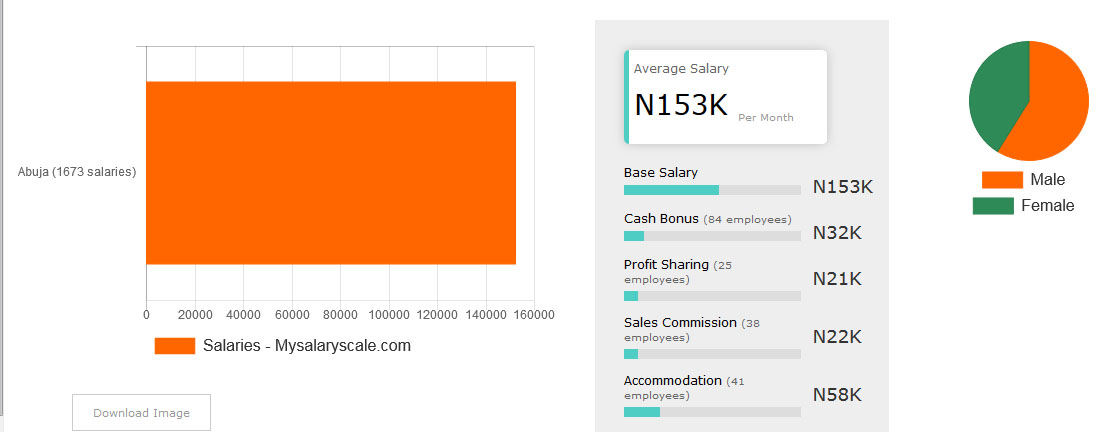
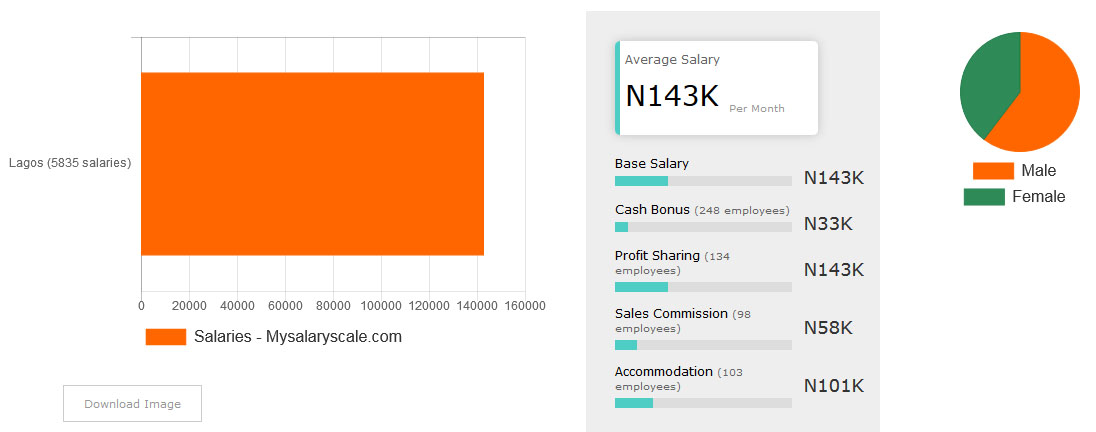
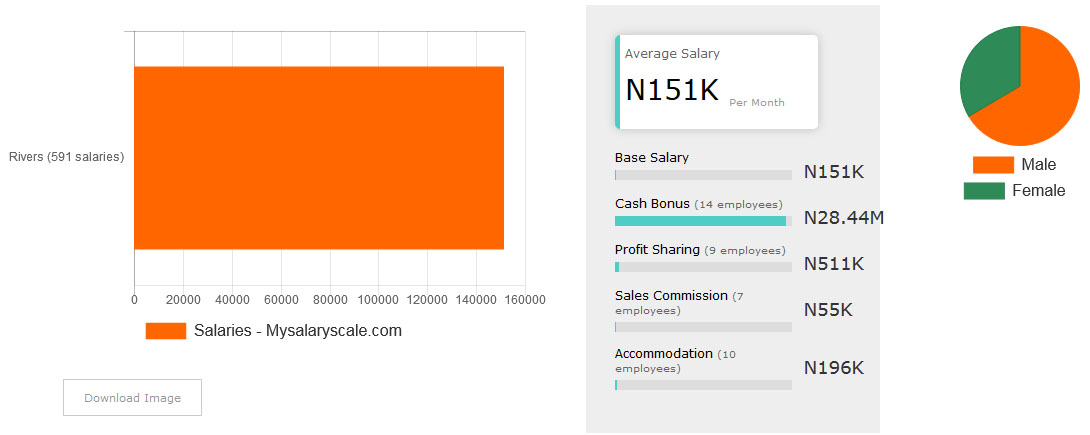
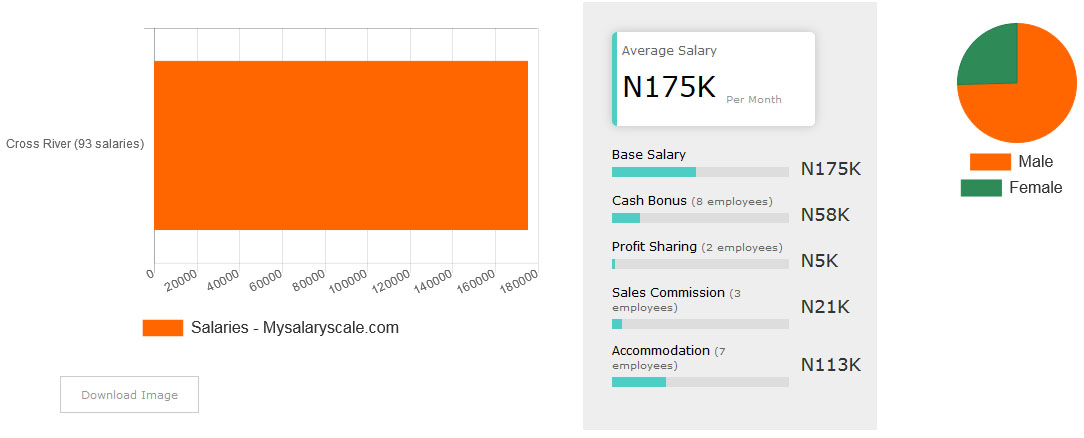
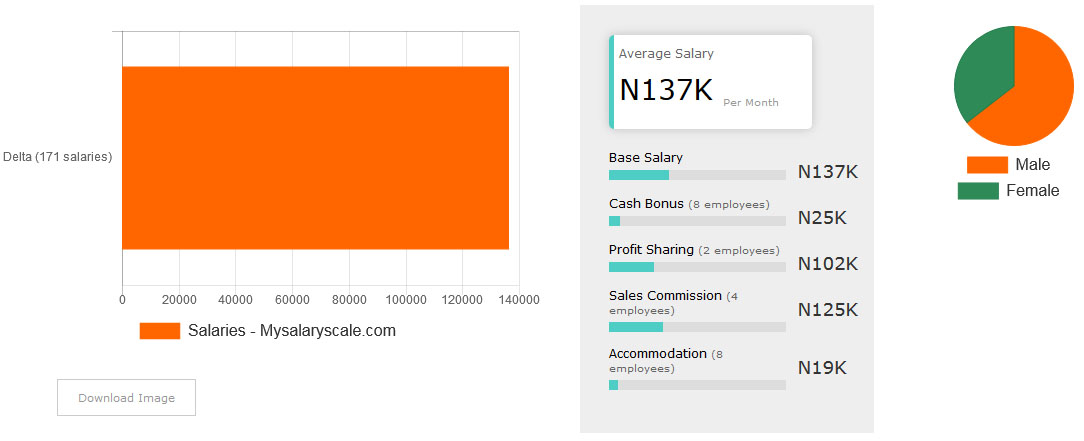
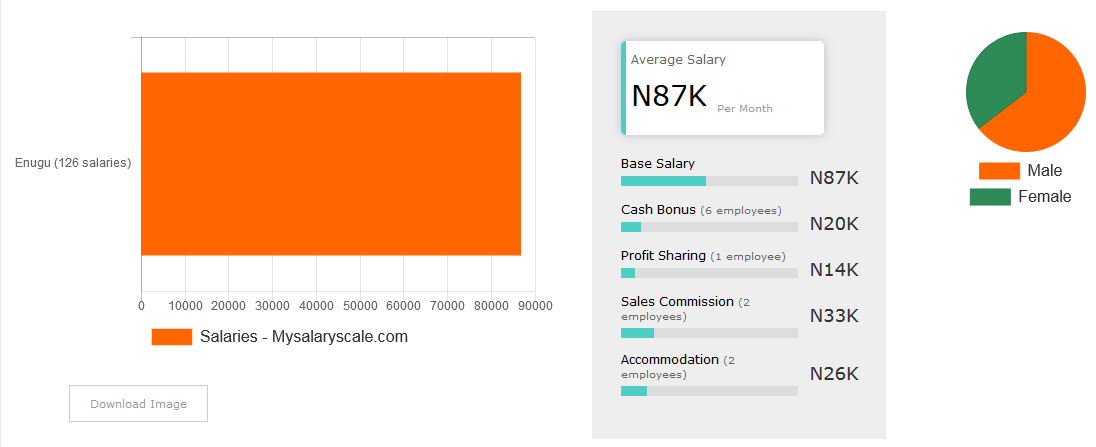
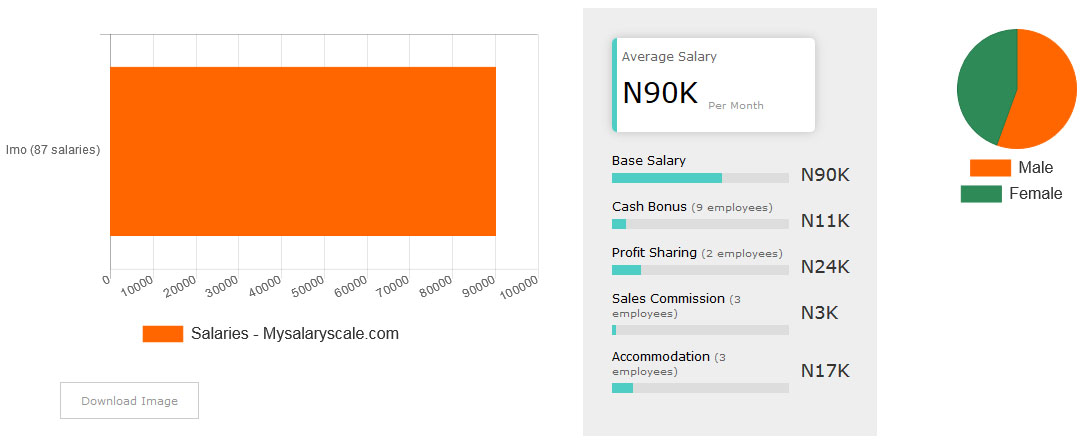












1 2 (of 2 pages)