WriterNig's Posts
Nairaland Forum › WriterNig's Profile › WriterNig's Posts
1 2 3 4 5 6 7 8 ... 37 38 39 40 41 42 43 44 45 (of 178 pages)
 Foreign Affairs › Re: Russian Rubles Is World's Best Performing Currency In 2025 (Photos) by WriterNig(op): 8:02pm On Apr 15, 2025*. Modified: 9:05pm On Apr 15, 2025 Foreign Affairs › Re: Russian Rubles Is World's Best Performing Currency In 2025 (Photos) by WriterNig(op): 8:02pm On Apr 15, 2025*. Modified: 9:05pm On Apr 15, 2025 |
👍🏻 Like for Russia-Putin, share for USA/Nazi/NATO 卍 97 Likes 6 Shares |
| Foreign Affairs › Russian Rubles Is World's Best Performing Currency In 2025 (Photos) by WriterNig(op): 8:02pm On Apr 15, 2025 |
https://www.telegraph.co.uk/content/dam/business/2025/04/15/TELEMMGLPICT000419835112_17447336724570_trans_NvBQzQNjv4BqA7N2CxnJWnYI3tCbVBgu9T0aesusvN1TE7a0ddd_esI.jpeg https://cdn.shopify.com/s/files/1/0580/2390/3370/files/3c24166ffc1c198b079ea92157df6f51_1024x1024.jpg 🇷🇺 Russia’s ruble has surged to become the best performing global currency, posting this year’s strongest gains against the dollar to outpace even the traditional safe haven of gold. The ruble has strengthened 38% versus the dollar on the over-the-counter market since the beginning of this year, data compiled by Bloomberg shows. While the US greenback has reeled from mounting pressure caused by US President Donald Trump’s escalating tariff wars, Russia’s currency has also been buoyed by factors unique to the country, including record-high local interest rates. “Unlike many emerging-market currencies, the ruble is not facing pressure from capital outflow, caused by global investors’ retreat from riskier assets,” said Sofya Donets, an economist at T-Investments. “Capital controls have largely shielded Russia from this” while high borrowing costs support the currency, she said. Domestic factors have amplified the ruble’s gains against the weakening greenback, even as sweeping sanctions imposed by the US and its allies over the February 2022 invasion of Ukraine remain in place. While a strengthening currency may be welcome news for inflation hawks, it risks damping energy revenue when the state is spending massively on military needs and social programs. Foreign investors, undeterred by lingering sanctions risks, are turning to countries that remain on good terms with Russia to gain exposure to high-yielding ruble assets, said Iskander Lutsko, the Dubai-based head of research and portfolio management at Istar Capital. On the top of that, Russian companies are eager to refinance prohibitively expensive local-currency debt, using much cheaper yuan-denomination, which is driving additional conversions of foreign currency into rubles, Lutsko said. Bloomberg || Telegraph 17 Likes 3 Shares
|
| Foreign Affairs › Re: Not My War, Biden & Zelenskyy Did A Bad Job - Trump Exonerates Self by WriterNig: 6:19pm On Apr 14, 2025 |
Botragelad:Show us where any living or dead Russian official said that and win #2m right now. US General Mark Miley is the only person that said that. 17 Likes 3 Shares
|
| Travel › Re: 6 Killed As Small U.S Airplane Crashes In Upstate New York (Photos) by WriterNig(op): 6:18pm On Apr 14, 2025 |
SalamRushdie:Flesh and blood did not reveal this to you. 13 Likes |
| Travel › Re: 6 Killed As Small U.S Airplane Crashes In Upstate New York (Photos) by WriterNig(op): 5:53pm On Apr 14, 2025*. Modified: 6:49pm On Apr 14, 2025 |
🇺🇸 US aircrafts are flying coffins ✈ ⚰ The US has crashed more aircrafts this year than 🇷🇺 Russia that is fighting in a war has in 3 years. 57 Likes 7 Shares |
| Travel › 6 Killed As Small U.S Airplane Crashes In Upstate New York (Photos) by WriterNig(op): 5:53pm On Apr 14, 2025 |
https://www.youtube.com/watch?v=TpJiv5RoI9E https://static01.nyt.com/images/2025/04/12/multimedia/12met-plane-crash/12met-plane-crash-mobileMasterAt3x.pngcredit: New York Times 3 Likes 2 Shares
|
| Foreign Affairs › Re: Houthis Shoot Down 4th U.S MQ-9 Reaper Drone In 14 Days (Photos) by WriterNig(op): 3:56pm On Apr 14, 2025 |
Neesam:Because the mainstream networks are controlled by the U.S. They're good at hiding such news. 20 Likes 7 Shares |
| Foreign Affairs › Re: Houthis Shoot Down 4th U.S MQ-9 Reaper Drone In 14 Days (Photos) by WriterNig(op): 3:50pm On Apr 14, 2025 |
The 🇺🇸 US wants you to think they use some special alien technology and different laws of physics. But in reality there's no such thing. As long as the US can build such weapon, others can reverse engineer it or counter it. Physics is physics in every part of the world. 87 Likes 14 Shares |
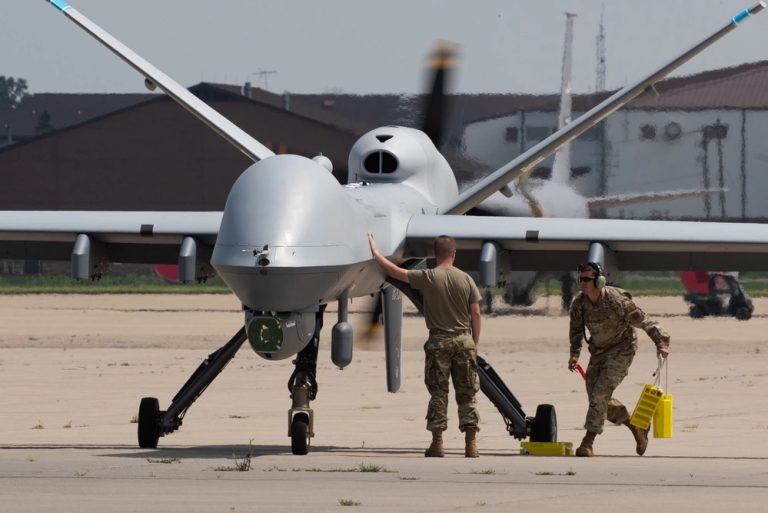
| Foreign Affairs › Houthis Shoot Down 4th U.S MQ-9 Reaper Drone In 14 Days (Photos) by WriterNig(op): 3:50pm On Apr 14, 2025 |
https://www.airandspaceforces.com/app/uploads/2023/09/mq-9-reaper-768x513.jpg On April 13, Yemen's Houthi group announced that it had successfully downed another 🇺🇸 U.S MQ-9 drone, marking the 4th drone downed by Yemeni forces in the past two weeks and the 19th such incident since November 2023.Caliber AZ || Mehr 18 Likes 7 Shares
|
| Foreign Affairs › Re: Russia Shoots Down US F-16 Fighter Jet In Ukraine, Pilot Killed (Photos) by WriterNig(op): 1:49pm On Apr 14, 2025*. Modified: 3:05pm On Apr 14, 2025 |
IgOga:And more stories. In this particular case. The F-16 jets are supplied, maintained and controlled by the US. The US have specialists on ground who operate this jets, Ukranian pilots are just given instructions on what to do and where to go. The Ukranian pilots were just trained by the US and had no knowledge whatsoever about operating the F-16. 12 Likes 2 Shares |
| Foreign Affairs › Re: Russia Shoots Down US F-16 Fighter Jet In Ukraine, Pilot Killed (Photos) by WriterNig(op): 1:42pm On Apr 14, 2025*. Modified: 3:06pm On Apr 14, 2025 |
ObosiLandlord:😂 🤣 😭 🤣 😂 🤣 😭 🤣 😂 🤣 😭 If that's the case, Turkey a NATO member would have quickly handed over it's S-400 for the so called "superior" F-35. The US even offered Turkey their most advanced Patriot Air Defense systems + F-35's, yet Turkey rejected it. I guess you know more than Turkey. 21 Likes 4 Shares
|
| Foreign Affairs › Re: Russia Shoots Down US F-16 Fighter Jet In Ukraine, Pilot Killed (Photos) by WriterNig(op): 1:30pm On Apr 14, 2025 |
IgOga:Plenty story no dey full basket. After all that long talk, it still remains a US aircraft. Supplied, operated and maintained by the US. 41 Likes 5 Shares |
| Foreign Affairs › Re: Russia Shoots Down US F-16 Fighter Jet In Ukraine, Pilot Killed (Photos) by WriterNig(op): 1:24pm On Apr 14, 2025 |
ObosiLandlord:And it will be shot down as well. Russia has the top 2 best air defense systems in the world. No country on earth has anything remotely similar. Why do you think Turkey bought the S-400 despite sanctions from the US & NATO? 35 Likes 9 Shares |
| Foreign Affairs › Re: Russia Shoots Down US F-16 Fighter Jet In Ukraine, Pilot Killed (Photos) by WriterNig(op): 1:23pm On Apr 14, 2025 |
IgOga:But if it was a US HIMARS striking Russian target. You'll call it a US HIMARS right? It still remains a US aircraft. 68 Likes 7 Shares |
| Foreign Affairs › Re: Russia Shoots Down US F-16 Fighter Jet In Ukraine, Pilot Killed (Photos) by WriterNig(op): 1:13pm On Apr 14, 2025*. Modified: 3:03pm On Apr 14, 2025 |
👍🏻 Like for Russia-Putin, share for USA/Nazi/NATO 卍 99 Likes 34 Shares |
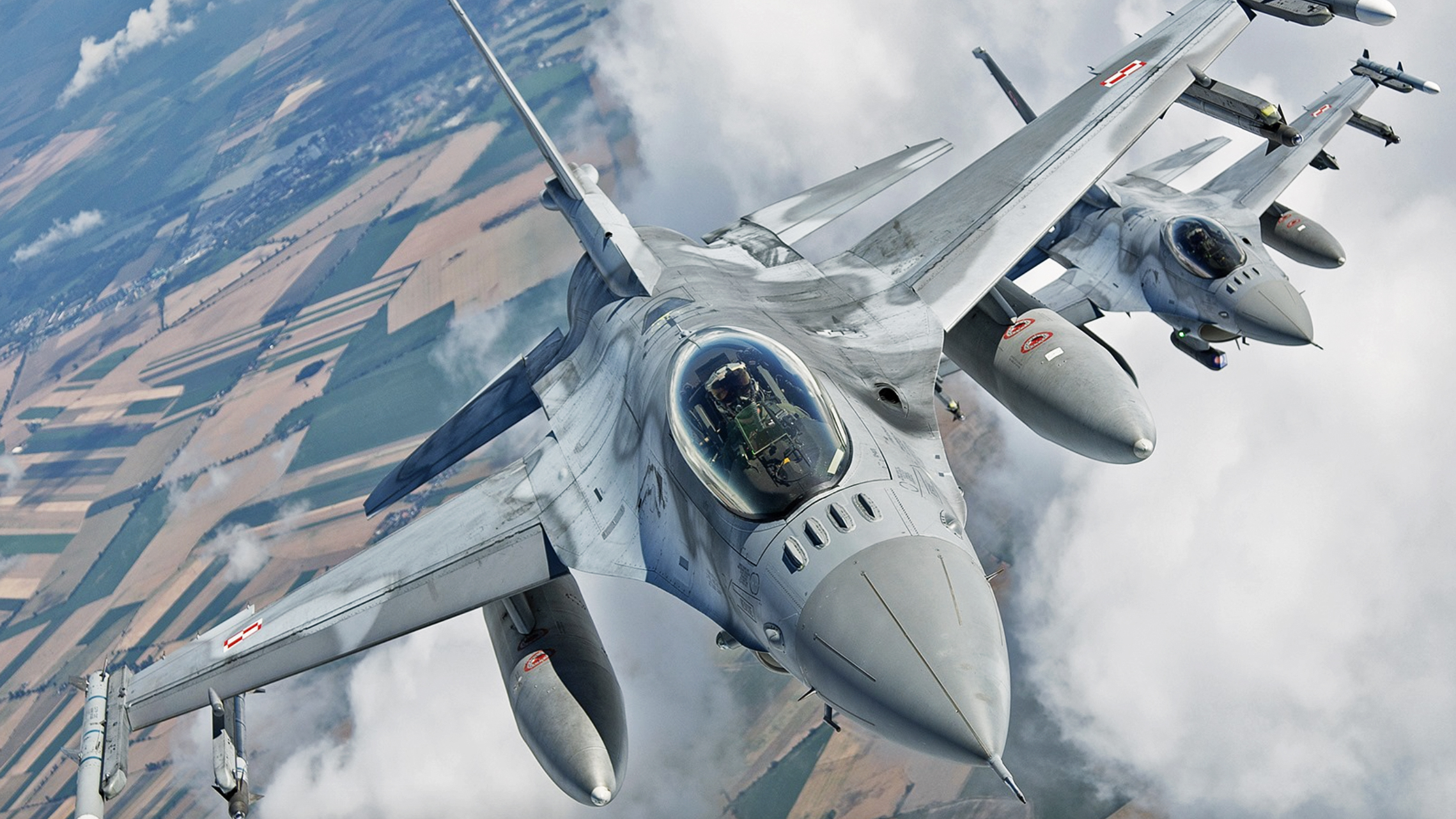
| Foreign Affairs › Russia Shoots Down US F-16 Fighter Jet In Ukraine, Pilot Killed (Photos) by WriterNig(op): 1:13pm On Apr 14, 2025 |
https://www.youtube.com/watch?v=IT20xR69vD4 https://www.twz.com/wp-content/uploads/2024/10/POLISH-F-16.jpgBulgarian Military || Army Recognition 15 Likes 4 Shares
|
| TV/Movies › Re: What Movie Are You Watching Now? by WriterNig: 7:49pm On Apr 13, 2025*. Modified: 8:20pm On Apr 13, 2025 |
🎥 Mickey 17 (2025) = 5.6/10 ✔️ ❤️ https://i0.wp.com/bloody-disgusting.com/wp-content/uploads/2025/02/mickey17-4dx.jpg https://static1.srcdn.com/wordpress/wp-content/uploads/2025/03/mark-ruffalo-and-toni-collette-attend-a-dinner-in-a-scene-from-mickey-17.jpg https://static1.colliderimages.com/wordpress/wp-content/uploads/2024/09/mickey-17-naomi-ackie.jpg https://static1.srcdn.com/wordpress/wp-content/uploads/2025/03/mickey-in-a-spacesuit-on-the-exterior-of-the-ship-in-mickey-17.jpg https://static1.srcdn.com/wordpress/wp-content/uploads/2025/02/mickey-17-32.jpg https://static1.srcdn.com/wordpress/wp-content/uploads/2025/03/robert-pattinson-as-mickey-17-and-18-in-mickey-17.jpg https://static1.colliderimages.com/wordpress/wp-content/uploads/2024/09/mickey-17-mark-ruffalo-spear-toni-collette.jpg https://static1.colliderimages.com/wordpress/wp-content/uploads/2024/09/robert-pattinson-mickey-17-corpse.jpg https://static1.colliderimages.com/wordpress/wp-content/uploads/2024/09/mickey-17-steven-yeun.jpg |
| TV/Movies › Re: What Series Are You Watching Now? Part 2 by WriterNig: 7:49pm On Apr 13, 2025*. Modified: 8:20pm On Apr 13, 2025 |
🎥 Mickey 17 (2025) = 5.6/10 ✔️ ❤️ https://i0.wp.com/bloody-disgusting.com/wp-content/uploads/2025/02/mickey17-4dx.jpg https://static1.srcdn.com/wordpress/wp-content/uploads/2025/03/mark-ruffalo-and-toni-collette-attend-a-dinner-in-a-scene-from-mickey-17.jpg https://static1.colliderimages.com/wordpress/wp-content/uploads/2024/09/mickey-17-naomi-ackie.jpg https://static1.srcdn.com/wordpress/wp-content/uploads/2025/03/mickey-in-a-spacesuit-on-the-exterior-of-the-ship-in-mickey-17.jpg https://static1.srcdn.com/wordpress/wp-content/uploads/2025/02/mickey-17-32.jpg https://static1.srcdn.com/wordpress/wp-content/uploads/2025/03/robert-pattinson-as-mickey-17-and-18-in-mickey-17.jpg https://static1.colliderimages.com/wordpress/wp-content/uploads/2024/09/mickey-17-mark-ruffalo-spear-toni-collette.jpg https://static1.colliderimages.com/wordpress/wp-content/uploads/2024/09/robert-pattinson-mickey-17-corpse.jpg https://static1.colliderimages.com/wordpress/wp-content/uploads/2024/09/mickey-17-steven-yeun.jpg |
| TV/Movies › Re: What Series Are You Watching Now? Part 2 by WriterNig: 4:04pm On Apr 13, 2025*. Modified: 7:46pm On Apr 13, 2025 |
🎥 Gangs Of London S01-3 (2020 - 25) = 7.8/10 ❤️ https://ntvb.tmsimg.com/assets/p18172419_b_h8_ai.jpg https://aiptcomics.com/wp-content/uploads/2021/04/GOL_103_0010-scaled.jpg https://hips.hearstapps.com/hmg-prod/images/joe-cole-gangs-of-london-season-3-6746d6ba9bbc6.jpg https://static1.srcdn.com/wordpress/wp-content/uploads/2024/11/untitled-71.jpg https://aiptcomics.com/wp-content/uploads/2021/04/GOL_103_0011-scaled.jpg https://www.geekgirlauthority.com/wp-content/uploads/2022/12/GOL_206_0031-RT-768x417.jpg |
| TV/Movies › Re: What Movie Are You Watching Now? by WriterNig: 4:04pm On Apr 13, 2025*. Modified: 7:45pm On Apr 13, 2025 |
🎥 Gangs Of London S01-3 (2020 - 25) = 7.8/10 ❤️ https://ntvb.tmsimg.com/assets/p18172419_b_h8_ai.jpg https://aiptcomics.com/wp-content/uploads/2021/04/GOL_103_0010-scaled.jpg https://hips.hearstapps.com/hmg-prod/images/joe-cole-gangs-of-london-season-3-6746d6ba9bbc6.jpg https://static1.srcdn.com/wordpress/wp-content/uploads/2024/11/untitled-71.jpg https://aiptcomics.com/wp-content/uploads/2021/04/GOL_103_0011-scaled.jpg https://www.geekgirlauthority.com/wp-content/uploads/2022/12/GOL_206_0031-RT-768x417.jpg |

















1 2 3 4 5 6 7 8 ... 37 38 39 40 41 42 43 44 45 (of 178 pages)