Blue3k's Posts
Nairaland Forum › Blue3k's Profile › Blue3k's Posts
1 2 3 4 5 6 7 8 9 10 (of 448 pages)
 Politics › Re: Gumi Warns Nigerian Army, Others Against Provoking Terrorists After Peace Deal by Blue3k(m): 12:38am On Sep 16, 2025 Politics › Re: Gumi Warns Nigerian Army, Others Against Provoking Terrorists After Peace Deal by Blue3k(m): 12:38am On Sep 16, 2025 |
Lol he's right. They have guns and are willing to fight you and state. You only have mouth because they government said you're not allowed to own weapons to defend yourself. |
| Politics › Re: Lagos Assembly Lawmakers To Get ₦155 Million House Each As Parting Gift by Blue3k(m): 6:49pm On Sep 06, 2025 |
As they should since no consequences to doing so, 🤷🏿 let them enjoy the perks. |
| Politics › Re: Leasing In Nigeria: An Hidden Engine For Inclusive Growth By Dr. Olasupo Olusi by Blue3k(m): 8:47pm On Sep 04, 2025 |
DiarisGodoo:You keep moving goal post. 1st its about your hypothetical company now its about their company. The points I made still stand start your own if you think its a good idea. |
| Politics › Re: Leasing In Nigeria: An Hidden Engine For Inclusive Growth By Dr. Olasupo Olusi by Blue3k(m): 6:30pm On Sep 04, 2025 |
DiarisGodoo:Stop lying fleet insurance companies exist in Nigeria. Do you really believe these car rental companies don't have insurance? That's a bad idea when accidents happen you're taking a big hit and losing money. Your only option will be to sue in civil court. Get insurance and collect the deposit. |
| Politics › Re: Leasing In Nigeria: An Hidden Engine For Inclusive Growth By Dr. Olasupo Olusi by Blue3k(m): 6:07pm On Sep 04, 2025 |
DiarisGodoo:That's what insurance is for and why you collect their information before renting. If you're afraid 😨 of this possibility then you can see why they you're not given the option to rent without a driver. |
| Politics › Re: Leasing In Nigeria: An Hidden Engine For Inclusive Growth By Dr. Olasupo Olusi by Blue3k(m): 4:50pm On Sep 04, 2025 |
DiarisGodoo:Your question isnt phrased well. Are you asking where they sell the parts I mentioned? I saw it on Amazon but Im sure there are other sellers. |
| Politics › Re: Leasing In Nigeria: An Hidden Engine For Inclusive Growth By Dr. Olasupo Olusi by Blue3k(m): 3:54pm On Sep 04, 2025 |
DiarisGodoo:Why dont you sell the car as parts if you think its a good idea? |
| Politics › Re: Leasing In Nigeria: An Hidden Engine For Inclusive Growth By Dr. Olasupo Olusi by Blue3k(m): 1:49pm On Sep 04, 2025 |
DiarisGodoo:Sounds like a business opportunity for you if think its a great idea. Just get car tracker and kill switch. Let us know how it works out for you. 1 Like |
| Politics › Re: Insecurity: Boko Haram Blind To Faith, Target Muslims, Christians — Ndume by Blue3k(m): 2:09pm On Sep 03, 2025 |
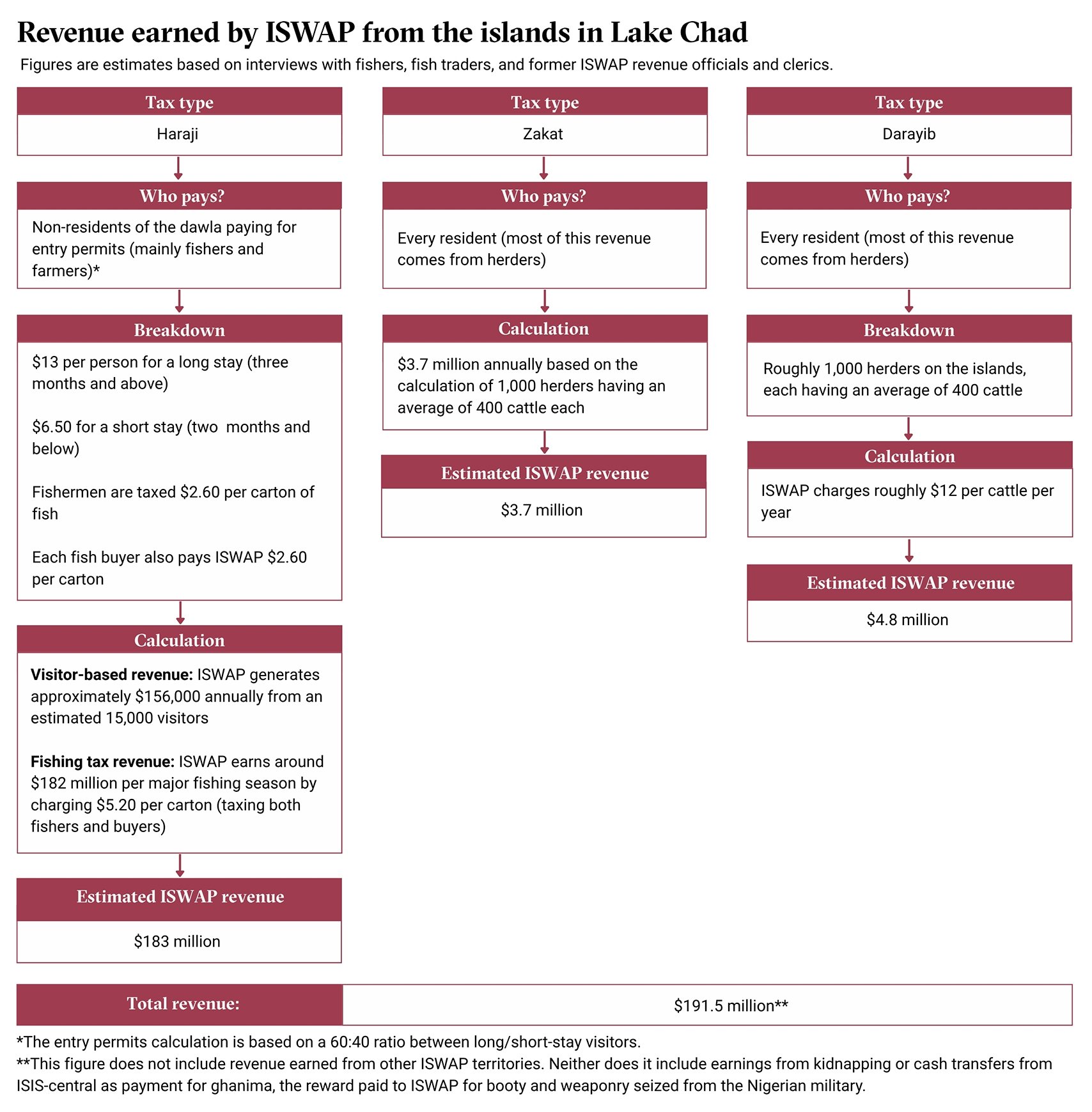
MaiDeribe:Ransom payments and taxes they collect on their own fund their activities. I always say if their victims spent the millions of naira getting armed and dangerous they would be left alone. Lions don't hunt porcupines because it's too much trouble. They don't need continuous cash injections from shadowy figure if the populace pays them. The government has already proven they're impotence so there's no reason not to be armed before they're the defato government. https://assets.thenewhumanitarian.org/s3fs-public/2025-07/ISWAP08.jpg 2 Likes |
| Education › Re: Chatgpt: Why Nigerian Universities Can’t Break The Strike Cycle by Blue3k(op): 1:25am On Aug 29, 2025 |
Government keeps control, avoids blame for tuition hikes, and uses ASUU as a scapegoat.I know this is could be confirmation bias but I've always believed this is the case. Private universities stay open because they're have a financial incentive to stay open or go out business. ASUU would lose alot if leverage if strikes turn into local affairs instead of a national crisis. This would also make students their customers. Students would transfer if strikes become too cumbersome for their schedules. |
| Education › Chatgpt: Why Nigerian Universities Can’t Break The Strike Cycle by Blue3k(op): 12:55am On Aug 29, 2025 |
Blue3k: ASUU strikes Nigeria. Tell me why the federal government doesn't just let universities charge whatever they want to address shortfalls. ChatGPT: The federal government doesn’t just allow that for a few reasons: 1. Education is politically sensitive — raising fees would price out millions and cause backlash. 2. Constitutional role — the state is expected to keep education affordable. 3. Fear of unrest — students protesting could destabilize things. 4. Politics and elections — no party wants to be blamed for “pricing poor Nigerians out.” 5. Federal control — universities depend on Abuja, so tuition is capped to keep control. 6. Equity across regions — letting some schools charge more would deepen inequality. So the government subsidizes, ASUU strikes when it’s not enough, and the cycle continues. Blue3k: What could a president do if they don’t care about social or political constraints without breaking the law? ChatGPT: Quite a lot. They could: • Grant universities full autonomy to set fees. • Give block grants instead of payroll subsidies. • Implement tuition-plus-loan schemes. • Allow tiered fees by program or university. • Encourage private partnerships. • Even reduce federal allocations, forcing universities to raise fees. Legally, nothing stops this. The only restraint is politics. Blue3k: Are you sure ASUU and the government don’t have a perverse incentive not to implement fiscal autonomy? ChatGPT: Yes, there’s a perverse incentive on both sides: Government keeps control, avoids blame for tuition hikes, and uses ASUU as a scapegoat. ASUU keeps national bargaining power and avoids fragmented, campus-level negotiations. So both sides benefit from rejecting autonomy, leaving students as the losers. Blue3k: Tell me what it would take to break the stalemate. ChatGPT: It would require: • Legislation giving universities true autonomy while guaranteeing access via loans/bursaries. • Block grants + performance contracts instead of payroll funding. • Tiered pricing by program/university with transparency. • Resetting bargaining so ASUU negotiates partly at campus level. • Student protections like ombudsman services and fee caps during transition. • Transparency dashboards so parents see how funds are used. • Transition funds to help universities adapt. The real key is pairing autonomy with an access guarantee so parents trust that poor students won’t be excluded. |
| Family › Re: Man’s Body Remains Unburied For 5 Years As Wives And Children Battle Over Proper by Blue3k(m): 2:43pm On Aug 11, 2025*. Modified: 3:11pm On Aug 11, 2025 |
People learn to probate your will or set up a trust. Its irresponsible not to if you have assets. Have a plan for your things after you die so the living dont have to argue about it. 1. Write a Valid Will 1. Decide the Purpose of the Trust 1 Like |
| Politics › Re: Cocoa Overtakes Crude-Oil As Nigeria's Major Export To Belgium In 2024 by Blue3k(m): 1:42pm On Aug 11, 2025*. Modified: 1:58pm On Aug 11, 2025 |
aribisala0:Shell is British stop living in the past. Take your own advice.
|
| Politics › Re: Unconstitutional Tuition Discrimination: Indigene Vs Non-Indigene by Blue3k(op): 1:38pm On Aug 11, 2025 |
aribisala0:Interesting so you don't have a counterargument to the facts presented. My points stand till someone competent appears. |
| Politics › Re: Unconstitutional Tuition Discrimination: Indigene Vs Non-Indigene by Blue3k(op): 1:54am On Aug 11, 2025 |
aribisala0:Both statements. There's no contradiction in the statements. Nothing changes because an online debate was had. Its good because there's hypothetically no legal argument against the any potential suit. I've yet to hear anyone bring one. It more likely there's no argument because someone would present one instead of bringing up irrelevant nonsense. Certain people would rather play 20 questions or tell you about foreign countries they know nothing about. |
| Politics › Re: Unconstitutional Tuition Discrimination: Indigene Vs Non-Indigene by Blue3k(op): 6:36pm On Aug 10, 2025 |
aribisala0:Both. There's no contradiction change occurs in real life. Nothing changes because they have no legal argument. You guys should read the definition of a contradiction. The facts arent mutual exclusive which is needed for a contradiction. The good thing is it makes the case theoretically easier to argue. It could also mean you guys dont have brains to argue your case with case law, court cases or the constitution. |
| Politics › Re: Unconstitutional Tuition Discrimination: Indigene Vs Non-Indigene by Blue3k(op): 6:14pm On Aug 10, 2025 |
aribisala0: aribisala0:What was the point of this statement then and who is we? Arguing online does nothing. This has to go to court. It's good to see nobody here has a legal argument against what was stated. |
| Politics › Re: Unconstitutional Tuition Discrimination: Indigene Vs Non-Indigene by Blue3k(op): 5:31pm On Aug 10, 2025 |
aribisala0:The status quo is what’s currently happening. School fees are determined by indigene status. I’m not familiar with bursaries or scholarships, so feel free to educate me. I kept my focus narrow to stay concise. You can pick your battles one at a time, or fight them all at once—that’s your call. I respect your zeal. State-sponsored religious activities are likely unconstitutional, but such cases rarely reach the Supreme Court. The Atheist Society of Nigeria tried suing Akwa Ibom over a church construction but failed. The blasphemy law case also failed. We don’t know how broadly or narrowly the Supreme Court would rule, but it’s guaranteed to be a landmark case. |
| Politics › Re: Unconstitutional Tuition Discrimination: Indigene Vs Non-Indigene by Blue3k(op): 4:11pm On Aug 10, 2025 |
aribisala0:If this does go to the Supreme Court and im right about the constitutionality the rules will have to be made up by us. Residency doesn't have to be in the constitution in my opinion. Im guessing it will vary state to state unless the federal government steps in. Blue3k: |
| Politics › Re: Unconstitutional Tuition Discrimination: Indigene Vs Non-Indigene by Blue3k(op): 3:10pm On Aug 10, 2025*. Modified: 3:57pm On Aug 10, 2025 |
adamusuleiman1: Raskimonojendor:Lol you're both extremely lazy 😂. Whats stops you from citing Supreme Court rulings in Nigeria, citing constitution, laws or finding your own evidence? None of mine helps you. Here's the killing blow since you two won't use your heads. Indigenous status doesn't confer special rights. Its not allowed under Nigerian law. The goal post wasn't shifted. Learn what the phrase means before attempting to use. What you're doing is an apples and oranges comparison. Thats why its irrelevant to the discussion. If it wre apples to apples it would be relevant. The laws and history arent the same you can read them side by side if you're unsure.
|
| Politics › Re: Unconstitutional Tuition Discrimination: Indigene Vs Non-Indigene by Blue3k(op): 2:31pm On Aug 10, 2025 |
adamusuleiman1:Again you're lazy 😴 and dense. The difference is the constitution doesn't confer special benefits. Why dont you cite the section of the Constitution that does or Supreme Court ruling? You cant because it doesn't exist. You foolishly use evidence im presenting that doesn't help you instead of looking for your own. |
| Politics › Re: Unconstitutional Tuition Discrimination: Indigene Vs Non-Indigene by Blue3k(op): 2:27pm On Aug 10, 2025 |
[quote author=adamusuleiman1 post=136407398][/quote]Man you're lazy. Did you forget to read 📚 the Supreme Court ruling Morton v. Mancari. Whats the point of citing the USA when its doesn't help your argument in Nigeria? Morton v. Mancari (1974) is one of the most important U.S. Supreme Court cases explaining why certain programs for Native Americans are not considered unconstitutional racial discrimination. Key Reasoning Political, not racial, classification The Court said that laws for “Indians” recognized as members of federally recognized tribes are based on a political relationship between the U.S. and the tribes, not on race. Native Americans are members of quasi-sovereign tribal nations, with a unique legal and historical status grounded in treaties and the U.S. Constitution’s Indian Commerce Clause . Trust responsibility The U.S. government has a trust obligation to promote tribal self-government and the welfare of tribes — this allows for special programs that benefit Native Americans in ways that would not be allowed for purely racial groups. Not a general racial preference The hiring rule applied only within the BIA (an agency serving tribes) and directly furthered the goal of tribal self-determination. The Court noted that Congress can enact legislation “singling out” tribes if it’s “tied rationally to the fulfillment of Congress’ unique obligation toward the Indians.” |
| Politics › Re: Unconstitutional Tuition Discrimination: Indigene Vs Non-Indigene by Blue3k(op): 2:19pm On Aug 10, 2025 |
adamusuleiman1:Stop lying where in the constitution does it say that. The goal post wasn't shifted. I cited laws and Supreme Court case in America. I cited the laws of Nigeria and the history of America. Its not my fault you dont understand how to make apples to apples comparisons.
|
| Politics › Re: Unconstitutional Tuition Discrimination: Indigene Vs Non-Indigene by Blue3k(op): 2:07pm On Aug 10, 2025 |
adamusuleiman1: Raskimonojendor:You're still not getting it bringing up irrelevant things that dont apply to Nigeria. Native Americans are treated as a different nations. Nigerians arent according to our laws because this place wasn't settled through conquest of the natives. Apples to oranges comparison won't help you if you're too lazy to read about history or laws of both countries. The reason is that, under U.S. constitutional law, Native American status is generally treated not as a racial classification but as a political one tied to membership in a federally recognized tribe. This comes from the fact that Native tribes are considered sovereign nations with a unique government-to-government relationship with the U.S., so benefits for enrolled members are viewed as fulfilling treaty obligations or promoting tribal self-determination, rather than as racial favoritism. |
| Politics › Re: Unconstitutional Tuition Discrimination: Indigene Vs Non-Indigene by Blue3k(op): 1:55pm On Aug 10, 2025 |
adamusuleiman1:Not a contradiction. Australia laws dont apply here because our laws and history is different. The USA does apply because our laws are similar because the states aren't allowed to discriminate against their citizens. Equal Protection Clause (14th Amendment) – Prohibits states from denying any person “equal protection of the laws,” which includes discrimination in education. Civil Rights Act of 1964, Title VI – Bars discrimination on the grounds of race, color, or national origin in any program receiving federal funding, including public universities. |
| Politics › Re: Unconstitutional Tuition Discrimination: Indigene Vs Non-Indigene by Blue3k(op): 1:51pm On Aug 10, 2025 |
Ibrahimcoomasie:You dont need indigene status to own land. Read your constitution. How do Nigerians own land in multiple states if that were the case.
|
| Politics › Re: Unconstitutional Tuition Discrimination: Indigene Vs Non-Indigene by Blue3k(op): 1:41pm On Aug 10, 2025 |
The most interesting thing about any future reforms is that an indigene who lives outside their home state and hasn’t reestablished residency would be charged the same as any other non-resident. This would essentially make indigene nonindigene distinction only matter in terms of federal charter character. No candidate has said they want to end it so I wont get into it. Borrowing from U.S. state models, the rule could be: Minimum continuous physical presence in the state for at least 2 years before the first semester. Proof required (at least 3 of the following): • Utility bills in applicant’s or parent’s name • Lease or property ownership documents • State tax payments or local government levies • Employment verification in the state • Attendance at a school in the state • Voter registration in the state |
| Politics › Re: If I Become President, I Will Change The Constitution On Indigeneship - Amaechi by Blue3k(m): 12:28am On Aug 10, 2025*. Modified: 4:21am On Aug 10, 2025 |
OctavianAC:You're right, rig the election so you always win. Who cares if the electorate wants you to govern them or not? That's the path to success. |
| Politics › Re: If I Become President, I Will Change The Constitution On Indigeneship - Amaechi by Blue3k(m): 11:10pm On Aug 09, 2025 |
OctavianAC:That's democracy for you. You're entitled to run not to win. Do you also play football ⚽️ with the expectation the other team lays down for you? 3 Likes |
| Politics › Re: Unconstitutional Tuition Discrimination: Indigene Vs Non-Indigene by Blue3k(op): 8:06pm On Aug 09, 2025 |
Osebanjo:Irrelevant we are talking about Nigeria not Australia. Their laws and history dont apply here because the constitution here hasn't been amended. There's no logical argument for discriminating against residents of the state paying same taxes to uphold the institution. Notice I have nothing to say of out if state residents or foreigners that pay a different rate. helinues:Probably but its a good teaching moment. People should notice these politicians are ignorant about basic facts and should stop blaming the constitution for every societal issue. 1 Like |
| Politics › Unconstitutional Tuition Discrimination: Indigene Vs Non-Indigene by Blue3k(op): 7:32pm On Aug 09, 2025*. Modified: 1:47pm On Aug 10, 2025 |
Recently, Rotimi Amaechi stated his intention to amend the Nigerian Constitution to make every Nigerian a citizen of the place they live. While this sounds like a bold reform, anyone familiar with the Constitution will recognize that such a change is largely unnecessary—because it already prohibits discrimination based on place of origin. The real challenge is not the law itself, but the lack of enforcement by government institutions. One of the clearest examples of this failure is the persistent discrimination in tuition fees at state-owned universities. Section 42 of the Nigerian Constitution explicitly forbids discrimination based on community, ethnic group, place of origin, sex, religion, or political opinion. Yet, institutions like Kaduna State University (KASU) charge non-indigene students significantly more—₦20,000 extra per academic session—compared to indigenes. This discriminatory practice continues largely because the Supreme Court has yet to issue a decisive ruling on this common issue. The Constitution states: “A citizen of Nigeria of a particular community, ethnic group, place of origin, sex, religion, or political opinion shall not, by reason only that he is such a person: (a) be subjected, either expressly by, or in the practical application of, any law in force in Nigeria or any executive or administrative action of the government, to disabilities or restrictions to which other citizens are not made subject; or (b) be accorded, either expressly by, or in the practical application of, any law or executive or administrative action, any privilege or advantage not accorded to other citizens.” This constitutional guarantee means that charging different tuition fees based solely on indigeneity is illegal. But without active enforcement, such discrimination continues unchecked. To tackle this injustice, non-indigenous parents and students—ideally freshmen who are just beginning their academic journey—should consider suing discriminatory institutions. Freshmen are preferable candidates because the disruption to their education is minimized if they must transfer schools or if litigation delays their studies. Successful legal challenges would compel universities and governments to abide by constitutional equality, setting important precedents to end tuition discrimination. Beyond litigation, states could adopt residency-based tuition policies that are constitutionally sound. Unlike indigeneity, which ties rights to ancestry, residency reflects actual community membership. For example, in the United States, states set residency requirements—often two years with supporting documentation—to determine eligibility for in-state tuition. Applying a similar model in Nigeria could provide a fair and enforceable way to allocate tuition rates, respecting both equality and local interests. 1 Share
|