 Christianity Etc › Re: Pagan Roots/origins Of Islam by DeathStroke007(m): 8:42pm On Mar 22, 2016 Christianity Etc › Re: Pagan Roots/origins Of Islam by DeathStroke007(m): 8:42pm On Mar 22, 2016 |
lordnicklaus:
Islam as we know it isn't actually a religion based on its own self, it is a combination of religions mostly pagan. The only true religions that Islam seemed to have borrowed from are Judaism and ancient Christianity. There were already existing Arabic translations of the Bible and it is possible that Muhammad's followers copied from them so as to make it seem that the Qur'an came to correct the Bible which is impossible. Other religions that Islam borrowed from were Zoroastrianism, Quraishic paganism, Babylonian/Assyrian/Sumerian worship of heavenly bodies and planets, Baal worship of the Canaanites and Nabateans. Below are some of the proofs of Islam being Pagan in origin:
1. Ablution: This concept was borrowed from Zoroastrianism. Zoroastrianism is a religion that believes in two concepts: The concept of light (Personated by Ahura Mazda) and darkness (Personated by Ahriman).
Zoroaster (Zahrusthra) taught his followers that ablution was necessary to cleanse them from impurities. Islam clearly borrowed from this religion.
2. The symbol of the crescent moon and the star and the name Allah: This symbol originates with the god "Sin" an Assyrian god. His symbol was the crescent moon as he was the god of the weather and the moon. "Sin" was passed unto different religions and bore different names. He is the same as the Biblical "Baal" god of the Canaanites, whose prophets, Elijah (Eliyahu in Hebrew) fought against. He is also the same as the Babylonian god "Bel" who is also called "Marduk" or "Merodach" the chief god riding a dragon called "Tamtu." The Nabatean Arabs borrowed him from the Moabites and Canaanites and called him "Hubal" which the Quraish also borrowed. Muhammad might have also worshipped "Hubal" before the advent of Christianity into Arabia. Suprisingly, Hubal's worshippers chanted "hubalu akbar." His daughters were the stars. His daughters included Allat, Al-Uzzat and Manat. Muslims claim that the name "Allah" came very much later whereas the name of Muhammad's father was "Abd-Allah" meaning "Allah's servant" and he died before Islam was revealed, so if he had the name "Allah" in his name, why do Muslims claim that the name came later during the Revelation of Islam? If "Allah" was existing even before Islam, who was He? The Quraish gave Hubal the title "Al ilaha" meaning "the God" so the title "Allah" is not new to Islam and "Allah" is not a name but a title meaning "the God" so any "god" can be called "Allah." So the crescent symbol represents Allah (i.e Hubal) and the star represents his daughter "Allat."
3. The kissing of the black stone in Mecca: The black stone in Mecca (Makkah) represented one of Hubal's daughters called "Manat." The pagans of Quraish used to kiss the stone even before the advent of Islam. The Muslims still kiss the stone.
4. The doctrine of the existence of Jinns: The belief in "Jinns" or "Genies" did not originate with Islam. The Babylonians believed in Jinns as the servants of the chief god Bel (Hubal). The Jinns were synonymous to "angels" in Babylonian/Assyrian religion. This is to show that Islam is a religion of myths and superstitions.
5. Islam believes in an angel called "Marut": Islam believes in an angel called "Marut." This is not suprising as "Marut" is actually the same as "Marutuk" which is the Akkadian version of "Marduk" or "Merodach" the chief god of Babylon. Wake up Muslims, Marut is not an angel but a demon.
More posts are coming soon...... Laughing hysterically.. . Really ? Jins are widely known throughout every single corner of the world. .. Associating this with paganism and Islam just proved you have no idea of what'l you saying... Don't just copy and paste.. Read and understand.. Dumbfool |
| Christianity Etc › Re: Pagan Roots/origins Of Islam by DeathStroke007(m): 8:40pm On Mar 22, 2016 |
lordnicklaus:
Islam as we know it isn't actually a religion based on its own self, it is a combination of religions mostly pagan. The only true religions that Islam seemed to have borrowed from are Judaism and ancient Christianity. There were already existing Arabic translations of the Bible and it is possible that Muhammad's followers copied from them so as to make it seem that the Qur'an came to correct the Bible which is impossible. Other religions that Islam borrowed from were Zoroastrianism, Quraishic paganism, Babylonian/Assyrian/Sumerian worship of heavenly bodies and planets, Baal worship of the Canaanites and Nabateans. Below are some of the proofs of Islam being Pagan in origin:
1. Ablution: This concept was borrowed from Zoroastrianism. Zoroastrianism is a religion that believes in two concepts: The concept of light (Personated by Ahura Mazda) and darkness (Personated by Ahriman).
Zoroaster (Zahrusthra) taught his followers that ablution was necessary to cleanse them from impurities. Islam clearly borrowed from this religion.
2. The symbol of the crescent moon and the star and the name Allah: This symbol originates with the god "Sin" an Assyrian god. His symbol was the crescent moon as he was the god of the weather and the moon. "Sin" was passed unto different religions and bore different names. He is the same as the Biblical "Baal" god of the Canaanites, whose prophets, Elijah (Eliyahu in Hebrew) fought against. He is also the same as the Babylonian god "Bel" who is also called "Marduk" or "Merodach" the chief god riding a dragon called "Tamtu." The Nabatean Arabs borrowed him from the Moabites and Canaanites and called him "Hubal" which the Quraish also borrowed. Muhammad might have also worshipped "Hubal" before the advent of Christianity into Arabia. Suprisingly, Hubal's worshippers chanted "hubalu akbar." His daughters were the stars. His daughters included Allat, Al-Uzzat and Manat. Muslims claim that the name "Allah" came very much later whereas the name of Muhammad's father was "Abd-Allah" meaning "Allah's servant" and he died before Islam was revealed, so if he had the name "Allah" in his name, why do Muslims claim that the name came later during the Revelation of Islam? If "Allah" was existing even before Islam, who was He? The Quraish gave Hubal the title "Al ilaha" meaning "the God" so the title "Allah" is not new to Islam and "Allah" is not a name but a title meaning "the God" so any "god" can be called "Allah." So the crescent symbol represents Allah (i.e Hubal) and the star represents his daughter "Allat."
3. The kissing of the black stone in Mecca: The black stone in Mecca (Makkah) represented one of Hubal's daughters called "Manat." The pagans of Quraish used to kiss the stone even before the advent of Islam. The Muslims still kiss the stone.
4. The doctrine of the existence of Jinns: The belief in "Jinns" or "Genies" did not originate with Islam. The Babylonians believed in Jinns as the servants of the chief god Bel (Hubal). The Jinns were synonymous to "angels" in Babylonian/Assyrian religion. This is to show that Islam is a religion of myths and superstitions.
5. Islam believes in an angel called "Marut": Islam believes in an angel called "Marut." This is not suprising as "Marut" is actually the same as "Marutuk" which is the Akkadian version of "Marduk" or "Merodach" the chief god of Babylon. Wake up Muslims, Marut is not an angel but a demon.
More posts are coming soon...... Idiotu.. . Read your Bible and read Quran and hadith concerning Black stone. .. Even mecca and all it's rituals dey Bible. . #laughing.. Em fools always medling into what they don't know |
| Christianity Etc › Re: Pagan Roots/origins Of Islam by DeathStroke007(m): 8:37pm On Mar 22, 2016 |
lordnicklaus:
Islam as we know it isn't actually a religion based on its own self, it is a combination of religions mostly pagan. The only true religions that Islam seemed to have borrowed from are Judaism and ancient Christianity. There were already existing Arabic translations of the Bible and it is possible that Muhammad's followers copied from them so as to make it seem that the Qur'an came to correct the Bible which is impossible. Other religions that Islam borrowed from were Zoroastrianism, Quraishic paganism, Babylonian/Assyrian/Sumerian worship of heavenly bodies and planets, Baal worship of the Canaanites and Nabateans. Below are some of the proofs of Islam being Pagan in origin:
1. Ablution: This concept was borrowed from Zoroastrianism. Zoroastrianism is a religion that believes in two concepts: The concept of light (Personated by Ahura Mazda) and darkness (Personated by Ahriman).
Zoroaster (Zahrusthra) taught his followers that ablution was necessary to cleanse them from impurities. Islam clearly borrowed from this religion.
2. The symbol of the crescent moon and the star and the name Allah: This symbol originates with the god "Sin" an Assyrian god. His symbol was the crescent moon as he was the god of the weather and the moon. "Sin" was passed unto different religions and bore different names. He is the same as the Biblical "Baal" god of the Canaanites, whose prophets, Elijah (Eliyahu in Hebrew) fought against. He is also the same as the Babylonian god "Bel" who is also called "Marduk" or "Merodach" the chief god riding a dragon called "Tamtu." The Nabatean Arabs borrowed him from the Moabites and Canaanites and called him "Hubal" which the Quraish also borrowed. Muhammad might have also worshipped "Hubal" before the advent of Christianity into Arabia. Suprisingly, Hubal's worshippers chanted "hubalu akbar." His daughters were the stars. His daughters included Allat, Al-Uzzat and Manat. Muslims claim that the name "Allah" came very much later whereas the name of Muhammad's father was "Abd-Allah" meaning "Allah's servant" and he died before Islam was revealed, so if he had the name "Allah" in his name, why do Muslims claim that the name came later during the Revelation of Islam? If "Allah" was existing even before Islam, who was He? The Quraish gave Hubal the title "Al ilaha" meaning "the God" so the title "Allah" is not new to Islam and "Allah" is not a name but a title meaning "the God" so any "god" can be called "Allah." So the crescent symbol represents Allah (i.e Hubal) and the star represents his daughter "Allat."
3. The kissing of the black stone in Mecca: The black stone in Mecca (Makkah) represented one of Hubal's daughters called "Manat." The pagans of Quraish used to kiss the stone even before the advent of Islam. The Muslims still kiss the stone.
4. The doctrine of the existence of Jinns: The belief in "Jinns" or "Genies" did not originate with Islam. The Babylonians believed in Jinns as the servants of the chief god Bel (Hubal). The Jinns were synonymous to "angels" in Babylonian/Assyrian religion. This is to show that Islam is a religion of myths and superstitions.
5. Islam believes in an angel called "Marut": Islam believes in an angel called "Marut." This is not suprising as "Marut" is actually the same as "Marutuk" which is the Akkadian version of "Marduk" or "Merodach" the chief god of Babylon. Wake up Muslims, Marut is not an angel but a demon.
More posts are coming soon...... Laughing. .. See this fool o. .. Abeg who tell you say cresent and star represent Islam? E dey Quran or hadith? Tsw |
| Christianity Etc › Re: Pagan Roots/origins Of Islam by DeathStroke007(m): 8:34pm On Mar 22, 2016 |
lordnicklaus:
Islam as we know it isn't actually a religion based on its own self, it is a combination of religions mostly pagan. The only true religions that Islam seemed to have borrowed from are Judaism and ancient Christianity. There were already existing Arabic translations of the Bible and it is possible that Muhammad's followers copied from them so as to make it seem that the Qur'an came to correct the Bible which is impossible. Other religions that Islam borrowed from were Zoroastrianism, Quraishic paganism, Babylonian/Assyrian/Sumerian worship of heavenly bodies and planets, Baal worship of the Canaanites and Nabateans. Below are some of the proofs of Islam being Pagan in origin:
1. Ablution: This concept was borrowed from Zoroastrianism. Zoroastrianism is a religion that believes in two concepts: The concept of light (Personated by Ahura Mazda) and darkness (Personated by Ahriman).
Zoroaster (Zahrusthra) taught his followers that ablution was necessary to cleanse them from impurities. Islam clearly borrowed from this religion.
2. The symbol of the crescent moon and the star and the name Allah: This symbol originates with the god "Sin" an Assyrian god. His symbol was the crescent moon as he was the god of the weather and the moon. "Sin" was passed unto different religions and bore different names. He is the same as the Biblical "Baal" god of the Canaanites, whose prophets, Elijah (Eliyahu in Hebrew) fought against. He is also the same as the Babylonian god "Bel" who is also called "Marduk" or "Merodach" the chief god riding a dragon called "Tamtu." The Nabatean Arabs borrowed him from the Moabites and Canaanites and called him "Hubal" which the Quraish also borrowed. Muhammad might have also worshipped "Hubal" before the advent of Christianity into Arabia. Suprisingly, Hubal's worshippers chanted "hubalu akbar." His daughters were the stars. His daughters included Allat, Al-Uzzat and Manat. Muslims claim that the name "Allah" came very much later whereas the name of Muhammad's father was "Abd-Allah" meaning "Allah's servant" and he died before Islam was revealed, so if he had the name "Allah" in his name, why do Muslims claim that the name came later during the Revelation of Islam? If "Allah" was existing even before Islam, who was He? The Quraish gave Hubal the title "Al ilaha" meaning "the God" so the title "Allah" is not new to Islam and "Allah" is not a name but a title meaning "the God" so any "god" can be called "Allah." So the crescent symbol represents Allah (i.e Hubal) and the star represents his daughter "Allat."
3. The kissing of the black stone in Mecca: The black stone in Mecca (Makkah) represented one of Hubal's daughters called "Manat." The pagans of Quraish used to kiss the stone even before the advent of Islam. The Muslims still kiss the stone.
4. The doctrine of the existence of Jinns: The belief in "Jinns" or "Genies" did not originate with Islam. The Babylonians believed in Jinns as the servants of the chief god Bel (Hubal). The Jinns were synonymous to "angels" in Babylonian/Assyrian religion. This is to show that Islam is a religion of myths and superstitions.
5. Islam believes in an angel called "Marut": Islam believes in an angel called "Marut." This is not suprising as "Marut" is actually the same as "Marutuk" which is the Akkadian version of "Marduk" or "Merodach" the chief god of Babylon. Wake up Muslims, Marut is not an angel but a demon.
More posts are coming soon...... Like I said, you a fool. . I shouldn't answer your stupid posts but i had to. .. No religion in the world performs ablution except Islam.. Even all the ablution done in Bible were by the prophets. . That's because they preached Islam. . And the religion you acclaimed ablution with is unknown.. |
| Christianity Etc › Re: Pagan Roots/origins Of Islam by DeathStroke007(m): 8:31pm On Mar 22, 2016 |
politricks:
Why didn't you call me or am i too much for you guys? Foolish boy.. So so stupid.. Am tired of your nonsensical posts.. . I have told you to never mention my name in your life again.. If na person with brain wey mention me, I fit answer.. But you. Taaa |
| Celebrities › Re: Psquare Saga: Peter Exposes More About The Problems Within Them In New Interview by DeathStroke007(m): 7:55pm On Mar 20, 2016 |
Which one b Peter xef |
| Christianity Etc › Re: Full-blown Sharia Law Imminent, CAN Raises Alarm by DeathStroke007(m): 7:45pm On Mar 20, 2016 |
OZAOEKPE:
Says Islamist elements in govt to execute Islamisation agenda
FROM FRED ITUA, ABUJA
DISTURBED by the recent announcement of President Muhammadu Buhari that Nigeria had joined a coalition of Islamic countries combating terrorism, an organ of the Christian Association of Nigeria (CAN), National Christian Elders Forum, has revealed that it has on good authority, plans by the Federal Government to impose Sharia Law on every state of the federation.
The Christian Forum further revealed that there were some Islamist elements already in the country with the sole aim of Islamising the country.
Chairman of the forum, Mr. Solomon Asemota, SAN, supported by Christian leaders like the Bishop of Kafanchan Diocese of Catholic Church, Joseph Bagobiri, among others, the elders told journalists at a press conference that the Islamic elements in the country were already working towards achieving the goal of making Nigeria a Sharia state.
“We are aware that there are Islamists in government preparing to execute the Islamisation agenda. Any nation in which Islamists believe that they are sufficiently strong to exercise influence rarely experience peaceful cohabitation among the divergent groups within it.
“This is the current situation in Afghanistan, Pakistan, Libya, Iraq, Syria, Yemen, Saudi Arabia, and the Sudan. Islamism thrives on injustice, inequality and unfairness. We urge Nigerians to remain circumspect so that the Islamists do not drag the nation down the path of destruction
“In the build up to the 2015 elections, majority of Nigerians expressed great hope that there would be change in the nation. However, ten months after the new government was sworn into office, credible apprehension can be expressed given the policy direction of the new administration. We hope that the buildup to these policies do not result in full blown Sharia which President Muhammadu Buhari had promised Muslims in Nigeria,” Asemota noted on behalf of other elders.
Speaking further on President Buhari’s recent actions which suggest that the motion was already in place to entrench Sharia law, the elders said: “The inclusion of Nigeria in the Saudi Arabia Military Coalition of “Muslim/Arab” nations would appear that the Foreign Policy thrust of the this administration is to make Nigeria a satellite state of Saudi Arabia. The strengthening of the nation’s democracy and security for all should remain the greatest priority of government.
“This we see to have been negated by the President’s fiat/ unilateral decision to enlist Nigeria in the 34 nations Muslim/ Arab coalition. Given the emotive and sensitive nature of this unilateral Executive decision, it should have been handled by Mr. President in line with our democratic culture through popular discussion and participation by the citizenry, or at the very least, through the National Assembly.”
http://www.sunnewsonline.ng/full-blown-sharia-law-imminent-can-raises-alarm/
https://i0.wp.com/www.sunnewsonline.ng/wp-content/uploads/2016/03/President-Buhari-plane.jpg?resize=300%2C155 Why are you scared of sharia law. . It's exactly the same with moses law |
| Technology Market › Re: Phone 4 Sale by DeathStroke007(m): 7:39pm On Mar 20, 2016 |
Danwizee:
Unloosed infinix phone for sale interested buyer should contact me on 09021592168 or anybody that want to swap Unloosed LG G3 or G4 can also contact me please and please don't bring bad phone to me because I can't give out bad phone Your location |
| Christianity Etc › Re: Palm Sunday by DeathStroke007(op): 7:19pm On Mar 20, 2016 |
They won't talk.. . Wats the essence of living a lie |
| Christianity Etc › Re: John 1:1 According To Greek And Aramaic Translation by DeathStroke007(op): 7:18pm On Mar 20, 2016 |
Annunaki:
It was then that I realised my standards for criticising the origins of Christianity would raze the foundations of Islam if I applied them consistently. Nabeel Qureshi (ex-muslim christian) Grow up |
| European Football (EPL, UEFA, La Liga) › Re: Manchester City Vs Manchester United (0 - 1) On 20th March 2016 by DeathStroke007(m): 6:43pm On Mar 20, 2016 |
Mancity na FK |
| Christianity Etc › Re: John 1:1 According To Greek And Aramaic Translation by DeathStroke007(op): 6:41pm On Mar 20, 2016 |
truthman2013:
It is, but I see no need for this. The need is to make people see that Bible is not word of God and Jesus isn't God |
| European Football (EPL, UEFA, La Liga) › Re: Manchester City Vs Manchester United (0 - 1) On 20th March 2016 by DeathStroke007(m): 5:18pm On Mar 20, 2016 |
Man city 6- Man. U 1 |
| Christianity Etc › Re: John 1:1 According To Greek And Aramaic Translation by DeathStroke007(op): 5:17pm On Mar 20, 2016 |
truthman2013:
Then what are you trying to prove on this thread? Am surprised you asking. Isn't it obvious? |
| Christianity Etc › Re: John 1:1 According To Greek And Aramaic Translation by DeathStroke007(op): 5:10pm On Mar 20, 2016 |
truthman2013:
Let me ask you bro, do you believe this book called 'Bible"? Absolutely NO |
| Christianity Etc › Re: Palm Sunday by DeathStroke007(op): 4:03pm On Mar 20, 2016 |
Doing or practicing what "the founder " of any religion never did simply means DIS BELIEF IN THAT RELIGION |
| Christianity Etc › Palm Sunday by DeathStroke007(op): 4:02pm On Mar 20, 2016 |
What's the wisdom behind Palm Sunday?
Who's the first person to do l
Palm Sunday?
Did Jesus accept or ever did Palm Sunday?
Thanks |
| Christianity Etc › Re: John 1:1 According To Greek And Aramaic Translation by DeathStroke007(op): 3:53pm On Mar 20, 2016 |
tempem:
You've really worked hard in getting this your references. It's a job well done. All you need is just an open heart, and a good time to know more about the quran. The Quran you are holding (The holy book) forbids fowl languages( curses ) you know that. But, unfortunately, you've flooded this thread with such words. Next time, if you want to argue out a point, you'll do it reasonably and tactfully. All I saw in you was a person totally against the bible. There is nothing meaningful one could say that'll you'll agree with. And that's why I stopped my conversation with you. You don't force people to believe you or to hold to your point. Rather, you say your point based on your references, and you'll let them decide. Thanks. Tsw |
| Christianity Etc › Re: With All Of The Different Religions, How Can I Know Which One Is Correct? by DeathStroke007(m): 10:25am On Mar 20, 2016 |
winner01:
There is no doubt that the number of different religions in the world makes it a challenge to know which one is correct. First, let’s consider some thoughts on the overall subject and then look at how one might approach the topic in a manner that can actually get to a right conclusion about God. The challenge of different answers to a particular issue is not unique to the topic of religion. For example, you can sit 100 math students down, give them a complex problem to solve, and it is likely that many will get the answer wrong. But does this mean that a correct answer does not exist? Not at all. Those who get the answer wrong simply need to be shown their error and know the techniques necessary to arrive at the correct answer.
How do we arrive at the truth about God? We use a systematic methodology that is designed to separate truth from error by using various tests for truth, with the end result being a set of right conclusions. Can you imagine the end results a scientist would arrive at if he went into the lab and just started mixing things together with no rhyme or reason? Or if a physician just started treating a patient with random medicines in the hope of making him well? Neither the scientist nor the physician takes this approach; instead, they use systematic methods that are methodical, logical, evidential, and proven to yield the right end result.
This being the case, why should theology—the study of God—be any different? Why believe it can be approached in a haphazard and undisciplined way and still yield right conclusions? Unfortunately, this is the approach many take, and this is one of the reasons why so many religions exist. That said, we now return to the question of how to reach truthful conclusions about God. What systematic approach should be used? First, we need to establish a framework for testing various truth claims, and then we need a roadmap to follow to reach a right conclusion. Here is a good framework to use:
1. Logical consistency—the claims of a belief system must logically cohere to each other and not contradict in any way. As an example, the end goal of Buddhism is to rid oneself of all desires. Yet, one must have a desire to rid oneself of all desires, which is a contradictory and illogical principle.
2. Empirical adequacy—is there evidence to support the belief system (whether the evidence is rational, externally evidential, etc.)? Naturally, it is only right to want proof for important claims being made so the assertions can be verified. For example, Mormons teach that Jesus visited North America. Yet there is absolutely no proof, archaeological or otherwise, to support such a claim.
3. Existential relevancy—the belief system should address the big questions of life described below and the teachings should be accurately reflected in the world in which we live. Christianity, for example, provides good answers for the large questions of life, but is sometimes questioned because of its claim of an all-good and powerful God who exists alongside a world filled with very real evil. Critics charge that such a thing violates the criteria of existential relevancy, although many good answers have been given to address the issue.
The above framework, when applied to the topic of religion, will help lead one to a right view of God and will answer the four big questions of life:
1. Origin – where did we come from?
2. Ethics – how should we live?
3. Meaning – what is the purpose for life?
4. Destiny – where is mankind heading?
But how does one go about applying this framework in the pursuit of God? A step-by-step question/answer approach is one of the best tactics to employ. Narrowing the list of possible questions down produces the following:
1. Does absolute truth exist?
2. Do reason and religion mix?
3. Does God exist?
4. Can God be known?
5. Is Jesus God?
6. Does God care about me?
First we need to know if absolute truth exists. If it does not, then we really cannot be sure of anything (spiritual or not), and we end up either an agnostic, unsure if we can really know anything, or a pluralist, accepting every position because we are not sure which, if any, is right.
Absolute truth is defined as that which matches reality, that which corresponds to its object, telling it like it is. Some say there is no such thing as absolute truth, but taking such a position becomes self-defeating. For example, the relativist says, “All truth is relative,” yet one must ask: is that statement absolutely true? If so, then absolute truth exists; if not, then why consider it? Postmodernism affirms no truth, yet it affirms at least one absolute truth: postmodernism is true. In the end, absolute truth becomes undeniable.
Further, absolute truth is naturally narrow and excludes its opposite. Two plus two equals four, with no other answer being possible. This point becomes critical as different belief systems and worldviews are compared. If one belief system has components that are proven true, then any competing belief system with contrary claims must be false. Also, we must keep in mind that absolute truth is not impacted by sincerity and desire. No matter how sincerely someone embraces a lie, it is still a lie. And no desire in the world can make something true that is false.
The answer of question one is that absolute truth exists. This being the case, agnosticism, postmodernism, relativism, and skepticism are all false positions.
This leads us to the next question of whether reason/logic can be used in matters of religion. Some say this is not possible, but—why not? The truth is, logic is vital when examining spiritual claims because it helps us understand why some claims should be excluded and others embraced. Logic is absolutely critical in dismantling pluralism (which says that all truth claims, even those that oppose each other, are equal and valid).
For example, Islam and Judaism claim that Jesus is not God, whereas Christianity claims He is. One of the core laws of logic is the law of non-contradiction, which says something cannot be both “A” and “non-A” at the same time and in the same sense. Applying this law to the claims Judaism, Islam, and Christianity means that one is right and the other two are wrong. Jesus cannot be both God and not God. Used properly, logic is a potent weapon against pluralism because it clearly demonstrates that contrary truth claims cannot both be true. This understanding topples the whole “true for you but not for me” mindset.
Logic also dispels the whole “all roads lead to the top of the mountain” analogy that pluralists use. Logic shows that each belief system has its own set of signs that point to radically different locations in the end. Logic shows that the proper illustration of a search for spiritual truth is more like a maze—one path makes it through to truth, while all others arrive at dead ends. All faiths may have some surface similarities, but they differ in major ways in their core doctrines.
The conclusion is that you can use reason and logic in matters of religion. That being the case, pluralism (the belief that all truth claims are equally true and valid) is ruled out because it is illogical and contradictory to believe that diametrically opposing truth claims can both be right.
Next comes the big question: does God exist? Atheists and naturalists (who do not accept anything beyond this physical world and universe) say “no.” While volumes have been written and debates have raged throughout history on this question, it is actually not difficult to answer. To give it proper attention, you must first ask this question: Why do we have something rather than nothing at all? In other words, how did you and everything around you get here? The argument for God can be presented very simply:
Something exists.
You do not get something from nothing.
Therefore, a necessary and eternal Being exists.
You cannot deny you exist because you have to exist in order to deny your own existence (which is self-defeating), so the first premise above is true. No one has ever demonstrated that something can come from nothing unless they redefine what ‘nothing’ is, so the second premise rings true. Therefore, the conclusion naturally follows—an eternal Being is responsible for everything that exists.
This is a position no thinking atheist denies; they just claim that the universe is that eternal being. However, the problem with that stance is that all scientific evidence points to the fact that the universe had a beginning (the ‘big bang’). And everything that has a beginning must have a cause; therefore, the universe had a cause and is not eternal. Because the only two sources of eternality are an eternal universe (denied by all current empirical evidence) or an eternal Creator, the only logical conclusion is that God exists. Answering the question of God’s existence in the affirmative rules out atheism as a valid belief system.
Now, this conclusion says nothing about what kind of God exists, but amazingly enough, it does do one sweeping thing—it rules out all pantheistic religions. All pantheistic worldviews say that the universe is God and is eternal. And this assertion is false. So, Hinduism, Buddhism, Jainism, and all other pantheistic religions are ruled out as valid belief systems.
Further, we learn some interesting things about this God who created the universe. He is:
• Supernatural in nature (as He exists outside of His creation)
• Incredibly powerful (to have created all that is known)
• Eternal (self-existent, as He exists outside of time and space)
• Omnipresent (He created space and is not limited by it)
• Timeless and changeless (He created time)
• Immaterial (because He transcends space)
• Personal (the impersonal can’t create personality)
• Necessary (as everything else depends on Him)
• Infinite and singular (as you cannot have two infinites)
• Diverse yet has unity (as all multiplicity implies a prior singularity)
• Intelligent (supremely, to create everything)
• Purposeful (as He deliberately created everything)
• Moral (no moral law can exist without a lawgiver)
• Caring (or no moral laws would have been given)
This Being exhibits characteristics very similar to the God of Judaism, Islam, and Christianity, which interestingly enough, are the only core faiths left standing after atheism and pantheism have been eliminated. Note also that one of the big questions in life (origins) is now answered: we know where we came from.
This leads to the next question: can we know God? At this point, the need for religion is replaced by something more important—the need for revelation. If mankind is to know this God well, it is up to God to reveal Himself to His creation. Judaism, Islam, and Christianity all claim to have a book that is God’s revelation to man, but the question is which (if any) is actually true? Pushing aside minor differences, the two core areas of dispute are 1) the New Testament of the Bible 2) the person of Jesus Christ. Islam and Judaism both claim the New Testament of the Bible is untrue in what it claims, and both deny that Jesus is God incarnate, while Christianity affirms both to be true.
There is no faith on the planet that can match the mountains of evidence that exist for Christianity. From the voluminous number of ancient manuscripts, to the very early dating of the documents written during the lifetime of the eyewitnesses (some only 15 years after Christ’s death), to the multiplicity of the accounts (nine authors in 27 books of the New Testament), to the archaeological evidence—none of which has ever contradicted a single claim the New Testament makes—to the fact that the apostles went to their deaths claiming they had seen Jesus in action and that He had come back from the dead, Christianity sets the bar in terms of providing the proof to back up its claims. The New Testament’s historical authenticity—that it conveys a truthful account of the actual events as they occurred—is the only right conclusion to reach once all the evidence has been examined.
When it comes to Jesus, one finds a very curious thing about Him—He claimed to be God in the flesh. Jesus own words (e.g., “Before Abraham was born I AM”), His actions (e.g., forgiving sins, accepting worship), His sinless and miraculous life (which He used to prove His truth claims over opposing claims), and His resurrection all support His claims to be God. The New Testament writers affirm this fact over and over again in their writings.
Now, if Jesus is God, then what He says must be true. And if Jesus said that the Bible is inerrant and true in everything it says (which He did), this must mean that the Bible is true in what it proclaims. As we have already learned, two competing truth claims cannot both be right. So anything in the Islamic Koran or writings of Judaism that contradict the Bible cannot be true. In fact, both Islam and Judaism fail since they both say that Jesus is not God incarnate, while the evidence says otherwise. And because we can indeed know God (because He has revealed Himself in His written Word and in Christ), all forms of agnosticism are refuted. Lastly, another big question of life is answered—that of ethics—as the Bible contains clear instructions on how mankind ought to live.
This same Bible proclaims that God cares deeply for mankind and wishes all to know Him intimately. In fact, He cares so much that He became a man to show His creation exactly what He is like. There are many men who have sought to be God, but only one God who sought to be man so He could save those He deeply loves from an eternity separated from Him. This fact demonstrates the existential relevancy of Christianity and also answers that last two big questions of life—meaning and destiny. Each person has been designed by God for a purpose, and each has a destiny that awaits him—one of eternal life with God or eternal separation from Him. This deduction (and the point of God becoming a man in Christ) also refutes Deism, which says God is not interested in the affairs of mankind.
In the end, we see that ultimate truth about God can be found and the worldview maze successfully navigated by testing various truth claims and systematically pushing aside falsehoods so that only the truth remains. Using the tests of logical consistency, empirical adequacy, and existential relevancy, coupled with asking the right questions, yields truthful and reasonable conclusions about religion and God. Everyone should agree that the only reason to believe something is that it is true—nothing more. Sadly, true belief is a matter of the will, and no matter how much logical evidence is presented, some will still choose to deny the God who is there and miss the one true path to harmony with Him.
source; www.gotquestions.org This picture answers your question 
|
| Christianity Etc › Re: Lies About Muslims Converting To Christianity by DeathStroke007(op): 10:24am On Mar 20, 2016 |
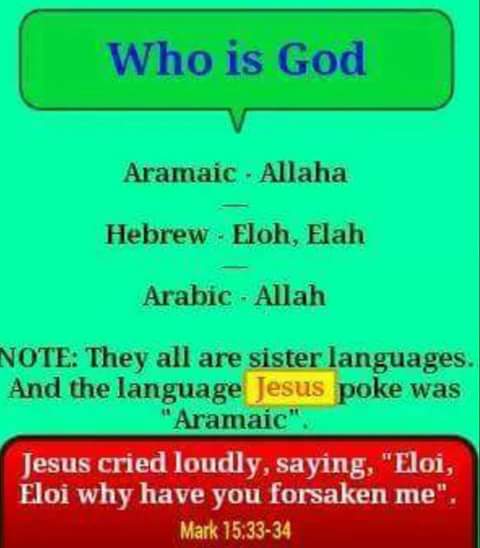
... 
|
| Christianity Etc › Re: Contradictions On The Death Account Of Judas In Bible by DeathStroke007(op): 10:13am On Mar 20, 2016 |
Contradictions about Jesus crucifixion and Judas death.. ..
This Bible xef |
| Christianity Etc › Re: Contradictions On The Death Account Of Judas In Bible by DeathStroke007(op): 10:12am On Mar 20, 2016 |
With the reward he got for his wickedness, Judas bought a field; there he fell headlong, his body burst open and all his intestines spilled out. Everyone in Jerusalem heard about this, so they called that field in their language Akeldama, that is, Field of Blood.) Acts 1:18 The Gospel of Matthew records that Judas hanged himself, and he obviously died as the result of choking. There is no verse that says “Judas fell to the ground below and his bowels gushed out”. To the contrary, the ‘Acts’ does not say Judas hanged himself, he “fell headlong and his bowels gushed open”, a glaring contradiction. Here is the Christian explanation: There is no contradiction here at all because both are true. A contradiction occurs when one statement excludes the possibility of another. In fact, what happened here is that Judas went and hung himself and then his body later fell down and split open. In other words, the rope or branch of the tree probably broke due to the weight and his body fell down and his bowels spilled out. http://www.carm.org/diff/Matt27_3.htm Here is why the explanation fails to work. The “field of blood” or “Potter’s field” does not exist in Matthew; Acts does not mention any “rocks”, but merely a field Judas purchased. Why would Judas hang himself on a cliff? Also, Judas’s body never fell downward but “headlong”, which means forward. Judas was alive before his “bowels gushed open”, he must’ve been murdered. Several problems arise from the Christian explanation. Judas never dropped from a high place, the passage does not record any mountain cliff. Matthew says Judas returned the silver, and hanged himself. Acts says he bought a field and “fell headlong”, showing that he never fell down from a cliff. The Acts gives the implication that Judas was thrown ahead, and the impact was so hard that his bowels burst open. There is no evidence that Judas fell vertically, only horizontally (forward), so the Christian explanation does not work. Here is another problem, the 30 pieces of silver, Acts says he used the silver to buy a field (where he died), but Matthew says he returned the silver to the chief priests, and hanged himself. There is no purchase of any field, so he obviously never died, except by hanging (Matt. 27:5-6). There is no reference to a cliff, Judas probably hanged himself in seclusion, and his body was found by his relatives. What are the chances that Judas’ body fell from the ropes to the field below? According to Matthew, Judas never bought any field! The Gospel of Matthew says the chief priests bought the Potter’s field after Judas was dead (Matt. 27:7-  , yet the Book of Acts says that Judas himself bought the field and died therein (Acts 1:8-9). If Judas fell from the ropes to the rocks below, he never fell headlong! How can you fall headlong from hanging? This is ridiculous, the legs crashed to the ground first, Judas never fell headlong. The Church father Papias contradicts both Matthew and Acts by claiming Judas was crushed by horses! Judas walked about in this world a sad example of impiety; for his body having swollen to such an extent that he could not pass where a chariot could pass easily, he was crushed by the chariot, so that his bowels gushed out. (Fragments of Papias, (online Source) This passage is derived from Papias’s writing “Exegesis of the Sayings of the Lord”, only fragments remain. The Papias testimony cannot be harmonized with Matthew, yet Christians argue that horses crushed Judas’ body when he was already dead (Acts 1:18). Yet the passage clearly teaches that Judas was alive when the horses crushed him. Why was Judas’s body swollen? It’s possible that Judas committed suicide by letting the horses crush him, causing his bowels to burst open. This contradicts both Matthew and Acts, the former says Judas hanged himself; the latter says he fell “headlong” into a field. Yet the bishop Papias says Judas was crushed by horses! The discrepancy can never be resolved. |
| Christianity Etc › Re: Contradictions On The Death Account Of Judas In Bible by DeathStroke007(op): 10:11am On Mar 20, 2016 |
There are two passages in the NT about Judas’ death, the Gospel of Matthew and Acts of the Apostles. Both scriptures are unreliable for many reasons, the Gospel of Matthew was written decades after Jesus’ departure. There is no reference to Matthew’s gospel by name until 200 CE. The Church father Irenaeus was the first to mention the Gospels by name, and to confirm the existence of Acts. The ‘Acts’ was composed in the 2nd century, yet Christian apologist Justin Martyr (d. 150 CE) fails to mention the Acts. We have good reason to doubt the Gospel of Matthew and Acts, they are late productions based on earlier sources, belonging to the Pauline Church. In fact, the entire New Testament was written under the influence of Paul. The Jewish Christian canon was destroyed; the Hebrew gospels were consigned to the flames. Matthew borrowed from Mark; Luke borrowed from both Mark and Matthew. The Acts borrowed from the writings of Josephus, and plagiarized stories from the Old Testament (Acts 11:8, Ezekiel 4:14).
IF Luke is the author of Acts, he confessed to plagiarizing the material before him (Luke 1:3), pretending to be an historian. The Acts was selected from a table of forgeries, the Acts of Peter, Acts of Paul, and apocryphal documents. How do we know the four Gospels are not also forgeries? It must be noted that many books were accepted by the early Church, e.g. The Shepherd of Hermas, Epistle of Barnabas, Gospel of Peter, etc. The four Gospels may well be forged, because the Church selected them off a table of other forgeries. The early Church destroyed the ‘Gospel of Hebrews’ which was the source of Matthew’s gospel.
Very few Christians can explain the glaring contradiction between Matthew and Acts, the death of Judas and its contextual background. History is completely silent on this matter; the Apostolic Church fathers (Ignatius, Clement, Papias, Polycarp) do not mention Judas’ death, so the New Testament is the only source of evidence. Needless to say, the Gospels of Mark, Luke and John omit the death of Judas. The Gospel of Matthew (90 CE) says that Judas returned the 30 pieces of silver and hanged himself. Here is the specific passage we are alluding to:
So Judas threw the money into the temple and left. Then he went away and hanged himself. The chief priests picked up the coins and said, "It is against the law to put this into the treasury, since it is blood money." (Matthew 27:5-6)
The passage is clear, the betrayer Judas felt guilty for betraying the ‘Master’, he eventually committed suicide by hanging. According to logic and reason, hanging causes immediate death by strangulation. Christians argue that Judas did not die from hanging, he survived the hanging and fell down to the rocks below, and his bowels “burst open” on the field (Acts 1:18). The explanation to this contradiction fails for legitimate reasons. The solution is not supported by Scripture, both Matthew and Acts are separate productions of different areas. The early Church believed Matthew was the first gospel, but today scholars agree that Mark is the first gospel. The Acts was composed much later, Christians are desperate to solve the contradiction by harmonization, yet the Gospel of Matthew is Jewish and the Acts is primarily Gentile, both scriptures couldn’t have been authored by the same person, the authors did not know each other. Similarly, the four Gospel writers composed the biographies of Jesus separately, they borrowed from each other, but they did not know each other. It seems Mark and Matthew is primarily Jewish; Luke and John are intended for Gentile audiences. The Book of Acts was allegedly written by Luke (the disciple of Paul), and he never met Jesus or Matthew. How do we know Matthew is reliable? It’s the only gospel to record the death of Judas; Acts is unreliable because it contradicts Luke on Jesus’ ascension (Luke 24:51, Acts 1:9). |
| Christianity Etc › Re: Contradictions On The Death Account Of Judas In Bible by DeathStroke007(op): 10:08am On Mar 20, 2016 |
Did Judas Iscariot die by hanging (Matthew 27:5) or did he die by falling and bursting open (Acts 1:18)?
The relevant passages are:
Matthew 27:5
Then he threw down the pieces of silver in the temple and departed, and went and hanged himself.
Acts 1:18
Now this man purchased a field with the wages of iniquity; and falling headlong he burst open in the middle and all his entrails gushed out. |
| Christianity Etc › Contradictions On The Death Account Of Judas In Bible by DeathStroke007(op): 10:06am On Mar 20, 2016 |
Mathew 27:5
Act 1:18 |
| TV/Movies › Suicide Squad by DeathStroke007(op): 9:54am On Mar 20, 2016 |
Tired waiting for this movie |
| Christianity Etc › Re: Lies About Muslims Converting To Christianity by DeathStroke007(op): 9:39am On Mar 20, 2016 |
True 
|
| Jokes Etc › When You Are In Bathroom And You Hear Your Wife Is At Hotel With Another Man by DeathStroke007(op): 9:38am On Mar 20, 2016 |
..lol 
|
| Christianity Etc › Re: Lies About Muslims Converting To Christianity by DeathStroke007(op): 9:29am On Mar 20, 2016 |
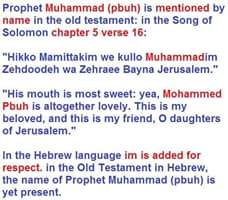
....... 



|
| Christianity Etc › Re: Lies About Muslims Converting To Christianity by DeathStroke007(op): 9:25am On Mar 20, 2016 |
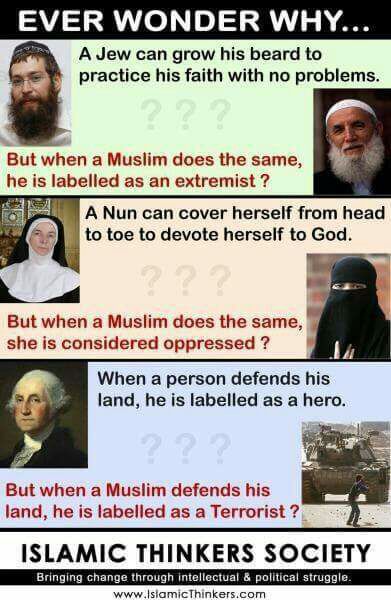
........ 
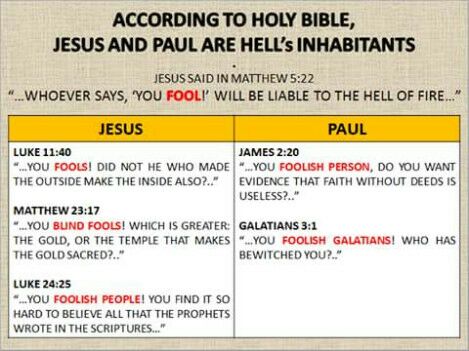
|
| Christianity Etc › Re: Lies About Muslims Converting To Christianity by DeathStroke007(op): 9:22am On Mar 20, 2016 |
Mmmm... 

|
| Christianity Etc › Re: Lies About Muslims Converting To Christianity by DeathStroke007(op): 9:19am On Mar 20, 2016 |
Hm 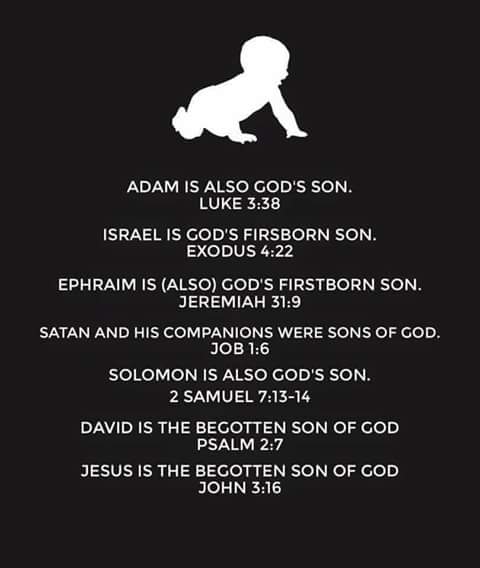



|


