MisterG's Posts
Nairaland Forum › MisterG's Profile › MisterG's Posts
1 2 3 4 5 6 7 8 9 (of 9 pages)
 Fashion › Re: Beautiful People Of Fiji by MisterG(op): 9:55pm On Aug 29, 2012 Fashion › Re: Beautiful People Of Fiji by MisterG(op): 9:55pm On Aug 29, 2012 |
| Fashion › Re: Beautiful People Of Fiji by MisterG(op): 9:41pm On Aug 29, 2012 |
Mrs.Chima:I am glad you like this thread.  https://data.whicdn.com/images/9914818/2010-10-23.06-09-28.63645-1D_large.jpg https://www.fijiwater.com/wp-content/uploads/2011/10/fiji-fashion-week-2011-400x300.jpg |
| Fashion › Re: Beautiful People Of Fiji by MisterG(op): 9:33pm On Aug 29, 2012 |
Beautiful Fijians
|
| Fashion › Re: Beautiful People Of Fiji by MisterG(op): 3:13pm On Aug 29, 2012 |
Faces of Fiji
|
| Fashion › Re: Beautiful People Of Fiji by MisterG(op): 3:04pm On Aug 29, 2012 |
faces of fiji
|
| Fashion › Re: Beautiful People Of Fiji by MisterG(op): 2:34pm On Aug 29, 2012 |
fiji
|
| Fashion › Re: Beautiful People Of Fiji by MisterG(op): 2:20pm On Aug 29, 2012 |
beautiful faces of Fiji
|
| Fashion › Beautiful People Of Fiji by MisterG(op): 2:16pm On Aug 29, 2012 |
I will include both women, men and children on this thread. Lets have a Luau https://www.fijitimes.com/images/artpics/124004.jpg https://www.londonpacificfashion.org/images/lenora-qereqeretabua2.jpg [img]http://republicaamalgama.files./2011/12/miss-south-pacific-2011-miss-fiji-alisi-rabukawaqa.jpg[/img] https://www.fijitimes.com/images/artpics/153801.jpg https://photos.divepeak.com/cache/2010/2010-09/2010-09_07%2520Sera/20100929_173705_4685_w387_h580.jpg [img]http://4.bp..com/-VNP87RdPagk/Td-JDKq3PfI/AAAAAAAACFc/w-pa4Bo-rvc/s1600/Buadromo_with_S.JPG[/img] https://www.fijitimes.com/images/artpics/126260.jpg https://www.justpacific.com/fiji/fijiphotos/cards/fijians/people/man-w%27ka.jpg |
| Culture › Re: Ethiopia-the Birth Of Nations-the Origin Of The Green, Yellow And Red Flag! by MisterG: 4:58am On Aug 25, 2012 |
PhysicsQED: We agree on the part in bold.I agree with that bold statement. Again Egypt main concern with Africa is the Nile River, other than that she really don't care much about Africa, with the exception of Northern Sudan due to the historic and ethnic connection. Even that relationship is not always a rosy one or a relationship of equals. |
| Culture › Re: Phenotype Guess Game by MisterG: 4:41am On Aug 25, 2012 |
Here is a interesting link or website, that deal with Biodiversity, and this particular thread is about the Fulani, and posted by a Fulani himself. The photograph is of village people and those that dwell in urban areas. http://www.forumbiodiversity.com/showthread.php/32148-Everything-Fulani |
| Culture › Re: Ethiopia-the Birth Of Nations-the Origin Of The Green, Yellow And Red Flag! by MisterG: 4:30am On Aug 25, 2012 |
onila: Nigeria is the best peacekeeping country in AfricaActually Egypt along with Ethiopia sent peace keeping troops in Sudan(Darfur) as well. Sending peace keeping troops is not really saying much. http://www.sudantribune.com/Egypt-to-deploy-2100-peacekeepers,23918 |
| Culture › Re: Ethiopia-the Birth Of Nations-the Origin Of The Green, Yellow And Red Flag! by MisterG: 4:22am On Aug 25, 2012 |
MsDarkSkin: Yeah because apparently Ethiopia wants to have a monopoly over the usage of the Nile River.I really hope it don't come to that, and that cooler heads will prevail. However i believe what you saying is correct, but i am still optimistic, since Egypt have a somewhat new government. 1 Like |
| Culture › Re: Ethiopia-the Birth Of Nations-the Origin Of The Green, Yellow And Red Flag! by MisterG: 4:15am On Aug 25, 2012 |
PhysicsQED: What does the Egyptian army do in Africa?Not much in Africa per se, but mostly her area of influence mainly the Sudan both positive and negative, and areas pertaining to the nile river which is her main concern and bread and butter, if you |
| Culture › Re: Ethiopia-the Birth Of Nations-the Origin Of The Green, Yellow And Red Flag! by MisterG: 4:02am On Aug 25, 2012 |
MsDarkSkin: I think an AA 12 step program is the only solution.i like that. 1 Like |
| Culture › Re: Ethiopia-the Birth Of Nations-the Origin Of The Green, Yellow And Red Flag! by MisterG: 4:00am On Aug 25, 2012 |
MsDarkSkin: lol that's what I am saying.Actually Ethiopia is leading the challenge along with Kenya, Rwanda, Uganda against Egypt and Northern Sudan, in regards to sharing of the Nile river. In other words, there could be war brewing in the future between the respective countries. raig Eisele on ….. February 1, 2012 Egypt and Ethiopia Move Closer to War Over Nile River Water Filed under: Development,Egypt,Ehtipoia,energy,hydro,hydroelectric,Kenya,Nile River,Political,Politics,riparian States,UN,Uncategorized,water,Water Wars — Mr. Craig @ 3:27 am Tags: Egypt, Ethiopia, Jay Menon, Nile, NILE RIVER, Riparian, River, WAR, Water, Water War Ethiopia’s prime minister has rejected a threat by Egypt to prevent the building of dams and other water projects upstream on the Nile river. Meles Zenawi told Al Jazeera on Wednesday that Egypt will not be able to stop his country from building dams on the river. His comments came nearly a week after Ethiopia joined Uganda, Rwanda and Tanzania in signing a new treaty on the equitable sharing of the Nile, despite strong opposition from Egypt and Sudan who have the major share of the river waters. The Nile flows through 10 African nations, but the distribution of its waters among each Nile basin country has long been a source of tension in the region. Historic agreements have given Egypt and Sudan veto power over upstream projects that could affect the flow of water. But the agreement signed last week by four of the Nile Basin countries marked the creation of a new commission to manage the water. Kenya, Burundi and the Democratic Republic of Congo are expected to sign within a year. ‘Old-fashioned ideas’ Egypt has warned that the agreement lacks legitimacy. But Zenawi told Al Jazeera’s Andrew Simmons that Egypt’s approach is out of date.”Some people in Egypt have old-fashioned ideas based on the assumption that the Nile water belongs to Egypt, and that Egypt has a right to decide who gets what, and that the upper [Nile basin] countries are unable to use the Nile water because they will be unstable and they will be poor,” he said. “These circumstances have changed and changed forever. “Ethiopia is not unstable. Ethiopia is still poor, but it is able to cover the necessary resources to build whatever infrastructure and dams it wants on the Nile water.” The upstream countries want to be able to implement irrigation and hydro-power projects in consultation with Egypt and Sudan, but without Egypt being able to exercise the veto power it was given by a 1929 colonial-era treaty with Britain. Legal action threatened Egypt, however, has warned that Cairo’s water rights are a “red line” and it threatened legal action if a unilateral deal was reached. But Zenawi dismissed the warning, saying it would not solve the dispute at hand. “The way forward is not for Egypt to try and stop the unstoppable. The way forward is to seek a win-win solution through diplomatic efforts,” he said. Al Jazeera’s Amr El Kahky, reporting from Cairo, said Egyptian government officials said such statements undermine the spirit of co-operation between the Nile Basin Initiative countries. “A government official told me that Egypt does not oppose the development of these countries,” he said. “But at the end of the day, Egypt does not want to see the flow of the Nile and the water share of the Nile being hindered or reduced.” Water supply fears The new agreement, the Nile Basin Co-operative Framework, is to replace a 1959 accord between Egypt and Sudan that gave them control of more than 90 per cent of the water flow. The two countries have expressed fears that their water supply would be severely reduced if the seven other Nile users divert the river with domestic irrigation and hydro-power projects. The Nile Basin Initiative, which had been spearheading the talks, will now become the Nile Basin Commission and will receive, review and approve or reject projects related to Africa’s longest river. The commission will be based in Addis Ababa, Ethiopia’s capital, and have representation from all nine Nile Basin countries.(Aljazeera) https://craigeisele./2012/02/01/egypt-and-ethiopia-move-closer-to-war-over-nile-river-water/ AT the end of the day hopefully cool head will prevail, and a agreement can be reached without resorting to war. |
| Culture › Re: Ethiopia-the Birth Of Nations-the Origin Of The Green, Yellow And Red Flag! by MisterG: 3:57am On Aug 25, 2012 |
MsDarkSkin: She wasI know i was bringing her to reality. LOL 1 Like |
| Culture › Re: Ethiopia-the Birth Of Nations-the Origin Of The Green, Yellow And Red Flag! by MisterG: 3:55am On Aug 25, 2012 |
onila: what has ethiopia military done for AfricaActually Egypt is the most important army in Africa, followed by South Africa. Lets be real about it! Egypt could take out Nigeria without any problem, if it was in its interest. LOL |
| Culture › Re: Ethiopia-the Birth Of Nations-the Origin Of The Green, Yellow And Red Flag! by MisterG: 3:52am On Aug 25, 2012 |
MsDarkSkin:I am assuming Ethiopia along with Egypt get a great deal of U.S support, hence being the most well equip military on the African Continent along with South Africa. It is what it is 1 Like |
| Culture › Re: Ethiopia-the Birth Of Nations-the Origin Of The Green, Yellow And Red Flag! by MisterG: 3:19am On Aug 25, 2012 |
@bittyend You are right, Ethiopia is ahead of Nigeria in regards to military ranking. However i highest ranking military on the African Continent is of course Egypt followed by South Africa. http://www.globalfirepower.com/ 1) United States 2) Russia 3) China 4) India 5) UK 6) Turkey 7) South Korea  France France9) Japan 10) Israel 11) Brazil 12) Iran 13) Germany 14) Taiwan 15) Pakistan 16) Egypt 17) Italy 18) Indonesia 19) Thailand 20) Ukraine 21) Poland 22) North Korea 23) Philippines 24) Australia 25) Canada 26) Saudi Arabia 27) Malaysia 28) Sweden 29) Spain 30) Mexico 31) South Africa 32) Argentina 33) Greece 34) Switzerland 35) Syria 36) Iraq 37) Finland 38) Algeria 39) Libya 40) Norway 41) Singapore 42) Denmark 43) Jordan 44) Ethiopia 45) Chile 46) Portugal 47) Venezuela 48) Yemen 49) Belgium 50) Georgia 51) Afghanistan 52) Lebanon 53) Kuwait 54) Nepal 55) Qatar No other African country is on the list beside three. |
| Culture › Re: Ethnic Groups Of Africa---- Let's Embrace Our Diversity. by MisterG: 7:02pm On Jul 22, 2012*. Modified: 10:59pm On Jul 22, 2012 |
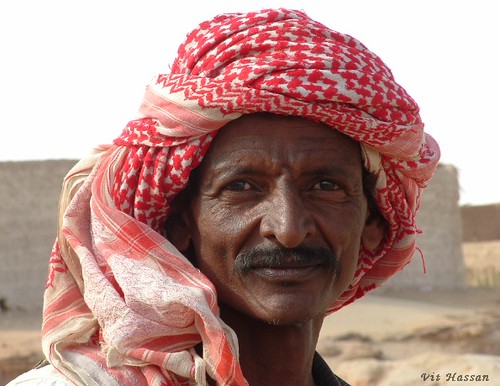
The Manasir people (Arabic: المناصير) constitute one of many Sunni Arab riverine tribes of Northern Sudan. They are not to be confused with the Al Manaseer of the Gulf region in the Arabian Peninsula based mainly in the United Arab Emirates. They inhabit the region of the Fourth Cataract of the Nile and call their homeland Dar al-Manasir. Similar to their neighbouring tribes, the upstream Rubatab (الرباطاب) and the downstream Shaiqiyah (الشايقيّة), the Manasir are indigenous nile culture who adapted Islam and became Arabic speakers. Unlike other riverain tribes of the Sudan a considerable part of their population actually lives as Bedouins in the adjacent Bayudah Desert. The nomadic life of herding their stock of goats, sheep and camels in desert valleys is however limited for many to the rainy season, coinciding with the annual inundation of the Nile. Origin Similar to other Arab tribes, the people trace their origins back to one historical ancestor. According to the current oral tradition of many Manasir this person is called Mansur and belongs to the line of descendants of al-'Abbas, the uncle of Muhammad. According to their self presentation in a recent publication by a committee of Manasir responsible for relocation issues resulting from the Merowe Dam, which is going to affect all villages of Dar al-Manasir, multiple explanations of their origin are offered (LAGNAH 2005:2): The Manasir living in Gezira claim that their apical forefather is called Mansur bin Qahtan (منصور بن قحطان), belonging to the Southern Arabs called Qahtaniin (القحطانيين). Some historians (sources not mentioned) trace the origin of the Manasir back to the Kawahla (الكواهلة), saying that they are sons of Mansur bin 'Aim (منصور بن عايم). Other historians (sources not mentioned) insist that they are the descendants of a group of cousins from a Shaiqi clan called al-Hankab (الحنكاب), who had to migrate after internal fights. According to the last opinion Mansur is a direct descendant of King Sabir (الملك صبير). It might be worth mentioning that earlier travellers witnessed Beja and Bisharin influences from the Red Sea Hills among the Manasir (INNES 1931:187). Strong similarities of their burial customs with that of the Nubians can still be observed (cf. CAVENDISH 1966, Local beliefs among the Manasir). Critical research suggests that the current Manasir community should be viewed as a voluntary amalgamation throughout the centuries between indigenous mostly Nubian groups, descendants of emigrating Arabs and recruited tribal minorities living among them or in the adjoining areas. By recognizing a common genealogical pedigree, all members of the tribe establish a system of mutual respect, rights and obligations, thereby uniting themselves in their claims for land and other resources against neighbouring tribes. Varying detailed charts of their genealogy can be studied in SALIH (1999:20) and TAIYEB (1969:between 4-5). The current Manasir clans are divided into Riverain Manasir (Manasir al-Nil, مناصير النيل) and Bedouin Manasir (Manasir al-Badiyah, مناصير البادية), (cf. TAIYEB 1969:2). Manasir al-Nil: al-Wahabab (الوهاب), al-Suleimaniyah (السليمانية), al-Kabanah (الكبانة), al-Diqeisab (الدقيساب), al-Hamsab (الهامزاب), al-Ga'al (الجعل), al-'Ababsah (العبابسة), al-Farei'ab (الفريعاب) [Rubatab], al-Hamdatiab (الحمدتياب) [Shaiqi] and al-'Amasib (العماسيب). Manasir al-Badiyah: sharing the grazing grounds of Abisba' (ابسباع) and Sani (سانى) are al-Khabra (الخبرا), al-Hamamir (الحمامير), al-Muleikab (المليكاب) and al-Kagbab (الكجباب). During the dry season some clans migrate to the desert area of the Kababish tribe to the west (Khala' Kabushiyah, خلاء كبوشية) others to the grazing grounds of Wad Hamid (بادية ود حامد) in the Ga'ali Country (الجعليين) or to the Rubatab (الرباطاب) Country. https://farm1.staticflickr.com/45/131253522_54f48538b6.jpg [img]http://farm1.static.flickr.com/30/41466814_27b33b4d74.jpg[/img https://www.darg3l.com/uploaded/1_1222153227.jpg https://farm1.static.flickr.com/32/41462693_c9f8f72722.jpg https://farm1.static.flickr.com/24/41484523_6a4752237c.jpg https://farm1.staticflickr.com/27/41652826_13aeabacf5_z.jpg https://upload.wikimedia.org/wikipedia/commons/thumb/3/35/Vertical_shilukh.jpg/1280px-Vertical_shilukh.jpg https://farm1.staticflickr.com/27/41460487_5bb54d029f_z.jpg https://farm1.staticflickr.com/33/41468489_78461ff5e0_z.jpg https://static.flickr.com/117/269446482_ac205ecbb8.jpg https://farm1.static.flickr.com/30/41466814_27b33b4d74.jpg https://farm1.static.flickr.com/28/41696815_df7fcd2e1e.jpg https://farm1.staticflickr.com/31/41460948_220f974628_z.jpg https://farm1.staticflickr.com/22/41606499_0c678262e1_z.jpg https://farm1.static.flickr.com/25/41486462_f82b4645da.jpg https://farm1.static.flickr.com/22/41477285_1fd01fa6eb.jpg https://farm1.static.flickr.com/24/42219658_e0110b14f5.jpg https://farm1.static.flickr.com/25/42367516_5e9831dc4f.jpg https://farm1.static.flickr.com/30/41689804_a4bcbcc8d8.jpg https://farm4.static.flickr.com/3563/3496650751_ee5fc50616.jpg |
| Culture › Re: Ethnic Groups Of Africa---- Let's Embrace Our Diversity. by MisterG: 6:28pm On Jul 22, 2012 |
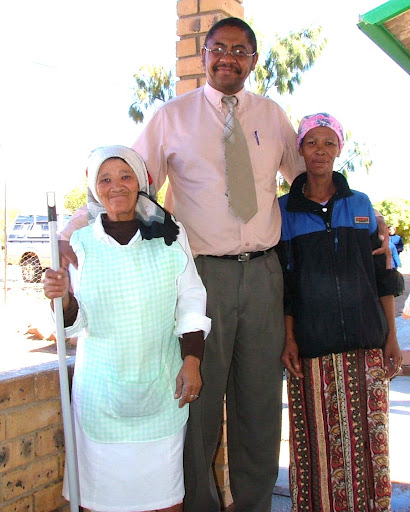
Nama (in older sources also called Namaqua) are an African ethnic group of South Africa, Namibia and Botswana. They traditionally speak the Nama language of the Khoe-Kwadi (Central Khoisan) language family, although many Nama also speak Afrikaans. The Nama are the largest group of the Khoikhoi people, most of whom have largely disappeared as a group, except for the Namas. Many of the Nama clans live in Central Namibia and the other smaller groups lives Namaqualand, which today straddles the Namibian border with South Africa. https://lh4.ggpht.com/_roGSgwu9GE4/RkaXresQ_fI/AAAAAAAACT4/3wohD8ISbz4/DSCF8223.JPG https://img2.photographersdirect.com/img/12366/wm/pd329902.jpg https://www.gttp.org/html/casestudies/2002/southafrica/reseach%20files_files/image011.jpg https://myfundi.co.za/eng/images/0/04/Img03674.jpg https://namibia-hoodia.com/img/Story%20Nama%20Khoi.jpg https://www.outdoorphoto.co.za/gallery/data/522/Nama_Ladies.JPG [img]http://www.venturepublications.com.na/ezines/2012/NHT/files/assets/seo/page57_images/0001.jpg[/img] [img]http://www.forgottenpeoples.info/images/elderly_lady_2.jpg[/img] https://lh6.ggpht.com/-bWOvxRlLRMY/T3yf096eMuI/AAAAAAAAHeo/L-riAb3Fk0Q/DSCN55313.jpg https://www.newafricanfrontiers.com/images/zoom/nama_134_3435.jpg |
| Culture › Re: Ethnic Groups Of Africa---- Let's Embrace Our Diversity. by MisterG: 4:54pm On Jul 21, 2012*. Modified: 11:23pm On Jul 21, 2012 |
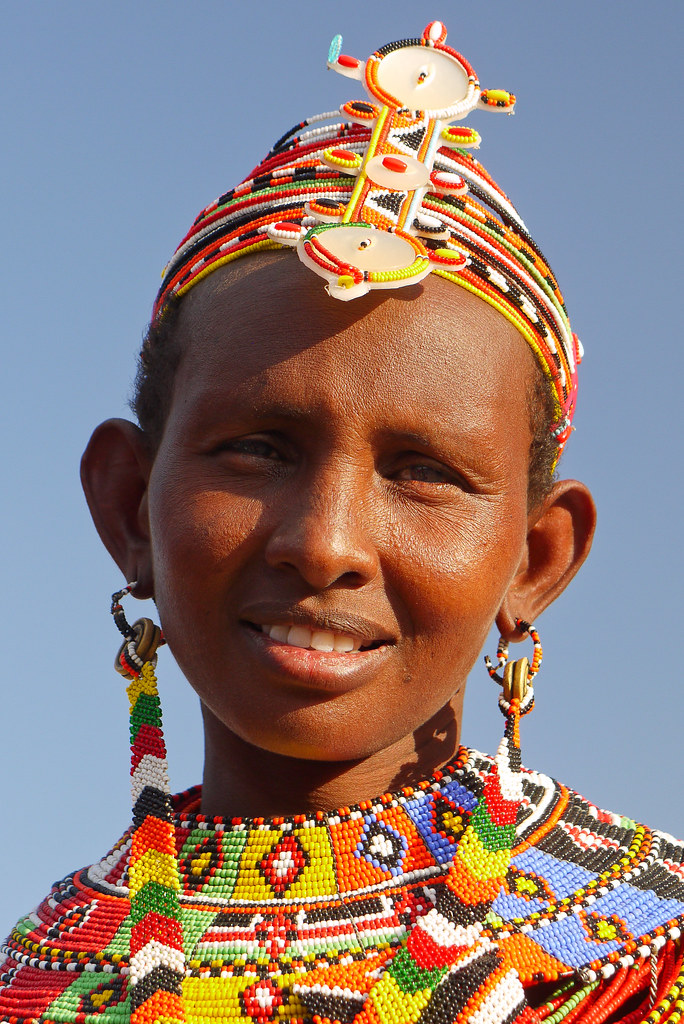
Rendille Tribe in Kenya ) are a Cushitic-speaking ethnic group inhabiting the northern Eastern Province of Kenya. The ethnonym Rendille translates as "Holders of the Stick of God".[2] [edit]Overview The Rendille are believed to have originally migrated down into the Great Lakes area from Ethiopia in the more northerly Horn region, following southward population expansions by the Oromo and later the Somali.[2] Traditionally, they are nomadic pastoralists, tending camels, sheep, goats and cattle.[1] The camels are generally kept in the northern part of their territory and the cattle in the southern section.[2] The first ethnological study of the Rendille was published at the turn of the 20th century by William A. Chanler. It described the unmixed Rendille that his party encountered as tall, slender and reddish-brown in complexion, with soft, straight hair and narrow facial features.[3] Chanler additionally remarked that many of the Rendille possessed "fierce" blue eyes,[3] a physical peculiarity that was also later noted by Augustus Henry Keane (1900),[4] John Scott Keltie (1904)[5] and John Henry Patterson (1909).[6] [edit]Distribution According to Ethnologue, there were approximately 34,700 Rendille speakers in 2006.[1] Most are concentrated in the Kaisut Desert and Mount Marsabit in the Marsabit District of Kenya's northern Eastern Province.[2][1] [edit]Language The Rendille speak the Rendille language (also known as Rendile or Randile) as a mother tongue. It belongs to the Cushitic branch of the Afro-Asiatic family.[1] Some Rendille also use English or Swahili as working languages for communication with other populations.[1][2] The Ariaal sub-group of the Rendille, who are of mixed Nilotic and Cushitic descent, speak the Nilo-Saharan Samburu language of the Samburu Nilotes with whom they cohabit https://farm4.staticflickr.com/3033/5828926196_b58e612438_z.jpg https://farm3.static.flickr.com/2563/3769697568_37e9b0e564.jpg https://farm7.staticflickr.com/6187/6061511893_5e5f110a8d_z.jpg https://kisimatouring.com/wp-content/uploads/2011/05/tumblr_ldyu5sR58P1qbrimro1_400.jpg https://farm7.staticflickr.com/6192/6069041224_69c1f16ea0_z.jpg [email]http://farm3.staticflickr.com/2611/3735578345_16a3c0ced4_z.jpg[/email] [img]http://3.bp..com/_0K4EsVllX90/TTRkbzoRzYI/AAAAAAAAAkU/6xXbT1aCNrw/s1600/William%2BRoberts%2B2010-05-25%2B18-12-06.jpg[/img] https://farm7.staticflickr.com/6136/5997688600_f7ab9b86d3_b.jpg https://farm7.staticflickr.com/6061/6060763607_52dcc52195_b.jpg https://i989.photobucket.com/albums/af18/oditous2/Africa/3436656517_a63b8669d1_o.jpg https://farm4.staticflickr.com/3427/3829822124_75a6afcef7_z.jpg?zz=1 https://img171.imageshack.us/img171/7606/page132l.jpg https://farm3.staticflickr.com/2611/3735578345_16a3c0ced4_z.jpg https://farm8.staticflickr.com/7057/6848191838_4047ec666c_z.jpg She is a settled Rendille. |