MisterG's Posts
Nairaland Forum › MisterG's Profile › MisterG's Posts
1 2 3 4 5 6 7 8 9 (of 9 pages)
 Culture › Re: Ile-ife - The Cradle Of Yoruba Race, Fact, Myth And Belief by MisterG: 12:29pm On Aug 25, 2015 Culture › Re: Ile-ife - The Cradle Of Yoruba Race, Fact, Myth And Belief by MisterG: 12:29pm On Aug 25, 2015 |
macof:Brothers of humanity yes, since all humans on earth is basically related or 50 cousins away from each other. When living in Sudan did i hear anything about Ijebu people. No Most people do not know anything about Nigeria besides footballers. However if you want to draw connection, some of the languages in the South Kordofan are of the Niger-Congo family. Other than that, no one in Sudan knows the Ijebu people. Most people in Sudan are more knowledgeable of their neighbors Egyptian, Ethiopians, Eritreans, South Sudanese now different country, Chadians etc. Nigeria is further from people minds, since we do not border you. |
| Culture › Re: Ile-ife - The Cradle Of Yoruba Race, Fact, Myth And Belief by MisterG: 9:06pm On Aug 24, 2015 |
macof:So all of them look like south westerners to you? LOL |
| Culture › Re: Ijebus Are Not Yoruba !!! by MisterG: 6:50pm On Aug 24, 2015 |
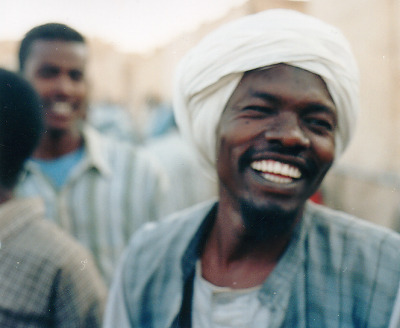
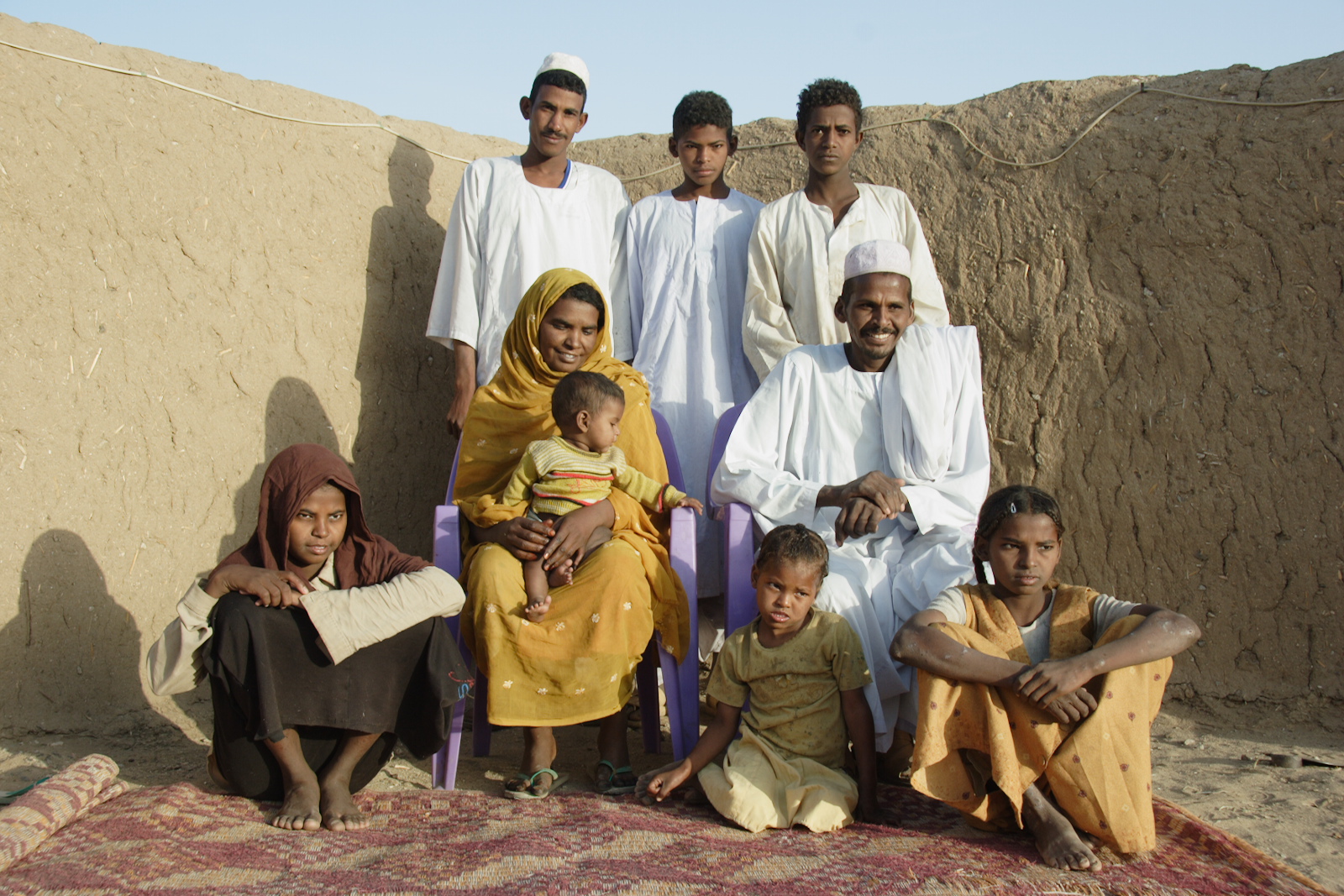
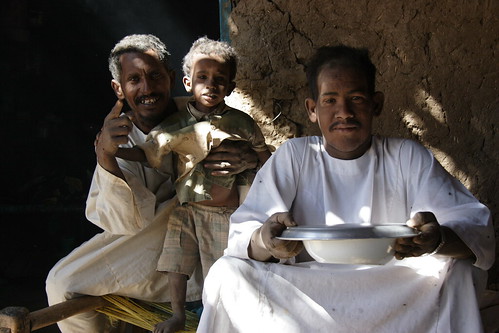
scholes0:The problem with your theory, you have not pointed to anything that is historically accurate, in regards to large migration of Arabs in the country. As a Eritrean that lived in Sudan, i can tell the guy is from Darfur. He could be Nubian, but he would be an outlayer of the nubian population, because the majority look like this https://www.youtube.com/watch?v=I-Ip7qKX3ms Nubian village North Sudan. My point, Yoruba people are definitely not from the Nile Valley peoples of Sudan, maybe South Kordofan or Darfur, but certainly not North or Eastern Sudan. |
| Culture › Re: Ijebus Are Not Yoruba !!! by MisterG: 5:48pm On Aug 24, 2015 |
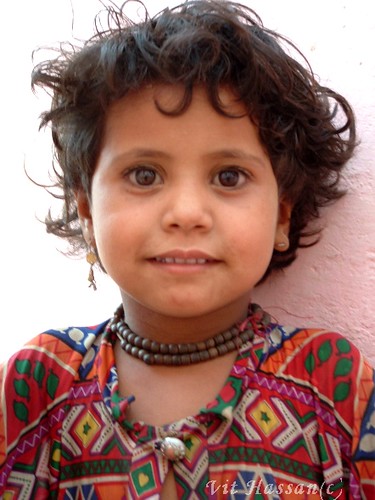
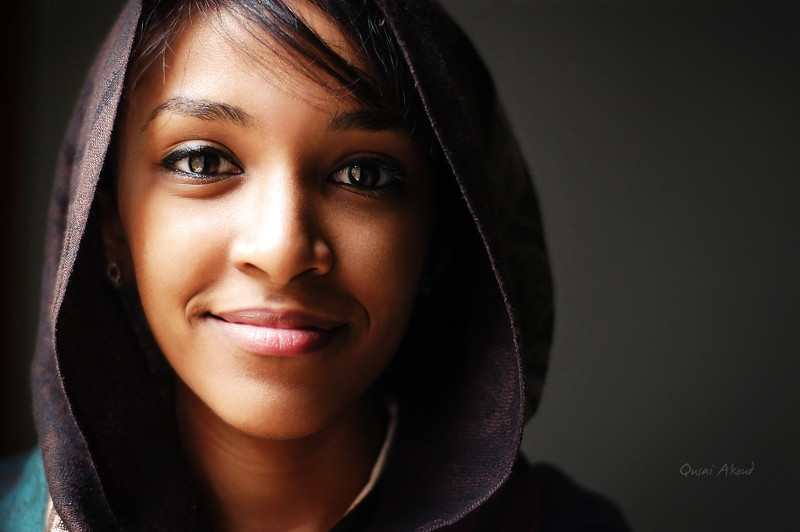
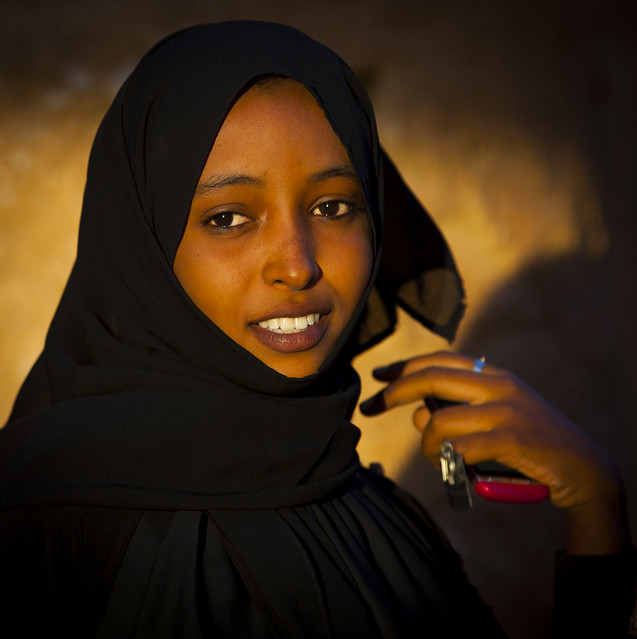
scholes0:The girl is from the Rashaida tribe which is a recent tribe that arrived to Eritrea and Sudan during the 18th century, who i am familiar with. The first guy you posted is obviously from Darfur, who is genetically link to West Africans. The guy wearing jallabiyas is from the Shaigiya, but you have not answer the other question above. I will say this and not going to further arguments. Sudan is basically the fault-line of various different people on the Continent. It borders Egypt, so you will have Egyptian looking people there, Eritrean and Ethiopian which mean you have many that look horners, Chad which means we have many people that look like Chadians, South Sudan etc. [img]http://sites.duke.edu/stefanijones/files/2011/12/Map-of-Sudan-UN.jpg[/img] It is very different from the Nigerian reality. |
| Culture › Re: Ijebus Are Not Yoruba !!! by MisterG: 5:20pm On Aug 24, 2015 |
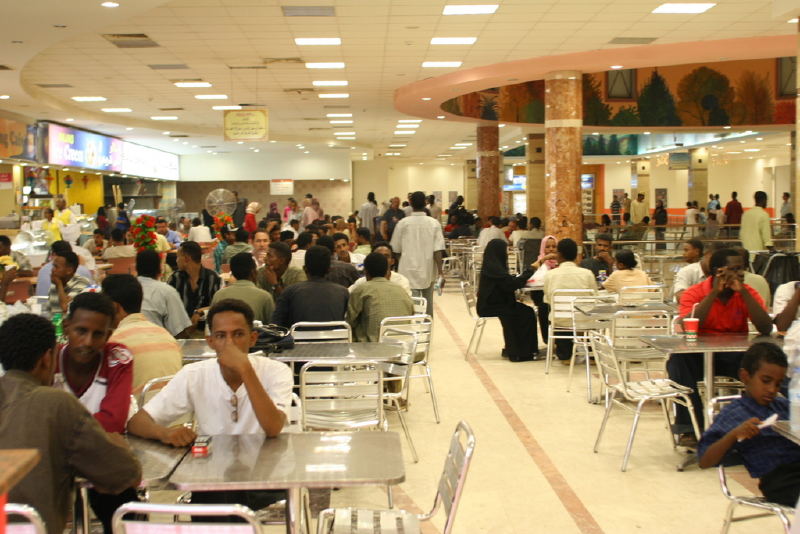
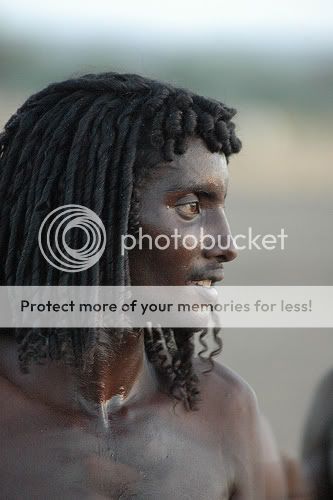
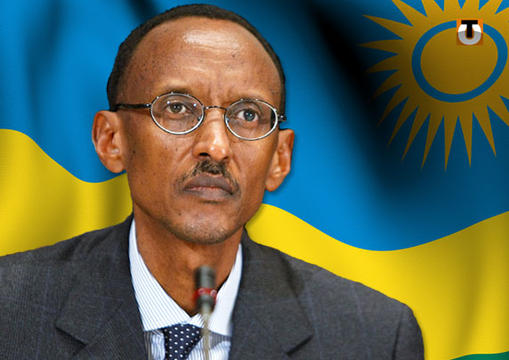
scholes0:What is so mixed about Omar Bashir? Can you explain this picture of the Christian period of their country? www.nairaland.com/attachments/498527_RW006433_jpg1ca630f9c0780cf42cec49ac9603570f and this is before the islamic period. All Africans do not subscribe to the West African phenotype? [img]http://sudanembassy.com.pk/ar/wp-content/uploads/2014/10/Afra-mool.jpg[/img] A good example is this. This is a mall in Khartoum Sudan above, majority of Northern Sudanese, if you put the Afar tribes men here, and dress him in modern clothes, you will not be able to see a huge difference. Afar tribesman Ethiopia https://i204.photobucket.com/albums/bb178/beyoku/2915106834_a8f1b9e1e7.jpg Nor the Rwandan President, who happen to be Tutsi https://thyblackman.com/wp-content/uploads/2015/07/Kagame-Paul-2015.jpg and Eritreans [img]http://4.bp..com/-VjEotLp6EUQ/UJsBxjxnmVI/AAAAAAAAC4Y/hRFjOmTc5-g/s1600/Eritrean+Cycling+team.jpg[/img] Can you explain these similarities? |
| Culture › Re: Ijebus Are Not Yoruba !!! by MisterG: 5:04pm On Aug 24, 2015 |
scholes0:I agree what the OP written is indeed silly. I may create a thread about the subject me and you are discussing. |
| Culture › Re: Ijebus Are Not Yoruba !!! by MisterG: 5:03pm On Aug 24, 2015 |
scholes0:There is a big difference of being racially arab, and being Arabized. It is similar to Nigerians speaking English, but does speaking English make you Englishmen? |
| Culture › Re: Ijebus Are Not Yoruba !!! by MisterG: 4:55pm On Aug 24, 2015 |
scholes0:Can you tell me a point of time when large migration of Arabs entered in Sudan? Inquiring minds like to know? Actually what is Sudan today, is pretty much a created country, just like Nigeria in some respects. |
| Culture › Re: Ijebus Are Not Yoruba !!! by MisterG: 4:49pm On Aug 24, 2015 |
tonychristopher:Which group of people do you guys allegely descend from in Sudan? This group [img]http://www2.hu-berlin.de/daralmanasir/gallery/daily%20activities/slides/shiri_IMG_3725a.jpg[/img] [img]http://www2.hu-berlin.de/aknoa/hune/daralmanasir/gallery/manasir%20people/slides/sur_IMG_3520b.JPG[/img] [img]http://sudanembassy.com.pk/ar/wp-content/uploads/2014/10/Afra-mool.jpg[/img] [img]https://hxreport.files./2014/09/img_6551.jpg[/img] or this groups https://www.washingtonpost.com/rf/image_606w/2010-2019/WashingtonPost/2011/07/05/Foreign/Images/2011-07-05T101252Z_01_GOT04_RTRIDSP_3_SOUTH-SUDAN.jpg https://www.people.com.cn/mediafile/pic/20101115/24/7669107875525534236.jpg [img]https://hxreport.files./2014/09/img_5400.jpg[/img] Which groups or area in Sudan do you guys descend from? or you are fascinated of the history of the region, hence the allege migration from that region. https://i.pbase.com/o6/93/329493/1/120837632.Sib0NOKy.SudanDec094623.jpg |
| Culture › Re: Ile-ife - The Cradle Of Yoruba Race, Fact, Myth And Belief by MisterG: 6:26am On Aug 24, 2015 |
saxywale:You mean South Sudan. This is Sudan [img]http://sudanembassy.com.pk/ar/wp-content/uploads/2014/10/Afra-mool.jpg[/img] https://www.picolodia.com/store/large_nm2wxs.jpg https://jideodukoya.com/wp-content/uploads/2014/08/happy-faces-of-sudanese2.jpg and South Sudan/Darfur https://www.talkofjuba.com/images/iconicpics/South_Sudan_Independence_5.jpg https://forcechangecom.c.presscdn.com/wp-content/uploads/2013/01/darfur-1024x679.jpg Big difference within a big country. |
| Politics › Re: Shocking...we Are Not Yorubas, We Are From Sudan, Says Awujale of Ijebu by MisterG: 6:32am On Aug 14, 2015 |
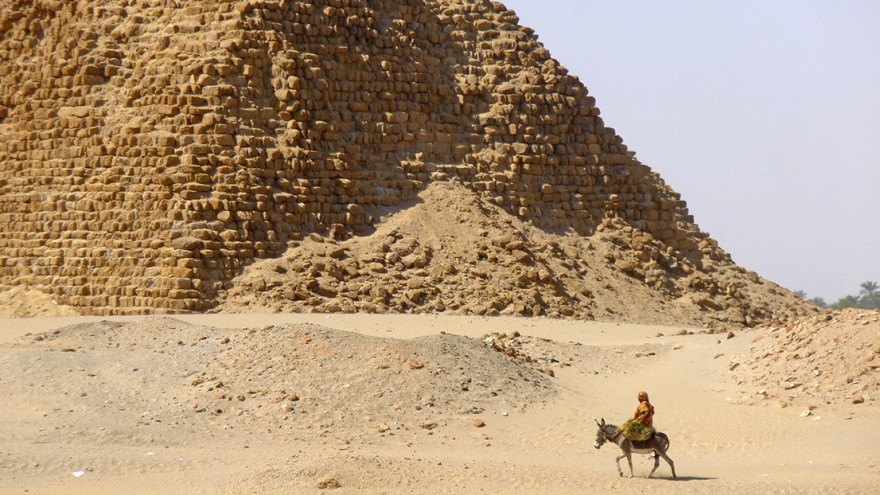
menabadoo:You guys sound stupid, you know that the term Sudan was originally West African, right? What is now Sudan was something entirely different in various times in History. What is now Sudan has one of the richest history and archaeological treasures in the entire continent. No other country especially in sub saharan country has such a rich history, besides maybe ethiopia. Example this. https://www.designindaba.com/sites/default/files/styles/large/public/node/news/19092/gallery/sudan-08nuri0438.jpg?itok=TEqh5jyR [img]http://orientenresor.se/dk/files/2011/12/Nuri-F-31-700x350.jpg?file=2011/12/Nuri-F-31-700x350.jpg[/img] https://i.pbase.com/o6/93/329493/1/120837632.Sib0NOKy.SudanDec094623.jpg https://fc00.deviantart.net/fs70/i/2011/021/5/f/semna_temple___gate_by_zooz898-d37oirl.jpg https://c1.staticflickr.com/9/8246/8654798152_be4fa60dab_b.jpg Interesting enough one of your fellow country men enjoyed his stay in our country. Beautiful Faces of Sudanese. Late last year, September 2013, I was opportuned to visit Sudan for a week long masterclass in the art of documentary photography tagged “Where the Nile Meets”. It was anchored by Elder Akinbode Akinbiyi, a Nigerian based in Berlin, Germany. My initial perception of Sudan was built from sad stories of war and poverty as portrayed by the media. Although we landed in Khartoum, the capital, I felt a lot of the news had been overrated as I moved around. It was fascinating to go round the town and hear from these beautiful faces.Here is the photos of the people from your fellow Nigerian. https://jideodukoya.com/wp-content/uploads/2014/08/happy-faces-of-sudanese2.jpg https://jideodukoya.com/wp-content/uploads/2014/08/happy-faces-of-sudanese1.jpg http://jideodukoya.com/gallery-post/beautiful-faces-of-sudanese/ |
| Culture › Re: Where Was Africa When The World Was Developing ? by MisterG: 11:10am On Mar 20, 2015 |
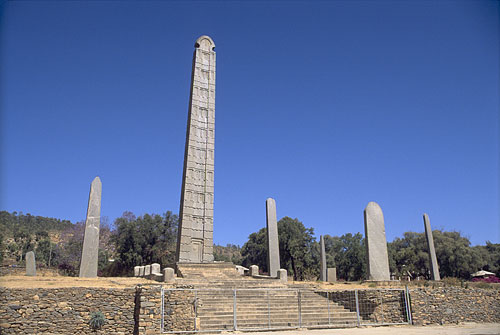
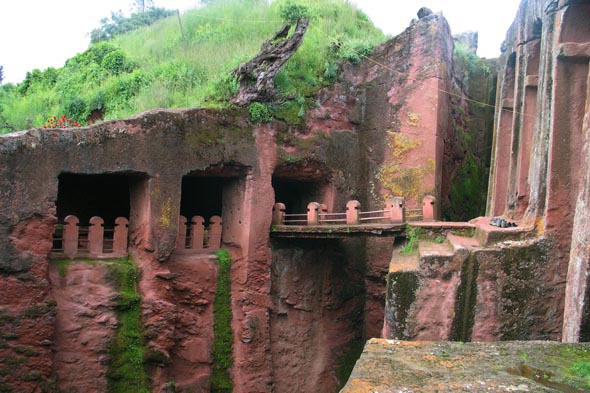
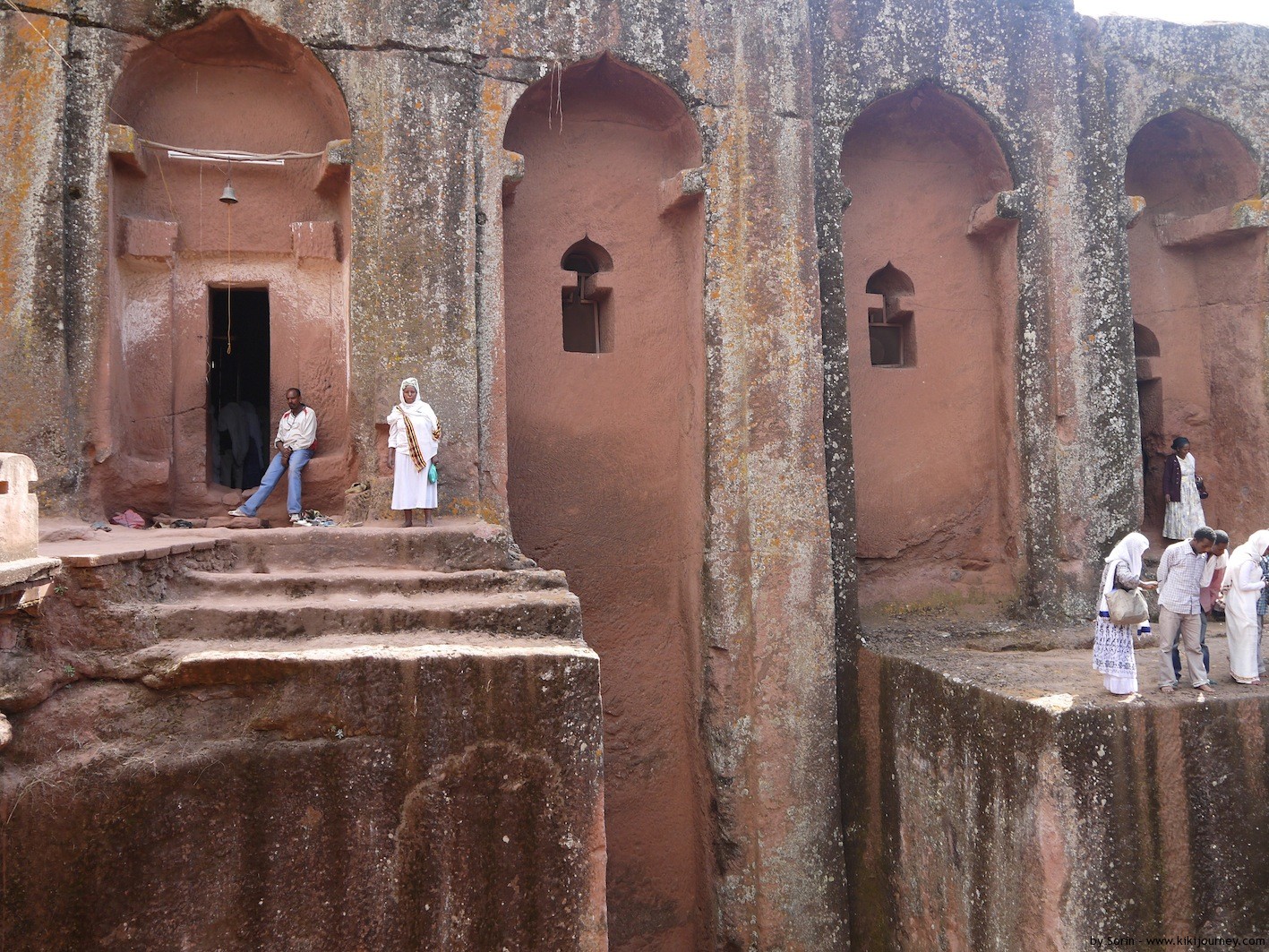
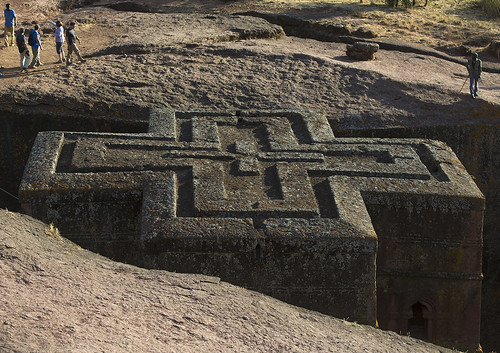
gbemi514:You cannot be serious with that statement, while you was running around in your huts, and many Northern European was doing likewise, Ethiopians were doing this. https://sacredsites.com/images/africa/ethiopia/field-obelisks-500.jpg [img]http://www.imagick.com.br/wp-content/uploads/2014/02/Lalibela.jpg[/img] https://www.kikijourney.com/wp-content/uploads/2013/02/P1010253.jpg https://farm4.static.flickr.com/3929/15410244075_ac63d7e436.jpg https://slides.worldofstock.com/TAF2780.jpg https://www2.le.ac.uk/institution/gondar-information-hub/images/GondarCastle.jpg [img]http://3.bp..com/-2LHarpLkIOo/VKQqNsCbuSI/AAAAAAAAGyc/IqzJLZ43DpQ/s1600/StGeorgeAndTheDragon1a.jpg[/img] https://upload.wikimedia.org/wikipedia/commons/6/6b/Ethiopic_genesis.jpg Ethiopia http://en.wikipedia.org/wiki/Ethiopian_Orthodox_Tewahedo_Church https://www.youtube.com/watch?v=NJfbtupcGbs 2 Likes |
| Culture › Re: I Am Dominican From Dominica Republic... ASK Me Anything. by MisterG: 12:42am On Mar 20, 2015 |
yodanyrd: I mean, am now here, and never knew people would make tread like that. It's true what you said, i should had give more information. I thought many already knew about us, because i search "Dominican" and it was mentioned in many treadsProbably so, I am not here on Nairaland that often to notice. Maybe due to a possibility your people are related to them, whereas the website i normally visit Ethiopian, Eritreans, and Somali your people are not in our radar. Since we are not related to you, in a genetic level. Kenya tread appear almost naked, no offense but you get what am saying.It is the contexts, anyone can see nothing is sexual and that the societies he presented are traditional from his first thread. Now, our traditional music are Bachata, Merengue, Mambo, Perico Ripiao but the most famous ones throw out L.A. are the first 2 and they are a blend of Euro/Afro heritage.I wonder if that similar to Cuban Salsa music. |
| Culture › Re: Where Was Africa When The World Was Developing ? by MisterG: 12:20am On Mar 20, 2015 |
nedu2000:Look at this Fulaniman, this is hilarious. Funny Honers has been Christian for centuries, and i never heard anyone speak this dribble. Those European missionaries really did a job on you west Africans. |
| Culture › Re: Where Was Africa When The World Was Developing ? by MisterG: 12:02am On Mar 20, 2015 |
Fulaman198:Interesting enough, Although i do not condone Axum posting, but he makes certain points about certain individuals. Again i don't agree but i can see where he is coming from. 3 Likes |
| Culture › Re: I Am Dominican From Dominica Republic... ASK Me Anything. by MisterG: 11:55pm On Mar 19, 2015 |
yodanyrd:Definitely not mad. You should had use a map first, as showing the location of your country, not everyone knows where or what a Dominican is. If i ask my fellow East African (horner), he or she would not have a clue what that is or what a Dominican is, because you are not in the radar from our perspective. Then you present your people, and show pictures of your different cities, from people enjoying themselves in restrauants, entertainment, train systems, business district, etc. You should had presented it similar to this. It would been more enjoyable instead of a parade. https://www.nairaland.com/2199930/northern-kenya-culture-people https://www.nairaland.com/2111309/east-african-coast-culture-people https://www.nairaland.com/2081752/cushitic-people-most-beautiful-people Yours is more like picture porn, in comparison to what Gallivant presented in regards to Kenya. However it is all good continue on. What is your cultural music or traditional dances. 1 Like |
| Culture › Re: Where Was Africa When The World Was Developing ? by MisterG: 9:44pm On Mar 19, 2015 |
Here here you go. you guys should had studied this in school. https://www.youtube.com/watch?v=_4pJTaiev8k https://www.youtube.com/watch?v=NPHff1OKRlY https://www.youtube.com/watch?v=FfMWpL4hw2g 7 Likes |
| Culture › Re: I Am Dominican From Dominica Republic... ASK Me Anything. by MisterG: 8:29pm On Mar 19, 2015 |
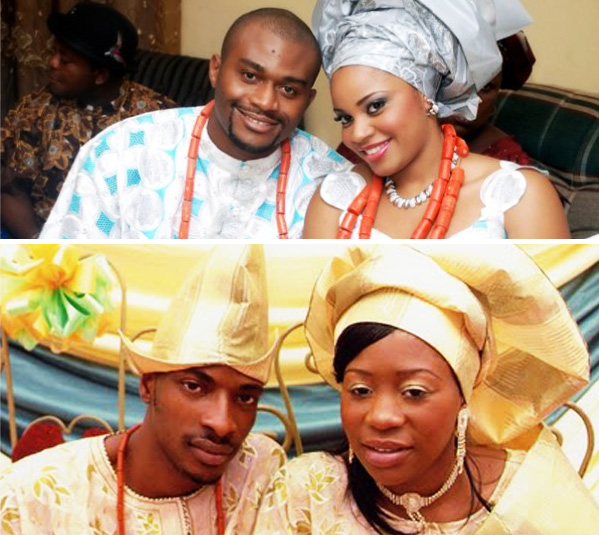
yodanyrd:Your pictures are great and all, but you have diversity in Africa as well, Which is not a big deal. https://creativeroots.org/wp-content/uploads/2010/03/Senegalese-wrestlers7.png [img]https://northoflagos.files./2011/01/crw_5703.jpg[/img] https://fbcmtorab.org/images/Image/user/attaya.jpg https://verastic.com/site/wp-content/uploads/2012/04/Igbo-Yoruba.jpg https://cdn.bellanaija.com/wp-content/uploads/2013/11/hudayya-sadiq-northern-nigerian-muslim-abuja-wedding-bellanaijaIMG_0933-2.jpg https://www.observatoiredesgaspillages.com/wp-content/uploads/2011/01/rama-yade-cout-voyage-mondial.jpg [img]http://javascript:void(0);farm9.staticflickr.com/8006/7511144612_e4bcbc6308_z.jpg[/img] https://i48.tinypic.com/2s94m5d.jpg [img]http://www.jhr.ca/blog/wp-content/uploads/2010/07/Ghana-2010-072.jpg[/img] https://www.brentstirton.com/data/photos/1903_1tuareg_026.jpg https://www.azawan.com/touareg/tinariwen/img/tinariwen_060411.jpg https://i.imgur.com/wadF7bi.jpg So diversity is not new, and this is only west Africa, image entire continent vs a little island. Instead of spanning million pictures of people. Post historical monuments, Tell us your history, How healthy is the Dominican Republic economy. Tell us about your infrastructure of post them rail, business area, Telecommunication or IT areas. . Post different cities, and what is village or your small town like. Those of the things i like to know and make a comparison. 4 Likes |
| Culture › Re: Somalis, Ethiopians, Eritreans Are Superior by MisterG: 11:10pm On Mar 17, 2015 |
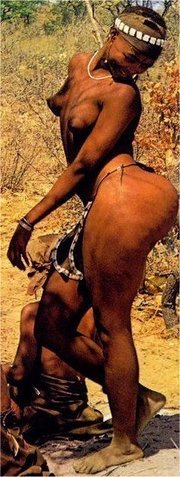
[quote author=pkjag post=31725163][/quote] What is Steatopygia? An ancestral traithttp://archive.news.softpedia.com/news/What-is-Steatopygia-51231.shtml https://realhistoryww.com/world_history/ancient/Misc/True_Negros/San/San2.jpg https://25.media.tumblr.com/3b2b5b27d86ea8ddb32fa2f3d5198c04/tumblr_mild8gEYuI1ru5s3yo1_400.jpg |
| Culture › Re: Nsibiri: The Pre-colonial Writing Of The South Eastern People by MisterG: 11:05pm On Mar 06, 2015 |
pkjag:Not to say you are ignorant, but just lack a little knowledge. Some of the world oldest written language scripts is in Africa. You know that right. |
| Culture › Re: Study: Lighter-skinned Black And Hispanic People Look Smarter To White People by MisterG: 4:24pm On Mar 06, 2015 |
itstpia8:It depends on the hispanic racial type. http://www.cnn.com/2012/11/20/opinion/navarrette-mexico-racism/ |
| Culture › Re: Are Hispanics Mixed Descendant Of African Slaves And European Colonists by MisterG: 4:12pm On Mar 06, 2015 |
tpiah01:That is in the United States tpiah01, but in Latin America they have they own rules in regards to classifying people. Again each country is different due to their population in regards to racial categorizing people. For example if a country is predominately of native american, and with some Europeans, hence they are going to use their own methods of categorizing people. Likewise if a country has a mainly Afro descendant and European, again they will use their own methods in Cateogorizing people. Again, if a population has a population of all races again they will use their own method of categorizing people. For example Paraguay which is a country that consist mainly of Native American and Europeans, and the inhabitants of the country speaks both Guarani which is a native American language and Spanish, and sometimes a mixture of both. This is people in Paraguay are graduating as professors of the Guarani language. https://www.youtube.com/watch?v=hiO8Lj4Oq1U http://en.wikipedia.org/wiki/Guarani_language mestizo (mixed Spanish and Amerindian) 95%, other 5%Dominican Republic http://en.wikipedia.org/wiki/Dominican_Republic According to the most recent genealogical testing the average Dominican is estimated to be 58.1% European, 35.2% African, and 6.4% Amerindian overall.[113][114]Honduras mestizo (mixed Amerindian and European) 90%, Amerindian 7%, black 2%, white 1%Nicaragua http://en.wikipedia.org/wiki/Nicaragua Bolivia Ethnic groups (2010[3])http://en.wikipedia.org/wiki/Bolivia Uruguay http://en.wikipedia.org/wiki/Uruguay Racial and Ethnic Composition in Uruguay (2011 census)[79]Again it depends on the country, because every country in that region has their own rules according to culture, independent of the United States. zambo and sambo Zambo (Spanish: [ˈθambo] or [ˈsambo]) or cafuzo (Portuguese: [kɐˈfuzu]) are racial terms used in the Spanish and Portuguese Empires and occasionally today to identify individuals in the Americas who are of mixed African and Amerindian ancestry (the analogous English term, considered a slur, is sambo). Historically, the racial cross between African slaves and Amerindians was referred to as a "zambaggoa", then "zambo", then "sambo". In the United States, the word "sambo" is thought to refer to the racial cross between a black slave and a white person.http://en.wikipedia.org/wiki/Zambo |
| Nairaland General › Re: Are North Sudanese People Black by MisterG: 3:52am On Feb 24, 2015 |
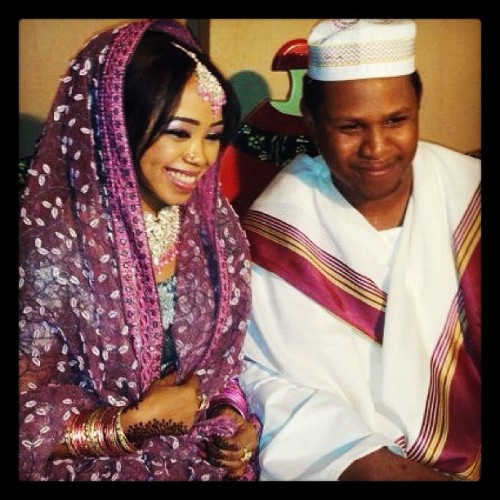
https://jideodukoya.com/wp-content/uploads/2014/08/happy-faces-of-sudanese1.jpg https://25.media.tumblr.com/tumblr_m69bzwF4PW1qam2iwo1_500.jpg [img]http://navigators.web.unc.edu/files/2012/09/sudan-airport3.jpg[/img] https://www.picolodia.com/store/medium_nm2wxs.jpg https://s3.amazonaws.com/medias.photodeck.com/de84add2-65e3-11e0-8572-6df2d900f834/18281_14_Wedding_xlarge.jpg https://jideodukoya.com/wp-content/uploads/2014/08/happy-faces-of-sudanese2.jpg |
| Nairaland General › Re: Are North Sudanese People Black by MisterG: 5:53pm On Feb 23, 2015 |
| Nairaland General › Re: Are North Sudanese People Black by MisterG: 5:51pm On Feb 23, 2015 |
| Nairaland General › Re: Are North Sudanese People Black by MisterG: 5:48pm On Feb 23, 2015 |
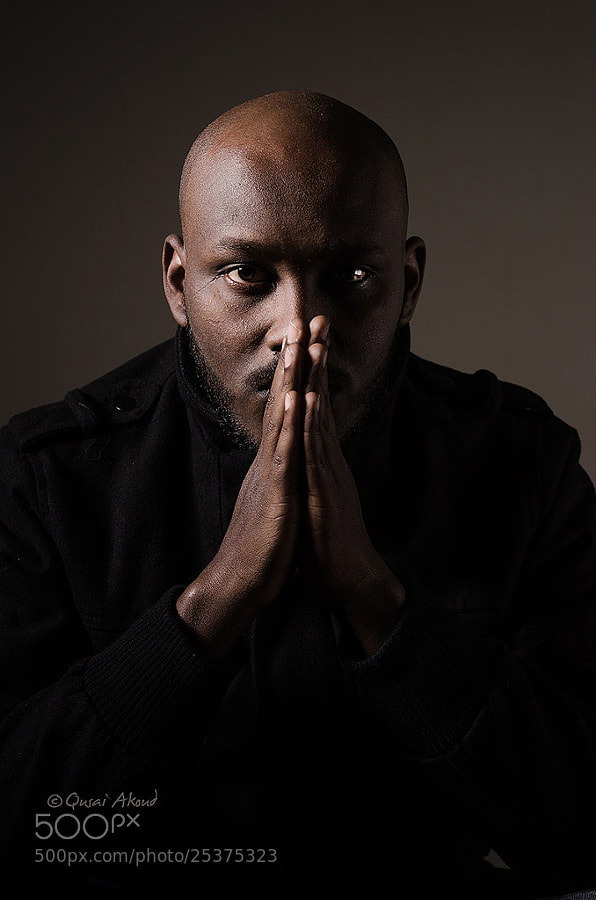
https://www.icceee13.org/images/Sudan%20Soil.jpg https://ppcdn.500px.org/25375323/497a05522a86c508d5facebd208a690e02e85a96/4.jpg https://i65.photobucket.com/albums/h211/gwynleym10/Sudan/Sudan0084.jpg https://c1.staticflickr.com/1/30/41466814_27b33b4d74.jpg https://www.travellingducks.com/wp-content/uploads/2009/11/gutar-700x463.jpg |
| Nairaland General › Re: Are North Sudanese People Black by MisterG: 5:41pm On Feb 23, 2015 |
https://farm5.staticflickr.com/4079/4862535443_1b57cbea64_z.jpg https://farm7.staticflickr.com/6099/6361813103_ddcc5910fa_b.jpg https://c1.staticflickr.com/9/8227/8582744014_b005d9c68c_z.jpg https://invisible-borders.com/wp-content/uploads/2012/04/k42-Trade-3.-Khartoum-2011.jpg https://oodweynenews.com/v1/wp-content/uploads/2010/12/AR2.jpg https://scontent-b.cdninstagram.com/hphotos-xpf1/t51.2885-15/e15/10584821_519818951497950_1147661949_n.jpg |
| Nairaland General › Re: Are North Sudanese People Black by MisterG: 5:33pm On Feb 23, 2015 |
Interesting. |
| Culture › Re: What Is The Origin Of The "Yellow Skin" In Most Igbos? by MisterG: 9:20am On Feb 22, 2015*. Modified: 8:57pm On Feb 22, 2015 |
Eke40seven:Not to sound like a wiseguy I wonder what "Sudanese people you are referring about? I just curious. http://yooying.com/sudanese_stars Do these people look Yoruba? I just wondering, but i have a idea which group you are talking about, think further west or South. |