Sunofgod's Posts
Nairaland Forum › Sunofgod's Profile › Sunofgod's Posts
1 2 3 4 5 6 7 8 9 10 11 12 13 14 (of 272 pages)
 Politics › Re: Is Peter Obi Gradually Breaking The "Structure Jinx"? by Sunofgod(m): 8:16pm On Jun 20, 2022 Politics › Re: Is Peter Obi Gradually Breaking The "Structure Jinx"? by Sunofgod(m): 8:16pm On Jun 20, 2022 |
Yes.....Tinubu is shittting his pants! 12 Likes 3 Shares |
| Politics › Re: Aguda House : Official Residence Of The Nigerian Vice President by Sunofgod(m): 8:15pm On Jun 20, 2022 |
A waste and insult 6 Likes 2 Shares |
| Politics › Re: Vote Buying: Ribadu Asks Court To Nullify Binani’s Victory by Sunofgod(m): 7:56pm On Jun 20, 2022 |
Him no sabee APC again?  12 Likes 1 Share |
| Crime › Re: Video: teenager Arrested For Robbery A Day After Release From Kirikiri by Sunofgod(m): 11:11pm On Jun 19, 2022 |
Agberos.....jagabans! |
| Foreign Affairs › Re: Barack Obama Turns Photographer On Father's Day Celebration by Sunofgod(m): 11:05pm On Jun 19, 2022 |
yeye man.....Michelle still looking 'knackable' though 1 Like |
| Politics › Re: Photos From Labour Party Meeting In Calabar by Sunofgod(m): 8:57pm On Jun 19, 2022 |
Revolution 16 Likes |
| Politics › Re: Tinubu Hails Oyebanji, APC For Ekiti Electoral Victory by Sunofgod(m): 8:38pm On Jun 19, 2022 |
ok |
| Politics › African Brain Drain: '90% Of My Friends Want To Leave' by Sunofgod(op): 8:35pm On Jun 19, 2022 |
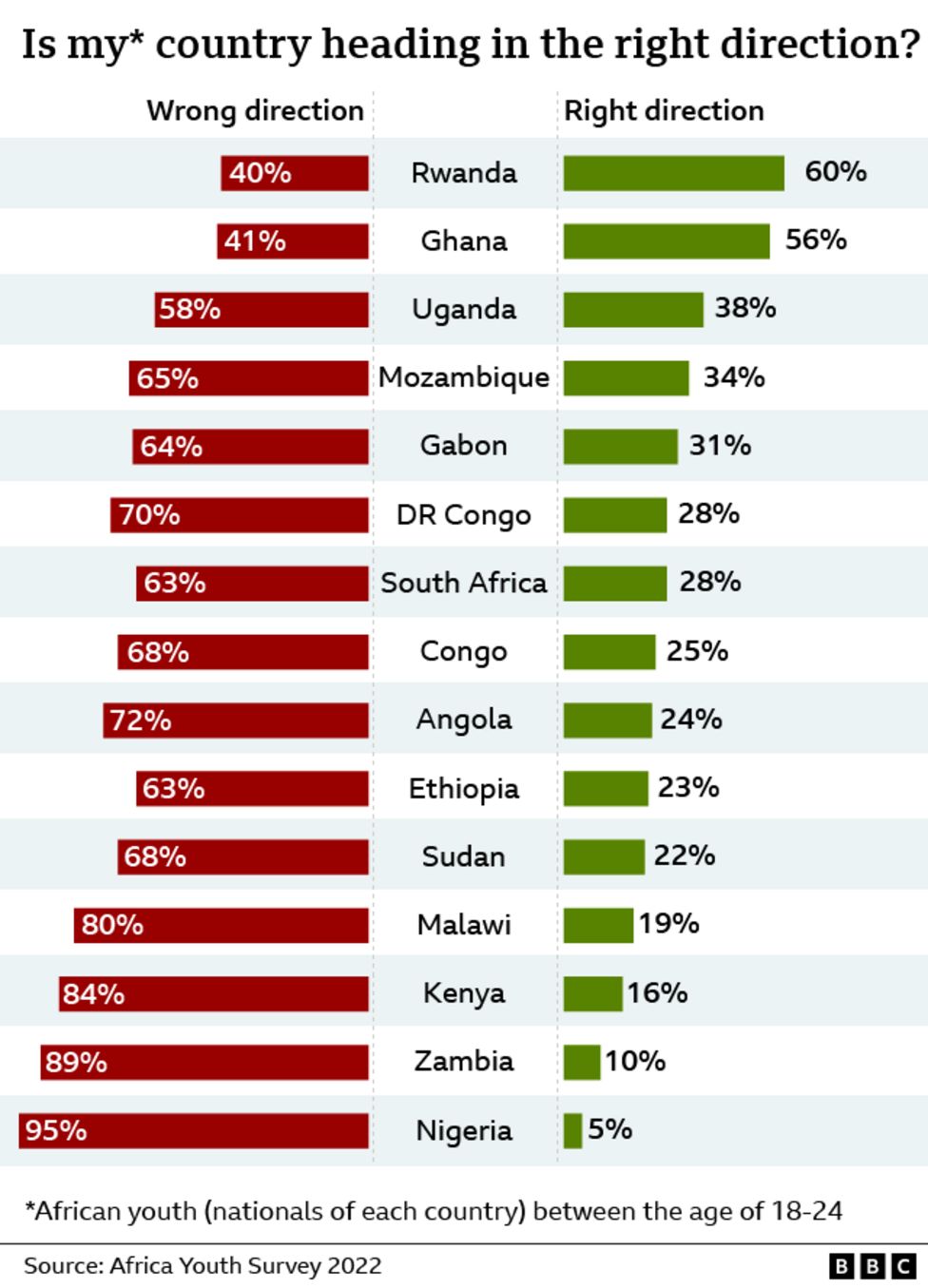
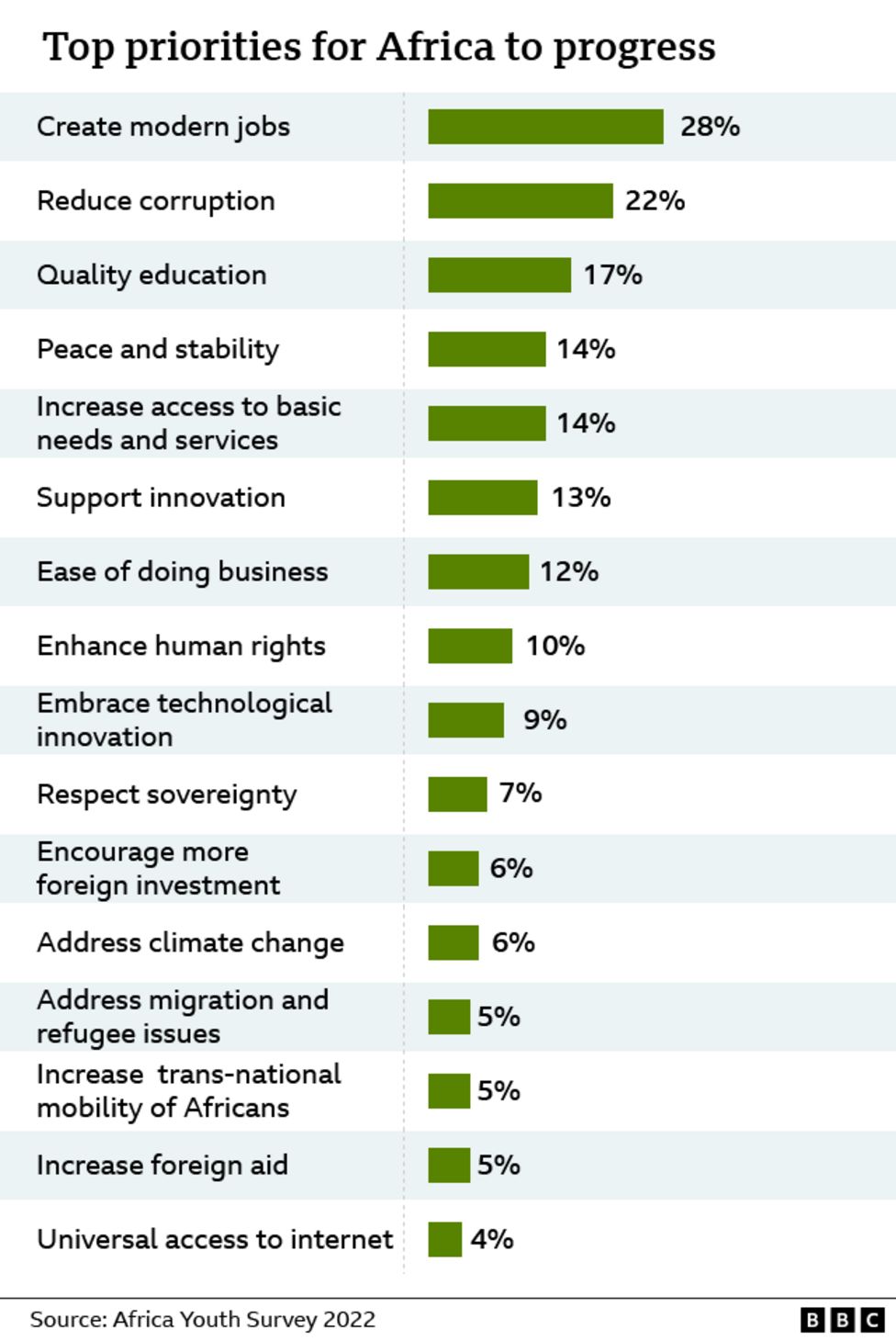
A new survey of more than 4,500 young people in Africa, aged 18-24, has found that 52% of them are likely to consider emigrating in the next few years, citing economic hardship and education opportunities as the top reasons. The BBC spoke to five young people in Nigeria and South Africa who said they do not feel safe in their countries and lack access to work opportunities, but for those in Ghana the picture looks very different. "The Nigerian insecurity is so appalling," says 18-year-old Ayoade Oni from Lagos. This is one of the main reasons he wants to leave Nigeria. Last year he was nearly kidnapped in "broad daylight". He was on his way home from the phone repair shop when a gang approached him, demanding he hand over his belongings. He resisted and was "walking very fast" to try and get away. He thought he had found refuge when he stumbled on a nearby shop with people inside who tried to lure him in, telling him he was safe with them. But it was a trap. Suddenly, a bus driver pulled up and warned him the people were "kidnappers", instructing him to get inside the vehicle. "That saved me that day," he recalls. Nigeria is currently facing a kidnapping for ransom crisis, with perpetrators collecting millions of dollars over the years, according to a Lagos-based think-tank. "I can't go out at night, my parents won't even allow me," Mr Oni said. They have set him a curfew to be home by 18.30 each night. A "high unemployment rate, poor health sector, low standard of living [and] little to no job opportunities", are the other reasons Mr Oni cites for wanting to leave the country. As for eventually getting a job after he graduates with a degree in Computer Science, he is not optimistic. Most graduates are left with no option but to compete for the "few employment positions available, with most people being employed by connections or corruption", he said. If he left Nigeria, and relocated to Canada where he has his heart set on, he would have no intention of moving back. Most of his friends feel the same: "90% if not all of them" want out, he says. The statistics from the African Youth Survey 2022, carried out in 15 countries by the South African Ichikowitz Family Foundation, back up Mr Oni's pessimism. Young Nigerians have the most negative opinion in the whole continent about the direction their country is headed, with 95% saying things are going badly. Of all those surveyed, just 28% felt positively about the trajectory of their nation. https://ichef.bbci.co.uk/news/976/cpsprodpb/18CF/production/_125415360_africa_youth1_640-nc-002.png The world needs to wake up and invest in Africa, so that young Africans do not feel they have to move abroad to achieve their dreams at the expense of their home countries, according to the man behind the survey, Ivor Ichikowitz. "It's bigger than a brain drain," Mr Ichikowitz told the BBC Newsday programme. "This group of people, 18 to 24 year olds in Africa, are saying: 'We are going to improve our lives, even if it means having to up and leave and go somewhere else.'" https://ichef.bbci.co.uk/news/976/cpsprodpb/3FDF/production/_125415361_africa_youth2_640-nc-002.png He said the fact so many young Africans wanted to move abroad could cause a migration crisis, describing it as "alarming". In the previous edition of the African Youth Survey conducted before the pandemic, most of the young people interviewed wanted to stay in their home nation and build a life for themselves there, Mr Ichikowitz said. A lot of the young people his foundation spoke to wanted to move to South Africa, Europe or the US. But although South Africa was seen as "the holy grail" for many in other African countries, those in South Africa begged to differ, and wanted to move to the US or Europe, he said. It is in the interests of the whole world to keep young Africans, who estimates say will make up 42% of the world's young people by 2030, "constructively engaged in Africa", Mr Ichikowitz said. That is exactly what some young people in Ghana who the BBC spoke to plan on doing. Ghanaians feel the second-most positive on the continent about the future of their country after Rwanda, with 56% saying they are pleased. "I can make it in Ghana because even though there are not strong institutions, and our systems seem to be weak - the lack of these could also mean that a smart social climber can break those barriers," says 24-year-old Julius Kwame Anthony, the head of the National Union of Ghana Students. "Relocating abroad may look rosy but nothing is really promised out there," he continues. Similar sentiments were echoed by 33-year-old businessman Ernest Larmie: "This is home, if I'm able to solve the problems here, when the next generation comes, they can also benefit ," he says, questioning the logic behind moving abroad, just to help another country develop at the expense of your own. 'Women are not safe' But for others, passionate arguments about developing their community will not wash, and the trauma they have faced in their home country has left them itching to leave. One young South African woman, who requested to remain anonymous, says the high crime rate in the country has made her want to emigrate, on top of her struggles to find a job since graduating last year. She says she was raped in 2019 while walking from campus to her student accommodation and has not felt safe since. Pre-pandemic, between 2018 and 2019, sexual assault and rape counted among the crimes in the country with the biggest increases. "It just feels like the odds are against us as young women. Not only can we not roam the streets safely, we are also battling with unemployment." Another young South African woman, Mapula Maake, 23, agrees that the employment situation in South Africa is poor, and this is why she is thinking of moving abroad. "Migration might be the only solution to this rather saturated job market," she says. In March South Africa recorded a record high unemployment rate of 35.3%. Ms Maake describes it as a "national crisis" and pleads that "the government should be taking steps to invest in graduates". https://ichef.bbci.co.uk/news/976/cpsprodpb/66EF/production/_125415362_africa_youth3_640-nc-002.png https://www.bbc.co.uk/news/world-africa-61795026 |
| Family › Re: Missing Person ( Woman 91) by Sunofgod(m): 6:40pm On Jun 19, 2022 |
She looks suspicious.... 5 Likes 2 Shares |
| Politics › Re: Agbo Major: Kwankwaso Won’t Serve As Peter Obi’s Running Mate by Sunofgod(m): 6:10pm On Jun 19, 2022 |
He's too disOBIdient, 42 Likes 2 Shares |
| Politics › Re: Governor-elect Biodun Oyebanji Releases 1st Message After Winning Ekiti 2022 by Sunofgod(m): 2:53pm On Jun 19, 2022 |
Supreme court overturn loading...... 1 Like 1 Share |
| Politics › Re: Like Ekiti, Can Tinubu Defeat Every Other Candidate? by Sunofgod(m): 12:31pm On Jun 19, 2022 |
Impossible |
| Foreign Affairs › Re: U.S President Biden Falls Off His Bike While Riding In Delaware (Photos) by Sunofgod(m): 9:30pm On Jun 18, 2022 |
Stupid man 2 Likes 1 Share |
| Politics › Re: Photo Fail: Tinubu Caught Reading Envelope In Promotional Photo by Sunofgod(m): 7:26pm On Jun 18, 2022 |
Lol 1 Like |
| Politics › Re: Asiwaju Bola Ahmed Tinubu Meets With Gov. Uzodimma And Other Apc Leaders From Th by Sunofgod(m): 11:28pm On Jun 17, 2022 |
Poo sack noticed 1 Like |
| Politics › Re: Medical Doctor Replaces Consultation Fee With PVC At His Hospital In Enugu by Sunofgod(m): 9:55pm On Jun 17, 2022 |
no pvc...go and die! |
| Politics › Re: Names Of ISWAP Commanders Killed By Soldiers (Full List) by Sunofgod(m): 9:49pm On Jun 17, 2022 |
No Buhari? 1 Like |
| Politics › Re: Labour Party In A Last-minute Search For VP Candidate by Sunofgod(m): 6:35pm On Jun 17, 2022 |
Maybe Wike ? 2 Likes 4 Shares |
| Politics › Marriage Recession On NL....wetin Dey Happen? by Sunofgod(op): 11:55pm On Jun 16, 2022 |
..only death notifications?  |
| Politics › Re: Nigerians Knock Mbaka For Calling Peter Obi A Stingy Man by Sunofgod(m): 9:05pm On Jun 16, 2022*. Modified: 11:56pm On Jun 16, 2022 |
Mbaka must go.....back to hell 9 Likes |
| Christianity Etc › Archbishop Of Canterbury Apologises Over Church Fund's Link To Slavery by Sunofgod(op): 9:00pm On Jun 16, 2022 |
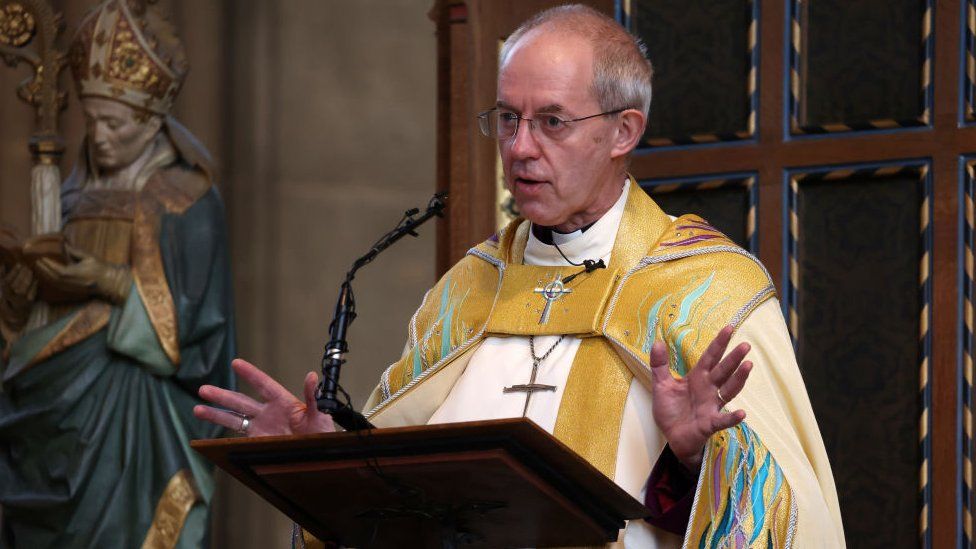
The Archbishop of Canterbury has apologised after research showed the Church of England's investment fund has links to the slave trade. The investigation commissioned by the Church Commissioners, a charity managing the Church's investment portfolio, revealed that for more than 100 years the fund invested large sums of money in a company responsible for transporting slaves. The fund, known in the 18th century as Queen Anne's Bounty, has now developed into a £10.1bn investment trust. The Most Reverend Justin Welby said he was "deeply sorry for the links". Queen Anne's Bounty was formed in 1704 to help support poor clergy. An examination of its accounts in 1739 showed £204,000 (estimated to be worth £443m today) had been invested in the South Sea Company. The South Sea Company had an exclusive contract to transport slaves from Africa to Spanish colonies in South America for more than 30 years from the 1710s. It shipped tens of thousands of slaves, with the research suggesting that an estimated 15% of them died en route. Church investments in the South Sea Company continued well into the 19th century. The archbishop said: "This abominable trade took men, women and children created in God's image and stripped them of their dignity and freedom. "The fact that some within the Church actively supported and profited from it is a source of shame. "It is only by facing this painful reality that we can take steps towards genuine healing and reconciliation - the path that Jesus Christ calls us to walk." Analysis On the one hand, the Church of England has celebrated its hand in helping bring about an end to slavery, citing the role played by Anglican Evangelical, William Wilberforce. On the other, it has had to acknowledge more and more the extent to which it profited from slavery. In recent years, the Church has apologised for dozens of its clergymen having been revealed to have owned slaves. It has said sorry because its missionary organisation, The Society for the Propagation of the Gospel, owned a plantation in Barbados, branding its slaves across the chest with the word SOCIETY. Now by its own research, it has acknowledged that for decades its investment fund poured almost all its money - aside from what it used to buy land - into a company that had a monopoly on transporting slaves to South America. With more than half of the worldwide Anglican communion now based in Africa, these admissions will be made all the more uncomfortable. The Church of England initiated this investigation with a view to being more open about its historic dealings and says a group will now be convened to decide what its response should be. But a spokesperson would not be drawn on whether that meant more than further statements and prayers, or whether it would include discussions about financial reparations. The research also found that the fund received numerous contributions from individuals linked to, or who profited from, transatlantic slavery and the plantation economy. The archbishop added: "I pray for those affected by this news and hope that we may work together to discern a new way forward." The Bishop of Birmingham, the Right Reverend David Urquhart, a member of the Church Commissioners' board and chair of the group overseeing the research, said the body would use the knowledge learned from the investigation to ensure its was at the "forefront of responsible investment globally". https://www.bbc.co.uk/news/uk-61834511 https://ichef.bbci.co.uk/news/976/cpsprodpb/13FA1/production/_125452818_gettyimages-1240045572.jpg |
| Politics › Re: Bishop of Enugu Catholic Diocese Condems The Verbal Attack On Obi By Rev. Mbaka by Sunofgod(m): 8:20pm On Jun 16, 2022 |
Sack him! |
| Education › Re: UK Pervert Teacher Who Forces Pupils' Hands Down Her Trousers Jailed by Sunofgod(m): 10:02pm On Jun 15, 2022 |
Female sexual deviants 10 Likes |
| Politics › Re: 'Extend Voter Registration Deadline By An Extra 60 Days' - House of Reps to INEC by Sunofgod(m): 8:45pm On Jun 15, 2022 |
Ok |
| Politics › Re: Turkish Ambassador To Nigeria, Bayrakatar Gidayet Visits Atiku Abubakar by Sunofgod(m): 7:56pm On Jun 15, 2022 |
To give economic advice? Turkey of all countries? |
| Politics › Re: Caption This Tinubu Pics! Be Creative! 1k Airtime For You by Sunofgod(m): 7:56pm On Jun 15, 2022 |
Help me sweep up the shiiits in my pants......  9 Likes |
| Politics › Re: Orji Kalu: I’m Not A House Boy To The North by Sunofgod(m): 7:44pm On Jun 15, 2022*. Modified: 10:01pm On Jun 15, 2022 |
To them your a 'gate man'...... 159 Likes 8 Shares |
| Sports › Re: Sadio Mane On Agrees Personal Terms To Join Bayern Munich by Sunofgod(m): 6:30pm On Jun 15, 2022 |
He'll be the lowest paid there also 1 Like |
| Celebrities › Re: Portable Welcomes Newborn Baby With His Baby Mama (Photos & Video) by Sunofgod(m): 4:28pm On Jun 15, 2022 |
The baby go fuggly 1 Like |
| Politics › Re: What Would Make Yoruba Youths Obedient To This Struggle by Sunofgod(m): 9:59pm On Jun 14, 2022 |
They'll betray Tinubu..... |
| Politics › Re: A Twitter User Wants To Travel From Lagos To Kano For Obi/Kwankwaso Merger by Sunofgod(m): 9:40pm On Jun 14, 2022 |
He'll be kidnapped on the road..... 3 Likes |
| Celebrities › Re: Davido Shares ‘JAPA’ Plan If APC Wins At The 2023 General Elections by Sunofgod(op): 9:25pm On Jun 14, 2022 |
It no go happen 1 Like |