Artib's Posts
Nairaland Forum › Artib's Profile › Artib's Posts
 Romance › Re: Wheelbarrow Pusher Unveils His Wedding Invitation Card (Photos) by Artib(m): 7:45pm On Nov 13, 2020 Romance › Re: Wheelbarrow Pusher Unveils His Wedding Invitation Card (Photos) by Artib(m): 7:45pm On Nov 13, 2020 |
Day wheelbarrow pusher can be someone else in the darkest part of night but it's not a must to be reality. Anyway, congratulations to him. |
| Agriculture › The Use Of Bitter Leaf As Anticoccidiosis by Artib(op): 3:59pm On Aug 09, 2019 |
© 2019 || artibfarm..com Bitter leaf (Vernonia amygdalina) is a shrub or small tree that grows throughout tropical Africa. It is a very important protective food and useful for the maintenance of health and treatment of various human and poultry infections. Coccidiosis spread faster in intensive system of rearing, it rarely affect extensive rearing system because of the birds' access to some herbs which bitter leaf is one of them. Adding bitter leaf extract to chicken's drinking water prevent and cure coccidiosis. HOW TO PREPARE BITTER LEAF EXTRACT Just like any other leaves, there are two major ways of extracting bitter leaf juice depending on the quantity required. Bitter leaf can be extracted by hand squeezing or by the use of kitchen blender. The juice is expected to be as thick as wine. To use manual method, gather some bitter leaves. Remove the leaves from the stem and rinse them in a bowl. Rinse properly but do not squeeze too hard. The quantity depends on the volume of juice required due to the number of chickens to be treated. Then squeeze the leaves with your hand until they are well blended and sieve the juice. In other method, you can make use of kitchen blender. After rinsing the gathered leaves properly, put the leaves in a blender and add little volume of water just enough to blend the leaves easily. Blend until the leaves they cut into tiny particles and then use a cheese cloth to sieve the juice into a container. For you not to sieve the extract, you can blend the bitter leaf to paste. If the processes above are carefully followed, the bitter leaf extract should be as thick as wine. DOSAGE * For prevention, add 20 ml of bitter leaf extract per litre of clean water. * For treatment, add 40ml of bitter leaf extract per litre of clean water. Note that bitter leaf extract added to chicken water will not reduce water intake in harmful proportions. The birds will get used to it after short time. For quick updates and comments, follow us on our social media connects; /artibfarm, twitter.com/artibfarmNG and instagram.com/artibfarm. You can also subscribe to newsletter on our website, artibfarm..com. At Artib Farm, we materialize your satisfaction! 2 Likes
|
| Agriculture › Medication And Vaccination Schedule For Cockerels by Artib(op): 5:10pm On Apr 19, 2019 |
©Artib Farm 2019 || https://artibfarm..com Health management cannot be neglected in the story of successful poultry business. It cuts across medication and vaccination schedule as well as General Disease Prevention . In our previous articles, we discussed medication and vaccination schedules for Broiler, Noiler and Layers. Also, the article - Commercial Cockerel Farming , it explained feed, space requirement for cockerel and handling of roosters. This article will mainly focus on the medication and vaccination schedule for cockerels. Antibiotics, Anticoccidiosis, antiviral (tyloxine based drug) and multivitamin are the required drugs to be considered while cockerels depend mainly on Gumboro and LaSota vaccines. Below is the vaccination and medication programs for cockerel birds. Be aware that there are certain abrupt conditions which might call for sudden treatment or vaccination of your flock. It is therefore advisable that you always consult an experienced farmer or veterinary doctor during infection outbreak. Day 1: Multivitamin or Glucose in drinking water to ease transportation stress Day 2-6: Antibiotics and Multivitamins Day 7: Multivitamin only Day 8: Gumboro, clean water in the afternoon. Day 9: Multivitamin Day 10-13: Anticoccidiosis Day 14: Multivitamin Day 15: Gumboro, clean water Day 16: Multivitamin, clean water Day 17-19: Antibiotics Day 20: Multivitamin only Day 21: Lasota Vaccine Day 22-23: Multivitamin Day 24-26: Tyloxine based drug (antiviral) Day 27: Multivitamin Day 28: LaSota, clean water Day 29: Multivitamin Day 30: Fowl Pox Vaccine Day 31: Multivitamin Day 32-35: Anticoccidiosis Day 36: Multivitamin Day 37-46: Clean water only Day 47: Multivitamin Day 48: N.D.V (Komorov) Vaccine Day 49: Multivitamin Day 50-54: Antiviral Day 55: Multivitamin Week 10: Deworming Routine Medication 1. Anticoccidiosis: Whenever you noticed chocolate brown feaces, confirm from your veterinarian and treat for coccidiosis. Prevention include removal of wet litter, other health management steps. 2. Deworm with Piperazine or Ivermectine frequently, especially if birds are on free range or deep litter system. This could be at interval 8 weeks. 3. Treat with antibiotic only with the advice of a veterinary doctor to minimize drug abuse which could lead to intoxication or liver failure. Note: * If you are able to give your birds Immucox intra-ocular vaccine for first 5 days, it provides immunity throughout the birds lifetime, so there is no need of administering Anticoccidiosis again. * This Vaccination program is subjected to change by the recommendation of your consultant or veterinary doctor. For quick updates and comments, follow us on our social media connects; [url]facebook.com/artibfarm[/url] and [url]twitter.com/artibfarmNG[/url] You can also subscribe to newsletter on our website, [url]artibfarm..com[/url]. At Artib Farm, we materialize your satisfaction! Cited Works * Commercial Cockerel Farming, How To Generally Prevent Poultry Diseases - artibfarm..com * Cockerel Farming As A Business - farmergiantblog., retrieved on 18th March, 2019.
|
| Agriculture › Re: Cashew Nuts by Artib(m): 4:59pm On Apr 19, 2019 |
a 4 artibfarm..com - artibfarm..com/ |
| Agriculture › Re: My Organic Poultry Project (broilers) by Artib(m): 4:54pm On Apr 19, 2019 |
The use of spices can also help farmers in going long way in organic poultry farming - https://artibfarm..com/2019/04/organic-poultry-farming-use-of-spices.html |
| Politics › Re: I’ll Reject Ministerial Position If Offered –kalu by Artib(m): 11:47am On Apr 19, 2019 |
Cacawa2:let them know. 1 Like |
| Agriculture › Noiler - The Hybrid Of Broiler And Cockerel by Artib(op): 5:08pm On Apr 18, 2019 |
©Artib Farm 2019 || https://artibfarm..com Noilers are basically raised for meat production although they can also lay eggs. In short, The Noiler birds are dual purpose breed of chicken developed in Nigeria by a famous hatchery; Amo Farm Sieberer Hatchery. They are similar to the chicken breed known as “Kuroiler” said to have been developed in India and already introduced to Ugandan poultry farmers. Their meat is tougher than that of broiler but not up to that of local chicken. They are multi coloured birds unlike broilers which are mainly white. Noilers are perfect for rural communities and urban. They are specially suitable for rural communities; small backyard farmers and can address the challenges of animal food insecurity. The economic importance is in their ability to solve financial problems because they are profitable when the farmers involve in commercial noiler farming. Below are the additional features of noiler birds: 1. Appearance : They are birds of various colours; black, white, yellow with black stripes, brown and white specks. This makes them beautiful, attractive and well-camouflaged. Although, there are many ugly Noilers. 2. Growth Rate : Noilers are hybrid of cockerel and broiler which are capable of reaching table size (maturity) within three to four months. Their ability to mature before four (4) months depends on certain factors like good biosecurity, correct stock density, air quality, proper feed quantity and quality. It gets interesting as they grow big and meaty without necessarily eating a lot of store-bought feeds. They can feed on kitchen leftovers and edibles like rice, yellow maize, omena, chicken mash, soya beans and worms. A Noiler can attain a weight of three to four kilograms within four months if they are being dewormed and vaccinated on time. 3. Eggs Production : There are male and female typed noilers. The females should start laying eggs at most by five months old, with laying period of two years. They lay bigger eggs with dark-yellow yolk which explains their good health and makes the Noiler eggs fetch more cash in the market. 4. Housing : Noiler chickens can be on free range birds, semi-intensive or intensive system. If there is enough land space, the free range method is the almost perfect as the birds can be released to free range in a safe area after 4 weeks of age. A special semi-intensive rearing system like deep litter that is suitable for compact spaces can used. They can also be kept in a poultry cage with all required facilities. Read more about Poultry Housing System. 5. Hatching : You will require the service of a local hen or incubator as most noilers cannot hatch their eggs because they do not sit on the eggs as required. If properly incubated, about eighty percent of noiler eggs will hatch. Thus, the incubation machine is the ultimate solution. Conclusively, you should be able to meet up with the noilers' health management and growth conditions before you venture into commercial noiler production. This breed is less expensive to keep, it can feed on less quality feed and still convert them to extra meat. With the best management practices, noiler farming could be lucrative through the sales of eggs and meat. For quick updates and comments, follow us on our social media connects; [url]facebook.com/artibfarm[/url] and [url]twitter.com/artibfarmNG[/url] You can also subscribe to newsletter on our website, [url]artibfarm..com[/url]. At Artib Farm, we materialize your satisfaction! Cited Works * Raising Noiler Chicken Breed - https://justagric.com, retrieved on 28th March, 2019. * Noiler Health Management - https://artibfarm..com
|
| Agriculture › Organic Poultry Farming - The Use Of Spices by Artib(op): 4:02pm On Apr 18, 2019*. Modified: 1:04pm On Apr 19, 2019 |
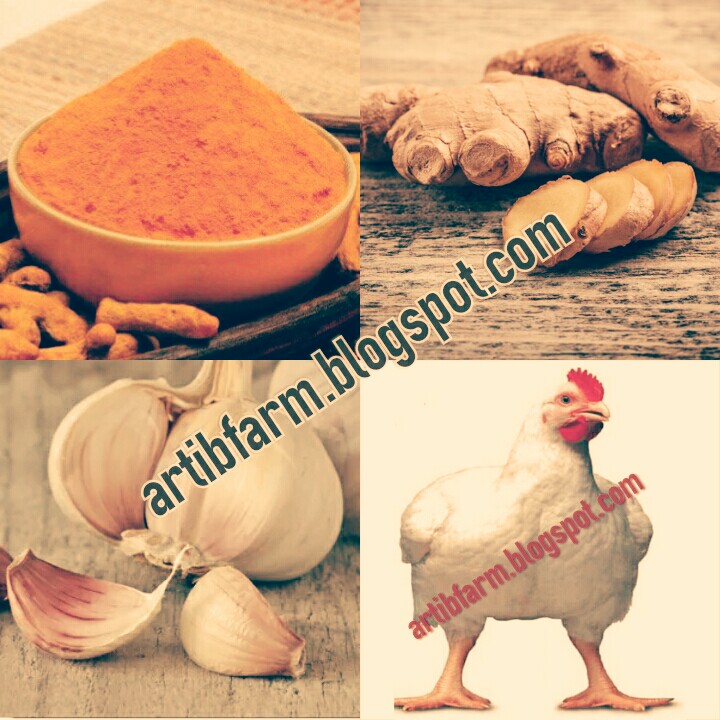
©Artib Farm 2019 || https://artibfarm..com - April 18, 2019 Spices are useful in our day to day activities especially for cooking of food. Only few people know that these spices can also be used to cure certain ailments in the poultry flock. It simply means that you cannot only cook your chicken with spices but also use the same spices to treat certain poultry infections. Ginger, pepper, salt, garlic, aloe vera, turmeric and sour milk are just among the food and spices that are medicinal in nature. They are therefore essentially required by farmers practising organic farming. Below are some medicinal spices and their ethno-veterinary importance: 1.) Garlic Garlic is a family of onions. It boosts birds' immunity, fights respiratory diseases and also produces sulphur in the body. It can therefore kill external parasites because the sulphur in the chicken's blood will overpower the parasites. Just add 3 cloves of garlic to 5 litres of water or a pinch or two of powdered garlic in dry feeds everyday. 2.) Ginger Ginger has antiviral properties. Ginger in chicken feed or drinking water will boost appetite, helps digestive system and also acts as immune booster. Add a small pinch of ginger powder to the birds' feed, feed it as whole or grind it. 3.) Pepper Pepper has been known to improve metabolism. It is useful as it kills parasites that cause digestive problems like coccidiosis. It also kills worms by burning them. Half teaspoon of powdered pepper can be sprinkled in chicken feed or feed to them free choice. 4.) Aloe vera Aloe vera is very bitter but aloe vera juice acts as an appetizer and can also be used in treating wounds. Squeeze a few drops of aloe vera juice into the wound, it prevents cannibalism. It is a natural antibiotic when 5 ml of it is added to 3 litres of drinking water. 5.) Sour Milk Sour milk act as a probiotic, it improves immunity as it kills harmful bacteria in the birds' intestine. Add it to feeds to form lumps but do not drench or add it to drinking water, it prevents diarrhea. 6.) Salt Salt is poisonous to chicken at high concentration but can be beneficial to the birds incase of heat stress. You only need 1 cup of water, ⅛ teaspoon of salt and 1½ teaspoonful of baking powder. This is served to every bird. 7.) Pumpkin or Cucumber The pumpkin or cucumber seeds are capable of controlling worms when ground and a teaspoon is mixed with 5 litres of drinking water. 8.) Pawpaw seeds Pawpaw seeds is a good dewormer, also prevents coccidiosis infection. To use the seeds as dewormer, dry the seeds for two weeks, grind them and mix 10 grams of the powder to 10litres of water. 9.) Turmeric Turmeric has antiviral property. It can be used to treat respiratory infection and fowl pox. To treat fowl pox, lime and turmeric can be added to the birds' drinking water in a moderate dose. 10.) Cayenne or Black Pepper Cayenne and black pepper are highly effective in prevention and treatment of coryza, newcastle disease and fowlpox. 30 grams of powdered cayenne or black pepper can be added to drinking water to treat newcastle disease or less to prevent the disease. Molasses can be added to improve the taste and also serve as multivitamins. Note that : * The natural medicines can be used alongside conventional drugs and vaccines. * The use of organic drugs do not cater for biosecurity measures. To fight off diseases, biosecurity measure my be in order. * This medications may firstly be tested on small scale poultry farming, like 100 birds. * When using all these medications, use conventional drugs in a controlled manner, avoid misuse of antibiotics and always vaccinate your birds as at when due. For quick updates and comments, follow us on our social media connects; [url]facebook.com/artibfarm[/url] and [url]twitter.com/artibfarmNG[/url] You can also subscribe to newsletter on our website, [url]artibfarm..com[/url]. At Artib Farm, we materialize your satisfaction! Reference https://artibfarm..com/2019/04/organic-poultry-farming-use-of-spices.html
|
| Agriculture › Re: Medication And Vaccination Program For Layers by Artib(op): 10:40pm On Feb 18, 2019 |
guidefreak:Both organic and organic have their loop holes, no complete perfect procedure. |
| Politics › Re: Saraki: Buhari Can Not Win Except He Rigs The Election - (video) by Artib(m): 3:08pm On Feb 08, 2019 |
Stevengold:'physible' indeed. |
| Politics › Re: Saraki: Buhari Can Not Win Except He Rigs The Election - (video) by Artib(m): 3:06pm On Feb 08, 2019 |
Omeokachie:it's just matter of days from now. 1 Like |
| Agriculture › Medication And Vaccination Program For Layers by Artib(op): 9:14pm On Feb 04, 2019 |
Medication And Vaccination Schedule For Layers By Artib Farm - Monday, February 04, 2019 There are many factors like selection of good chicks, location of farm and labour in the eggs production, but where most farmers get it wrong is in the aspect of poultry health management which is the major function of proper medication and vaccination schedule. Below is the schedule you can follow as guide based on your experience in poultry farming: Day 1 -- Multivitamins/glucose Day 2-5 -- Antibiotics and multivitamins Day 6 -- Multivitamins Day 7 -- LaSota vaccine Day 8 -- Multivitamins Day 9-12 -- Anticoccidial drug Day 13 -- Multivitamins Day 14 -- Gumboro vaccine Day 15 -- Multivitamins Day 16-20 -- Antibiotics + Vitamins Day 21 -- Gumboro (booster) vaccine Day 28 -- LaSota (booster) vaccine Week 5 -- Tyloxine based drug (as antiviral) Week 6 -- 1st deworming Week 8 -- Antibiotics drugs Week 9 -- 1st coryza Week 12 -- Lasota Week 13 -- 2nd coryza Week 14 -- 2nd deworming Week 15 -- Lasota Week 17 -- Antibiotics Week 18 -- Deworming In between the weeks, you need touch alternating between antibiotic, antiviral and Anticoccidial treatments. In some cases, you can give them only clean water if there's no disease symptoms. Give the birds enough feed and water to yield optimum performance. Give your birds Lasota once in a month, you can also be deworming your birds every 4 to 6 weeks depending on the symptoms. If the weather condition is harsh try and use Multivitamins/Electrolytes . Your birds need multivitamin a day before and a day after vaccination to ease their stress. Manage the litters during brooding to avoid disease outbreak. Consistent strong biosecurity should be practiced to generally control diseases and infections. For quick updates and comments, follow us on our social media connects; [url]facebook.com/artibfarm[/url] , [url]twitter.com/artibfarmNG[/url] and [url]instagram.com/artibfarm[/url]. You can also subscribe to newsletter on our website; [url]artibfarm..com[/url]. At Artib Farm, we materialize your satisfaction! 1 Like
|
| Sports › Re: Asisat Oshoala Joins FC Barcelona by Artib(m): 11:11pm On Feb 01, 2019 |
The lady's highly athletic, all got flat. |
| Sports › Re: Cristiano Ronaldo To Be Erased From Real Madrid’s History by Artib(m): 8:00pm On Jan 16, 2019 |
it seems they're going crazy for their loss. |
| Agriculture › Fowl Pox: Causes And Control Measures by Artib(op): 11:40pm On Jan 08, 2019 |
Fowlpox is the worldwide disease of poultry caused by viruses of the family Poxviridae and the genus Avipoxvirus. The viruses causing fowlpox are distinct from one another but antigenically similar, possible hosts including chickens, turkeys, quail, canaries, pigeons, and many other species of birds. Fowl pox virus is a slow spreading viral disease that causes skin lesions (dry pox) or diptheritic lesions (wet pox). The incidence of disease is variable depending on climate, management, hygiene, biosecurity, and use of a regular vaccination program. Symptoms/Lesions Dry pox results in scabs and lesions around the comb, wattle, ear lobes, and eyes. Wet pox lesions are associated with the oral cavity and the upper respiratory tract, especially the larynx and trachea. Wet pox is more serious, results in higher mortality, and is a source of current industry problems. The course of the disease in individual birds is from 10 to 14 days and base on a flock, it generally lasts 6 to 10 weeks. Causes Apart from being caused by pox virus, there are other three possible ways in which the virus can also be spread. These are: * The virus shed from Fowl pox wounds of the affected birds can enter the next victim through skin wounds. Normal healthy skin will act as an effective barrier to Fowl pox virus. * Biting insects like certain specie of mosquitoes, mites and lice can carry the virus from one bird to another. * Pox viruses that infect mammals can be spread through the air which is suspected to be a way for Fowl pox transmission. Prevention And Control 1. Prevention involves implementation of an effective biosecurity program. 2. Vaccination at early stage before the pox virus outbreak is highly recommended. 3. Chickens are most commonly vaccinated with the pigeon pox vaccine. 4. It is also important to control mosquitoes in the area where the birds are kept. Treatment There is no specific treatment for Fowl pox but it is worth taking them to your vet, especially if they have the ‘wet form’ as they may prescribe antibiotics to prevent secondary bacteria which can make the problem worse. If your bird is restless and not eating as much food as normal, it is worth giving them Chicken Vet Amino+ to compensate for their reduced appetite. Birds may find it very painful to eat but may find it less painful to drink; therefore supplements in their water will be of benefit. For quick Updates and Comments, follow us on our social media connects; Twitter - [url]twitter.com/artibfarmNG[/url] and Facebook Page - [url]facebook.com/artibfarm[/url] ... Artib Farm, we materialise your satisfaction!
|
| Agriculture › Re: Botulism In Poultry by Artib(op): 11:28pm On Jan 08, 2019 |
You can just contact any of the social media platforms: [url]/artibfarm[/url], [url]instagram.com/artibfarm[/url] or [url]twitter.com/artibfarmNG[/url] Thanks for ready to do business with us. |
| Agriculture › Re: Nairaland Farmers Contact Details by Artib(m): 11:19pm On Jan 08, 2019 |
[url]twitter.com/artibfarmNG[/url] is official twitter handle of artib farm. We supply poultry products and render poultry consultancy. |
| Agriculture › Re: Nairaland Farmers Contact Details by Artib(m): 11:18pm On Jan 08, 2019 |
[url][/url]twitter.com/artibfarmNG is official twitter handle of artib farm. We supply poultry products and render poultry consultancy. |
| Agriculture › Botulism In Poultry by Artib(op): 11:08pm On Jan 08, 2019 |
Botulism is a disease characterised by paralysis of the neck and limbs of poultry. Usually, a number of birds are affected and they quickly succumb. It can attack all domestic poultry including fowls, turkeys, water fowl, pheasants, emus and most wild birds. Carrion-eating birds can withstand large doses of the toxin without showing any symptoms. It is otherwise known as Limberneck and scientifically referred to as Clostridium botulinum. Causes * It is mainly caused by ingestion of a toxin produced by Clostridium botulinum; a bacterium in decaying animal and vegetable matter. * Botulism occurs sporadically in poultry raised under conditions where hygiene is poor and birds have access to contaminated material. * Wild birds may contaminate domestic poultry feed or water supplies which, when ingested, may lead to infection or disease. Symptoms Symptoms of botulism start to appear 12 to 48 hours after the toxin has been ingested. The symptoms are as follow: * Affected birds will first appear weak, drowsy and reluctant to move. * The bird's head will droop, later resting it on the ground, with their eyes closed and wings drooped. * They may then lapse into a coma and die. * Their neck may be coiled over or lie straight on the ground due to flaccid paralysis. * Feathers may be plucked easily. Treatment 1. When birds eat spoiled food, flush the flock with Epsom salts (1 lb. per 1000 hens) in water or wet mash. 2. It has been reported that potassium permanganate in drinking water, in a ratio of one part potassium permanganate to 3000 parts water, can counteract botulism. 3. Affected birds can be treated with botulism antibiotic and/or antitoxin injections, if available. Control Measures Botulism is best prevented by: * removing dead birds daily. * removing the source of the toxin. * supplying clean feed and water. * keeping birds away from stagnant or pooled water, if your birds are on free range system. * providing feed in containers and not on the ground. * sick birds should be isolated and provided with food and water. * supportive therapy with antibiotics and vitamins has been helpful in some cases as the birds that live through 48 hours of illness usually recover. For quick Updates and Comments, follow us on our social media connects; FacebookPage, Instagram; @artibfarm and TwitterHandle; @artibfarmNG. You can also subscribe to newsletter on our Website; artibfarm..com . At artibfarm, we materialise your satisfaction! 1 Like
|
| Crime › Re: Nigerian Man Threatens To Release Lady's Nude Pictures Over N6K. by Artib(m): 6:41pm On Jan 03, 2019 |
He'll be surprise to know that the picture is for a porn actress and not the so called lady. 1 Like |
| Christianity Etc › Re: Church Members Storm Watchnight Service With Cutlasses For ‘Battle’. Photos by Artib(m): 6:33pm On Jan 03, 2019 |
But this one you're sharing occurred in a Nollywood movie? |
| Agriculture › Prevention Of Poultry Early Mortality by Artib(op): 5:34pm On Jul 21, 2018 |
One of the discouraging factors in poultry business is early moralities in birds or chickens. One gets confused to lose 3 of 10 acquired birds within a day or two. One will be imagining what could happen in the next four to five days. What is early mortality? What are its effects and preventive measures? There are about eight causes and preventive measures of early mortality in birds as discussed below: #1. Antibiotic Injection Early chick mortality is resulted from e-coli and staphylococcal infections. This can be prevented by given Gentamicin at day old. Most hatcheries give vaccination against Marek disease to their chicks at day old. #2. Temperature Management Temperature regulation is essential for chicks, specifically in their first 3 weeks. Chicks will need warmth till about 4 weeks. Heat may be required or not after 4 weeks depending on the environmental conditions. High brooding temperature can cause dehydration when about 10% out of the 70% of water in the chicks' body is lost, this can lead to death. It can also lead to Pasty Butt, when feaces blocked the vent to disallow egestion and lead to death if not quickly attended to. Low temperature causes Brooding Pneumonia (Chilling). When the chicks are chilled, their lungs turned blue and they will die. It can also enhance failure in the digestive system. High and Low brooding temperature can be controlled by having a steady heat source, pay attention to the litter temperature and chicks' behaviour. Temperature can also be monitored using Max-Min thermometer. Read more about Heat Stress. #3. Air Quality Toxic gases like carbonmonoxide, ammonia and too much of carbondioxide can cause poultry mortality. Good air quality can be achieved by ventilation and circulation of air. Brooding house should not be completely sealed in the name of warmth, leave holes at the upper part for air circulation. Keep the litter dry to prevent ammonia build up. #4. Water And Feed Quality Pathogenic and toxic contaminants in feed and water can cause mortality in chicks. Drinking water with excess salt can also cause death. This is regulated by monitoring the feed and water quality through certain preliminary tests. One can also add toxin binder to the feed. #5. Lighting Birds require period of darkness after 7 days to avoid metabolic diseases and leg problems. Chicks should be exposed to blackout training in case of sudden darkness, so that chicks will not die from pile up of litter if blackout occurs. #6. Overcrowding Overcrowding in poultry enhances easy spread of pathogenic organisms and can lead to death from suffocation or stampede when frightened. A matured broiler needs at least a space of 1 footsquare and 2 footsquare for layers. #7. Medication And Vaccination Routine multivitamins, probiotics and disease control using drugs are classified as poultry medication. Give multivitamins when chicks are stressed to boost their immune system. Probiotics encourage the growth of good bacteria in the gut. Probiotics can even be given during antibiotic treatment. Vaccination deals with immunizing the birds against diseases through injection or drinking water. #8. Corner-smothering In the absence of brooder ring, chicks are in danger of stampede at any of the four corners of the pen when frightened and a lot of chicks can die in that way. This can be prevented by blocking the corners of the house with wire mesh or cardboards. In conclusion, it is normal for some chicks to die during the first 3 weeks. About 3% of the chicks may die before 3 weeks and 1% after 3 weeks. However, one can be expecting something higher at laying period (for layers). Hope you have understood the causes and preventions of early mortality in poultry. Work Cited Http://www.farmersjoint.com/thread-3.html Http://www.drugs.com/vet/gentapoult.html retrieved on October 9, 2014. For Booking and Consultancy, you can also contact us on our Facebook Page, @artibfarm...we materialize your satisfaction! Reference: https://artibfarm..com/2018/07/prevention-of-poultry-early-mortality.html
|
| Agriculture › Re: Nairaland Farmers Contact Details by Artib(m): 5:24pm On Jul 21, 2018*. Modified: 9:24pm On Dec 31, 2018 |
Name: Artib Farm Area of Specialization: Poultry ; Supply of broiler and chicken / poultry consultant Location: Ilorin Website: artibfarm..com Email: artibfarm@gmail.com Phone:07037581743 FacebookPage: /artibfarm Instagram: @artibfarm TwitterHandle: @artibfarmNG
|
| Agriculture › Nervous Signs And Lameness by Artib(op): 5:13pm On Jul 21, 2018 |
This is the type of muscular disease that mainly affect the poultry limbs (wings and legs) and disallow free movement of chicken from one place to another. It is sometimes refers to as Locomotor disease. Signs in sick chickens Signs may vary, but usually chickens lie down because they cannot stand erect. They are reluctant to move or limping when movement is compulsory. Nervous signs may include staring into the sky for not knowing where they are, pulling the head and neck over their backs, paralysis and sores on the breast muscles from lying down. Other signs are crooked toes, swollen hocks, hyper-extended or rubbery legs. cause There are many different types of organisms that can cause nervous signs and lameness. These include: * Bacteria (Salmonella, Botulism) * Viruses (Newcastle disease, Mareks disease, avian encephalo- myelitis) * Fungi (Aspergillus) Treatment A complete hygiene and disinfection programme should be planned together with the animal health technician or veterinarian. Antibiotics will only be effective against bacteria and can be used as recommended. If it is a viral disease, such as Newcastle disease, urgent steps have to be taken to prevent possible spread because it causes serious production losses. For booking and quick update, like and follow our Facebook Page, @artibfarm ... We materialize your satisfaction! Reference: https://artibfarm..com/2018/07/nervous-signs-and-lameness.html
|
| Agriculture › Coccidiosis by Artib(op): 3:32pm On Jul 14, 2018 |
Coccidiosis is the parasite that damages the intestinal wall of the chickens and other poultry animals. There are varieties of coccidiosis with various effects on birds from harmless to the life threatening one. Causes The six species of the causative organism (Eimeria) which are generally significant for chickens are E. tenella, E. mitis, E. brunetti, E. necatrix, E. Acervulina and E. maxima. The life cycle starts as an unsporulated oocyst: an egg containing early stage of coccidiosis which is yet to develop. The oocyst sporulates when eaten by chicken within the time as little as 24 hrs under optimum condition of 25 - 30•C. Treatment For the purpose of treatment and prevention of coccidiosis, it is unimportant to ascertain which species of Eimeria is causing disease in your birds as in many cases, several diseases may be working together to cause the disease. The treatment of coccidiosis generally involves three components which are as follows: 1. Kill the coccidiosis in the birds to stop further gut damage by using anticoccidial medication. 2. Control the bacterial disruption of the gut, this is treated by antibiotic therapy. 3. Providing the birds with a warm dry environment, multivitamins and probiotics to restore gut flora. Prevention is always better than cure. The first important thing is to ensure that the shed is properly cleaned and disinfected to remove and destroy the coccidiosis oocysts. This involves removing the old litter, using a detergent to remove dirt and grease for disinfectant to work and finally using a disinfectant such as Bi-oo-cyst. For Booking and Consultancy, follow us on our Facebook Page ...we materialize your satisfaction! Reference: https://artibfarm..com/2018/07/coccidiosis.html
|
| Agriculture › Re: How To Maximize Poultry Feed Efficiency by Artib(op): 6:51pm On Jul 13, 2018 |
BoldKing32:it depends on how much time you have for them and the type of birds you stock. It may be morning, afternoon and evening or morning and evening. The Main thing is not to starve them. |
| Agriculture › Re: Broiler Birds Growth Booster by Artib(m): 6:43am On Jul 13, 2018 |
priesthood13:what's the quantity of the oil? |
| Agriculture › How To Maximize Poultry Feed Efficiency by Artib(op): 1:27pm On Jul 11, 2018 |
Feed efficiency has to do with the utilization of digested feed and feed conversion ratio in broilers or other birds like cockerels, layers, pheasant, turkey and so on. Do not mistake feed wastage with feed efficiency. Improved feed efficiency also improve profitability, feed should have all necessary diets like digestible crude protein, amino acid and fibre contents. Below are some of the tips of improving the broiler feed efficiency. 1. Keeping The Birds Healthy Sick birds do not grow fast which shows that feed efficiency is not ideal. This is because sick birds don't eat much as healthy birds, they even use the little they eat to fight diseases. They can even consume muscle protein which will enhance reduction in body weight. Birds should be thoroughly medicated and vaccinated to stay healthy. Cleanliness of the poultry environment should also be attended to. 2. Avoiding Hot Spot In The Feed Silos Mold growth easily occur to the feed store in an uncleaned silos during warm climate. Feed becomes toxic and unpalatable as molds consume valuable nutrients and produce mycotoxins. Silos must be thoroughly inspected and cleaned at regular intervals. Adding toxin binders could be helpful but not enough to prevent effects of molds completely. 3. Lights Switching Feed digestibility is encouraged by proper lighting program like 22hrs light and 2hrs darkness at the early stage. At later stage, light can be switched at interval of 1 to 2 hours to give birds proper time for digestion of the feed consumed. Feeders and Drinkers should be arranged in such a way that all birds can feed at the same time without fight or struggle. 4. Using The Right Feeders It is good to use a correct feeder either round or straight feeder to improve the feed efficiency by minimizing feed waste . Feeders should be properly arranged to reduce the bird's struggle to feed. Drinkers should close to feeders but not too close to spoil the feed. 5. Avoid Heavy Body Weight At Market Age One should meet the specification of the contracting partner in term of the weight required. The higher the body weight, the higher the quantity to feed consumed because the bird will have larger system to maintain. Find the minimum market weight required as this will maximize the feed efficiency. Source: artibfarm..com
|
| Agriculture › Upper Respiratory Diseases In Poultry by Artib(op): 1:18pm On Jul 11, 2018 |
Upper Respiratory Diseases By Artib Farm - Monday, July 09, 2018 This can easily be described as a poultry disease that affect the trachea (windpipe) and entire respiratory system of poultry in such a way that the sinuses of the chicken i.e the area between the eye and the beak are swollen. These may be swollen in such a way that the eyes are closed. Signs in sick chickens Tears and wetness often occur around the eyes and nostrils. The discharge from the nostrils may look like clear water in the early stages but can become cloudy and yellow when secondary bacterial infections cause complications. # Sneezing # Coughing # Difficulty in breathing. They breathe with an open beak and you can hear a snoring or clicking sound # Loss of appetite # Weakness # Weight loss Some signs found in dead chickens are very red windpipe and throat. Fluid can be stored in the windpipe of the affected chicken. Causes There are many different types of organisms that can cause disease in the upper respiratory tract. The causative organisms are : # Mycoplasma # Bacteria (E. coli, Pasteurella, Haemophilus) # Viruses (Newcastle disease, influenza, infectious bronchitis, infectious laryngotracheitis) # Parasites (mites and worms) # Fungi (Aspergillus) Treatment # Use an antibiotic drug that was recommended by your animal health technician or veterinarian in the water for 3 to 5 days. # Prepare drinking water that contain electrolytes, vitamins and minerals can be added to the water. Source: https://artibfarm..com/2018/07/upper-respiratory-diseases.html
|