Well, this time around T.I.N Magazine brings to you Nigeria’s most consistent hip-hop musicians of the decade. In other words this is a ranking of artists who have maintained relevance since starting their career, and by that we mean; artists who have been releasing hits after hits since they came into the music industry. Well, the ranking is judged based on how many hit tracks they’ve got and how big the songs were within the last 10years. Well, you should know you are going to find only artists who have spent not less than 5years in the industry on this list.
Top 10 Most Consistent Nigerian Musicians Of The Decade
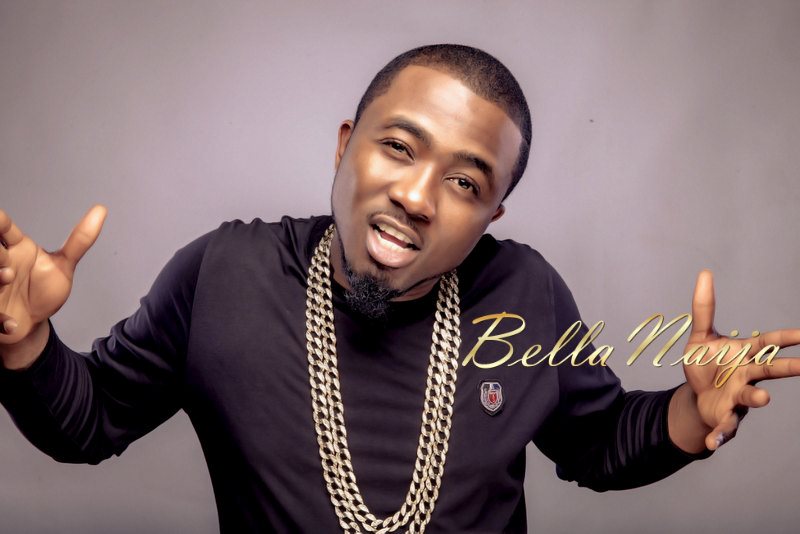
He is a rapper an Afro-Pop artist to be specific, Ice prince is one of the most consistent Rappers in Nigeria. The singer started in 2010, dropped his debut album in 2011 and his sophomore in 2013, dropped an EP in 2015. Ice prince is known for dropping hit singles on hit singles every year. In 2015 he showed to the world he is not just a rapper but a singer too.
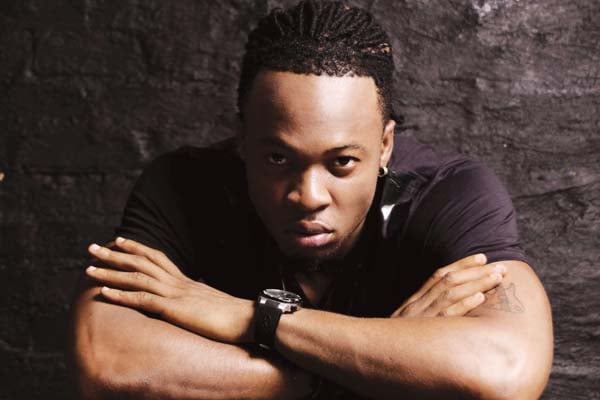
9] FLAVOUR https://img.modernghana.com/images/content/flavournabanianfc.jpg Flavour started in 2005 when he released his self titled album, but came into limelight in 2010 after the release of his sophomore album, Flavour at the moment already have four albums to his name. Flavour has sold out a lot across Nigeria and Africa as a whole. He is one of the most unique artists in the industry. He does not drop too much singles but the little he drops are always big hits.
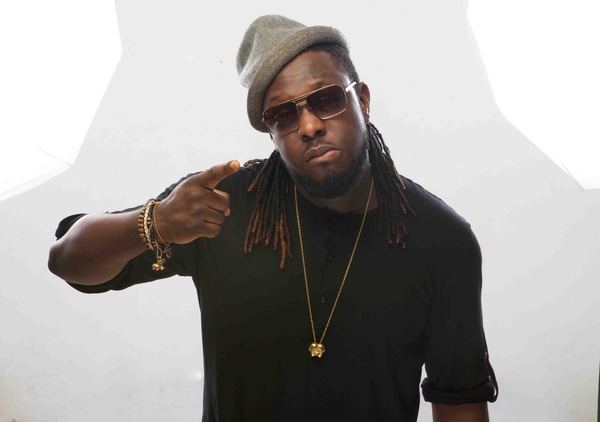
Well, this singer is becoming a legend when it comes to Dance-hall music in Nigeria, started as far back as 2007 after dropping his debut album titled "True Story", as of 2016 the music star has got 6 albums to his name. He drop singles that always become hits every year. The singer have managed to keep his fans entertained by dropping the kind of songs they want.
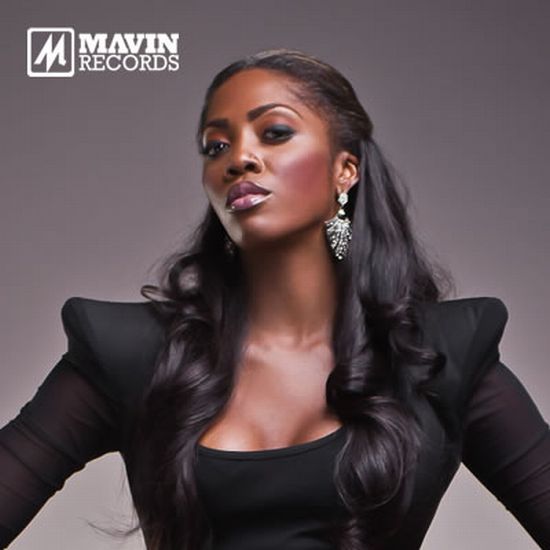
7] TIWA SAVAGE https://www.notjustok.com/wp-content/uploads/2012/07/tiwa-savage.jpg She is often referred to as the queen of Nigeria's music industry and truly she is. The singer came into the industry in 2010 with the release of her hit single Kele Kele Love, and she kept releasing hit singles till she dropped her debut album in 2013 under Mavin records, she dropped her sophomore just last year (2015) an album which have broken several records already. Tiwa savage is believed to be the most successful Nigerian female pop star ever.
Davido the wonderkid is definitely among the top 3 biggest artists in Africa at the moment, and unbelievably he's only got just an album. The singer has managed to stay relevant by dropping hit singles every year, most Davido's songs goes far beyond Nigeria. He has revealed he is going to be dropping his sophomore album this year as he recently just signed a global deal with Sony Music. Davido's music videos are among the most viewed videos on YouTube Nigeria. Kudos to the HKN boss, he's shown he is a hard working musician.
5] OLAMIDE [img]http://4.bp..com/-VFLx59YiObI/VSi6w_zW9PI/AAAAAAAAAlg/BWPOuQq31Lo/s320/olamide21.jpg[/img] The wonderful album and singles dropper Olamide Baddo is sure one of the most consistent in the industry. Came into the music industry in 2010 and have been making waves ever since. The rapper have been concluded by many media outlets the biggest Nigerian Rapper ever. Olamide in 5years has got five albums, never done in Nigeria before. Olamide in 2015 proved he is not just a rapper but a singer as well with the release of songs like; "BOBO", 'Lagos Boys" and more..
4] WIZKID https://www.360nobs.com/wp-content/uploads/2015/02/Wizkid-2.jpg Came into the industry in 2010, signed to EME by Banky W. Wizkid is arguably the biggest artist in Nigeria at the moment. Dropped his debut album in 2011 and his sophomore in 2014, he is going to be releasing his 3rd album this year (2016 ) according to him. Wizkid is quite known for his continuous release of hit singles. His Ojuelegba track have been said by many to be his biggest song ever. Despite the competiton in the industry the singer has managed to stay at the top of his game.
3] D'BANJ [img]http://2.bp..com/-rC5vUYkEiIk/VYGhoXcZVUI/AAAAAAAAAs4/IlmEU9z-YjY/s400/dbanjturns34june9th2014.jpg[/img] The Kokomaster started in year 2004, dropped his debut album in year 2005, D'banj got Nigerians attention so fast and ever since remained relevant. As of 2015 he has 5 albums already, D'banj is quite known for dropping singles a lot some are hits and some are not. He is D'banj is currently best known internationally for his 2012 summer hit "Oliver Twist", an uptempo dance fusion of Afrobeat and electronic dance music that topped the African charts 2011 and was a top 10 hit in the UK singles chart in 2012 reaching No. 2 on the UK R&B chart. Even though D'banj have been said by many not to be really relevant in the industry anymore, but the singer still keeps dropping albums and singles and he is always in the headlines.
Formerly 2face, now 2Baba is by many people regarded as a legend in the music industry, He is one of the most decorated and successful Afro pop artists in Africa. He is also one of the most bankable artists in Africa. Started as far back as 1994, dropped his debut albulm in 2004, and as of 2016 the singer has got 6 studio albums. He releases hit singles every year and has managed to remain relevant till the present moment. 2face's 2014 Ascension album is according to iTunes the best selling Nigerian album on iTunes
1] P-SQUARE https://nigeriamusicbox.com/wp-content/uploads/2013/07/psquare-Richest-nigerian-musicians1.jpg With no doubts a lot of people would agree the P-square band has been the most consistent in the industry for so long.. Maybe because they are two but the thing is they are the only and the most successful Duo in the music industry. Their Journey started as far back as 1997, and they released their debut album in 2002. Since then its been hit singles on hit singles every year not to mention the duo has got 6 albums to their name already. P-Square’s music videos rules YouTube Nigeria, they’ve got the most viewed videos on YouTube Nigeria.
1. We all know that flying is impossible. If you jump off a tall building while flapping your arms like a bird, you'll fall and die. If humans cannot fly, why is it that birds which are dumber and not as strong as us are able to fly? There is only one satisfactory explanation. Birds can fly because an intelligent being with many hands grabs birds when they flap their wings, lifts them up, and takes them to their destinations.
2. We all know that breathing under water is impossible. People who can't swim tend to drown in deep water. Divers have to carry oxygen tanks so they can breath underwater. Yet fish, which not as intelligent as human beings are able to spend all their time under water and not drown. This miraculous ability must have come from an intelligent being who constantly blows fresh air into every fish's lungs.
3. We all know that sand cannot think. Sand cannot do maths. Sand cannot play chess. Yet computer chips, which are made of sand, can do all this things. There must be an intelligent being that possesses the sand during microchip production and from that moment conducts all the tasks of intelligent reasoning that computers, which are made of chips, made of sand, perform. An intelligent being who makes sand smart.
In each of the above cases the intelligent being is God. He holds birds in the sky, blows the fish, and makes sand intelligent like himself.
foriz4u: since when did I become a history student? anyways, nice history I tried reading halfway. any Ogoni girl in d huz pls contact me I've a handsome bro who graduated from UNIPORT and needs a wife....lol
The Ogoni are confronted with both demographic and ecological disadvantages. Compared to the majority of Nigerians the majority of the region are without basic infrastructure, due to continually declining health conditions have a lower life expectancy, and face environmental problems due to the high levels of pollution in the Niger Delta. Due to the repressive actions taken by the Nigerian government in the past and present, many Ogoni have left the region entirely. Many of the restrictions that the Ogoni faced have been removed since the elections of 1999 and international awareness of their plight. In the past, nonetheless, the group is still excluded by the majority of the country in political and economic matters due to historical neglect, and no policies were in effect to remedy the situation (POLDIS01-03 = 2). However, in recent years there have been negotiations involving representatives of the Ogoni's, Shell Oil and the Nigerian government to take redressive action to compensate the Ogoni for years of environmental degradation. (POLDIS04-06 = 1) The different ethnic groups in the Niger Delta region have faced severe repression by the government both before and after the transition to democracy in 1999. In 1999 there were reprisal killings by military and police units in the Niger Delta, torture and rape was used against the the different ethnic groups in the region. The Nigerian military effectively sealed off the area to outsiders after the Ogoni became vocal in their demands, and Ogoniland became a militarized region. In 2000 an Ogoni leader's house was destroyed and he was arrested. As of the end of 1999, at least 2,000 Ogoni had been killed since their peaceful protests against Shell Oil began. In the period 2001-2003, the level of repression against the group seemed to have decreased, although some arrests and high degree of military and police presence continued.
The group has managed to avoid conflict with other ethnic groups in the region recently, since it appears that most of the groups in the region have common enemies in the large oil companies in the Delta, and the government. This has not always been the case for during the early 1990s there was communal conflict between the Ogoni and Andoni, another small ethnic group in the south.
The main group representing the Ogoni is the Movement for the Survival of the Ogoni People (MOSOP), which was led by Ken Saro-Wiwa before his execution. The MOSOP strategies for change involved nonviolent means. The group has consistently accused Shell of causing major environmental damage to the area. Shell denies the problem is as big as the Ogoni claim, but independent environmental assessments of the area before it was closed to outsiders in 1993 support the Ogoni claim of extensive environmental damage. Some of the damage includes leaking pipelines, polluted water, oil in villagers' fields, air pollution, flooding resulting from the building of canals for the oil industry and disruptions of fresh water supplies.
The Nigerian government has long refused to negotiate with MOSOP, claiming it was not a legitimate organization. Further, the oil companies of the region appeared at times to be in complicity with the government, possibly even involved in some of the violence against the Ogoni people. The group seems to not receive much considerable material support from other kindred groups or transnational organizations. There is much rhetorical support from exiled Ogoni's in other areas of the world, such as Canada, U.K. and the U.S. Additionally, there are many non-governmental organizations which work to promote the condition of the group and provide information on their campaign against Shell. Ogoni woman fetches water from afar to cross river. This river is polluted and she cant consume it.
THE ADVERSE EFFECT OF NATIONAL DEVELOPOMENT TO THE OGONI PEOPLE AND THEIR ENVIROMENT
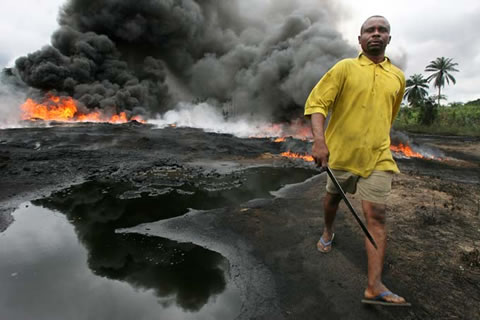
Ogoni-land is in total economic isolation by the government and most roads have been left to wear, making transportation extremely difficult. The environmental costs of the oil exploration have been and still are, very high. The agricultural and fishing communities experienced huge oil spills and pollution of drinking water, fishing grounds and farmlands. Large flares burnt gas from the oil extraction process, illuminating the sky day and night and polluting the air. The 1970's brought increasing activity from the oil companies, claiming more space in an already crowded territory, and resulting in a deteriorating environment and in decreasing crop yields and fish catches. The Movement for the Survival of the Ogoni People has struggled against the degradation of their lands by Shell in Nigeria. MOSOP was an offshoot of another Ogoni organization and only metamorphosed into MOSOP based upon a study of the republican struggle in Northern Ireland. Reference is made to this in a speech by Goodluck Diigbo, Ken Saro-Wiwa's confidant. Goodluck Diigbo, a journalist, was the National President of the National Youth Council of Ogoni People, NYCOP. Saro-Wiwa had charged him with the responsibility of establishing seven of the ten affiliates that made up MOSOP. Before the affiliates came into being, Ken Saro-Wiwa who initiated the idea of MOSOP had attracted a mix of educated Ogoni elites and chiefs, including its first presidentDr. Garrick Barile Leton, Chief E. N. Kobani became vice president of MOSOP. MOSOP initiated its efforts with the 1990 Ogoni Bill of Rights, addressed to the federal government. The Bill reads like a model statement before a mediator. It lists their concerns: oil-related suffering of their people, governmental neglect, lack of social services, and political marginalization. These concerns were placed in the context of a self-definition: the Ogonis as "a separate and distinct ethnic nationality." On this basis they sought autonomy, environmental protection, control of a fair share of the revenues from their resources, and cultural rights, such as the use of their local languages. -
INTRODUCTION [img]http://1.bp..com/-5-H1PA2cvJc/Vq8bg0Tk3YI/AAAAAAAABto/Pl5AvJSvoUE/s400/In-rememberance-KSW-4.jpg[/img] The Ogoni Kingdom (also known as the Ogonis) are one of the many indigenous peoples in the region of south south Nigeria. They number about 1.5 million people and live in a 404-square-mile (1,050 km2) homeland which they also refer to as Ogoni, or Ogoniland. They share common oil-related environmental problems with the Ijaw people of Niger Delta. The Ogoni rose to international attention after a massive public protest campaign against Shell Oil, led by the Movement for the Survival of the Ogoni People The Ogoni are a distinct people who have lived in the Niger Delta for more than 500 years. The Ogoni are an agricultural and fishing society, living in close-knit rural communities in one of the most densely populated areas of Africa. The Ogoni people attracted international attention and world wide sympathy when in 1990, Ken Saro-Wiwa, an internationally acclaimed poet, author, and activist from the Niger Delta, began mobilizing his people, the indigenous Ogonis, for nonviolent protest against the Shell Oil Corporation. For more than 20 years oil spills and gas flares from the multinational’s oil explorations had destroyed the environment and the health of the indigenous Ogonis, causing thousands of lost lives. Five years after the start of his campaign, Saro-Wiwa and eight other indigenous Ogoni activists includingBaribor Bera, Saturday Dobee, Nordu Eawo, Daniel Gboko, Barinem Kiobel, John Kpuinen, Paul Levura and Felix Nuate were brutally hanged for their peaceful protest on the orders of General Sani Abacha, then military dictator of Nigeria.
HISTORY
The true origin of the Ogoni people are not very well-known,research has it that they migrated into the area from across the Imo River while other research says that the Ogoni people came in boats from old Ghana Empire and settled in the Atlantic coast eventually making their way over to the eastern Niger Delta. Believers in this theory point to the name by which most of the Ogoni peoples call themselves (Khana) as a pointer to the Ghana origins of the Ogoni people. Archaeological and linguistic evidence suggests the Ogoni have inhabited the Niger Delta for up to 500 years. Linguistic calculations done by Kay Williams place the Ogoni in the Niger Delta since before 15 BC, making them one of the oldest settlers in the eastern Niger Delta region. Radiocarbon dating taken from sites around Ogoniland and the neighboring communities oral traditions also support this claim. The first village that was formed by the Ogoni people is called Nama in Keh Khana Kingdom.
THE ERA OF SLAVE TRADE They established an organized social system which worked under a monarchy and under which men and women of courage and ability enjoyed a special status. During the slave trade, Ogoniland lay on the slave route from the hinterland to the coastal slave markets. However, no Ogoni man or woman was taken as a slave. Marriage with a neighbour, except the Ibibio, was forbidden by Ogoni customs and tradition. This way, the Ogoni people were able to live in relative isolation during the era of the slave trade. When other forms of trade were introduced into the region in the second half of the 19th century, weapons were purchased and wars became the order of the day. After the Berlin Treaty of 1885, Nigeria came under British colonial rule, but it was not until 1901 that British forces arrived in Ogoniland. The cultural diffences led to resistance on the side of the Ogoni people, but as they were not strong enough to resist the British patrols the Ogoni people were finally subjugated in 1914. The British saw Nigeria in terms of three major ethnic groups: the Hausa-Fulani, the Yoruba and the Igbo, thereby ignoring more then 250 smaller peoples, including the Ogoni. The Ogoni were regarded with contempt by all other groups in the Delta region and were often positioned at the bottom of the social ladder.
DEVELOPMENT The Ogoni were integrated into a succession of economic systems at a pace that was extremely rapid and exacted a great toll from them. At the turn of the twentieth century, “the world to them did not extend beyond the next three or four villages,” but that soon changed. Ken Saro-Wiwa, the late president of MOSOP, described the transition this way: “if you then think that within the space of seventy years they were struck by the combined forces of modernity, colonialism, the money economy, indigenous colonialism and then the Nigerian Civil War, and that they had to adjust to these forces without adequate preparation or direction, you will appreciate the bafflement of the Ogoni people and the subsequent confusion engendered in the society.
Ogoniland had her first graduate and modern political leader in the person of Mr. Timothy Naakue Paul Birabi. A graduate of Mathematics in 1953, late Birabi was a teacher by profession, he organized the Ogoni people to build their own schools and health centers, which included the Birabi Memorial Grammar School (BMGS), the premier high school in Ogoniland. Birabi was the first man to give the Ogoni people the sense of modern organization of the Ogoni affairs. He died in a mysterious circumstance that was linked to his political activities and co-ordination of the Ogoni people. Paul Birabi taught the Ogoni people to build their own schools and social amenities and it has thus become a tradition that the Ogoni people are still building their own schools. While the government takes over the management of these schools from them and imposes high school fees that the Ogoni people cannot pay.
The first missionary that came to Ogoni land was Rev. Paul Kingston of the Methodist church in 1926. He studied the Khana language and then went back abroad to develop the alphabets. This enabled him to translate the bible into Khana in 1929. Today the Lutheran Church is about to complete work on the Gokana bible translation as well as the Eleme bible translation. This early foundation played a very key in giving the Ogoni people a realization and need to acquire modern education, and they embraced it according to their resources and strength, depending on community and missionary scholarships to train the first sets of graduates in the land. This history of organizing a common destiny through the giving of scholarship to deserving persons, community businesses, community projects is what Ken Saro Wiwa argued extensively. Stressing the need to recognized and encouraged as ethnical governance and organization as part of the Nigerian state using a fair proportion of the natural resources in the land for the development of the people as way of protecting the Ogoni as minority group as well other groups. It is this struggle led by Ken Saro Wiwa is what brought the Ogoni people to the world political map.
SIMILARITIES BETWEEN OGONI PEOPLE AND THE EWE PEOPLE OF GHANA The Ogoni people obviously had elements of other tribes in their culture as a result of interaction and that does not change the fact that they migrated from Ghana. Comparing the customs and ways of life in the Volta Region of Ghana to those of the Ogoni people, it has been discovered that: The method of farming in the Volta Region of Ghana and that of the Ogoni people are almost the same. The Volta Region of Ghana farms cassava and yams as their chief crops and so does the Ogoni people. And these two crops are planted in the same ways in the Volta Region of Ghana and in Ogoniland. There are several villages and communities, whose names are the same as common names, villages and communities in the Ogoniland e.g. (Eleme, Kpone and Bakpo) The alphabets and pronunciation of some Volta peoples and those of the Ogoni people are the same. The method and style of building native huts with mud and thatches are the same.
Ogoni History After Nigeria`s Independence As a result of their small size, a history of poor relations with the Nigerian government and group concentration in a volatile area, the Ogoni are an organized and cohesive group. The group has received much attention in recent years because of their struggle for compensation from Shell Oil and the Nigerian government for damage to their lands caused by oil spillage. Nigeria's oil industry accounts for 90 percent of its export earning, and even the smallest disruption has been threatening to the government. The Ogonis are located in the Niger Delta region in the city of Port Harcourt. Port Harcourt is the capital city of Rivers State, Nigeria. The Ogoni have not moved very far from their traditional territory (GROUPCON = 3). The Ogoni had autonomy over their territory until 1914, when Britain consolidated the area into the Nigerian Protectorate (AUTLOST = 1.25). Since that point the other larger ethnic groups the Ibo, Hausa/Fulani and Yoruba have dominated the economic and political scene in Nigeria.
The British practiced indirect rule in Nigeria as they had in much of the rest of their colonial states. However, for various reasons, the British favored the Ibo, and this favoritism led to further conflict with other groups when the Ibo were placed in authority positions in the north and southwest. As the press for independence intensified, the Ibo came to support the National Council for Nigeria and the Cameroons (NCNC), led by Dr. Nnamdi Azikiwe. The Yoruba mainly supported the Action Group (AG), and the Hausa/Fulani supported the Northern People's Congress (NPC). The NCNC and NPC formed a coalition that led the country to independence in 1960. The AG was largely marginalized from the federal government during the early years of independence, which led to a renewal of Yoruba factionalism. In January 1966, an Ibo-lead coup took control of the government.
In 1967, disputes between the eastern Ibo region and the government led to a declaration of secession by the eastern region. The independent state of Biafra was declared on 30 May 1967. Led by Lt-Col Ojukwu, the Biafra war lasted until January 1970, when Biafran troops surrendered. It is estimated that 100,000 casualties resulted from the war itself, and that an additional 500,000-2,000,000 civilians died, mainly from starvation, as a result of a blockade by the federal government. Ogoniland was occupied by Biafran troops during the conflict.
Following the Biafra war, civilian rule was restored for a brief time in the late 1970s and early 1980s. Power became more and more entrenched in the hands of northerners during the 1980s and 1990s. On 31 December 1983, Muhammad Buhari led a military coup and banned all political activity in the country. In August 1985, Ibrahim Babangida took power in a peaceful coup.
By 1987, Babangida announced that he was preparing to turn the government back to civilian rule. In June 1993, presidential elections were held in the country. Two parties were allowed to contest the elections: the National Republican Convention (NRC) and the Social Democratic Party (SDP). The former was led by a northerner Alhaji Bashir Othman Tofa, an economist and businessman. The latter drew large support from the Yoruba community and was led by a prominent Yoruba businessman, Moshood Abiola. When it became apparent that Moshood Abiola, a prominent Yoruba businessman from the south, was going to be the victor, Babangida declared the elections null and void. Abiola declared himself president, but later fled the country in the wake of death threats against him. Abiola eventually returned to the country and was subsequently arrested on charges of sedition. Nigeria plunged into its worst crisis since the Biafra war from 1967-70. Babangida resigned in August 1993. The government was taken over by an interim council, but the real power was in the hands of General Sani Abacha, then secretary of defense. He led a very oppressive regime under which thousands were jailed and countless numbers killed, particularly in the Niger Delta, where the Ogoni are concentrated. An Ogoni man and his family
OIL, MILITARY AND MILITANCY https://cdn.theatlantic.com/static/infocus/nigeria060811/s_n03_12107327.jpg In the early 1990s, militant activism in the Niger Delta region had emerged as the main strategy in the struggle of the people for a greater share of oil-generated wealth. The Niger Delta region consists of a number of administrative states, including Rivers, Delta and Bayelsa, and is characterized by numerous waterways and mangrove swamps. Until 1993, the Ogoni were politically inactive. Their campaign against Shell oil and the Nigerian government began in June 1993, when thousands of Ogoni held a peaceful protest. Shell shut down some of their operations in the area as a result of continued protests by the Ogoni.
In 1994, four pro-government Ogoni were killed in political violence connected to the national constitutional conference elections. Author and activist Ken Saro-Wiwa and eight other leaders of the Ogoni-based Movement for the Survival of the Ogoni People (MOSOP) were arrested in connection with the deaths. Saro-Wiwa and the others were tried for murder. In an extremely controversial and widely criticized move, they were subsequently executed.
Beginning in 1996, the government of Sani Abacha began to divide Nigerian administrative states into smaller units, and move the headquarters of some administrative units to different cities. These moves led to a rise in conflict between the communities of the Delta region who, already concerned about the lack of development of their communities, felt that the loss of local government offices would give them even less access to resources than they already had. Those in the Delta region have continued to the present because the issue has yet to be resolved. Groups involved in ethnic conflict in the Delta region include the Ijaw, the Urhobo (who are sometimes allies of the Ijaw) and the Isoko.
https://www.ngca.co.uk/imagelib/George-Osodi-OGONI-BOY.jpg As noted earlier, the Niger Delta is also the home of the vast majority of Nigeria's oil wells, and for 30 years, multi-national oil corporations (MNCs) have been extracting oil from the country. The groups in the region have long alleged that the wealth of the region has led only to problems for them as the oil companies pollute their land and waterways, and the government does not return enough of the oil revenues to the region either to clean up the damage of the oil companies or to promote development in general.
Sani Abacha died in June 1998. Within a month of taking power, the new military leader, Abdusalam Abubakar, released some political prisoners, held talks with opposition groups, and announced that general, multi-party elections would be held in order for a civilian president to take over. As of 1999, Nigeria had been under civilian rule for only 14 years of its existence as an independent state. Presidential elections were held in March 1999 in which former military leader and Yoruban Olusegun Obasanjo was declared the victor. Shortly after the election, he set up a panel to investigate the abuses of the previous 15 years of military regimes. In the Delta region and the Muslim north, thousands were killed in communal conflict or anti-state activity during the 1990s.
https://sweetcrudereports.com/wp-content/uploads/2011/09/Ogoni-spill.jpg One paradox in the Delta region is that the ethnic groups of the region are often in conflict with one another over resources and government access, yet are also allied against the government and the oil companies in the Delta in various organizations. These include the Chikoko Movement, comprised of Ijaw, Itsekiri, Ogoni, Andoni and Ilage, and the Odua' People's Congress, a national self-determination movement advocating greater federalism. Beginning in 1997, these organizations were very active in pressuring the government for a greater share of oil revenues, and for greater political and economic control over their land. They are often militant, seizing oil installations and kidnapping oil workers. Their actions against the state itself are rarely violent, though their members are often involved in violence against rival ethnic groups.
You know.. The thing is; some people love music a lot and when you like music a lot sometimes you would feel like; I wanna do this too... That's the problem with our actors.. But the thing is; to make a sweet good music with good rhythm is a very difficult thing than acting. As a matter of fact everybody can act. So if they really wanna do music and they don't really have the skills or experience in that aspect i think they can meet songwriters that will write hit songs for them... That's nothing new...
So, its 2016 and T.I.N Magazine have decided to list out the richest actors in the country cutting across the three huge movie industries we've got in Nigeria.
Well, this ranking is basically judged based on media reports on each personality you will find on this list. We used endorsements, number of movies produced, and other professions each of them has got. So we are going to list out ten actors that we believe are the richest in the movie industry as of 2016.
Popularly known as "Mr Ibu", he is definitely among the starters of Nollywood, he has featured in many sold-out movies, he is known to be a comic character and a comedian too. John Okafor is a movie producer and a director. He is also a brand ambassador of many big brands in the country, Not to mention he also one of the highest paid actors and a businessman.
Mike, is very well a popular actor in Nigeria, he is one of the most featured actors in Nigeria and he is one of the highest paid, He's got movies of his own too. Mike is an ambassador for Airtel Nigeria. He is often used for several ads too.
7] Desmond Elliot
https://stargist.com/wp-content/uploads/2015/04/desmond_elliot.jpg He's been concluded no.6 on this list. The prolific actor, director and filmmaker is a huge brand at the moment. He has featured in many Nollywood and Yoruba movies; he is a well, trained filmmaker and director with quite some huge movies to his name. He's got some huge brands endorsements. In 2015 he was elected a member of the House of assembly in Lagos state.
6] Ali Nuhu https://pbs.twimg.com/profile_images/541356215805435904/MXM_UgJy_400x400.jpeg The biggest star in the Hausa movie industry, Kannywood, he is also a Nollywood and Gollywood actor, he's been in the industry for quite a long time and he has featured in a lot movies. He features in TvSeries and more. Ali is definitely A-list in Nigeria, he's the most featured and most sought after actor in Kannywood. He is also a brand ambassador to many big brands like; GlO, OMO, SAMSUNG and more, he is also the face of many big brands in the North and Nigeria as a whole. He is also a movie producer with huge movies to his name.
5] Nkem Owoh
https://thenet.ng/wp-content/uploads/2014/01/Nkem-Owoh.jpg He is quite known by many as; Osuofia and he is sure among the starters of Nollywood, he is a comic actor who has featured in a lot of movies, he is a very serious filmmaker, he has made several hit movies not to mention he charges high when featured in movies. He is an MTN brand ambassador, and he is often use for several advertisements.
4] Odunlade Adekola https://www.yorubamoviegist.com/wp-content/uploads/2015/11/odunlade-adekola.jpg Well, he is not from Nollywood but from the Yoruba movie industry, Odunlade is sure the most famous, most sought after and the most featured Yoruba actor in Nigeria at the moment. He's got several endorsement deals to his name, we discovered the actor has been chosen by many big brands within Ogun state and Lagos to be their brand ambassador, he's been a GLO ambassador since 2011. Odunlade is the biggest star in the Yoruba movie industry, not to mention he is a very serious movie producer with tons of hit movies he makes yearly.
He is no stranger to any of us, Ramsey has been a star in the industry since the 90s, Ramsey is an actor who has featured in a lot of big movies in his career not just Nollywood alone but Hollywood as well. We learnt the actor charges quite some heavy amount to feature in movies. He is an actor with multimillion endorsement deals, and also a movie producer.
He is quite known to anybody who watch Nollywood movies, Jim Iyke is no doubt an A-LIST actor and he is one with a big brand. Jim is said to have featured in over 150 films and counting... He is definitely among the most paid actors in Nollywood, and he is an ambassador to several brands locally and internationally. He is a movie producer and director and a known Philanthropist with his own foundation. He is not just an actor but an entrepreneur too.
[img]1] Richard Mofe Damijo (RMD)[/img] [img]http://1.bp..com/-GdCTsnTwxnA/VrMiU3CA2OI/AAAAAAAABvk/aoEPEJVOYP4/s320/vllkytaHR0cDovL2Nkbi0wMS5uYWlqLmNvbS9vL241UnNiZDM5c2tJTmZUZmp2bjNJVDNjNi5qcGc%253D.prx.r800x600.488e5cb7.jpg[/img] He is one of the starters of Nollywood, this man has been in the industry quite a while now, formerly a journalist and a publisher, he is a politician and was once appointed commissioner in Delta state. RMD is one of the highest paid actors in Nollywood and he's featured in quite a lot of movies since starting his career. RMD is also a certified movie producer.
NOTABLE MENTIONS AFTER THE TOP TEN: Chinedu Ikedieze, Olu Jacobs, Yemi Blaq, Emeka Ike, Kanayo O Kanayo, Chidi Mokeme and Pete Edochie -
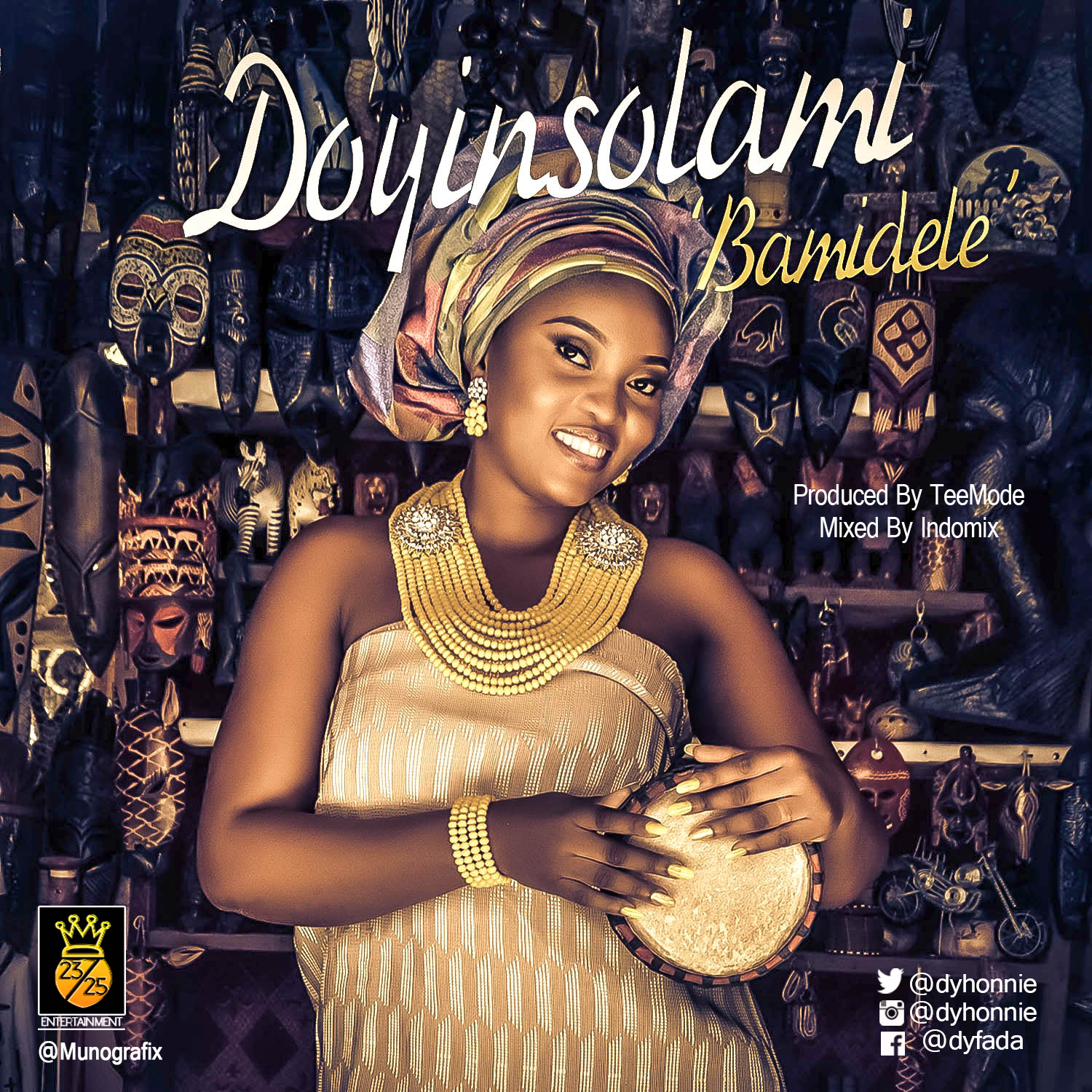
In case you don't know who Doyinsola is; she is a songstress who came into the music scene in 2015 after making her hit song "BAMIDELE". The song is quite a popular jam on many Nigerian radio stations, the song is a romantic Afropop song, you will definitely dance listening to this awesome song and the music video is sure a great one too with an interesting storyline. You will find a link to download the song on MTNMusicPlus down below this post and the video embedded alongside. Doyinsola talked more about herself and her music with T.I.N Magazine in the brief interview you are going to be reading below.
Hello Doyinsola, this is Apata interviewing you from T.I.N Magazine. CAN YOU PLEASE TELL US YOUR FULL NAME?
My name is Doyinsola Olatunji
WHAT ABOUT YOUR FAMILY AND EDUCATIONAL BACKGROUND?
I have 3 brothers, one of them is the popular nollywood actor Damola Olatunji, and Hon Tunde Olatunji of the Osun State House of Assembly. I graduated from Bowen University, Iwo. Studied economics
WHERE DO YOU HAIL FROM AND WHERE ARE YOU BASED?
I am from Edun Abon, (Edunbong City) Osogbo, Osun state. Edunbong is the nickname we gave my town
WHEN DID YOU START MUSIC OFFICIALLY AND WHAT INSPIRED YOU?
I first featured in Star Quest in 2007. Went back to school and and came back officially in June 2015. I have been singing since I was 7 years old. My brother inspired me as I saw him pursue he's dream and he told me I can make it.
ARE YOU SIGNED TO ANY RECORD LABEL AT THE MOMENT?
I am not under a Record Label right now, but I am managed by 23/25 Entertainment.
THE SONG "BAMIDELE" SEEMS TO BE YOUR BIGGEST SONG EVER, WHAT BROUGHT IT UP?
Well, I was just vibing in the studio with my producer Teemode and the idea just kinda flowed. I wanted a different scenario instead of the guy toasting a girl, why not the girl doing it? It was fun making that track.
DO YOU HAVE SONGS YOU'VE RELEASED BEFORE OR AFTER "BAMIDELE"?
I have many other songs recorded, but I have only released Bamidele. That's my first official single.
THE SONG HAS QUITE SOME RADIO POPULARITY AND LESS SOCIAL MEDIA POPULARITY WHY?
We all have different strategies to explore. We are available on social media. We also need to promote it on Radio and TV so, the traction. We get is what we follow up more. I want to use this medium to thank all the Stations playing Bamidele.thabjs for supporting my dream.
THE SONG IS NOT MUCH OF A HIT SONG EVEN THOUGH IT IS A GREAT SONG, DID YOU NOT PROMOTE IT WELL?
I am happy you said it's a great song, if you do music, you will know it's not easy at all and if you have a great song, it opens you up for a hit song. You're looking for a hit abi, don't worry I am bringing a train to jam you soon. *laughs*
ANY PLANS ON REMIXING THE SONG WITH AN A-LIST ARTIST?
We are currently in talks with some artistes, we need to get it right and not just put any artiste for the sake of it. You might get a Bamidele remix soon.
THE SONG'S VIDEO WAS RELEASED RECENTLY, HOW EASY WAS THAT?
I had fun shooting the video because it was shot in my city, Osogbo. The logistics wasn't exactly easy Cus it wasn't in Lagos, but I had the best crew working on the video. Deji Kale shot it, and he was amazing.
CAN YOU MENTION A FEW SHOWS, EVENTS YOU'VE PERFORMED AT?
My favourite was the Glo Lafta Fest in Ikeja. The biggest was the Star Trek in Lagos. I also performed at the One Lagos Fiesta. We don try.
ANY AWARD NOMINATIONS?
Yes. I just won the Best Song Recording at the Top Naija Music Awards. That's the first and hopefully more will as soon as possible.
SO, WHAT ARE YOUR PLANS FOR 2016, SHOULD WE EXPECT MORE GOOD MUSIC?
I have 2 new singles ready for release. 2016 is my fear don't fret.
ANY MESSAGE FOR YOUR FANS OUT THERE?
Your girl Doyinsola thanks you all for your immense support this short while. Promise to make you proud in the year 2016. Follow me on Instagram and Twitter on @dyhonnie
Thanks for your time Doyinsola. We hope to have another interesting chat with you in the nearest future.
stanbuggy: Nice song..jameed it on my way to the bar this evening.... But this remix wth david is a NO! NO!
ring7: Honestly don't know why he used Davido for the remix
What is wrong with this people na?? Davido just made the song blow all of you are ranting... Davido is actually the best person to make collabo with in the music industry right now.. So what are you saying??
Beehshorp: HumbleSmith made a mistake by doing a collabo with Davido.. I just can't understand why davido was screaming dele momodu and sophie's name spoilling everything asif na im get the music... So if am to sing the music I'd also be hailing a babymama asif babymama's come from God...
I'd still pick the one done with Phyno a million times
I agree with you a bit on this one.. But the thing is that those lines he used has made the song even blow more. Because its funny.. I think he's trying to be funny and realistic..
Guys let's vote here: Click LIKE if you think the remix with Davido is the best Click Share If you think the first version is the best
Funfreak: You are right op. Dem Psquare and others no too dey use Igbo language for their songs the way D'banj d and others use their Yoruba language to make hits. I love Phyno's connect and Osinachi those two are my favorites of the moment.
Osinachi ft davido is just too dope! Davido's line is freaking funny!!
So, many Nigerian rappers last year tried crossing to the singing zone starting from Olamide and the rest, but actually only few of them did well and among the few is Baba Igbo, Phyno. I tuned on to TraceUrban channel 325 on DSTV late November 2015 and guess what?? Trace was showing my favorite jam Adele’s HELLO music video, after the end of the video I was about switching to HIPTV when I saw “CONNECT” on the screen I was like; “Wetin be connect again Phyno??” And immediately I remembered someone on my Facebook TL was talking about one Connect song by phyno few days before, and I was like “let me check this one out for a minute sha…”
After watching the video for about a minute I was like “The hell?? Phyno haven’t rapped?” I was seriously feeling the rhythm and the few Brokin and English I could understand in the song and most especially the heavy cool beat cooked by T-SPICE was turning me on like torchlight and the video itself is so “doppy!” I didn’t finish the video before I went online searching the song and I realized it’s been released since October, didn’t know, “Not a big fan of Phyno ”. I immediately went on MTNmusicplus to buy the song because I loved it, well, that’s what I do when I hear songs on radio or somewhere that I really love its sound.
After downloading the song It was on my repeat for about 5times before I finally decided to look up the lyrics and translation online.. After getting the lyrics and meaning online I became much more obsessed with the song because it made a lotta sense to me. Even though I still don’t understand some words in the song but I can proudly tell you by now I have learnt some new Igbo slangs via Phyno’s Connect that I’m really digging right now, as a matter of fact I used a couple words from the song in a song I recently wrote.
So what am I saying in essence?? Any sensible music lover would know Phyno’s connect is among if not the best Hip Hop song sang in Igbo language in a very longtime. It has a sensible meaning, it’s not someone shouting “I am crazy, “I want to do Rihanna” and shi*ts like that. I think our Igbo musicians should start using the Igbo language a lot more in their music but when using it they should make sure it is a song with good rhythm and lyrics, I think via that way even many artists from other tribes will use Igbo language a lot more in their music and they will become hits. Let’s take a look at Frank Edwards, Dude introduced us to some Igbo language via his good music and now lotta gospel artists are using these words in their music.
It is quite obvious the two most influential languages in our music industry at the moment are; Pidgin English and Yoruba language, these two languages are often used by many Nigerian artists of different tribes to make nationwide hits so I believe we can expand this via making more good music with our dialects. So in conclusion I think we all should try making more good music with our dialects!!!
Today we’ve come up with a list of the 6 most unique Nigerian pop artists of the moment. We tried making the list up to ten but these five people below are the artists we think are extremely different in the industry right now. Well, the list you are going to see below is judged based on their music genre, style of singing and their vocal uniqueness. Well, we made some notable mentions after the top 5, find them below.
6] ADEKUNLE GOLD https://www.adekunlegold.com/wp-content/uploads/2014/09/bio1.jpg Adekunle is an artist who came into limelight in year 2015 after the release of his first song “SADE” he sings Urban highlife, he has shown he is a gifted artist with songs he’s released since gaining stardom. Adekunle’s voice is unique in his own way, he showed that in a couple songs he has done. In a simple expression Adekunle can be said to be a Pop,highlife, RnB artist altogether.
Patoranking is a good “Reggae Pop” singer, his uniqueness is quite obvious to many music lovers, judging from his hit single; Girlie’O, to collabos he has made since gaining stardom we can tell his style of music is different. He just doesn’t sound like a normal reggae musician he sounds like he’s got his own style different from reggae.
4] FLAVOUR https://www.koraawards.com/en/wp-content/uploads/2015/12/bio-flavour.jpg Flavour Flavour N’abania by now is no stranger to us, he has been consistent ever since gaining stardom, he sings mostly in his native language and English language, Flavour has got that voice that draw people closer to his music, Flavour is a R&B,POP,High-life musician altogether. Flavour’s high rated uniqueness is all because of how he uses his Igbo language to make good sounds, only few artists do that with the Igbo language.
3] WANDE COAL https://thenet.ng/wp-content/uploads/2012/09/Wande-Coal1-e1350594641460.jpg Wande Well, he is quite respected for his sound a lot. His voice is what makes him a very different artist. As a male artist wande’s voice is sweet for the ears like that of a female’s. He is definitely a great R&B,POP and HIP-HOP artist.
The high rated ASA needs no introduction, if you are fan of good music you definitely must be following Asa on twitter. Asa is well respected and adored by fellow musicians, Asa’s music is different, her sound is different, she makes music like she was born to do it, with the amazing use of her Guitar it makes her craft more unique. Asa’s style of music is basically POP,SOUL and R&B .
1] BURNA BOY https://static.notjustok.site.com.ng/wp-content/uploads/2013/04/BurnaThumb.jpg Oh... Finally, meet the number 1 person on the list, it is the almighty BURNA BOY. No arguments, no doubts Burna has the most unique voice in the music industry presently, you just can’t sound like him, he is a real definition of anything called AFRO-MUSIC, he makes the Afro beats sound like Afro-beats, his sound and beats sound so unique, Burnaboy is sure a well gifted musician when it comes to his style of music which he calls AFRO-FUSION, he still do what he does, he hasn't changed his style.
NOTABLE MENTIONS: SIMI, SEYI SHAY,TIWA SAVAGE, ORITSEFEMI, DAMMY KRANE, SMALL DOCTOR.
Seun: This is a selfish interpretation of the bible. Faith without works is dead. Clicking the Report button to protect your neighbours is more biblical.
Dominique's entire job is to fight spammers and scammers on Nairaland. If you feel dominique is doing her job poorly I can give it to someone else. Lalasticlala and Mynd44 also spend a lot of their time dealing with those posts. I thought it was under control. I guess I was wrong.
I will moderate spamming on Nairaland for free... I often report some posts sef.
T.I.N Magazine few days ago updated a record under the T.I.N Nigeria super records which was declaring the NECOM House in marina, Lagos state to be Nigeria's tallest building. Well, we've come up with a list consisting the top ten tallest buildings in Nigeria as of 2015 including the completed and the uncompleted. The top ten you are going to see below is rated according to completion, Find pictures and details of each building below.
Millennium Tower, Abuja- 170 m (560 ft) (Uncompleted) (A structure not building)
[img]http://www.farsystems.it/media/far/references/nigeria_2.JPG[/img] The Millennium Tower and Cultural Centre project is one of the many projects in the Central District of Nigeria's capital city of Abuja. At 170 metres (560 ft), the tower would be the tallest structure in Nigeria. The tower was designed by Manfredi Nicoletti and is part of the Nigeria National Complex which includes the Nigeria Cultural Centre and Municipal Building. Construction started in 2006. The 170 metre tower will be Nigeria's tallest structure when completed along with an eight storey, low rise, pyramid shaped Cultural Centre. Located in Abuja, the site is severed by a main road so the two structures will be linked via an underground arcade.
TOP TEN TALLEST BUILDINGS IN NIGERIA This list ranks Nigerian skyscrapers that stand at least 60 m (197 ft) tall, based on standard height measurement. This includes spires and architectural details. The rating was done using the height to tip method which includes antenna masts and structures attached to the buildings top.
1] NECOM HOUSE, Lagos - 160 m (520 ft)
https://xl.skyscrapercity.com/images/oneonone/2014110701.jpg necom NECOM House (formerly NITEL Tower) is a skyscraper in Lagos, Nigeria. The 32-story building was completed in 1979, and houses the headquarters of NITEL. The communications spire at the top of the tower serves as a lighthouse beacon for Lagos Harbor. The building is constructed of concrete. The building is the tallest in Nigeria and the entirety of West Africa.
Cocoa House, completed in 1965 at a height of 105 metres was once the tallest building in tropical Africa. It is located in the city of Ibadan in Oyo State, Nigeria. And was built from proceeds from commodities (e.g., Cocoa, Rubber, Timber and so on) of the then Western State of Nigeria.
This is basically known to everybody that the CBN Abuja is the headquarters of all CBN banks in Nigeria, its building is the 9th in Nigeria, 308 ft. with 22floors.
The Eko Court A&B are both Residential Buildings belonging to the Lagos state government (Apartment / Condo) · Victoria Island THE YET TO BE COMPLETED THAT SHOULD BE AT THE TOP: 1 World Trade Centre 1 Abuja - 158 Metres 2 World Trade Centre 2 Abuja - 150 Metres 3) Black Pearl Towers (Eko Atlantic) - Lagos - 113 Metres (Ongoing Development) 4) Eko Towers II - Lagos - 110 Metres (Ongoing Development)
Vivly: Voting makes the whole process seem democratic. It appeals to the mind everyone that they helped select the best out of the better nominees. How would it be if organizers nominated and still picked out the winner themselves?? That's too much power for one person. If several people have been nominated, it's because they've passed the criteria and are considered better than others who weren't nominated. It's then up to everyone to pick the best. bye.
The writer didn't say there should not be votes, the writer is only saying the nominees should not solicit for votes
nuelzy: hmmmm....dis reeky's car dey pain some ppl no be small
rubbish....i cant see any wrong in soliciting for vote
in projectfame...d judges would give anything to retain some very good talents in d academy...bt at the end...ppl will vote d ones dey like....
its a win or lose thing...
not a battle field...
#now playing.........#
Dj spinal ft Yemi Alade...pepe dem
Did you even read the article?? How's what the writer saying connected to Reekys car?? According to the writer he only used Headies as an example and he didn't even mention anything about the Next Rated stuff. And seriously?? you see nothing wrong with nominees soliciting for votes??
As a great fan of entertainment and recognition of great works I am writing this article to change awards organizers way of judging awards. This is not only for Nigerian award organizers but for all award organizers around the world doing it the way I will tag “The Wrong Way”. Well, I think the title of this post should have given you guys some hints on the message I am trying to pass here. According to my personal research most award organizers in the world use the public’s vote to judge some award categories which means they want to know the public’s judgment so as to know how to give these awards to the right people which I will definitely say is the right thing. In some cases some award categories do not require the public’s judgment which is another cool thing. So the purpose of this article is to inform us all that most organizers are doing it the wrong way. The Wrong Way I am saying is this; Most of our organizers ask the nominees to start soliciting for votes and start promoting themselves so as to win the award, which means the person who promotes the voting link the most wins the award, in a decent voice I will say; that is freaking Dumb! So let’s come to think of It, 3 people were nominated in a category, the first person has 10,000 social media followers or fans, the second 7,000 and the third 4,000 with the three of them promoting their voting links to their social media fans, it is quite obvious the first person will have the highest votes, so what should be the fate of the 3rd person with 4,000 fan base only? I guess the award organizers expect that person to use his/her money to promote the voting link by advertising on social media right? If you do not know this before, you should know that there is no more honour in any award that the nominees have to start begging for votes by sharing a poll link on any of their fan pages, awards are all about honoring and recognizing a personality’s great work which means the person’s work speaks of him/her so no need for self promotion to get an award. As a matter of fact, I personally as an upcoming artist really don’t get moved by awards, in other words; winning awards as a musician these days is actually not an achievement to me. What matters to me most is the influence I make with my music and the records I set as an artist. I had rather top the Billboard Hot100 for weeks than win 10 Grammys, I had rather have the 3rd bestselling album of all time on iTunes than win any award. Let’s take a look at P-SQUARE, these guys Youtube channel is the most viewed in Nigeria. One of their videos is the most viewed Nigerian video on YouTube, that is what I call achievement, look at 2face- His album is the best selling Nigerian album on ITunes that is what I call achievement, look at D’banj his Oliver Twist song peaked at number 2 in the U.K and topped charts in many other countries and that is what I call achievement, so why the “F” would I start stressing myself to get an award which to be sincere we all know they are judged based on organizers view and the public’s votes are less considered? Don’t get me wrong, I am not saying I don’t appreciate awards, I do, but not as much as most people count it these days, most especially our Nigerian artists. I mean if any award category strictly depend on votes from the public I believe it should be done in a better and a much more sensible way. Let’s take a look at my own way on how this should be done, being a Nigerian I am going to use The Headies Awards as an example, Headies as we all know is the biggest music award in Nigeria which means they’ve got a lot of levels when it comes to the entertainment scene. So let’s say they want to judge some of their award categories based on the public’s vote why don’t they promote the voting page to the public themselves? I mean award organizers who wants to use the public’s vote to judge their award categories should be able to do it the perfect way. What I am saying is when an award voting commences the organizers should promote the voting page to the audiences and see what people truly think. In this E-world we are in presently I think even the social media promo is enough for them to use. Headies is an award show millions of Nigerians know about and they expect to see nominees and winners every year so it is quite obvious people would want to cast their votes for the right people. At this level I think an award show as respected as Headies shouldn’t find it difficult to get their voting page promoted on top blogs in Nigeria, I believe big names like Notjustok.com,Tooxclusive.com,360nobs.com,BellaNaija and even Lindaikeji blog would still help Headies promote their voting page for free if some partnership agreements were made, and with them promoting on Facebook and Twitter alongside I am so sure Headies would have hundreds of thousand votes from Nigerians selecting great artists they think deserve award. Via this system it would be crystal clear the award is given via people’s choice. Award organizers should try and inculcate this system and stop telling artists to solicit for votes.
=>THE TALLEST BUILDING IN NIGERIA IS NECOM HOUSE MARINA LAGOS STATE<=
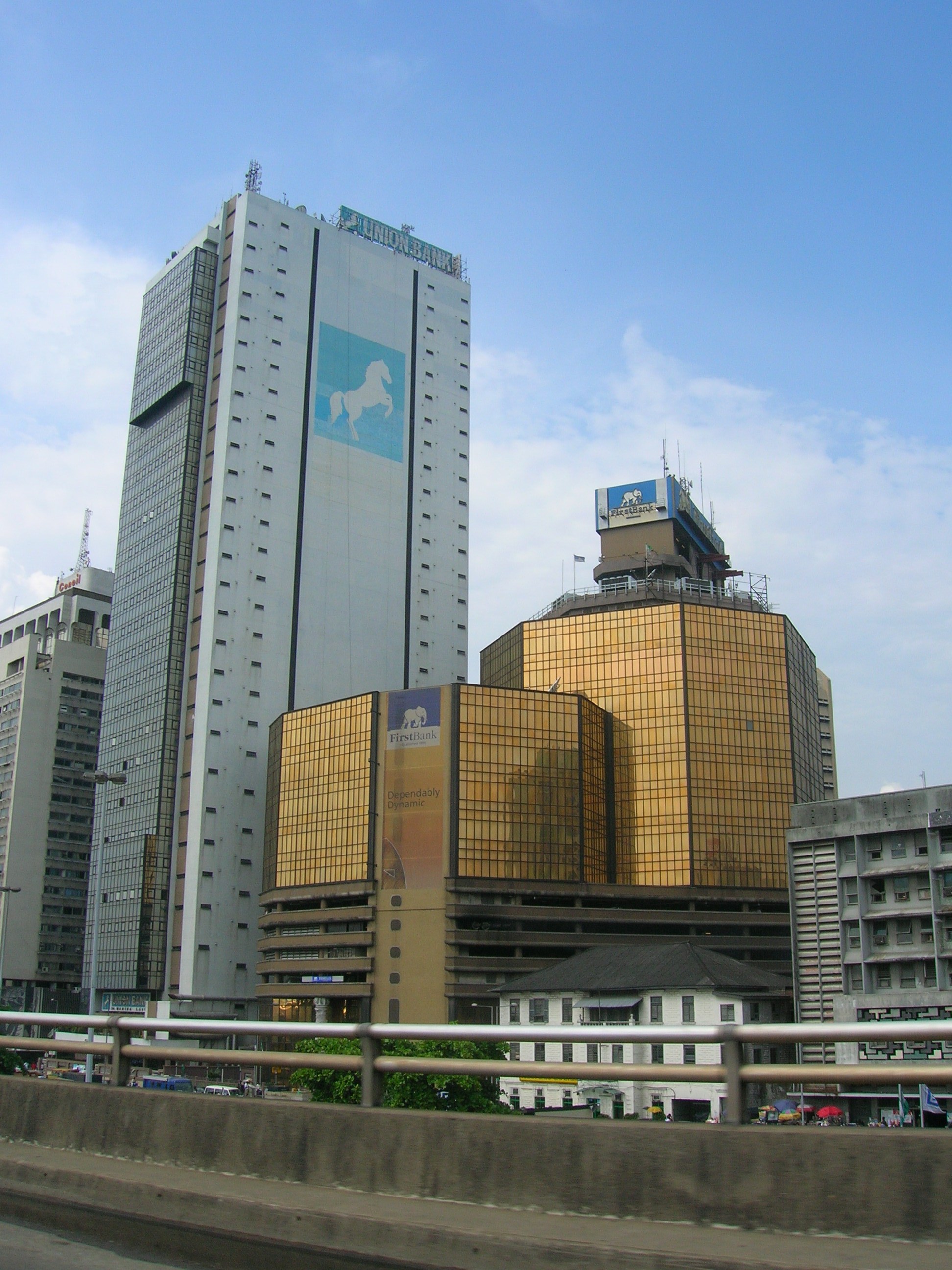
In year 2015, T.I.N Nigeria super records visited the Island of Lagos state to make confirmations of the height of the controversial Necom house which was completed and opened in 1979. The building which is 525ft tall (160m) with 32floors count has been recorded as Nigeria's tallest building. Although our attention has been drawn to the yet to be completed millennium towers in the capital city of Nigeria but we are yet to visit and verify, until the absolute completion of the building the NSR team will not visit to make confirmations, for now the Necom house is still recorded to be Nigeria's tallest building in the T.I.N Nigeria super records. The Nigeria Super Records (NSR) is powered by T.I.N Magazine. [img]http://4.bp..com/-kp5julpxe2c/Vpo2LvFJVOI/AAAAAAAABgM/IL7MfzK8-r0/s400/Necom.jpg[/img]
CuteDude53: Hit singles from July 2014 to June 2015
When lil kesh sing gbesay rey it was late then
Lil kesh and reakado push out almost same number of hits and features, but the de facto was "content/lyrics" lil kesh music can't appeal to every age hence reakado having upper hand.
Ode.. u in Nigeria at all?? June 2014- June 2015.
KESH released Lyrically, shoki, after gbese in February and Efejoku June. so the Bleep u saying?? he got the highest collabo... what else??
Non of Reekado song made the top 20 songs of the year..
Let's forget lyrics.. these days even in U.S they don't use lyrics no more its the level of hit a song gets.
A Nigerian youngster attained a feat in year 2014, after doing what has never been done by anybody of her age category before in Nigeria. Anjola a smart child of Mr/Mrs Botoku is a young girl and she was 8 when she wrote an (O level examination), had two credit passes in English language and French which were the two courses she registered, she wrote the exam in year 2013 when she was 8 and the result was out in 2014 when she was already 9, she had to increase her age while registering for the GCE. She is often referred to as "The Real Nigerian Whiz-kid" by many media outlets. The T.I.N NIGERIA SUPER RECORDS (NSR) attention was drawn to this, we visited and made confirmation of her record and her name just entered the history book.
Do your young ones have what it takes to break her record? Or you think they can set a record bigger than hers? Well, make them do it and send for us to confirm and let's make history.
T.I.N Nigeria Super Records is officially powered by T.I.N Magazine. Are you unique? Have you done something extraordinary? Have you set a Nigerian record that is unknown to us? contact us via: tinsuperrecords@gmail.com or tinmagazine@yahoo.com
So following the available statistics, T.I.N Magazine has finally come up with the list of the top twenty songs in Nigeria this year, the list features the most popular songs released within November 2014 and November 2015.
The major criteria we used in making up this list are; digital downloads and YouTube views. Songs that do not have a video aren’t featured on this list.
THE TOP 20 SONGS IN NIGERIA 2015 COUNTDOWN
20] IJO AYO – SKALES
This song received quite some popular air-plays on radio stations this year, also among the most bought songs on MTN music+ also one of the most subscribed for caller tunes the song also got hit remixes.
19] JAMB QUESTION - SIMI
We can actually say this song is what brought its crooner SIMI to limelight, Jamb Question was song loved by many music lovers this year, got some heavy streams and downloads on the MTN music+ too. Both its first version and remix received massive downloads on popular music sites in Nigeria.
18] EFE JOKU - LIL KESH
This song by the young star Lil Kesh was another hit hiphop single he made this year. The music video has quite some views and its download on Nigerian music sites was just too massive. Not forgetting the song is among the most bought Nigerian songs on ITunes this year
17] ORENTE - ADEKUNLE GOLD
Orente was the second song released by the high-life artist Adekunle this year, following its commercial success it is actually successful than Adekunle's first song Shade, after getting a lot of digital downloads radio air-plays the song even has a dance-hall remake. Its music video is also another hit.
16] LAGOS BOYS - OLAMIDE
This song itself is what is called popular, with the introduction the "Sneh" slang, Olamide captured many music lovers attention this year, the music video views is massive and so is the digital downloads and streams.
15] GBESE - LIL KESH
This is the song kesh released before Efe Joku, it was released earlier this year and it was an immediate hit. Received some heavy radio airplays also. The song's music video is also among the top most popular this year.
14] CONNECT - PHYNO
Just when people were starting to say Phyno was a flop this year he proved he was not, even though it was late, this song was released in October and has since then garnered hundreds of thousand digital downloads, in other words that was huge! The song's music video is still among the top trending videos on YouTube at the moment, the song was no rap but it was dope.
13] GIFT - IYANYA FT DON JAZZY
This song can be concluded to be Iyanya's biggest song of the year. With massive YouTube views and hundreds of thousand downloads. The song got serious airplays on various radio stations too.
12] OLOLUFE - FLAVOUR FT. CHIDINMA
The song may not be very popular on the street but the internet impression is quite different , the music video to the song is actually the most viewed music video on YouTube this year.
11] MY WOMAN MY EVERYTHING - PATORANKING FT. WANDE COAL
Patoranking made quite some huge songs this year but it obvious "my woman" is the most popular of them all after getting massive radio airplays and downloads, the song's music video is still getting the views on YouTube.
10] AWW - DI'JA
This song is rated at the top of all love songs this year, the video was quite a popular one too and its radio airplay is huge. Tracking the song's download history it sure deserves the no.10 spot on this list.
9] REGGAE BLUES - HARRYSONG FT. OLAMIDE,KCEE,IYANYA,OREZI
Reggae blues a song sang together by top notch Nigerian musicians is sure a very huge song in the country this year. Harrysong featured a couple superstars on this track to get his song to be among the top 10 songs of the year according to its digital download stats.
8] LAYE - KISS DANIEL
Laye is a real huge song this year, that is daniel's second hit single after the very popular Woju. After massive downloads on the internet it is also among the most bought songs on iTunes.
7] FANS MI - DAVIDO FT MEEK MILL
This is another huge jam that rocked the music industry this year, this song feature American rapper Meek mill a song which got a lot of digital downloads.. Its music video holds the record of the fastest Nigerian music video to hit a million views on YouTube. 6] OWO NI KO KO - DAVIDO
Another hit single from the OBO, released November last year and has been a hit ever since then. We don't need to hype the song's commercial success.
5] THE SOUND - DAVIDO FT. UHURU, DJ BUCKZ
Davido got another song up here on the top ten, this one features African stars, the song was reported to have topped many African charts this year.
4] GODWIN - KOREDE BELLO
The song needs no illustration; the song is among the most popular songs this year offline if not the most popular, the song made its crooner Korede a mega superstar this year..
3] OJUELEGBA+REMIX - WIZKID
The first version of the song was released late last year and it trended well, little did we know the song is still going to do the same this year, after a remix featuring Drake and Skepta it became another huge hit this year. Its music video became one of the most popular this year too.
2] WOJU + REMIX - KISS DANIEL
This is the first jam that brought Kiss to limelight this year.. Its first version was nothing but a hit nationwide, and the controversial remix featuring Tiwa and Davido finally puts this song at the 2nd position.
1] BOBO - OLAMIDE
Ok, the crooner of this song is finally turning to a living legend just within five years. He is a rapper but he made this year all about singing and “BOBO” is the most popular song he released this year. The song became more popular with its interesting dance steps, its music video is the second most viewed music video released on YouTube this year. BOBO is no doubt the song of the year.
 Celebrities › Top Ten Most Consistent Nigerian Artists Of The Decade by Codedrock(op): 3:33pm On Feb 22, 2016