Constantin's Posts
Nairaland Forum › Constantin's Profile › Constantin's Posts
1 2 3 4 5 6 7 8 9 (of 9 pages)
 Travel › Re: Manila Skyline, Philippines by Constantin: 11:15am On Feb 14, 2007 Travel › Re: Manila Skyline, Philippines by Constantin: 11:15am On Feb 14, 2007 |
Manila is crab, only Makati is beautiful , the rest of the city is only poverty, corruption and misery! Simply incomparable to South East Asia´s real beauties such as Singapore, Kuala Lumpur or even Bangkok! |
| Travel › Re: The Lagos City Mall At Onikan by Constantin: 10:43am On Feb 14, 2007 |
More malls will spring up soonDo you have any news on that? I am burning for mall news coming out of Nigeria, hoepefully Nigeria will experience the same mall revolution than our Asian developing nations counterparts like India for example which had one single mall in the mid 90´s (for a population of more than 1 BILLION people!!!!), nowadays malls mushroom everywhere across that sub-continent!  |
| Travel › Re: The Lagos City Mall At Onikan by Constantin: 12:42pm On Feb 13, 2007 |
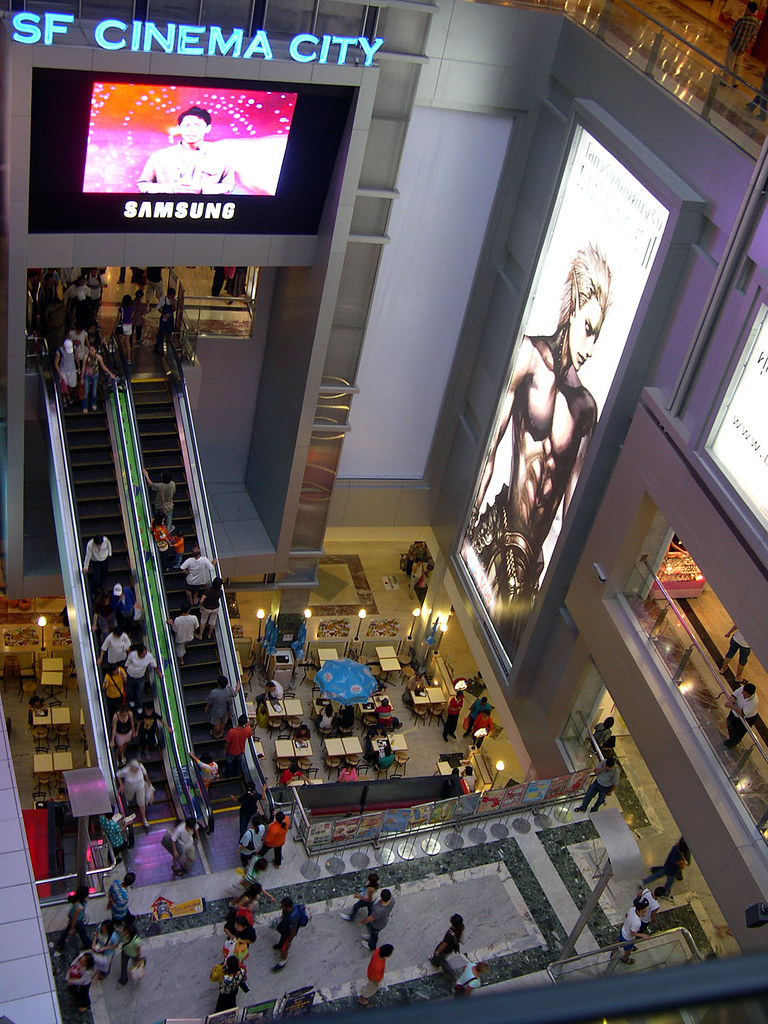
Eric Frank, Malls are a quintessential aspect of social modern life, we live in the 21 century and no longer in the 19 th century! Asians are the most crazy people about malls, they love shopping like mad and new hyper malls spring up everywhere not a month goes by without an new mall opening! but Asian family structures are very strong and Asian peopel are very traditional, too! Both aspects can be combined. Look, mall construction is a money generator and a form to fight unemployment and create wealth and it ´s a form of entertainment "to see and be seen" among others.  |
| Business › Eager Nigerians Seek South African Investors by Constantin(op): 8:11pm On Feb 12, 2007 |
Posted to the web on: 07 February 2007 Mathabo le Roux Trade and Industry Correspondent REPRESENTATIVES of a Nigerian company visiting SA to raise capital following a listing on Nigeria’s stock exchange have ambitious plans to build up a mega-conglomerate by tapping into opportunities offered by key growth sectors in the Nigerian economy. The Transnational Corporation of Nigeria (Transcorp) listed on the Nigerian Stock Exchange in November last year and has a market capitalisation of about $700m. The company has embarked on a roadshow, courting corporate investors and investment bankers in the UK, Europe and the US in an effort to raise a further $500m, and is on the South African leg of its tour. Counting high-profile Nigerians among its management, including Nigerian Stock Exchange director-general Ndi Okereke-Onyiuke as its chairman, the company has plans to invest in high-growth assets in oil and gas, telecommunications, agriculture, trade, hospitality and entertainment. To this end it had already invested $105m to acquire the Hilton Hotel in Abuja, bought a 51% stake in Nigerian Telecommunications for $500m and acquired the licensing rights for two major oil blocks, it said. With the Nigerian economy over the past three years growing at more than 6% and economic growth over the next three years projected to grow at more than 5%, Africa’s most populous nation is experiencing an unrivalled consumer boom. At the same time, the Nigerian government has embarked on an aggressive privatisation programme, which presents massive opportunities to cash-flush companies. With the Nigerian government looking at building in a requirement for minimum local ownership in strategic enterprises — along the lines of SA’s empowerment legislation — the major challenge for local companies is their lack of capital. Transcorp wants to position itself to capitalise on these opportunities, says its CEO, Nicholas Okoye. Some of Transcorp’s more ambitious plans include plans to be invested in the upstream and downstream sectors of the highly lucrative oil industry, and aims to set up a biofuels industry in the west African country. It also wants to establish a free-trade zone, modelled on Dubai’s highly successful trade zones, which would see companies making use of the hubs, setting up shop in hi-tech shells and receiving tax breaks and competitive costing on logistics and port services. The group also wants to formalise Nigeria’s booming multibillion-dollar film industry — known as Nollywood, and third only in popularity to Hollywood and India’s Bollywood — by setting up film studios and distribution networks for its product for the millions of Nigerian expatriates living abroad. But it is also dabbling in electricity, planning to build a power station that could generate electricity for the country, and eventually for the region. Ultimately, Transcorp wants to serve as a conduit to mobilise the Nigerian diaspora to return to the country and build the skills pool at home, says Okoye. Transcorp nonexecutive director Gboyeya Oludade, enticing potential investors, said investing in Transcorp would allow them to get a foothold in a company “with its tentacles in very many strategic sectors”. Projections put revenue at R23bn by 2010, from the current R5bn, and after-tax profit at R2bn, up from the current loss position of R400m. |
| Travel › Re: Something You Wouldn´t Expect To Find In Kabul: Look! by Constantin(op): 5:42pm On Feb 11, 2007 |
Come on, there are more well-to-do Nigerians nowadays than in the grim 90´s, you cannot deny that , Wealth creation starts from individually private initiaves and not from dreaming cozily about entering a minister´s office. |
| Business › Re: Nigeria As A Brand by Constantin(op): 5:15pm On Feb 11, 2007 |
I do hope that we can kick off an interesting discussion about an issue that concerns our country´s image and consequently each individual Nigerian.  |
| Business › Nigeria As A Brand by Constantin(op): 5:12pm On Feb 11, 2007 |
I found this article, A very good piece of information that countries in today´s (globalised) world need more and more in order to succeed Nigeria as a Brand By Uche Nworah Introduction Branding, as we know it, has traditionally been associated with products and services. Global companies and corporations and their marketing communications agencies have continued to create and use branding as a distinguishing and strategic competitive factor in the market place, and also in the battle for consumers. Brands such as Coca-Cola, Mercedes, Nike, Microsoft, Harvard, Guinness, and Ford are beneficiaries of strong and strategic brand building efforts, this may therefore account for the brand leadership positions of these companies globally. However, this may not be the case with country branding, a largely new but growing discipline and aspect of branding. My research interests in the field of country branding grew around the time that my country of birth, Nigeria launched what the government called The Nigeria Image Project in July 2004. My initial reaction to the euphoria surrounding the launching of the project was negative; I viewed its intentions with much skepticism, mainly as a result of my experiences in the past with such government projects and informational campaigns, most especially the WAI (War Against Indiscipline), NOA (National Orientation Agency) and the MAMSER (Mass Mobilization for Self-Reliance and Social Justice) campaigns embarked upon by previous regimes. Some of such projects were not professionally executed and were largely characterized and associated with mediocrity, they were also used as conduits to siphon away public funds. On taking a closer and more detailed look, informed by trends in the global economy, I began to change my views about the concept of the Nigeria Image Project. I still had some questions and issues regarding the way the project was being implemented, and also with some of the proposals outlined in the project. I have therefore decided to research further into this area of country branding and the associated challenges using the Nigeria Image Project as a case study, this will hopefully form the main theme and focus point of this paper. Review of Related Literature While searching for relevant literature in the field of country branding, I noticed that there are not a lot of specialized textbooks and resources in the discipline, much of the available literature in country branding is still largely and loosely embedded in traditional marketing, management and branding textbooks, including series of articles on the discipline written by marketing and branding practitioners. One of the reasons for lack of readily available resources in the field could be found in the comments made by Wally Olins (1999). According to Olins: The popular assumption is that national branding is a novel concept. In another paper Branding the Nation: The historical perspectives, Olins warns countries of the risks of ignoring nation branding and predicts that country branding will become normal practice in the future. According to him, the lack of interest and belief in country branding by some skeptics is only as a result of snobbery, ignorance and semantics. What Is Country Branding? I will work from a definition of what brand and branding means and then attempt a definition of country branding. Much of the definitions of branding, if any that exists focuses directly and more on explaining what brand means. Nilson (2000) writes that "A brand is really just a symbol with tremendous potential, and that this symbol can be expressed in many different ways." This is particularly true as such symbols such as the Nike swoosh, the Mercedes star and the McDonald's golden arches come to mind. The brand symbol can also become a distinctive feature from other competing brands, according to Cowking & Hankinson (1996): "A brand is simply a product or service which can be distinguished from its competitors." According to John Murphy in Hart & Murphy ed. (1998), such distinguishing aspects and brand features could be tangible and intangible. With products, such tangible and intangible values are easily identifiable by the consumers, as they can feel, touch, sample and judge the product before purchasing, however this becomes a bit difficult with services, which the consumers can only judge after experiencing or based on their prior knowledge and information about the service, a decision process which can be aided by a strong brand identity. With countries, the decision making process is even more difficult because the objectives and costs are different. Whereas a consumer could easily afford to spend money on a product without much considerations and with potentially less consequences as a result of dissatisfaction, it is not so simple with companies wishing to invest in a country or with tourists wishing to go on holidays in the country. Both the companies and the holidaymakers are influenced by a lot of other factors; this is because of the huge sums of money involved. For holidaymakers this will run into thousands of dollars or pounds, they will also consider the relative safety of the social and political environment of the country. For companies, the figure becomes even higher, often running into hundreds of millions of dollars or pounds, at the back of the minds of such potential investors will be the security of their investments as well as the rate of return on such investments compared to the rates of return on investment in other competing countries, the investors decisions will also invariably be influenced by the political, social and economic stability of the country in question. This view is shared by Randall Frost (2004) who wrote that "There's no arguing that the image we have of another country says a lot about how we view it as a tourist destination, a place to invest or a source of consumer goods." If brands are therefore the tangible and intangible attributes of a product, service or country, comprising the brand names, logo, color, values, customer service levels, price, packaging etc, branding therefore is the continuous and strategic process involved in the creating and managing of all these associated brand elements and components. I will therefore define branding as the marketing and management process that gives a product, service, organization, or personality a unique identity and image such that it is easily and positively identifiable and distinct from the competition. Compared to products and services branding, country branding is the process whereby a country actively seeks to create a unique and competitive identity for itself, with the aim of positioning the country internally and internationally as a good destination for trade, tourism and investments. In this regard, countries such as South Africa, Wales, Spain and Ireland have succeeded in attracting businesses and tourists to their countries as a result of carefully managed country branding programs. The Need for Country Branding With the rising trend of globalization and the breaking down of international barriers of trade, competition for consumers and inward investments, also known as Foreign Direct Investments (FDI) are getting more intense amongst the countries of the world. The paper Branding a Country, suggests that "Countries will compete daily with neighbors or block regions for tourism, inward investment and export sales, There's only so much business that can go around. Those countries that start with an unknown or poor reputation will be limited or marginalized. They cannot easily boost their commercial success" (Charles Brymer, Interbrand, 2003). These remarks ring true particularly in the developing countries, and especially in Nigeria. The self-styled giant of Africa, with an estimated population of over 200 million people and a privileged position as the sixth largest producer and exporter of crude oil in the world, Nigeria has such a large abundance of human and material resources, it's been described as a curse by certain commentators. Their reason being that the proceeds from the sales of the natural resources only sponsors the corrupt and lavish lifestyles of successive regimes in the country. These regimes have consistently failed to invest such proceeds back into the country, and have also failed to improve existing social systems and infrastructures, factors necessary to attract foreign investors. Also in 2004, the United Nations Conference on Trade and Development (UNCTAD), at a public forum in Lagos, Nigeria, concluded that Nigeria's poor external image is denying it much needed foreign investment to accelerate its economic growth. According to the 2004 UNCTAD report, FDI flow to Nigeria was 1.2 billion dollars in 2003 and 1.3 billion in 2002. A pittance for such a country with huge potentials and prospects. Nigeria is also bogged down by its image as one of the most corrupt nations in the world. According to the 2004 Transparency International Corruption Perceptions Index, Nigeria still ranks as the third most corrupt country in the world in a survey of 146 countries, coming only ahead of Haiti (the most corrupt country) and Bangladesh (the second most corrupt country). Nigeria's current position is only a slight improvement from its previous positions as the second most corrupt and the most corrupt country in the world in 2003 and 2002 respectively. According to Peter Eigen, The Chairman of Transparency International:"Corruption robs countries of their potentials… Corruption in large-scale public projects is a daunting obstacle to sustainable development, and results in a major loss of public funds needed for education, health care and poverty alleviation, both in developed and developing countries." Nigeria's other problems have also been identified as bribery and corruption, unemployment, poor infrastructural development, over dependence in the oil sector for federal income and revenue, poor work ethics, increasing citizens dissatisfaction and disaffection with the government, political structures and politicians, corporate and large scale organizational irresponsibility, inadequate funding of the educational, health and other key sectors, neglect of the agricultural and other non-oil productive/manufacturing sectors, continued manufacture of poor quality, fake and substandard goods and services, over dependence on imported goods, poorly regulated capital and financial market, tribal, ethnic and religious squabbles, homelessness, poverty and hunger, poor maintenance culture, poor planning, lack of security and disregard for human life and property, armed and pen robbery, and others. As a result of the realization of the negative effects of these issues on Nigeria as a potential investment country, the government of Nigeria launched the Nigeria Image Project in July 2004. Nigeria's Minister of Information, Chief Chukwuemeka Chikelu described the project as both informational and orientational in nature, involving both the media, advertising and public relations practitioners. Not only Nigeria, other countries of the world have also realized the importance of country branding. Mark Leonard of Demos, in the book Britain TM (1997) writes on the need for Britain to rebrand itself. According to Leonard "The main reason why this needs to be done is that a gulf has opened up between the reality of Britain as a highly creative and diverse society and the perception around the world that Britain remains a backward-looking island immersed in its heritage." In a related remark, Wally Olins (ibid 20) writes that "Countries which have thought most about branding issues have been those, like Britain, with some kind of traditional position, influence and reputation which they seek to change or improve." This analogy best describes countries such as Nigeria and the other developing nations that are still grappling with a myriad of issues, which pose threats to their abilities to attract foreign direct investments. There seems therefore to be a growing global trend of the use of traditional marketing and branding techniques to brand countries. There are however some who may not agree to such methods. William Drenttel in his article My Country Is Not a Brand (2004) writes that "Even nations have become brands… The symbol for a country should not be created by branding experts. When the vocabulary of a nation's foreign policy is the vocabulary of branding, then it is, in fact, selling Uncle Ben's Rice. This transaction, with the vocabulary of the supermarket counter, is not how I envision my country (America) speaking to the rest of the world." However, I think that for countries to compete effectively in the global market, and also be able to attract FDI, they may have to employ branding and marketing techniques. While this is easier said than done, it also does not guarantee complete success if the other variables and factors are not in place, most especially the right enabling environment. A wholesale adoption of branding and marketing principles in the country branding process should be viewed with caution, because, according to Olins, despite the similarities between product and place brands, "the idea of a nation as a brand—as Kellogg's Corn Flakes is a brand—is a very big mistake." Olins here is also emphasizing caution and care in the application of traditional branding principles to country branding. Peter van Ham, as cited in Rob Ferguson's article Brand-name Government (Knowledge Marketing Watch Newsletter, October 2001) says, "A state just like a company, requires a strong brand. To rise above the cluttered political landscape, a state must be able to define and promote its vision." While arguing the need for Canada to rebrand itself, Ferguson writes that, "No state wants to be anonymous. The goal, rather, is to have a brand that makes winning friends and influences easy…. Building a compelling brand with deep, multi-faceted attributes requires a long-term, team-oriented commitment. It will require politicians and bureaucrats to understand how identity is developed, promoted, and maintained…." The next section of this paper discusses the process of country branding and analyses to what extent it is being done professionally by Nigerian government officials. How to Brand a Country From the traditional branding point of view, the brand building process is best represented by the Brand Equity model (Brandt and Johnson, 1997) as follows: https://www.brandchannel.com/images/papers/604_graph.gif According to Brandt and Johnson, "Brand equity is the unique set of real and/or perceived distinctions attached to a brand by customers…. Brand equity lives only in the hearts and minds of customers." There are also several other models and descriptions of the product or service branding process. While they may differ in approach, a common thread of understanding runs through all of them. I have therefore condensed them into what I call the brand-building matrix. However, Brymer (2003) suggests that although the principles of branding apply equally to countries as they do to products and services, the methods may differ. According to him, "Creating a branding program for a country demands an integration policy that most countries do not possess—the ability to act and speak in a coordinated and repetitive way about themes …are the most motivating and differentiating [steps] a country can make." His comments succinctly capture the challenges countries face in their branding efforts. Nigeria for instance has a highly bureaucratic government structure; there is large scale duplication of efforts in several government ministries, agencies and departments connected with the Image project. This makes coordination of the Nigeria Image Project problematic, as several of these government departments all lay claim to being responsible for one or several aspects of the Project. There are countless spokespersons constantly releasing information to the media, such that it becomes difficult to have a central coordinating point, a strategy or war room of sorts. Whereas with corporations, information is better managed by a unit of the business, or employees can easily be indoctrinated with selling the business' ideals and image, this is almost impossible with countries, where reaching a consensus amongst the millions of its citizens is an impossible task. Nigeria's case is also made more difficult because of its multi-ethnic composition. The cultural, language and religious differences make any wholesale agreement impossible as the citizens still have primordial attachments to their immediate and core ethnic regions. Long years of political and religious bickering between the three major ethnic groups (Yoruba, Hausa and the Igbos) have made reaching a national consensus in major issues (including the Image project) almost impossible. Applying the major steps in the country branding process (as explained by Brymer), we come up with the following: * The cooperation and involvement of representatives of governments, business, the arts, education and the media. This does not yet seem to be happening in Nigeria's case, because all the relevant stakeholders are still not singing with one voice. * Determining and carrying out an image perception audit both nationally and internationally. There wasn't any reported image audit carried out by the Nigerian government before the launching of the Image project. The government's decisions had been loosely based on the several negative media reports both locally and internationally. * Consultation with opinion leaders and carrying out of a country SWOT analysis. Again, the Nigerian government is managing the Image project top down. A large majority of the country's opinion leaders still have not heard of the project and do not believe in it. * Creating a strategy using known professional models. Most importantly, the Nigeria Image Project did not apply some of the Everett Rogers' Diffusion of Innovations principles and models. Carefully crafted communication messages have not been made to sell the image project first to the citizens (who would then sell the country to the outside world). This is a huge error on the part of the government because it should have tried to sell the image project to the millions of Nigerians who comprise the diaspora and are in better positions to represent Nigeria in their different countries of residence. * Design a program to make the strategy tangible through improvement programs and campaigns. So far, the only sign of any planned campaign has been the reports in the media, which claim that the Nigerian government is planning to feature some Nigerians such as Akeem Olajuwon (ex-NBA star), Sade Adu (Grammy award-winning artist), Oluchi Onweagba (super model), Philip Emeagwali (world renowned computer scientist), Jay-Jay Okocha (football player), and Emeka Anyaoku (former Commonwealth secretary-general) in a series of testimonial advertisements in the international media. So far, this has not yet been done and the effectiveness of such testimonials is also doubtful. * Create a system to link together the different organizations and departments that can be part of the brand. This is not the case with the Nigeria Image Project as a result of the problems of coordination I highlighted earlier. More so, the project is being perceived as "another government white elephant project" and so has continued to create dissent and cynicism amongst the citizens. * Let actions count. Although the Nigerian government has carried out some political and economic reforms, these may still not be enough to restore the confidence and faith of both its citizens and the potential investors, as the facts on the ground still leave much to be desired. Olins also proposes a 7-point country-building plan, which partially agrees with Brymer's classification. They are: * Set up a working party made up of representatives of government, industry, the arts, education and the media. * [Do an] image perception audit * Consult with opinion leaders * Create a central idea or theme on which the strategy is based. The Nigeria Image project currently has no central or core theme. * Develop ways of articulating the central idea visually. It may seem that since the euphoria that greeted the launching of the project in July 2004, not much has been done again, nor has there been any visible media campaign both at the national and international level from the project coordinators. * Synchronize message themes to suit particular audiences. As I said previously no form of such messages have been seen nor heard in the media. * Create a liaison system through the working party to launch and sustain the program. The launching part appears to have gone on successfully but it is in the project sustenance that there appear to be difficulties. There have been speculations that the project, which received an initial government contribution of about US$ 5 million dollars, may be discontinued if there is a regime change in the 2007 elections. It should also be said that the task of rebranding a country in order to attract foreign investors is never left at the hands of branding and marketing professionals only. It is also important for the leaders in the country to embark on public and economic diplomacy. In this regard, Nigeria's President Olusegun Obasanjo appears to be doing very well in his quest to attract foreign investors and also to re-integrate Nigeria into the global community. Although, after years in the cold as a pariah caused by the economic policies and the human rights violations of past military juntas, the results of the Obasanjo's global junketing have yet to materialize in Nigeria. (The president has been widely criticized for his penchant for traveling around the world, usually with a large retinue of aides at the expense of the tax payers.) The president has also inaugurated an International Investment Advisory Council, headed by Baroness Lynda Chalker, the former United Kingdom Minister for Overseas Development. Writing to support economic and public diplomacy as practiced by the US, Diana B. Grant (2002) (quoting from the US State Department website) defines public diplomacy as "The practice of engaging, informing and influencing key international audiences in order to advance the interests and security of the United States." This definition should also apply to every country of the world that actually wishes to promote itself to the world for political and economic reasons. Conclusion I have tried in this paper to review some related literature in the growing area of country branding; the benefits to countries as well as the steps for creating a country branding program have also been discussed. I have also tried to use the Nigeria Image Project as a case study to highlight good and bad practice. It must be said however, that putting all these steps into practice, and hiring professional branding experts to manage such a program may still not guarantee that the country will attract investors, nor will the country experience the desired image change. This is because of the existence of other extenuating factors in the environment; these factors may include global economic downturn. Also, the market forces of demand and supply of global capital play a major role in determining where investors give their money. This is coupled with the actions of other competing countries, because in international business investments, there are no sentiments; investors seek maximum yield, return and security on their investments, which only a politically and economically stable country may guarantee. References - Bell, J (2001) Doing Your Research Project. Buckingham: Open University Press - Brandt, M & Johnson, G (1997) PowerBranding. San Francisco: International Data Group - Beristain, S. (2004) "Does Your Brand Register Abroad?" - Brymer, C. (2003) "Branding A Country" - (pdf). - Clifton, R. ed. (2003) Brands and Branding. London: Profile Books - Colyer, E. (2005) "Beer Brands and Homelands" - Colyer, E. (2005) "Anti-Globalization: Are you serious?" - de Chernatony, E & Mcdonald H.B.M (1997) Creating Powerful Brands. Oxford: Butterworth-Heineman - Drenttel, W (2004) "My Country Is Not A Brand" - "FG Unveils Strategies to shine Nigeria's image" - Ferguson, R (2001) "Brand-name Government" - Frost, R (2004) "Mapping a Country's Future" - Gant, B.D (2002) "How are we doing? Tracking Country image in the information age" - (pdf). - Hankinson, G & Cowking, P (1996) The Reality of GlobalBrands.Berkshire: McGraw-Hill - Hankinson, G & Cowking, P (1993) Branding in Action. Berkshire: McGraw-Hill. - Hart, C (2003) Doing a Literature Review. London: Sage Publications - Hart, S & Murphy, J ed. (1998) Brands. Hampshire: Macmillan - Ind, N (1997) The Corporate Brand. Hampshire: Macmillan - Jelsma, M "Performing the Brand Audit". - Kapferer, J-N (2003) Strategic Brand Management. London: Kogan Page - Leonard, M (1997) Britain TM. London: Demos - McQuail, D (2000) McQuail's Mass Communication Theory. London: Sage Publications - Nilson, H.T (2000) Competitive Branding. Chichester: John Wiley & Sons - Olins, W (1999) Trading Identities. London: The Foreign Policy Centre - Olins, W (2002) "Branding the Nation" - (pdf). - Papadopoulos, N & Heslop, A.L ed. (1993) Product-Country Images. New York: International Business Press - Rogers, M.E (2003) Diffusion of Innovations. New York: Free Press - Trout, J & Rivkin, S (1996). The New Positioning. New York: McGraw-Hill. _____________ Uche Nworah teaches Business and Marketing at Newvic in London. He is also a doctoral (EdD) candidate at the University of Greenwich with research interests in country branding. He can be reached at uchenworah@yahoo.com |
| Nairaland General › Nigeria As A Brand by Constantin(op): 5:06pm On Feb 11, 2007 |
I found this, A very good peice of information that country in today´s world more and more Nigeria as a Brand By Uche Nworah |
| Travel › Something You Wouldn´t Expect To Find In Kabul: Look! by Constantin(op): 4:43pm On Feb 11, 2007 |
I thought I was dreaming when I happen to come across that picture  (although I am happy for the Afghans, this picture also fills me with sadness): And Nigeria which didn´t have any war and an urban thriving middle class only has three malls to boast among which I would only classify one single mall to be first class (The Palms); in a country of 140 million people and which is the sixth largest oil producer in the whole worldl? (although I am happy for the Afghans, this picture also fills me with sadness): And Nigeria which didn´t have any war and an urban thriving middle class only has three malls to boast among which I would only classify one single mall to be first class (The Palms); in a country of 140 million people and which is the sixth largest oil producer in the whole worldl?  WAKE UP NIGERIA WAKE UP!!!! IT IS TIME TO START ENTREPRENEURSHIP AND LEAVE POLITICS BEHIND! WAKE UP NOW OR NEVER! PLEASE I BEG YOU WAKE UP!!!!! https://www.aisk.org/photos/van/IMG_0136.jpg https://www.southtravels.com/asia/afghanistan/safilandmark/gifs/shoppingmall.jpg https://www.icsc.org/srch/sct/sct0506/images/5KabulGetty.jpg WORLD-CLASS MALL EMERGES FROM RUBBLE OF KABUL In the universe of difficult retail projects, few can match the story of Kabul City Center, a high-end vertical mall set in the heart of Afghanistan’s capital city. Construction of the center began three years ago, not long after U.S. forces drove the Taliban from the city. Large parts of Kabul lay in ruins at the time, the legacy of Afghanistan’s civil war that followed the departure of the Russians in the late 1980s and, more recently, bombing by the Americans. Backed by local developer Haji Abdul Qudus Safi, the project moved ahead despite widespread power shortages. Finally, in September, it opened its doors. Kabul City Center occupies the first three floors of the 10-story building, which also houses the expensive Safi Landmark Hotel. The mall’s 97 stores. The public areas feature a cappuccino bar, a bank of glass-walled elevators and Afghanistan’s first escalator. By most accounts, business has been strong. Having endured adversity all around it, Kabul City Center is clearly serving its intended market. But it does not diminish the need for other retail, such as a hypermarket, that would serve a broader segment of the population. “God is great,” a young man outside the mall told a reporter from the Institute for War and Peace Reporting, an organization that assists local journalists working in areas of conflict. “He gives so much to some people that they are able to build places like this.” |
| Travel › Re: Lagos Subway Proposal by Constantin: 2:58pm On Feb 11, 2007 |
A subway was proposed in the heady 70´s when our country literally drowned in countless petrodollars but since then those projects have nver been picked up. That was some talking about a monorail project between Lagos Airport to Lagos Island and VI |
| Travel › Re: Best West Africa Country You Have Ever Been? by Constantin: 11:51am On Feb 09, 2007 |
Côte d´ivoire ten years back, it was a splendid place, almost like Europe in the Tropics, especially Abidjan  |
| Travel › Re: Best West Africa Country You Have Ever Been? by Constantin: 11:50am On Feb 09, 2007 |
Côte d´ivoire ten years back, it was a splendid place, almost like Europe in the Tropics! |
| Travel › Re: Tropical Thailand: One Of Asia´s Relatively Young "tiger Economies" (photos) by Constantin(op): 3:28pm On Feb 05, 2007 |
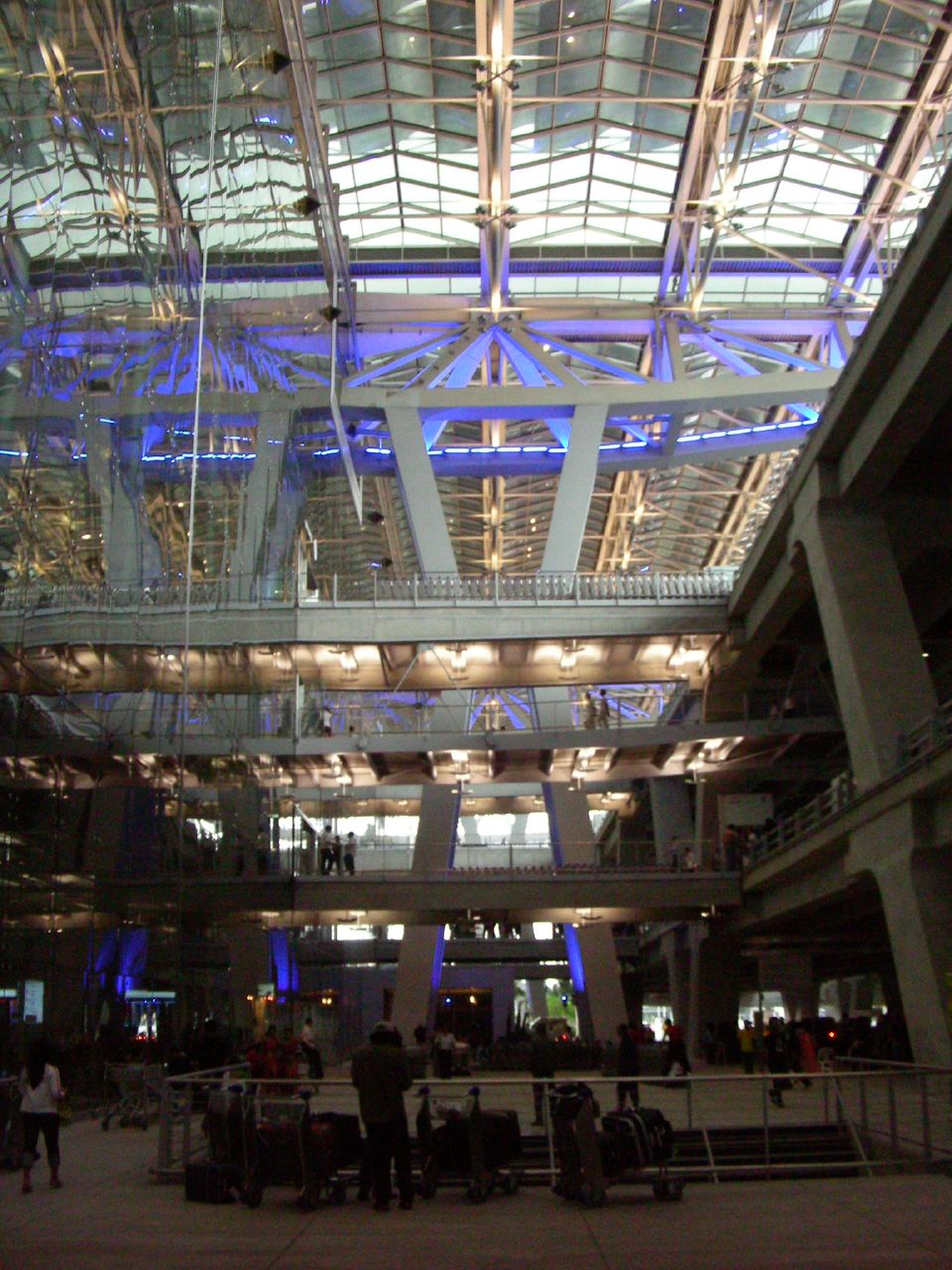
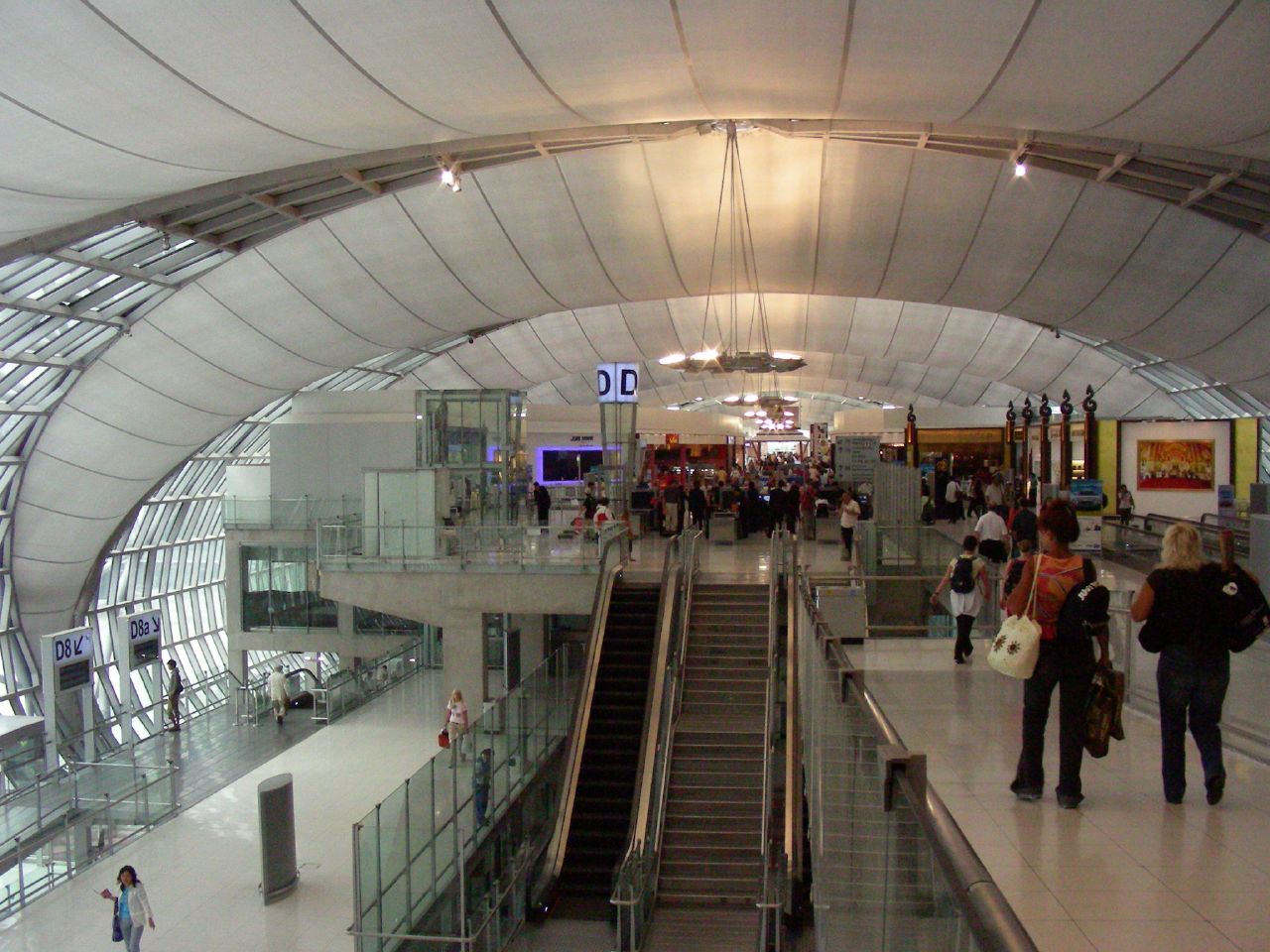
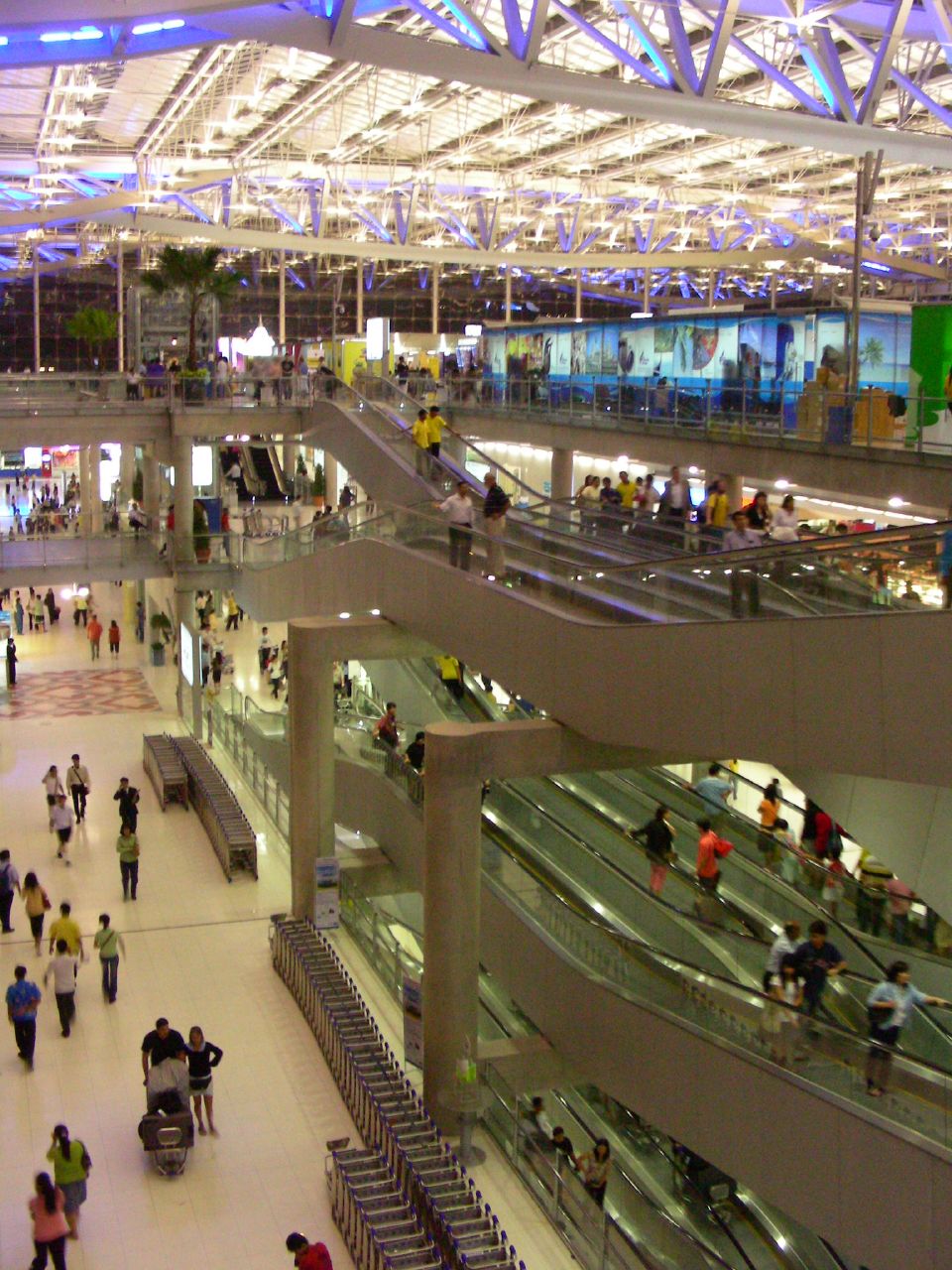
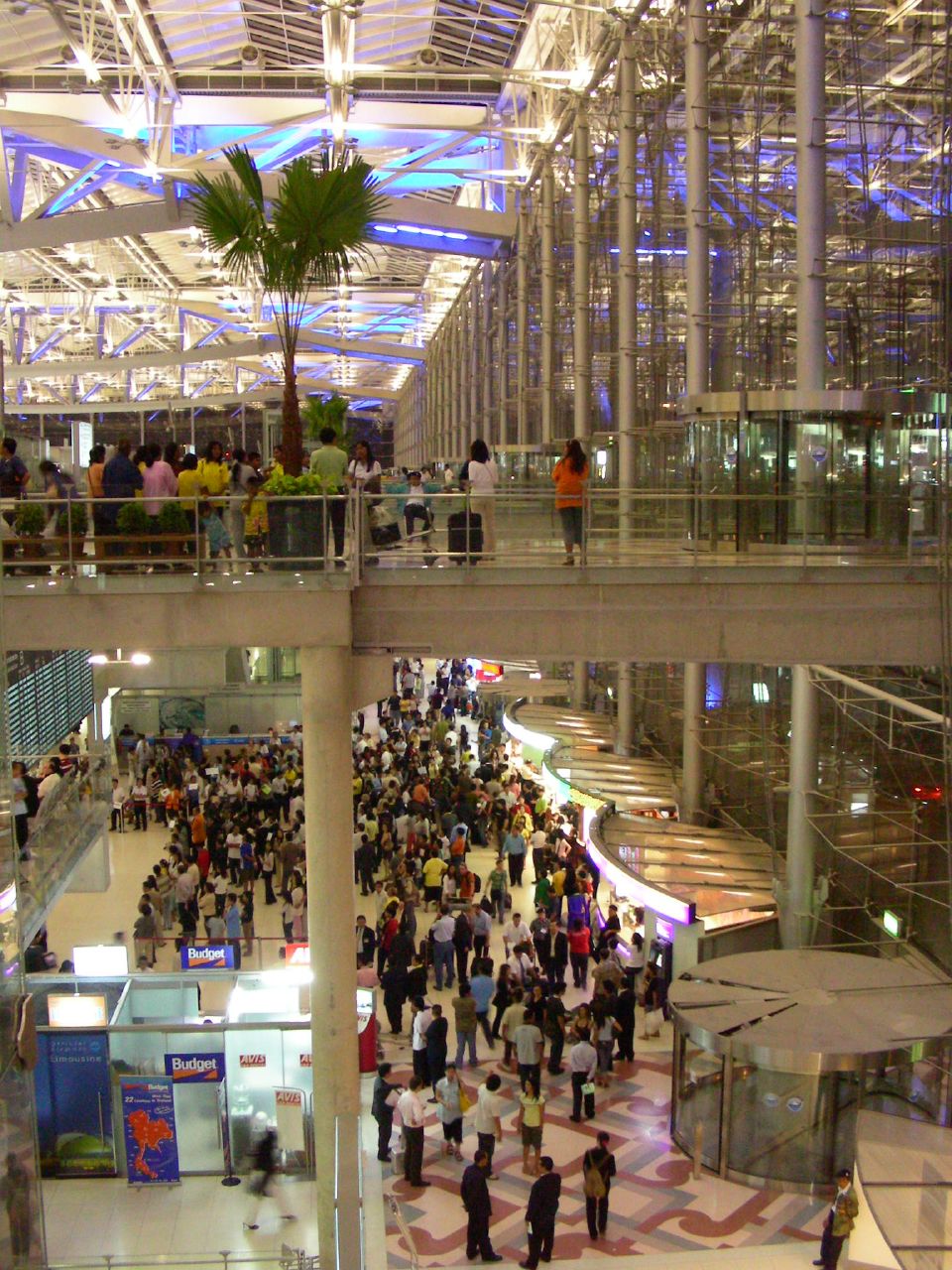
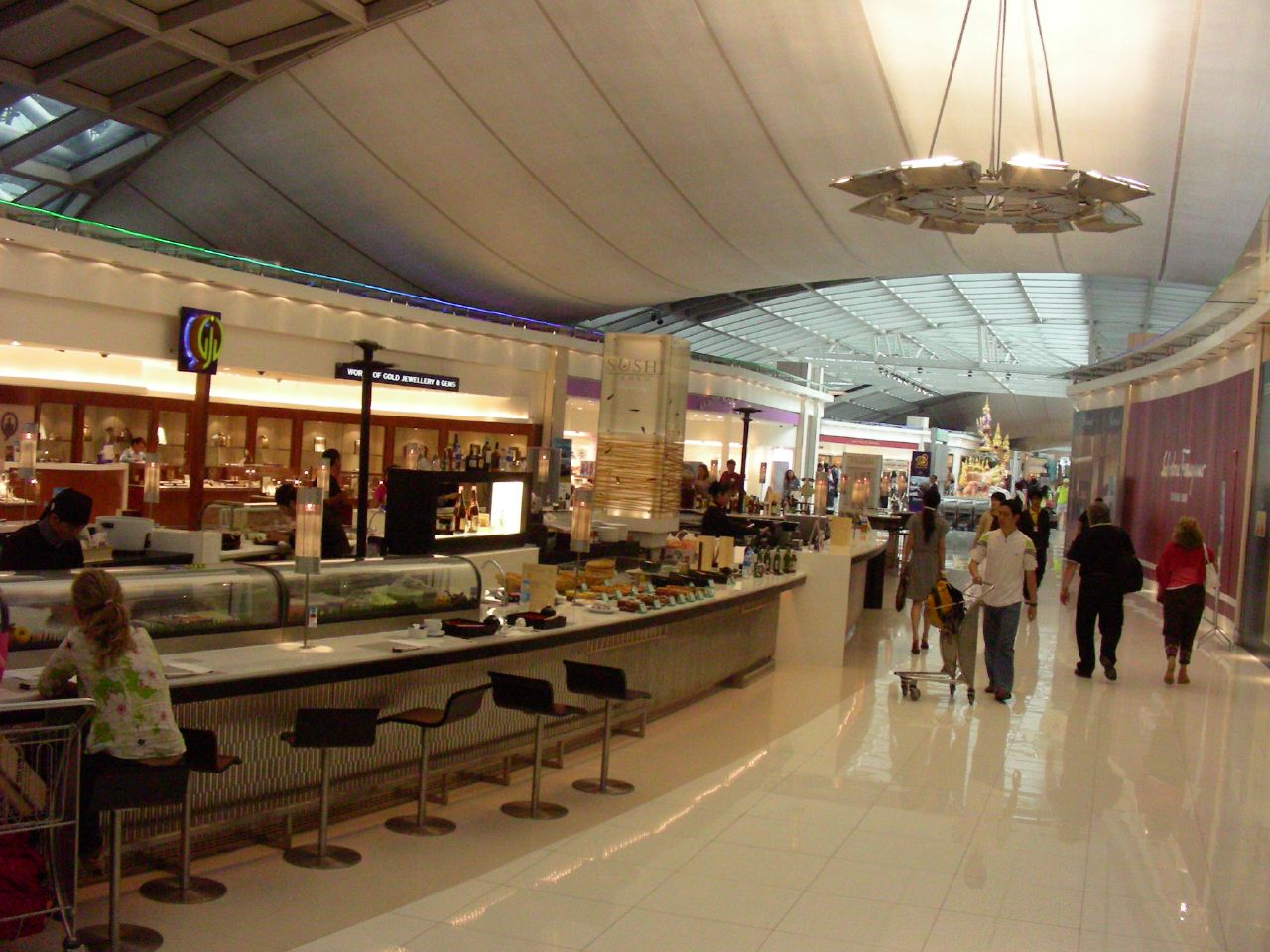
Bangkok´s international airport, just compare it to ours in Lagos https://farm1.static.flickr.com/81/262887412_989b93bb9f_o.jpg https://farm1.static.flickr.com/94/266764744_bd426d5486_o.jpg https://farm1.static.flickr.com/119/283624838_ba23aa428a_o.jpg https://farm1.static.flickr.com/119/283624322_f5e2f812a5_o.jpg https://farm1.static.flickr.com/90/266764278_8d29dfe108_o.jpg https://farm1.static.flickr.com/115/283419270_50aa135c71_o.jpg |
| Travel › Re: Tropical Thailand: One Of Asia´s Relatively Young "tiger Economies" (photos) by Constantin(op): 3:15pm On Feb 05, 2007 |
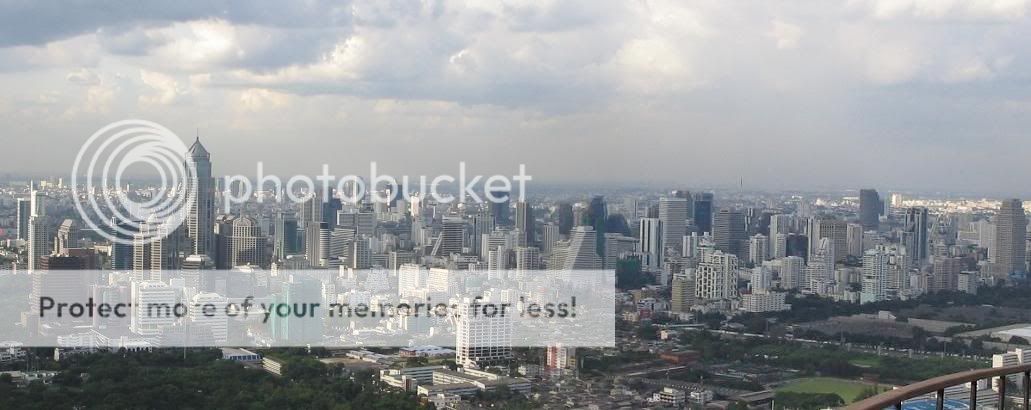
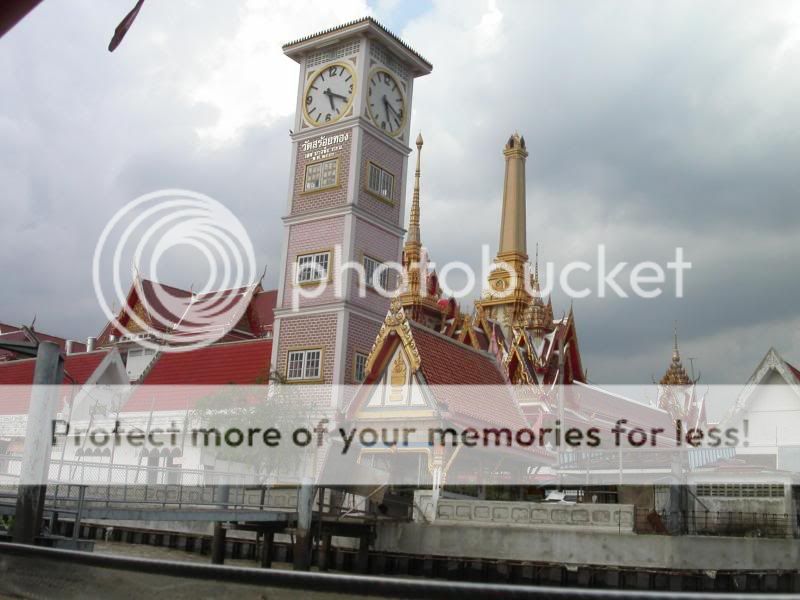
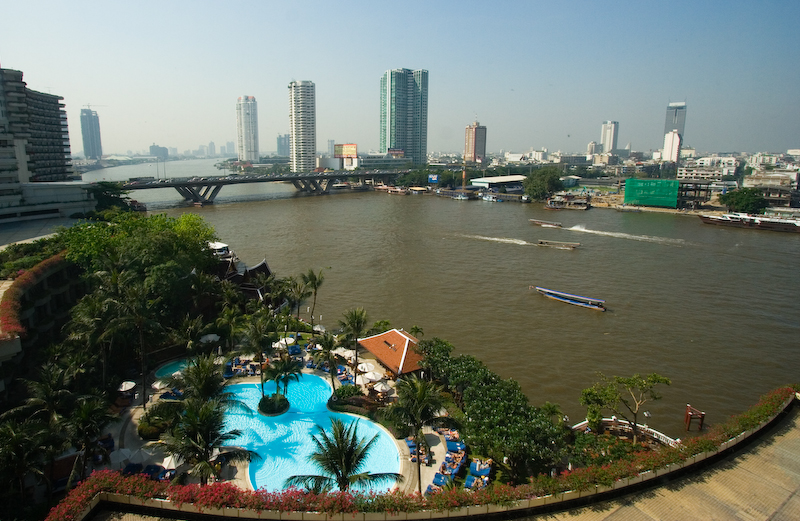
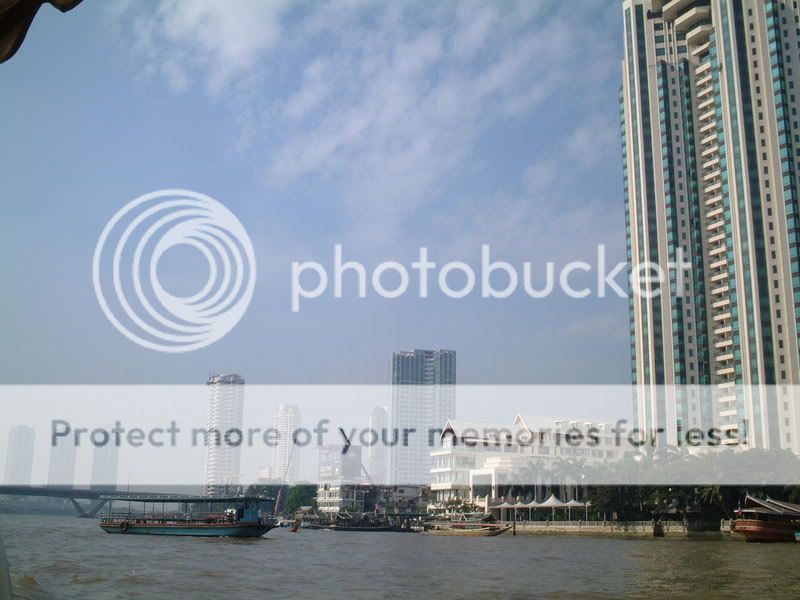
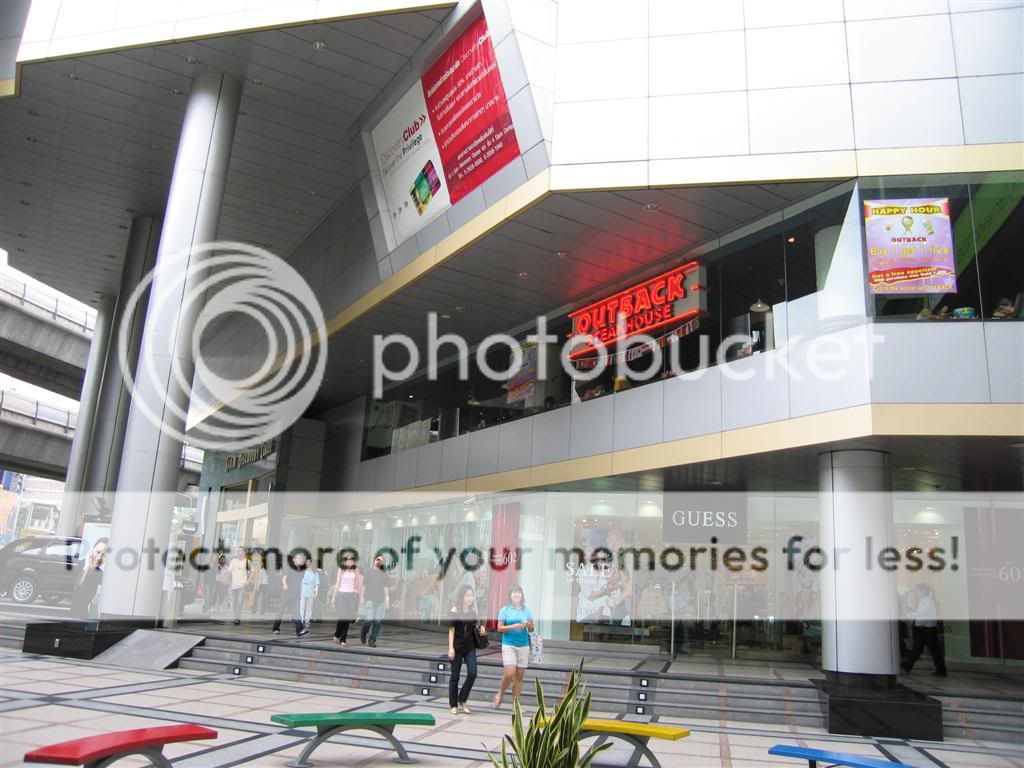
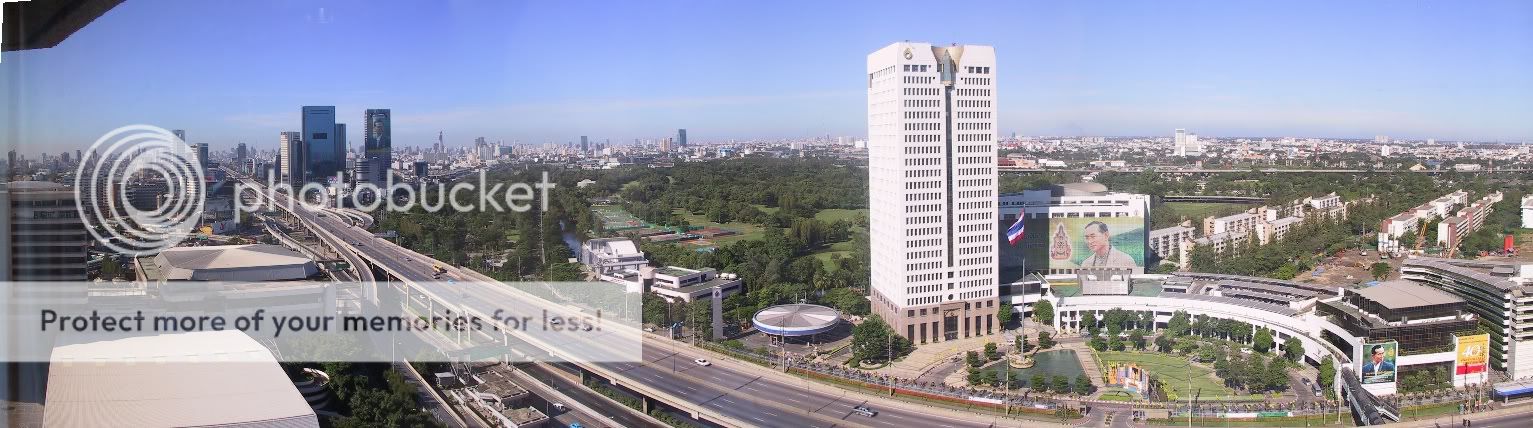
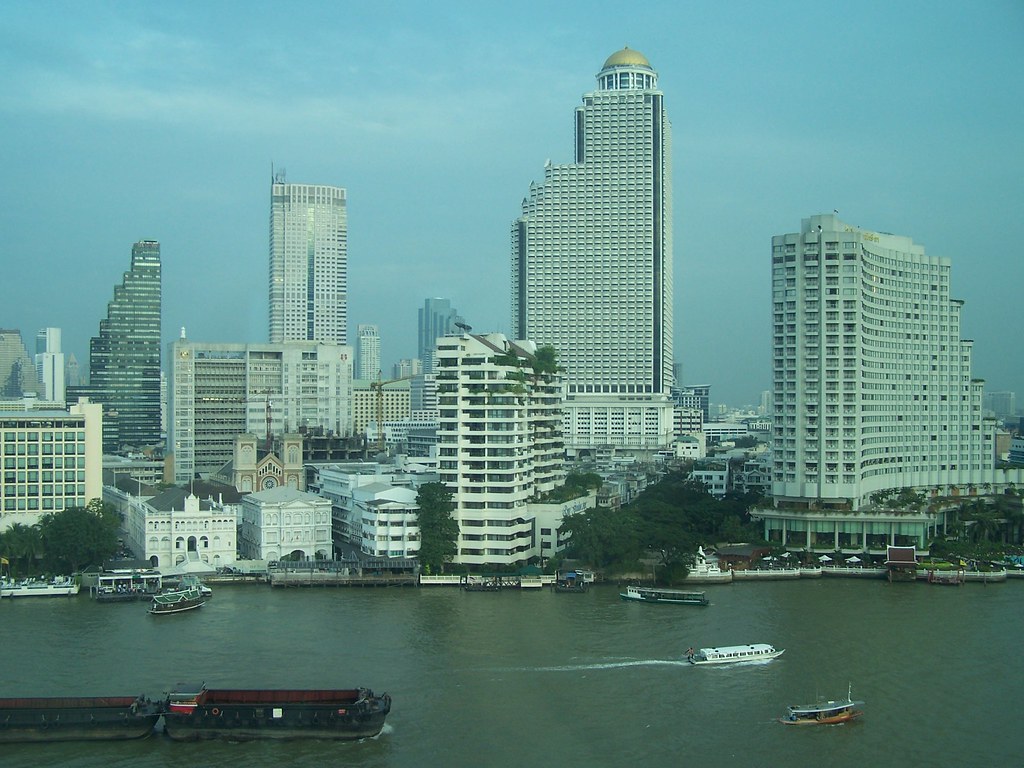
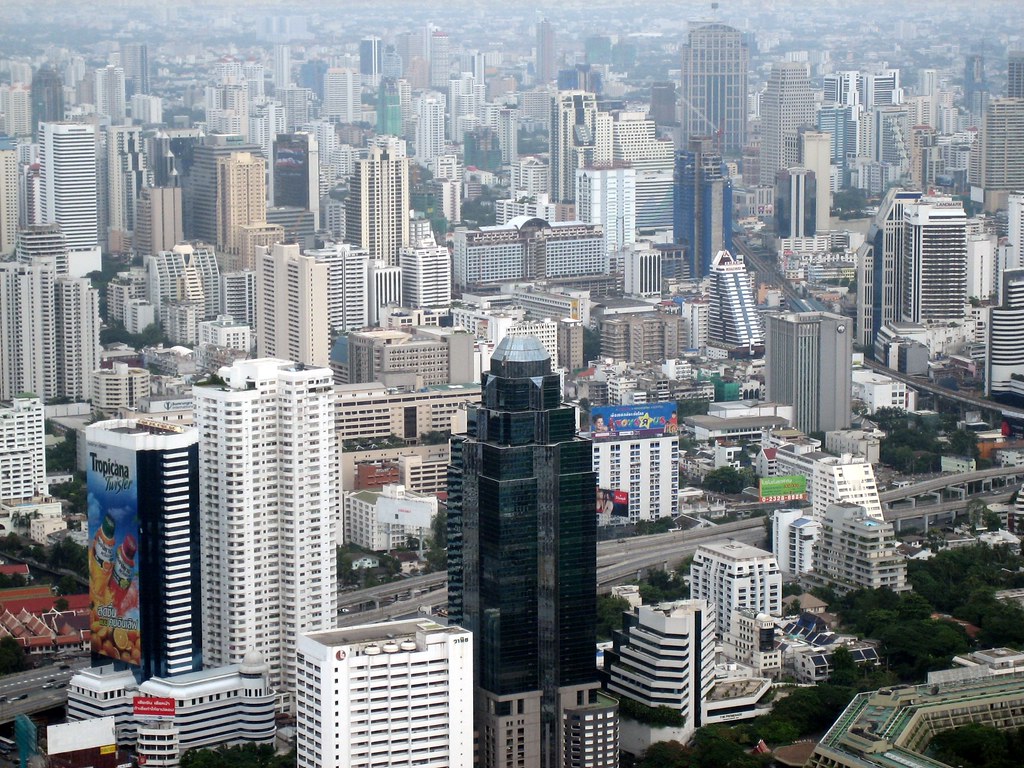
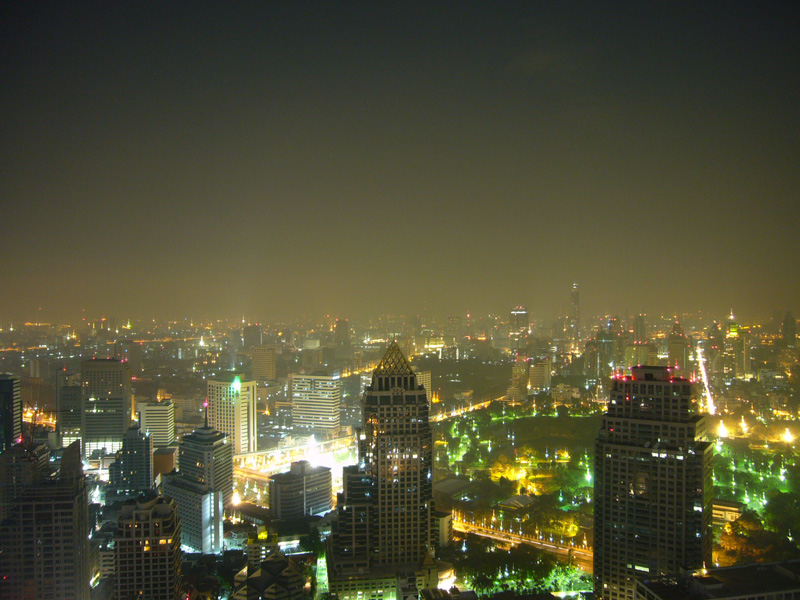
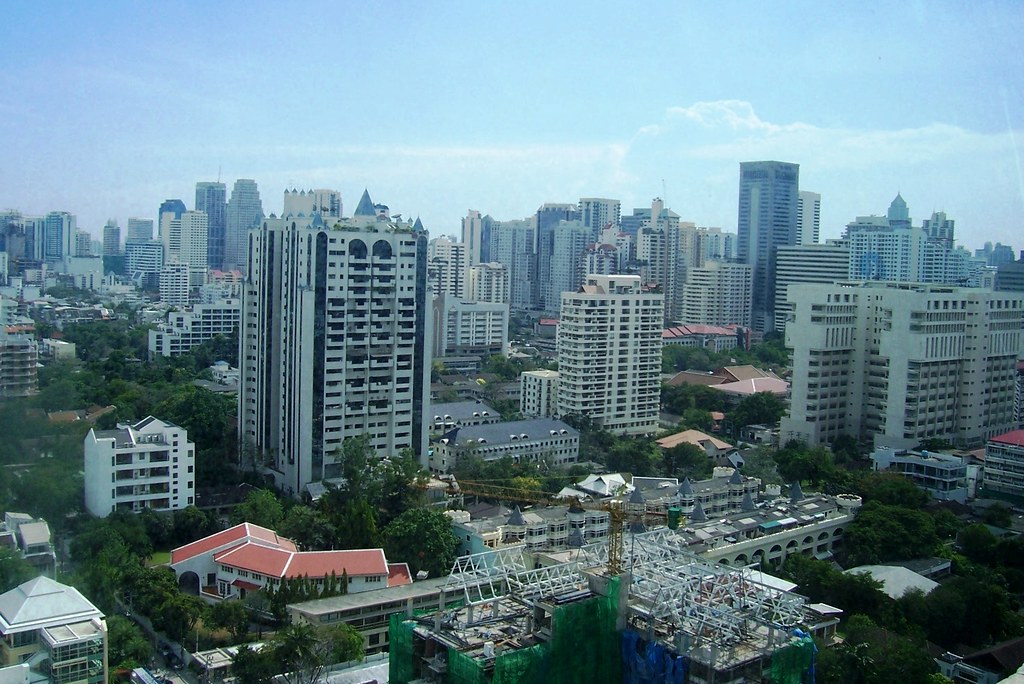
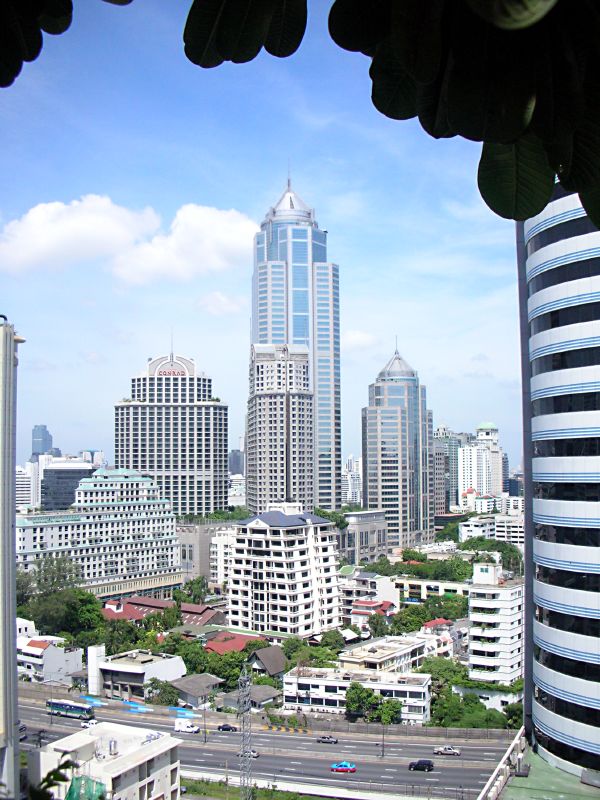
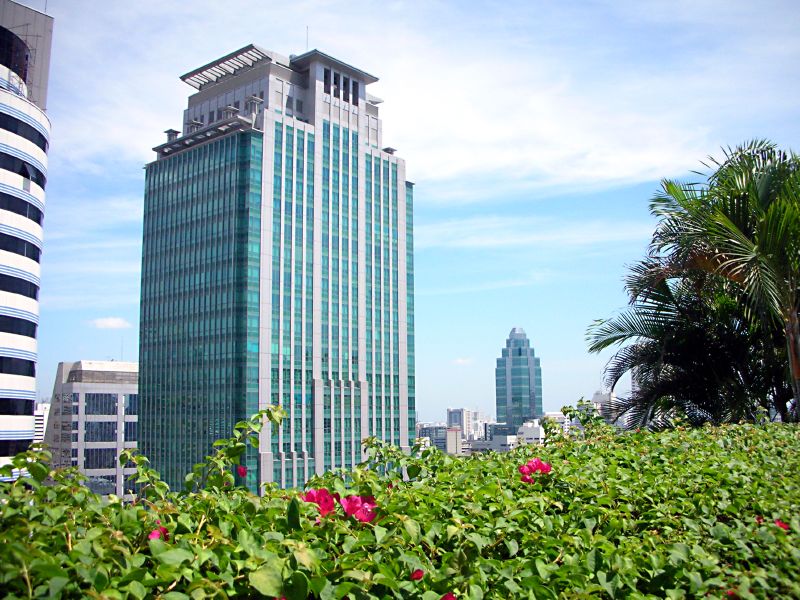
Thailand has poor places, of course, but its social indicators are well ahead of our country. The governement recently a universal health care system that reaches into the most remote parts of Thailand. I am so surprised that Thialand stated its aggressive modernisation process pretty late. (80´s) as compared to oher Asian countries who began to catch up in the 60´s and 70´s. Thailand has a good urban middle-class and do not forget that Thialand has no oil worthy of mentioning like our country. Bangko bigger than Lagos? Bangkok´s population exceed 10 million, it is a big city More pictures of Bangkok It might take some time to upload but it is worth waiting for it https://www.skyscrapercity.com/photopost/data/504/1310dsc02694.jpg https://www.skyscrapercity.com/photopost/data/500/1310dsc02956.jpg https://www.skyscrapercity.com/photopost/data/500/1310dsc03809.jpg https://www.skyscrapercity.com/photopost/data/500/1310dsc04233.jpg https://www.skyscrapercity.com/photopost/data/500/1310dsc04298.jpg https://www.skyscrapercity.com/photopost/data/500/1310dsc04321.jpg https://www.skyscrapercity.com/photopost/data/500/1310dsc04313.jpg https://img56.photobucket.com/albums/v171/chady/IMGP0645.jpg https://img56.photobucket.com/albums/v171/chady/lopol.jpg green and clean parks for leisure https://img56.photobucket.com/albums/v171/chady/70448968ExwPEo_ph.jpg https://img.photobucket.com/albums/v205/atichart/Bangkok1.jpg https://img.photobucket.com/albums/v171/chady/Bangkokbigger.jpg [img]http://www.cn-thai.co.th/Project%20Site/Genneral%20Project/All%20Season/ALL-SEASON-2.jpg[/img] [img]http://plaza.rakuten.co.jp/img/user/29/24/892924/215.jpg[/img] https://img.photobucket.com/albums/v171/chady/84921433nwsWdJ_ph.jpg look at the fantatsic architecture of the buildings [img]http://www.cn-thai.co.th/Project%20Site/Genneral%20Project/SCB/SCB-1.jpg[/img] [img]http://www.cn-thai.co.th/Project%20Site/Genneral%20Project/SCB/SCB-2.jpg[/img] https://img.photobucket.com/albums/v171/chady/DSC08992copy.jpg https://img233.imageshack.us/img233/4365/picture019xs5.jpg https://img201.imageshack.us/img201/9081/picture029yi3.jpg https://img172.imageshack.us/img172/1731/picture030hl3.jpg https://farm1.static.flickr.com/158/334741188_8d5cd3a928_o.jpg https://img257.imageshack.us/img257/452/dscn5496largewo3.jpg https://img260.imageshack.us/img260/4071/dscn5495largect9.jpg https://img132.imageshack.us/img132/4163/55353river04rt2.jpg [img]http://tkfiles.storage.msn.com/x1puxmQQJQbe8JBW_lF399zXpVkBPqlYFc7FfnEX8bzDIaeW_V6gmPKeTPCx0s5qO20I5d-GbE3sx0J0EG2pJSB_8An8hdYWPTz0dvo3u2NLqI[/img] https://img187.imageshack.us/img187/8189/g49753691am9.jpg https://img148.imageshack.us/img148/1076/g49753696us4.jpg https://img.photobucket.com/albums/v421/pon/son014.jpg https://img383.imageshack.us/img383/7025/g48562324sn8.jpg https://img148.imageshack.us/img148/6295/pict4567resize9087ul5.jpg https://img84.imageshack.us/img84/5420/pict4519resize8967wf7.jpg https://i28.photobucket.com/albums/c221/coolmouse/BKK%208-11%20July%202006/IMG_3088Large.jpg https://i52.photobucket.com/albums/g27/perfect_loop/thailand/viewfromSofitelCentrallookingEast2.jpg https://img222.imageshack.us/img222/5088/dcp2569bv8.jpg https://static.flickr.com/42/75949402_3d5d601d0e_b.jpg https://img241.imageshack.us/img241/7034/g479386819pu8.jpg https://img182.imageshack.us/img182/7167/g479386825pn6.jpg https://img92.imageshack.us/img92/9673/100321bkk33yj3.jpg https://farm1.static.flickr.com/176/363725128_907bea7622_o.jpg https://img424.imageshack.us/img424/7466/0512052181uc.jpg https://farm1.static.flickr.com/138/326546934_b5198b52c5_o.jpg https://farm1.static.flickr.com/130/352501062_7c95b137b8_o.jpg https://farm1.static.flickr.com/126/369512120_ccf78ce67c_b.jpg https://farm1.static.flickr.com/140/326562520_1ad7a9f230_o.jpg |
| Travel › Tropical Thailand: One Of Asia´s Relatively Young "tiger Economies" (photos) by Constantin(op): 8:36pm On Feb 04, 2007 |
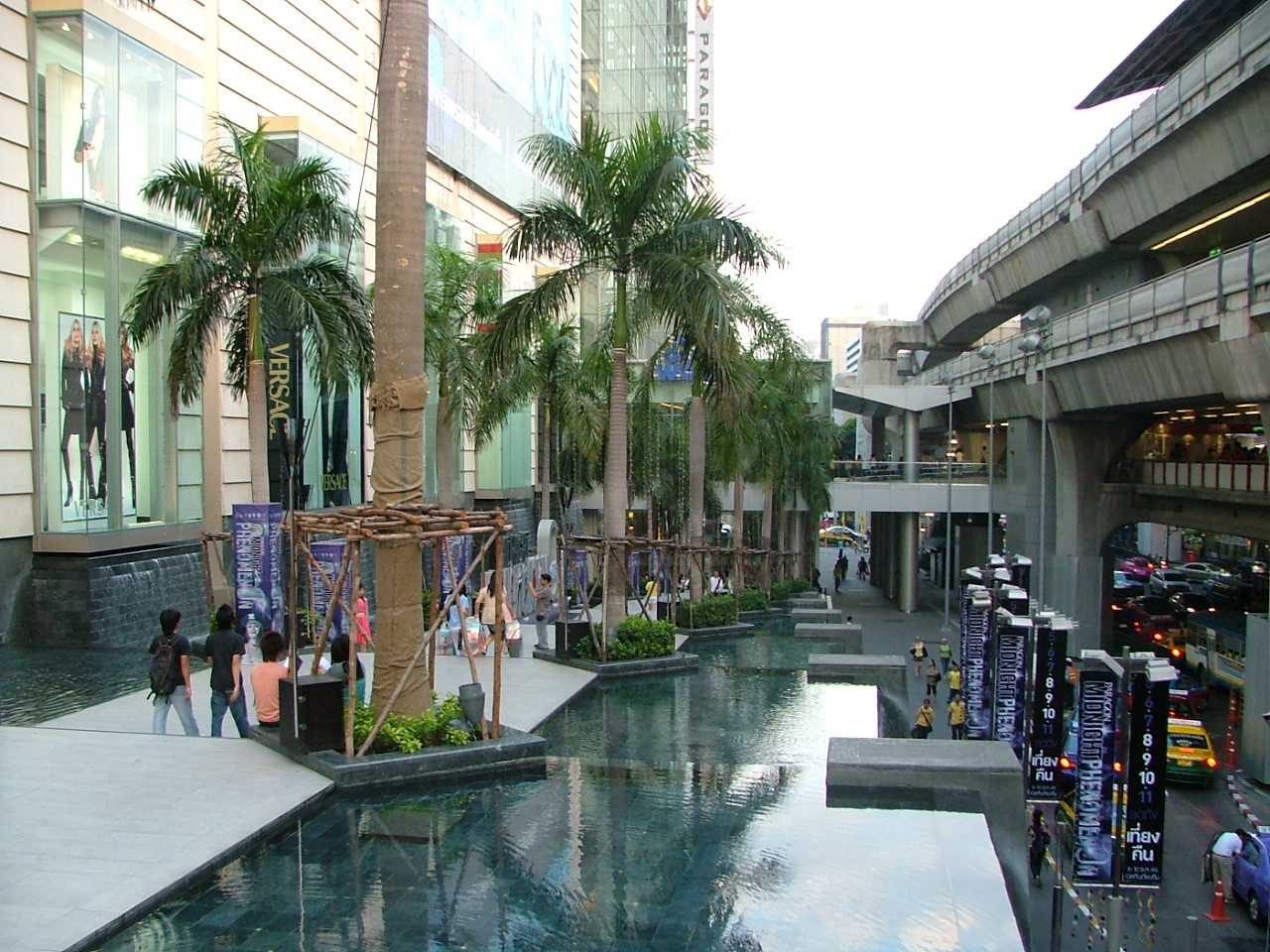
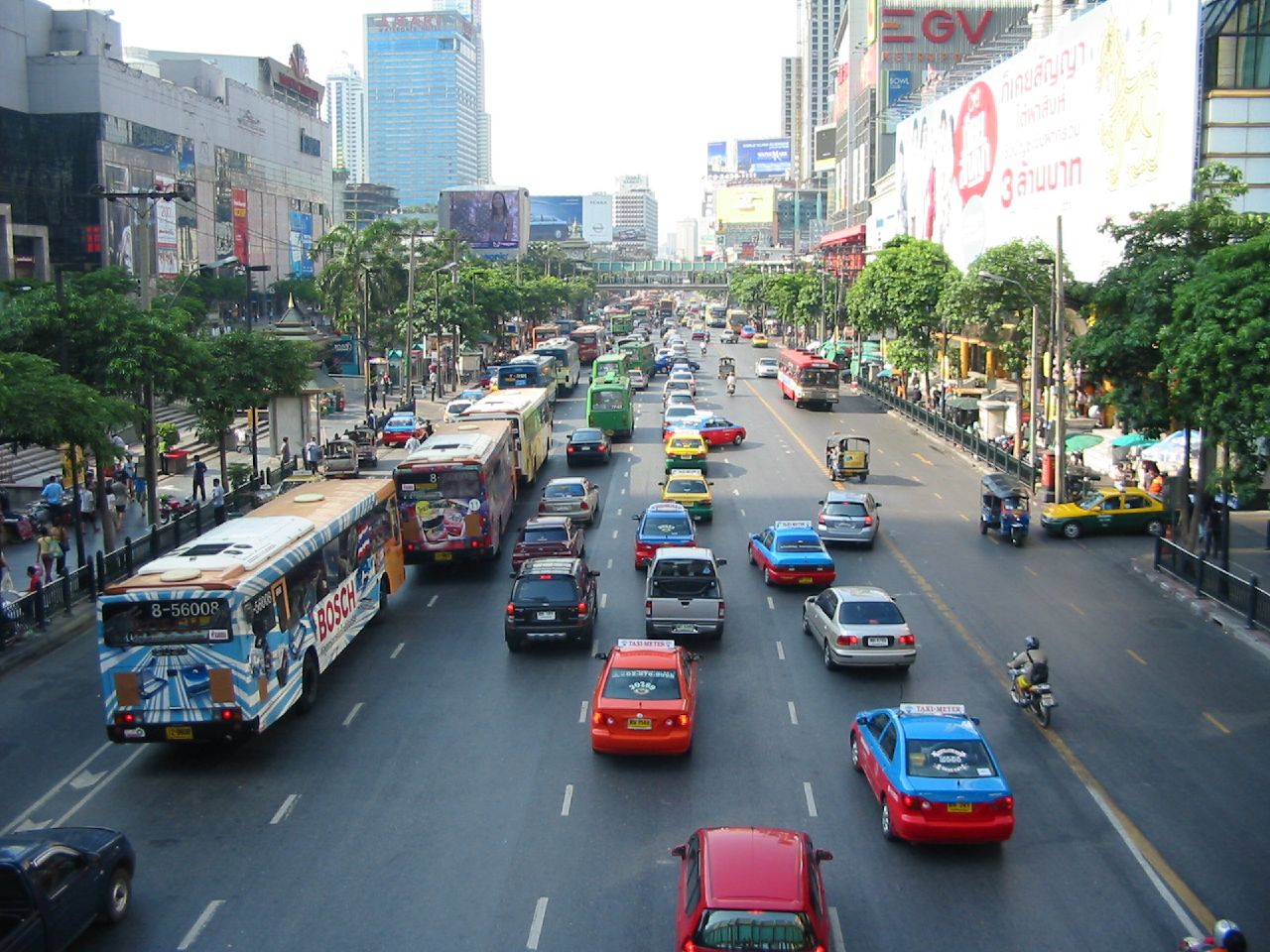
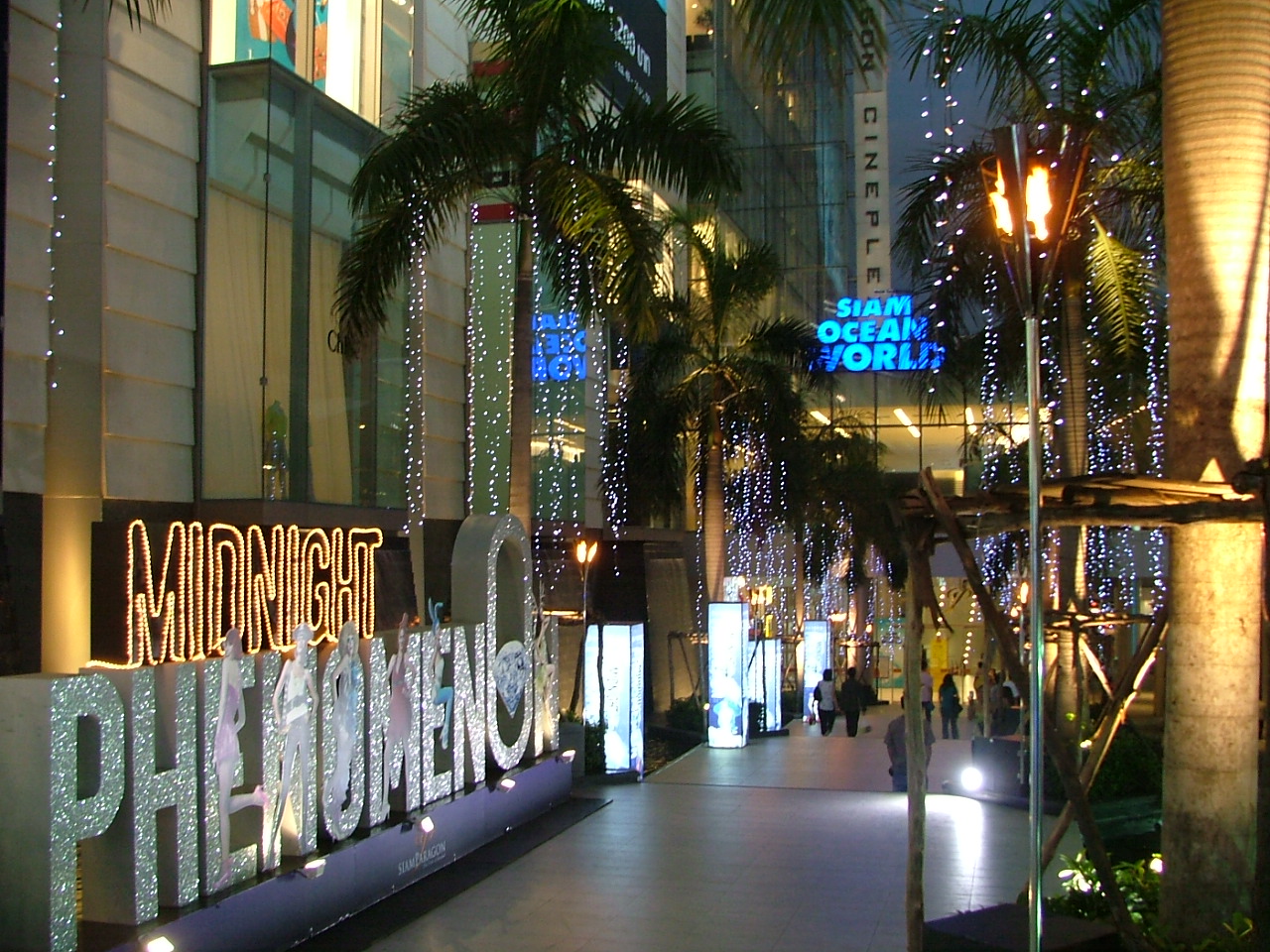
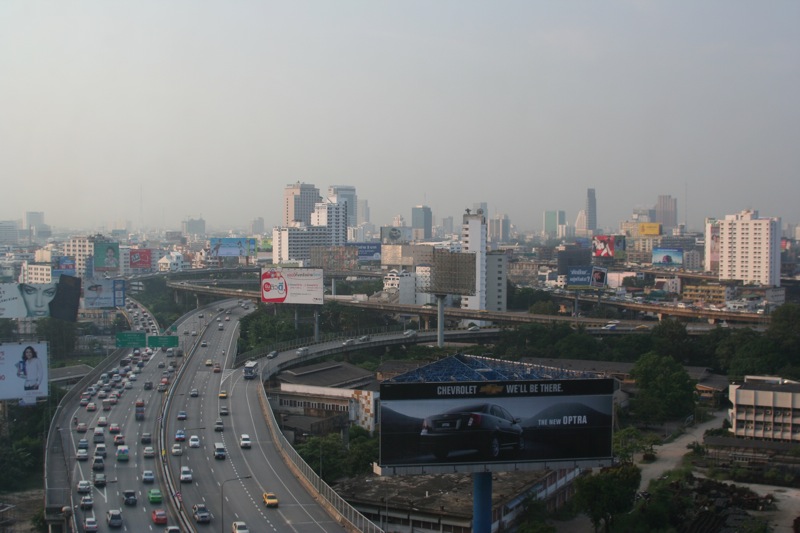
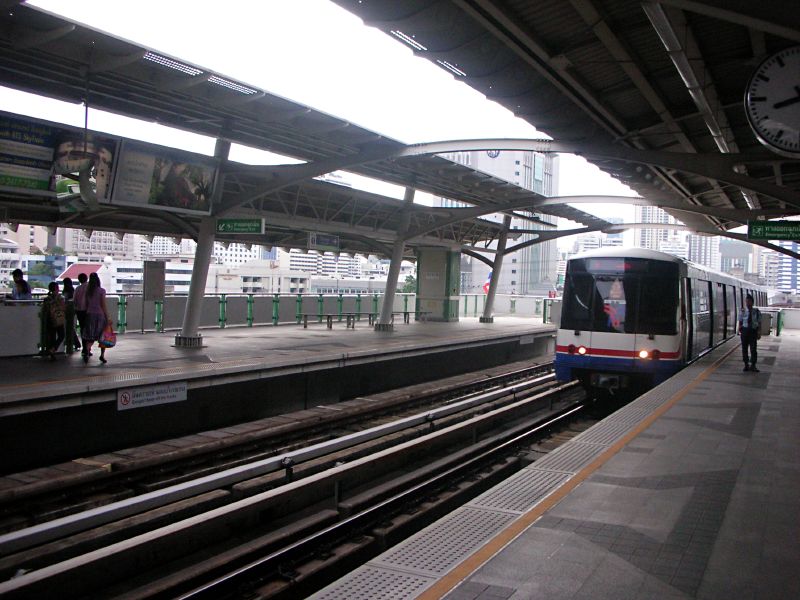
Bangkok is the capital of Thailand which has around 80 million inhabitants. Thailand was one of the Asian tigers who began to modernize relatively late. Its economic aggressive expansion began to accelerate in the mid to the late 80´s of the last century (growth rates were in double-digit numbers at that time), the country experienced a slump in the Asian crisis of 1997 but recovered pretty fast. Economic growth of Thailand has become more sustainable since then (around 5-7% a year), But the consequences of the crazy boom years and of Thailand´s sound economy are highly visible, as you can see.Bangkok the capital of Thailand and an Asian metropolis https://farm1.static.flickr.com/99/290270914_35be7ba68e_o.jpg https://farm1.static.flickr.com/117/290303620_7bcb87a5f7_o.jpg https://farm1.static.flickr.com/64/176107550_f360dbe49d.jpg?v=0 https://farm1.static.flickr.com/121/290303678_e7f443d640_o.jpg https://farm1.static.flickr.com/68/176107677_447bd4b8fc_o.jpg https://farm1.static.flickr.com/78/194287625_cee5875992_b.jpg https://farm1.static.flickr.com/48/147985429_f2d0f708e0_o.jpg https://farm1.static.flickr.com/77/170851010_ae7a16d166_o.jpg https://farm1.static.flickr.com/104/294083618_2d497a17dd_b.jpg https://farm1.static.flickr.com/89/272902684_7813669051_o.jpg https://farm1.static.flickr.com/83/249890411_ebcae24f21_b.jpg https://farm1.static.flickr.com/135/348345787_7a50026fca_b.jpg https://farm1.static.flickr.com/129/350145209_e3f8733a5e_b.jpg Bangkok sky train https://farm1.static.flickr.com/63/214208800_0119ea02ce_o.jpg https://farm1.static.flickr.com/62/176107022_e902c9bed8_o.jpg https://farm1.static.flickr.com/58/176107031_090f6ad868_o.jpg I will continue to add, |
| Travel › Lagos: A City Embellished By Stench And Rubbish by Constantin(op): 10:19am On Jan 30, 2007 |
January 29th, 2007Source: http://www.businessdayonline.com/?c=47&a=10882 PS: WHERE IS OUR DIGNITY WHHHEEERREEEEE, oooooo?? |
| Politics › The Usa Wants To Reduce Its Oil Imports From Nigeria And Eyes Other Nations by Constantin(op): 11:05am On Jan 29, 2007 |
Nigeria may lose out on Gulf of Guinea oil boom January 29th, 2007 President George Bush’s announcement in his state of the nation address last week that the United States of America (USA) would reduce its oil imports by 75 percent was bad news to oil exporting nations generally, but not all of them would be equally affected. Worst hit would be the nations in the Persian Gulf from which the US currently imports the bulk of its oil, but which it plans to drastically scale down on the wings of growing anti-Americanism in the Arab world. On the other hand, oil exporters in west Africa’s Gulf of Guinea to which the US is shifting its oil import attention, is likely to remain unscathed, and indeed is likely to enjoy a boom in US imports. Last year, in another state of the nation address, President George Bush had proposed steps to "make our dependence on Middle Eastern oil a thing of the past". Unfortunately, Nigeria, the principal oil exporter in the Gulf of Guinea may miss out on this boom, unless a quick solution is found for the Niger Delta crisis. The US has so far ruled out direct intervention in the crisis, and can source significant portions of its supply from the offshore fields of Equatorial Guinea and Sao Tome and Principe, both within the Gulf of Guinea. Added to safe oil from Nigeria’s deep offshore fields and Joint Development Zone (JDZ) owned by Nigeria and Sao Tome and Principe, the US have its full supply and would have little incentive to meddle in the shut-ins and hostage taking that has characterized Niger Delta oil prospecting and drilling in recent years. Moreover, Angola bathes in mega new oil discoveries in recent years and it is very likely that this Southern African country will overtake Nigeria as Africa´s largest oil producer in the next three to four years. Angola is politically stable and only has 11 million people as opposed to Nigeria´s 140 million people. Analysing the shift already made in this direction, Brett D. Schaefer, a research fellow in regulatory affairs at the Heritage Foundation, Washington, declared on March 7, last year that "Africa is increasingly important to the United States as a source of oil". The country’s oil imports from sub-Saharan Africa has leapt by about 33 percent since 1999, while imports from the Middle East has decreased. In 2005, Schaefer said, sub-Saharan Africa supplied 18 percent of US oil imports. West Africa’s Gulf of Guinea accounts for 78 percent of this, with Nigeria being the overwhelming source. West Africa is projected to account for 25 percent of total US oil imports within this decade. Currently some 25 percent of Nigeria’s oil output is exported to the US. Nigeria exported over 4.2 billion barrels of crude oil and petroleum to the US from 1993 to 2006. To reach this goal of import cut, Bush indicated that "US must increase the supply of alternative fuels, by setting a mandatory fuels standard to require 35 billion gallons of renewable and alternative fuels in 2017. This is nearly five times the current target". The reason for Federal Government to pay special attention to oil revenue, analysts indicate, is that oil prices are volatile and cannot be at its current rate in future. Oil accounts for more than 90 percent of Nigeria’s export, 25 percent of its Gross Domestic Product (GDP) and 80 percent of its public revenues. Thus, a drop in oil price can have negative impact and vice versa. A $1 increase in the oil price in the early 1990s increased Nigeria’s foreign exchange earnings by about $650-million (two percent of GDP) and its public revenue by $320-million a year. PS: WE HAVE TO SECURE OUR COUNTRY AND MAKE IT A STABLE PLACE OR WE WILL MISS OUT THE NEW IMPENDING MEGA OIL BOOM OF THE GULF OF GUINEA. What is wrong with our politicians? Are they all mad or what? |
| Travel › Re: The Lagos City Mall At Onikan by Constantin: 9:32pm On Jan 28, 2007 |
Let´s hope that Nigeria´s mall revolution starts now, it is long overdue and some countries are already laughing at us, Nigeria is the sixth largest oil producer of the world and modern retail is still in its infancy. So go Lagos , gooooo! Move ahead and show the world that Nigeria is an African lion´s economy that shouldn´t hide itself from the world Anyone has photos from the mall inside? |
| Jokes Etc › Nice African Shot by Constantin(op): 9:26pm On Jan 28, 2007 |
| Politics › Phillipine President Blocks Workers From Travelling To Nigeria by Constantin(op): 10:34am On Jan 22, 2007 |
Our Country Has A Very Severe Image Problem Abroad And We Don´t Care At All!? Manila's Arroyo stops workers travelling to Nigeria Mon 22 Jan 2007 12:19 AM ET MANILA, Jan 22 (Reuters) - Philippine President Gloria Macapagal Arroyo on Monday ordered the labour department to block workers from travelling to Nigeria after the kidnapping of six Filipino sailors from a cargo ship in the West African country. The Nigerian government has begun talks to secure the early release of the six Filipino seamen, taken from a German-operated ship last week in a southern oil producing delta. "The president has ordered a temporary halt to deployments to Nigeria until the security of our nationals is guaranteed," said Arroyo's spokesman, Ignacio Bunye, adding she was monitoring the situation and coordinating with the Nigerian government. Quoting a report from the Department of Foreign Affairs, Bunye said the six Filipino sailors were part of the 14-member crew of the vessel operated by Germany's Baco-Liner, based in Duisburg, which runs between Europe and West African ports. More than 8 million Filipinos work overseas, mostly in the USA and the ultra-rich Arabian Gulf countries. PS: How can we continue to attract investors if money and power-greedy politicians keep on destabilising the Nigeria Delta DO WE REALLY LOVE OUR COUNTRY OTHERWISE THOSE PEOPLE WOULD TAKE MEASURES TO MAKE NAIJA A COUNTRY WHERE EVERYONE COULD BE PROUD OF EVEN OUR AFRICAN BROTHERS AND SISTERS!!! |
| Travel › Re: Nigeria Should Follow Ghana's And Brazil's Path. by Constantin: 11:29am On Jan 18, 2007 |
My question: Do Ghanaians have this? My Answer: NO! https://www.arikah.net/commons/en/thumb/3/30/300px-Ikoyi_Bay_Lagos.jpg |
| Business › Re: Want To Trade In Or From Dubai? by Constantin: 11:26am On Jan 18, 2007 |
| Business › Re: Want To Trade In Or From Dubai? by Constantin: 11:25am On Jan 18, 2007 |
| Politics › Re: Bar Beach (Victoria Island, Lagos) Has Overflown Its Bank Again! by Constantin: 8:25pm On Jan 14, 2007 |
i am so fes up with this kind of news coming out of Nigeria, in Asia entire new city are erected while we are unable to fix the drainage properly at Bar Beach , IT IS A SHAME! |
| Politics › A War That Foreshadowed Africa's Misery Haunts Nigeria Again by Constantin(op): 4:11pm On Jan 09, 2007 |
An article from San Diego press portraying Nigeria in a horrible light, on the brink of war! What have we done to get such kind of treatment from AMERICAN media ?READ THIS; PLEASE By Dulue MbachuSOURCE: http://www.signonsandiego.com/news/world/20070106-0828-biafrasghosts.html |
| Travel › Why Do Small Countries Like Ghana Offer Direct Us Flights And Why Naija Fails? by Constantin(op): 10:32pm On Jan 08, 2007 |
[img]http://www.ghanaweb.biz/GHP/img/pics/news/18103888.optim.jpg[/img] [img]http://www.ghanaweb.com/GhanaHomePage/NewsArchive/photo.detail.php?ID=115870&VOLGNR=7[/img] [img]http://www.ghanaweb.biz/GHP/img/pics/news/67931501.optim.jpg[/img] [img]http://www.ghanaweb.biz/GHP/img/pics/news/53456672.optim.jpg[/img] When will Nigerian shame ever ends How can "tiny" Ghana offer direct flights to the US and why does "mighty" Nigeria struggle over cancelling flights even direct flights to the UK? I am at a loss for words, SHAME ON US! |
| Politics › Re: The Birth Of Tinapa by Constantin: 7:38pm On Jan 08, 2007 |
A GREAT THANK YOU AND A BIG HUG TO GOVERNOR DUKE: HE LOVES HIS COUNTRY HE DOESN´T LOSE HIS TIME WITH SENSELESS ACCUSATIONS OF "OTHERS" OR BY INVENTING WEIRD IDEOLOGIES IN ORDER TO PLUNDER US, He is a competent, honest, dynamic and intelligent new NIGERIAN/African with a true love for his motherland, it is a pity that he won´t be able to make it for presidency because those old, flabby, money-greedy and wretched vultures are all vying to continue to plunder our country! |
| Politics › Re: Why Is Nigeria Invaribaly Portrayed In A Negative Light In The West? by Constantin(op): 7:31pm On Jan 08, 2007 |
I think the western press and general portrayal of Africa is disgusting and deplorable. I think it is more of showing to the world that their culture and ways are the best and the way forward. I hate each time on TV i see Africa portrayed as some insect-infested, uncultured,uncivilized and poverty-striken continent. Unfortunately, even some of the Africans repoting for western agencies tend to do the same-portray their motherland bad- eg Jeff Koinage from CNN. I think Africa really needs to sell herself another way-the Arabs just opened an International Al-Jazzerah Cable network, we could do the same to show that Africa isn't all about strive,poverty,disease and people don't live on treess with spears!If only more people had your viewpoint, this would give hope, instead we lose our time by plundering our countries and accusing "others" if all goes wrong afterwards, it is a vicious cicle! I am very much in favour if Africa creates its own TV programmes, Jeff Koinage from CNN, I cannot understand what drives this man, only profit or what,isn´t he ashamed of his journalism ? The show Inside Africa is a SHAME AND A BIG SLAP INTO THE FACE OF EVERY AFRICAN !WE URGENTLY NEED SOMETHING TO DO ABOUT AFRICA´S IMAGE! NOBODY WILL DO IT FOR US, |
| Politics › Re: Who The Heck Is As Capable As Obasanjo? by Constantin: 2:12pm On Jan 08, 2007 |
I would vote anybody as long as he invests like mad our money into INFRASTRUCTURE INFRASTRUCTURE AND AGAIN INFRASTRUCTURE!!!! ROADS AND MORE HIGHWAYS CRISS CROSSING NIGERIA LIKE IT IS THE CASE FOR MALAYSIA MORE MODERN AIRPORTS FOR KANO PORT HARCOURT AND LAGOS INTERNATIONAL AIRPORT EXPANSION MORE HOSPITALS MORE SCHOOLS MORE WELL-EQUIPPED UNIVERSITIES AND TECHNICAL COLLEGES THIS IS GOVERNMENTS WORK THE REST IS UP TO THE PRIVATE SECTOR!!!!!!! |
| Politics › Why Is Nigeria Invaribaly Portrayed In A Negative Light In The West? by Constantin(op): 11:47am On Jan 08, 2007 |
Whatever you read or hear in Western media, be in in British, American German or French media they keep on bombarding Naija with bad news. "failing state", "on the verge of total collapse", "balkanisation of Nigeria", uncontrollable chaos", "419scam", insurmountable poverty", and so on and so forth, Is that all Nigeria has to offer for them ?At the same time, they shower poor countries in Asia like India, Cambodia or Vietnam that are faced with the similiar developing problems than Nigeria with tons of praise: "roaring tiger", star performer", "posterchild of development", "dynamic and innovative people" etc. They only show photos of malls, chic outdoor places where the newly rich hang around,multi-lane highways etc. of those countries to the outside world, just as if those things were inexistent in Nigeria. They forge people´s general public views on Africa, it doesn´t surprise me that people in the West keep on asking me silly questions like: are African still living on trees or do you know how to eat with knives and forks etc. In my mind, this is all so unfair, and the worst is that the Nigerian government and Nigerian people don´t even pay heed to that (no marketing or public relations image campaigns to overcome those stereotypes), of course, Nigeria has multitude of problems, we all know that, but we are also moving forward. China is portraying Africa in a much more postive and hopeful light than Western media. Why do Western people hate Nigeria so much, why are they so full of prejudices towards us? I can neither make head nor tail of it, it aches my heart too much, ooo!!! |
| Travel › Re: Nigeria Condemns 'rude' Airlines by Constantin: 7:24pm On Jan 06, 2007 |
What a trash article! We Nigerians need more airlines to come than to leave! |
| Travel › What Is The Best Hotel In Nigeria? by Constantin(op): 6:01pm On Dec 30, 2006 |
What is the best hotel in Nigeria at the moment? Do you think that Lagos for its size has a sufficient number of good hotels of international standard (if compared to other big cities in Asia or Latin America) And who knows if new hotels are under construction or planned in Nigeria (ans especially in Lagos and Abuja)? |