RepoMan007's Posts
Nairaland Forum › RepoMan007's Profile › RepoMan007's Posts
1 2 3 4 5 6 7 8 ... 98 99 100 101 102 103 104 105 106 (of 222 pages)
 Health › Re: Japa: Reps Raise Alarm As LUTH Shuts Down 5 Wards Over Doctors’ Shortage by RepoMan007: 1:22pm On Nov 29, 2023 |
FreeStuffsNG:So you are saying the news is very wrong? I understand your job is to work on image of the govt irrespective of reality. 2 Likes |
| Crime › Re: Cultist Attacks Police Officers With Axe In Abuja (Photos, Video) by RepoMan007: 8:44am On Nov 29, 2023 |
The prison system will now put this man next to a non violent criminal or one boy oga paid for his arrest and expect more hardened criminals not to emerge. We are still joking in this country. 41 Likes 1 Share |
| Crime › Re: Lagos DSVA Hunts For Boy Who Boasted About Raping Girl In Viral Video by RepoMan007: 8:16am On Nov 29, 2023 |
From his appearance alone he looks like cocaine child and one whose naming ceremony needed ram meat. 3 Likes |
| Food › Re: More Investment In Seed Industry Will Ensure Food Security, Says Hon. Kalu by RepoMan007: 7:16am On Nov 29, 2023 |
Great if acted upon. |
| Business › Re: Bank Recapitalisation: Presidency Backs CBN, Investors Rush For Mega-Banks Stock by RepoMan007: 7:04am On Nov 29, 2023 |
Validated:Thank you. Anyone with as much as a dozen brain cells should know the stock market is a speculative place where people gamble on corporate businesses. The speculative gains of Soludo capitalization still has it tales of woes. This jargon loving admin so much believes in indices. They allow production suffer and prefer to manipulate tax, interest rates, and corporate world variables. Bandits are still beheading and taxing farmers. No solution to those. 4 Likes |
| Business › Re: Bank Recapitalisation: Presidency Backs CBN, Investors Rush For Mega-Banks Stock by RepoMan007: 6:57am On Nov 29, 2023 |
Clowns in power. What will this recapitalization do for an average survivor of the jungle economy? This admin loves textbook jargons and corporate world indices more than actual productivity and conducive business environment. 2 Likes |
| Politics › Re: Lagos Taskforce Disperses Birthday Party As Organisers Block Road by RepoMan007: 6:42am On Nov 29, 2023 |
Untothee2:January to.dwxwmver every week or two days you always need help. Go and work. Anonymous begging is what you are doing here and no different from a fraudster. |
| Christianity Etc › Re: Pastor Isaac Oyedepo Unveils Own Ministry, Receives Blessings From Father by RepoMan007: 8:16pm On Nov 28, 2023 |
Out of first 35 posts, very few sensible replies. 10 Likes |
| Foreign Affairs › Re: US Navy Uses 40,000lb Explosive To Test Warship In 'full Ship Shock Trial' by RepoMan007: 7:28pm On Nov 28, 2023 |
SadiqBabaSani:A country that see need to open their borders to skilled hands and promote merit based recognition system. |
| Foreign Affairs › Re: US Navy Uses 40,000lb Explosive To Test Warship In 'full Ship Shock Trial' by RepoMan007: 7:25pm On Nov 28, 2023 |
Imagine a humanity with no wars. That means sudden extra funds to live life to better standards. 1 Like |
| Crime › Re: Over 1600,000 Boko Haram And Families Surrendered To Military— Borno State Gover by RepoMan007: 7:19pm On Nov 28, 2023 |
The real damage has been done, they probably see it differently now. No amount of violence will make a struggling Nigeria govt grant them the bumper amnesty they have in mind. The violence has spread all over the north and they now have a new pattern of kidnapping and extortion to deal with as a result of support BH enjoyed from their leaders who they listen to. Every harvest season crime now increases as they try to extort the unprotected middle-class of the north. Ransom and levy is the amnesty they get. |
| Politics › Re: President Tinubu Seeks Senate Approval For Fresh $8.6billion, €100million Loans by RepoMan007: 4:54pm On Nov 28, 2023 |
iwaeda:we have rail tracks to Niger to show. We have rice pyramids, we have hmm hmmm, we have hope...lol 1 Like |
| Education › Re: Private Universities Floated By Nigerian Politicians (Full List) by RepoMan007: 4:48pm On Nov 28, 2023 |
Few polytechnics, technical institutes or IT institutes. Follow-follow want to finish them. At the end the produce mediocre output and start blaming the system. |
| Food › Re: See The Onion I Bought #200 by RepoMan007: 4:25pm On Nov 28, 2023 |
Goalnaldo:onion powder. |
| Politics › Re: Economy Will Pick Up In 15 Months – Shettima by RepoMan007: 12:21pm On Nov 28, 2023 |
It will indeed. |
| Foreign Affairs › Re: Israel’s Farms Need Foreign Labourers. The Hamas Attacks Triggered An Exodus by RepoMan007(op): 10:49am On Nov 28, 2023*. Modified: 5:44pm On Dec 10, 2023 |
| Health › Re: Subair Enitan In Hospital After 58-Hour Wash-a-thon (Photos) by RepoMan007: 9:06am On Nov 28, 2023 |
I won't agree to a handshake with if chanced to. Useless record. |
| Politics › Re: 433 Foreign-Trained Doctors Fail MDCN Qualifying Exam by RepoMan007: 8:16am On Nov 28, 2023 |
Trust anything Nigerian at your own peril. |
| Celebrities › Re: Israel DMW Shares DMs Of Women Asking Him To Marry Them (Photos) by RepoMan007: 5:40pm On Nov 27, 2023 |
Jonathan:Lol... 1 Like |
| Foreign Affairs › Israel’s Farms Need Foreign Labourers. The Hamas Attacks Triggered An Exodus by RepoMan007(op): 4:19pm On Nov 27, 2023*. Modified: 4:43pm On Nov 27, 2023 |
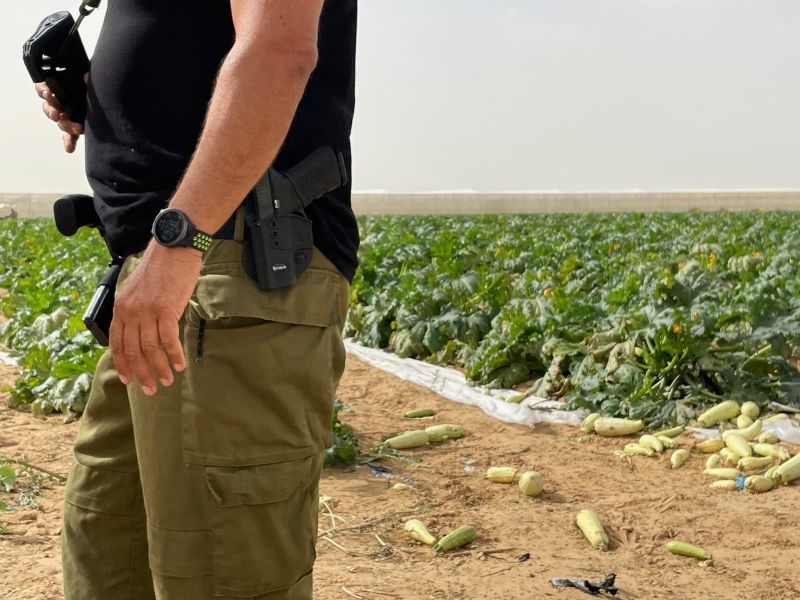
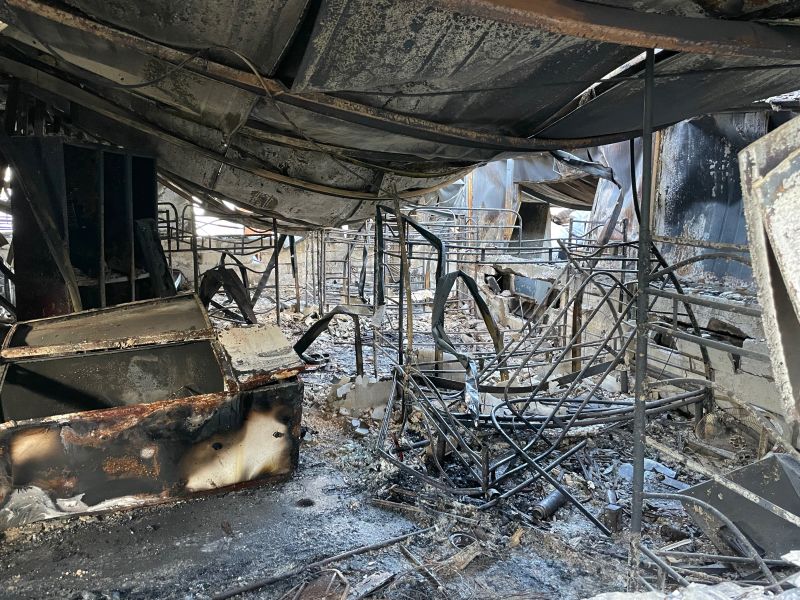
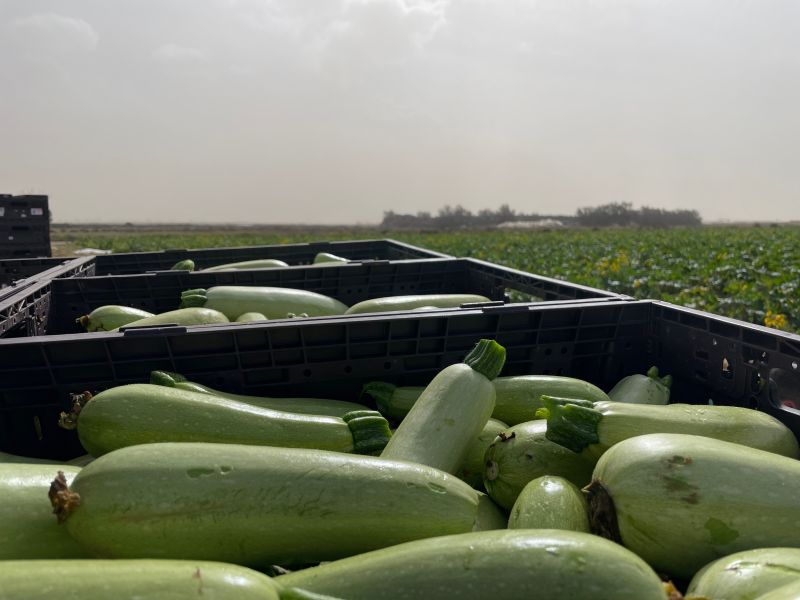
On the morning of October 7, Hamas fighters streamed into the quiet lanes of kibbutz Alumim, setting off on a rampage of killing and destruction. But most of their victims in the community weren’t Israeli, or even Jewish, they were Thai and Nepali farm workers, sleeping in a dormitory right in the militants’ path. Some of the men limped, others were pushed. Flanked by gunmen, the men were marched to their deaths. Security staff watched helplessly on CCTV from just a few hundred meters away as the 23 men were massacred. https://media.cnn.com/api/v1/images/stellar/prod/231123121946-israeli-farms-robertson-pkg-vpx-2.jpg [color=#777777]Video showed Hama's attacker this farm, now it is struggling to survive[/color] Among the more than 1,200 victims of the Hamas attacks, Thais make up the largest group of foreign nationals. Most were workers on agricultural sites close to the perimeter fence that separates Israel from Gaza. Hamas freed a group of 10 Thais taken hostage on Friday but others remain captive. The violence has set off an exodus of foreign workers from Israel, with some 10,000 farmworkers estimated to have left since October 7, according to the Israeli government. For Israel’s dairy and agricultural farms, that has posed an almost existential problem. Dairy cows need milking several times a day by specially trained staff, while the past weeks have been the harvest window for many crops. Without hands to work on the farms, crops and animals would have been left to die. Volunteers from across Israel have stepped in to prop them up, but much-needed foreign workers are still yet to return, and farmers fear that without guarantees of security, the future of Israeli farming near Gaza is impossible. No return “I am still frightened,” farm worker Nattaphong Duangchan told CNN, now back home in Thailand after the October 7 attacks. Wounded by shrapnel, he hid for two days on the farm where he worked along the Gaza border, before being rescued by Israeli security forces. Return is not an option for him, he said. “Nothing is left there, and I am too afraid to go back.” But workers like him are sorely needed. On Israel’s farms, “the vast majority nowadays of the kind of the people who are doing the grunt work, you know, the heavy work for low wages are Thai and have been since the early 90s,” Matan Kaminer, an anthropologist studying Thai labor in Israel, told CNN. Since the October 7 attacks, farmer Yosi Inbar patrols his fields with his rifle to protect his staff and volunteers. Since the October 7 attacks, farmer Yosi Inbar patrols his fields with his rifle to protect his staff and volunteers. After many foreign workers fled Israel following the October 7 attacks, farmers were forced to abandon crops or rely on volunteers for the harvest. After many foreign workers fled Israel following the October 7 attacks, farmers were forced to abandon crops or rely on volunteers for the harvest. Israeli farms largely relied on Palestinian workers up until the 1990s. But following the wave of violence during the First Palestinian Intifada, or uprising, and the ensuing Israeli crackdown on the freedom of Palestinians to work outside the occupied territories, Israel started to look elsewhere for farm labor. https://media.cnn.com/api/v1/images/stellar/prod/231125133236-02-israel-frontline-farms.jpg [color=#616161]Since the October 7 attacks, farmer Yosi Inbar patrols his fields with his rifle to protect his staff and volunteers[/color]. Today, many farm workers come from poorer areas in Thailand’s northeast, providing a cheap labor force for Israel. Strict conditions govern their work in Israel, keeping them on short contracts in manual work, with no right to raise families there. The farms around Gaza employed about 6,000 Thai workers before the war began, according to Israel’s ministry of interior. The Israeli ministry of agriculture told CNN as many between 30,000 and 40,000 workers are now missing from the country’s farms, half of whom are Palestinians barred from entering Israel from the Israeli-occupied West Bank since the October attacks. With no sign yet of a mass return of Thai workers, the Israeli government is looking to recruit some 5,000 workers from other countries, including Sri Lanka. After the killing, a deep wound Israel’s agriculture minister Avi Dichter told CNN he thought the Hamas militants were deliberately targeting Israel’s economy, such was the damage they wrought on local industry on October 7. And the significance of agriculture in Israel is more than economic. “Agriculture and farming are an inseparable part of Zionism. Working the land is an important value among the people of Israel,” said Lior Simcha, chief executive of the Milk Producers Association. However, as Israel’s economy developed, the country’s citizens were able to take higher-paying jobs in different sectors, leaving agricultural jobs unfilled. Farming in the dusty plains of southern Israel is almost ingrained in the national identity of the country. The frontier spirit of the kibbutz pioneers, who did much to establish large-scale agriculture in Israel’s south, is a source of national pride for many in the country. But those farmers require watertight guarantees of security for their work to continue and for their families to feel safe. Echoing views CNN heard from other locals along the Gaza border, vegetable farmer Yosi Inbar offered an unvarnished, uncompromising assessment of how to achieve it. “We need to open the border to Egypt, (so) that all the (Gazan) people go to Egypt, live there. And we close the border, and we grow potato(es) all the way to the sea,” he said from one of his fields. “This is the safety that we need to come back. And it’s not going to happen, you know, two million people there, you cannot just throw them, shoot them, it’s people.” Israeli Prime Minister Benjamin Netanyahu has not outlined a defined, post-fighting strategy for Gaza, where more than two-thirds of the 2 million inhabitants are now internally displaced, and where more than 40% of all housing units have been either destroyed or damaged, according to the United Nations Office for the Coordination of Humanitarian Affairs (OCHA), citing the Ministry of Housing in Gaza. Any forced displacement of Gaza’s population into Egypt would constitute a war crime and the United States has warned against Israel re-occupying Gaza. A lifeline in the fields Inbar feels lucky, he told CNN, as a handful of volunteers stripped zucchini plants, the yellow flowers bobbing in their wake. About half of his Thai workers stayed in Israel; his neighbor only has around a third of his former workforce. Inbar’s remaining foreign workers quietly motor up and down the rows of zucchini. Nearby, some of his Israeli volunteers, chatting amongst themselves, stoop to gather up zucchini that lie splayed across the dirt, the result of a clumsily overturned cart. The contrast between the two groups couldn’t be starker. Inbar said the manpower shortage has already forced him to abandon his tomato crop. Without the volunteers, the zucchini would have met a similar fate, he said. Long-term, he doesn’t know how he can keep his farm running at capacity without the return of foreign laborers. At the dairy farm at Kibbutz Alumim, where the buildings of Gaza City cluster the horizon less than 3 miles away, the burned-out shells of barns and the skeleton of living quarters where nearly two dozen Thai and Nepali workers were slaughtered are a constant reminder of the violence of October 7. “The foreign workers run the farm, they do all the milking,” farm manager Stevie Marcus said of the working of the farm before October 7. Today, four volunteers help him milk his herd twice a day. Requiring special training from a veterinarian to work with the animals, these volunteers are in short supply. “We’re doing the bare minimum we need to do, making sure they have food and clean water, milking them,” he said. Before October, the 350 cows were milked three times a day. After going days without food and care after workers fled following the attacks, the cows now only have milk for two sessions. On recent weekends, the group organizing Inbar’s volunteers, Brothers and Sisters for Israel, has gathered up to 1,000 volunteers from across the country, many driving down from around Tel Aviv, to keep local farms running. Even weekdays see hundreds give up their time, organizer Lisa Perlman told CNN. Her organization has matched some 50,000 volunteers with farms across Israel since the war began. Standing among Inbar’s zucchini, tech worker Avi Leibovich - volunteering on a day off from his day job - said he came to help Israeli farms survive. “Without them, probably the markets will be empty,” he said, adding: “I don’t think that this kind of industry can be relying only on imports.” Foreign produce is one of the government’s short-term solutions to the manpower crisis, boosting import quotas on milk and plant products. “These are our vegetables. This is our produce,” solutions engineer and volunteer farm worker Danny Parizada told CNN. The 35-year-old said that working in the fields was the “very minimum that we can do.” He was laid-back about the risk of coming so close to Gaza while rockets do still occasionally streak across the sky. Volunteers have seconds to find shelter if the alarm sounds. “We live in such an insane environment where this is okay. There’s a war zone,” he said, admitting that he hadn’t told his mother where he was. https://media.cnn.com/api/v1/images/stellar/prod/231125134945-08-israel-frontline-farms.jpg [color=#777777] Twenty-three Thai and Nepali workers were killed in the dormitory and safe room where they lived in the Hamas attack. [/color] https://media.cnn.com/api/v1/images/stellar/prod/231125134122-03-israel-frontline-farms.jpg [color=#616163]After many foreign workers fled Israel following the October 7 attacks, farmers were forced to abandon crops or rely on volunteers for the harvest[/color] After the October 7 attacks, fellow farm volunteer Mei – who didn’t want to give her last name - had ferried soldiers and civilians around Israel’s south in her car, helping however she could. The ferocity of Hamas’ attacks sparked calls for immediate revenge among many Israelis. And the relentless bombing of Gaza has been welcomed in some quarters. But on Mei’s long car rides, she soon grew uncomfortable with what she called the “celebration” of the destruction in Gaza shared by some of her passengers. She turned to picking vegetables, more comfortable with the thought that her days weren’t supporting Israel’s bloody campaign in Gaza. For feeding people, unlike helping them fight, posed no moral qualms for Mei. “There’s no question about it,” she said of her labor in the fields. “It’s undeniably good.” Source : CNN |
| Christianity Etc › Re: Redeem Church Karu Construct N64m 1.5km Road For Fepa Residents by RepoMan007: 12:22pm On Nov 27, 2023 |
Perfume money for Lagos gov and deputy. |
| Politics › Re: Tinubu Inherited Govt Almost In A Coma, Says Ogun Governor by RepoMan007: 10:03am On Nov 27, 2023 |
They can't perform so blame the system. 1 Like |
| Politics › Re: Nasarawa Residents Protest Appeal Court Judgment Reversing Gov’s Sacking(pics) by RepoMan007: 10:00am On Nov 27, 2023 |
Lol. 4+4 is upon them. |
| Business › Re: Nigerians Resort To Emergency Loans As Hardship Worsens - Financial Times UK by RepoMan007: 9:58am On Nov 27, 2023 |
Nigeria & Nigerians resort to emergency loans. Lol. |
| Jobs/Vacancies › Re: Confused Right Now And Need A Solution!! by RepoMan007: 9:55am On Nov 27, 2023 |
Employ extra helping hand instead of forming superman on dry fast. 1 Like |
| Foreign Affairs › Re: Second Israeli-linked Ship Hijacked Off Yemen Coast. by RepoMan007: 5:54pm On Nov 26, 2023 |
The seven headed monster who uses one head to agree ceasefire but the other six heads are still firing. 2 Likes 1 Share |
| Education › Re: Why Are Iranians Supporting Israel? by RepoMan007: 5:28pm On Nov 26, 2023 |
Couldntfigurean:Don't corn-fuse the fear of Israeli repercussions for lack of support. When the Oct-07 happened, two Israeli tourist in Egypt were gunned down in what was anticipatedbto be a wide campaign of all Arab world. |
| Crime › Re: How Police Slapped Me & Withdrew ₦390k From My Account In Lagos - Man by RepoMan007: 3:31pm On Nov 26, 2023 |
Regular stuff. |
| Family › Re: DNA Tests : A Story Of Deception, Frustration, Depression by RepoMan007: 2:35pm On Nov 26, 2023*. Modified: 4:31pm On Nov 26, 2023 |
Women are wonderful creatures o. Zero over four. Why did she allow it reach four if it was hard to conceive? 1 Like |
| Foreign Affairs › Re: Ibrahim Traore Launched The Construction Of Burkina Faso First Gold Refinery. by RepoMan007: 2:15pm On Nov 26, 2023 |
Poverty will reset African brains by force of fire. Cocoa crude and more should follow. |
| Politics › Re: Tinubu Vows To Crash Petrol Price, Eliminate Hardships by RepoMan007: 2:11pm On Nov 26, 2023 |
Who increased the price please? Clowns |
| Politics › Re: House Of Reps Planning To Adopt Yoruba,igbo And Hausa As National Language by RepoMan007: 12:47pm On Nov 26, 2023 |
Long overdue. If some constituencies can adopt Hausa with Arabic and reject education via armed struggle, adoption of other major languages as official language should be seriously considered. Ijaw, Tiv, and Calabar too should be considered also. 1 Like |


1 2 3 4 5 6 7 8 ... 98 99 100 101 102 103 104 105 106 (of 222 pages)