Wandevincent's Posts
Nairaland Forum › Wandevincent's Profile › Wandevincent's Posts
1 2 3 4 5 6 7 8 9 10 (of 10 pages)
 Agriculture › Top 10 Cocoa Producing Countries Of The World by wandevincent(op): 5:30pm On Mar 28, 2017*. Modified: 6:10pm On Mar 28, 2017 Agriculture › Top 10 Cocoa Producing Countries Of The World by wandevincent(op): 5:30pm On Mar 28, 2017*. Modified: 6:10pm On Mar 28, 2017 |
While cocoa originated in Central America over 5000 years ago, it's popularity and production has spread globally. We look at the nations that lead the world in cocoa production. No 10: When it comes to chocolate done ethically, the Dominican Republic has taken a global lead in two ways. One, the government works to ensure its cocoa production is done in an environmentally sustainable manner. Additionally, until 2009, the Dominican Republic led the world in “Fairtrade-certified” cocoa production, and it still remains a world leader in this front. Fairtrade products are those that have been vetted by global trade organizations to ensure that farmers receive adequate compensation for their crops. The Dominican Republic has historically been known for two different types of cocoa: a buttery, cheaper product known as Sanchez and a drier, better-fermented bean called Hispaniola. Combined, the country produced a total of 68,021 tonnes of the beans in 2013. 9-Peru In Peru, growing capacity for cocoa has been limited by fierce competition over agricultural land. Another, similarly spelled plant, coca, from which cocaine is produced, grows well in similar climates and fetches a much higher price, forcing cocoa farmers out of business. In fact, in recent years, Peru has become the world’s largest producer of cocaine. Over 60,000 hectares of land are in use for coca, resulting in the production of about 340 tons of cocaine. In comparison, the cacao tree inhabits just 48,000 hectares of Peruvian land, with a total cocoa output of 71,175 tonnes of cocoa beans. 8 - Mexico. Chocolate giants Hershey and Ferrero recently invested heavily in facilities for cocoa production in Mexico, but despite deep investments, Mexican cocoa production has actually fallen about 50 percent since the early 2000s. In fact, Mexico has to import more cocoa than it exports. One major reason for Mexico’s cocoa decline is disease. Frosty pod rot has devastated the Mexican cocoa crop in the past. There are signs of hope, however – new hybrid plants are proving resistant to the disease, and last year Mexico produced over 82,000 metric tons of cocoa beans, according to the FAO. 7- Ecuador Ecuador’s cocoa industry is one of the world’s oldest: in the Ecuadorian Amazon, archaeologists recently discovered traces of cocoa in pottery more than 5,000 years old. This long history is honoured today, with the nation’s total output weighing in at 128,446 tonnes. Ecuador’s production of cocoa cannot match the global cocoa superpowers in West Africa in terms of gross output, but many chocolate connoisseurs feel Ecuador is tops in terms of quality. While many multinational companies turn to Africa for the base of their processed chocolate treats, smaller artisan chocolatiers look to Ecuadorian cocoa to provide the complex tastes they crave. 6- Brazil. The world definitely wants more cocoa than it can produce. Nowhere is this more evident than Brazil , a country whose cocoa production has dipped consistently in the last few years. In fact, Brazil has been a net importer of cocoa – meaning Brazilians eat more cocoa than they sell – since 1998. And that’s not likely to change any time soon: the Brazilian government forecasts that Brazilian cocoa production will drop another 15.7% between now and 2024. Still, Brazil remains the largest cocoa producer in the Americas, harvesting 256,186 metric tons of cocoa beans in 2013. 5- Cameroon From Chocolate’s home in South America, the list now travels across the Atlantic Ocean to Africa, where all but one of the world’s top five cocoa producing countries are located. In terms of total mass, West Africa produces more cocoa than any other world region. Cameroon has historically been one of the world’s largest producers of cocoa, growing 275,000 metric tons in 2013. Despite this fact, the cocoa business in Cameroon is under threat. Poor management of the cocoa crop has led to a dire situation: many of Cameroon’s cocoa trees have aged past the age of prime production. Without newer trees or enough space to plant then, Cameroon’s cocoa farmers are looking to face an uphill battle. 4 - Nigeria. Nigeria, on the other hand, planned to increase cocoa production from 367,000 to 421,300 tonnes in 2013-14. Rising global prices, demand, and the increased availability of cutting-edge agricultural technology have fueled significant growth in Nigeria’s cocoa industry. These positive indicators are not to say Nigeria’s cocoa industry is devoid of trouble. Oxfam has identified a severe lack of gender equality on the cocoa farms in Nigeria. They say that women and men who perform the same roles in the cocoa-harvesting process are often paid unequally. 3 - Indonesia. Indonesia grew almost no cocoa before the early 1980s, when production took off like a rocket. Now it is the world’s third leading producer of cocoa beans, growing 777,500 tonnes in 2013, according to the FAO. One main concern for the Indonesian cocoa crop is the pod borer insect, which has damaged the industry’s growth recently. Until the early 2000s, Indonesia’s cocoa industry had been on a straight upward track, but it has since leveled out. Like Ghana and the Ivory Coast , most of Indonesia’s cocoa crop comes from smallholder farms, which the Overseas Development Institute claims is a much more efficient method than large corporate farms. 2 - Ghana. In Ghana, cocoa is king, with the production accounting for just under a sixth of the country’s GDP. Over three quarters of the country’s farmers define themselves as smallholder farmers, meaning the cocoa farm is owned and maintained by farmers who live on the property. Despite the lack of corporate control—or maybe because of it elsewhere —high operational costs are taking their toll on the Ghanaian cocoa industry. Some cocoa farmers from Ghana have taken to smuggling their cocoa to the Ivory Coast, where cocoa is selling for almost 50 percent more. With 835,466 tonnes grown in the West African nation, that’s a lot of smuggling to be done. 1 - Ivory coast. The Ivory Coast supplies 30 percent of the world’s total cocoa, leading the rest of the world by over half a million metric tons with a total crop of 1,448,992 tonnes. Companies like Nestle and Cadbury receive much of their cocoa from the Ivory Coast and Cocoa alone is responsible for almost two-thirds of the trade revenue coming into the nation. Recently, serious concerns have been raised about cocoa production here. Child laborers, some of whom are subjected to 100-hour-long workweeks and physical abuse, have been discovered on many of the farms responsible for the nation’s gargantuan output. In addition to the harsh working conditions, child laborers on the Ivory Coast often do not receive any education whatsoever. An Ivory Coast cocoa farmer made headlines last year when he was featured trying a chocolate bar in a video which went viral. Despite farming cocoa for his entire life, he had never tasted chocolate. |
| Food › The Best Times To Eat Proteins by wandevincent(op): 4:32pm On Mar 25, 2017 |
Protein is required for proper muscle elasticity and plays a vital role in building strength -- hours of exercising won't build muscle without adequate protein. For most people, getting enough protein in the diet is not a problem. Eat your proteins at the ideal times to supply your body with this vital nutrient when it needs it most. Early Morning While you sleep, your body uses up most of the nutrients from the last meal you ate. When this energy store is depleted, you lack the protein to facilitate muscle and tissue repair. Eating a helping of easily digested protein when you wake quickly replenishes these stores. Whey protein digests fast and is ideal for early morning energy. Milk, ricotta cheese and yogurt are good sources of whey protein. For something convenient, opt for a whey protein drink. Egg protein is also ideal for morning replenishment. Post-workout Exercising creates small tears in your muscles -- these require protein to repair properly. The best time to eat protein is within 30 minutes following a workout. This immediate supply helps your muscles heal and become stronger. The fast-digesting nature of whey protein provides your muscles with the quick boost they need. However, your muscles’ protein needs remain heightened for an extended period. A serving of casein protein, which coagulates in your stomach and digests slowly, is perfect for this. Cottage cheese is an excellent source of casein protein, as is most other cheese and milk. If you prefer a simple source, make a drink from casein protein powder. Between Meals Eating a little protein between meals keeps a steady supply to your muscles. Casein is best for a continuous source of protein. Apart from feeding your muscles properly, between-meal protein keeps you full and helps prevent unhealthy snacking. Have a small helping of cheese, milk or a casein protein drink to hold you over until the next meal. Before Bed A helping of casein protein directly before bed feeds your body as you sleep. The casein feeds your muscles and prevents your stomach from becoming empty early in the night. 1 Like |
| Health › Five Correct Ways To Clean Up Vagina After Sex by wandevincent(op): 2:30pm On Mar 16, 2017 |
When you think of the times that you feel the most relaxed and happy , the blissed - out buzz you get after an orgasm ranks right up there with a deep tissue massage . But what you choose to do while buzzed impacts your vagina . “ When the vaginal tissues have been lubricated, swollen, and rubbed against during intercourse, it changes how that tissue reacts to the environment . Primarily , you run a much greater risk of infection, ” says Kansas - based gynaecologist , Dr . Leslie Page Here , we break down the stuff you should never , ever do after sex if you want to keep your vagina happy . Don ’t forget to pee During sex , bacteria can get pushed into your bladder . “ This can result in post- intercourse bladder infections , ” says an obstetrics gynaecologist , Dr . Robert Wool, M . D. “ You can have some snuggle time, just empty your bladder within one hour of having sex . ” Then , wipe from front to back to avoid spreading fecal matter from your anus to the vagina. “ Due to swelling and micro - abrasions that can occur during sexual intercourse, your vulva and vaginal skin are particularly tender and prone to infection, ” says Page . Don ’t use soap to wash your vagina Some women might feel the urge to wash the vagina with soap after sex , but that ’ s really unnecessary . Not only might you have an allergic reaction if your post- sex skin reacts differently to the harsh chemicals in cleansers , but “ using soap can lead to vaginal irritation and dryness , ” Wool says . “ The vagina is a self - cleaning organ , and needs to be treated very, very gently — if you wouldn ’ t put it in your mouth , you shouldn ’ t put it in or around your vagina, ” Page says . If you want to take a post - sex shower , use plain water to rinse off. Don ’t sleep in your nylon underwear Cotton lingerie is okay because it’ s breathable , but nylon , rayon , or polyester undies are a no - no . “ After sex , your skin tends to be warm and damp , thanks to perspiration , vaginal secretions , and semen , ” Page says . “ As such , synthetic underwear traps the moisture and you run the risk of a yeast infection, ” Wool says . “The vagina likes to breathe . ” So , go nude or stick to cotton pants after sex . Don ’t swim in a hot bath tub Getting your bubbles on sounds like the perfect after - sex activity , but it’ s bad news. “ When your vulva swells in response to sexual stimulation, it reveals the opening of the vagina , which means you have a greater chance of infection, ” Page says . If you ’ re in a hot tub with your partner , that means you ’ re exposed to the bacteria on his skin and anus . Also , extensive water exposure reduces the efficiency of your skin ’ s antimicrobial barrier , she says . Don ’t use flushable wet wipes If you ’ re sensitive to chemicals like alcohol , glycerin , scents , and certain oils , using a flushable wet wipe after sex can cause irritation , since you ’ re more susceptible to skin issues after sex , says Page . The signs include redness , swelling , itching , and tenderness . If you ’ re set on cleaning up with something other than toilet paper , try doing your own wipe with warm water and vinegar, says Page . Mix one teaspoon of vinegar with a quart of water , pour some on to a wash cloth and wipe your vulva over the toilet , and then pat dry , she says . “ The vinegar is mildly cleansing and helps maintain the skin ’ s natural acidity , ” says Page . The bottom line : You have only one vagina, treat it gently . |
| Education › Re: Can I Study Geology Without Chemistry? by wandevincent(m): 10:25am On Mar 07, 2017 |
No you can't, I will advise u to check the brochure anyway 1 Like |
| Christianity Etc › Re: Overcoming Youthful Sexual Lusts by wandevincent(m): 12:56am On Dec 26, 2016 |
annyplenty:God bless u for this, can u pls add me with this no or contact me, we need to discuss 08039498560 |
| Health › Re: How Long Does Water Need To Be Boiled For To Kill All Bacteria / Viruses? by wandevincent(op): 5:56pm On Dec 08, 2016 |
Mailthaddeus:research has shown that there are some bacteria that can thrive at a temperature of 60°c upward |
| Health › How Long Does Water Need To Be Boiled For To Kill All Bacteria / Viruses? by wandevincent(op): 5:30pm On Dec 08, 2016 |
This has come up a few times in a few other questions, but I've heard varying opinions from different people in a number of answers and comments- some saying that just boiling for a moment is enough, others saying that to be sure you should boil for around 10 minutes, and others saying it doesn't matter how long you boil for because some bacteria can survive it with no problem. So in short, how long should you boil water you've collected for to ensure it's safe to drink? (I'm discounting filtering like metals which boiling won't remove.) It'd be good if answers could be referenced / backed up since people do seem to have different ideas on the subject! |
| Education › Unijos Suspends Lecturer Caught In Cheating by wandevincent(op): 10:04am On Dec 06, 2016 |
The University of Jos (UNIJOS) has suspended one of its academic staff who was allegedly caught cheating while writing an examination on May 4. Benedicta Daudu, an associate professor of law and former head of the Department of Jurisprudence and International Law of the Faculty of Law in UNIJOS, was allegedly caught copying from a prepared answer during an examination for a Master’s degree in Research and Public Policy in the Faculty of Social Sciences of the same university. After the report, Mrs. Daudu’s membership of the Presidential Advisory Committee against Corruption was immediately suspended. Insiders at UNIJOS have now told newsmen that the lecturer has been suspended from work, and from the masters programme. “I can confirm to you that the Senate Disciplinary Committee found her guilty of the allegations, and has suspended her from the Masters programme for two semesters,” an official of the university told this newspaper. “Also, the matter was referred to the Staff Disciplinary Committee which also suspended her from work. So she is no longer teaching.” Another official of the university said the professor sued the institution over her suspension. The status of the court case remained unclear as at the time of publishing this report on Monday. All UNIJOS officials who spoke to newsmen on the matter asked not be named for fear they might be accused of plotting the professor’s downfall. Even the spokesperson for the university, Abdullahi Abdullahi, simply said, “Please, please, I have no comment on this matter.” When contacted by telephone on Monday, Mrs. Daudu, the affected professor said, “Please excuse me, please, please” after our reporter asked her for updates on her examination malpractice case. Asked when the Presidential Advisory Committee Against Corruption (PACAC) would allow the professor back to her post, Executive Secretary, Bolaji Owasanoye, said, “Until matter is resolved, she remains away from PACAC.” The committee, headed by prominent law professor and civil rights campaigner, Itse Sagay, and made up of mainly university professors, is the intellectual wing of Mr Buhari’s anti-corruption war. The mandate of the committee includes advising the President on the implementation of required reforms in Nigeria’s anti-corruption campaign and criminal justice system. Although she has a Masters in Law, the associate professor was working towards another masters in Research and Public Policy. It was learnt that the department later accused her of sneaking in prepared answers, also referred to as “chokes” by students, during the examination for the Global Context in Public policy course |
| Education › Ajasin Varsity Student Bags First Class At Law School by wandevincent(op): 8:19am On Oct 29, 2016 |
A Law graduate of the Adekunle Ajasin University, Akungba-Akoko (AAUA), Miss Faith Falade Olayinka, has bagged a First Class in the 2015/2016 Bar Part II final examination of the Nigerian Law School (NLS). The news of her feat excited members of the Law faculty which graduates did well in previous Bar exams. Last year, Opeyemi Akeem Longe and Ebunoluwa Bamigboye, finished with a First Class at the Law School. They were hosted by the university for making the school proud. Akeem, who also finished with a First Class in his Bachelor of Law (LLB) programme, had the overall best result at the Law School. According to a memo to the Vice-Chancellor (VC), Prof Igbekele Ajibefun, by the Dean of Law, Prof E.A. Taiwo, many students from the faculty performed well in the last Bar Part II final exams. The memo quoted Prof Taiwo as saying: “Quite a number of our students finished with very good grades but Miss Falade Faith Olayinka’s performance was outstanding as she finished with a First Class Honour. “Miss Falade graduated in her Bachelor of Law (LL.B) degree from the university during the 2014/2015 academic session with Second Class (Upper Division). She was the third best graduating student in her set with Cumulative Grade Point Average (CGPA) of 4.34. Her performance has made the faculty and the university proud.” Meanwhile, the university has extended this year’s Student Industrial Work Experience Scheme (SIWES) undertaken by its students for five weeks. SIWES Director Dr Olanrewaju Olotuah, said the internship, which would have ended on November 7, has been extended to December 12 because of the Academic Staff Union of Universities (ASUU) strike. During the period, the school supervisors could not visit the students on industrial training to assess their activities. This prompted the management to extend the programme for five weeks to allow a thorough supervision of the student-trainees. Dr Olotuah said: “The completion date for the internship has been shifted from November 7 to December 12, 2016, which adds up the duration of the programme to 24 weeks altogether. The decision was made to give room for proper supervision of our students undertaking their internship.” He advised the students to be committed to their training, saying supervisors could visit them without a prior notice. |
| Politics › Re: Isaac Kekemeke Suspended Over Tinubu’s Endorsement In Ondo by wandevincent(m): 9:05pm On Aug 16, 2016 |
omolayomi06:amen |
| TV/Movies › Re: Who's Your Worst And Best Game Of Thrones Characters by wandevincent(m): 9:33am On Aug 13, 2016 |
my best is tyrion lannister, worst is daenerys taegeryan 2 Likes |
| Politics › Re: NNPC Fixes Kerosene At N150 Officially, Other Stations Will Sell At N220: NUPENG by wandevincent(m): 8:53am On Aug 08, 2016 |
ajebuter:u didn't get his message |
| Sports › Re: Samson Siasia Signing Keshi's And Amodu's Condolence Registers by wandevincent(m): 6:47pm On Jun 13, 2016 |
Venzal:bros u no confuse reach me o |
| Foreign Affairs › Why The Weird Trump Can Win by wandevincent(op): 9:23pm On May 17, 2016 |
Many assume Donald J. Trump can not win the
US presidential election this November because
he is widely viewed as weird for someone aspiring
to lead the free world. But often lost in the debate
is that America is not new to radical politicians
who have found their way to the White House.
With the exception of George H. W. Bush in 1988,
all the candidates who have assumed the
presidency—from 1980 to date—exhibited a good
measure of unorthodox tendencies. Simply put,
Ronald Reagan, Bill Clinton, George W. Bush, and
Barrack Obama did not win because of mere
experience, moral purity, pristine backgrounds or
political correctness. They won because of a
combination of charisma and how they were able
to tap into the pop culture to greater advantage.
Reagan, for instance, was a womanizing movie
star, who became the only US President to have
been divorced. Dismissed in 1980 as a wacky
warmonger, Reagan ended capturing the mantle
from a man of urbane character in President
Jimmy Carter. That was a similar story with Bill
Clinton who prevailed despite a background that
evinces weed-smoking, philandering, and draft-
dodging. By the time he shocked the political
culture by playing the saxophone at Arsenio Hall
show in 1992, Clinton was viewed so
unpresidential that his opponent, an incumbent
President George H. W. Bush, had to dub the
democratic nominee a “bozo”. A bozo means a
stupid person, a clown, buffoon, nincompoop—the
type of nouns commonly equated to Donald
Trump today.
The case of the junior Bush, George W is
something else. He was once an alcoholic and
generally perceived as having an IQ of bovine
nature. But that did not stop Americans from
choosing him over a policy wonk and a sitting
Vice-President Al Gore. Following Bush is Barrack
H. Obama whose background was as queer as it
gets. Not only was he of thin political résumé and
admitted past use of cocaine and marijuana, the
first black president is not the typical black. He
was born of a Kenyan father from black Africa.
Even more bizarro is his Muslim name: Hussein—
namesake to a notorious Iraqi leader toppled by
the United States after 9/11. Yet, Obama easily
trounced a statesman war hero in John McCain.
Enter Donald Trump, a xenophobic, race-baiting,
street-talking, cavalier, incoherent, unapologetic
but charismatic celebrity, who draws huge crowds
by parading fantasy as fact. Without any doubt,
Trump appears to pose a bigger threat today
than any of the candidates mentioned above. But,
in hindsight, it is naïve to assume that the radical
style will not continue to gain currency moving
forward. The American media have a way of
elevating eccentric behaviors to pop culture.
Moreover, conventional themes do not seem to
resonate in the current electoral cycle strikingly
driven by demagoguery on both sides of the
political space.
On the left is Bernie Sanders, a care-free 74 year-
old self-proclaimed socialist, who has captured
45% of the Democratic Party with the bogus
promise of free tuition and $15 minimum wage.
On the right, of course, is Mr. Trump. Tapping
into a visceral anger provoked by 9/11 as well as
decades of job flights, the real estate mogul
hoodwinks his followers with a pledge of banning
Muslims from entering the United States, erecting
a wall between the country and Mexico, and
deporting 11 million illegal aliens. Having
conquered the Republican Party, the entire
American electorate is his next target. And he
can.
The scheme has begun with Trump already
pivoting to a gullible bloc of the Democratic Party
beholden to socialist agenda of soon-to-be gone
Bernie Sanders. So far, Trump has embraced the
wage increase and won’t surprise many if he also
grabs Bernie’s free tuition gambit. For this
Republican presumptive nominee is not a true
conservative. Mr. Trump has no core beliefs and
is set to say anything to get elected. After all, the
man has declared that he will begin to exhibit
presidential decorum only after he might have
packed into the White House.
What is more, the Republican establishment has
eaten its words “bigly”, flip-flopping, and
gradually coalescing behind its unrepentant flag
bearer. Most significantly, it is no longer news
that the almighty media have gone gung-ho with
the Trump mania, which is understandable
because of the entertainment value. It is also true
that many tune in to Trump because of his
tendency to spew laughable rhetoric in a flash.
Even a hardcore conservative, like me, is equally
guilty of the craze. The unfortunate reality is that
the unprecedented media obsession is
inadvertently stoking the 2016 presidential race
as Trump VS Trump—as if he is the lone option.
Not surprisingly, his well-crafted campaign
slogan, “Make America Great Again”, and some
humane aspects of the manifesto are beginning to
register with the masses.
Of course, Donald Trump is not the only
candidate in the race. The alternative is the
obvious Democratic nominee Hillary Clinton.
Though she is by far more rational, experienced,
cool, and collected, Madam Secretary might have
grown too presidential to have become a bore.
The Americans do not care for dull moments.
They want action, however feigned. |
| Culture › Re: Rasheed Adewale-Akanbi Wearing Suit On Throne - Pic by wandevincent(m): 10:09pm On Apr 16, 2016 |
funmijoyb:omo oko ni e jare, o kii se omo ale, okare 5 Likes |
| Business › Nigeria's Richest People And Secret To Their Success by wandevincent(op): 7:41am On Apr 05, 2016 |
Have you ever wondered how Aliko Dangote
emerged the richest black man in the world?
Have you ever wondered how the richest
people in Nigeria became rich? Have you
ever tried to find out the exact success
secret of Nigeria’s billionaire entrepreneurs ?
Well, this article is going to put all your
answers to rest.
In this article, I am going to spill the untold
success secrets of the richest people in
Nigeria and how they became billionaires. If
you are prepared to replicate these success
secrets, then below are the untold success
secrets of the richest people in Nigeria.
1. They are Strong Willed
The richest people in Nigeria are strong
willed in spirit. They are dogged and
persistent. To these set of individuals,
success is not an option; it’s a must. These
successful Nigerian entrepreneurs refuse to
be held down by their circumstance; instead,
they reached out for their inner strength and
went for success. Above all, these
entrepreneurs don’t take no for an answer;
they simply refuse to give up and that was
why they succeed.
“ When Raymond Dokpesi was
on the verge of losing A.I.T; he
refused to give up.
Mike Adenuga had his telecom
license revoked twice and lost
over 20million dollars but he
refused to give up.
Orji Uzor Kalu had his oil bloc
license and his aviation license
revoked; his airline business
was grounded and the business
accounts of his publishing firm
(The Sun) was frozen, yet he
refused to give up.
Chief Cletus Ibeto’s cement
company was shut down by the
government but he persisted
and refused to give up.
So if you are ever going to have your name
listed as one of the richest people in Nigeria;
then you must be prepared to stick it
through to the end. You must never give up.
2. They thoroughly understand their line of
business
Take a close look at the Nigerian billionaires
listed above and you will see the names of
entrepreneurs that thoroughly understand
their line of business like the palm of their
hands. They know the in-depth intricacies of
the various businesses they are involved in.
Cosmos Maduka, the billionaire founder of
Coscharis group even liken himself to a first
class degree holder from the University of
Automobile Spare Parts. Look ate what
Chukwuma Innocent is doing with his
automobile manufacturing plant ( Innoson
Vehicles ). This goes a long way to prove to
you that knowing your line of business is
essential to success not only in business but
life in general.
3. They are focused
The richest people in Nigeria are focused;
they chose a specific business of their
strength and stuck to it. If you are ever
going to make it in Nigeria, then you must
obey the first law of business success of
Andrew Carnegie; the steel mogul.
“And here is the prime condition
of success, the great secret.
Concentrate your energy,
thoughts and capital exclusively
upon the business in which you
are engaged in. Having begun in
one line, resolve to fight it out
on that line; to lead in it. Adopt
every improvement, have the
best machinery and know the
most about it.” – Andrew
Carnegie
If you think this statement is a mere fad,
then think again because it’s the truth in its
entirety. Aliko Dangote focused on
commodities and basic needs while Femi
Otedola concentrated on oil and gas. Jim
Ovia focused on banking. Cosmos Maduka
and Ade Ojo focused on automobiles; Fola
Adeola focused on banking, Leo Stan Ekeh
concentrated on computers and Raymond
Dokpesi focused on broadcasting and
entertainment. This should tell you that
concentration is a key factor to succeeding in
business.
4. They have a strong business mission and
vision
The Nigerian billionaires have a strong
business mission and vision; and these two
factors propel them to greatness. Take away
their business mission and they are no more;
this is because their entrepreneurial spirit is
in the mission of their businesses. Take for
instance:
Aliko Dangote, he is on a mission to provide
the basic needs of over 150 million
Nigerians; Femi Otedola is out to provide Oil
and gas at a uniform price with faster
delivery. Fola Adeola is on a mission to
provide innovative banking services to
Nigerians; Leo Stan Ekeh wants to put a
computer in every home and Raymond
Dokpesi is out to give Nigerians
uncompromised news and information on
happenings. A strong business mission and
vision is the reason these men emerged
successful.
5. They are excellent networkers
The richest people in Nigeria became rich
because they are good networkers. They
network among themselves and even
patronize each other’s services; and when a
big deal is on board, t hey pool their
resources together, form a consortium,
execute the deal and split the profits. This is
why they emerged the richest people in
Nigeria.
6.They are Competitive
The Nigerians billionaires listed above are
very good at networking with each other; yet,
they still compete against each other when
the need arises. You can see an example of
this when Aliko Dangote used MRS Group to
compete against Femi Otedola for the shares
of Chevron Nigeria . The richest people in
Nigeria know that nothing comes easy and
life is not fair; so they fight with all they’ve
got to stay in business. Competitiveness and
the ability to stay afloat are essential to
survival in business.
7. They think big
One attribute I love about Nigerian billionaire
entrepreneurs is that they are big thinkers.
They think big and love to do big things.
Despite the fact that they started small; they
dreamed big.
Aliko Dangote is the largest cement
manufacturer in Africa and also wants to
build the biggest refinery in West Africa, Femi
Otedola is the largest diesel importer in
Nigeria; Ifeanyi Uba’s Capital Oil and Gas is
the largest importer and distributor of
Kerosene.
Jimoh Ibrahim runs Nicon ( the biggest
insurance company in Nigeria ), and Raymond
Dokpesi owns the first indigenous cable
network television in Nigeria. So if you are
going to leave a legacy in life, then you must
think big and act big.
8. They are flexible
Flexibility is one of the strengths of the
richest people in Nigeria. They understand
the terrain very well; they know that the
government is the most inconsistent body so
far, so they prepare themselves forehand.
They keep an eye on the ever changing
pattern of the government and swiftly adjust
their businesses to align with such change.
They are also quick to adapt to current
situation and trend while their competitors
are still grappling with the reality on ground.
9. They are opportunist
The richest people in Nigeria are
opportunists; they know how to take
advantage of situations. Where others see
problems, these set of individuals see
opportunities and start a business around
such opportunity. While other Nigerians shy
away from adversity; these men embrace
adversity because they know that behind
every adversity is opportunity.
“Behind every adversity is an
opportunity. If you lament over
the adversity, you will miss the
opportunity.” – Ajaero Tony
Martins
They know that wealth lies in their ability to
convert problems into opportunities and
value; just like the ancient alchemists that
tried to turn lead into gold.
“A good businessman must
have nose for business the
same way a journalist has nose
for news. Once your eyes, ears,
nose, heart and brain are
trained on business, you sniff
business opportunities
everywhere. In places where
people see a lot of obstacles, I
see a lot of opportunities. At
times, there is something
instinctive in me that tell me a
business opportunity exist even
at a place where others see
nothing. That is what makes me
different, maybe unique. A good
businessman sees where others
don’t see. What I see, you may
not see. You cannot see
because that is the secret of the
business… the entire world is a
big market waiting for anybody
who knows the rules of the
game.” – Orji Uzor Kalu
10. They have a strong business
management team
It is often said that behind every successful
man is a woman. In this case, I will say that
behind every successful entrepreneur is a
strong business management team. The
presence of a business team is the reason
why Nigerian billionaire entrepreneurs and
richest people can swiftly take advantage of
opportunities; raise capital and run multiple
businesses while minding their family affairs.
A business team is vital in your transition
from a small business to a big business.
11. They love Nigeria
Above all the success secrets of the richest
people in Nigeria, this is the greatest. Love
for Nigeria made the Nigerian billionaire
entrepreneurs invest heavily in the country.
They have all it takes to move their
investment elsewhere but they chose to
invest in Nigeria because they believe in
Nigeria.
This factor is so prevalent that even Aliko
Dangote advocated the need for
entrepreneurs to firmly believe in Nigeria;
instead of going abroad in search of greener
pasture. This is to say that if you must strike
it rich in your country; then you must believe
in your country.
As a final note, these are the eleven secrets
that are responsible for the success of the
richest people in Nigeria. If you want to join
this list of Nigerian billionaires; if you want
to imprint your name on the sands of time,
then replicate these strategies and I will see
you at the top. |
| Education › Re: I Was Really Suprised By Jamb With 307 As My Score by wandevincent(m): 4:16pm On Mar 18, 2016 |
imsuadmin2016:scam |
| Family › Re: 5 Interesting Reasons Why You Should Marry A Typical Nigerian Woman. by wandevincent(m): 8:32pm On Mar 12, 2016 |
ironMind:na pidgin u dey write or na english? Person fit go blind with this ur grammar o |
| Education › Re: I Was Really Suprised By Jamb With 307 As My Score by wandevincent(m): 1:37pm On Mar 01, 2016*. Modified: 2:01pm On Mar 01, 2016 |
miqos02:wicked boy, nawa for you o, u still noticed dat one self |
| Crime › Man Excretes 30 Wraps Of Cocaine At Abuja Airport – Ndlea-vanguard News by wandevincent(op): 9:36am On Feb 28, 2016 |
National Drug Law Enforcement Agency (NDLEA),
at the Nnamdi Azikiwe International Airport
(NAIA), has apprehended four suspected drug
traffickers, including a Birmingham-based cleaner,
with 6.822kg of narcotics worth N61 million.
The Birmingham-based cleaner was alleged to
have excreted 30 wraps of cocaine weighing 479
grammes. A statement by the agency’s
spokesman, Ofoyeju Mitchell, said the seized
drugs consisted of 4.193kg of heroin and 2.629kg
of cocaine destined for Addis-Ababa, Ethiopia;
Birmingham, United Kingdom; Rome, Italy and
Mumbai, India.
NDLEA commander at the airport, Hamisu
Lawan, said those arrested were caught
attempting to smuggle the drugs out of the
country. He said: “Four suspected drug traffickers
have been apprehended with 6.822kg of cocaine
and heroin.
“The suspects include Umeh Chidiebere Gabriel,
36, going to Birmingham with suspected 479
grammes of cocaine; Ozoike Kelechi John, 34,
going to Rome through Addis Ababa with
suspected 2.8kg of heroin; Azubuike Francis
Okwochukwu, 38, going to Addis Ababa with
suspected 1.393kg of heroin and Okoro Godfrey
Ogbonna, 42, going to Mumbai with suspected
2.150kg of cocaine.
“Umeh Chidiebere Gabriel, who lives in
Birmingham, United Kingdom, was arrested at the
boarding gate of the airport after testing positive
for drug ingestion while trying to board an Air
France flight to the United Kingdom through
Charles De Gaulle, Paris |
| Politics › Re: 40 Aspirants For Governor In Ondo by wandevincent(m): 9:58am On Feb 26, 2016 |
Davvymavvy:u nailed it bro, this shows you really understand the politics of the state.But i would like you to also express your perception as regards Hon victor olabimtan's ambition. |
| Politics › Sheriff Will Spend Three Months In Office - PDP Govs, Bot by wandevincent(op): 9:27pm On Feb 23, 2016 |
Governors elected on the platform of the
Peoples Democratic Party (PDP) and a
faction of the Board of Trustees have
said that the controversial national chairman of
the Party, Ali Modu Sheriff will spend only three
months in office.
Sheriff crying at press conference
However, the former ministers of the Party said
Mr. Sheriff must go now
Arising from a meeting inside Ondo State
Governor's Lodge in Abuja, the governors said
Mr. Sheriff would spend just three months and
organise a national convention.
At the meeting was the Acting Chairman of the
BoT, Senator Walid Jibril, Mr. Sheriff, several
governors, and some members of the National
Working Committee of the Party.
Some members of the National Assembly such
as Senators Ike Ekweremadu and Leo Ogor, were
also in attendance.
"As you can see, we are just from a meeting. You
are all aware of some controversy generated
recently because of recent developments in our
party.
“I am happy to let you know that all the major
organs in the party: the Governors Forum,
National Working Committee, National Assembly
Caucus and the Board of Trustees have agreed
to stand by our National Chairman to ensure
that our party moves forward.”
"We have put behind us all the controversies in
the press in recent times. I want to assure you
that we are together as a party.
"We have also mandated the National Chairman
and the National Working Committee to put in
motion immediately the processes of ensuring
that within three months, a National Convention
of our party is called.
"And we will brief all our members nationwide
within the next two weeks of the timetable in
that direction. In the next two weeks, the
timetable will be out, all cumulating in our
National Convention within three months,"
Governor of Ondo State and Chairman of the PDP
GF, Olusegun Mimiko said.
Mr. Jibril agreed with the submission made by
Governor Mimiko, stating that the Board was
happy with the truce organised by the governors.
The former ministers voiced their displeasure
with the new position taken by the Board but
said that Mr. Jibril did not call the meeting of
the Board to review its earlier decision.
Former Minister of Special Duties, Taminu Turaki,
spoke after the six hours of the forum. |
| Politics › Alimodu Sheriff As Pdp Chairman.what Do You Think? by wandevincent(op): 8:25pm On Feb 21, 2016 |
On Tuesday, news came out that the Peoples
Democratic Party has chosen former Governor of
Borno State, Ali Modu Sherrif as its new national
chairman. While some think it is a brilliant move,
some others have a lot of reservation against it,
saying it may even mean the end of the political
party altogether. However, some others are in
different.
What do you think? Is the choice of Ali Modu
Sherriff as the National Chairman of PDP the
best move for the party at this time? |
| Politics › Re: North Will Never Discover Oil In Chad Basin – Shehu Sani by wandevincent(m): 1:26pm On Feb 09, 2016 |
lawydewy:i concur my fellow geoscientist. |
| Food › Re: New Facts On WaterMelon by wandevincent(op): 8:15pm On Jan 28, 2016 |
Godmother:thanks, i'v made the correction |
| Food › Re: New Facts On WaterMelon by wandevincent(op): 8:14pm On Jan 28, 2016 |
Godmother:thanks |
| Food › New Facts On WaterMelon by wandevincent(op): 7:26pm On Jan 28, 2016*. Modified: 8:14pm On Jan 28, 2016 |
Watermelon, also known as Citrullus lanatus is a plant species in the family Cucurbitaceae with smooth green skin, pulp, and watery juice. The vine-like flowering plant is a nutrient dense food with contains a high amount of vitamins, minerals and antioxidants for a low amount of calories. Here are some facts about watermelon that might surprise you. Wild watermelons originated in southern Africa. There are more than 1200 varieties of watermelon that come in various weights, shapes, sizes and colours. The colours are; Red, orange, yellow and white. Key commercial varieties of watermelon include the Carolina Cross, Yellow Crimson, Orangeglo, Moon & Stars, Cream of Saskatchewan, Melitopolski, and Densuke. Farmers in Japan have started growing cube- shaped watermelons by growing them in glass boxes where they assume the shape of the box. Originally this was done to make the melons easier to stack and store, but the novelty of the cubic watermelon can fetch double the price of a normal one at market. Watermelon is a fruit and a vegetable too. It is a vegetable because it is a member of the same family as the cucumber, pumpkin and squash. It is also harvested and cleared from fields like other vine growing vegetables. You can eat watermelon rind and seeds. All parts of a watermelon can be eaten, even the rind, which actually contains a number of nutrients too, but due to the unappealing flavour, it is rarely eaten. In China, the rind is used as a vegetable and stir-fried, stewed or pickled. Try putting it in a blender with some lime for a healthy, refreshing treat. Not only does the rind contain plenty of health-promoting and blood-building chlorophyll, but the rind also contains more of the amino acid citrulline than the pink flesh. Same goes for the seeds; you can just consume them as snacks in between your meals. Nutritionally, watermelons contain high levels of vitamin B6 (which increases brain power), vitamin A (good for eyesight), potassium (which helps in curing heart disease and keeping the heart healthy). The watermelon also contains Vitamin B1, C and manganese which protect against infections. By weight, a watermelon contains about 6% sugar and 92% water. The high water and electrolyte content of watermelons make them ideal as a refreshing summer thrust quenchers. They keep us hydrated, our skin fresh, and can clean the kidneys of toxins. Watermelon and watermelon juice have been shown to reduce muscle soreness and improve recovery time following exercise in athletes. Researchers believe this is likely to do with the amino acid L-citrulline contained in watermelo 1 Like 1 Share |
| Education › Re: Please What Is The English Name For 'agbalumo' Fruit? by wandevincent(m): 1:45pm On Jan 20, 2016 |
Issokay:cherry |
| Politics › Nigerian Tribes And The States Where They Are Found by wandevincent(op): 8:30am On Jan 09, 2016 |
Nigerian Tribes Nigerian States
Where They Live
1 Abayon Cross River
2 Abua (Odual) Rivers
3 Achipa
(Achipawa) Kebbi
4 Adim Cross River
5 Adun Cross River
6 Affade Yobe
7 Afizere Plateau
8 Afo Plateau
9 Agbo Cross River
10 Akaju-Ndem
(Akajuk) Cross River
11 Akweya-Yachi Benue
12 Alago (Arago) Piateau
13 Amo Plateau
14 Anaguta Plateau
15 Anang Akwa lbom
16 Andoni Akwa lbom,
Rivers
17 Angas Bauchi, Jigawa,
Plateau
18 Ankwei Plateau
19 Anyima Cross River
20 Attakar (ataka) Kaduna
21 Auyoka
(Auyokawa) Jigawa
22 Awori Lagos, Ogun
23 Ayu Kaduna
24 Babur Adamawa, Bomo,
Taraba, Yobe
25 Bachama Adamawa
26 Bachere Cross River
27 Bada Plateau
28 Bade Yobe
29 Bahumono Cross River
30 Bakulung Taraba
31 Bali Taraba
32 Bambora
(Bambarawa) Bauchi
33 Bambuko Taraba
34 Banda (Bandawa) Taraba
35 Banka
(Bankalawa) Bauchi
36 Banso (Panso) Adamawa
37 Bara (Barawa) Bauchi
38 Barke Bauchi
39 Baruba (Barba) Niger
40 Bashiri
(Bashirawa) Plateau
41 Bassa Kaduna, Kogi,
Niger, Plateau
42 Batta Adamawa
43 Baushi Niger
44 Baya Adamawa
45 Bekwarra Cross River
46 Bele (Buli,
Belewa) Bauchi
47 Betso (Bete) Taraba
48 Bette Cross River
49 Bilei Adamawa
50 Bille Adamawa
51 Bina (Binawa) Kaduna
52 Bini Edo
53 Birom Plateau
54 Bobua Taraba
55 Boki (Nki) Cross River
56 Bkkos Plateau
57 Boko (Bussawa,
Bargawa) Niger
58 Bole (Bolewa) Bauchi, Yobe
59 Botlere Adamawa
60 Boma (Bomawa,
Burmano) Bauchi
61 Bomboro Bauchi
62 Buduma Borno, Niger
63 Buji Plateau
64 Buli Bauchi
65 Bunu Kogi
66 Bura Adamawa
67 Burak Bauchi
68 Burma
(Burmawa) Plateau
69 Buru Yobe
70 Buta (Butawa) Bauchi
71 Bwall Plateau
72 Bwatiye Adamawa
73 Bwazza Adamawa
74 Challa Plateau
75 Chama
(Chamawa Fitilai) Bauchi
76 Chamba Taraba
77 Chamo Bauchi
78 Chibok (Chibbak) Yobe
79 Chinine Borno
80 Chip Plateau
81 Chokobo Plateau
82 Chukkol Taraba
83 Daba Adamawa
84 Dadiya Bauchi
85 Daka Adamawa
86 Dakarkari Niger, Kebbi
87 Danda
(Dandawa) Kebbi
88 Dangsa Taraba
89 Daza (Dere,
Derewa) Bauchi
90 Degema Rivers
91 Deno (Denawa) Bauchi
92 Dghwede Bomo
93 Diba Taraba
94 Doemak (Dumuk) Plateau
95 Ouguri Bauchi
96 Duka (Dukawa) Kebbi
97 Duma (Dumawa) Bauchi
98 Ebana (Ebani) Rivers
99 Ebirra (lgbirra) Edo, Kogi, Ondo
100 Ebu Edo, Kogi
101 Efik Cross River
102 Egbema Rivers
103 Egede (lgedde) Benue
104 Eggon Plateau
105 Egun (Gu) Lagos,Ogun
106 Ejagham Cross River
107 Ekajuk Cross River
108 Eket Akwa Ibom
109 Ekoi Cross River
110 Engenni (Ngene) Rivers
111 Epie Rivers
112 Esan (Ishan) Edo
113 Etche Rivers
114 Etolu (Etilo) Benue
115 Etsako Edo
116 Etung Cross River
117 Etuno Edo
118 Palli Adamawa
119 Pulani (Pulbe)
Bauchi, Borno,
Jigawa , Kaduna,
Kano, Katsina,
Kebbi , Niger,
Sokoto, Taraba,
Yobe, etc.
120 Fyam (Fyem) Plateau
121 Fyer(Fer) Plateau
122 Ga’anda Adamawa
123 Gade Niger
124 Galambi Bauchi
125 Gamergu-Mulgwa Bomo
126 Qanawuri Plateau
127 Gavako Borno
128 Gbedde Kogi
129 Gengle Taraba
130 Geji Bauchi
131 Gera (Gere,
Gerawa) Bauchi
132 Geruma
(Gerumawa) Plateau
133 Geruma
(Gerumawa) Bauchi
134 Gingwak Bauchi
135 Gira Adamawa
136 Gizigz Adamawa
137 Goernai Plateau
138 Gokana (Kana) Rivers
139 Gombi Adamawa
140 Gornun (Gmun) Taraba
141 Gonia Taraba
142 Gubi (Gubawa) Bauchi
143 Gude Adamawa
144 Gudu Adamawa
145 Gure Kaduna
146 Gurmana Niger
147 Gururntum Bauchi
148 Gusu Plateau
149 Gwa (Gurawa) Adamawa
150 Gwamba Adamawa
151 Gwandara Kaduna, Niger,
Plateau
152 Gwari (Gbari) Kaduna, Niger,
Plateau
153 Gwom Taraba
154 Gwoza (Waha) Bomo
155 Gyem Bauchi
156 Hausa
Bauchi, Borno,
Jigawa,
Kaduna,Kano,
Kastina, Kebbi,
Niger,Taraba,
Sokoto, etc
157 Higi (Hig) Borno, Adamawa
158 Holma Adamawa
159 Hona Adamawa
160 Ibeno Akwa lbom
161 Ibibio Akwa lbom
162 Ichen Adamawa
163 Idoma Benue, Taraba
164 Igalla Kogi
165 lgbo
Abia, Anambra,
Benue, Delta,
Ebonyi,Enugu,
Imo, Rivers
166 ljumu Kogi
167 Ikorn Cross River
168 Irigwe Plateau
169 Isoko Delta
170 lsekiri (Itsekiri) Delta
171 lyala (lyalla) Cross River
172 lzondjo) Bayelsa, Delta,
Ondo, Rivers
173 Jaba Kaduna
174 Jahuna
(Jahunawa) Taraba
175 Jaku Bauchi
176
Jara (Jaar
Jarawa Jarawa-
Dutse)
Bauchi
177 Jere (Jare, Jera,
Jera, Jerawa) Bauchi, Plateau
178 Jero Taraba
179 Jibu Adamawa
180 Jidda-Abu Plateau
181 Jimbin
(Jimbinawa) Bauchi
182 Jirai Adamawa
183 Jonjo (Jenjo) Taraba
184 Jukun
Bauchi,
Benue,Taraba,
Plateau
185 Kaba(Kabawa) Taraba
186 Kadara Taraba
187 Kafanchan Kaduna
188 Kagoro Kaduna
189 Kaje (Kache) Kaduna
190 Kajuru
(Kajurawa) Kaduna
191 Kaka Adamawa
192 Kamaku
(Karnukawa)
Kaduna, Kebbi,
Niger
193 Kambari Kebbi, Niger
194 Kambu Adamawa
195 Kamo Bauchi
196 Kanakuru (Dera) Adamawa, Borno
197 Kanembu Bomo
198 Kanikon Kaduna
199 Kantana Plateau
200 Kanufi
Kaduna,
Adamawa, Bomo,
Kano,Niger,
Jigawa, Plateau,
Taraba, Yobe
201 Karekare
(Karaikarai) Bauchi, Yobe
202 Karimjo Taraba
203 Kariya Bauchi
204 Katab (Kataf) Kaduna
205 Kenern
(Koenoem) Plateau
206 Kenton Taraba
207 Kiballo (Kiwollo) Kaduna
208 Kilba Adamawa
209 Kirfi (Kirfawa) Bauchi
210 Koma Taraba
211 Kona Taraba
212 Koro (Kwaro) Kaduna, Niger
213 Kubi (Kubawa) Bauchi
214 Kudachano
(Kudawa) Bauchi
215 Kugama Taraba
216 Kulere (Kaler) Plateau
217 Kunini Taraba
218 Kurama Jigawa, Kaduna,
Niger, Plateau
219 Kurdul Adamawa
220 Kushi Bauchi
221 Kuteb Taraba
222 Kutin Taraba
223 Kwalla Plateau
224 Kwami (Kwom) Bauchi
225 Kwanchi Taraba
226 Kwanka
(Kwankwa) Bauchi, Plateau
227 Kwaro Plateau
228 Kwato Plateau
229 Kyenga
(Kengawa) Sokoto
230 Laaru (Larawa) Niger
231 Lakka Adamawa
232 Lala Adamawa
233 Lama Taraba
234 Lamja Taraba
235 Lau Taraba
236 Ubbo Adamawa
237 Limono Bauchi, Plateau
238 Lopa (Lupa,
Lopawa) Niger
239 Longuda
(Lunguda)
Adamawa,
Bauchi
240 Mabo Plateau
241 Mada Kaduna, Plateau
242 Mama Plateau
243 Mambilla Adamawa
244 Manchok Kaduna
245 Mandara
(Wandala) Bomo
246 Manga
(Mangawa) Yobe
247 Margi (Marghi) Adamawa, Bomo
248 Matakarn Adamawa
249 Mbembe Cross River,
Enugu
250 Mbol Adamawa
251 Mbube Cross River
252 Mbula Adamawa
253 Mbum Taraba
254 Memyang
(Meryan) Plateau
255 Miango Plateau
256 Miligili (Migili) Plateau
257 Miya (Miyawa) Bauchi
258 Mobber Bomo
259 Montol Plateau
260 Moruwa (Moro’a,
Morwa) Kaduna
261 Muchaila Adamawa
262 Mumuye Taraba
263 Mundang Adamawa
264 Munga (Mupang) Plateau
265 Mushere Plateau
266 Mwahavul
(Mwaghavul) Plateau
267 Ndoro Taraba
268 Ngamo Bauchi, Yobe
269 Ngizim Yobe
270
Ngweshe
(Ndhang.Ngoshe-
Ndhang)
Adamawa, Borno
271 Ningi (Ningawa) Bauchi
272 Ninzam (Ninzo) Kaduna, Plateau
273 Njayi Adamawa
274 Nkim Cross River
275 Nkum Cross River
276 Nokere (Nakere) Plateau
277 Nunku Kaduna, Plateau
278 Nupe Niger
279 Nyandang Taraba
280 Ododop Cross River
281 Ogori Kwara
282 Okobo (Okkobor) Akwa lbom
283 Okpamheri Edo
284 Olulumo Cross River
285 Oron Akwa lbom
286 Owan Edo
287 Owe Kwara
288 Oworo Kwara
289 Pa’a (Pa’awa
Afawa) Bauchi
290 Pai Plateau
291 Panyam Taraba
292 Pero Bauchi
293 Pire Adamawa
294 Pkanzom Taraba
295 Poll Taraba
296 Polchi Habe Bauchi
297 Pongo (Pongu) Niger
298 Potopo Taraba
299 Pyapun (Piapung) Plateau
300 Qua Cross River
301 Rebina
(Rebinawa) Bauchi
302 Reshe Kebbi, Niger
303 Rindire (Rendre) Plateau
304 Rishuwa Kaduna
305 Ron Piateau
306 Rubu Niger
307 Rukuba Plateau
308 Rumada Kaduna
309 Rumaya Kaduna
310 Sakbe Taraba
311 Sanga Bauchi
312 Sate Taraba
313 Saya (Sayawa
Za’ar) Bauchi
314 Segidi (Sigidawa) Bauchi
315 Shanga
(Shangawa) Sokoto
316 Shangawa
(Shangau) Plateau
317 Shan-Shan Plateau
318 Shira (Shirawa) Kano
319 Shomo Taraba
320 Shuwa Adamawa, Borno
321 Sikdi Plateau
322 Siri (Sirawa) Bauchi
323 Srubu (Surubu) Kaduna
324 Sukur Adamawa
325 Sura Plateau
326 Tangale Bauchi
327 Tarok Plateau, Taraba
328 Teme Adamawa
329 Tera (Terawa) Bauchi, Bomo
330 Teshena |
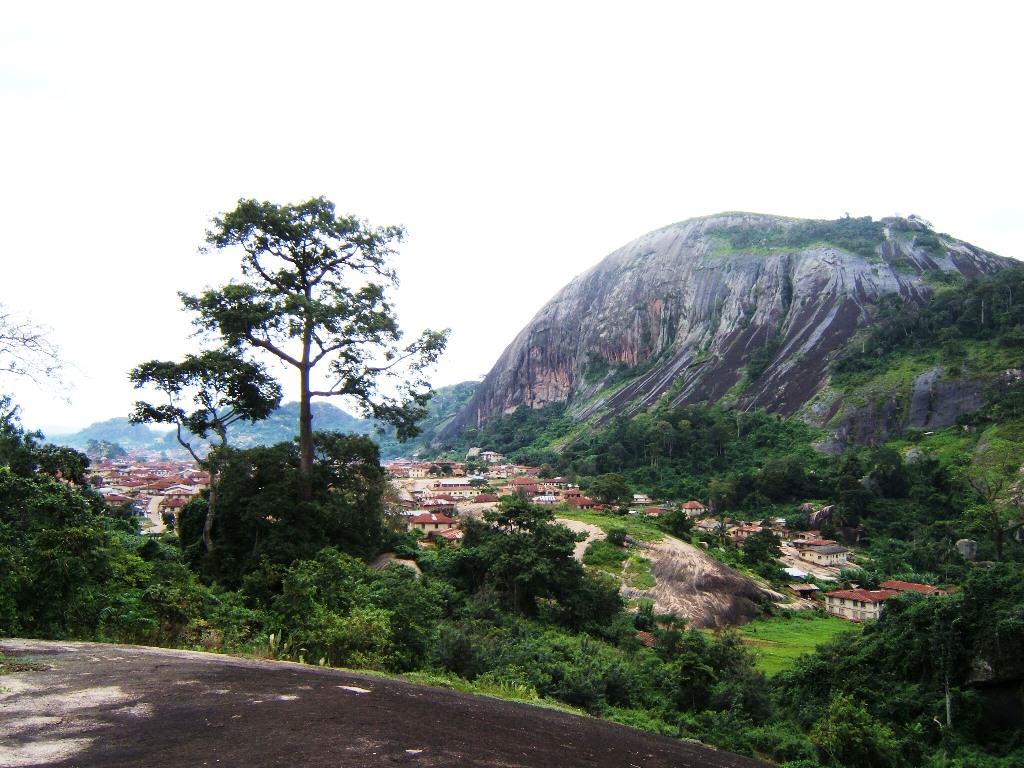
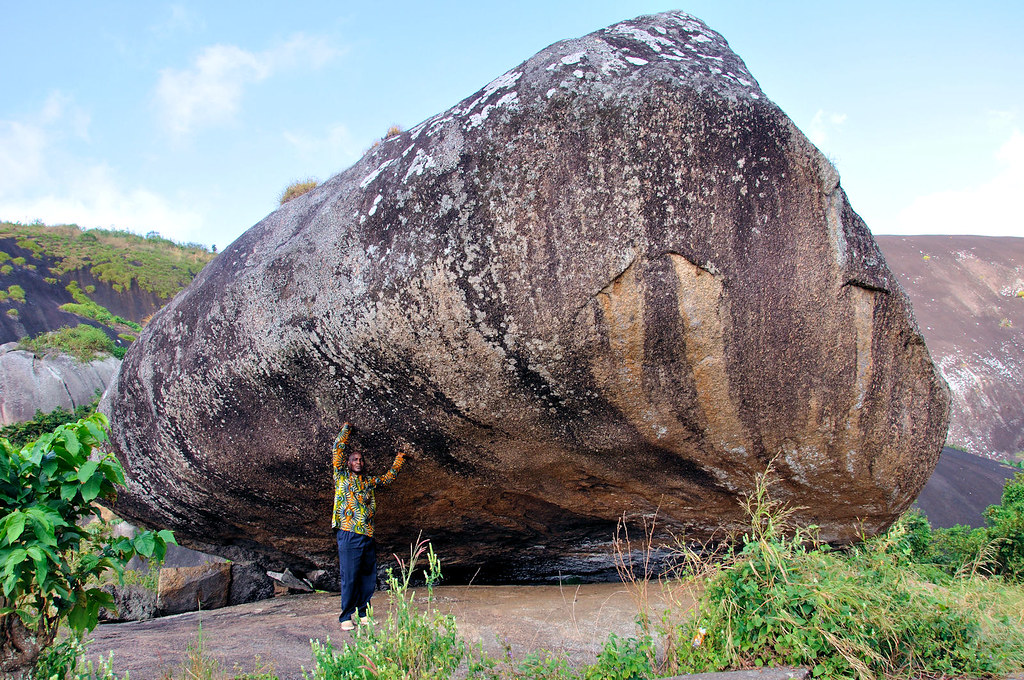
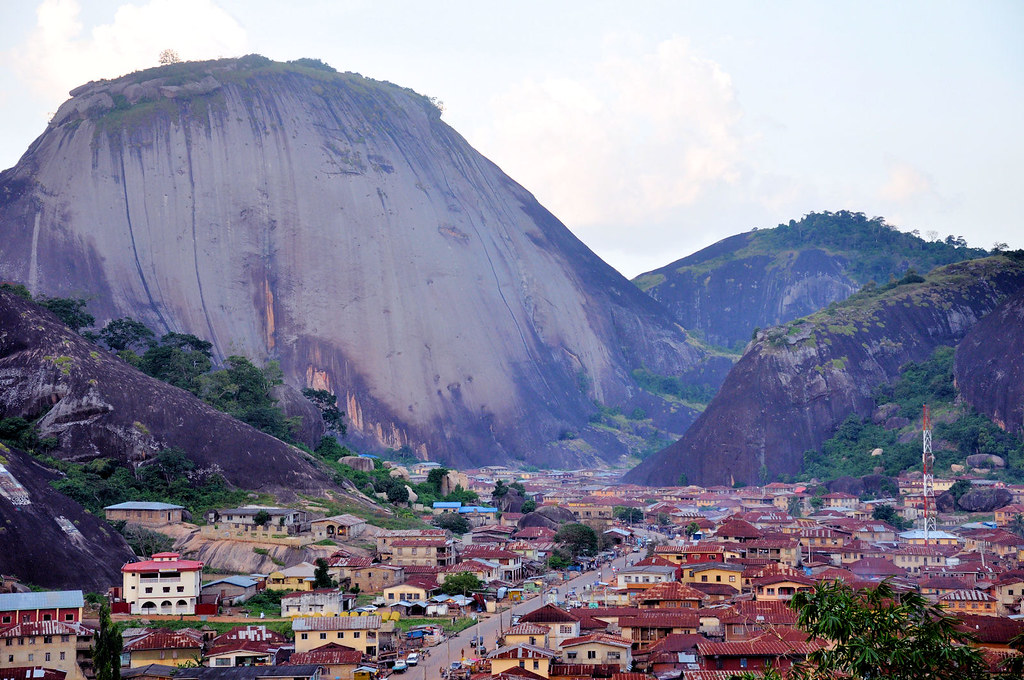
| Travel › Re: Idanre Town - A Scenic Treasure In The Mountains. by wandevincent(m): 10:54pm On Jan 06, 2016 |
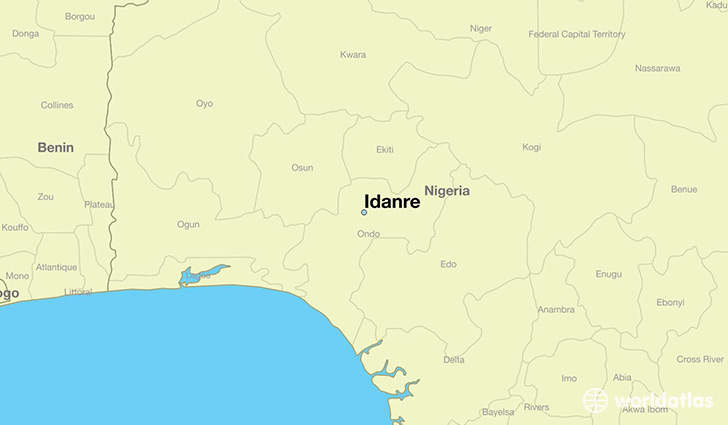
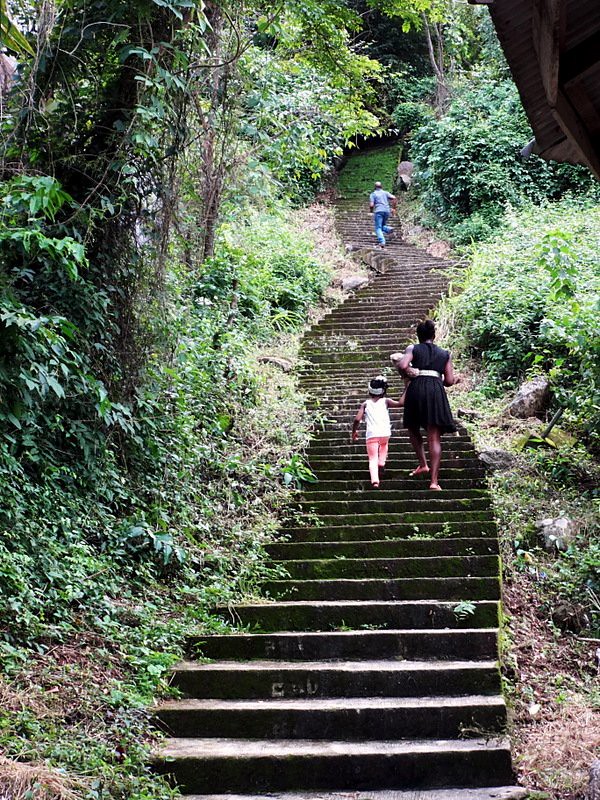
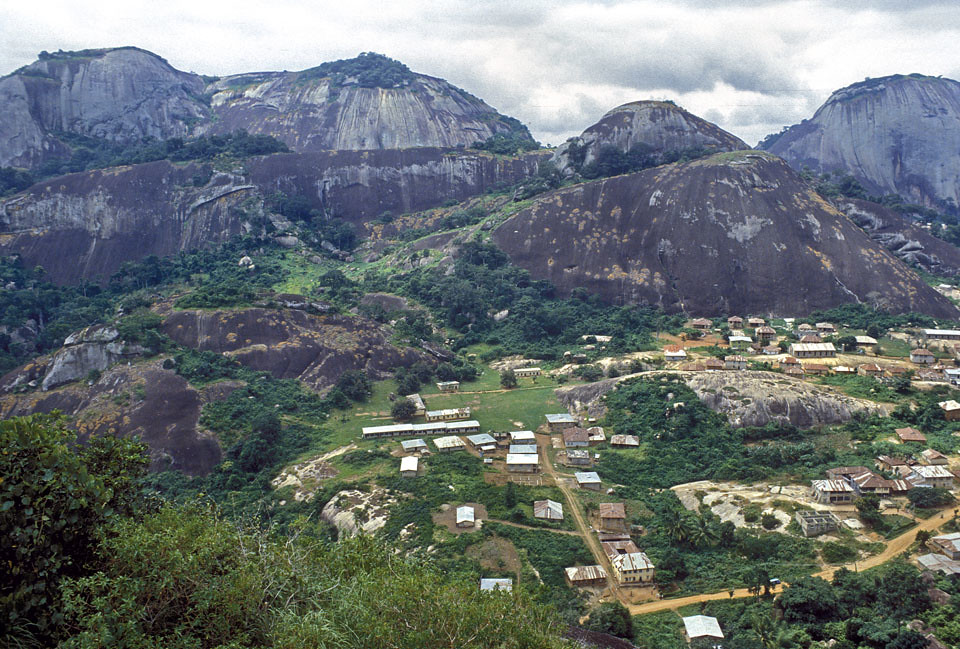
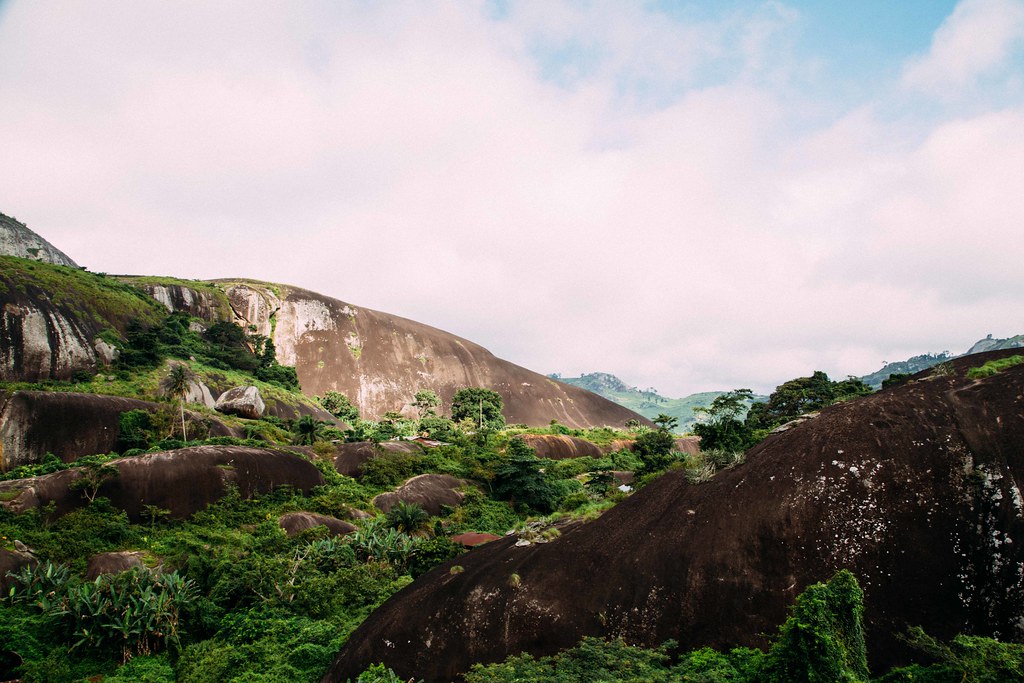
[quote author=scholes0 post=41717389]http://yorubaparapo.com/thread/295/scenic-town-idanre https://www.worldatlas.com/img/locator/city/091/1642343-idanre-locator-map.jpg https://c2.staticflickr.com/6/5694/22201201550_3e50970888_b.jpg https://c2.staticflickr.com/4/3134/2474367584_876f9b2727_b.jpg https://c2.staticflickr.com/4/3942/15304714088_86d2503b18_b.jpg https://c2.staticflickr.com/8/7235/13743717573_3f7e0c986e_b.jpg https://c1.staticflickr.com/5/4132/5174893897_d2ea7488ff_b.jpg https://c1.staticflickr.com/7/6201/6145307441_53ba598bdc_b.jpg https://c2.staticflickr.com/4/3727/13743466053_210d6461a5_b.jpg https://i.imgur.com/YNucu.jpg https://c1.staticflickr.com/1/219/477009089_cae1e21d34_o.jpg [i/c1.staticflickr.com/7/6171/6145857168_a79ae2eee1_b.jpg[/img] https://c2.staticflickr.com/4/3823/19647256171_3e5c939df0_b.jpg [img]http: https://c1.staticflickr.com/1/259/19021874353_7f1a660f50_b.jpg https://c1.staticflickr.com/5/4145/5175493038_489eeb8243_b.jpg https://c2.staticflickr.com/4/3726/13743425715_09476af0ae_b.jpg [img]op pls make d neccessary corrections to the title of the post, idanre is not a town in akure but in ondo state, akure happens to be the state capital.Proudly a son of the town |
| Education › Re: ABU Postgraduate Admission 2016 by wandevincent(m): 9:37pm On Jan 05, 2016 |
last year, application is closed for 2015/2016 session.You have to wait for 2016/2017 session and that will be around august september this year |