Iniobong888's Posts
Nairaland Forum › Iniobong888's Profile › Iniobong888's Posts
1 2 3 4 5 6 7 8 9 10 (of 12 pages)
 Agriculture › Get The Best Price For Fresh Ginger Now by iniobong888(op): 11:53am On Jul 18, 2025 Agriculture › Get The Best Price For Fresh Ginger Now by iniobong888(op): 11:53am On Jul 18, 2025 |
URGENT: Don't Get RIPPED OFF on Fresh Ginger! You're about to pay 3x MORE than you should! Fresh ginger prices are INSANE right now but I've got the price that'll save you a fortune. CALL NOW: 07062475733 Every minute you wait , money go down the drain. Your wallet will thank you! Don't let others profit from YOUR ignorance. Make the call that changes everything. 07062475733 Call before it's too late or we run out of stock!
|
| Agriculture › Unlocking The Billion-dollar Potential Of Nigeria’s Palm Oil Industry by iniobong888(op): 11:48am On May 12, 2025 |
Nigeria’s palm oil industry, valued at over $20 billion, is a goldmine waiting to be fully tapped. With a rich legacy as one of the world’s leading producers decades ago, the sector remains a powerhouse, fuelled by a vast network of players across the value chain. But how exactly do these players profit? And more importantly, how can you position yourself to claim a share of this lucrative market? The Titans of the Industry: Scale and Integration At the apex of the industry stand two dominant forces: Okomu Oil Palm and Presco Plc. Together, they control over 46,000 hectares of oil palm estates, operating fully integrated businesses—from cultivation to milling, refining, and even stock market listings. Their success lies in vertical integration, a model that ensures control over quality, pricing, and supply chain efficiency. But here’s the good news: you don’t need to be a giant to play the game. With the right strategy, even smaller entrants can carve out profitable niches. Four Proven Pathways to Profit in Nigeria’s Palm Oil Sector 1. Cultivation & Processing: Own the Chain Imagine owning a palm oil estate, processing your harvest into Crude Palm Oil (CPO), refining it into Refined Palm Oil (RPO), and even branching into high value derivatives. With new hybrid palm species maturing in just 2-3 years (instead of the traditional 5+), the barrier to entry has never been lower. Pain Point: High initial capital for land and machinery. Gain: Full control over production, pricing, and scalability. 2. Milling & Refining as a Service Over 360,000 hectares of palm estates in Nigeria lack processing infrastructure. By setting up a milling plant or refinery, you can offer critical services to smallholder farmers—earning steady revenue while helping them maximize their yields. Pain Point: Farmers lose profits due to lack of processing access. Gain: Recurring income from service fees and potential partnerships. 3. Packaging & Distribution: The Middleman Advantage Not interested in farming or milling? No problem. Many companies—from local retailers to industrial manufacturers (soap, candles, butter producers)—need reliable, packaged palm oil suppliers. By focusing on branding, packaging, and logistics, you can become the bridge between producers and end-users. Pain Point: Inconsistent quality and supply in the market. Gain: High-margin returns from value-added services. 4. Export & Derivatives: Tapping Global Demand Nigeria’s palm oil is in demand locally and internationally. Whether exporting bulk CPO or catering to the diaspora with retail-sized packs, global markets offer premium pricing. Beyond oil, palm kernel cake (livestock feed), palm kernel shells (fuel/construction), and CPKO (Crude Palm Kernel Oil) open additional revenue streams. Pain Point: Export logistics and certification hurdles. Gain: Access to higher-paying international markets. The Time to Act is Now The Nigerian palm oil industry isn’t just growing, It’s evolving. With rising demand for sustainable, locally sourced products, innovative players are redefining the game. Whether you’re an investor, entrepreneur, or agribusiness enthusiast, there’s a space for you. Your next step? 📌 Identify your niche Where do you fit in the value chain? 📌 Leverage existing models. Learn from industry leaders but add your unique twist. 📌 Start small, scale fast Hybrid palms and partnerships reduce waiting time. The $20 billion opportunity won’t wait forever. Will you be a spectator or a player? Let’s discuss how you can strategically enter this booming industry. Reach out today(07062475733)
|
| Agriculture › Beyond Planting: The Strategic Business Of Farming And Why Most Farmers Are Leav by iniobong888(op): 12:49pm On Apr 29, 2025 |
The planting season has begun, and across fields and villages, farmers are tilling the soil, sowing seeds, and nurturing crops with the hope of a bountiful harvest. But here’s the uncomfortable truth: most farmers are not businessmen. They are growers—skilled in cultivation but often blind to the forces that dictate profit, market dynamics, and value chain optimization. While they toil under the sun, middlemen and commodity traders smile all the way to the bank. Why? Because farming is not just about planting—it’s about strategy, optionality, and calculated risk. The Fatal Flaw: Farming Without a Business Plan Ask yourself: - Do you know the exact land size needed to turn a profit on your crop? - Have you calculated your break-even point—how much you must sell to cover costs? - Do you have a Plan B, C, or D if market prices crash at harvest? Most farmers don’t. They plant, pray, and hope for the best. But hope is not a strategy. The Power of Optionality: How Smart Farmers Win True agribusiness masters don’t just grow crops—they engineer multiple revenue streams from a single harvest. Let’s break it down: Case Study 1: Ginger – From Fresh Produce to High-Value Derivatives You plant one hectare of fresh ginger expecting a 3x return. But what if prices crash? A strategic farmer doesn’t panic—they pivot: - Option A: Sell fresh ginger (lowest margin) - Option B: Process into dry split ginger (higher value) - Option C: Grind into ginger powder (even higher margin) - Option D:Export as value-added products (highest profit) The difference? Optionality. While others sell at a loss, you dominate the market with diversified income. Case Study 2: Cassava – From Subsistence Crop to Industrial Goldmine Imagine investing in hectares of cassava only for prices to plummet at harvest. The unprepared farmer suffers. The agripreneur? They shift gears: - Option A: Sell raw tubers (commodity pricing) - Option B:Process into dry cassava chips (industrial demand) - Option C: Produce premium garri or odourless fufu (branded retail) - Option D: Sell stems as planting material (passive income) The lesson? Control your destiny. The Total Addressable Market (TAM) Mindset Farming isn’t just about yield—it’s about market intelligence. - Who is buying? - Where is demand highest? - Can you move produce from surplus zones to scarcity zones? If you’re growing a crop with a small or saturated market, you’re setting yourself up for exploitation. But if you target high-demand crops with multiple revenue pathways, you dictate terms. The Middleman’s Game – And How to Beat It Traders thrive on farmer ignorance. They buy low, add value, and sell high. But what if you became the processor? The distributor? The brand? Stop leaving money on the table. - Form cooperatives to bypass exploitative pricing. - Invest in small-scale processing to capture more value. - Leverage contracts and futures to lock in prices before harvest. Farming Is Business—Treat It Like One The land doesn’t discriminate—it rewards those who plan, strategize, and execute with precision. Before you plant another seed, ask: ✅ What’s my break-even point? ✅ Do I have multiple exit strategies? ✅ Am I targeting a growing or oversaturated market? If you can’t answer these, you’re not farming—you’re gambling. And in this game, the house (the middlemen) always wins. Change the narrative. Farm like a C.E.O.
|
| Agriculture › Are You Poor Or Rich by iniobong888(op): 10:32am On Apr 17, 2025 |
The saying that “the closer you are to the soil, the poorer you are, while the further you are from the soil, the richer you become” What is your take ? If you are into agriculture, agriculture valuechain, agribusiness or anyone , please reply in the comment section.
|
| Agriculture › Making Millions From Spices by iniobong888(op): 11:23am On Apr 16, 2025 |
In Nigeria, seasoning cubes are a kitchen staple. They promise quick flavor, but have you ever stopped to ask: What’s really inside them? And could relying on them daily affect your health? Let’s break it down. What’s Hiding in That Cube? Most cubes contain ingredients like: - MSG: A chemical that boosts flavor but is linked to headaches, weight gain, and other issues. - High salt/sodium: Too much can lead to high blood pressure, heart problems, or kidney disease. - Sugar: Surprising, right? Why add sugar to soups or stews if you’re trying to eat healthy? - Preservatives: Chemicals like TBHQ (made from petroleum) to keep cubes “fresh” longer. The Health Trap You might say, “I only use one cube!” But think: How many pots of soup, stew, or rice do you cook weekly Over time, these additives pile up. They’re not “poison,” but daily use can slowly harm your body—especially if you already have health issues like diabetes or hypertension. Remember Our Roots Before cubes, our grandparents used natural ingredients to make food tasty: - Iru (fermented locust beans) for depth. - Crayfish and smoked fish for richness. - Fresh peppers, ginger, garlic, and onions for bold flavor - Uziza and curry leaves for aroma Their soups were delicious and nourishing. So why did we swap these for lab-made cubes? What If You Tried Something New? Imagine making your own seasoning mix at home: grind dried crayfish, iru, onions, garlic, and peppers. Store it in a jar. Use it instead of cubes. Not only would you control what you eat, but you’d also reconnect with traditional flavors. What if your kitchen experiment could spark a seasoning revolution? The global health food market is worth $1 trillion, and Nigeria’s demand for natural, clean-label products is rising. Yet, the seasoning aisle remains dominated by cubes packed with chemicals. This gap is your opportunity. Foreign companies can’t replicate your deep understanding of Nigerian taste buds. You know why iru makes egusi soup sing. You know the magic of uziza. That’s can be your intellectual property. The Bigger Vision Imagine supermarkets dedicating a shelf to “Made-in-Naija Natural Seasonings”. Imagine your brand becoming a household name—not for chemicals, but for reclaiming natural flavor known to us . Will you keep complaining about seasoning cubes, or will you fill the gap? The market is waiting. Let’s team up! We’ll craft a signature seasoning exclusive to your market and help grow your reach. Ready to spice things up? Call/WhatsApp me at 07062475733. Let’s cook up success!
|
| Agriculture › Re: Making Millions And Billions From Palm Trees Plantation. --- by iniobong888(op): 4:28am On Apr 16, 2025 |
potosky:While all businesses involve risk, Mr. Emmanuel can safeguard his well-being by adhering to basic safety protocols and avoiding investments in high-security-risk areas. |
| Agriculture › Unlock The Billion-naira Potential Of Pawpaw Farming: A Strategic Guide To Agro- by iniobong888(op): 8:04am On Apr 15, 2025 |
In Nigeria’s thriving agricultural landscape, pawpaw stands as a perennial powerhouse—a fruit unshackled by seasonality, offering year-round profitability and a gateway to an underserved market ripe for disruption. Beyond its ubiquity lies a value chain teeming with untapped opportunities, capable of transforming strategic growers into multimillionaires. Whether approached as a lucrative side venture or scaled into a full-fledged agribusiness empire, pawpaw cultivation promises staggering returns, with revenue streams that extend far beyond the obvious. The Profitability Blueprint: From Hectare to Hundreds of Millions A single hectare, meticulously optimized, can host 2,500–3,000 pawpaw stands via precision spacing (2m x 2m). Select high-yield hybrid varieties—such as capable of producing 120–150 fruits annually. Even under conservative estimates (100 fruits per tree), 2,500 stands yield 250,000 fruits yearly. At a farm-gate price of ₦800–₦1,000 per fruit, this translates to ₦200,000,000–₦250,000,000 in gross annual revenue. Elevate margins further by bypassing intermediaries: establish direct supply contracts with exporters, retailers, or processing firms. The Hidden Goldmine: Papain Extraction While the fruit commands attention, the true agro-industrial gem is papain—a proteolytic enzyme harvested from unripe pawpaw. Pharma giants, breweries, and cosmetic conglomerates globally prize this “white gold,” with international prices averaging $20/kg. A hectare yields up to 300kg of papain annually, generating an additional $6,000 (₦9,000,000+). Position yourself as a supplier to this niche but high-demand export market, and watch profitability soar. Beyond the Fruit: Revolutionizing Waste into Wealth Do not overlook the leaves. Dried and powdered pawpaw leaves, rich in antioxidants and enzymes, are sought after for herbal teas, nutritional supplements, and animal feed additives. Marketed strategically, 500g batches fetch $5 in international markets—transforming agricultural “waste” into a premium revenue stream. Scalability & Synergy: From Farm to Fortune The pawpaw value chain extends into processing (dried slices, juices, cosmetics), but mastery begins with foundational excellence. A hectare is merely the entry point; scalable models enable exponential growth. However, success demands more than planting—it requires precision planning, risk mitigation, and market intelligence. A Reality Check: Navigate Risks, Maximize Rewards Like any venture, pawpaw farming carries risks: pest outbreaks, price volatility, and logistical hurdles. Yet these are surmountable with a rigorous business plan, expert agronomic guidance, and diversified income streams. Your first step? A data-driven roadmap tailored to your goals, resources, and target markets. --- Call 07062475733 TODAY to secure your comprehensive pawpaw farming business plan, complete with: - Financial projections (ROI, break-even analysis) - Hybrid cultivar selection guides - Papain extraction protocols - Export market entry strategies - Risk management frameworks This is not mere farming—it’s wealth engineering. The global demand for pawpaw and its derivatives is exploding. Will you watch from the sidelines, or seize your stake in this billion-naira industry? P.S. Time depreciates opportunity. Every delayed day costs you potential revenue. Claim your blueprint—and your future—before competitors do.
|
| Agriculture › Making Millions And Billions From Palm Trees Plantation. --- by iniobong888(op): 2:15pm On Apr 01, 2025 |
**Lagos, 2025** The streets buzzed with frustration. Fuel prices had tripled overnight. A sack of rice cost ₦80,000. The Naira traded at ₦1,600 to the dollar, and everyone was screaming, “This economy will kill us oo!” Two childhood friends, Mr. Emmanuel and Mr. Charles , sat at a roadside buka, their futures hanging in the balance. “I’m buying palm seedlings tomorrow,” Mr. Emmanuel said, stirring his pepper soup. “Fifty hectares. It’s time.” Mr. Charles nearly choked. “Palm trees? You’ll waste four years waiting for profit! Let’s just save dollars. Things have to get better.” Mr. Emmanuel smiled. “Trees don’t panic. They grow.” **2035** The sun blazed over Mr. Emmanuel ’s sprawling plantation, where endless rows of palm trees swayed like green gold. His phone buzzed nonstop—buyers from Europe, Asia, and even America begging for his Crude Palm Oil (CPO), now priced at ₦10,000,000 per ton. A single litre sold for ₦10,000. But in a cramped Lagos apartment, Mr. Charles stared at his bank app, trembling. His life savings—₦50 million—was now worth $10,000. A bag of rice? ₦200,000. His old Toyota? Worthless. He’d spent a decade waiting for “things to stabilize and for a miracle .” Instead, the Naira had collapsed into confetti. --- The Irony of Time While Mr. Charles prayed for miracles, Mr. Emmanuel’s palm trees silently printed money. Every part of those tree sold: - Palm kernel Shells to factories (₦3 million/month). - Sludge as fertilizer (₦6 million/month). - Palm Kernels oil for cosmetics giants (₦10 million/month). By 2030, Mr. Emmanuel built a refinery. By 2035, his empire churned out Refined Palm Oil (RPO)at ₦15,000/liter. His children drove armored SUVs. His grandchildren’s school fees? Paid in dollars. Mr. Charles , meanwhile, rationed garri. His “safe” savings had melted like ice in the Sahara. --- The Math That Never Lies “Four years is too long!” Mr. Charles had cried in 2025. But Mr. Emmanuel knew: Time bends for those who start. - 1 hectare = 143 trees = 4.5 tons of CPO/year = ₦45,000,000. - 50 hectares = ₦2.25 BILLION yearly.( you could start with a few hectares and grow not necessarily 50 hectares ) Nigeria’s palm oil deficit? Still 1.6 million tons. The world was starving for it—biofuels, food, factories. But fools kept waiting for “prices to drop.” --- **The Ghost of Regret** One evening, Mr. Charles stood at the edge of Mr. Emmanuel ’s plantation, tears mixing with sweat. “How?” he whispered. Mr. Emmanuel handed him a coconut. “You thought inflation was the enemy. I realized palm tree was the answer. These trees outlive crises. They don’t care if the Naira crashes or politicians lie. They just… *grow*.” --- 2025 vs. 2035: Your Choice In 2025, you’re reading this. The Naira is still falling. Palm seedlings cost ₦3000 to ₦5000 each( depending on the variety and how old). Land is cheap. But in 2035: - ₦10,000,000 = 1 ton of CPO. - ₦1,000,000 = $200. - You’ll need ₦500,000 just to fill your car’s fuel tank. Will you be the one laughing in a mansion… or crying in a traffic jam, begging for a loan . --- Act Now—Before Time Runs Out This isn’t a “get rich quick” scheme. It’s a **“get unbreakably rich”** truth. 📞 **CALL/WHATSAPP TODAY: 07062475733** - Get the **secret blueprint** to start small, profit early, and build generational wealth. -Get the blueprint for effective strategies in entering the palm plantation sector without substantial initial capital investment. - Learn viable approaches for both landowners with limited funds and aspiring investors without existing land assets. - How to start with your community land with no capital. Don’t wait for “someday.” In 2035, “someday” will be here… and it’s ruthless. --- *PS—Every minute you wait, someone else plants a tree. Will they own your future?* Land is cheap. 1 Like
|
| Agriculture › Harness The Power Of Cooperative Societies: Unlock Wealth, Opportunity, And Comm by iniobong888(op): 12:38pm On Mar 26, 2025 |
Have you ever considered how much more you could achieve by collaborating with others who share your goals? Imagine pooling resources, knowledge, and ambition with like-minded individuals to create something greater than what you could accomplish alone. This is the transformative potential of a cooperative society—a voluntary alliance where members unite to drive economic growth, secure better opportunities, and uplift their collective welfare. Why Cooperatives? Think Bigger, Achieve More In agriculture, for instance, cooperatives are revolutionizing how farmers thrive. Picture this: Instead of selling your crops to middlemen for pennies, what if your cooperative supplied soybeans, corn, or sorghum directly to manufacturing companies? By cutting out intermediaries, you’d secure higher profits, negotiate bulk pricing, and gain bargaining power. Could your community benefit from this model Consider the advantages: - Economies of scale: Buying seeds, equipment, or exporting produce as a group slashes costs. - Access to capital: Banks and investors are more likely to fund a cooperative’s guaranteed contracts (e.g., supplying a factory for a full year) than an individual farmer. - Tax benefits: Profits from cooperative businesses are often exempt from corporate taxes—more wealth stays in your pocket. Innovation Meets Opportunity What if your cooperative didn’t just farm, but controlled the entire value chain? Imagine striking a deal with a soy oil manufacturer, backed by a payment guarantee, then using that contract to secure low-interest loans for machinery or land. Or diversifying into processing, packaging, or even renewable energy projects. How might your community’s potential multiply with this approach The Critical Question: Are You Aligned for Success? Before joining—or forming—a cooperative, ask: What binds this group together? Shared values? A clear business model? Transparent bylaws? Corporate governance? If your current network lacks focus, could you rally peers around a shared vision? The right cooperative isn’t just about resources—it’s about unity of purpose. Ready to Transform Your Future? Cooperatives aren’t just a tool for survival; they’re engines for wealth creation and poverty eradication. But success demands strategy: How will you structure operations? Secure partnerships? Leverage legal advantages? Here’s your call to action: Why navigate these questions alone? Let’s craft a tailored plan to unlock your cooperative’s full potential. Whether you’re refining an existing group or starting from scratch, the opportunity is vast—but only if you act. What’s stopping you from reaching out today Contact me( 07062475733) to design a cooperative strategy that turns your community’s aspirations into reality. Let’s build something enduring—together. P.S. Still unsure how cooperatives apply to your unique context? Let’s discuss your goals. The first step is always the simplest. --- Engage. Innovate. Thrive. The power of collaboration awaits. 💡
|
| Agriculture › From Kitchen To Empire: How Nigerians Are Making Millions From The Spice Gold Ru by iniobong888(op): 8:33am On Mar 21, 2025 |
In a world where food brings people together, what truly elevates a meal from ordinary to extraordinary? Spices—those aromatic treasures that transform simple ingredients into culinary masterpieces. For Nigerians, Africans, and people worldwide, spices are not just flavor enhancers; they're cultural heritage in powdered form. From the warming kick of ginger to the earthy richness of turmeric, these natural wonders bring both taste and tremendous health benefits to our tables. The Spice Revolution Since the pandemic, we've witnessed an unprecedented surge in demand for spices. As people embrace healthier lifestyles, they're rediscovering the power of natural seasonings—not just for flavor, but for their impressive antioxidant properties and nutritional benefits. The numbers speak volumes: the global spice market now exceeds $29 billion, while Nigeria's domestic market surpasses 100 billion Naira. This isn't just growth—it's a revolution in how we think about food and wellness. Your Slice of the Billion Dollar Spice Market Imagine capturing even a small percentage of this booming industry. The opportunities are as diverse as the spices themselves: - Cultivation: Growing aromatic herbs and spices - Aggregation: Sourcing directly from farmers - Processing: Transforming raw spices into usable forms - Packaging: Creating attractive, market-ready products - Exporting: Sharing Nigerian flavors with the world - White labeling: Creating custom spice blends for other brands Starting Small, Thinking Big The beauty of the spice business lies in its accessibility. You don't need massive capital to begin—just vision and creativity. With minimal investment, you can start by identifying a specific market need, outsourcing the processing, and focusing your energy on distinctive branding and targeted marketing. Your unique presentation and blends can carve out a niche that customers will seek out repeatedly. Consider this: a 295g package of powdered crayfish sells for $35 (approximately ₦57,350) in the United States. Now imagine creating your signature spice blend or packaging traditional Nigerian seasonings for the international market. The potential is extraordinary. Strategic Considerations Before diving in, ask yourself these critical questions: - How will you handle seasonal availability of certain spices like ginger and turmeric? - Have you established relationships with reliable farmers or aggregators? - What makes your product uniquely appealing to your target market? - How will your packaging communicate quality and authenticity? For new entrepreneurs, consider outsourcing the processing initially while you perfect your packaging and marketing strategy. This allows you to focus on building your brand while minimizing upfront investment. Going Global The Nigerian diaspora represents a tremendous opportunity—people longing for authentic flavors from home. Beyond that, the international market is increasingly embracing African cuisine and ingredients. With effective online marketing and an understanding of international regulations, you could soon be shipping your signature spice blends worldwide. Or consider white labeling—creating custom spice formulations for clients according to their specifications, both locally and internationally. Imagine earning foreign currency from your kitchen, all while sharing Nigeria's rich culinary heritage with the world. Your Spice Journey Begins Now This isn't just about selling seasonings—it's about capturing the essence of Nigerian cuisine and culture in every package. It's about creating products that bring joy and health to kitchens worldwide. The spice market is waiting for your unique contribution. Will you be the next success story in this flavourful industry? Need assistance with product development , market research or a comprehensive business plan for your spice venture? Contact us at 07062475733 for expert guidance tailored to your vision.
|
| Agriculture › Unlock Nigeria’s Hidden Goldmine: The Untapped Baby Food Niche. by iniobong888(op): 3:29pm On Mar 12, 2025 |
The Shocking Truth in Every Supermarket Aisle Walk into any Nigerian supermarket and you’ll notice a glaring paradox: 85-90% of baby and toddler foods are imported. Parents are forced to buy overpriced foreign products packed with preservatives, while locally grown superfoods like Acha, sorghum, and fresh fruits sit untouched. But here’s the twist—Nigeria’s baby food market is a sleeping giant, and the time to wake it up is NOW. Why This Crisis is Your Golden Opportunity - 7 million babies are born in Nigeria yearly. Add 31 million children under 3, and you’re staring at a market of 38 million hungry mouths. - Soaring foreign currency rates are making imported baby food unaffordable. Parents are desperate for healthy, affordable, and organic alternatives. - Foreign brands dominate shelves, but their products lack freshness, cultural relevance, and nutritional innovation. Nigerian parents want local solutions they can trust. The Secret Weapon? Nigeria’s Own Superfoods Imagine transforming everyday staples like pap (akamu), millet, or tiger nuts into nutrient-dense baby cereals enriched with protein, iron, and vitamins. Or turning seasonal fruits into freeze-dried snacks, ready-to-drink smoothies, or preservative-free purees. The raw materials are already here—you just need to innovate. 4 Ways to Dominate This Exploding Market 1. Revolutionize Tradition: Upgrade familiar foods (e.g., custard, porridge) with fortified blends for brain development and immunity. 2. Solve Pain Points: Create ready-to-eat meals for busy parents, or affordable instant formulas for low-income households. 3. Think Beyond Nigeria: Like one client exporting Akamu to the U.S., your products could tap into the $60B global organic baby food market. 4. Start Small, Scale Smart: Begin with basic machinery (or outsourcing), then expand as demand grows. - Product Ideas: Protein-packed cereals, organic fruit chips, dehydrated veggie mixes, honey-sweetened snacks. - Forms: Powder, liquid, flakes, puree—adapt to your target age group (infants vs. toddlers). -Local Sourcing: Partner with farmers for maize, sorghum, or moringa. Use natural sweeteners like dates, not sugar. But What If I’m Not a Millionaire?” You don’t need to be. Start with one product, one community. Test demand at local markets or via social media. Use low-cost packaging and grassroots marketing. As orders grow, reinvest profits into scaling—or partner with reliable processors. The Irony? The World Wants What Nigeria Has While parents here crave local options, the West pays premium prices for “exotic” African superfoods. One entrepreneur already ships akamu to America. Imagine your brand on global shelves. Claim Your Share of This N7.6 Trillion Opportunity The market is starving for solutions. Will you feed it? DM BABYFOOD to 07062475733 for: - A bankable feasibility report (includes cost analysis, profit projections, and regulatory guides). - Access to trusted suppliers and machinery partners. - Product idea and market development. Warning: Every day you wait, another parent settles for overpriced imports. Be the hero they need—and build a legacy brand in the process. What’s Stopping You Comment “READY” below or call 07062475733. Let’s turn Nigeria’s babies into your biggest business breakthrough. --- The revolution starts with you. Will you lead it?
|
| Agriculture › Your Kitchen To The World: Nigerians Are Turning Foodstuff Into Globalbusiness by iniobong888(op): 11:44am On Mar 06, 2025 |
Imagine this: A mother in Lagos packs dried crayfish powder into airtight bags. A young chef in Abuja designs colorful labels for her homemade egusi powder. A college student in Port Harcourt films TikTok videos showing how to prepare “Tom brown” from Soyabeans. These aren’t just hobbies—they’re the start of profitable businesses feeding a hungry global market. Why Nigerian Food? Millions of Nigerians live abroad, and they miss the tastes of home. Think of the auntie in London craving fresh uziza leaves , or the student in Texas dreaming of proper suya spice. The problem? They can’t find these foods easily. That’s where you come in. Here’s the Opportunity 1. High Demand, Low Supply: Few exporters exist, and Nigerian communities overseas keep growing. 2. Start Small: Ship as little as 0.5kg by air (perfect for testing ideas) or team up with others to save costs. 3. Be Smart, Earn More: Simple tweaks—like removing fish bones or vacuum-sealing spices—let you charge higher prices. How It Works - Step 1: Pick 1-2 popular foods (e.g., dried fish, garri, or hibiscus leaves). - Step 2: Make it special (cleaner packaging, faster shipping, ready-to-cook kits). - Step 3: Share it online (Facebook groups, Instagram, WhatsApp). - Step 4: Ship directly to buyers’ doorsteps. What’s the Profit? - Example: Sell ₦1,500 dried bitter leaf for $20 in the U.S. After costs (shipping, packaging), you keep 40-60% profit. - Team up with friends: Split shipping fees to boost earnings. But Wait—Do This First - Check Rules: Some countries ban certain foods. A quick Google search helps (e.g., “Can I ship egusi to Canada?”). - Ask Buyers: Join Nigerian diaspora groups online. Ask what they need most. Your Toolkit - Dm for guides listing 150+ foods to export. - Tips to avoid costly mistakes (like wrong packaging). - How to find buyers FAST. No Experience Needed Start with what you know. A woman in Ibadan began selling homemade locust bean(Iru) powder to her cousin in Germany. Now she ships 5 tons monthly. Another group in Kano exports 200 bags of tuwo shinkafa weekly to Saudi Arabia. Ready to Try? This isn’t just about money—it’s about sharing your culture and making people smile. The tools are here. The market is waiting. All you need is to take the first step. Don’t wait—your kitchen could be the next big thing in global food.
|
| Agriculture › Re: Fresh Ginger And Coffee For Sale by iniobong888(op): 2:26pm On Mar 03, 2025 |
What types of coffee do you want ? we have fresh and dry ginger avaliable . |
| Agriculture › The Rain by iniobong888(op): 1:24pm On Mar 03, 2025 |
SMART FARMING: Turn Dirt into Diamonds This Planting Season! (Don’t Miss the Rain’s Deadline!) Nigeria’s 2025 rains are knocking—March is here! Will your farm be a goldmine or a money pit? Farming isn’t ‘just planting’; it’s a multi-million Naira business waiting for the BRAVE and the PREPARED. Are YOU ready? -Rain Alert! Nigerian Metrological services says rains hit early March for some states, delayed for others. One wrong move = wasted seeds, lost profits. - Seedling Prices Are SKYROCKETING! Cassava stems, ginger seedlings—procrastination costs you thousands. Buy NOW or cry later! - Cassava Crash? Fresh cassava dropped from ₦180k to ₦100k/ton! But smart farmers win BIG: Turn yours into garri, starch, or odorless fufu for 3x profit! You, the SMART farmer Outsmart the rain: Plant on time, harvest on profit—no guesswork! ✅ Sleep easy with insurance: Protect your 5+ hectare farm from disasters (floods, disease, bad markets). Lock in buyers BEFORE you plant. Know prices, trends, and Plan B (processing = profit rescue!). This isn’t “farming”—it’s playing chess with nature. And you’re winning. TIME IS MONEY! The rain won’t wait—NEITHER SHOULD YOU! GRAB YOUR SEEDLINGS TODAY—Before prices hit the roof! CHECK RAIN MAP(in the comment section)—Is your state in the “early March” zone? 🌍 Reply NOW—Before 100 others do! Forward this to 5 farmers you care about. Let’s make 2025 the YEAR NOBODY CRIES AT HARVEST!
|
| Agriculture › Fresh Ginger And Coffee For Sale by iniobong888(op): 11:38pm On Mar 01, 2025 |
**Fresh Ginger Available!** Only ₦4,500 per kilogram Premium Unprocessed Coffee Beans (Arabica & Robusta)** Sold by the ton – *perfect for bulk buyers!* Call 07062475733 NOW** for prices and deals. Serious dealers/buyers only – straight from the source!* --- |
| Agriculture › Unlock Nigeria’s Billion-dollar Secret: How Farmers In Taraba & Plateau Are Cash by iniobong888(op): 1:30pm On Feb 24, 2025 |
Did you know Nigeria is sitting on a coffee goldmine? While the world obsesses over oil, a silent revolution is brewing in Taraba and Plateau states, where farmers are quietly harvesting fortunes from $103 BILLION global coffee markets. Imagine earning ₦8.7 MILLION per ton of coffee beans—more lucrative than crude oil. This isn’t a fantasy. It’s happening “right now”, and the door is wide open for YOU to claim your slice of this untapped fortune. Here’s the kicker:Nigeria’s coffee industry is a sleeping giant. With 80% Robusta and 20% Arabica crops, our soil produces beans that dominate European cravings (Robusta) and American luxury tastes (Arabica). Yet, less than 1% of global demand is tapped here. Let that sink in. If just ONE state cracks 1% of the $103 billion market, that’s $1 BILLION flowing into local hands—and YOU could be the catalyst. Why This Is Your Moment to Strike: 1. Global Prices Are Skyrocketing: Arabica sells for premium margins internationally, while Robusta’s bold flavor fuels Europe’s espresso obsession. Nigerian farmers are already growing these beans—but lack the strategy to dominate. 2. You Don’t Need a Farm to Profit: The real money lies in processing, branding, and exporting. Set up a local roasting unit, blend flavors that celebrate Nigerian culture and watch global buyers chase YOU. 3. Breakthrough Innovations: Turn coffee waste into cosmetics, snacks, or gourmet biscuits—niche markets hungry for "Afro-inspired" products. Start a kitchen-based coffee brand TODAY and sell it on Amazon tomorrow. The Harsh Truth (And Your Advantage): Yes, Nigeria’s coffee sector faces hurdles: outdated policies, farmer training gaps, and poor processing. But this chaos is your golden ticket. While others see problems, visionaries like YOU see a $100+ billion vacuum waiting to be filled. Private investors who act NOW will control the entire value chain—from farm to global shelf—with minimal competition. Here’s Your Blueprint to Dominate: - Financing & Training: Partner with hungry farmers in Taraba/Plateau. A small seed fund could 10x their output—and your ROI. - Processing Hubs: Fix Nigeria’s quality gap by building ISO-certified units. Charge farmers for premium processing, then sell beans at 300% markups to Europe/US. - Cultural Branding: Reinvent coffee for Nigeria’s youth. Launch ready-to-drink iced blends, partner with Lagos influencers, and own the “Naija Coffee” identity. Wake Up Call: The world drinks 2.25 billion cups of coffee daily. Nigeria’s farmers grow the beans—but YOU can capture the profits. The government won’t do this. Corporations are too slow. This is YOUR era. LAST CHANCE ALERT: The first movers are already plotting. A single call separates you from the 07062475733 coffee empire blueprint. Dial 07062475733 NOW and let’s craft your strategy to dominate Nigeria’s coffee revolution. Time is coffee money—and it’s running out. ACT NOW OR WATCH OTHERS CASH IN. Call 07062475733 – Your Billion-Dollar Coffee Dream Starts Here. --- The next Starbucks could be Nigerian. Will it bear YOUR name? Dial 07062475733. Let’s make you unforgettable.
|
| Agriculture › Unlocking A $2.4 Billion Opportunity: Tapping Into The Nigerian Diaspora Market by iniobong888(op): 11:29am On Feb 20, 2025 |
Did you know that Nigerians living abroad remitted over $2.4 billion back home between January 2024 and October 2024? This staggering figure represents a massive, untapped market ripe for exploration. With Nigerians in the diaspora earning higher disposable incomes in countries like the USA, UK, and Europe, there’s an incredible opportunity to market goods and services tailored specifically to their needs and desires. As an entrepreneur, this is your chance to earn in dollars while delivering value to a passionate and culturally connected audience. The Market Potential The numbers speak for themselves: -Over 700,000 Nigerians in the USA - Over 300,000 Nigerians in the UK - Over 300,000 Nigerians across Europe This diaspora community is not just large—it’s thriving, culturally rooted, and eager for products that remind them of home. Whether it’s food, fashion, or cultural experiences, the demand is immense. But here’s the catch: to succeed in this market, your product must be unique, culturally relevant, and address a specific pain point. Turning Nostalgia into Profit Imagine this: a Nigerian living abroad craving a taste of home—garri, a staple food. But what if you could elevate this experience? Picture garri sweetened with coconut water or honey, paired with coconut flakes, and served with kilishi(dry meat) or kul-ikuli. Suddenly, you’ve transformed a simple cultural staple into a premium, ready-to-eat cereal that resonates with their heritage. This is the power of innovation and cultural connection. Your product doesn’t just fill a gap—it tells a story. It’s not just food; it’s an experience. And that’s where the magic happens. Packaging: Your Silent Salesman In this market, packaging is everything. It’s not just a container; it’s a branding powerhouse. Your packaging must stand out, tell a compelling story, and evoke emotions. It should scream quality, authenticity, and cultural pride. Think of it as a mini billboard that communicates your brand’s values and the unique experience your product offers. The Key to Success: Market Research Before diving into this lucrative market, you need to understand it deeply. What influences their buying decisions? What foods do they crave that are hard to find abroad? How can you package your product to meet their standards while staying true to their roots? Conducting thorough market research is non-negotiable. It will help you identify the market size, uncover gaps, and position your brand as the go-to solution. The opportunities are endless, but only those who do their homework will truly thrive. Why Now? The Nigerian diaspora market is growing, and the demand for culturally relevant products is at an all-time high. This is your chance to carve out a niche, build a brand that resonates, and earn in dollars while making a meaningful impact. If you’re ready to explore this $2.4 billion opportunity, let’s connect. Whether you’re looking for guidance on market entry, product development, or branding strategies, I’m here to help you turn this vision into reality. Don’t just read this—act on it. Reach out today, and let’s start building your success story in the Nigerian diaspora market. The time is now, and the possibilities are limitless. Contact me today 07062475733 to get started
|
| Agriculture › From Waste To Wealth: The Hidden Goldmine In Your Backyard by iniobong888(op): 1:02pm On Feb 10, 2025 |
In the not-so-distant past, farmers and carpenters saw waste as a burden to burn or bury. Sawdust piled up in workshops, cashew shells rotted in fields, and palm kernels littered villages—unnoticed, undervalued, and discarded. But today, these “wastes” have undergone a metamorphosis, transforming into a global currency of innovation, sustainability, and profit. The Shift: Trash Became Treasure Picture this: Decades ago, a farmer might have laughed if you called eggshells “gold.” Today, that same farmer could be processing them into powder, selling to pharmaceutical giants for calcium supplements, cosmetics, or premium animal feed. What changed? *Awareness*. The world woke up to the latent potential of what was once tossed aside. Take cashew shells, for instance. Once left to decay, they’re now traded at ₦40,000 per ton. The secret? Cashew nut shell liquid (CNSL)—a miracle extract used in paints, varnishes, and even life-saving drugs. Or palm kernel shells: construction firms, brake pad manufacturers, and water treatment plants scramble to buy them. Some process the shells into activated carbon, a critical component in water filters, while others convert them into high-demand briquettes, cashing in on soaring energy costs. The New Agrarian Revolution In agrarian communities, opportunity is no longer just in the harvest—it’s in the aftermath. Rice husks, once heaped into smoldering piles, are now coveted for soilless farming and mushroom cultivation. Pineapple leaves, once trash, are spun into luxury textiles. Banana stems? They’re the unexpected heroes behind biodegradable diapers and sanitary pads. Imagine walking past a plantation today and seeing *currency* in every husk, shell, or stem. Entrepreneurs are doing exactly that—packaging, branding, and exporting these materials to industries hungry for sustainable alternatives. Why This Matters Now ? Global energy crises and climate urgency have ignited demand for eco-friendly solutions. Briquettes made from agro-waste sell faster than ever. Palm kernel shells fuel factories. Eggshell powder fills gaps in billion-dollar health markets. The question isn’t *“Is there value here?”*—it’s *“Why aren’t you tapping into this yet?”* **Your Move: Seize the Opportunity Before It’s Gone** The landscape is clear: Agro-waste isn’t waste. It’s an unclaimed paycheck. A resource empires are built on. And it’s sitting in your community, waiting for you to act. But where do you start? How do you identify which waste streams hold the highest returns? Which companies are buying? What processes turn scraps into sellable commodities? This is your moment. The blueprint exists. The markets are ready. All you need is guidance to unlock these opportunities—and it’s one message away. Contact Iniobong today at 07062475733 for an exhaustive list of agro-waste opportunities, tailored strategies, and direct access to companies hungry for your product. Don’t let this revolution pass you by. Your future isn’t in what you grow—it’s in what you’ve been throwing away. Act now. The next wealth creator could be your name. 📞 Call/WhatsApp: 07062475733 Your gateway to agro-waste wealth starts here. --- This isn’t just a story. It’s your roadmap. The only question left is: Will you take the first step?
|
| Agriculture › Re: Nigeria: The Cassava Giant Sitting On A Goldmine – But Are We Missing The Boat? by iniobong888(op): 4:17pm On Feb 09, 2025 |
Ovo200:Let chat or call 07062475733 |
| Agriculture › Nigeria: The Cassava Giant Sitting On A Goldmine – But Are We Missing The Boat? by iniobong888(op): 11:56am On Feb 04, 2025 |
Did you know that Nigeria is the world’s largest producer of cassava, churning out a staggering 63 million tons ? That’s more than double what Thailand, the third-largest producer, grows at 27 million tons. Yet, here’s the kicker: while Nigeria dominates cassava production, Thailand controls 60% of the global cassava starch market, an industry worth over $117 billion! Meanwhile, Nigeria imports over 600,000 metric tons of cassava starch yearly, with local production meeting a mere 5% of our demand. Let that sink in. We’re the global cassava king, but we’re still importing what we should be producing – and exporting – in abundance. But wait, it gets even more intriguing. Cassava isn’t just about starch. Another golden opportunity lies in ethanol production, a global market valued at over $100 billion. Nigeria currently imports a whopping $350 million worth of ethanol annually, meeting only 8% of our domestic needs. Imagine the potential if we tapped into our cassava resources to produce ethanol locally. The economic impact would be transformative! And that’s not all. Every year, Nigeria generates over 15 million tons of cassava peels, a byproduct that’s often discarded. But here’s the twist: these peels are a golden opportunity to produce affordable, high-quality feed for poultry and livestock. This could revolutionize our agricultural sector, reduce feed costs, and boost food security. The Big Question: What Are We Waiting For? The cassava value chain is a goldmine waiting to be explored. From starch production to ethanol extraction and animal feed innovation, the opportunities are endless. Nigeria has the resources, the demand, and the market potential. What we need now is action – investment, innovation, and collaboration to turn this potential into profit. If you’re an investor, entrepreneur, policymaker, or just someone passionate about transforming Nigeria’s agricultural sector, this is your moment. The cassava value chain is ripe for disruption, and the rewards are monumental. Let’s stop importing what we can produce. Let’s stop wasting what we can monetize. Let’s turn Nigeria’s cassava potential into global dominance. Drop a comment, reach out, or share your thoughts. The conversation starts now – and the future of Nigeria’s cassava industry depends on you. What will YOU do to be part of this transformation? 07062475733 |
| Agriculture › Re: The Billion Dollar Cassava Gold Mine (part 2) by iniobong888(op): 1:02pm On Jan 30, 2025 |
orlabass:Please call or text me on 0706 247 5733 thanks |
| Agriculture › The Billion Dollar Cassava Gold Mine (part 2) by iniobong888(op): 12:40pm On Jan 29, 2025 |
Imagine a world where the delicious, comforting taste of fufu is available without the off-putting fermentation smell that often turns people away. This is not just a dream; it’s an incredible opportunity waiting for you to seize! By processing cassava into odourless fufu, you can tap into a burgeoning market that’s still in its infancy. Picture this: a kilogram of odourless fufu flour sells for over $6.50 in the United States. The demand is skyrocketing, and you could be at the forefront of this. !But that’s just the beginning. Garri, another beloved cassava derivative, is not only a staple in Nigeria but also enjoyed across nine African countries. The export potential is massive! You don’t even need heavy machinery to get started; simply partner with local women who fry garri. Your focus? Marketing and branding your unique product to stand out in a crowded market. Consider this: there are four distinct types of garri, and one segment ripe for innovation is garri snacks. Imagine creating a refreshing drinkable garri infused with coconut water or sugarcane water something no one has dared to do yet! This could set your product apart and capture the attention of health-conscious consumers. If you’re situated in a cassava-rich community, why not establish a mini cassava processing factory? With the right machines and staff, you could transform cassava into fufu or garri, or even both! This way, you can white-label your products and cater to various markets. Let’s not forget about cassava flour—both fermented and unfermented varieties have their own unique markets. Fermented cassava flour, known as “lafun,” is in high demand but often hard to find on supermarket shelves. You can package and sell it, even exporting it to reach customers who crave it. The high-quality cassava flour can substitute for wheat flour in baking or be used in producing starch, Glucose, Ethanol, Sorbitol and even noodles! The versatility of cassava means there are no limits to what you can create. As we look ahead, our next series will delve deeper into larger investments in the cassava value chain—think ethanol production, industrial starch, sorbitol, and glucose. We’ll explore financial investments needed, raw material supply chains, and regulatory requirements. Remember: no part of the cassava goes to waste! Even the peels are valuable, fetching between N50,000 to N80,000, depending on your location As farmers gear up for planting season, now is the perfect time to dive into this thriving industry. Hunger knows no season, so working in food production should be a year-round endeavor Are you ready to explore these exciting opportunities? Do you have questions or want personalized guidance? Don’t hesitate to reach out at 07062475733—let’s embark on this journey together and turn your dreams into reality! 1 Like
|
| Agriculture › The Billion-dollar Cassava Goldmine by iniobong888(op): 2:11pm On Jan 27, 2025 |
How You Can Make Millions and Thrive in Nigeria’s Booming Industry Picture this: a crop so powerful that it fuels the lives of millions of Nigerians every single day. A crop that has positioned Nigeria as the number one producer of cassava in the world, with a staggering industry value of $2.98 billion. Yes, cassava is not just food—it's wealth, and the opportunities in its value chain are endless. The best part? You don’t need to be a big-time investor or a farmer to get your slice of this billion-dollar pie. Whether you’re a farmer, trader, or entrepreneur, cassava can make you millions if you play your cards right. Let me take you on a journey through this goldmine and show you how to turn cassava into cash—big cash! Step Into the Low-Hanging Fruits of Cassava Wealth If you live in an agrarian community or have access to farmers, here’s your first jackpot: supplying cassava for industrial use. Did you know that industries are willing to pay as much as N180,000 per ton for fresh cassava? Now here’s where it gets exciting—you can buy directly from farmers at prices between N130,000 and N150,000 per ton, leaving you with a juicy margin of N30,000 to N50,000 per ton. Do the math: if you supply just 30 tons, that’s over N1.5 million gross profit sitting in your pocket! Imagine scaling this up to 50 or even 100 tons. The profits are staggering! And the demand? It’s practically insatiable because industries rely on cassava for products like starch, ethanol, and animal feed. This is your chance to become a trusted supplier and rake in millions. Cassava Stems: The Hidden Treasure No One Talks About Here’s another overlooked gem in the cassava value chain: cassava stems. Farmers are always on the hunt for quality stems to plant, and guess what? Cassava stems are currently selling for between N2,000 and N2,500 per bundle. Now here’s where the magic happens—you can buy these same stems from farmers at just N1,800 per bundle, leaving you with a profit margin of about N700 per bundle. Think about it: if you sell 1,000 bundles (and trust me, farmers will buy), that’s an easy N700,000 profit in your bank account. And the beauty of this business? You don’t even need multiple farms to get started; one farm can supply both fresh cassava and stems for sale. It's like hitting two jackpots at once! Farming Cassava: Your Gateway to Long-Term Wealth If you have access to fertile land, why not dive into cassava farming as a business? But wait—it gets even better! You don’t have to do all the hard work alone; you can turn this into a contract farming venture. Here’s how it works: Secure a piece of land. Partner with individuals or groups who want to cultivate cassava but lack access to land. Act as their consultant by hiring laborers and managing the entire farming process for them. You’ll earn from leasing out the land and from consulting fees while they handle the investment in planting and harvesting. This is passive income at its finest! Turn Fresh Cassava into Gold with Processing Now let me blow your mind with one of the most lucrative opportunities in this value chain: processing fresh cassava into chips. Fresh cassava sells for about N180,000 per ton, but when processed into chips? The price skyrockets to between N350,000 and N400,000 per ton! That’s more than double its value! And here’s why this is such a game-changer: processed cassava chips are in high demand locally and internationally you could transform your business from small-scale farming to a full-blown enterprise dominating both local and export markets. The Time Is Now—Don’t Wait! The opportunities in Nigeria's cassava industry are vast and waiting for smart people like YOU to take advantage of them. Whether you're supplying fresh cassava, selling stems, farming on contract terms, or processing chips for massive profits—there’s room for everyone at this table. So what are you waiting for? Are you ready to step into this billion-dollar industry and claim your share? Let’s talk about how YOU can get started today! Drop your questions below or reach out—I’m here to guide you every step of the way. This is more than just farming—it’s your ticket to financial freedom! Watch out for part 2 ( 07062475733)
|
| Agriculture › Honey For Sale by iniobong888(op): 3:41am On May 24, 2024 |
Buy your original pure honey from us , call 0706 247 5733 , we deliver anywhere in the country. We can also help you brand.
|
| Agriculture › Making Millions From Drying Meat by iniobong888(op): 5:19am On Mar 19, 2024 |
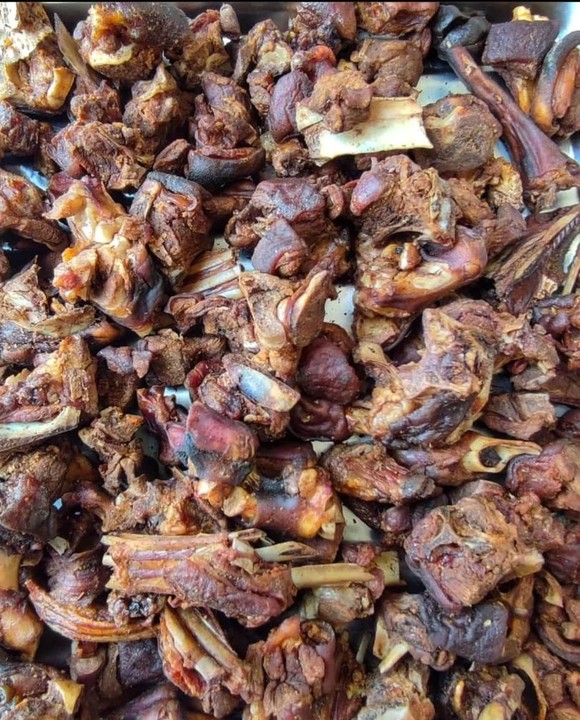
Did you know that Nigeria's current economic challenges come with hidden opportunities waiting to be seized? Despite rising meat prices, there's a stark contrast between the affordability of meat in the North compared to its higher cost in the South. Take Lagos, for instance, where over 6,000 cows and over 100,000 goats are slaughtered daily, with the vast majority of meat sourced from the North. Lagos alone spends billions on meat every day, presenting a lucrative market for savvy entrepreneurs. But here's where you come in. Instead of merely selling livestock, imagine offering value-added services: hygienic slaughtering, followed by roasting, smoking, or freeze-drying the meat for delivery. By ensuring quality and affordability, you're poised to capture a significant share of this booming market. And the best part? You can start small, even on a shoestring budget, and scale up as demand grows. This market is not limited to Nigeria, one can also export this dried smoke, freeze dried meat If you're ready to tap into this opportunity and want guidance on how to get started and secure clients, reach out to me at 0706 247 5733. Don't miss out on your chance to carve your niche in this thriving industry!
|
| Agriculture › Making Millions From Sun-dried Tomato Processing: A Sustainable Solution For Tom by iniobong888(op): 5:28am On Mar 13, 2024 |
As a health-conscious individual, you may have concerns about the ingredients and preservatives in tomato paste. You might worry about added sugar, starch, or unhealthy preservatives.( This has been an issue of debate and litigation in Nigeria of late.) Have you ever considered commercially processing your own tomato products particularly if you live in an agrarian community with abundant tomato cultivation? This article explores the potential of producing sun-dried tomato flour, an opportunity that addresses health concerns, reduces tomato waste, and contributes to import reduction in Nigeria. Nigeria is the second-largest tomato producer in Africa, with over 2.3 million tons of tomatoes grown annually. However, 45-50% of the produce goes to waste. Despite this, Nigeria remains the third-largest importer of tomato concentrate in Africa, spending over $170 million yearly on imports. There are currently no production plants for tomato concentrate in the country. For entrepreneurs interested in tomato processing, bootstrapping a sun-dried tomato powder business is an attractive option. This production model utilizes the abundant sunlight in Northern Nigeria and the Middle Belt, eliminating the need for complex machinery and reducing energy costs. Solar dehydrators can be incorporated when scaling up the operation. Benefits of Sun-Dried Tomato Processing: Healthier Alternative: By producing your own sun-dried tomato powder, you have full control over the ingredients, ensuring a healthier product without added sugar, starch, or harmful preservatives. Waste Reduction: Processing sun-dried tomato powder helps reduce tomato waste, supporting local farmers and contributing to food security in Nigeria. Import Reduction: Encouraging local tomato processing can decrease Nigeria's reliance on imported tomato concentrate, saving foreign exchange and promoting local industry. Versatility: Sun-dried tomato processing allows for the creation of various products, such as tomato powder and dried diced tomatoes and other products(limited by length of this write up). Adding distinctive spices can result in unique, noticeable brands that cater to both local and international markets. Job Creation: Establishing sun-dried tomato processing businesses can generate employment opportunities in agrarian communities, promoting rural development. Embracing sun-dried tomato processing offers a sustainable solution to address health concerns, tomato waste, and import reduction in Nigeria. By harnessing the power of the sun, entrepreneurs can create healthier tomato products, support local farmers, and contribute to the growth of the Nigerian economy. If you are interested in exploring this opportunity further, please contact us at 0706 247 5733 for feasibility studies, business plans, and guidance on potential agrarian communities for setup and sourcing.
|
| Agriculture › The Power Of Uniqueness: How Standing Out Can Make You Millions by iniobong888(op): 5:19am On Mar 06, 2024 |
In today's competitive market, it's crucial for businesses to differentiate themselves from the competition. Imagine starting a successful packaging business, only to see others copying your every move a year later. The key to staying ahead and maximizing profits lies in being unique. In this article, we'll explore various ways to stand out from the crowd and create a distinct identity for your business. Tweak Your Product: Add a unique twist to your product to make it stand out. For instance, if you're packaging peanuts, consider sweetening them with honey. Or, if you're bottling water, offer flavored options. By incorporating dry fruits and nuts into your custard, you can create a distinct product that sets you apart from the 80% of custard producers in Nigeria with similar offerings. Enhance Your Packaging: Make your packaging visually appealing and easily identifiable. Invest in eye-catching designs and labels that make your product stand out on the shelves. Highlight your product's unique features, such as the inclusion of dry fruits and dates in your custard, to attract customers and emphasize your distinctiveness. Focus on Customer Experience: Uniqueness is not limited to physical products; it can also be applied to services. Treat your customers like royalty, and celebrate their special days, such as birthdays and anniversaries. By providing exceptional customer service, you'll create a memorable experience that sets your business apart. Establish an Online Presence: Maintain a strong online presence to engage with your customers and keep your products and services top-of-mind. Collect customer email addresses and phone numbers to build a database for regular communication. Educate your customers about your products and services through email marketing, social media, and other digital channels. Being unique is essential for gaining a competitive advantage in today's market. It may not be an easy task, but it's necessary for long-term success. Take a moment to reflect on what makes your products and services unique and how they differ from your competitors. If you're struggling to identify your unique selling points, don't hesitate to seek professional help. Call us at 0706 247 5733 to discuss how we can help you stand out from the crowd and maximize your profits. Don't let your business blend in with the masses – embrace your uniqueness and start reaping the rewards today!
|
| Agriculture › Neem: A Valuable Medicinal Plant And Export Opportunity For Nigeria by iniobong888(op): 10:17am On Mar 04, 2024 |
Did you know that the "Dogoyaro" plant, commonly called in Hausa, is actually the "Neem" tree, known as "Akum" in Igbo? As children, we often enjoyed licking the fruit of this tree, unaware of its incredible potential. Neem (Azadirachta indica), often referred to as the "wonder tree" or "miracle tree," is a fast-growing, evergreen tree. It has been widely cultivated across Nigeria due to its remarkable adaptability and numerous benefits. Neem is renowned for its healing properties, making it a valuable medicinal plant with significant potential in the global market. In this article, we will explore the medicinal aspects of neem, the opportunities it presents as an export commodity for Nigeria, and the various parts of the tree that can be exported. Medicinal Properties of Neem Neem has been used in traditional medicine for centuries due to its rich phytochemical content. The leaves, bark, seeds, and fruits of the tree contain various bioactive compounds, including limonoids, triterpenoids, flavonoids, and tannins. These compounds contribute to neem's diverse therapeutic properties, which include: Anti-inflammatory: Neem effectively reduces inflammation and swelling, making it useful in treating conditions such as arthritis and skin irritations. Antimicrobial: Neem exhibits antibacterial, antiviral, and antifungal properties, making it a potent remedy for various infections. Antioxidant: The high antioxidant content in neem helps protect the body from oxidative stress and damage caused by free radicals. Immune-boosting: Neem enhances the immune system, helping the body fight off diseases and infections. Analgesic: Neem has pain-relieving properties, making it a natural remedy for headaches, muscle aches, and joint pain. Antipyretic: Neem can help reduce fever and alleviate symptoms associated with various illnesses. Neem Oil as an Export Commodity Nigeria's tropical climate is well-suited for neem cultivation, making it an ideal country for producing and exporting neem oil. The global demand for neem oil is on the rise, driven by its numerous applications and the growing interest in natural and organic products. Potential markets for Nigerian neem oil include: Pharmaceutical industry: Neem oil is used in the production of various medicinal products, including capsules, ointments, and creams. Cosmetics industry: Neem oil is used in the formulation of skincare, hair care, and personal care products due to its moisturizing, soothing, and antimicrobial properties. Agricultural industry: Neem oil is an effective natural pesticide and insecticide, making it a valuable resource for organic farming and integrated pest management. Animal health: Neem oil is used to treat various animal health issues, such as parasites, skin conditions, and digestive problems. Exporting Neem Leaves and Bark Neem leaves can be exported as a dried product or crushed into powder, which can be used as tea. The bark of the neem tree can also be exported for its medicinal properties, presenting additional opportunities. With a 250-gram pack of neem powder selling for $12 (₦18,600) and normal dry leaves selling for $18.89 (₦28,335), there are numerous unexplored opportunities in this sector. Neem is a versatile medicinal plant with immense potential as an export commodity for Nigeria. By investing in neem cultivation, processing, and marketing, Nigeria can tap into the growing global demand for natural and organic products while promoting sustainable development and economic growth. The numerous health benefits and diverse applications of neem and neem oil make them valuable resources for various industries, offering a promising future for Nigerian neem exports. If you are ready to explore this segment, request a paid comprehensive business plan and indepth analysis on how to single out and make money in this sector. Contact me on 0706 247 5733 today to get started!
|