AfroBlue's Posts
Nairaland Forum › AfroBlue's Profile › AfroBlue's Posts
1 2 3 4 5 6 7 8 9 10 (of 75 pages)
 Romance › AMS = Alpha Male Strategies by AfroBlue(op): 5:51am On Feb 04, 2019 Romance › AMS = Alpha Male Strategies by AfroBlue(op): 5:51am On Feb 04, 2019 |
For Men Only! AMS = Alpha Male Strategies https://www.youtube.com/channel/UC0it1cu-mt_IcvLTQ4CWcHw Few Topics How To Get A Woman Obsessed With You Alpha Male Strategies 10 Dating Commandments You’re not Alpha until you can master this trait Why women aren’t attracted to nice guys What To Do If She Has A Boyfriend The number 1 reason most men can't get laid Dissecting The Four Female Strategies The best way a broke man can get laid The Number 1 Thing You Need to Know about all Women!! How To Stop Getting Played  |
| Politics › Re: Nnamdi Kanu Explains Why He Ran Away From Nigeria, Abandoned His Followers by AfroBlue(m): 1:54pm On Feb 03, 2019 |
Xander85:clever guy hid out in Ghana but had to surface for some air and good pizza. he didn't even want to greet his fellow countrywoman until she put some Igbo heat on his brow.  we anxiously await to see who the big joke will be on, on the morning of the 17th of February 2019.  2 Likes |
| Politics › Re: Nnamdi Kanu Explains Why He Ran Away From Nigeria, Abandoned His Followers by AfroBlue(m): 12:38pm On Feb 03, 2019 |
this lady deserves immense credit for bring the truth to light. I Saw IPOB Leader, Nnamdi Kalu In Ghana Buying Pizza - Igbo Lady Claims - Politics - Nairaland https://www.nairaland.com/4229817/saw-ipob-leader-nnamdi-kalu 1 Like
|
| Politics › Re: I Disagree With Chinua Achebe, The Trouble With Nigeria Is Not Politicians, But by AfroBlue(m): 9:50am On Feb 03, 2019 |
someone posted this s.r. article on nl a few yrs ago. it supports the thread theme. The End Of An Assignment In Nigeria By Tim Newman http://saharareporters.com/2013/08/22/end-assignment-nigeria-by%C2%A0tim-newman  |
| Christianity Etc › Re: Lack Of Patience Is What Pushes People To Make Money Illegally. by AfroBlue(m): 9:24am On Feb 03, 2019 |
one of my all time fave nl threads!!!! Nigerian Lady, Olabisi Is A Carpenter & She's Very Proud Of It (Pics) - Career - Nairaland https://www.nairaland.com/3399393/nigerian-lady-olabisi-carpenter-shes
|
| Celebrities › Re: Toke Makinwa Rocks Her Curves In Figure-Hugging Mini Dress, Fans React by AfroBlue(m): 1:37am On Feb 02, 2019 |
broda Maje gotta be hittin dat on the sly. yansh still growing |
| Celebrities › Re: Khloe Wows In Gorgeous Corporate Outfit by AfroBlue(m): 1:32am On Feb 02, 2019 |
she's very special! |
| Foreign Affairs › Re: Hip-hop Turns 40 – And Its Parents Are Beaming With Pride by AfroBlue(op): 1:14pm On Feb 01, 2019 |
The Sugarhill Gang - Rapper's Delight (Official Video) https://www.youtube.com/watch?v=mcCK99wHrk0 https://www.youtube.com/watch?v=rKTUAESacQM Grandmaster Flash & The Furious Five - The Message (Official Video) https://www.youtube.com/watch?v=PobrSpMwKk4 |
| Foreign Affairs › Hip-hop Turns 40 – And Its Parents Are Beaming With Pride by AfroBlue(op): 1:07pm On Feb 01, 2019 |
Hip-hop turns 40 – and its parents are beaming with pride FRIDAY FEBRUARY 1 2019 https://www.nation.co.ke/image/view/-/4961624/highRes/2239749/-/maxw/600/-/cnddvvz/-/H1.jpg Melvin Glover, aka Melle Mel, speaks with Guy O'Brien, aka Master Gee, from the Sugarhill Gang at the Hip-Hop Museum Pop Up Experience in Washington, DC on January 19, 2019. The month-long celebration of Hip-Hop began with live performances by the Sugarhill Gang. PHOTO | ANDREW CABALLERO-REYNOLDS | AFP By AFP More by this Author Forty years ago, hip-hop was little known outside its birthplace, New York – until the Sugarhill Gang decided to record their rhymes, launching the genre's rise as a dominant cultural and commercial force. The result was the group's 1979 smash "Rapper's Delight", which is credited as the commercial start of an unforgettable era in music. Once an underground style centred on live performance in New York's Bronx borough, rap and hip-hop are the most influential styles in contemporary music today. To mark hip-hop's big anniversary, a pop-up museum has been established in the US capital through mid-February. "I never thought it would reach those proportions," said Grandmaster Caz, an icon of early hip-hop who wrote parts of "Rapper's Delight". "Back in the day, we were discouraged from doing hip-hop – nobody respected it." But the track found runaway success, becoming a global sensation and selling millions of copies. MAKING MUSIC In 2011, "Rapper's Delight" was even added to the prestigious National registry at the Library of Congress – a nod to its role in ushering in a brand new genre. "Putting it on record was the smartest thing that could happen to hip-hop," one of the three Sugarhill rappers, Master Gee, told AFP at the opening night of the museum, which boasts more than 500 pieces of autographed memorabilia. "Commercially we are the first of our kind," Master Gee said. "We landed on the moon, if you will." At the beginning, making music wasn't necessarily Master Gee's end goal. "I just wanted to get a date," he said. The rap pioneer, now 57, was then in his last year of high school, and performed at neighbourhood parties. "All the lyrics I wrote were in the effort for people to know which one I was out of the three" in the band, he said. In those days, hip-hop was a fledgling cultural movement that revolved around four elements: dance, graffiti, vocals – known as "MCing" – and controlling the turntables, or "DJing." The MCs – short for "masters of ceremony" – were primarily on stage to support the DJs. But they ultimately became the true stars of the genre. Hip-hop took some musical cues from disco and funk: "Rapper's Delight" features the famous bassline of "Good Times" by the band Chic – which was later sampled in 1980 by Queen in "Another One Bites the Dust." Early rap and hip-hop were focused on the principles of "peace, love, unity and having fun" – a cocktail that blended a festive atmosphere with a medium used by black people to express themselves. "It's a release; it's self-expression," said Grandmaster Caz, who at 57 still proudly wears his blingy chains. "It was a fun and new way to express yourself." SENSATION At the opening of the museum in Washington, Grandmaster Caz and the Sugarhill Gang performed an old school concert with another hip-hop trailblazer, Melle Mel. Part of the pioneering group Grandmaster Flash and the Furious Five, Melle Mel co-wrote another cornerstone of the genre: "The Message." Released in 1982, it was the first recorded rap song to describe life in the ghettos, addressing socioeconomic issues like poverty. Taking on social ills became signature to rap – a musical revolution that, like hip-hop's rise to commercial fame, happened at first by accident. Melle Mel said he was just trying to "do something different, to write outside the box from the basics of hip-hop rhymes – when you rap about how good you can rap, or about a girl." "I was just trying to change my style and write a different concept." Today he considers the song "the most important hip-hop record ever made" – but at the time of its release, it was hardly a hit. "Nobody really believed in the record," Melle Mel said. "I didn't think it was going to be popular or a commercial success, because it was serious." But the record proved a sensation, and in 2007, the group became the first rap artists inducted into the Rock and Roll Hall of Fame, the pantheon of popular American music. "It put our group and hip-hop music on the level I thought it should be on: with all the other great genres," Melle Mel said. And though today's hip-hop is markedly different than what came out in those nascent days, its "parents" are optimistic about its future. "You can't stop what can't be stopped and you can't kill what can't be killed," Master Gee said with a grin. "And that's hip-hop." https://www.nation.co.ke/lifestyle/showbiz/Hip-hop-turns-40/1950810-4961536-1m0l9iz/index.html |
| Crime › ‘How Delta tamed kidnappers, armed robbers’ by AfroBlue(op): 6:31am On Feb 01, 2019 |
‘How Delta tamed kidnappers, armed robbers’ by Shola O’Neil and Deborah Sunday February 1, 2019 in Niger Delta https://thenationonlineng.net/wp-content/uploads/2019/01/NDR-More-suspects.jpg The years of 2016 to 2018 were for most communities in Delta State the years hoodlums, kidnappers and armed robbers held sway. The criminals, like colossus, bestrode communities from the oil city of Warri to Kwale, through Ughelli, Kokori, Eku, Sapele, Mosoga, Jesse and Orherokpe towns. They were the lords of the underground, not necessarily of the dark, because they choose their times and their places of operations. Residents of these communities and those passing through usually said their prayers and kept saying them until they are out of these areas. Traders closed their shops and absconded from the market places as early as 5pm, while shop owners on the streets locked-up before nightfall to avoid falling victims to the men who ruled their lives. The tail end of 2018 and the early weeks of 2019 has brought some respite and calm to the trouble areas of the state. Hoodlums that hitherto ran riot over the areas are beating retreat with their tails behind their legs and records arrests and breakthroughs are being made. Emeka Ode was one of the alleged lords of the underground whose days of rampage have been cut short. Like members of his gangs, in his hay days he was a ruler over the affairs of victims. Their tools were sophisticated weapons ranging from pump-action rifles, beretta pistols, locally made pistols, shotguns and AK47 rifles. Ode was quoted by security sources as saying that they had no respect for human lives, and so did everything possible to snatch their victims and collect their ransoms. Their mercilessness and disdain for the elderly are perplexing as was their lack of empathy for babies and children. The ages of these public enemies ranged from 18 to 22 years; they are youths that are mostly always on substances and hard, misused drugs from codeine to tramadol, SK (skunk) cocaine and any other things that give them Dutch courage and deaden their human feelings and sense of sympathy. The victims of these reigns of terror are without ethnic, tribal or religious considerations. They were from all over the country, and even beyond. Women are yanked from the arms of their husbands; children detached, forcefully, from their mothers – even those with their mouths attached to their mothers’ nipple are not spared. Some are never seen, even after handsome ransoms are paid. Some of the victims are raped and traumatised, so much so that years after, the scar remains physically and emotionally burnished into their skins and psyches. Respite has come for several months now, as the activities of this syndicate and their signatures of violence and impunity have ebbed and become blurry. Normalcy is gradually returning to communities, where residents hitherto slept with both eyes open. “You could never be careful enough,” a resident of Jeddo community in Okpe Local Government Area told our reporter. The people of these parts are picking back the pieces of their lives, as tranquility gradually returns to lands where the hoodlums are being chased away by operatives of the anti-kidnapping committee, a sub-committee of Peace and Security of Delta State House of Assembly, who work closely with other security agencies. In the state capital, Asaba for instance, kidnapping is becoming a forgotten occurrence as the last attempt to kidnap a female politician was foiled by a crack team from the Anti-kidnapping committee. Acting on a tip-off some of the leaders of the kidnapping syndicate and vandals were swooped-on by a crack team from the surveillance squad of the Anti-kidnapping committee led by Austin Opubor, Mabiaku Omassan and Abraham Obarume. Members of Anti-kidnapping went to the various hideouts of the hoodlusm, where they were arrested with mobile phones of the victims and other valuables. Giving details of the arrest of some of the suspects, Opubor said, “Immediately we got report of any kidnap, we mobilised our personnel to the field because we believe that the police cannot achieve it all alone without the support of other stakeholders.” “Making a major breakthrough in apprehending some of the suspects so far was quite tasking,” he said, adding that some suspected kidnappers have been handed over to the Delta State Police Command, Asaba for further interrogation. He disclosed that several members of the ‘terrorist squads’ are cooling their heels in police custody. They include John Amadi, Paul Oweh, Chinedu Osho and Okoro Efe. Opubor, whom he claimed have made confessional statements confirming their roles in various kidnapping in the state as well as helping to curtail those who are still at large. Opubor attributed the feats recorded by the committee thus far to regular policing of the cities, especially by the anti-kidnapping committee operating within and around Asaba, stressing that their regular patrol of all the streets and arrest of suspect was giving the criminals much cause for rethink and change of heart about their nefarious tendency. “Surveillance of known black spots has also helped in nipping the activities of these criminals in the bud,” he said. Meanwhile, the breakthrough in the fight against crime is eliciting commendations from relieved members of the public. Mr. John Ogbemi, a lawyer and resident of Kokori, disclosed that he and other residents of the town had been living in fear for years. ”We have witnessed several years of kidnapping both at nights and broad day light”. “They (kidnappers) have inflicted pains, sorrow, agony and tears on residents. But recently, statistics in the community have shown that record of kidnapping and vandalisation of oil facilities has changed. Social life, particularly night activities, has returned to the community.” Ogbemi is not alone in appreciating the works of the committee. Mrs. Rosemary Akpofure said, “I could recall several years of insecurity in Kokori – they were years of horror and pain. My husband Akpofure Innocent was kidnapped twice within eight months in Kokori. It was a nightmare staying in the community. “ While describing the constant patrol and crime-fighting techniques of men of the surveillance and anti-kidnapping committee in the community as “quite recommendable”, she appealed to communities and their members to continue to support the committee to achieve greater peace. Growing confidence in the Anti-kidnapping committee is seen in the fact that more people are giving vital information to the committee to help in curbing crime. Also, the use of informants to spy on suspected criminals and those living above their means are also yielding dividends. Recently, in Uvwie, a middle-aged man who gave information that led to the arrest of the leader of a kidnapping syndicate was rewarded with N2 million cash. The informant, who pleaded anonymity, said he became suspicious of the university graduate’s sudden wealth and flamboyant lifestyle. ”My decision to alert the committee was prompted by my observation of the Delta State University graduate following his ostentatious life style without a defined job. “I felt I may not get the required protection of the police and decided to go to the committee”. Residents of Ethiope East Local Government particularly Abraka and Eku have every cause to heave a sigh of relief as a result of improved security situation. This is because residents are giving vital information that are leading to the arrest of suspect. The arrest of the gang leader, identified as Efe Omonemu, alleged to be a notorious criminal, followed tip-off from some of his friends. Omonemu was arrested at a popular hotel in the university town of Abraka, following a tip-off. It was discovered that although he was rusticated from the Delta State University, Abraka several years ago for alleged cultism, he remained in the town living large without known source of income. His confession opened the way for other associates in and around the area to be caught in the net.. Also in Ughelli, a young girl (names withheld) gave information that led to the arrest of a three-man kidnapping syndicate and was rewarded with N1.5 million. The hoodlums had already succeeded in their operation, but were apprehended at the point where they were sharing their loot in a local hotel in one of the communities. These strategies have yielded positive results in busy highways, including Warri-Sapele-Benin expressway, where the team busted a 4-man syndicate that specialized in terrorizing visitors using the strategic East/West highway. Law-abiding citizens of the area are hopeful that the improved security in their areas would continue through the election period and beyond. “No doubt, this team has done very well all over Delta state, but the most important thing is for them to maintain the momentum and not allow bad element to infiltrate and deflect them from the good work they are doing for the state.” http://thenationonlineng.net/delta-tamed-kidnappers-armed-robbers/ |
| Politics › Re: Buhari Endorses Umar Ganduje For 2nd Term In Kano State by AfroBlue(m): 6:12am On Feb 01, 2019 |
just read there's new software out to doctor videos. Fake Adult Videos Are Terrorizing Women. Do We Need a Law to Stop Them? http://fortune.com/2019/01/15/deepfakes-law/ "These explicit movies are just one strain of so-called “deepfakes,” which are clips that have been doctored so well they look real. Their arrival poses a threat to democracy; mischief makers can, and already have, used them to spread fake news." " Creating these deepfakes isn’t difficult or expensive in light of the proliferation of A.I. software and the easy access to photos on social media sites like Facebook."  |
| Politics › Re: Buhari’s Son Yusuf Abandons Father Follows Atiku/obi For Campaign. by AfroBlue(m): 1:41am On Feb 01, 2019 |
is this pic real or fake?
|
| Foreign Affairs › Re: Ethiopian Israelis Protest Police Violence After Killing by AfroBlue(op): 11:09pm On Jan 31, 2019 |
illitrate:I think his wife should be nominated for sainthood. She's been waiting patiently for his return.
|
| Politics › Re: See The Moment Buhari Entered Stadium In Kano For His Rally(Video&Pix) by AfroBlue(m): 7:55pm On Jan 31, 2019 |
impressive, but yesterday's pics with the Imo tradition rulers is a bit more potent. . |
| Music/Radio › Re: Top 10 Hottest Nigerian Songs Released In January 2019 by AfroBlue(m): 7:46pm On Jan 31, 2019 |
| Celebrities › Re: Mercy Johnson And Husband Share Bedroom Photos, Rock Matching Pyjamas by AfroBlue(m): 7:35pm On Jan 31, 2019 |
take notes and lessons my NL guys..... always keep your woman happy and satisfied 24/7. especially if she's the one bringing home the bread, meat, and yams. and u know who told u about putting in dat important work in the other room |
| Celebrities › Re: Laura Ikeji Shares Workout Photo by AfroBlue(m): 7:30pm On Jan 31, 2019 |
great place to be!!!! 10 LESSER KNOWN BENEFITS OF EXERCISE http://heraldoffashion.com/10-lesser-known-benefits-exercise/ |
| Celebrities › Re: Tonto Dikeh Speaks On Fight With Mercy Johnson, Shares Throwback Photo by AfroBlue(m): 7:19pm On Jan 31, 2019 |
dem 1st tier, A-List Nollywood babes have been a enjoyment to the world of entertainment. and Mr. Prince Odianosen Okojie is lucky ooo. |
| Politics › Re: EFCC Files 10-count Charge Against Babachir Lawal, 5 Others by AfroBlue(m): 2:46pm On Jan 31, 2019 |
i wonder how expedient the trial will go with the judiciary in flux? |
| Celebrities › Re: Chika Ike Steps Out For Work In Adorable Dotted Outfits (photos) by AfroBlue(m): 2:33pm On Jan 31, 2019 |
N0favors:job producer Chika Ike African Diva Reality TV Show [S03E4]- Latest 2018 Nigerian Reality TV Show https://www.youtube.com/watch?v=pfifdd_RfyU . |
| Crime › EFCC Files Fraud Charges Against Babachir, Oke by AfroBlue(op): 2:25pm On Jan 31, 2019 |
EFCC Files Fraud Charges Against Babachir, Oke https://www.vanguardngr.com/wp-content/uploads/2017/04/Babachir2.jpg •Oke, wife for arraignment tomorrow, to face four-count charge LATEST NEWSTOP NEWS By Saliu Gbadamosi - Abuja On Jan 31, 2019 AFTER what seemed an eternity, the Economic and Financial Crimes Commission (EFCC), on Wednesday, filed a 10-count charge against former Secretary to the Government of the Federation (SGF), Mr Babachir David Lawal. The former SGF was sacked by President Muhammadu Buhari in 2017 following his alleged indictment. The anti-graft agency also filed four charges of alleged fraud against a former Director-General of the National Intelligence Agency (NIA), Ayodele Oke and his wife, Folashade before the Federal High Court in Lagos. They were charged over a huge sum of money found in an apartment in Ikoyi, Lagos. Oke and his wife will be arraigned in court tomorrow, while Lawal will be in court next week. Charged alongside Babachir were Hamidu David Lawal; Sulaiman Abubakar; Apeh John Monday; Rholavision Engineering Ltd and Josmoh Technologies Ltd. While the charge stated that both Babachir and Hamidu were directors in Rholavision, Abubakar was a staff member of the company and Monday said to be the Managing Director of Josmom Technologies Ltd. https://www.tribuneonlineng.com/187702/ |
| Celebrities › Re: "Stop The Fake News, I Was Not Dumped By Several Men" - Yvonne Okoro by AfroBlue(m): 1:38pm On Jan 31, 2019 |
i wonder if homeboy hit it and quit it.
|
| Celebrities › Re: Chika Ike Steps Out For Work In Adorable Dotted Outfits (photos) by AfroBlue(m): 1:29pm On Jan 31, 2019 |
i see the dividends of hard/smart work and many blessings. nancy looks nice & healthy. 1 Like |
| Celebrities › Re: Tonto Dikeh Exposes The Fake Lifestyle Of Some Celebrities by AfroBlue(m): 1:08pm On Jan 31, 2019 |
babe still keeping it real in 2019 Tonto Dikeh Put Gun In Her Private Part [picture] - Celebrities - Nairaland https://www.nairaland.com/1355099/tonto-dikeh-put-gun-private https://www.nairaland.com/1354703/photos-omg-tonto-dikeh-shows |
| Celebrities › Re: Mavin Records Signs Equity Investment With Kupanda Capital by AfroBlue(m): 2:42am On Jan 31, 2019 |
How many years ago did the Kokomaster suggest that they go international and he resisted? |
| Foreign Affairs › Re: Ethiopian Israelis Protest Police Violence After Killing by AfroBlue(op): 11:16pm On Jan 30, 2019 |
Ethiopians shut down Tel Aviv with protest against police brutality https://www.ynetnews.com/articles/0,7340,L-5455315,00.html https://images1-ynet-prod.azureedge.net/PicServer5/2019/01/30/9035449/90354320991296640360no.jpg https://images1-ynet-prod.azureedge.net/PicServer5/2019/01/27/9028711/90287060991499640360no.jpg https://images1-ynet-prod.azureedge.net/PicServer5/2019/01/30/9035449/90354320991296640360no.jpg |
| Foreign Affairs › Ethiopian Israelis Protest Police Violence After Killing by AfroBlue(op): 11:13pm On Jan 30, 2019 |
Ethiopian Israelis Protest Police Violence After Killing https://scd.france24.com/en/files/imagecache/home_1024/images/afp/e0e6b587c71c718b06c07d17529b8cd5473924a3.jpg Thousands of Ethiopian Israelis took to the streets of Tel Aviv Wednesday to protest racism and police brutality days after a young community member was shot dead by an officer. Carrying signs accusing the police of "murder", the protestors blocked main intersections in the Israeli commercial capital ahead of a march to a central protest. Yehuda Biadga, reportedly in his early 20s, was shot dead on January 18 in Bat Yam, near Tel Aviv, after rushing at a police officer holding a knife, according to eyewitnesses. His mother, Mamia Biadga, had called the police to subdue her son who reportedly suffered from a mental condition, but says officers used excessive force. "When a terrorist comes to murder, they don't shoot him," she said during the demonstration. "But Yehuda, who served in the army, had to be shot?" The protestors, mainly young members of the community joined by supporters from other segments of Israeli society, marched to the nearby Ayalon highway chanting against the "police state" and calling for harsh measures to be taken against violent officers. Community elders wearing traditional robes and holding colourful umbrellas herded the protestors with instructions in Amharic called through bullhorns. Police looked on from a discreet distance and there were no immediate reports of clashes or arrests. A police spokesman said the justice ministry's internal affairs department was investigating Biadga's death. Shahar Mula, one of the demonstration's organisers, said Biadga's killing was "a trigger" for the rally, noting a series of incidents since 2015, when the community held protests over its problems. "We came to protest... to convey a message that the police violence cannot continue," he told AFP, demanding dialogue with the government over the community's grievances. For Shiran Tasama, the demonstration was connected to a broader cause. "The racism (in Israel) is not directed only at the Ethiopian community, it's against all the disempowered populations," she said, calling on them to "unite". https://www.modernghana.com/news/912400/ethiopian-israelis-protest-police-violence-after-killing.html
|
| Celebrities › Re: Toke Makinwa Advises Women Wooed By Married Men: 'Chop His Money And Run Away' by AfroBlue(m): 10:12pm On Jan 30, 2019 |
ain't gonna be no running away if the broda lays it down right |
| Romance › Re: Man Kneels Down, Proposes To His Doctor Girlfriend At National Assembly Clinic by AfroBlue(m): 5:41pm On Jan 30, 2019 |
anoda low mileage babe wins again. |
| Foreign Affairs › Murder In Accra: The Life And Death Of Ahmed Hussein-Suale by AfroBlue(op): 12:33pm On Jan 30, 2019 |
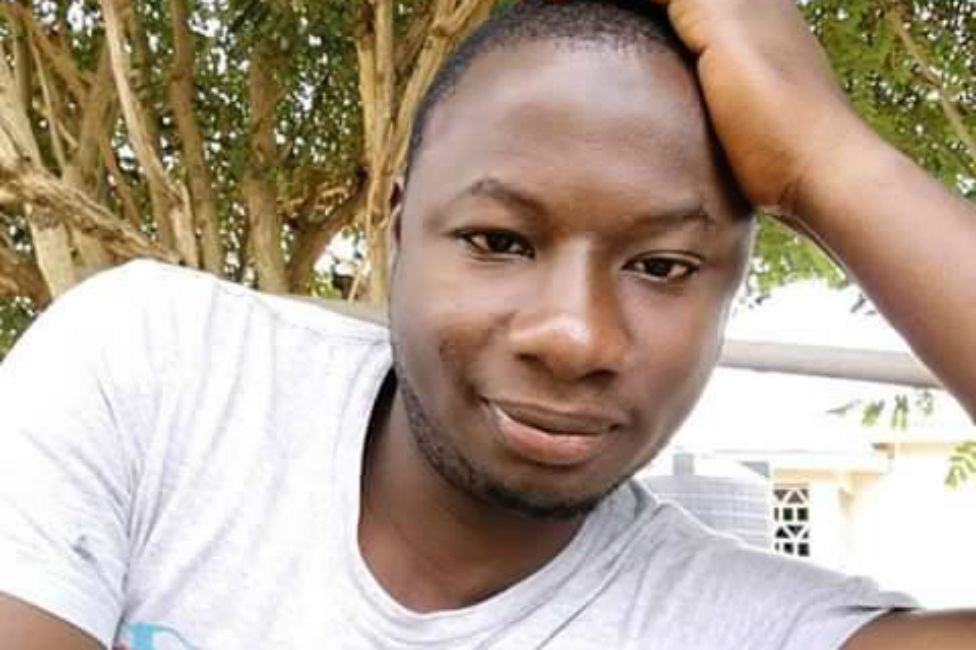
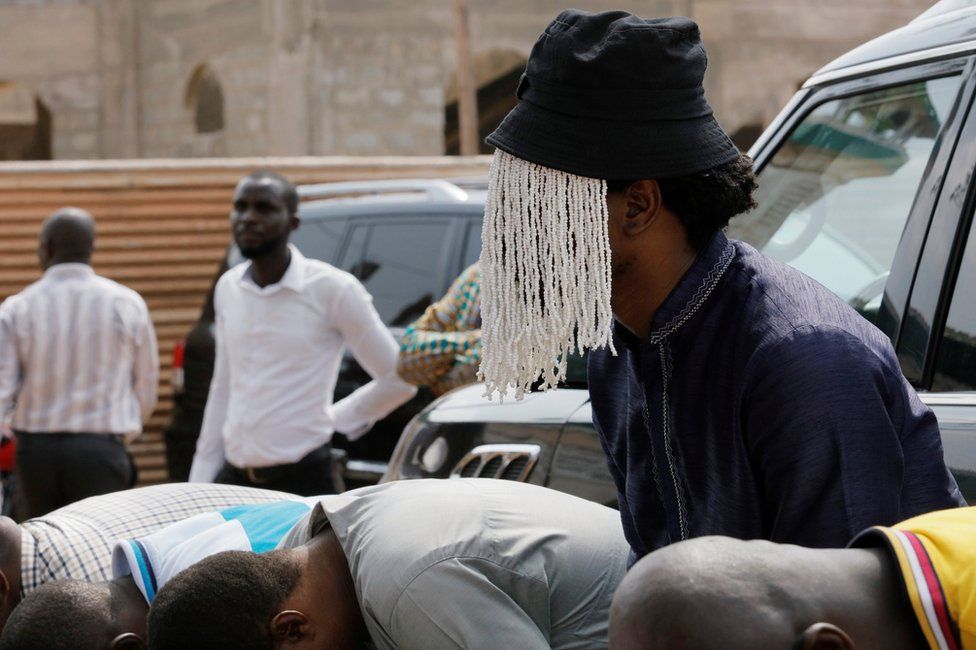
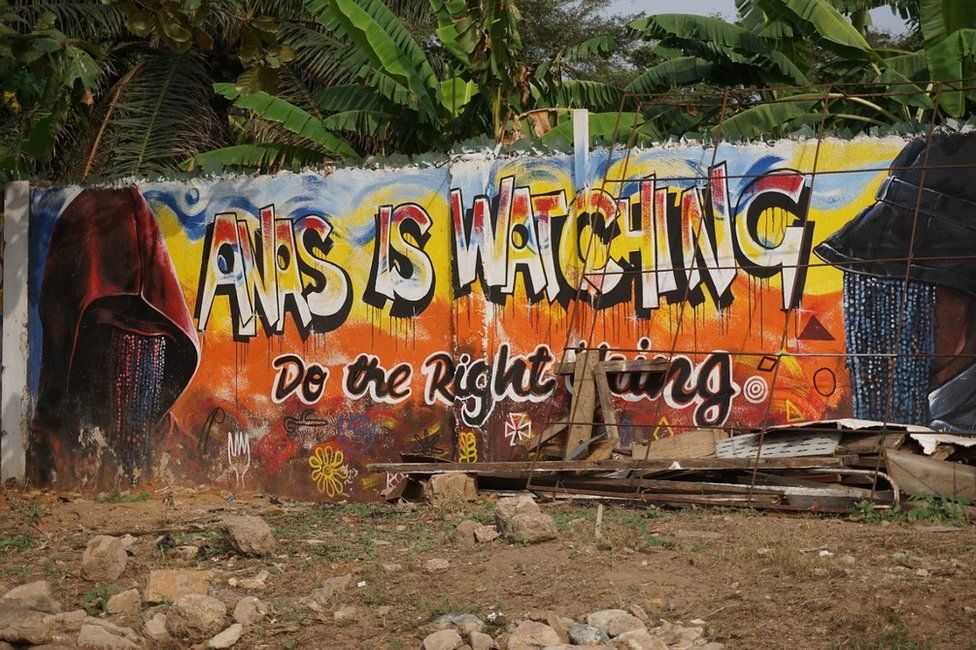
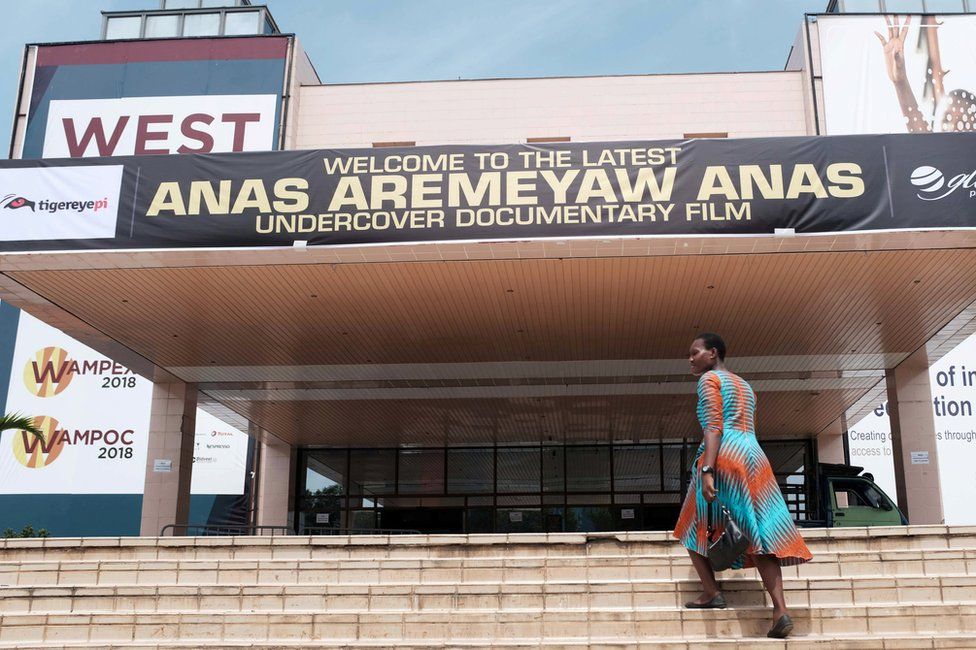
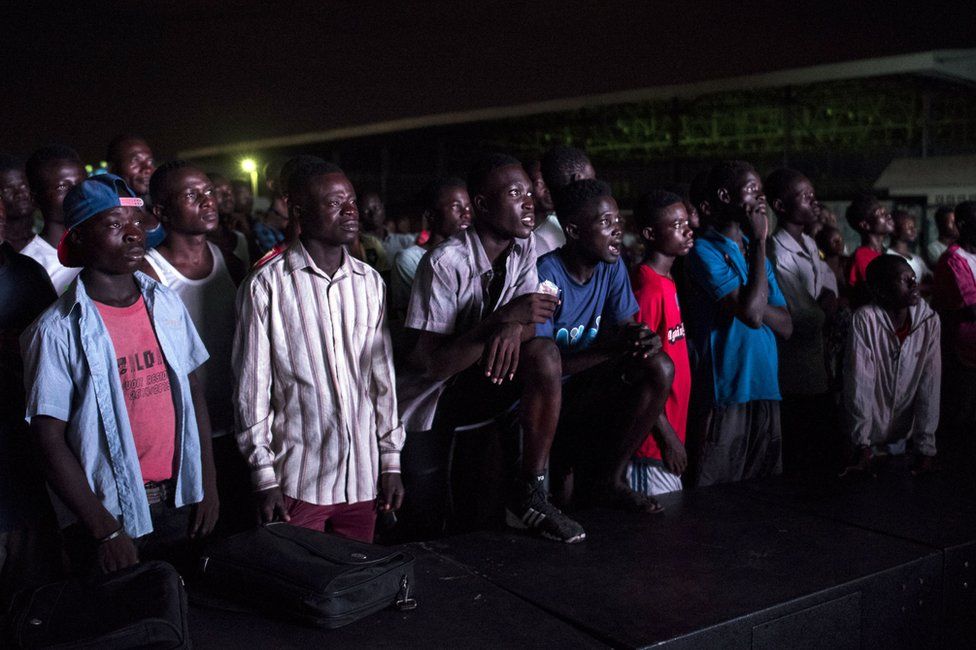
Murder in Accra: The life and death of Ahmed Hussein-Suale By Joel Gunter BBC Africa Eye 30 January 2019 https://ichef.bbci.co.uk/news/976/cpsprodpb/D30C/production/_105382045_ahmedlandscape.jpg Very few pictures exist of Ahmed Hussein-Suale. This one was among several shown on Ghanaian TV last year On 16 January, Ahmed Hussein-Suale, a Ghanaian investigative journalist who had collaborated with the BBC, was shot dead near his family home in Accra. Ghanaian police believe he was assassinated because of his work. At first the gunshots sounded like firecrackers, and Unus Alhassan wondered why someone was setting them off so long after Christmas. It was nearly midnight in Madina, a suburb of the Ghanaian capital Accra. Alhassan's family was sitting together talking outside the family home, as they often did late into the night. His brother, Ahmed Hussein-Suale, had just left to check on a nephew who was sick. When the sounds of the firecrackers stopped, and the ordinary noise of the neighbourhood settled, Alhassan turned his attention back to his family and he didn't think about the sounds again until a man came running towards him crying out that his brother was dead. One hundred metres down the road, Hussein-Suale, who was 31, lay slumped in the driver's seat of his dusty blue BMW with bullet holes in his chest and neck. Eyewitnesses said he was killed by two men who fired at the car from close range as it slowed for a junction. The first bullet hit Hussein-Suale in the neck and the car accelerated, crashing into a storefront. One of the gunmen calmly approached the driver's side and fired two shots through the broken window directly into Hussein-Suale's chest. Then he turned to those watching, smiled and raised a finger to his lips. Three witnesses to the crime who live nearby told the BBC they saw the men hanging around the junction on several occasions in the week before the killing - two unfamiliar faces in a familiar neighbourhood. The men, one tall and well-built, the other short and wiry, leant on their motorbike or chatted with neighbours to pass the time. They bought alcohol from a shop and helped a man carry pails of water. One neighbour said they seemed suspicious. Another said she thought they were robbers. But nothing was stolen from Hussein-Suale and no-one close to him believes he was a random target. He was an investigative journalist whose undercover reporting had exposed traffickers, murderers, corrupt officials and high-court judges. He worked with Tiger Eye, a highly secretive team led by one of the most famous undercover journalists in Africa, Anas Aremeyaw Anas. In Ghana and beyond, the team's daring, anonymous reporting made them modern-day folk heroes. And it made them enemies. When Tiger Eye aired its latest investigation, which exposed widespread corruption in African football, Ghanaian MP Kennedy Agyapong began a campaign of hostility against the team, saying he was offended by its undercover methods. He called publicly for Anas to be hanged. Weeks after the film was screened, in June last year, he used his own TV station to attack Hussein-Suale and expose the journalist's most closely guarded secret - his face. "That's him," said Agyapong, as images of Hussein-Suale appeared on screen. "His other picture is there as well, make it big." Agyapong revealed Hussein-Suale's name and the neighbourhood he lived in. "If you meet him somewhere, slap him… beat him," he said. "Whatever happens, I'll pay." https://ichef.bbci.co.uk/news/976/cpsprodpb/A7FC/production/_105340034_mediaitem105340033.jpg Anas Aremeyaw Anas, in disguise, prays alongside colleagues and friends at Hussein-Suale's funeral No-one expected the first recorded murder of a journalist in 2019 to happen in Ghana. Across much of Africa, authoritarian regimes have effectively suffocated the free press. But in a handful of less-repressive countries, tenacious young journalists are holding the powerful to account and advancing a culture of investigative reporting. Ghana is top of this list. Last year the country was ranked first in Africa on the annual Reporters Without Borders press freedom index. Globally it ranked 23rd out of 180 countries - well ahead of the UK (40th) and the US (45th). Anas and his team are the nation's most high-profile reporters. Anas has been praised by the country's president, Nana Akufo-Addo and by President Barack Obama, who said he saw the spirit of democracy "in courageous journalists like Anas Aremeyaw Anas, who risked his life to report the truth". In his 20 years of undercover journalism, Anas has posed as a female investor in high heels and lipstick; worked as a janitor in a brothel; got himself sent to prison; and hidden inside a fake rock at the side of the road. In public appearances, he wears a striking disguise - a hat with a multicoloured veil of beads that hangs in front of his face. In Ghana it has become a symbol of resistance to corruption that is graffitied on walls around the capital. But behind the mask there is not just Anas's face. There is a team of highly skilled investigative journalists that put their lives at risk to report stories, and Hussein-Suale was chief among them - Anas's chosen team leader. We see that spirit in courageous journalists like Anas Aremeyaw Anas, who risked his life to report the truth President Obama Hussein-Suale grew up among eight siblings in Wulensi, a small town in northern Ghana, where he stood out for his fierce interest in politics. At 18 he moved to Accra to study political science at the University of Ghana, where he first met Anas. Anas had already made a name for himself as an undercover reporter and Tiger Eye was a fledgling team. Hussein-Suale sought him out the same way several early Tiger Eye employees had, by asking around until someone could tell him: that is the man known as Anas. Anas responded the way he did to all potential recruits - he set him a test: travel to Tema, north of Accra, and report a story there about cocaine. Hussein-Suale went to Tema and promptly failed. He blew his cover and got himself arrested. "He did not perform to my expectation," said Anas, "and that was that." But Hussein-Suale wrote Anas a long letter explaining why he should be given another chance. "So I gave him another chance," said Anas, in an interview with the BBC last week. "And from that day he excelled from one investigation to the next." https://ichef.bbci.co.uk/news/976/cpsprodpb/F210/production/_105386916_graffiti.jpg "Anas is watching, do the right thing" - graffiti in the capital, Accra Hussein-Suale's first big story came in 2013 when he travelled with Anas to northern Ghana to expose witchdoctors behind the poisoning of children - often children with disabilities - believed to be possessed by evil spirits. In an elaborate sting typical of Tiger Eye's style, the team arranged for the witchdoctor's "concoction men" to visit a family home with a supposedly possessed child. While the concoction men were outside cooking their poison, the team swapped the infant for a prosthetic baby. When the men returned and took hold of the fake baby, police swooped. The film - Spirit Child - aired internationally on Al Jazeera. Hussein-Suale, then 24, impressed Anas with his pragmatism, not hesitating when it came to entering the witchdoctor's shrine. "The average African is spiritually afraid of traditions and gods," Anas said. "But Ahmed was always bold." His natural demeanour was the opposite. He was quiet and unassuming, to a fault. "You would be likely to disregard him at first," said Sammy Darko, Tiger Eye's lawyer, "but that made him a good fit for investigative journalism." He was also scrupulously attentive and diligent. He became known as the "encyclopaedia of the team" for his detailed knowledge of each project, and later as "spiritual leader" for his habit of leading a prayer before undercover operations. His cubicle at Tiger Eye's offices had notes and documents from various investigations piled on the desk and pasted on the walls. "He would go out quietly and do a lot of background work," said a fellow investigator, "so that when we came on to the story we knew exactly what we were doing." But he also had a playful streak. "I got annoyed with him once," recalled Seamus Mirodan, the director of Spirit Child. "One of the villagers gave him a just-slaughtered guinea fowl as a gift. He put it in my tripod bag and it just shat itself all over the inside of the bag." In 2015, Hussein-Suale took the lead on a story that would rock Ghana and propel Tiger Eye into the national spotlight. "Ghana in the Eyes of God" - a three-hour undercover epic based on hundreds of hours of secret filming - exposed widespread corruption in Ghana's judiciary, showing judges and court workers accepting bribes to influence cases. More than 30 judges and 170 judicial officers were implicated. Seven of the nation's 12 high-court judges were suspended. The film played to 6,500 people in four showings at the Accra International Conference Centre and brought gridlock to the streets of the capital. Not everybody appreciated Tiger Eye's methods. The team faced accusations of entrapment. "It is wrong to induce somebody by an enticement of something lucrative, big money or whatever, then turn around and say the person is corrupt," said Charles Bentum, a lawyer for several judges implicated in the expose. "You cannot exonerate the enticer and condemn the victim." https://ichef.bbci.co.uk/news/976/cpsprodpb/0FA4/production/_105340040_mediaitem105340039.jpg Tiger Eye's undercover investigations have been screened in theatres across Ghana The judiciary story made Anas famous in Ghana. Behind the scenes, Hussein-Suale's combination of diligence and mettle was impressing his boss; he was becoming Anas's right-hand man. In early 2018, Anas asked Hussein-Suale to accompany him to Malawi for a grim story about "muti" - the practice of harvesting human body parts for good luck rituals - that a young Malawian journalist, Henry Mhango, had brought to them. They would collaborate on the story with the BBC. "I chose Hussein-Suale because I knew he had the capacity to withstand the shocks," said Anas. But in Malawi they would run into trouble beyond anything Hussein-Suale had experienced. Mhango had set up a rural meeting with two men who said they would kill children for their body parts. In the dark, Hussein-Suale, Anas, Mhango and producer Darius Barzargan drove with the men to the outskirts of a village to negotiate. But the villagers had noticed the unfamiliar men meeting among the trees and suspected them of being child killers. They attacked the team, first with their feet and fists then with stones. Anas's suit was slashed up the back with a knife. The hidden cameras kept recording as the attacks intensified. "I'm here, I'm here, let me hold you," Anas said quietly to Hussein-Suale. Then: "They are going to kill us." They were saved by a courageous group of villagers who put themselves between the team and the attackers and helped them reach the house of the village chief. The mob was trying to force the door and Mhango, on his first undercover job, was shaking. Hussein-Suale sat next to him. "He told me to forget my surroundings and be strong," Mhango recalled. "He said, 'Henry, these are the incidents that encourage us to do even more, because our work is to fight evil.'" Eventually, with the help of the small group of villagers, they made it out and Anas and Hussein-Suale flew back to Ghana. But Hussein-Suale stayed in touch with Mhango, mentoring him in long phone conversations over the following year. "He told me stories about Ghana and he gave me stories in Malawi. He had a huge effect on my career," said Mhango. "His death is not only a loss to Ghana, it is a loss to all of Africa. He was a journalist for Africa." Shortly after the team returned from Malawi, Tiger Eye would produce a story that would make headlines across the continent and beyond. "Number 12" was an investigation into corruption in football refereeing, and Hussein-Suale again took the lead. Referee after referee in Ghana accepted cash gifts from undercover Tiger Eye journalists, and the team set its sights beyond the nation's borders. By the time the investigation was finished, nearly 100 football officials across Africa had accepted cash, including a Kenyan referee slated to officiate at the coming World Cup. The investigation led to a cascade of bans and resignations. At the top of the list was Kwesi Nyantakyi, the head of the Ghanaian FA and a member of Fifa's elite council. Mr Nyantakyi had flown to Dubai for what he believed was a meeting with a sheikh keen to invest in Ghanaian football. When he sat down in a hotel room opposite "HH Sheikh Hammad Al Thani" and stuffed $65,000 in cash into a black plastic bag, he could have no way of knowing the quiet man who arranged the meeting was Ahmed Hussein-Suale. Nyantakyi was banned from football for life, and the investigation delighted Ghanaian football fans sick of the corruption crippling the sport. It also infuriated some of Ghana's most powerful people. Kennedy Agyapong, an MP from Ghana's ruling party, railed against the group, saying he was offended by the way they conducted investigations. He obtained Hussein-Suale's name and location and made them public. Tiger Eye was forced to activate safety protocols: members left Accra; the main offices were abandoned and remain largely unused; and Hussein-Suale travelled to the north, returning periodically to the capital. His death it not only a loss to Ghana, it is a loss to all of Africa. He was a journalist for Africa Henry Mhango When his family saw the footage of Agyapong's rant, they urged Hussein-Suale to leave Ghana entirely, but he resisted. "He was of the view that he did not do anything wrong, that he did what he did to save the nation, so why should he leave," said Alhassan. Anas also instructed Hussein-Suale to take a back seat amid the publicity. Begrudgingly he did, and in time he agreed to stay away from the family home for a period. But it jarred with his character. He pushed Anas to bring him back to investigative work and he began to return to Madina. He preferred to pray at his usual mosque. He felt safe in his home neighbourhood. "You could compare it to a gangster film," said Tiger Eye's lawyer Sammy Darko. "The gangster always feels safe in his neighbourhood because his friends and his family are around him." But Ahmed was not a gangster. He was a journalist, a son, a husband, and a father to three young children. His murder has shocked Ghana and reverberated beyond its borders, drawing condemnation from President Akufo-Addo and from the UN. Press freedom activists say they fear a chilling effect for journalism on the continent. "It is the ultimate form of censorship," said Angela Quintal, Africa co-ordinator for the Committee to Protect Journalists. "You censor the person that is killed; you censor the team they work with; and you send a message to others: if you cross the line we will get you." https://ichef.bbci.co.uk/news/976/cpsprodpb/11A0C/production/_105340227_gettyimages-971164172.jpg Ghanaians watching a screening of Number 12 at the Trade Fair Centre in Accra A spokesman for Ghana's police force told the BBC that all the evidence they had pointed towards a targeted assassination, and they were pursuing lines of inquiry related to Hussein-Suale's work. Kennedy Agyapong has been informally questioned by police. He denies any responsibility for the killing, and claims Anas and his team are blackmailers who use dubious methods. Asked by the BBC if he now regretted publishing Hussein-Suale's personal information, he said: "I don't regret anything at all because they are evil." Whoever is behind Hussein-Suale's murder, they may find that their actions have the opposite of the desired effect. In the days after his death, applications flooded in to Tiger Eye from young Ghanaian journalists keen to follow in his footsteps, Anas said. In time, Anas will vet them. Some may be set a test. "We will continue to fight," he said. "Ahmed always said posterity would not forgive us if we did not fight." Others vowed the same. "What happened to Ahmed will not hold me back," said Manasseh Azure Awuni, an investigative journalist with Ghana's Multimedia Group. "As I speak to you I am working on an investigation, and it will be broadcast in Ghana in the coming weeks." Hussein-Suale was laid to rest last weekend in Accra. His funeral was attended by family, friends, politicians from various parties and strangers from across the city. His murder has left a family bereft. As well as his own three children, Hussein-Suale had taken in a nephew - the son of a brother who died in the line of duty as a policeman - and he supported numerous extended family members. He covered university fees, contributed to wedding funds and paid for the upkeep on houses. He was naturally generous, said his brother Kamil. "That is how we were raised. If you have something small, you share." In Madina, Hussein-Suale's family still gathers each night outside the family home. Last night they were there. For 20 years they have come together after work and prayers to sit and talk, about nothing in particular, always out front, where friends and neighbours who pass by might stop and talk for a while too. Sometimes there are more than 20 people together until the early hours, sometimes there are less. The night Hussein-Suale died there were six or seven - close family and friends. He spent his last few hours with the people who raised him and shared his real life. He was quiet, as usual, and distracted by his phone, but he was in a good mood. Not everyone there knew exactly what he did. They loved him for the man he was that night in Madina. Across Ghana, people were more free because of his work. Additional reporting by Favour Nunoo. https://www.bbc.com/news/world-africa-47002878 |
| Celebrities › Re: Princess Chidinma Hot In Her Newly Released Photos by AfroBlue(m): 2:53am On Jan 30, 2019 |
wow... food gud 2 Likes 1 Share |