Crayola1's Posts
Nairaland Forum › Crayola1's Profile › Crayola1's Posts
1 2 3 4 5 6 7 8 ... 31 32 33 34 35 36 37 38 39 (of 45 pages)
 Politics › Re: AWOLOWO'S CRIMES AGAINST IGBOS by Crayola1: 2:37am On Jul 06, 2012 Politics › Re: AWOLOWO'S CRIMES AGAINST IGBOS by Crayola1: 2:37am On Jul 06, 2012 |
T9ksy: @ Bolded, LWKMPD!!!What exactly are you laughing at? Psychologist can see a mental disorder in a patient but unlike a psychiatrist who is an actual doctor, they usually do not diagnose as in definitively say a person has "x". In cases where they believe a person has schizophrenia for example, they will refer that person to a psychiatrist who will make the call and then begin the process of treatment. A similar example of this is an ophthalmologist and an optometrist, both can perform eye exams, prescribe lenses, and other things of that nature. But its an ophthalmologist who is allowed to give a definitive diagnosis on eye disorders, perform necessary surgery, and prescribe medication. Can an optometrist recognize eye disorders? Yes, but they can only note it and refer you to an ophthalmologist. Does that help  |
| Politics › Re: AWOLOWO'S CRIMES AGAINST IGBOS by Crayola1: 2:29am On Jul 06, 2012 |
Katsumoto: Psychological[/size] projection or projection bias is a psychological[size=10pt] defense mechanism where a person subconsciously denies his or her own attributes, thoughts, and emotions, which are then ascribed to the outside world, usually to other people. Thus, projection involves imagining or projecting the belief that others originate those feelings.Projection is a type of behavior and in some cases often a symptom of a greater mental illness, for example people with Narcissistic personality disorder (NPD) projection is a symptom of this disorder. Psychology is interested in studying human behavior, human behavior comes from the mind of course, the mind is part of the body which is what the field of medicine is centered around. So to answer your other question psychology is a field of medicine. Psychologist research human behaviors normal and abnormal and collect data which is then used by psychiatrist to diagnose and treat people with mental disorders. Unlike other field of medicine, like cardiology for example where the symptoms are clearly visible a hole in the heart muscle or blocked aorta, psychiatrist have to rely on behavioral cues to determine the psychological disorder a person has like projection for example Does that answer your questions  Just a biology Major right now, next year is med school  |
| Politics › Re: AWOLOWO'S CRIMES AGAINST IGBOS by Crayola1: 4:06am On Jul 05, 2012 |
antitpiah: Well most people dont know, even highly educated people. And those who claim to know really dont know the details. I am sure you have no idea what the difference really is. So stop frontinHe does'nt know himself, only psychiatrist diagnose mental illness which he did. Projection is often attached to various mental disorders as a symptom. He should stick to his beloved war threads and leave medicine alone. |
| Politics › Re: AWOLOWO'S CRIMES AGAINST IGBOS by Crayola1: 4:00am On Jul 05, 2012 |
Lmao everybody and their e-qualifications |
| Politics › Re: AWOLOWO'S CRIMES AGAINST IGBOS by Crayola1: 3:59am On Jul 05, 2012 |
Katsumoto:My friend try again: A psychiatrist is a physician who specializes in the diagnosis and treatment of mental disorders. [1] All psychiatrists are trained in diagnostic evaluation and in psychopharmacological treatment. Psychology is the study of the mind, occurring partly via the study of behavior. [1][2] Grounded in scientific method, [1][2] psychology has the immediate goal of understanding individuals and groups by both establishing general principles and researching specific cases, [3][4] and for many it ultimately aims to benefit society. Are you not diagnosing? so which one would you be or are you claiming that you are the one who came up with Freudian Projection yourself? Psychologist usually discover or interpret data on mental illness not diagnose like you do  Like I said its amusing to have the armchair psychiatrist and now professor on deck |
| Politics › Re: AWOLOWO'S CRIMES AGAINST IGBOS by Crayola1: 2:48am On Jul 05, 2012 |
Nothing is more humorous than an armchair psychiatrist |
| Politics › Re: Enugu, The Pride Of The East. by Crayola1: 12:45am On Jul 05, 2012 |
Interrsting design, much more creative than usual |
| Culture › Re: Nsibiri: The Pre-colonial Writing Of The South Eastern People by Crayola1(op): 4:24pm On Jun 25, 2012 |
http://nsibiri..com Nsibiri conjunctions [img]http://4.bp..com/_jeBv7EEofYQ/TPrIXLGH0eI/AAAAAAAAANk/zNFHmRl5o10/s400/Conjuctions.png[/img] Some conjunctions in Igbo and English.Character Sheet 1 Many of the characters I have created so far will change as I try to simplify nsibidi (most won't change). Apart from this, the following will probably no change.Warrior [img]http://3.bp..com/-uMuC5G27XiM/TXVBsZmCvEI/AAAAAAAAAQc/yhHm6QpnPC0/s400/Dike.png[/img] "Watchman/guard" + "Sword/Matchet". 1 Like 2 Shares |
| Culture › Re: Nsibiri: The Pre-colonial Writing Of The South Eastern People by Crayola1(op): 4:20pm On Jun 25, 2012 |
There have been various attempts to revive the writing for daily use, one such site with this goal is http://nsibiri..com The site author's mission statement: Mission Objective The mission of the Nsibiri Project (the name 'nsibiri' chosen for no particular reason apart from the fact that nsibidi was an already occupied /domain name) is to record, modernise, and make the nsibidi ideographic symbols relevant for communication in the Igbo language and Cross River languages such as Efik, Kwa and Ejagham, by transitioning it into a (fully) logographic script. Nsibidi is also meant to inspire and encourage Igbo descendants, and people in general, to learn the languages it will be used in, and to attempt to add the Igbo and other related cultures to the worlds general consciousness, in a positive light, overtly! Why not just the current önwu script? I don't know about you, but I know quite a few fluent Igbo speakers that have trouble reading a sentence in the önwu (very ironic name) Latin-derived alphabet. If you give an average Igbo speaker a novel in Igbo, even with all the accents, they will not be able to read it as fluently as an English speaker reading an English book. The problem, for Latin, is that Igbo is a tonal language and it has limited grapheme's (symbols) to represent the many different tones, phonemes (sounds) and syllables that Igbo utilises. Latin was never made for Igbo, it was there for the convenience of those who wanted to tell Igbo speakers that they have a new queen. Using Latin in Igbo is like using a nice silver Italian (wait for it...) designer fork to eat some extra spicy, thick, meaty, and flavourful pepper soup made with aged ingredients (sorry...). Do you ever wonder why most African cultures never independently developed a writing system above the level of ideographs? (nothing really wrong with that) I believe this has something to do with many of the languages being tonal. I believe a Chinese speaker fluent in the Latin alphabet will not be able read any of the Chinese languages in Latin, I found a perfect example of why this is on Wikipedia: 妈妈骂马的麻吗?/媽媽罵馬的麻嗎? Pinyin: māma mà mǎ de má ma? English: "Is Mother scolding the horse's hemp?" http://en.wikipedia.org/wiki/Tone_%28linguistics%29 Chinese, and some other tonal languages are read by billions of people with logographic writing systems. To a certain extent, Igbo/Ibibio was using some logographic symbols. Logographic symbols do not require you to pronounce a word, but, rather, to understand the word which is important in languages with lots of homophones (where multiple words have the same phonemes). Ákwà, Àkwá, Ákwá are popular examples of Igbo tonality. Let's not forget the issue of Igbo languages, central Igbo, and general intelligibility; nsibidi could almost provide a solution to the issue of Igbo literature being unintelligible to certain Igbo languages, and the perceived bias towards certain languages by leaving open the pronunciation and variation of certain words and their tones. Nsibidi also cuts down words/sentences in Igbo, or those new/translated words that are actually sentences and that cannot be understood in one word using the Latin alphabet. With nsibidi, you'll only have to teach the person the word and the nsibidi that goes with it and they'll have no problem understanding it somewhere else where it is written in nsibidi. With a logographic script, backed by a simpler yet relevant syllabary derived from the grapheme's of nsibidi, Igbo writing can go places that it may have never gone before. Why use nsibidi? Because nsibidi is a legacy and cultural artefact that the Igbo/Efik/Efut-speaking ancestors developed with their own ideas independently. It is a window into the genuine and independent ideas of these cultures and the people who developed the cultures. Nsibidi was a channel for the ancestors to communicate their love, their spirituality, their fears, their greed, their lust, their wants, their needs, their knowledge, their anger, their sorrow; it documented their organisational skills, their marriages, court cases and other sorts of thing. Why not nsibidi? Why has it died in the first place? Nsibidi has been used for over a thousand and a half years as we now know, and Igbo has been using a Latin-based orthography for roughly a hundred and a half years. Something invested in and passed on for countless generations should not be discarded and forgotten so easily, this is 'why use nsibidi'. How many characters will there be Hundreds, or probably thousands of current old nsibidi characters as well as compounds and simplified characters. Where there's an Igbo word, there ideally should be a unique character/compound for it. How will people remember all these characters They won't have to, there would a standard set of nsibidi people would learn, then they will be given a nsibidi-derived syllabary to use when they don't have an nsibidi character for something. For example, a computer keyboard will have a basic form of the syllabary (plus computer combinations/short-cuts) to use in digital typing. There can be a software for locating nsibidi symbols if the user wants. All this will be done if the nsibidi script is successful in capturing the imagination of Igbo speakers and if it is taken further as a serious and legible writing system; nsibidi and its syllabary can be created digitally with a special unicode for it to be distributed in computers and other digital products. The syllabary will also be used to pronounce words that are foreign to Igbo ('London', 'Ferrari', 'Snow', etc). Will the Latin script be thrown away? The Latin script will have its paramount status demoted, but it will be at the same level as nsibidi (and derived syllabary). This project is not an attempt at isolationism, but a language preservation action. If it is accepted, when/where will nsibidi (or neo-nsibidi) be taught The same place it has been taught in for hundreds (if not thousands) of years, which is school. Igbo language, I believe is a compulsory subject in Igbo-speaking states of Nigeria up till a certain level when it can be dropped; nsibidi can be taught here, just like önwu is being taught in Igbo classes. Are you not messing original nsibidi up? [b]No, did the person who added a steam boats wheel to the nsibidi script mess it up? That will be the latest addition to nsibidi I hope will be accepted, because I don't think adding Martini glasses and car engines to the script will do it much good. The project is not to completely recreate nsibidi characters, but to utilise them in the creation of compounds (multiple grapheme's), if there are no characters good enough (or not existing at all) they will be made from the radicals (basic characters) that the ancestors used in making the other characters. [/b]For example the straight line with one horizontal bar at its top and bottom is a common radical and will be looked at, as well as other old characters, for inspiration when creating new characters. This is silly, how can we write with drawings? Look @ these signs & tell me if they R not = to logographs, or ideographs!(?) + there R plenty > you use without knowing. In fact lift your Panasonic radio, see 'drawings' full, open your Sony TV manual, see 'drawings' full. What about Ekpe, Okonko, Ojuju Calabar, etc? If this project gets attention, and is recognised by a good amount of Igbo language key connects and contacts (whatever that is), then the nsibidi characters, all of them, will be reviewed with societies along with all other nsibidi fluent people, to see if any symbols are too personal to them for them to released, or for any other corrections. The project does its best to steer away from any Ekpe/Egbo/Okonko characters to avoid any possible future conflict. I would like to remind people that Ekpe/Egbo/Okonko really isn't necessarily a religion. As for ojuju Calabar, and any other spirits that anyone thinks is a part of nsibidi (because we all know African things are usually demonic, true?) they should answer whether they want their children to be greeting them in "Hi". What about other languages that use(d) nsibidi, and possibly even created it? The plan is to consult them to plan how this script can be used for those languages if they are interested. This project focuses on developing nsibidi for tonal Igbo language, true, but the other Cross River languages that used nsibidi are also in mind and they can't be forgotten as they played the biggest role in developing nsibidi. It would be an easy transition from Igbo characters to ______ characters as this is a logographic script, an Igbo/Cross river language speaker may even be able to read a Igbo/Cross river language book written in nsibidi, depending on the languages' patterns. Show your face! No! 1 Like 2 Shares |
| Culture › Re: Nsibiri: The Pre-colonial Writing Of The South Eastern People by Crayola1(op): 4:10pm On Jun 25, 2012 |
More Examples https://upload.wikimedia.org/wikipedia/commons/thumb/2/28/Nsibidi.jpg/332px-Nsibidi.jpg https://upload.wikimedia.org/wikipedia/commons/8/89/Nsibidi.gif 2 Likes 1 Share |
| Culture › Nsibiri: The Pre-colonial Writing Of The South Eastern People by Crayola1(op): 4:08pm On Jun 25, 2012 |
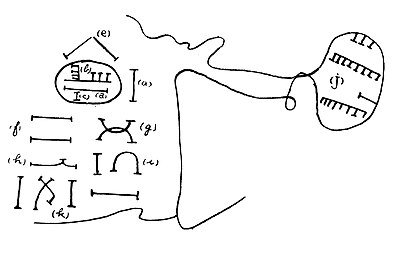
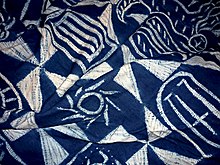
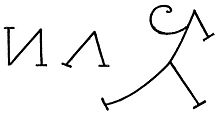
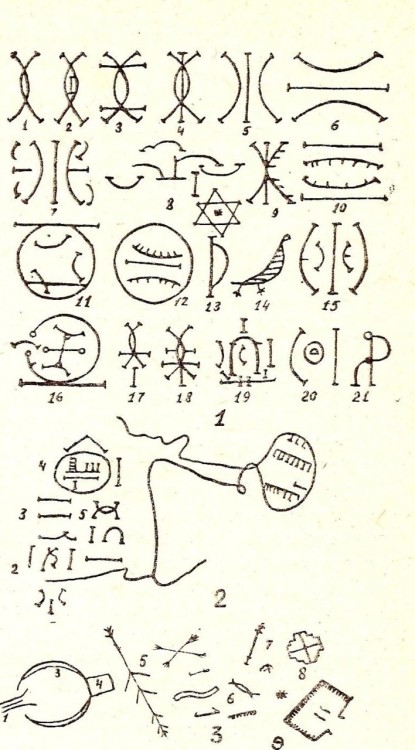
https://upload.wikimedia.org/wikipedia/commons/b/be/Nsibidi_name_written.jpg The logograph for Nsibiri Nsibidi (also known as nsibiri,[2] nchibiddi or nchibiddy[3]) is a system of symbols indigenous to what is now southeastern Nigeria that is apparently ideographic, though there have been suggestions that it includes logographic elements.[4] The symbols are at least several centuries old: Early forms appeared on excavated pottery as well as what are most likely ceramic stools and headrests from the Calabar region, dating between 400 and 1400 CE.[5] Nsibidi's origin is generally attributed to the Ekoi people of southern Nigeria. Alternatively J. K. Macgregor claimed in 1909 that it is traditionally said to have come from the Uguakima, Ebe or Uyanga tribes of the Igbo people, which legend says were taught the script by baboons,[3] although one writer believes Macgregor had been misled by his informants.[6] There are thousands of nsibidi symbols, of which over 500 have been recorded. They were once taught in a school to children. Many of the signs deal with love affairs; those that deal with warfare and the sacred are kept secret.[7] Nsibidi is used on wall designs, calabashes, metals (such as bronze), leaves, swords, and tattoos.[2][8] It is primarily used by the Ekpe leopard secret society (also known as Ngbe or Egbo), which is found across Cross River among the Ekoi, Efik, Igbo people, and related peoples. Outside knowledge of nsibidi came in 1904 when T.D. Maxwell noticed the symbols.[4] Before the British colonisation of the area, nsibidi was divided into a sacred version and a public, more decorative version which could be used by women.[8] Aspects of colonisation such as Western education and Christian doctrine drastically reduced the number of nsibidi-literate people, leaving the secret society members as some of the last literate in the symbols.[9] Nsibidi was and is still a means of transmitting Ekpe symbolism. Nsibidi was transported to Cuba and Haiti via the Atlantic slave trade, where it developed into the anaforuana and veve symbols.[10][11] The origin of the word nsibidi is not known. One theory traces the word to the Ekoid languages, where it means "cruel letters", reflecting the harsh laws of the secret societies that hold nsibidi knowledge.[12][13] In Calabar, nsibidi is mostly associated with men's leopard societies such as Ekpe. The leopard societies were a legislative, judicial, and executive power before colonisation, especially among the Efik who exerted much influence over the Cross River.[5] Origin The origin of nsibidi is most commonly attributed to the Ejagham people of the northern Cross River region, mostly because colonial administrators found the largest and most diverse nsibidi among them. Nsibidi spread throughout the region over time and mixed with other cultures and art forms such as the Igbo uli graphic design.[5] Status Nsibidi has a wide vocabulary of signs usually imprinted on calabashes, brass ware, textiles, wood sculptures, masquerade costumes, buildings and on human skin. Nsibidi has been described as a "fluid system" of communication consisting of hundreds of abstract and pictographic signs. Nsibidi was described in the colonial era by P.A. Talbot as a "a kind of primitive secret writing", Talbot explained that nsibidi was used for messages "cut or painted on split palm stems". J.K. Macgregor's view was that "The use of nsibidi is that of ordinary writing. I have in my possession a copy of the record of a court case from a town of Enion [Enyong] taken down in it, and every detail ... is most graphically described". Nsibidi crossed ethnic lines and was a uniting factor among ethnic groups in the Cross River region.[5] Uses Court Cases - "Ikpe" https://upload.wikimedia.org/wikipedia/commons/thumb/0/00/Ikpe_nsibidi.jpg/400px-Ikpe_nsibidi.jpg The Ikpe from Enyong written in nsibidi as recorded by J. K. Macgregor Nsibidi was used in judgement cases known as 'Ikpe' in some Cross River communities. Macgregor was able to retrieve and translate an nsibidi record from Enyong of an ikpe judgement. The record is of an Ikpe or judgement case. (a) The court was held under a tree as is the custom, (b) the parties in the case, (c) the chief who judged it, (d) his staff (these are enclosed in a circle), (e) is a man whispering into the ear of another just outside the circle of those concerned, (f) denotes all the members of the party who won the case. Two of them (g) are embracing, (h) is a man who holds a cloth between his finger and thumbs as a sign of contempt. He does not care for the words spoken. The lines round and twisting mean that the case was a difficult one which the people of the town could not judge for themselves. So they sent to the surrounding towns to call the wise men from them and the case was tried bv then (j) and decided; (k) denotes that the case was one of adultery or No. 20.[14] Ukara Ekpe [b]The Igbo 'Ukara' cloth of the Ekpe society, covered in nsibidi Nsibidi is used to design the 'ukara ekpe' woven material which is usually dyed blue (but also green and red) and is covered in nsibidi symbols and motifs. Ukara ekpe cloths are woven in Abakaliki, and then they are designed by male nsibidi artists in the Igbo-speaking towns of Abiriba, Arochukwu and Ohafia to be worn by members of the Ekpe society. [/b]Symbols including lovers, metal rods, trees, feathers, hands in friendship war and work, masks, moons, and stars are dyed onto ukara cloths. The cloth is dyed by post-menopausal women in secret, and young males in public. Ukara was a symbol of wealth and power only handled by titled men and post-menopausal women.[15] https://upload.wikimedia.org/wikipedia/commons/thumb/d/dc/Ukara_cloth.jpg/220px-Ukara_cloth.jpg The Igbo 'Ukara' cloth of the Ekpe society, covered in nsibidi Ukara can be worn as a wrapper (a piece of clothing) on formal occasions, and larger version are hung in society meeting houses and on formal occasions. Ukara motifs are designed in white and are placed on grids set against an indigo background. Some of the designs include abstract symbols representing the Ekpe society such as repeating triangles representing the leopard's claws and therefore Ekpe's power. Ukara includes naturalistic designs representing objects such as gongs, feathers and manilla currency, a symbol of wealth. Powerful animals are included, specifically the leopard and crocodile.[5] https://upload.wikimedia.org/wikipedia/commons/thumb/b/be/Onuaha.jpg/220px-Onuaha.jpg The name of a boy called 'Onuaha' as recorded by J. K. Macgregor in 1909. Macgregor interpreted the first two symbols as corruptions of the English letters 'N' and 'A' and the last symbol a generic nsibidi. Macgregor noted the growing European influence on nsibidi. Examples of Nsibidi Here are some examples of nsibidi recorded by J. K. Macgregor (1909)[14] and Elphinstone Dayrell (1910 and 1911)[1][16] for The Journal of the Royal Anthropological Institute of Great Britain and Ireland and Man. Both of them recorded symbols from a variety of locations around the Cross River, and especially the Ikom district in what is now Cross River State. Both of the writers used informants to retrieve nsibidi that were regarded as secret and visited several Cross River communities. "Nsibidi"https://upload.wikimedia.org/wikipedia/commons/thumb/b/be/Nsibidi_name_written.jpg/40px-Nsibidi_name_written.jpg "Welcome"https://upload.wikimedia.org/wikipedia/commons/thumb/5/59/Nsibidi_welcome.jpg/20px-Nsibidi_welcome.jpg "Two men talking"https://upload.wikimedia.org/wikipedia/commons/thumb/b/bb/Nsibidi_talk.jpg/20px-Nsibidi_talk.jpg "Door"https://upload.wikimedia.org/wikipedia/commons/thumb/7/7b/Nsibidi_door.jpg/20px-Nsibidi_door.jpg "Gun"https://upload.wikimedia.org/wikipedia/commons/thumb/1/11/Nsibidi_gun.jpg/20px-Nsibidi_gun.jpg "Crossbow"https://upload.wikimedia.org/wikipedia/commons/thumb/8/87/Nsibidi_cross_bow.jpg/20px-Nsibidi_cross_bow.jpg "Calabash"https://upload.wikimedia.org/wikipedia/commons/thumb/8/88/Nsibidi_calabash.jpg/20px-Nsibidi_calabash.jpg "Big drum"https://upload.wikimedia.org/wikipedia/commons/thumb/0/08/Nsibidi_big_drum.jpg/20px-Nsibidi_big_drum.jpg "Etak Ntaña Nsibidi — Nsibidi's bunch of plantains. When the head of the house wants plantains he sends this sign to the head boy on the farm."[16]https://upload.wikimedia.org/wikipedia/commons/thumb/0/0b/Nsibidi_plantain.jpg/20px-Nsibidi_plantain.jpg "Umbrella"https://upload.wikimedia.org/wikipedia/commons/thumb/6/68/Nsibidi_umbrella.jpg/20px-Nsibidi_umbrella.jpg "Toilet soap"https://upload.wikimedia.org/wikipedia/commons/thumb/3/3d/Nsibidi_toilet_soap.jpg/20px-Nsibidi_toilet_soap.jpg "Matchet"https://upload.wikimedia.org/wikipedia/commons/thumb/b/b8/Nsibidi_matchet.jpg/20px-Nsibidi_matchet.jpg "Woman"https://upload.wikimedia.org/wikipedia/commons/thumb/6/68/Nsibidi_woman.jpg/20px-Nsibidi_woman.jpg "Man"https://upload.wikimedia.org/wikipedia/commons/thumb/7/75/Nsibidi_man.jpg/20px-Nsibidi_man.jpg "Moon"https://upload.wikimedia.org/wikipedia/commons/thumb/d/d6/Nsibidi_moon.jpg/30px-Nsibidi_moon.jpg "Tortoise"[1][14][16]https://upload.wikimedia.org/wikipedia/commons/thumb/3/36/Nsibidi_tortoise.jpg/30px-Nsibidi_tortoise.jpg 1 Like 1 Share |
| Politics › Re: Boko Haram: Gombe/jos/bauchi Division Commander An Igbo by Crayola1: 1:48am On May 15, 2012 |
Why is the article so vague, even TMZ has more reliable sources  When did "I heard from this.." become a source and it was repeated throughout the paper Intuition is the work Intuit is the name of a software company |
| Culture › Re: Art And Architecture Of The Igbo People by Crayola1(op): 8:41pm On May 14, 2012 |
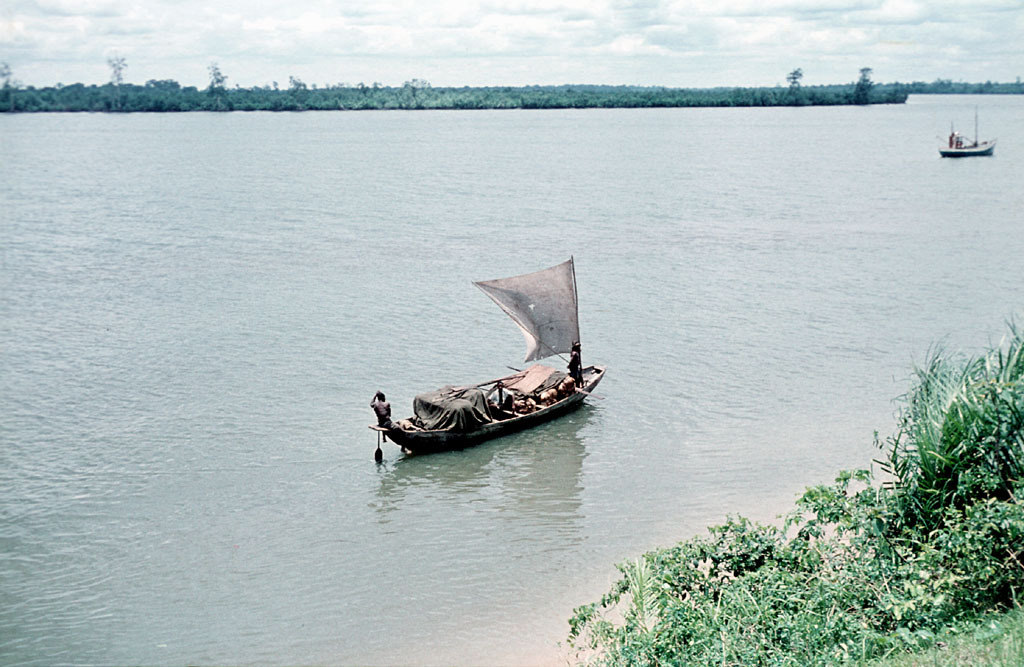
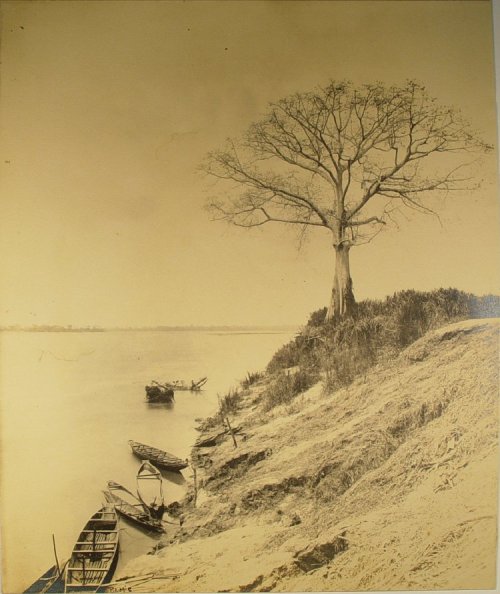
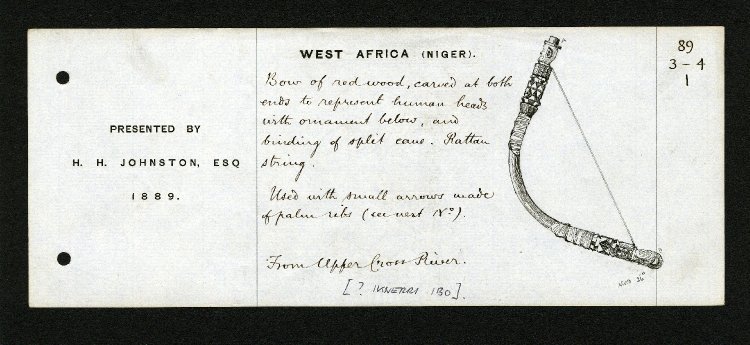
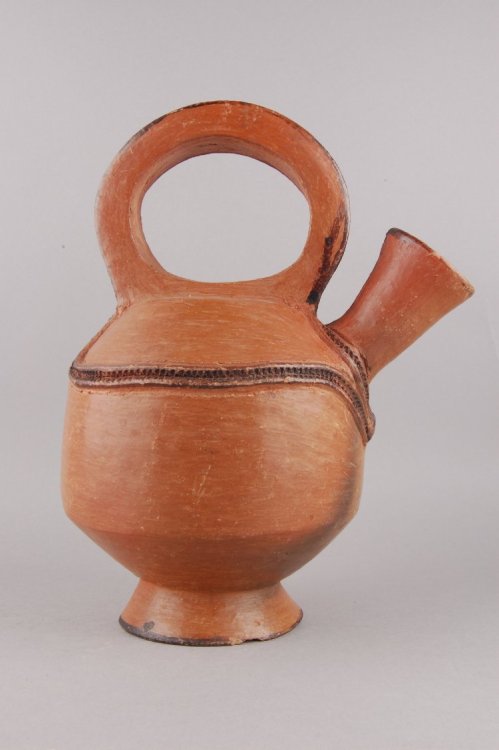
Nsibidi (Igbo writing) a court case https://24.media.tumblr.com/tumblr_lw1k22dhZw1qjh37to1_500.jpg A traditional canoe on the Imo River https://25.media.tumblr.com/tumblr_lw3z5xFu5d1qjh37to1_1280.jpg Dock at Aboh, along the Niger River https://24.media.tumblr.com/tumblr_lw3ycmJFXy1qjh37to1_500.jpg Bow https://24.media.tumblr.com/tumblr_lws6mnhpJg1qjh37to1_1280.jpg Jug https://25.media.tumblr.com/tumblr_lw1fzu8luU1qjh37to1_500.jpg Stool https://24.media.tumblr.com/tumblr_lw1g2yKelp1qjh37to1_250.jpg Igbo Metalworks https://24.media.tumblr.com/tumblr_lzby9fJxNL1qjh37to1_400.jpg https://25.media.tumblr.com/tumblr_lw1c4bt74C1qjh37to1_500.jpg https://25.media.tumblr.com/tumblr_lx2xj5ipkt1qjh37to1_500.jpg https://25.media.tumblr.com/tumblr_lx2x87JIi71qjh37to1_500.jpg https://25.media.tumblr.com/tumblr_lw3wmtHBTD1qjh37to1_500.jpg https://25.media.tumblr.com/tumblr_lw1l6ltDjo1qjh37to1_500.jpg https://25.media.tumblr.com/tumblr_lw1jx2bHLD1qjh37to1_500.jpg Harp https://24.media.tumblr.com/tumblr_lw1c39VGzH1qjh37to1_500.jpg 1 Like 3 Shares |
| Culture › Re: Art And Architecture Of The Igbo People by Crayola1(op): 8:39pm On May 14, 2012 |
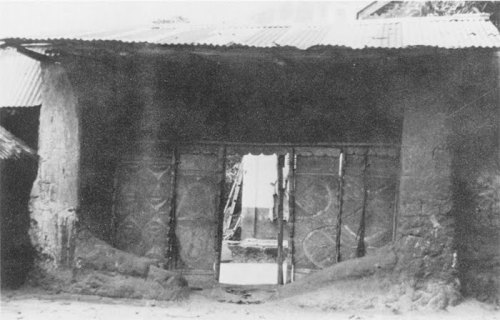
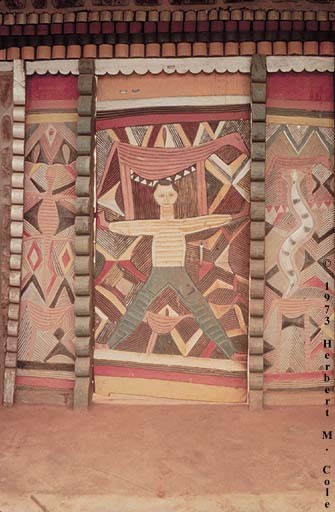
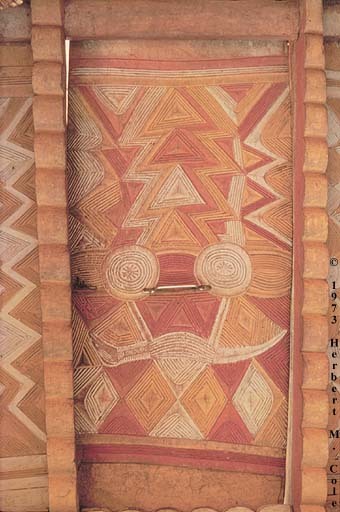
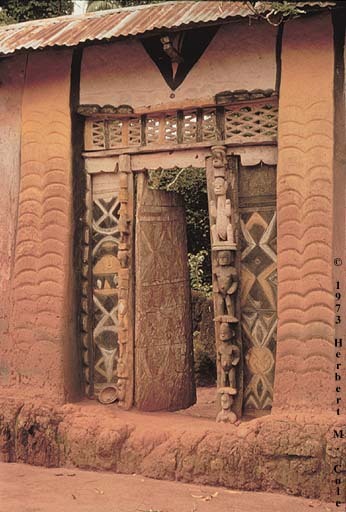
Continued https://24.media.tumblr.com/tumblr_lw3yjs9t3L1qjh37to1_500.jpg https://24.media.tumblr.com/tumblr_lw379hWwuc1qjh37to1_500.jpg https://25.media.tumblr.com/tumblr_lw36og6tIQ1qjh37to1_500.jpg https://25.media.tumblr.com/tumblr_lw36lkYgtp1qjh37to1_400.jpg https://25.media.tumblr.com/tumblr_lw1h0r3Lu31qjh37to1_400.jpg https://24.media.tumblr.com/tumblr_lw1kgdX2Rd1qjh37to1_500.jpg Doorways/Gates https://25.media.tumblr.com/tumblr_lw05zzplXP1qjh37to1_400.jpg https://25.media.tumblr.com/tumblr_lw1h2qGi0m1qjh37to1_500.jpg https://25.media.tumblr.com/tumblr_lw1ldso8mL1qjh37to1_400.jpg https://24.media.tumblr.com/tumblr_lw35xlE11M1qjh37to1_400.jpg https://24.media.tumblr.com/tumblr_lw364k3qyw1qjh37to1_400.jpg 1 Like 3 Shares |
| Culture › Re: Art And Architecture Of The Igbo People by Crayola1(op): 8:25pm On May 14, 2012 |
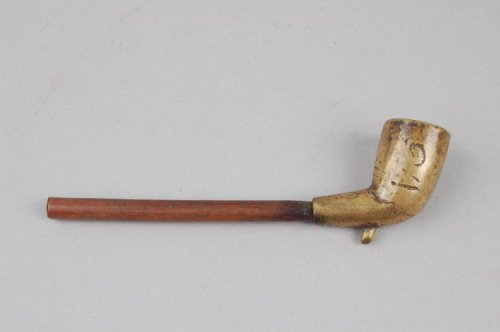
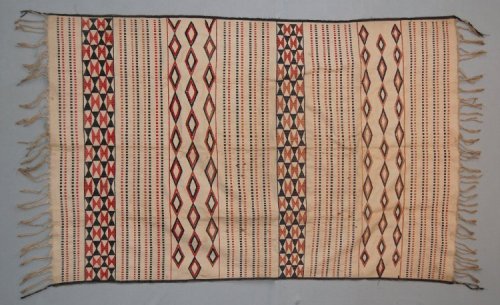
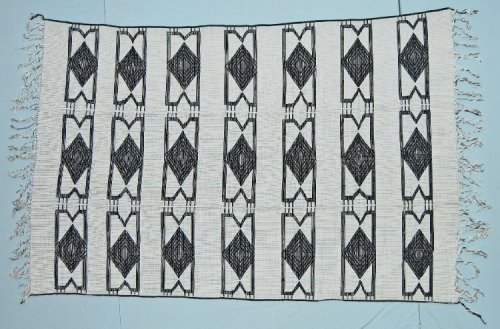
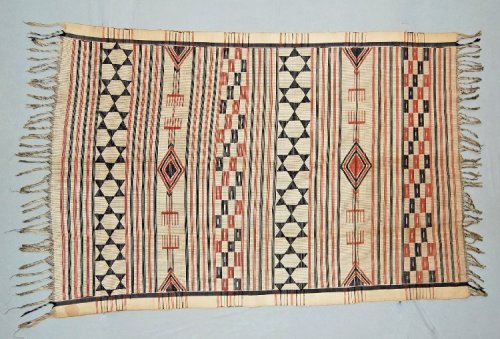
Pipe https://25.media.tumblr.com/tumblr_lw1kkle2U11qjh37to1_500.jpg Cloth https://24.media.tumblr.com/tumblr_lw3wgyhsnC1qjh37to1_500.jpg https://24.media.tumblr.com/tumblr_lw3w9zD6ki1qjh37to1_500.jpg https://25.media.tumblr.com/tumblr_lw07b56XKF1qjh37to1_500.jpg Igbo Architecture https://24.media.tumblr.com/tumblr_lxl0na95Gh1qjh37to1_500.jpg https://25.media.tumblr.com/tumblr_lw06g76I2S1qjh37to1_400.jpg https://24.media.tumblr.com/tumblr_lw3xxxNYCS1qjh37to1_500.jpg https://25.media.tumblr.com/tumblr_lw3xwdW2mK1qjh37to1_500.jpg https://25.media.tumblr.com/tumblr_lw3wr2KegY1qjh37to1_1280.jpg https://24.media.tumblr.com/tumblr_lw06o8RW4j1qjh37to1_500.jpg https://24.media.tumblr.com/tumblr_lw3y03N57Z1qjh37to1_500.jpg https://25.media.tumblr.com/tumblr_lw3y15j0En1qjh37to1_500.jpg https://25.media.tumblr.com/tumblr_lw3wc5j6vP1qjh37to1_500.jpg https://25.media.tumblr.com/tumblr_lw36pv1WDr1qjh37to1_500.jpg https://25.media.tumblr.com/tumblr_lw36maSG061qjh37to1_500.jpg https://24.media.tumblr.com/tumblr_lw3y4xcUto1qjh37to1_500.jpg https://24.media.tumblr.com/tumblr_lw3yiib2sM1qjh37to1_500.jpg Ibibio Footbridge https://25.media.tumblr.com/tumblr_lw3wkbrmDb1qjh37to1_500.jpg 1 Like 3 Shares |
| Culture › Re: Art And Architecture Of The Igbo People by Crayola1(op): 8:06pm On May 14, 2012 |
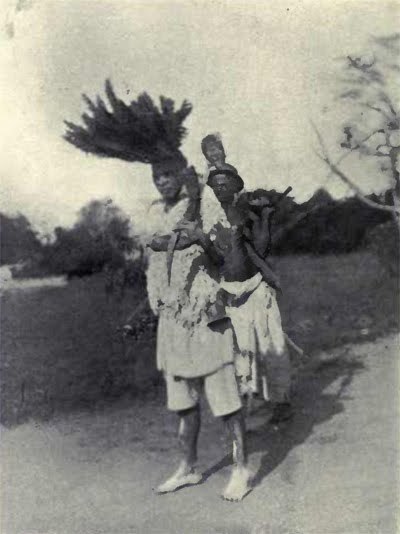
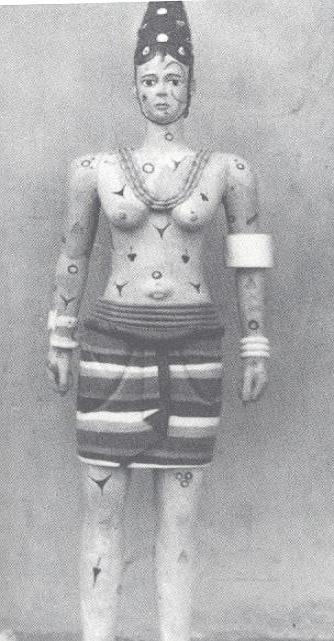
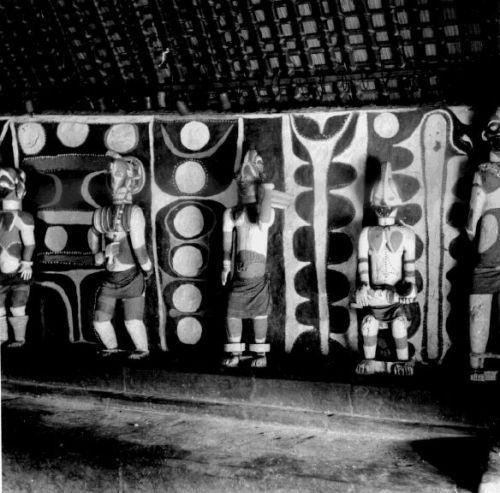
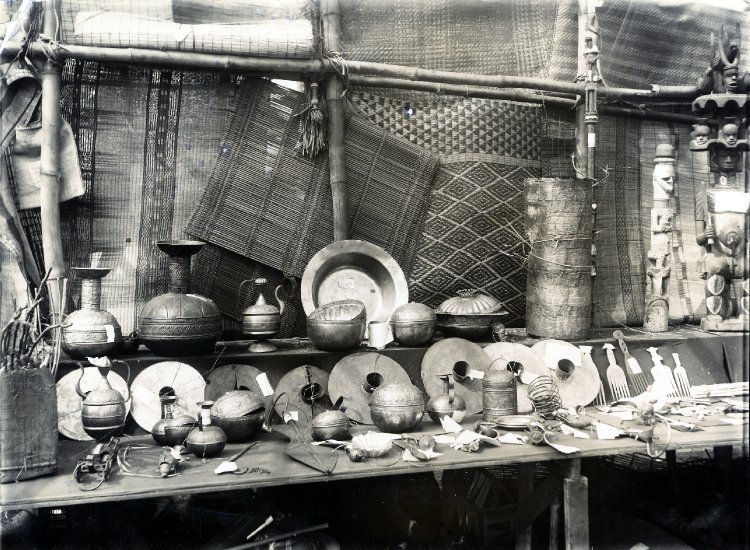
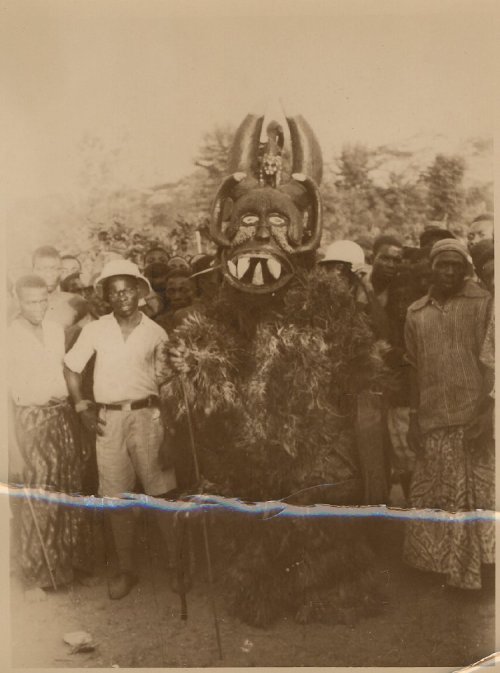
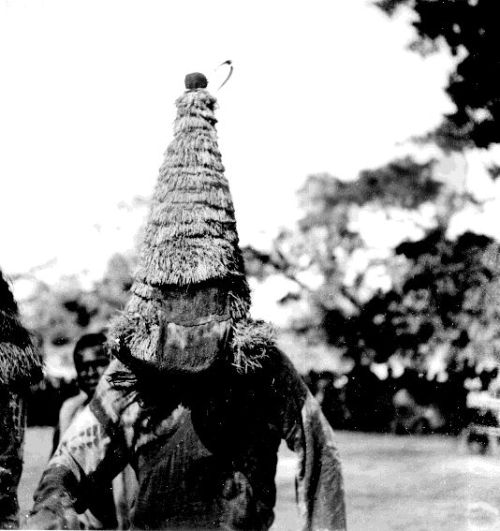
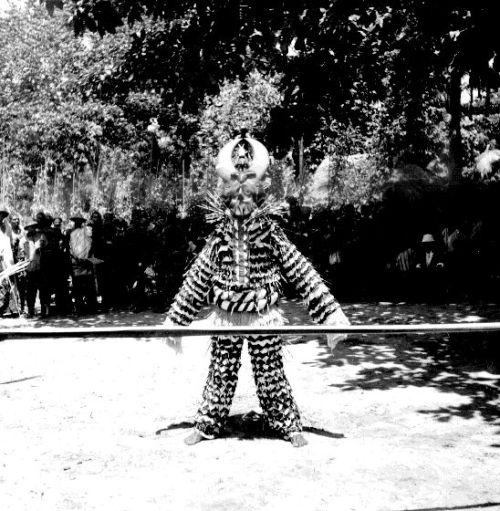
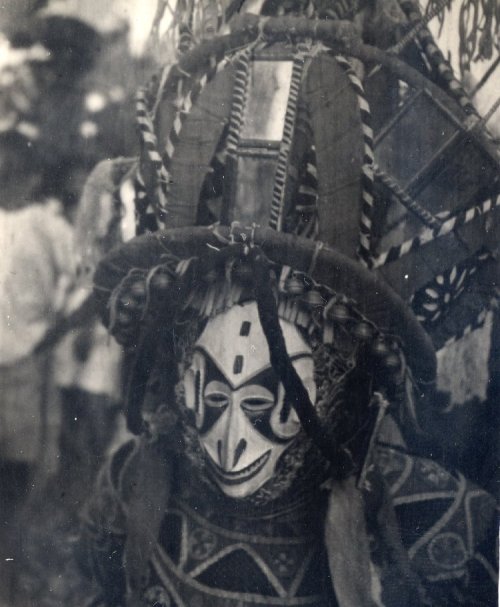
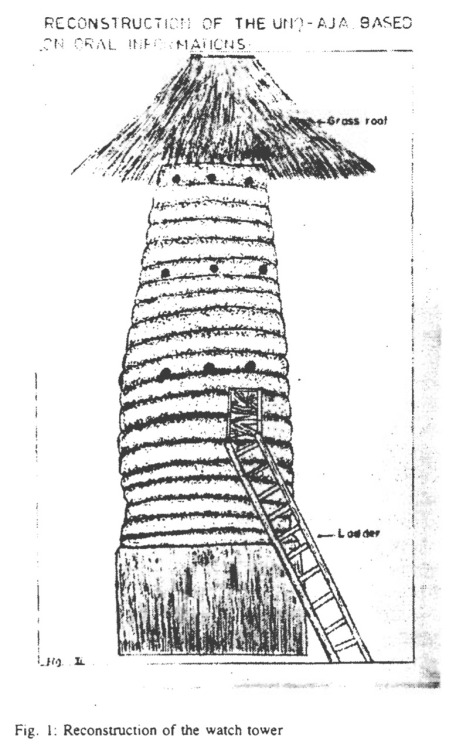
An Ibibio woman in wedding attire https://24.media.tumblr.com/tumblr_m3lzx6ROJd1qjh37to1_500.jpg An Igbo woman in wedding attire https://25.media.tumblr.com/tumblr_m35qbsabAU1qjh37to1_500.jpg An Igbo leader/elder https://25.media.tumblr.com/tumblr_m3cyxjRSQa1qjh37to1_400.jpg Igco Mmuo Doll https://24.media.tumblr.com/tumblr_lr7o2aBJTe1qjh37to1_500.jpg Inside a shrine in Ohafia https://24.media.tumblr.com/tumblr_m3cpf5n0fC1qjh37to1_500.jpg Common Igbo Household Items https://25.media.tumblr.com/tumblr_m35qrm7AK21qjh37to1_1280.jpg Masquerades [img]http://amightytree.org/oldsite/Ndi-Onicha%20&%20Ndi-Igbo/Newcomers%27%20Experiences%20&%20Wider%20Realities/02-31%20hunter%20dancers.jpg[/img] https://24.media.tumblr.com/tumblr_m35qyqRhWh1qjh37to1_500.jpg https://25.media.tumblr.com/tumblr_m3amss5yrw1qjh37to1_500.jpg https://24.media.tumblr.com/tumblr_m3amlgUNdb1qjh37to1_500.jpg https://25.media.tumblr.com/tumblr_m2mru6sas21qjh37to1_500.jpg Diagram of a watchtower in Igboland https://24.media.tumblr.com/tumblr_lxl1781hpl1qjh37to1_500.jpg 1 Like 3 Shares |
| Politics › Re: Kano State Seeks Husbands For 1,000 Widows & Divorcees by Crayola1: 1:33am On May 05, 2012 |
alj harem: Crayola, it is OkIf you are going to says something and swear by it then you should bring out facts, especially if what you are alleging is very derogatory in nature. I brought my own.  |
| Politics › Re: Kano State Seeks Husbands For 1,000 Widows & Divorcees by Crayola1: 1:17am On May 05, 2012 |
Okay Nagoma its clear you rather spit in the face of facts, with that "degrees" bs. I already said I had a source from a Hausa woman who talked about prostitution in the North. Didn't seem as stigmatized as you claim it to be. Instead of trying to divert just admit that you didn't know that prostitution was a problem in the North, and the fact that all the focus is all on the South based on said assumption had done more harm than good. From a Hausa Habe woman: There was no bori (15) dancing in our hamlet except for one of our slaves, Mada, a Gwari, who was sometimes possessed. We used to go to the compounds of the prostitutes in Zarewa town and watch them bon-dancing.I gave you two sources that said Northern women are often lured to the Middle East based on religion or job prospects. I even gave a source of a Northern Nigerian woman who runs a brothel on the Niger-Nigeria border due to implementation of Sharia law in Northern Nigeria. Who actively takes "prostitute refugees" from Nigeria, you really believe all these women are Southerners, if at all If I used Google shouldn't said books pop up so I can research? I looked and saw a few snippets here and there. I was kind enough to source, you should do the same I see that you have toned down your rhetoric Lol I'm guessing you didn't know that food gatherer civilization who suddenly found themselves in the 20th century and so became drug couriers , kidnappers, and 419 stars gave the British hell, 30+ years to be exact. You at least have to give credit on that |
| Politics › Re: Kano State Seeks Husbands For 1,000 Widows & Divorcees by Crayola1: 11:42pm On May 04, 2012 |
Crayola the white man's nigger is back with his whining and new American gutter slangs. Who told you that the primitive tribes of the southeast fought Lugard? They were too eager to collect mirrors and wine bottles in exchange for slaves. Go and read about the battle of Kano 1902 and the reason why it was ( with exeption of the boar wars of SA ) the hardest for the British . Find out why the rare and highest British military honor the - victoria cross - was give for the final occupation of kano. Read about Buhari of Hadejia and the tough time he gave the European invaders. Read about Sultan Attahiru. You belong to food gatherer civilization who suddenly found themselves in the 20th century and so became drug couriers , kidnappers and 419 stars. The fiction you copied From a kidergarten reporter about imagined blood money payment and the niger/ Nigeria border will remain a boring attempt at fiction writing. Everybody in the world knows how criminal Nigerians are. Majority do not know that these are just criminally minded Igbos spoiling our namesYawn, I thought you said prostitution is a Southern thing? Why did you ignore that part and only answer the tail end of my posts? Whining about what? Its good to know the White man has you speaking his words, probably warms his heart to know that he has a trained Black monkey saying nigger, how cute. Do you tap dance for the White folks too? I looked it up, actually it was not. And of course the British would struggle, the Boers were Dutch Europeans who had access to the same weapons they did There is the Aro-Anglo War which lasted 2 years The Ekumeku War which lasted 31 years The Aba Women's war that forced the British to change many of their colonial policies, removed the warrant chief system, gave women in the East more rights, and inspired other groups in the Eastern region to protest for their rights as well. But to subdue West Africa, the British had to fight battles and two of the fiercest resistance wars against British rule are recorded in Nigeria and Ghana. In Ghana was the famous “Ashanti campaign” , something of the last stand by the Ashanti over the question of political and economic autonomy. In Nigeria, Lugard whom Taubman had appointed to oversee British interest had killed Atahiru, the Caliph of Sokoto and the Sokoto caliphate had collapsed, the Oyo and Benin Kingdoms had collapsed, and the powerful Ovonranwen exiled to Calabar; even the merchant princes, Jojo n'Opobo (Jaja of Opobo) and Nana of Ebrohimi, had been overwhelmed. But the British waged their longest campaign in Africa with the Igbo resistance of the hinterland. It took them thirty years from 1900-1930 and six military expeditions , the Aro, Ekumeku, Onitsha, Ahiara, Ikwo and the Ezza campaigns, to finally subdue the Igbo who adopted guerilla tactics ( Ndi Oluo-Ogbalaga) until Eze Nri Obalike was forcibly brought to the Awka courts in 1930.Wasn't slavery just recently abolished in the North in the 1950's. Where nearly 30% of the population were slaves? So as the enlightened people of Nigeria, what took so long? I saw one British officer awarded the Victoria Cross but that was for fighting the Ashanti  Sources Please. Emir Buhari (also Bohari, or Bowari; reigned 1848–50, 1851–63) renounced Hadejia’s allegiance to the Fulani sultanate centred at Sokoto in 1851, raided the nearby emirates of Kano, Katagum, Gumel, Bedde, and Jama’are, and enlarged his own emirate. Hadejia was brought back into the Fulani empire after Buhari’s death, but wars with neighbouring Gumel continued until 1872. In 1906 the British installed an emir, Haruna, and incorporated the emirate into Kano province. The emirate became part of newly created Jigawa state in 1991.^^ This Buhari? Or another one  Sultan Attahiru probably is the only one out of the bunch you gave that actually had information, the rest were duds All human civilizations were food gathers numbnuts, humans have to get their food to eat, it just doesn't walk onto your plate you know Well in the North slave raiding was a big thing for the longest time, is that not a form of kidnapping? 419 stars? Ok The fiction I copied from the UN, which often the gold standard when it comes to information about countries, especially African nations? So Northern Nigeria is the biggest thing on the UN's agenda that it has to make stuff up about it? Wow how the mighty have fallen. What you don't like the fact that criminality knows no ethnicity So instead of challenging my sources, you accuse them of lying? And you are the civilized one? Nagoma you are too funny, if you can win you deflect. If you can't deflect you insult. What's left? So tell me 3 credible sources report on prostitution in the North, do you have any facts that says otherwise? 1 Like |
| Politics › Re: Kano State Seeks Husbands For 1,000 Widows & Divorcees by Crayola1: 10:40pm On May 04, 2012 |
Let me just say I have no malice towards Northern Nigerian women, they are Nigerians at the end of day and their plight is shared by Nigerian women all over. Its just that people like Nagoma play on the ignorance of some folks who believe hook line and sinker what the British said about their ancestors, consciously/subconsciously. About the topic at hand, its band-aid policy, marrying 50 women to one man will not alleviate the problems in the North. Only women empowerment, jobs, education, poverty reduction...basically investing in the people will bring change. Few people in the West can manage to support a family with a Wife, Husband, and two children and somehow this scheme which doubles everything is supposed to work in Nigeria, which by all accounts is a poor country? The cycle of poverty will continue into the next generation. |
| Politics › Re: Kano State Seeks Husbands For 1,000 Widows & Divorcees by Crayola1: 10:23pm On May 04, 2012 |
nagoma: The proportion of unattached women in the north is the same as it is in the south. the difference is that pros-titution is accepted as a noble profession in the south and southern nigerian women are selling punny all over west africa and western europe and beyond. the southerners don't see anything immoral about it, as many of those contributing here were actually born and raised in brothels.The problem with that line of thinking is that the people who need attention and help the most are ignored and left to the wayside. If you honestly believe that prostitution is a Southern phenomenon, I have a bridge in Brooklyn I'd like to sell you Here from the UN: The Northern part of Nigeria has not attracted enough attention as Edo, Cross Rivers, Delta, Ebonyi and other states from the South leading to the erroneous assumption that human trafficking is more prevalent in the south of Nigeria. However from March 2002 to April 2004 alone, the Saudi Arabia authorities deported nine thousand, nine hundred and fifty women and one thousand, two hundred and thirty one underage and unaccompanied children. (www.unesdoc.unesco.org) Despite the widespread nature of the phenomenon, research on human A form of trafficking currently under investigation takes place in theDo you honestly believe its Southern Women they are talking about Hajj to? Maybe that might plausable in the South West where there is a significant Muslim population, but the rest of the South...rare, Europe is the usual destination Hadja Hadiza's open-legged posture speaks volumes about her view of Islamic law. "It is great for business," she says, seated on a lump of concrete, as yet another Nigerian man followed one of her girls into a hut on the brothel compound. If you took away the "harlots", the drunks and the gambling, Firgi would be back to what it used to be, a village with goats and camels, 200 metres from the border post, in Niger.Southerners too? If you like I can give a source straight from a Hausa woman who lived at the turn of 19th century, who talks about how open prostitution was in Northern Nigeria? Please get off your high horse, prostitution is known as the oldest profession in the world for a reason Your ignorance about your own region has dire consequences for Nigerian women.  You are one of those Northerners, that for some odd reason believe that you are superior to the rest of Nigeria especially the "pagan" Southerners. Correct me if I'm wrong but didn't Lugard put a foot up your ancestor's collective asse.s like everybody else? In fact Northern Nigeria gave the least resistance to the British. After the British gave one KO to the Fulani, everybody knew what time it was and accepted British rule. In the South people at least put up a fight for a while and still gave the British hell after the fact.So what exactly are you so proud about? Don't get me wrong, people should take pride in their culture, but in your case its some perverse arrogant pride as though you guys were f.u.cking China or something? 1 Like |
| Culture › Re: Urgent! Igbo Soap Script Wanted by Crayola1: 8:50pm On May 03, 2012 |
Ptolomeus: I can be wrong, but I understand that originally the Igbo language (like the Yoruba) had no writing. The traditions were transmitted orally, and that obviously makes access to historical material. As far as I've been researching, writing many African languages began with the arrival of the first evangelists (I do not know if this was for better or for worse).Incorrect, Igbo had a written script known Nsibidi [img]http://2.bp..com/-5sYygEQ-SzM/TsVkav9sKfI/AAAAAAAAAy4/2cOkfLDFnK4/s400/new%2Bnsibidi%2Borigins.png[/img] [img]http://1.bp..com/-UxYJbfa6MLs/TXq0bOH4toI/AAAAAAAAAQ0/Zsi7dtX6Cxw/s400/Nsibidi%2BSheet%2B1.png[/img] Hausa had Ajami [img]http://www.bu.edu/bostonia/summer09/ajami/ajami1.jpg[/img] Hausa people had more inroads with keeping records of their writings, since 999AD 1 Like 1 Share |





1 2 3 4 5 6 7 8 ... 31 32 33 34 35 36 37 38 39 (of 45 pages)