Ezeagu's Posts
Nairaland Forum › Ezeagu's Profile › Ezeagu's Posts
1 2 3 4 5 6 7 8 ... 42 43 44 45 46 47 48 49 50 (of 349 pages)
 Culture › Re: Igbo Architecture | Ụlọ omé n'Ìgbò by ezeagu(op): 8:52pm On Oct 31, 2015 Culture › Re: Igbo Architecture | Ụlọ omé n'Ìgbò by ezeagu(op): 8:52pm On Oct 31, 2015 |
nwanlecha:Oh, I think it's just a collection of pictures from other sites on that website. |
| Business › Re: Can The Imo River Take (large) Ships? by ezeagu(op): 3:34pm On Oct 31, 2015 |
Aigbofa:The affected communities are coastal ones who have already seen plans for dredging the river as has been posted above. The area around the Imo, again, is sparsely if at all populated until you get to Abia state. The idea of a canal was a earlier suggestion for smaller boats, maybe barges. If a larger canal is needed, there are several rivers, including the upper Imo, the Aba River, and Cross River at Arochukwu that can feed it. 5 Likes |
| Business › Re: Can The Imo River Take (large) Ships? by ezeagu(op): 3:24pm On Oct 31, 2015 |
Aigbofa:This idea is not new, the river isn't just to the benefit of Igboland. Imo River dredging: Russal to pay $120 millionhttp://www.vanguardngr.com/2010/12/imo-river-dredging-russal-to-pay-120-million/ 5 Likes |
| Business › Re: Can The Imo River Take (large) Ships? by ezeagu(op): 3:22pm On Oct 31, 2015 |
Aigbofa:Which canal? The River Niger doesn't feed the Imo River. 7 Likes |
| Politics › Re: The Beef: Kenyans Vs Nigerians (Photos) by ezeagu(m): 12:41pm On Oct 31, 2015 |
This is the only thing the citizens of two poor backward third world shitholes have power to do. 8 Likes |
| Business › Re: Can The Imo River Take (large) Ships? by ezeagu(op): 12:07pm On Oct 31, 2015 |
tsdarkside:What are you talking about? 2 Likes |
| Business › Re: Can The Imo River Take (large) Ships? by ezeagu(op): 3:47am On Oct 31, 2015 |
rhymaster:So you really don't know who the indigenous people are right? You're just talking out of your behind right? What you just wrote doesn't make sense in real life because south eastern Nigeria outdoes the rest of Nigeria in all indices apart from formal GDP. All the warnings about dams and blockages are just far fetched scenarios you know will not happen. Instead of pulling your 'thing' thinking about the worst for another region, why don't you open a thread about building some ports or barriers against that rapidly decreasing coastline that the rest of Nigeria supposedly has but is doing nothing with. Try feeding yourselves maybe. And you're a fucking idiot if you can't tell me which of the three major ports in the 'south south' is accessed without going through rivers, deal? 12 Likes |
| Business › Re: Can The Imo River Take (large) Ships? by ezeagu(op): 3:34am On Oct 31, 2015 |
scholes0:The majority of those areas plus the whole of Bayelsa up to okene and the rest of the Niger's watershed. 4 Likes |
| Business › Re: Can The Imo River Take (large) Ships? by ezeagu(op): 3:26am On Oct 31, 2015 |
scholes0:It wont happen. The majorly affected area would still supposedly be in Nigeria, anyway. 3 Likes |
| Culture › Re: Igbo Architecture | Ụlọ omé n'Ìgbò by ezeagu(op): 2:49am On Oct 31, 2015 |
musicwriter:Okay, well I've not seen an Igbo/Nigerian keyboard. Maybe Jumia or somewhere online? 1 Like |
| Business › Re: Can The Imo River Take (large) Ships? by ezeagu(op): 2:40am On Oct 31, 2015*. Modified: 10:51pm On Jul 09, 2016 |
scholes0:igbobuofu[dot]com If it doesn't effect water downstream, then it's not a problem. If it does, then it's an international problem like in the case of the Nile and the countries affected will have to approve or else it's tantamount to provocation. I don't know if you people pay attention to African news talk less. http://www.theguardian.com/global-development/2015/mar/23/egypt-signs-grand-renaissance-dam-nile-deal-ethiopia-sudan 7 Likes |
| Culture › Re: Igbo Architecture | Ụlọ omé n'Ìgbò by ezeagu(op): 2:34am On Oct 31, 2015 |
musicwriter:You don't need to but an Igbo keyboard, you need to change the input of your keyboard, meaning the language of the keyboard. 1 Like |
| Politics › Re: Alaigbo: Development Fantasy, Case Studies & Comparisons by ezeagu(op): 2:19am On Oct 31, 2015 |
With me. 1 Like |
| Politics › Re: Alaigbo: Development Fantasy, Case Studies & Comparisons by ezeagu(op): 2:18am On Oct 31, 2015 |
Bear. 1 Like |
| Politics › Re: Alaigbo: Development Fantasy, Case Studies & Comparisons by ezeagu(op): 2:18am On Oct 31, 2015*. Modified: 3:13am On Oct 31, 2015 |
[size=18pt]AIIA, Enugu[/size] This is a latest rendering of the AIIA (Akanu Ibiam International Airport) at Enugu, I don't know the source, or what the reality of this project will be, but let's wait and see. https://s16.postimg.org/7bl65soyt/2989082_enuguairport011_jpegb9604767a49ba6ebc157.jpg 2 Likes |
| Politics › Re: Alaigbo: Development Fantasy, Case Studies & Comparisons by ezeagu(op): 2:17am On Oct 31, 2015 |
Ilekeh:Yeah, that's why it's a good case study. 4 Likes |
| Politics › Re: Alaigbo: Development Fantasy, Case Studies & Comparisons by ezeagu(op): 2:17am On Oct 31, 2015*. Modified: 3:37am On Oct 31, 2015 |
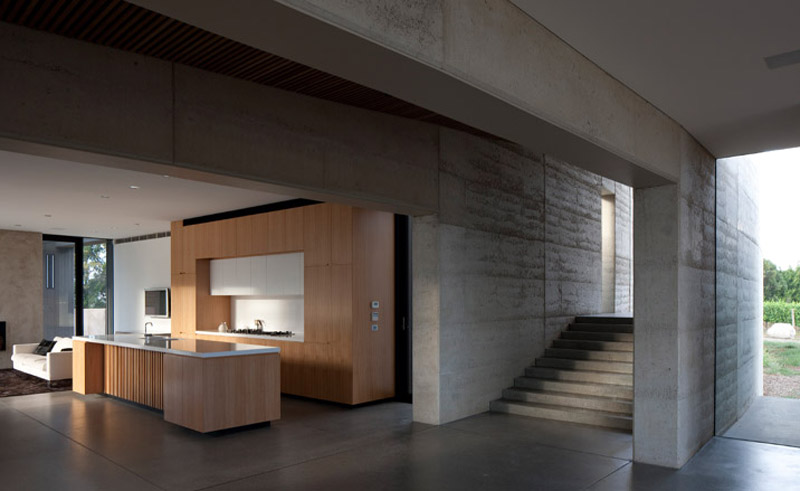
On the Enugu thread, I suggested that rammed earth could be an alternative to cement, as well as using recycled materials for house building. Rammed earth is eco-friendly and it is built from something that can be easily found and refined, it would also help to camouflage the harmattan dust that often stains painted houses, so there's an earthy tone to neighbourhoods, towns, cities, skylines. https://olneerammedearth.com.au/wp-content/uploads/2012/05/rammed-earth-builders-01.jpg 3 Likes |
| Politics › Re: Alaigbo: Development Fantasy, Case Studies & Comparisons by ezeagu(op): 2:15am On Oct 31, 2015*. Modified: 3:09am On Oct 31, 2015 |
[size=18pt]Secondary Roads[/size] This is what I mean by secondary roads on the map, these are main roads that link to main highways and carriageways. What better than the autobahn? https://s28.postimg.org/x4rx4wmrx/wohnwagen_autobahn.jpg [size=18pt]Concrete Roads[/size] There have also been suggestions on this site, especially on the large Enugu thread, that eastern Nigeria/Alaigbo should use concrete roads. https://s4.postimg.org/nl3ezgk2l/I_355_at_the_Illinois_Prairie_Path.jpg 2 Likes |
| Politics › Re: Alaigbo: Development Fantasy, Case Studies & Comparisons by ezeagu(op): 2:15am On Oct 31, 2015*. Modified: 3:01am On Oct 31, 2015 |
[size=18pt]Canal Network[/size] Alaigbo obviously has a lot of industry, a good alternate way to link these industries, although kind of old, are canals, this is just alternate transport to, again, free up traffic on road. These can be small narrow water ways going through cities, like Seoul pictured, or larger water ways for transport between larger water bodies. https://s13.postimg.org/y7af5v5tj/wonderful_city_canal_in_seoul_south_korea_hd_wal.jpg 3 Likes |
| Politics › Re: Alaigbo: Development Fantasy, Case Studies & Comparisons by ezeagu(op): 2:14am On Oct 31, 2015*. Modified: 3:02am On Oct 31, 2015 |
[size=18pt]National Park Around the Lower Niger[/size] https://s9.postimg.org/dpplst80v/Niger_River_Forest.png This area around the Niger should a protected national park, if it isn't already. There are probably all kinds of animals and endangered species lurking in there and probably some kind of tourist amusement tour and wildlife sanctuary can be set up there, maybe around Kwale, but for connectivity Asaba may be better or Atani. There should be a protection from encroachment from cities like Onitsha, etc. 2 Likes |
| Politics › Re: Alaigbo: Development Fantasy, Case Studies & Comparisons by ezeagu(op): 2:14am On Oct 31, 2015*. Modified: 2:50am On Oct 31, 2015 |
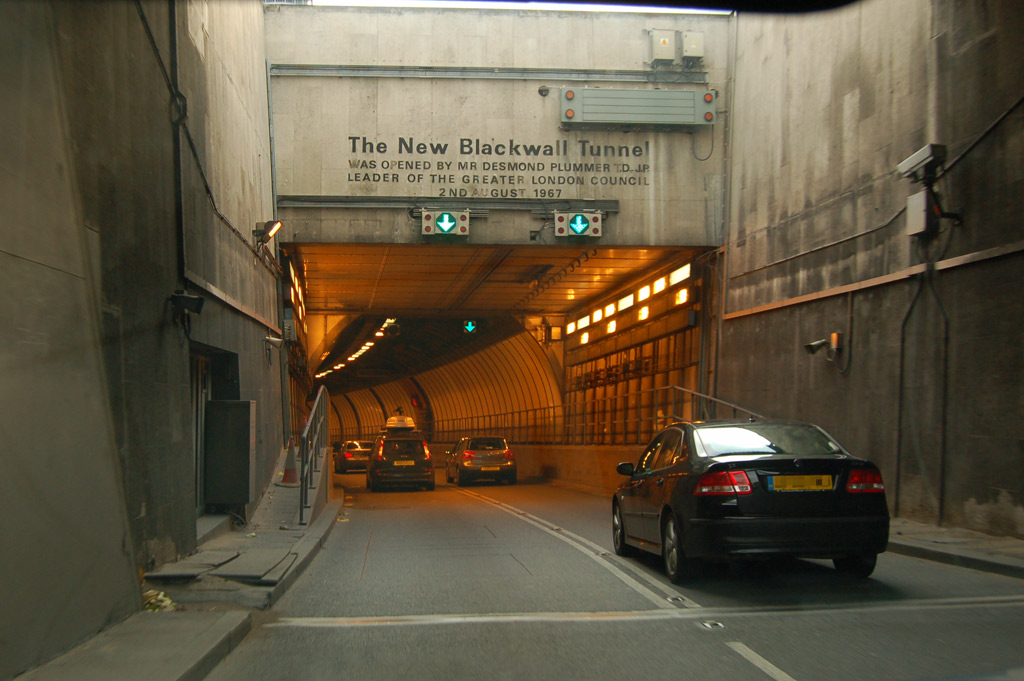
[size=18pt]Niger Tunnel[/size] Alternately, for shorter spans of the Niger, if need be, there could be tunnels like London's Blackwall tunnel underneath the Thames. This could give alternate routes to bridges and ultimately free up traffic. https://taxi-news.co.uk/wp-content/uploads/2015/10/A102_New_Blackwall_Tunnel_-_Coppermine_-_21694.jpg 1 Like |
| Politics › Re: Alaigbo: Development Fantasy, Case Studies & Comparisons by ezeagu(op): 2:13am On Oct 31, 2015*. Modified: 2:48am On Oct 31, 2015 |
[size=18pt]Second (or Multiple) Niger Bridge(s)[/size] https://s3.postimg.org/lcowxasc3/akashi_kaikyo_bridge_view_from_bottom.jpg There should be multiple bridge across the Niger, not just one more. I propose another Niger bridge after the renovation and addition to the one in Onitsha-Asaba, to be between Aboh and Ndoni, a solid suspension bridge which allows for passage of large ships like the Akashi Kaikyo bridge in Tokyo, although it wouldn't need to be as long. This will provide another route over the Niger leading to less congestion, spreading of capital through motorists, and reduction of accidents and concentration of pollution. https://s24.postimg.org/alo16off9/Ndoni_Aboh.png Ignore the fast food joint (lol). 2 Likes |
| Politics › Re: Alaigbo: Development Fantasy, Case Studies & Comparisons by ezeagu(op): 2:12am On Oct 31, 2015 |
Abagworo: Ahulam n'ibu ezi nwafo kama gupu ndi mbamiri na ndi ette n'izu obula ichoro maka o di nma nd'Igbo. Ha dum kporo anyi asi karia ndi ugwu na ndi odida anyanwu.Abagworo, a nulam ihe kwuru, O di nma. 1 Like |
| Politics › Re: Alaigbo: Development Fantasy, Case Studies & Comparisons by ezeagu(op): 2:09am On Oct 31, 2015*. Modified: 2:26am On Oct 31, 2015 |
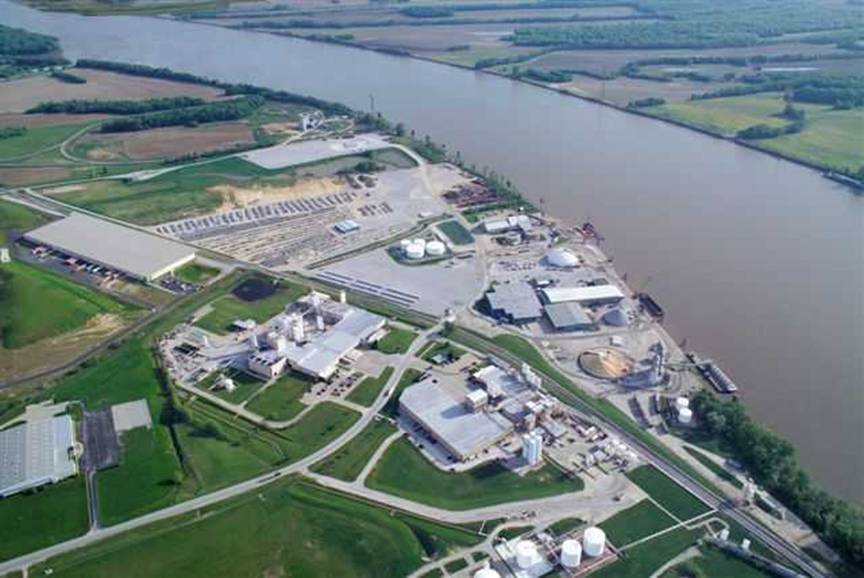
There was a move to dredge the Imo, I don't know how far that went. [size=18pt]Imo River dredging: Russal to pay $120 million[/size] By Luka Binniyathttp://www.vanguardngr.com/2010/12/imo-river-dredging-russal-to-pay-120-million/ It's a shame it didn't go through it seems, but a number of ports can be established from the mouth of the river to the furthest place. [img]http://kgs.uky.edu/kgsweb/download/misc/landuse/DAVIESS/daviessissues_files/image021.jpg[/img] 1 Like |
| Politics › Re: Alaigbo: Development Fantasy, Case Studies & Comparisons by ezeagu(op): 2:08am On Oct 31, 2015 |
I've posted these stats several time, but if these indices can be bettered that would be good. https://s9.postimg.org/8l8252wem/Igbo_health.jpg 1 Like |
| Politics › Re: Alaigbo: Development Fantasy, Case Studies & Comparisons by ezeagu(op): 2:07am On Oct 31, 2015 |
The kind of ideas I was talking about include propose railways and what cities they would ideally run through, for example, I would suggest a east west train maybe linking to a wider West African corridor from Accra, that would run through Kwale and Owerri to Aba and then down to Calabar to run off to Cameroon, etc. This would be high speed rail, and the models don't have to be top of the range, just good enough to do their job. [img]http://www.media.wireservice.ca/wp-content/uploads/2013/07/zefiro-electric1.jpg[/img] [size=18pt]Imo River River / Sea Port @ Ohambele[/size] https://s24.postimg.org/d74mr6fbp/TIANJINGREENCBD1small3000.jpg Following from the discussion about the possibilities of the Imo River handling large freight ships, I've used Ohambele as a town which could become a major port on the Imo River around 30 nautical miles from the coast at Ibeno. 7 Likes |
| Politics › Re: Alaigbo: Development Fantasy, Case Studies & Comparisons by ezeagu(op): 2:07am On Oct 31, 2015 |
I'll suggest case study cities from around the world who have similar characteristics as certain cities in eastern Nigeria. [size=18pt]Case Study 1: Onitsha | Singapore[/size] https://inmygroup.com/wp-content/uploads/2015/03/singapore-and-merlion.jpg Similarities: Heavy population density with limited space for growth. Some access to water or waterside, heavy commercial centre and (for Ontisha) potential business centre). Independent economy, as in, their economies aren't as tied to other places like some other cities are. Cities grew from villages/fishing communities. Lessons to be learnt: Population control. Pollution control, including waste management. Transportation and logistics (including manoeuvring international airports and highways). Managing diversity (maybe not so much for Onitsha). Utilising the water not just as an international/national port, but for transportation within the city limits a bit further beyond. Space management and building space saving housing (Onitsha has high rises but they can be upgraded and later on in development skyscrapers can be introduced for financial services, business, and so). [size=18pt]Case Study 2: Asaba | Frankfurt[/size] https://i.ytimg.com/vi/v-LEUgjTHe0/maxresdefault.jpg Similarities: A more 'relaxed' commercial centre that's part of a heavy industrial metropolitan area that is Asaba-Onitsha-Nnewi-Awka. Frankfurt is in the Frankfurt Rhine-Main Metropolitan Region. Asaba can be a potential airport centre like Frankfurts airpot, one of the busiest airports in Europe. Asaba is also a centre of business, and can become more of a financial district than Onitsha I suppose. Lessons to be learnt: Transportation, including airport expansion and handling excess air and road traffic from international destinations and the local region around. As with all the case studies, Asaba can learn from urban planning and also using the Niger River to its advantage, perhaps ferry's and well built civilian water carriers can be used as an alternative to road travel across the river. A possible Niger tunnel could be built in the more distant future. [size=18pt]Case Study 3: Owere | Berlin[/size] [img]http://students.marshall.usc.edu/undergrad/files/2014/09/berlin.jpg[/img] Similarities: Owere is a cultural centre, and a area for traditional entertainment and arts and other kind of entertainment. It's the centre of the area around. Like Berlin, Owere does not have a coast and is the main urban centre for the areas around. Lessons to be learnt: General infrastructure. Handling tourism and leisure and capitalising on culture and the arts. Strengthening a unique image and become a destination for cerebral kinds. Education can also be emphasised. Keeping the skyline low and designing and maintaining suburban areas. [size=18pt]Case Study 4: Aba | Munich[/size] https://i.imgur.com/oVEID3F.jpg Similarities: Munich has the strongest economy of any German city, Aba arguably has the strongest economy of any city in eastern Nigeria, it's only rival for that title would be Onitsha. Many manufacturing industries in the cities. Their populations are large relative to the surrounding areas. Potential to capitalise on local culture. Lessons to be learnt: Securing investment. Transportation and connectivity, how to keep the roads maintained and links to high speed rail, airports and the like. Dealing with large diverse populations, and heavy amount of visitors. Waste management and management of other amenities. [size=18pt]Case Study 5: Igwu Ocha | Miami Beach[/size] https://www.winterhavenhotelsobe.com/wp-content/uploads/2014/09/Beach-miami1.jpg Similarities: War climate with access to sea side and expandable beach. Laid back climate and population. Holiday, resorty feel to the atmosphere. Clear air and water, lots of vegetation and wildlife around. Away from major industries and pollution and not too urbanised. Lessons to be learnt: Tourism and resorts, inviting international hotels and resorts to set up. Transportation to allow people to access the city easily. Expanding nightlife. Links to other parts for tourism potential, Igwu Ocha airpot can be the entry point for southern Alaigbo. 3 Likes |
| Politics › Alaigbo: Development Fantasy, Case Studies & Comparisons by ezeagu(op): 2:07am On Oct 31, 2015*. Modified: 7:14pm On Nov 05, 2015 |
3 Likes |
| Politics › Re: A Showcase of Dickheads by ezeagu(op): 1:50am On Oct 31, 2015 |
9 |
| Politics › Re: A Showcase of Dickheads by ezeagu(op): 1:49am On Oct 31, 2015 |
8 |
| Politics › Re: A Showcase of Dickheads by ezeagu(op): 1:49am On Oct 31, 2015 |
7 |
| Politics › Re: A Showcase of Dickheads by ezeagu(op): 1:48am On Oct 31, 2015 |
6 |










1 2 3 4 5 6 7 8 ... 42 43 44 45 46 47 48 49 50 (of 349 pages)