Odumchi's Posts
Nairaland Forum › Odumchi's Profile › Odumchi's Posts
1 2 3 4 5 6 7 8 ... 41 42 43 44 45 46 47 48 49 (of 162 pages)
 Culture › Re: Colonial Ali Igbo (Igbo Land) In Pictures (part 2) by odumchi(mod): 5:00pm On Nov 22, 2012 Culture › Re: Colonial Ali Igbo (Igbo Land) In Pictures (part 2) by odumchi(mod): 5:00pm On Nov 22, 2012 |
*I know this one isn't colonial, but I like it* An Onicha (Onitsha) mourning. Onicha (Onitsha). 1961. [img]http://1.bp..com/-MTB5XTTUMBU/TmBz-AGGaxI/AAAAAAAAAiU/QXJ0i9QBTCs/s1600/01-38omenyi_lge.jpeg[/img] The prominent Elder, Omenyi, dances in the chamber with some other Otu Odu women, holding her Peace Fan in her right hand. The black Horsetail Switch (normally carried in the mourner's left hand) is draped over her shoulder as she dances. 1 Like |
| Culture › Re: Colonial Ali Igbo (Igbo Land) In Pictures (part 2) by odumchi(mod): 5:00pm On Nov 22, 2012 |
A diagram of the Ibini Ukpabi shrine. Ibom, Arochukwu. 1902. [img]http://3.bp..com/-r7kFYS43eG4/TWqcdeZZUgI/AAAAAAAAAQU/GqzHmrYIaoo/s1600/Ibini%2BUkpabi.jpg[/img] The approach to the Long Ju-Ju is through dense bush, which gradually becomes thicker and thicker until one arrives at the entrance of a deep oval-shaped pit, seventy feet deep, sixty yards long, and fifty yards wide. One then climbs down the precipitous sides of the rock into a narrow gorge and into running water, up which one wades, passing under two fences, until one finally comes to a place where the water comes out of the solid rock in two big streams, which unite below a small island, on which are two altars, one made of many trade guns, stuck muzzle downwards into the ground and topped with skulls, the other being of wood and supporting more skulls, bones, feathers, blood, eggs, and other votive offerings to the Ju-Ju, including the head of the last victim. Over the rock, where is the source of the water, is a roof of human skulls with a curtain, the top part of which is composed of clothes and the lower part of native matting, screening the rock and hanging just short of the water's edge. The lower portions of the rock composing the other side of this crater are draped with mats only. On the left of the entrance, centrally situated, and opposite the island, has been hewn out of the rock a flat-topped ledge for sacrificial purposes. The water, about twelve inches deep, is full of tame grey-coloured fish, about two feet in length, with long suckers and glaring yellow eyes, which have a most bizarre appearance as they glide noiselessly through the clear water in the dim light of this charnel-house of fetish lore, which is roofed with densely intertwined creepers. These fish are regarded as sacred. On the left of the exit lies another pile of human skulls and other relics of Ju-Ju rites, and on the left the last sacrifice--a white goat, trussed up in the branches of a palm tree and starving to death. The conducting of a visitor to the Ju-Ju is usually a somewhat lengthy process, and when he arrives in its proximity he is led by a circuitous route and finally marched in backwards. It would seem to be a fair estimate to put the number of pilgrims down at about five hundred annually, all of whom pay dearly for the advice or decree which is vouchsafed to them. Probably the number of human sacrifices does not reach a total of fifty per annum, while about 200 people are sold into slavery, and the remainder are allowed to go away free. -Reuter, Daily Graphic. 1 Like |
| Culture › Re: Colonial Ali Igbo (Igbo Land) In Pictures (part 2) by odumchi(mod): 4:52pm On Nov 22, 2012 |
An Igwe and his attendant. Ahaba (Asaba). 1906. [img]http://2.bp..com/-cS9cPHNZDyY/TcCLZlYNzUI/AAAAAAAAAVo/FkHOhLfaMUU/s1600/Igwe.jpg[/img] Grades of chiefs.—The first and highest grade is that of Igwi [Igwe]. The distinguishing mark is a circle of broom (termed Aziza, from the palm tree), knotted before and behind, with upturned ends a couple of inches or so in length. This circle is usually worn round a red cloth cap, rather like a flattened fez, but is occasionally worn round a brown one, and, when work has to be done, even on the uncovered head. In addition, the Igwi carries a circular fan made of untanned cow-hide, usually ornamented with red cloth strips or some similar decoration,and a short thin handle. This is the Azuzu. Finally, a short-handled many-thonged fly-flick is common, and is carried in the hand or over the shoulder. This is the Ijappa. Ivories round ankles or wrists are very usual and are termed respectively ordu uku (ivory [for] foot) and orku uku (ivory [for] hand). Thumb rings are known as umbáká orpupu (literally ring bone). A horn, which, when properly blown, produces a long discordant note, is called Oturu aka, and is often carried by an Igwi. The origin of the name Oturu aka is doubtful; the instrument, in the form of a slightly bent cone, is made from the canine of a hippopotamus, the horn of a cow, etc.; it is blown through a small rectangular slit half way down the length, and is open only at one end. |
| Culture › Re: Colonial Ali Igbo (Igbo Land) In Pictures (part 2) by odumchi(mod): 4:48pm On Nov 22, 2012*. Modified: 1:38am On Nov 23, 2012 |
A woman posing with her child. Agukwu Nri, Idemili. Sometime before 1921. [img]http://4.bp..com/-oOP0CH2GRYc/TcC_on8DEAI/AAAAAAAAAWA/9Fxrt-mnjaA/s1600/Old%2BIgbo.jpg[/img] 1 Like |
| Culture › Re: Colonial Ali Igbo (Igbo Land) In Pictures (part 2) by odumchi(mod): 4:44pm On Nov 22, 2012 |
Boats drifting through Ahaba (Asaba). Ahaba (Asaba). Late 19th century. [img]http://1.bp..com/-jrtkX1VCfH8/TdQxQ5nfreI/AAAAAAAAAXU/Cl1X56BI1ig/s1600/Ahaba.jpg[/img] |
| Culture › Re: Colonial Ali Igbo (Igbo Land) In Pictures (part 2) by odumchi(mod): 4:41pm On Nov 22, 2012 |
An Oka (Awka) man of around 40 or 50 years of age. Oka (Awka). Circa 1913. [img]http://1.bp..com/-tifb0tSCAb0/TdQ77b31AlI/AAAAAAAAAXs/zbv0mZQ6Zns/s1600/Man%2Bof%2BAwka.jpg[/img] |
| Culture › Re: Colonial Ali Igbo (Igbo Land) In Pictures (part 2) by odumchi(mod): 4:37pm On Nov 22, 2012 |
People wading in the Imo river. Somewhere around Ngwa, Urata, and Etche. February 28, 1946. [img]http://4.bp..com/-CQ8RJ8EfjBs/TqSbHlgnNgI/AAAAAAAAAq8/lOPxxsKBDP0/s1600/AN00059327_001_l.jpg[/img] [img]http://2.bp..com/-VcvC7Oei8cg/TqSbHkUhiuI/AAAAAAAAAq0/Z27xioKyV6I/s1600/AN00059331_001_l.jpg[/img] |
| Culture › Re: Colonial Ali Igbo (Igbo Land) In Pictures (part 2) by odumchi(mod): 4:23pm On Nov 22, 2012 |
Idigo, king of the Agouleris, before his conversion to Christianity. Aguleri. 1902. [img]http://3.bp..com/-NDH6gtkW-_I/UASoNyYpiSI/AAAAAAAABAA/p2V_AXxGBi8/s1600/aguleri.jpg[/img] Idigo, king of the Agouleris, before his conversion “…the Father pronounces his first homily and announces his intention to constitute a Mission. In response to his words, Idigo [chief of the Aguleris] bows down before his idols, exclaiming: “Oh my deities, I am grateful that you have sent me this White today. There will be happiness and peace for all. – Leave your idols, responds P. Lutz, they have nothing to do with my arrival.” (pp. 212-213) |
| Culture › Re: Colonial Ali Igbo (Igbo Land) In Pictures (part 2) by odumchi(mod): 4:14pm On Nov 22, 2012*. Modified: 8:22pm On Nov 22, 2012 |
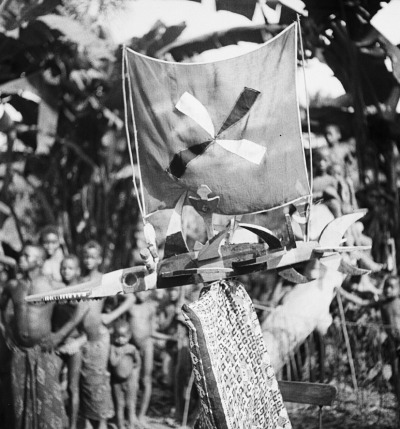
A kite-like contraption. Umuji (Rumuji), Ikwere. Circa 1930. https://25.media.tumblr.com/tumblr_mbwzj1Yz3J1qjh37to1_400.jpg |
| Culture › Re: Colonial Ali Igbo (Igbo Land) In Pictures (part 2) by odumchi(mod): 4:10pm On Nov 22, 2012 |
A palmwine tapper somewhere in Igbo land. Sometime before 1921. [img]http://4.bp..com/_jeBv7EEofYQ/TLpfQ9W4IOI/AAAAAAAAAGY/Wv1x1dwxRbY/s1600/Climbing-tree.jpg[/img] A rope composed of twisted creepers encircles the trunk and the body of the climber, and by a series of jerks it is raised a foot or more at a time, the weight of the man's body preventing it from slipping. The rapidity with which these climbers literally "walk" up a palm-tree is marvellous. The large knife is for the purpose of severing the bunches of nuts. -George Thomas Basden |
| Culture › Re: Colonial Ali Igbo (Igbo Land) In Pictures (part 2) by odumchi(mod): 4:06pm On Nov 22, 2012 |
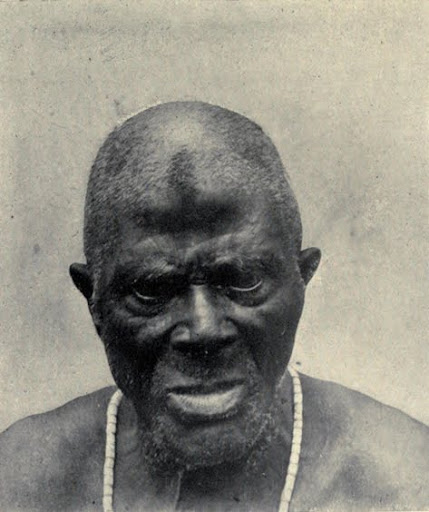
An elder of Igbuzor (Ibusa). Sometime before 1913. https://lh5.ggpht.com/_jeBv7EEofYQ/TLyWlL3cadI/AAAAAAAAAKo/rSPajCiMjZ0/Old%20man%20Igbuzor.jpg https://lh6.ggpht.com/_jeBv7EEofYQ/TLyWlBb5-XI/AAAAAAAAAKg/oi6Es4zL4XE/s512/Old%20man%20Igbuzor%20II.jpg |
| Culture › Re: Colonial Ali Igbo (Igbo Land) In Pictures (part 2) by odumchi(mod): 4:02pm On Nov 22, 2012 |
A young man of Ubulukwu (Ubuluku). Sometime before 1913. [img]http://3.bp..com/_jeBv7EEofYQ/TMBsba0Xw4I/AAAAAAAAALI/BJXyVNUmg1Y/s1600/Young+man+of+ubuluku+II.jpg[/img] [img]http://3.bp..com/_jeBv7EEofYQ/TMBsSa5PHLI/AAAAAAAAALA/19-fj6F_GIg/s1600/Young+man+of+ubuluku.jpg[/img] |
| Culture › Re: Colonial Ali Igbo (Igbo Land) In Pictures (part 2) by odumchi(mod): 3:48pm On Nov 22, 2012 |
An Aro bridge with her mother and child in an Aro settlement somewhere near Ikot Ekpene, Annang. Feb 24, 1905. https://24.media.tumblr.com/tumblr_m9r3ryYLJl1qjh37to1_500.jpg 1 Like |
| Culture › Re: Colonial Ali Igbo (Igbo Land) In Pictures (part 2) by odumchi(mod): 3:42pm On Nov 22, 2012 |
Two young boys posing with their day's hunt. Ahaba (Asaba). Circa 1906. [img]http://1.bp..com/_jeBv7EEofYQ/TLt6TW-CQCI/AAAAAAAAAJw/vCs_cxrOE3o/s1600/dead+cimpanzee.jpg[/img] |
| Culture › Re: Colonial Ali Igbo (Igbo Land) In Pictures (part 2) by odumchi(mod): 3:29pm On Nov 22, 2012 |
A group of men somewhere near Ahaba (Asaba), Aniocha. Circa 1906. [img]http://1.bp..com/-Gfp5RpJnGDY/T8ViXYIknxI/AAAAAAAAA9E/pWEmpIVUQ-Y/s400/Asaba%2Bmen.jpg[/img] |
| Culture › Colonial Ali Igbo (Igbo Land) In Pictures (part 2) by odumchi(mod): 3:29pm On Nov 22, 2012*. Modified: 3:53pm On Nov 22, 2012 |
I think it's time for this thread to be continued. Inyi niile bia noiri anyi; ma ndi Igbo ma ndi nsu. Everyone is welcomed here; both Igbo and foreigners.  |
| Culture › Re: ***nigerian Culture To Answer A Question With Another Question?*** by odumchi(mod): 2:51am On Nov 22, 2012 |
I thinks it's because of the generally cautious and over scrupulous nature of Nigerians. Here are some more examples: Q - Where your house? A - Abi dem send you? Q - How much money you get for pocket? A - How it take concern you? Q - Whose car be dat? A - Abi na your papa own? 2 Likes |
| Culture › Re: Laws Of Igboland (Iwu Obodo) by odumchi(mod): 6:48pm On Nov 21, 2012 |
Na Arochukwu, izu avia Nkwo wu izu ezumezu ike; ebe niile kwesiri idi jii. Anaa emeje oke nmenme na izu ohu maka onyenye na agagba avia. Aga a o di aga a, nwoke chupu nnye ya na izu Nkwo, o pusara na olulu wo enwee isi. Ihe a wu iwu Aro. M risa odo m edee kwa. In Arochukwu, Nkwo market day is a day of rest and all of the atmosphere is supposed to be calm and quiet. There are also no major events held on Nkwo day since everyone is supposed to be at the market. Because of this, if a man throws his wife out of his house on Nkwo day, it signifies that their marriage has utterly failed. If I remember more I'll share them. |
| Culture › Re: Igbo learning thread + Translator by odumchi(mod): 12:07pm On Nov 21, 2012 |
Valon4ego: What is the meaning of 'osadebe' cos i have noticed that many bini names start with 'osa' e.g 'osadolor' does it mean that osadebe is a bini name?'Osadebe' means "God keep [me]". Osa means 'God' in parts of Anambra and Delta. Debe means 'keep'. |
| Culture › Re: Igbo learning thread + Translator by odumchi(mod): 2:34am On Nov 19, 2012*. Modified: 3:29am On Nov 19, 2012 |
I thought this might be useful: here's a list of some basic structural words in Central Igbo. And - yá nà But - kámà (some say mánà) Rather - kámà Or - ma ọ bụ Because - maka (some say níhì) If - ọ bụrụ As a result of - ya mee What about - kwan Here's an example of kwan meaning also: "di gi kwan" means: "what about your husband?" Kwa is one of the strange words that fluctuates greatly in meaning. It can be used to express an idea in the form I a question and can also mean "even", "again" and "also". Example of kwa meaning again: Mechie kwá yá ọzọ - Close it again. Example of kwa meaning also : Nke ahụ kwa - That one also? Example of kwa meaning even: I hụ kwara ihe ahụ? - Did you even see that thing? 3 Likes |
| Politics › Re: Eze Ndi Igbo Nairaland – Electoral Reforms And Other Matters by odumchi: 2:28am On Nov 19, 2012 |
No worries. My hands have been very busy lately, but nevertheless, I've been following this thread. I'll reply to all messages, both online and offline, subsequently. |
| Culture › Re: Are 70% of African-Americans of Nigerian Origin? by odumchi(mod): 3:24pm On Nov 18, 2012 |
Mrs.Chima:So you're saying that ignorance should be the status quo, since it's always been that way? |
| Culture › Re: The Road To Nairaland's First Ever Cultural Debate by odumchi(mod): 5:01am On Nov 18, 2012 |
Afam, the debate will only be held if there are enough participants. I would like to have it but I can't do anything if people are not active. As for the topics, we still hacve more room for suggestions. |
| Culture › Re: My Art Works by odumchi(mod): 4:16am On Nov 18, 2012 |
I enjoyed the pictures very much! Expect to see them on the front page very soon. Props. 2 Likes |
| Culture › Re: The Mystery Of The Idemili Culture!!! by odumchi(mod): 4:09am On Nov 18, 2012 |
Odenigbo Aroli: Here goes my encounter with the "eke Idenmili"; On a very warm night just after eating supper with my family,I went to lay down briefly before the night long boring rosary. In our room my bed and my elder sisters bed was arranged in an "L" postion so the feet side of the bed were touching. I was 16yrs old and my sister 2yrs older was laying on her bed and we were discussing how mean our mother was and all of a sudden my feet touched something I believed was my sisters feet but they were very cold. Out of curiousity,I asked my sister why her feet were feeling so cold and she says if I were sure it was her feet that I felt because her legs were folded and she doubts they could reach the feet of the bed. I disagreed with her and rose to reach for them because it was dark and there were no electricity. I touched a thing I instantly realized was not my sisters feet and felt like the object moved so I went out to got some light. On returning back to the spot and shed some light I immiediatelly saw a big pile of python crawling down my bed. I screamed so hard and our neighbors all came out. I broke the lantern and tear race! To be continued...  How can a full-grown Idemili guy like you fear pythons? |
| Culture › Re: Igbo learning thread + Translator by odumchi(mod): 11:57pm On Nov 17, 2012 |
some-girl:Nwaanyi Owere, ndaa? Does all of Owere/Urata replace the 's' sound with the 'sh' sound? some-girl:The standardized way to say 'small' in Igbo is obere while the standardized way to say large is nnukwu. Although ntakiri also means small, it isn't the standard version. |
| Politics › Re: Shouldn't Every Nigerian Be Entitled To A Monthly Allowance? by odumchi: 11:53pm On Nov 17, 2012 |
amobii: That is absolutely wrong, if you go to UK, if you are resident as soon as you born a child you get child benefit, other support they get from government are income support allowance, if your income cannot take care of your family, there is threshold for the income before you qualify. So if the government fail to empower people, i think the next option is to empower them by giving some of the money they are looting.What you're talking about and what I'm talking about are different. The UK's social welfare plan is designed to accommodate those of low income who are unable to take care of their families because of one financial issue or another. When someone gives birth, they receive a check which is meant to take care of the expenses of the new baby (diapers, formula, etc). The US's social welfare plan is also similar to the of the UK, but instead of giving away checks, it gives food stamps which can only be used to redeem food items (this is to make sure that the money is used for what it was intended for). In the case of Nigeria (or in any country, for that matter), handing out Naira notes just for breathing is unacceptable because it breeds the "why should I work when the government is paying me for being alive" mentality. Instead of wasting money this way, the government should subsidize things like education and healthcare so that things would be cheaper and more accessible. |
| Culture › Re: Caribbean Indigenes Speak Igbo & Yoruba Languages by odumchi(mod): 11:28pm On Nov 17, 2012 |
Abagworo: I think this concludes the thread. Yorubas are very likely to retain their culture and language because they are deep rooted. The Igbo, Kongo and other groups on the other hand are quite adaptative as they adjust to any means to move on including change of name and language.I don't believe that people would naturally give up their identities easily, therefore I don't agree with the bolded. Slaves fought to keep their identities and resisted their masters' attempts to strip them of the only thing that they had brought along them from their motherlands (their cultures). That is why their masters often had them forecefully change their names because once you strip someone of his/her identity, then they're easier to control. This reminds me of the scene in the movie "Roots" in which a plantation owner whipped his slave because he asked him "what's you're name" and he kept on answering "Kunta Kinte" instead of "Toby". To cut the story short, after several strokes, the slave finally answered "my name is Toby". |
| Politics › Re: Shouldn't Every Nigerian Be Entitled To A Monthly Allowance? by odumchi: 3:43am On Nov 17, 2012 |
I think the purpose of any government is to empower the governed so that they can help themselves. Dashing out money defeats this purpose, and most of the time, breeds laziness and crime. Rather, the money should be implemented as a subsidy where and when it's needed. Anyway, thread moved to politics. 4 Likes |
| Culture › Re: Are 70% of African-Americans of Nigerian Origin? by odumchi(mod): 2:54am On Nov 17, 2012 |
Mrs.Chima:I still have no idea about what your alluding to, in reference to my ancestors. It would save us some time if you could be clear and specific. Since ignorance is abound, should we all passively accept it? |






1 2 3 4 5 6 7 8 ... 41 42 43 44 45 46 47 48 49 (of 162 pages)