Scholes0's Posts
Nairaland Forum › Scholes0's Profile › Scholes0's Posts
1 2 3 4 5 6 7 8 ... 126 127 128 129 130 131 132 133 134 (of 170 pages)
 Celebrities › Re: Mr. Ibu Dressed As A Female Student (Photo) by scholes0(m): 7:04pm On Aug 13, 2015 |
Hhahahahaaaaaahahaha This man's ugliness no get part 2... |
| Celebrities › Re: Mr. Ibu Dressed As A Female Student (Photo) by scholes0(m): 7:03pm On Aug 13, 2015 |
Hhahahahaaaaaa |
| Politics › Re: We Reversed Admission Policy Because The North Is Backward – Jamb by scholes0(m): 6:40pm On Aug 13, 2015 |
Booked |
| Politics › Re: Nigerian States And What They Produce by scholes0(op): 4:32pm On Aug 13, 2015 |
OdenigboAroli:I only respond to provocations. |
| Politics › Re: Nigerian States And What They Produce by scholes0(op): 8:26am On Aug 13, 2015 |
CHESSBOARD:Next....... 4 Likes |
| Politics › Re: Nigerian States And What They Produce by scholes0(op): 8:23am On Aug 13, 2015 |
^^ that is because it is wtitten exactly how the facts are presered in the source. |
| Politics › Re: Nigerian States And What They Produce by scholes0(op): 8:11am On Aug 13, 2015*. Modified: 9:09am On Aug 13, 2015 |
Tribalism has clogged some people's minds - and has denied them the opportunity to reason factually. Most of the things on page 1 are not new facts. they are already well known. Infact, sone are common sense. The areas that produce and engage in: Cocoa production, Coal production, Cattle, Pepper, Tomatoes, Cotton, Groundnut, Oil Palm, bitumen, Iron ore Etc.... 4 Likes |
| Politics › Re: Nigerian States And What They Produce by scholes0(op): 6:51am On Aug 13, 2015 |
Alphaoscar:They can wail all they want. 3 Likes |
| Politics › Re: Nigerian States And What They Produce by scholes0(op): 5:55am On Aug 13, 2015 |
PhysicsQED:Trust me, I would have loved to make such a list, I have even tried looking for recent comprehensive data, but it is very tedious, and not much information is out there. |
| Politics › Re: Nigerian States And What They Produce by scholes0(op): 3:47am On Aug 13, 2015 |
DocAdray:Did the OP say the Coal producing states were arranged in order of production? Some of you people sef 1 Like |
| Politics › Re: Nigerian States And What They Produce by scholes0(op): 12:58am On Aug 13, 2015 |
fegflu:Read this: Lagos state will join the list of oil producing states this October. https://www.naij.com/500284-goodnews-lagos-begin-production-oil.html http://www.cp-africa.com/2015/06/11/oil-production-to-begin-in-lagos-this-october/ Like Someone said Earlier, I suspect the entire Southern coast of Nigeria is awash with oil, from Lagos to Akwa Ibom Or do you honestly think Ghana has oil in it's waters and SW Nigeria does not? 1 Like |
| Politics › Re: Nigerian States And What They Produce by scholes0(op): 12:14am On Aug 13, 2015 |
One state I am personally impressed with is Benue state.... like woow They really deserve that name, "The bread basket of the nation" . The state consistently features on the top producing states of most of the agricultural commodities in Nigeria. Kudos to the people of Benue. 3 Likes |
| Politics › Re: Nigerian States And What They Produce by scholes0(op): 11:58pm On Aug 12, 2015 |
Udmaster:Ebonyi is 4th in the Federation.  4 Likes |
| Politics › Re: Nigerian States And What They Produce by scholes0(op): 8:51pm On Aug 12, 2015*. Modified: 5:52am On Aug 13, 2015 |
[size=14pt]Iron Ore Production, Nigeria[/size] Due to the influence of its vast oil resources. The domestic mining industry is underdeveloped, leading to Nigeria having to import minerals that it could produce domestically, such as salt or iron ore. The Agbaja mine is a large iron mine located in central Nigeria in the Kogi West district. Agbaja represents one of the largest iron ore reserves in Nigeria and in the world having estimated reserves of 1.5 to 2 Billion tonnes of ore grading 48%-53% iron (Fe) metal. https://en.wikipedia.org/wiki/Agbaja_mine . Other significant reserves in Nigeria include:Koto Karfe (Kogi state): 850 Million Tons. Itakpe (Kogi state) 310 Million Tons. Kogi is Nigeria's dominant Iron ore player. Other States where iron ore occurrences have been discovered include Nasarawa, Sokoto, Kaduna, Oyo, Osun, Bauchi, Borno and Benue. There are over 5 billion metric tonnes of iron ore deposits in the countryhttp://synterra.co/index.php?option=com_content&view=article&id=72%3Airon-ore-deposits-nigeria&catid=49%3Airon&Itemid=77&lang=en http://www.australianmines.com.au/sites/4e12ba9050ee853e770086de/contents/content_instance/5044320150ee851ef6000da3/files/nigeria__minister_of_mines_presentaion_at_africa_down_under_.pdf https://www.livemint.com/rf/Image-621x414/LiveMint/Period1/2012/09/04/Photos/Iron%20ore%20Bellary--621x414.jpg [size=14pt]Cotton Production, Nigeria[/size] Cotton as a major cash crop, is of considerable social and economic importance to Nigeria.Cotton/textile activities are widespread in the country. Cotton production in Nigeria dates back to 1903 with the British Cotton Growers Association taking the lead until 1974. The traditional cotton growing areas are concentrated in Northern and South Western Nigeria, In the Savannah belts of the country: Kaduna, Ondo, Kano, Katsina ,Oyo, Kwara, Ogun Zamfara, Jigawa, Sokoto, Kebbihttp://agronigeria.com.ng/2013/05/21/nigeria-ogun-set-to-be-highest-producer-of-cotton-in-africa/ http://www.thetidenewsonline.com/2012/09/05/reviving-cotton-production-in-nigeria/ https://s-media-cache-ak0.pinimg.com/736x/db/ef/a6/dbefa67a0b43d9756a4eb7e547dc5a10.jpg [size=14pt]Seafood Production, Nigeria[/size] Seafood includes Mainly Fish (which is the sea dwelling specie harvested annually), but also, shrimps, periwinkles, clams, oysters, Crayfish Etc. Of the 36 states in the country (Nigeria), 9 (Lagos, Ogun, Ondo, Edo, Bayelsa, Rivers Akwa Ibom and Cross River) are located in the coastal zone.http://www.academia.edu/4429514/Effects_of_Flooding_and_Erosion_on_Fisheries_Resources_in_Niger_Delta_Nigeria ftp://ftp.fao.org/fi/document/fcp/en/FI_CP_NG.pdf https://farm6.staticflickr.com/5792/19900566434_9f1e3dc0be_c.jpg https://farm6.staticflickr.com/5812/20514347412_b37069c369_c.jpg [size=14pt]Rice Production, Nigeria[/size] Nigeria is by far West Africa's largest rice producer. The rice producing areas can be subdivided into the Rain fed upland (30%), The Rain fed lowlands AKA "Fadama (47%), Irrigated (17%), and Deep water floating production (5%). The main areas of rice cultivation in the country include the middle belt and Northern states of Benue, Borno, Kaduna, Kano, Niger and Taraba, as well as the South Eastern states of Enugu, Cross River and Ebonyi. Kaduna is the main producing state, followed by Niger, Benue, Ebonyi, Taraba, Kano and Borno The latter seven states account for over 67 percent of total rice production in the country.http://www.fao.org/3/a-at581e.pdf https://farm6.staticflickr.com/5627/20335823638_af477d779c_b.jpg [size=14pt]Citrus Production, Nigeria[/size] In Nigeria, about 3.4 Million metric tonnes of citrus fruits are produced annually (2013) from an estimated hectarage of 3 million hectares of land (FAO, 2008). The country is the 9th major citrus fruit producing country globally, just after italy. And the largest growing region in Africa, followed by Egypt, Morocco and South Africa.http://www.eduresourceworld.com/2013/08/fruits-are-natural-staple-food-of-man.html https://farm6.staticflickr.com/5674/20341639078_b6b5d7430f_z.jpg [size=14pt]Tin (cassiterite) and Columbite Production, Nigeria[/size] Nigeria is blessed with Huge Tin Ore reserves. Nigeria’s Jos Plateau, was once the hub of a mining industry which fed European demand for tin through much of the 20th century. Tin mining in Plateau began in October 1904 when the British colonial government sent a mineral-survey team to assess the mineral deposits within the region. Tin deposits were discovered in the Jos-Plateau area and foreign companies were allowed by the colonial regime to operate in the territory and mine the resources, using mechanised equipment which helped to curb the risks and prevent the death of the mine workers. Today, Nigeria is the second largest tin producing country in Africa, just above Russia globally , Although it has the reserves to sustain a much larger production with more investment. Nigeria's reserves are located in Plateau, Kano, Ondo, Nassarawa, Kwara, Bauchi, and Osun stateshttps://farm6.staticflickr.com/5784/20516835932_0e20a76c9e_o.jpg https://en.wikipedia.org/wiki/List_of_countries_by_tin_production www.scirp.org/journal/PaperDownload.aspx?paperID=5259 [img]http://images.bwbx.io/cms/2012-08-23/feature_tin35__01__630x420.jpg[/img] [size=14pt]Sugar and Sugarcane Production, Nigeria[/size] Sugar cane production is mainly located in the North Western region of the country with Kano State accounting for 30% of the national production (NBS) (2009). The border states of Kano, namely[b] Jigawa, Kaduna and Kastina[/b], represent respectively 8%, 13% and 13% of the domestic production. Two other regions remain important in terms of production: (Kebbi and Sokoto) as well as the North East (Taraba and Adamawa).https://farm6.staticflickr.com/5774/20337511429_98bd29dcdb_b.jpg [size=14pt]Banana and Plantain Production, Nigeria[/size] Nigeria is one of the largest banana and Plantain (Mussa .spp) growing countries in Africa. Nigeria produces 2.74 million tonnes of banana annually, according to the Food and Agriculture Organisation (FAO). It is also the largest plantain producing country in West Africa., making the crop one of the important staples in the country.The main Banana and Plantain growing regions in Nigeria are found in the South and Central regions of Nigeria, the largest quantities are produced in Edo, Ondo, Delta, and Ogun States. Other producing states are Rivers, Cross River, Oyo, Akwa Ibom, Ebonyi, Ekiti, Imo, Plateau, Osun, Bayelsa, Kogi, Abia, Anambra and Enugu. Plantain cultivation is not limited to big plantation but is often grown in small orchards which sometimes go unnoticedhttp://projectsxtra.com/mobile/Projects/147.html http://www.foramfera.com/index.php/news-and-press-release/item/609-plantain-cultivation-in-nigeria-the-investment-opportunity https://24tanzania.com/wp-content/uploads/2013/05/3b99banana.jpg 30 Likes 11 Shares |
| Politics › Nigerian States And What They Produce by scholes0(op): 8:50pm On Aug 12, 2015*. Modified: 9:47pm On Aug 12, 2015 |
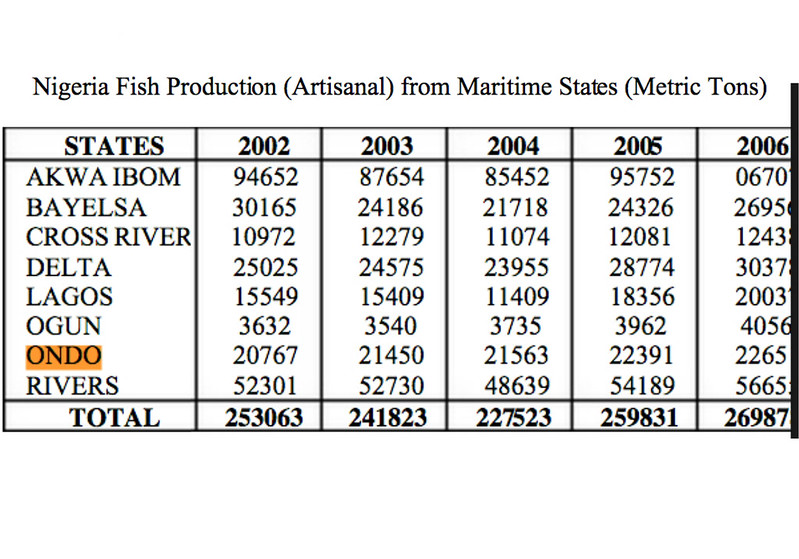
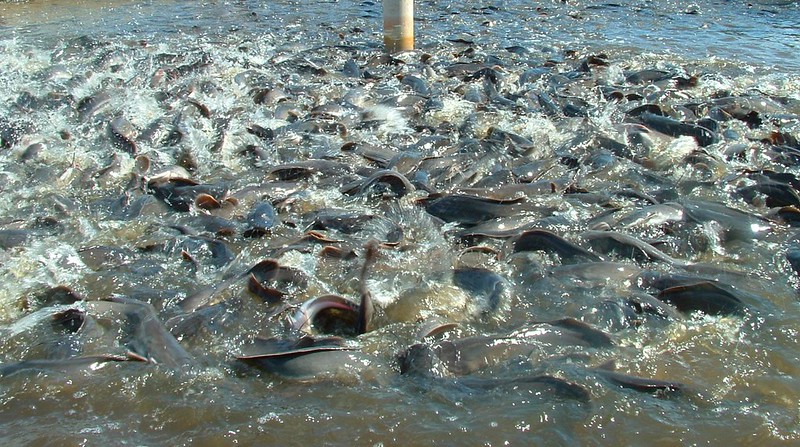
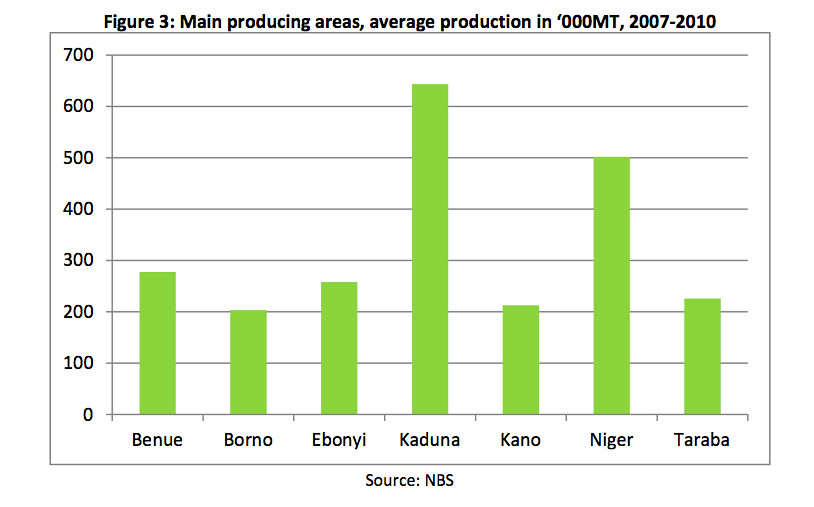
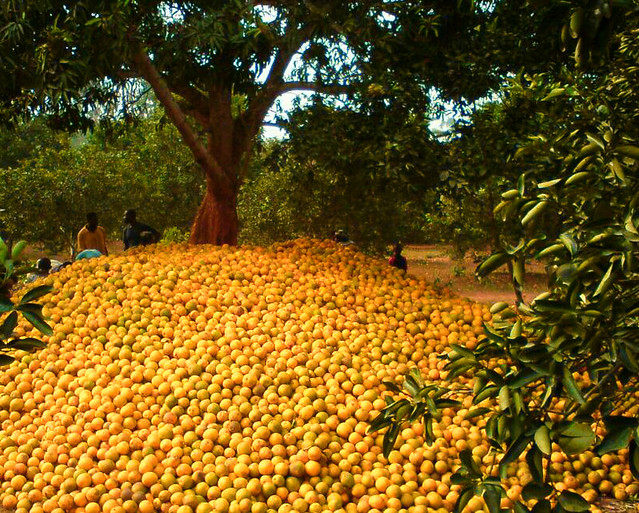
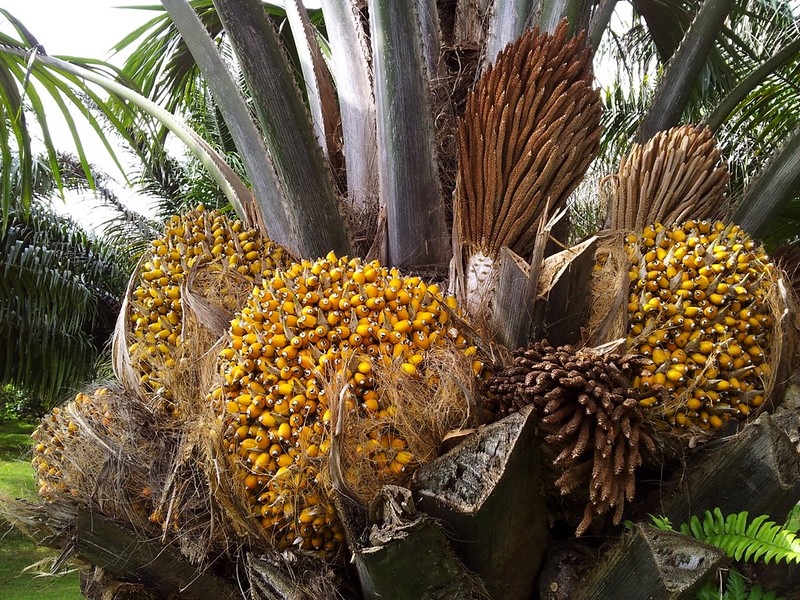
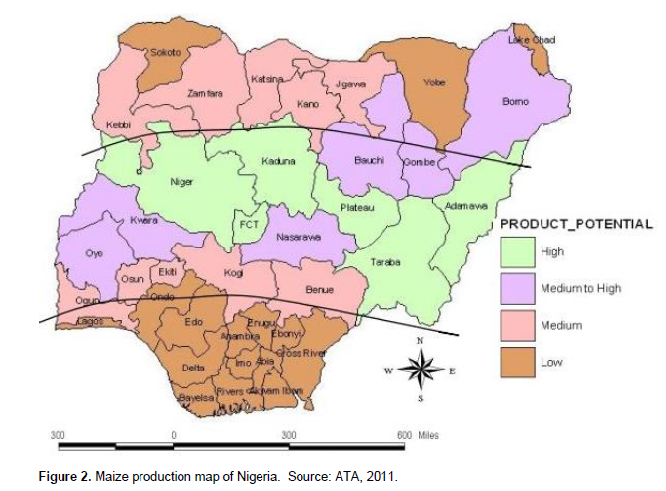
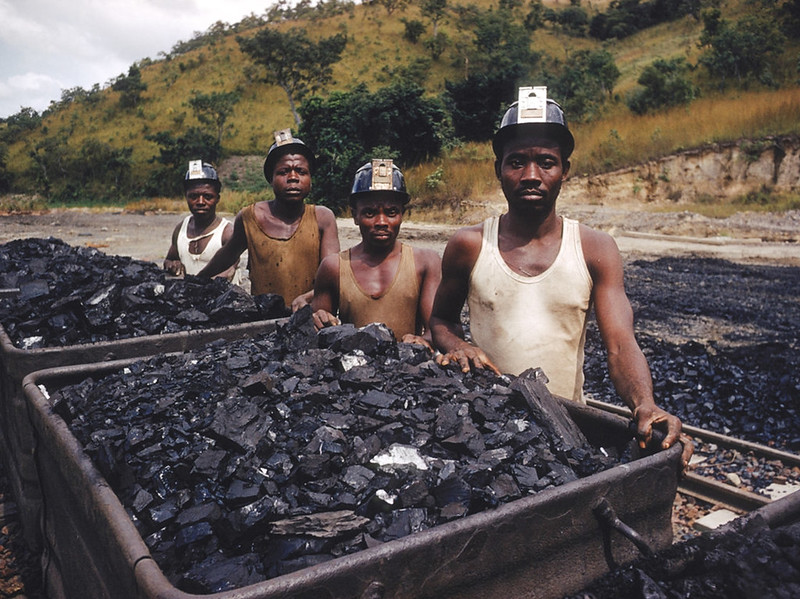
[size=14pt]Groundnut production, Nigeria[/size] In Nigeria, the leading producing states include: Niger, Kano, Jigawa, Zamfara,Kebbi, Sokoto, Katsina, Kaduna, Adamawa, Yobe, Borno, Taraba, Plateau, Nasarawa, Bauchi, and Gombe States (NAERL, 2011)http://www.foodandagriculturejournal.com/41.pdf https://pbs.twimg.com/media/B9o2yU0IMAAjDmO.jpg [size=14pt]Oil Palm production, Nigeria[/size] Oil palm in Nigeria grown in the coastal belt, which varies in depth from 100 to 150 miles, and a riverine belt which follows the valley of the Niger and Benue for a distance of 450 Miles from the sea. The main oil palm producing states are: Cross River, Akwa Ibom, Ekiti, Delta, Bayelsa, Ogun, Rivers, Anambra, Ondo, Enugu, Imo, Oyo, Abia, Edo, Ogun, with Cross River, Delta, Ondo and Edo being the highest exporters in commercial quantityhttps://farm6.staticflickr.com/5769/20334843889_1fe5849781_c.jpg [size=14pt]Cocoa production, Nigeria[/size] Although cocoa is mostly grown in fourteen of the Thirty-six Nigerian States, the main producing states (aside from Cross River, in the South East) are located in the South West of the country, which is the highest Cocoa producing region (80%), with most production areas located in: Ekiti, Ogun, Ondo, Osun and Edohttp://www.fao.org/3/a-at586e.pdf https://i.imgur.com/muvhb55.jpg [size=14pt]Bitumen / Oil Sand reserves, Nigeria[/size] Bitumen was first discovered in 1900, with focused exploration beginning in 1905. Bitumen deposits are found in Lagos State, Ogun State, Ondo State, and Edo State. Conoco has performed a technical and economic evaluation of these deposits, and believes there to be over Twenty-Seven Billion barrels of oil in these tar sands and bitumen seepages[size=14pt]Cattle Hide and Beef[/size] Most of Nigeria's cattle and cattle related products is sourced from the Northern portions of the country, in states like: Adamawa, Bauchi, Gombe, Niger, Kaduna, Zamfara, Borno, Taraba, Jigawa, Kebbi and also Oyo Kwara, Nassarawa to lesser extentshttps://www.fao.org/docrep/v8180t/v8180T0x.jpg [size=14pt]Wheat production, Nigeria[/size] Nigeria’s domestic wheat production is small at 70,000 tons in MY 2013/2014. Nigeria’s northern states of Bornu, Yobe, Jigawa, Kano, Zamfara, Katsina, Adamawa, Sokoto and Kebbi, are major wheat growing areas, where it is known by the local name "Alikama"http://gain.fas.usda.gov/Recent%20GAIN%20Publications/Grain%20and%20Feed%20Annual_Lagos_Nigeria_3-13-2014.pdf [size=14pt]Sorghum production, Nigeria[/size] Production is forecast up by about 10 percent to 6.5 million tons in 2013/2014 as compared with 5.9 million tons in the season of 2012/2013. Nigeria is the largest sorghum producer in Africa, accounting for about 71 percent of the total regional sorghum output, 30-40 percent of total African production, and is the second largest world producer after the United States. Main producing states are: Zamfara, Niger, Plateau, Katsina, Kaduna, Benue, Kano, Bauchi, Bornohttp://gain.fas.usda.gov/Recent%20GAIN%20Publications/Grain%20and%20Feed%20Annual_Lagos_Nigeria_3-13-2014.pdf https://i.imgur.com/SMWfJXY.jpg [size=14pt]Tomato production, Nigeria[/size] Nigeria ranked 16th on the global tomato production scale, accounts for 10.79 per cent of Africa’s and 1.2 per cent of total world production of tomatoes. While tomatoes are cultivated in most states in the country, Jigawa, Katsina, Zamfara, Sokoto, Kaduna, Bauchi, Gombe, Taraba, Kano lead the pack in the commercial cultivation of the crop.http://kalusam./2013/09/11/the-great-tomato-waste-in-nigeria/ [size=14pt]Cement production, Nigeria[/size] Nigeria is the largest cement producer in Africa, and Ogun state has the largest concentration of limestone deposits in Nigeria especially in and around Ewekoro and Ibeshe, more than 50% the metric tonnes of cement produced locally in Nigeria, comes from Ogun . Today, Ogun state is the new Cement Capital of Africa, producing the same amount of Cement as South Africa, the continent's second largest economy. Other important producing states are: Kogi state around Obajana, Edo state around Akoko Edo - Okpella, Cross river state around Mfamosing, and to a lesser extent Nkalagu in Enugu state and Ashaka in Gombe statehttps://www.nairaland.com/2322312/ogun-state-nigerias-emerging-industrial www.nairaland.com/attachments/2424636_screenshot20150518at5_jpegbf8e1ee3608774f52838bd03cc3bcee3 [size=14pt]Timber and Wood products production, Nigeria[/size] The major wood processing industries in Nigeria are typically large capacity facilities industry such as large sawmills, plywood mill, pulp and paper plants and quite large numbers of small scale wood products manufacturing companies such as furniture industries, cabinet makers and carpentry. Round-wood in Nigeria comes mostly from the natural high forest zone of the country, in particular from the Southern States of Nigeria, but most especially in Ondo, Cross River, Ogun, Edo, Delta Ekiti, Osun and Oyo States of Nigeria which are the largest producers. The most important wood products, produced, consumed and traded in Nigeria are sawn-wood, plywood, particle board, news-print, printing and writing paper and other paper boards[size=14pt]Pepper production, Nigeria[/size] The greater part of pepper production in Nigeria is undertaken in the northern areas of the country, in Kaduna, Kano, Jigawa, Katsina, Sokoto, Plateau and Bauchi states. The natural features of these regions, especially the presence of flood-prone plains and river basins and above all the development of vast irrigated lands, create conditions that greatly favour the development of this crophttp://www.dnetrw.com/wp-content/uploads/fulltext/fulltext-2014103064845.pdf [size=14pt]Gold reserves, Nigeria[/size] Primary belt stretches from Osun-Ondo States in the southwest to Niger, Kaduna, Zamfara, Kebbi States in the northwest. Already Ratel has a provengold reserve of over 620,000 ounces just in their Iperindo property in Osun state in addition to other exploration activities being carried out across the countryhttp://www.australianmines.com.au/sites/4e12ba9050ee853e770086de/contents/content_instance/5044320150ee851ef6000da3/files/nigeria__minister_of_mines_presentaion_at_africa_down_under_.pdf https://i.imgur.com/kJHe4Zx.jpg [size=14pt]Rubber production, Nigeria[/size] The Bulk of Nigeria's Rubber production come from the Southern states of Delta, Edo, Ondo, Ogun, Cross Riverhttps://i.imgur.com/l1eSJ8f.jpg [size=14pt]Soybean Production, Nigeria[/size] Soybean was first introduced to Ibadan, Oyo State, Nigeria in 1908. Today, Nigeria is the largest producer of the crop for human and livestock feeds in West and Central Africa. At present, the major soybean producing states in the country are Benue, Kaduna, Taraba, Plateau and Niger in the central regions. Other growing areas include, Nasarawa, Kebbi, Kwara, Oyo, Jigawa, Borno, Bauchi, Lagos, Sokoto, Zamfara and FCT. The yield of soybean of 1,700 kg per hectare on research plots in Nigeriahttp://www.propcommaikarfi.org/wp-content/uploads/2013/08/28-Mapping-of-soybean-production-areas-in-Nigeria-3-07.pdf https://i.imgur.com/Ycvi0nN.jpg [size=14pt]Maize/Corn production, Nigeria[/size] Maize/Corn is grown widely throughout the country. The Central states of Nigeria such as Niger, Kaduna, Taraba, Plateau, Adamawahttps://www.academicjournals.org/files/images/AJPS/OLANIYAN%20Figure%202.png [size=14pt]Beans/Cowpea/Pulses production, Nigeria[/size] Cowpea is grown in Nigeria at varying degrees, but the crop seems to do best in the drier climates of the northern regions. Nigeria is the largest cowpea/pulses producer in All Africa, and the 4th largest producer in the World after India, Canada and Burma. The major growing/production areas in Nigeria are: Borno, Zamfara, Sokoto, Kano, Gombe and Yobehttps://farm6.staticflickr.com/5665/20510922472_12472f19b2_z.jpg [size=14pt]Cashew/ Cashew nut production, Nigeria[/size] Since 2008, Nigeria has become the largest producer of cashew nuts in the world. Nigeria was last the largest producer of cashew in 2010. Cashew nut production trends have varied over the decades. While Nigeria is the world’s 6th largest producer of cashew fruits, with annual production volume of about 120,000 tonnes. The Cashew Industry also provides about 600,000 jobs and a total annual trade worth N24billion, thus making the sector a major contributor to Nigeria’s non-oil GDP .It is widely grown in the southern states of Nigeria. Especially: Enugu, Oyo, Anambra, Kogi, Osun, Abia, Ondo, Benue, Cross River, Imo, Ekiti, Ebonyi, Kwarahttp://www.academicjournals.org/article/article1426244215_Adeigbe%20et%20al.pdf https://i.imgur.com/vo5eATC.jpg [size=14pt]Cassava production, Nigeria[/size] Cassava (Manihot esculenta) production is vital to the economy of Nigeria as the country is the world's largest producer of the commodity. The crop is produced in 24 of the country's 36 states. In 1999, Nigeria produced 33 million tonnes, while a decade later, it produced approximately 45 million tonnes, which is almost 19% of production in the world. The average yield per hectare is 10.6 tonnes.- And it is a staple in many parts of the country. In Nigeria, cassava production is well-developed as an organized agricultural crop. It has well-established multiplication and processing techniques for food products and cattle feed. Main producing states are Imo, Ondo, Anambra, Kogi, Taraba, Cross River, Enugu, Ogun, Benue, Delta, Edohttps://en.wikipedia.org/wiki/Cassava_production_in_Nigeria https://i.imgur.com/ZW2GcGZ.jpg [size=14pt]Yam Production, Nigeria[/size] Nigeria is by far the world’s largest producer of yams, accounting for over 70–76 percent of the world production. According to the Food and Agricultural Organization report, in 1985, Nigeria produced 18.3 million tonnes of yam from 1.5 million hectares, representing 73.8 percent of total yam production in Africa. According to 2008 figures, yam production in Nigeria has nearly doubled since 1985, with Nigeria producing 35.017 million metric tonnes with value equivalent of US$5.654 billionThe major yam producing states in Nigeria are: Adamawa, Benue, Cross River, Delta, Edo, Ekiti, Imo, Kaduna, Kwara, Ogun, Ondo, Osun, Oyo, and Plateau. Benue state is however the largest producer.http://www.ajol.info/index.php/ejesm/article/viewFile/82843/72964 https://thesheet.ng/wp-content/uploads/2015/06/Market1.jpg [size=14pt]Solar Power, Nigeria[/size] With the increasing advancements in technologies aimed at harnessing the power of the Sun, and the increasing rate at which solar farms are springing up everywhere, including here in our own Nigeria, it is noteworthy to know which Nigerian states offer the best opportunities for solar power. Most of these states are in the Northern portions of the country, most especially: Yobe, Kano, Bauchi, Jigawa, Katsina, Sokoto among othershttps://geosun.co.za/wp-content/uploads/2012/08/SolarGIS-Solar-map-Nigeria-en.png [size=14pt]Coal Reserves, Nigeria[/size] In 1909, coal was discovered in Enugu, Nigeria. The Ogbete drift mine opened six years later. The Ogbete mine's operations and others in the country were merged into a new corporation in 1950: The Nigerian Coal Corporation. Nigeria's coal industry suffered a blow in the 1950s when oil was discovered. Up until this point, the Nigerian Railway Corporation was the largest consumer of coal in the country. However, after the discovery of oil, the Railway Corporation began to replace its coal burning trains with diesel-powered engines. [b]Nigeria still holds large coal reserves, estimated to be at least 2 billion metric tons. The discovery of bituminous coal suitable for use in coke production for the iron and steel industries opens up potential new domestic markets. With the loss of its largest domestic consumers, the NCC began exporting coal to Italy and the United Kingdom, as its low sulfur content is desirable one of the most bituminous in the world). The main Coal producing states in Nigeria are: Kogi, Enugu, Benue and Plateauhttps://farm6.staticflickr.com/5659/19899337084_3faf2d16a4_c.jpg Coal Mining in the Enugu district more to come ...... 31 Likes 12 Shares |
| Programming › Re: OAU Engineering Students Build 'HUMANE' A Software For The Visually-impaired by scholes0(m): 4:49pm On Aug 12, 2015 |
Kudos to these brilliant lads, for this wonderful innovation. |
| Politics › Re: WhAT RE THE CONTRIBUTIONS OF S.E REGION INTO FEDERATION ACCOUNT by scholes0(m): 2:12pm On Aug 12, 2015 |
tonychristopher:Dumb 1 Like |
| Politics › Re: WhAT RE THE CONTRIBUTIONS OF S.E REGION INTO FEDERATION ACCOUNT by scholes0(m): 1:44pm On Aug 12, 2015*. Modified: 8:50pm On Aug 12, 2015 |
tonychristopher:Grabbing the Nerve center of which Nigerian industry? Definitely not the one I know. Maybe you mean grabbing the nerve centre of illicit activities in Nigeria. 3 Likes |
| Culture › Re: Ethnic Groups And Physical Appearance by scholes0(m): 3:50am On Aug 12, 2015 |
MrsPhyno:  |
| Culture › Re: Ethnic Groups And Physical Appearance by scholes0(m): 2:30am On Aug 12, 2015 |
tpiander:Loool. I was only using her own words ohhh.... the way she described Igbos. |
| Culture › Re: Ethnic Groups And Physical Appearance by scholes0(m): 2:18am On Aug 12, 2015 |
To the OP, I would say while there can sometimes be distinct physical differences among some individuals belonging to various ethnic groups (i.e only on an individual basis), It can sometimes be hard to tell the difference between ethnic groups, especially when one wears an ethnic clothing associated with another. So I would say , except an individual looks extremely stereotypic of an ethnic group, it can be hard to tell. |
| Culture › Re: Ethnic Groups And Physical Appearance by scholes0(m): 2:14am On Aug 12, 2015*. Modified: 2:47am On Aug 12, 2015 |
MrsPhyno:lol, what a load of bullshit.... Until you explain to the world the difference between these fair skinned, hairy, strong and light eyed igbos: https://i.imgur.com/UWjKWo8.jpg https://farm1.staticflickr.com/444/20492804522_cb8dcf0dda_b.jpg https://i.imgur.com/duf7Cqz.jpg And these very dark, short, bootylicious Yoruba people: https://farm1.staticflickr.com/464/19880562173_06017f068b_c.jpg https://farm1.staticflickr.com/335/19880700373_8d1ba0e770_c.jpg https://farm1.staticflickr.com/535/20492651352_c91b87049f_c.jpg Then you are only demonstrating your stewpidity to the world. 5 Likes |
| Politics › Re: Check Out These Achievements And U Will Be Proud To Be Yoruba... by scholes0(m): 12:47am On Aug 12, 2015 |
OkutaNla:REVEALING!! 1 Like |
| Career › Re: Top 14 Nigerian Innovators To Watch Out For. by scholes0(op): 10:00pm On Aug 11, 2015 |
prelinctus:Because they could become household names in a few coming years. 3 Likes |
| Celebrities › Re: Top 10 Sexiest Women Of Nigerian Soap Opera by scholes0(m): 9:32pm On Aug 11, 2015 |
Pretty damsels, except that one that looks too old. 1 Like |
| Politics › Re: Biafra Did Not Surrender – Achuzia by scholes0(m): 7:14pm On Aug 11, 2015*. Modified: 7:29pm On Aug 11, 2015 |
pazienza:The Southern Cameroons was never administered as a part of Eastern Nigeria. It was administered separately under the Federal government of Nigeria. What you said above is completely false. in October 1954, the federation of Nigeria was organized, comprising the Northern region, Western region, Eastern region, Federal Capital Territory Lagos, and the Southern Cameroons They voted in a plebiscite as a UN Trusteeship territory that had formerly belonged to Germany, to out of the Nigerian union, and join the territory of French Cameroon. So, I don't exactly understand why you are trying to do, by equating the independence of Southern Cameroons/Bamenda with the excision of the Mid-West from the Western region. 2 Likes |
| Politics › Re: WhAT RE THE CONTRIBUTIONS OF S.E REGION INTO FEDERATION ACCOUNT by scholes0(m): 3:31am On Aug 11, 2015 |
Alas..... we can conclude that the South East region as a whole does not contribute as much as it receives from the FG. A net negative. At least they are not as bad as the North.... something to be proud of, if you ask me. 4 Likes |
| Politics › Re: WhAT RE THE CONTRIBUTIONS OF S.E REGION INTO FEDERATION ACCOUNT by scholes0(m): 3:26am On Aug 11, 2015 |
nwanlecha:Abeg sharrap.... before I descend on your biafraudulent ass there. |
| Politics › Re: WhAT RE THE CONTRIBUTIONS OF S.E REGION INTO FEDERATION ACCOUNT by scholes0(m): 3:24am On Aug 11, 2015 |
Aareonakakanfo:Ahh stop!, it is too late in the night for all these mouth watering delicacies 2 Likes |
| Politics › Re: WhAT RE THE CONTRIBUTIONS OF S.E REGION INTO FEDERATION ACCOUNT by scholes0(m): 3:13am On Aug 11, 2015 |
nwanlecha:like this abi? 5 Likes 1 Share
|










1 2 3 4 5 6 7 8 ... 126 127 128 129 130 131 132 133 134 (of 170 pages)