Cousin9999's Posts
Nairaland Forum › Cousin9999's Profile › Cousin9999's Posts
1 2 3 4 5 6 7 8 ... 161 162 163 164 165 166 167 168 169 (of 283 pages)
 Travel › Re: "A South African In Nigeria – What It’s Really Like" by Cousin9999: 11:37am On Apr 29, 2021 Travel › Re: "A South African In Nigeria – What It’s Really Like" by Cousin9999: 11:37am On Apr 29, 2021 |
JaceBlaze:This is easily one of the dūmbest things I've ever read in my life. |
| Crime › Re: EFCC Arrests 34 Yahoo Boys In Owo, Ondo State (Photos) by Cousin9999: 8:16am On Apr 29, 2021 |
I wish these guys would apply that skill in something legal. There's no way they don't have the talent to start a successful business or do legit remote work. I feel like someone should mentor these guys. These guys would probably be great at marketing. It's a waste of talent. They could be living better. |
| Travel › Re: Practicing Medicine In Canada Or USA Which Is Easier And Better?? by Cousin9999: 8:08am On Apr 29, 2021 |
Canada has lower average salaries for doctors, and they generally work harder. Qualifying isn't any easier or cheaper in one place. He might end up being a nurse or physician assistant instead, and it's not a bad compromise. |
| Foreign Affairs › U.S. Warship Shadows China's Aircraft Carrier On Journey Home by Cousin9999(op): 10:05pm On Apr 28, 2021 |
https://www.newsweek.com/us-warship-shadows-chinas-aircraft-carrier-journey-home-1587114?amp=1 An American warship found itself in the middle of a Chinese navy flotilla on Monday as it shadowed the group led by aircraft carrier Liaoning out of South China Sea and into the Western Pacific. Satellite images captured Liaoning and five People's Liberation Army escort vessels sailing in the Philippine Sea, while a conspicuous U.S. Navy vessel—likely an Arleigh Burke-class destroyer—followed closely behind. The PLA Navy's first aircraft carrier is on a return journey to the East China Sea after a month-long deployment in the South China Sea, where it conducted exercises in view of American and Japanese naval assets. Although it is routine for the navies of different countries to observe each other at sea, it was highly unusual for the Arleigh Burke-class destroyer to sail into Liaoning's flotilla unimpeded, said Taipei-based defense analyst Su Tzu-yun. Su, a fellow at Taiwan's government-backed Institute for National Defense and Security Research (INDSR), said the PLA may have been trying to send a political message by allowing the U.S. Navy warship into the formation. "The Chinese military was trying to lower the threat of the American vessel by letting it observe its operations up close," Su added. "It wants to give an impression of transparency like the U.S. Navy." On Tuesday, Japan's defense ministry said the six vessels of the Liaoning task group had sailed through the Miyako Strait between the Japanese islands of Miyako and Okinawa. The same complement of Chinese warships—including Renhai-class Type 055 destroyer Nanchang, two Jiangkai II-class destroyers, one Jiangkai II-class frigate and a Fuyu-class supply ship—made the journey in the opposite direction on April 3 before announcing combat drills near Taiwan. While returning to the East China Sea, the carrier launched a Z-18 airborne early warning helicopter and flew it within 30 miles of the Japan-controlled Senkaku Islands, according to the report by the Japanese defense ministry's Joint Staff. The Senkakus are also claimed by the Chinese government, which refers to them as the Diaoyu Islands. Chinese and Japanese coast guard vessels have had several run-ins around the uninhabited islets this year—especially concerning to Tokyo since Beijing introduced its new Coast Guard Law. Global Times said the Liaoning carrier group had patrolled the Senkakus as a "warning to Japan" following repeated "wrong statements" about the disputed islands. The state-owned tabloid predicted similar PLA operations would "become routine depending on China-Japan relations." That the Chinese aircraft carrier took a detour through the Western Pacific to reach the East China Sea instead of transiting the Taiwan Strait was not an accident, said INDSR analyst Su. "If the carrier group had used the Taiwan Strait, China would have lost its ability to signal its power projection capabilities in the first island china," he told Newsweek. Su's analysis puts Liaoning as part of China's green-water navy, which describes a maritime force operating in a country's littoral zones. "Liaoning is not a blue-water navy vessel because it still needs land-based aircraft support," he said, adding: "But when China's third carrier launches, that will be a true blue-water navy vessel capable of carrying its own airborne early warning aircraft." |
| Romance › Re: My Girlfriend's Past Disgusts Me by Cousin9999: 9:53pm On Apr 28, 2021 |
You're talking to a oyinbo and you're surprised she's promiscuous? lol 18 Likes |
| Travel › Re: "A South African In Nigeria – What It’s Really Like" by Cousin9999: 9:49pm On Apr 28, 2021 |
Yeah, I don't like when oyinbos refer to themselves as South African. I don't care how many generations have been in that country. |
| Politics › Re: Sierra Leone Thankful To Nigeria, Others At 60th Independence Anniversary by Cousin9999: 3:57pm On Apr 28, 2021 |
Ghana could learn something about solidarity from SL. |
| Celebrities › Re: Davido: God Help Nigeria At This Point, We Are Tired by Cousin9999: 11:32am On Apr 28, 2021 |
He has enough money and clout to develop an area. He could also build schools and clinics or award scholarships. I can't imagine being wealthy and not doing these things. Do you know what you can build for the price of a single luxury car? smh I understand the politics and how people who give are threatened, but I'd do something. |
| Celebrities › Re: Davido: God Help Nigeria At This Point, We Are Tired by Cousin9999: 11:25am On Apr 28, 2021 |
Bouz:  |
| Romance › Re: My Fianceé Has Very Hot Temper, Please Advise Me. by Cousin9999: 10:17am On Apr 28, 2021 |
Ask her to get treatment. And give her a few years before you consider marriage. Look for real progress and effort. |
| Crime › Re: Scandinavia's Disturbing Rape Crisis by Cousin9999(op): 10:14am On Apr 28, 2021 |
... |
| Culture › A Guide To Bush Tucker, Australia's Native Foods by Cousin9999(op): 10:07am On Apr 28, 2021 |
https://theculturetrip.com/pacific/australia/articles/a-guide-to-bush-tucker-australias-native-foods/ Providing the consumer with their required intake of Vitamin B, Aboriginal people learnt to hunt animals when they were at their fattest, offering the most amount of meat. Sometimes the meat would require a pounding before being traditionally cooked either over an open fire or by steaming it in pits. When fishing in the ocean, rivers, and ponds, mud crabs and barramundi were the popular choices. Whilst mud crabs were easy to catch, and tasted delicious boiled or roasted, barramundi would commonly grow to 1.2 metres, feeding more mouths, served on hot coals and wrapped in paper bark. Land animals such as kangaroos, historically known as being high in protein, and emus whose meat is known to be higher in protein, Vitamin C, and protein than beef, are both low in fat. Not only are the two animals from the national emblem native foods, but hunters don’t stop there, hunting both small and large animals. Goannas are said to offer oily white meat tasting like chicken, while a 100g serving of stewed crocodile meat contains as much as 46g of protein, which is almost double the serving of a similar portion of chicken. Other native animals previously captured by both Aboriginal and White Australians include: carpet snakes, rats, mussels, oysters, turtles, wallabies, echidnas, eels, and ducks. Most animals are still eaten today, and many like barramundi have made it to restaurants. The most famous of all bush tucker is the witchetty grub, which can be eaten either raw or roasted over a fire or coals, and holds a nutty taste. This grub is ideal for survival as they are a good source of calcium, thiamin, folate, and niacin, rich in protein and supportive of a healthy immune system. Like witchetty grubs, green ants are relatively high in fat content and another popular choice for tucker. Said to taste like lemon, the green ant’s white larvae is usually eaten, otherwise the green ants and their eggs have also made an appearance in a drink suitable for relieving headaches by grounding and mixing them together with water. Many other insects known to be favoured include river red gum grub, Coolibah tree grub, cicadas, and tar vine caterpillars. Edible insects themselves offer a large amount of protein for such small creatures, for example, caterpillars contain 280g of protein per 1kg, which is 20g more than what salmon provides, along with good flavour, making insects a popular choice for bush tucker, especially on-the-go. We all know you need to find your five a day, and in bush tucker this is no exception. Red fruits like quandong, which can be eaten raw or dried, and are often made into jams, and green fruits such as Kakadu plums contain 100 times more Vitamin C than oranges do. Other fruits and berries often eaten include kutjera, Davidson’s plum, boab, native gooseberry, lady apple, wild orange, wild passionfruit, desert lime, snow berry, and white elderberry. Similarly to fruits, vegetables also act as a source of vitamin C, however, they are usually richer in other vitamins. The kumara, for example, are a staple crop of sweet potatoes that are rich in protein, Vitamins A and C, calcium, dietary fibre, and iron. Other common vegetables include yams, warrigal greens, water lilies, bush potatoes, and sea celery. You can’t have a meal or make herbal drinks or sweets without a variety of spices. Throughout Australia, there are plenty of native spices from the mountain pepper and aniseed myrtle, to native basil, native ginger, and blue-leaved mallee. Each of these sources is able to be turned into food, an alternative flavour to one of the aforementioned food groups, a healthy drink, or act as a natural medicine. Tree gums, for example, can be dissolved in water with honey, making sweets that the kids will love, but alternatively the sweet exudate that can be found on some of these trees can be made into jelly. Lemon ironbark and, one of the most famous plants in history, lemon myrtle, can be used in cooking or alternatively used as a herbal ingredient for tea to relieve cramps, fevers, and headaches. Nuts and seeds are another popular small choice; however, with many nut allergies seen today this shouldn’t be a go-to food group should you have any. Many of the edible seeds require soaking, pounding, and grinding before being baked in a careful ritual that is designed to remove the toxins from the food prior to eating them. If this preparation is not done correctly, most seeds will not be suitable for eating. Most nuts like the macadamia nut, peanut, and the Australian cashew, and seeds like the cycad palm seeds and seeds from the strap wattle and pigweed, can be eaten or turned into breads and cakes. A prominent food for the Australian Aboriginals is the bunya nut. Similar to a chestnut (in both taste and appearance) this nut can be eaten raw or cooked. Traditionally, the Aboriginal people have been known to turn this nut into a paste to be eaten, or cooked on hot coals making bread. Similarly, seeds from the dead finish are collected to make delicious seedcakes. Although fungi are often believed among Aboriginal communities to hold ‘evil magic’, thus deeming them inedible, there are certain fungi that are believed to be of ‘good magic’. The truffle-like fungus, Choiromyces aboriginum, is a traditional native food that can be eaten raw, as well as cooked for over an hour in hot sand and ashes. This fungus is also a source of water, which is always key. Commonly known as native bread (fungi) the Laccocephalum mylittae can also be eaten raw, but alternatively when roasted this fungi has been described to hold the flavour of boiled rice. Note: Aboriginal Australians are often referred to as "hunter-gatherers" (which is ignorant enough), but in reality they practiced farming without fences. https://www.abc.net.au/radionational/programs/archived/bushtelegraph/rethinking-indigenous-australias-agricultural-past/5452454 |
| Family › Re: Parents How Will You Feel If You Come Back Home & Meet Your Children Like This? by Cousin9999: 8:31am On Apr 28, 2021 |
dancok:lol |
| Crime › Re: Three Policemen Dismissed For Extorting ₦153,000 From LASU Student by Cousin9999: 8:14am On Apr 28, 2021 |
Just dismissing them isn't enough. |
| Romance › Re: “your Thing Is Too Small, I Can't Cope” –lady Turns Down Man’s Proposal In Publi by Cousin9999: 9:45pm On Apr 27, 2021 |
Fake. But the line, "I can't cope." [img]https://media./images/7d5805632ab4841bcac54f5261226b71/tenor.gif[/img] |
| Family › Re: Parents How Will You Feel If You Come Back Home & Meet Your Children Like This? by Cousin9999: 9:36pm On Apr 27, 2021 |
Wow. lol |
| Family › Re: 10 Critical Lessons From "Rich Dad, Poor Dad" by Cousin9999: 4:37pm On Apr 27, 2021 |
The author of that book was exposed as a fraud a while ago. 2 Likes |
| Health › Re: Pfizer Is Testing A Cure For COVID-19: PF-07321332 by Cousin9999: 2:07pm On Apr 27, 2021 |
So basically, no one wants their suspect vaccine, so this is how they'll make money off Chinese flu. |
| Food › Re: Cook In Your Kitchen, Take Pictures And Post It Here. SIMPLE! by Cousin9999: 2:05pm On Apr 27, 2021 |
Those pancakes are beautiful.  |
| Foreign Affairs › UK Carrier Strike Group To Head To Asia In Biggest Show Of Force In A Generation by Cousin9999(op): 2:03pm On Apr 27, 2021 |
https://ca.news.yahoo.com/uk-carrier-strike-group-head-230100778.html The UK’s largest “signal of maritime and air power” in a generation will set sail next month as the aircraft carrier HMS Queen Elizabeth departs for its first operational deployment. The £3 billion warship, with eight RAF F35B stealth fighter jets on board, will depart for Asia accompanied by six Royal Navy ships, a submarine, 14 naval helicopters and a company of Royal Marines. The Carrier Strike Group (CSG), which will carry out visits to India, Japan, South Korea and Singapore, will include the US destroyer USS The Sullivans and the Dutch frigate HNLMS Evertsen. A squadron of 10 US Marine Corps F35B Lightning II jets will also be embarked on the carrier in what the Ministry of Defence (MoD) is describing as the “largest concentration of maritime and air power to leave the UK in a generation”. Defence Secretary Ben Wallace, who will reveal details of the deployment to Parliament, said: “When our Carrier Strike Group sets sail next month, it will be flying the flag for Global Britain – projecting our influence, signalling our power, engaging with our friends and reaffirming our commitment to addressing the security challenges of today and tomorrow. “The entire nation can be proud of the dedicated men and women who for more than six months will demonstrate to the world that the UK is not stepping back but sailing forth to play an active role in shaping the international system of the 21st century.” During the 28-week deployment, ships from the Carrier Strike Group are expected to visit more than 40 countries and undertake more than 70 engagements, including sailing alongside the French carrier Charles De Gaulle in the Mediterranean. The deployment has been organised as part of the “UK’s tilt to the Indo-Pacific region” in a bid to “bolster deep defence partnerships” as well as to take part in an exercise to mark the 50th anniversary of the Five Power Defence Arrangements with Malaysia, Singapore, Australia and New Zealand. Accompanying HMS Queen Elizabeth will be a surface fleet made up of Type 45 destroyers HMS Defender and HMS Diamond, Type 23 anti-submarine frigates HMS Kent and HMS Richmond, and the Royal Fleet Auxiliary’s RFA Fort Victoria and RFA Tidespring. The Royal Navy Astute-class submarine will also be deployed, armed with Tomahawk cruise missiles. As well as the stealth fighters, four Wildcat maritime attack helicopters, seven Merlin Mk2 anti-submarine helicopters and three Merlin Mk4 commando helicopters will be embarked – the greatest quantity of helicopters assigned to a single UK Task Group in a decade. Prior to leaving the UK, the CSG will take part in a major exercise, Strike Warrior, off the coast of Scotland before departing for the Mediterranean. |
| Politics › Re: Nigeria Third Worst Governed Country In The World - CGGI by Cousin9999: 10:58am On Apr 27, 2021 |
All the lies against Nigeria just show how threatened oyinbos are by it. |
| Romance › Re: Handsome Nigerian Man Weds His Pretty White Bride In Lagos (Photos) by Cousin9999: 10:55am On Apr 27, 2021 |
khiaa:Are you so stūpid that you actually think this isn't obvious? |
| Romance › Re: Handsome Nigerian Man Weds His Pretty White Bride In Lagos (Photos) by Cousin9999: 10:21pm On Apr 26, 2021 |
. |
| Romance › Re: Witches Are Everywhere! by Cousin9999: 10:17pm On Apr 26, 2021 |
... |
| Romance › Re: Handsome Nigerian Man Weds His Pretty White Bride In Lagos (Photos) by Cousin9999: 9:25pm On Apr 26, 2021 |
1Sharon:... https://www.youtube.com/watch?v=j2gve_pFXR0 https://www.youtube.com/watch?v=10ytvavqSjE |
| Romance › Re: Handsome Nigerian Man Weds His Pretty White Bride In Lagos (Photos) by Cousin9999: 8:22pm On Apr 26, 2021 |
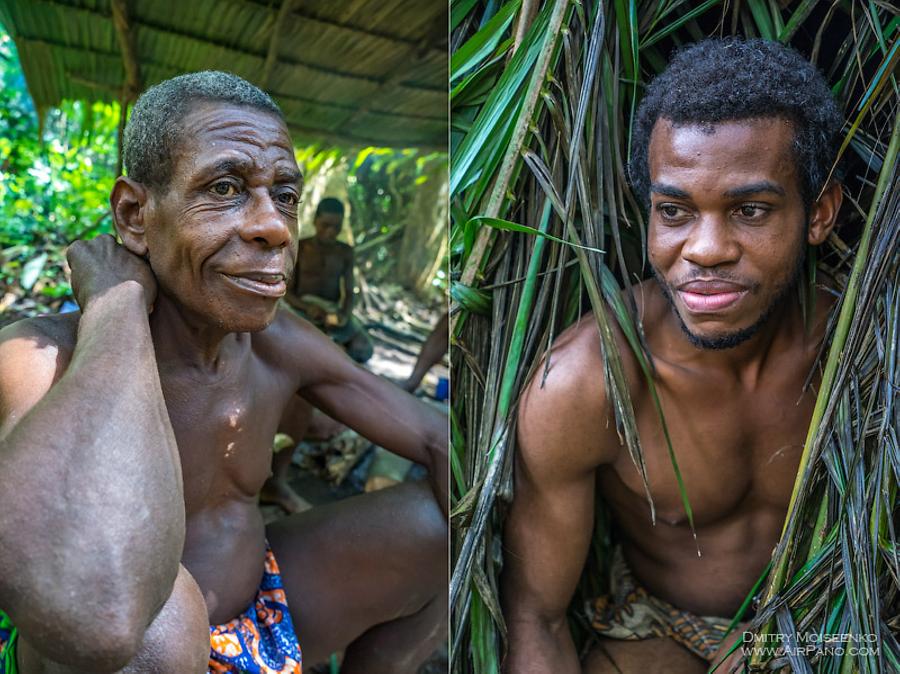
1Sharon:Hmm https://i.pinimg.com/236x/c4/04/36/c40436c9e588b9070ac8885def9f31df--world-cultures-african-tribes.jpg https://i.pinimg.com/474x/49/fe/cc/49feccfa7f58492a8cd08f3de5b5b309--face-photography-kenya.jpg [img]https://www.airpano.ru/files/cameroon-baka/images/image2.jpg[/img] https://global-geography.org/attach/Geography/Africa/Cameroon/Special_Information/Baka_People/scaled-900x674-05_Baka%20people.jpg |
| Romance › Re: My Bulgarian Woman by Cousin9999: 7:52pm On Apr 26, 2021 |
You're playing with your life if you do something like this. These people are out to take your kidney. 4 Likes |
| Romance › Re: Handsome Nigerian Man Weds His Pretty White Bride In Lagos (Photos) by Cousin9999: 7:46pm On Apr 26, 2021 |
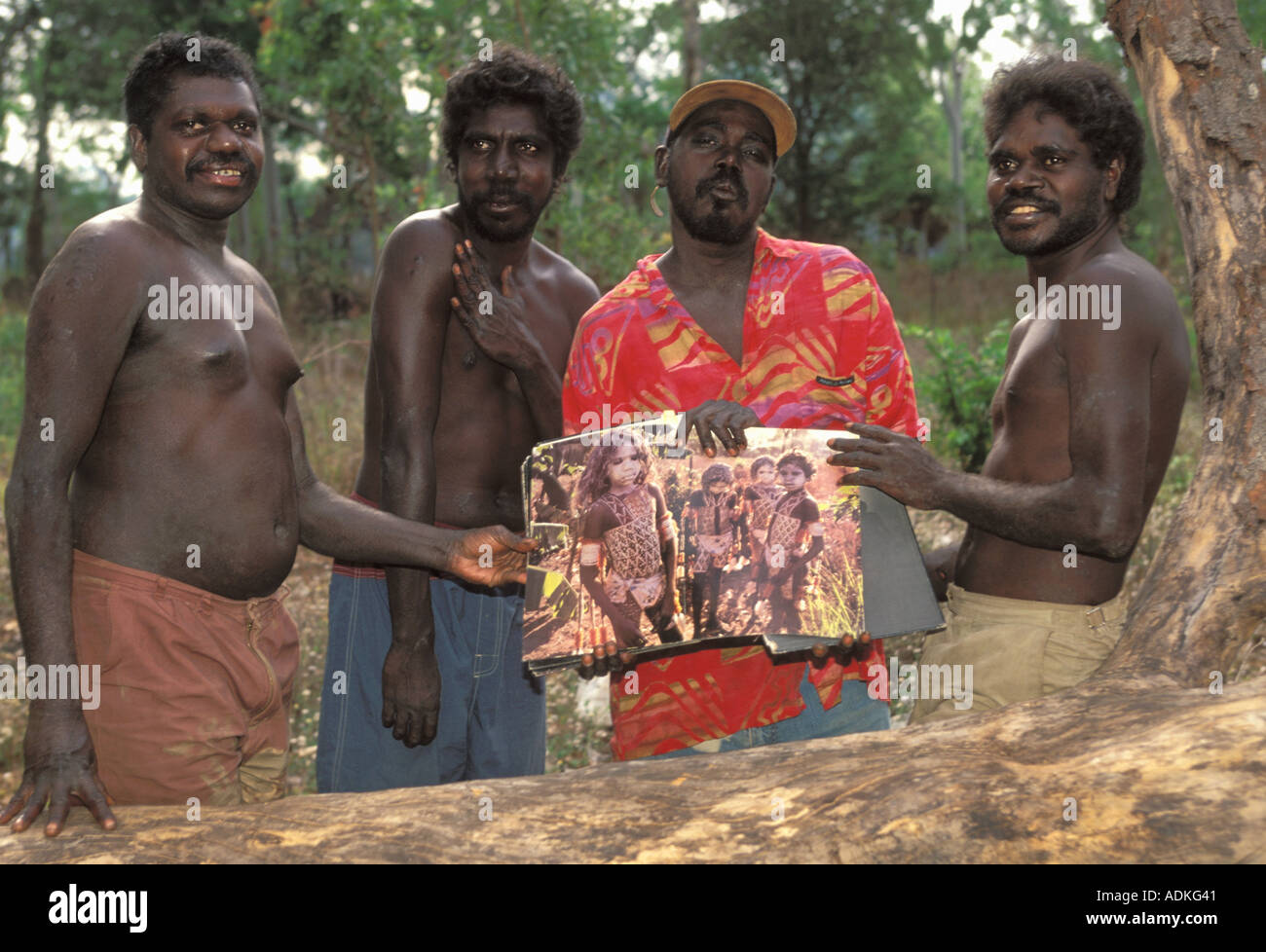
1Sharon:Hmm Native Australians https://i.pinimg.com/474x/82/14/3d/82143d71c4b6d6d1212112d3f67e6e20.jpg https://c8.alamy.com/comp/ADKG41/aboriginal-men-show-me-my-photo-of-themselves-as-young-boys-at-their-ADKG41.jpg https://images.theconversation.com/files/211100/original/file-20180320-31633-l4xl8e.jpg Sudanese man and an Ethiopian man. https://www.ncronline.org/sites/default/files/styles/article_full_width/public/Lual%20Mayen%20c.jpg https://i.pinimg.com/originals/dd/a4/ae/dda4aec45b3b3aecdcde6da5347c9042.jpg |
| Travel › Germany: Black Customer Ejected From Supermarket After Slur Complaint by Cousin9999(op): 7:30pm On Apr 26, 2021 |
https://wacotrib.com/news/world/black-customer-ejected-from-supermarket-after-slur-complaint/article_c5bacadd-ada2-5373-9670-3324e3d4f160.html German supermarket chain Aldi has apologized after a Black customer who had complained about another shopper's racist slur was ejected from a Berlin store. Prince Ofori, a German-Ghanaian dance teacher, posted a video on Instagram that showed other shoppers and a man described as a store manager haranguing him during the incident he said took place at an Aldi store in Germany's capital on Thursday. In the video, a man in a blue jacket is seen throwing a cardboard box at Ofori while other customers shout at him to stop filming. Visibly agitated, Ofori explains that he had objected to a fellow customer’s use of a racist term to describe chocolate-covered marshmallows. The confections are called “chocolate kisses,” but in the past Germans commonly referred to them using a racist term for Black people. “He wants to buy (racial slur) kisses,” Ofori says in the video. “I told him (racial slur) don't exist anymore. They think that because they grew up with (the term), they have the right to say that.” Toward the end of the video, the man in the blue jacket - described by Ofori as the branch manager - and a security guard push out of the store. Another store employee tries to intervene, telling the man in the blue jacket, “Calm down, boss.” The video ends with the man in the jacket asking Ofori why he's not allowed to use the racial slur and saying, “I don't know what your problem is.” In response to Ofori’s Instagram post, Aldi Nord said late Friday that it had contacted Ofori to apologize. “But we also realize that an apology alone isn't enough,” the company said. “The incident in our Berlin store will be investigated so that further lessons can be drawn from it,” Aldi said. “As a first step we have severed ties with the staff member in the video due to his inappropriate behavior.” The company said it would not tolerate racism, “neither in our own ranks nor in society.” |
| Romance › Re: I Want To Marry More Than 1 Wife by Cousin9999: 3:52pm On Apr 26, 2021 |
Can you afford it? Are you mature enough? |
| Romance › Re: Why Is My Mother So Strict by Cousin9999: 3:52pm On Apr 26, 2021 |
Mods need to ban this clown. |
| Romance › Re: She Wants To Bleach Her Skin. He Says No. They Break Up. by Cousin9999: 3:50pm On Apr 26, 2021 |
Smart man. |






1 2 3 4 5 6 7 8 ... 161 162 163 164 165 166 167 168 169 (of 283 pages)