Ezeagu's Posts
Nairaland Forum › Ezeagu's Profile › Ezeagu's Posts
1 2 3 4 5 6 7 8 ... 14 15 16 17 18 19 20 21 22 (of 349 pages)
 Politics › Re: Sullivan Chime Defects To APC by ezeagu(m): 1:36pm On Mar 17, 2017 Politics › Re: Sullivan Chime Defects To APC by ezeagu(m): 1:36pm On Mar 17, 2017 |
While you are killing yourselves, can anybody explain clearly and succinctly what the difference between PDP and APC is. 2 Likes |
| Politics › Re: Igbo's Cannot Be Seeking Economic Independence And Still Be Talking South South by ezeagu(m): 3:19pm On Mar 16, 2017 |
myplaydiary:Exactly, I posted this forum before and I was attacked because somebody said Aba was being attacked on that forum which was untrue, as if this forum is any better. Political Igbo topics are not suitable for this place because they will be trolled, is best to keep it in-house where they can be moderated. I am a moderator there. 2 Likes 1 Share |
| Politics › Re: Igbo's Cannot Be Seeking Economic Independence And Still Be Talking South South by ezeagu(m): 3:10pm On Mar 16, 2017 |
ezeagu:tysontim, loopmangoat, eduj, AntiNigerian, Fremancipation, Instead of wasting time arguing with people, you could have been building in the above. 3 Likes 1 Share |
| Politics › Re: Igbo's Cannot Be Seeking Economic Independence And Still Be Talking South South by ezeagu(m): 3:07pm On Mar 16, 2017 |
myplaydiary, his is a thread you should have signed up and made here: http://igbobuofu.com/ 1 Like |
| Culture › Re: Slaves from The Bight of Benin Vs The Bight of Biafra- Numbers & Cultural Legacy by ezeagu(m): 3:05am On Mar 16, 2017 |
From Ancestry DNA "What is a reference panel and why do we need one? To determine where your DNA comes from, we need to compare it to a panel of reference samples with known origins. If we can identify samples to which you are genetically similar, and we know the ethnicity of those samples, we can infer your genetic ethnicity from that comparison." How they do that: "Figure 3.1: Reference Panel Refinement Cycle. Schematic of the ethnicity estimation reference panel refinement cycle. In step 1 we select candidate reference samples from published data, the AncestryDNA consented customer list, and the AncestryDNA proprietary reference collection. For AncestryDNA samples we rely on pedigree data to select those with deep ancestry from a single population. In step 2 we filter out closely related samples from the candidate list. In step 3 we use principal components analysis (PCA) to remove samples that show a disagreement in pedigree and genetic origins. We also use PCA to guide regional cluster definitions. In step 4 the panel is performance tested using numerous metrics and compared to the previous release. The final result is a high-quality, well-tested reference panel that significantly improves genetic ethnicity estimation. The entire procedure is cyclic, and AncestryDNA will continue to make improvements on the panel with the goal of providing the most accurate ethnicity estimation possible with the data available." You can see that they are clearly grouping people how they want and considering the sample size by regions they used: https://i.imgur.com/lMFR381.png It's clear that there could be a related group created out of the regions if their sample was big enough, this means that if they grouped south eastern Nigerians together and did the pedigree analysis and checked their common ancestry you'd get Igbo people coming out with 80%+ for this new region and you'd also get other Africans coming out with a little or trace amounts of this ancestry. The sample size is very small. 1 Like |
| Culture › Re: Slaves from The Bight of Benin Vs The Bight of Biafra- Numbers & Cultural Legacy by ezeagu(m): 2:59am On Mar 16, 2017 |
YonkijiSappo:Now explain how the Ghanaian woman's Nigeria ancestry flew over Benin/Togo. 2 Likes |
| Culture › Re: Slaves from The Bight of Benin Vs The Bight of Biafra- Numbers & Cultural Legacy by ezeagu(m): 2:55am On Mar 16, 2017 |
YonkijiSappo:But that's the thing, you've already pointed out that Akan people come out more than 90% Iv/Gh, they hardly come out more than 1% Nig. which should not be the case if they were influencing Igbo pop, I guess by flying over the Benin/Togo and Yoruba. 2 Likes |
| Culture › Re: Slaves from The Bight of Benin Vs The Bight of Biafra- Numbers & Cultural Legacy by ezeagu(m): 2:51am On Mar 16, 2017 |
YonkijiSappo:There's nothing about the origin, in fact the post was warning about how the results are just a reflection of the people sampled, look at the table posted above from here: https://tracingafricanroots./ancestrydna-regions/ 1 Like |
| Culture › Re: Slaves from The Bight of Benin Vs The Bight of Biafra- Numbers & Cultural Legacy by ezeagu(m): 2:46am On Mar 16, 2017 |
1 Like |
| Culture › Re: Slaves from The Bight of Benin Vs The Bight of Biafra- Numbers & Cultural Legacy by ezeagu(m): 2:44am On Mar 16, 2017 |
YonkijiSappo:"DON’T take the labeling of the AncestryDNA regions with country names too literally. Ancestry.com mentions themselves how their “regions” (perhaps more properly termed ancestral/genetic components) might be named after specific countries but in fact they are found in neighbouring countries as well. Plus some of the regions will have a higher “prediction accuracy” than others based on how Ancesty’s own samples (“typical native”) score when they get tested (i will post the screenshots on the bottom of this page for those who don’t have access). Therefore I don’t think we should get caught up too much in how these regions are named. It’s just proven to be very difficult to come up with 100% appropriate labels, this goes for any DNA testing company sofar btw." https://www.youtube.com/watch?v=v_dAfxRy6no&list=PLm2A_Jdbg98ipInq4VHsTAwORd0OWgF87 1 Like |
| Culture › Re: Slaves from The Bight of Benin Vs The Bight of Biafra- Numbers & Cultural Legacy by ezeagu(m): 2:31am On Mar 16, 2017 |
Ultimately it seems likely that Ancestry DNA did not go further than grouping ancestral markers by colonial borders which is why there's a random pattern in the large and ethnically diverse Nigeria than the more homogenous and smaller Ghana/Ivory Coast and Benin/Togo they are still working on their database so everything is still fairly speculative. 2 Likes |
| Culture › Re: Slaves from The Bight of Benin Vs The Bight of Biafra- Numbers & Cultural Legacy by ezeagu(m): 2:26am On Mar 16, 2017 |
YonkijiSappo:The thing is I don't agree with the idea that Cameroon/Congo are a homogenous group, Ivory Coast/Ghana are same, and Benin/Togo are homogenous, and then Nigeria across the board is just a mixture of these groups. There's no history to suggest that and it's very random anyway and doesn't show any clear migration pattern (especially Ivory Coast/Ghana showing up higher in Igbo results), so it's probably just a reflection of how the sampled populations were grouped. As has been already posted, African Ancestry matched an Igbo persons maternal DNA to the Tikar and Fulani in Cameroon. 1 Like |
| Culture › Re: Slaves from The Bight of Benin Vs The Bight of Biafra- Numbers & Cultural Legacy by ezeagu(m): 1:28am On Mar 16, 2017 |
Ebow surname: http://www.ancestry.com/name-origin?surname=ebow 3 Likes |
| Culture › Re: Slaves from The Bight of Benin Vs The Bight of Biafra- Numbers & Cultural Legacy by ezeagu(m): 1:20am On Mar 16, 2017 |
Ebow's on Ancestry.com (141,120 results) http://search.ancestry.com/cgi-bin/sse.dll?_phsrc=Ljh128&_phstart=successSource&usePUBJs=true&gss=angs-g&new=1&rank=1&msT=1&gsln=Ebow&gsln_x=0&msypn__ftp=Louisiana,%20USA&msypn=21&msypn_PInfo=5-%7C0%7C1652393%7C0%7C2%7C0%7C21%7C0%7C0%7C0%7C0%7C0%7C&MSAV=1&cpxt=1&cp=12&catbucket=rstp&uidh=mf3&gl=allgs&gst=&ghc=20&fh=20&fsk=BEEeEuMIgAAIvgAIjck-61- 3 Likes |
| Culture › Re: Slaves from The Bight of Benin Vs The Bight of Biafra- Numbers & Cultural Legacy by ezeagu(m): 1:12am On Mar 16, 2017 |
9jakool:That was my argument, although the original comment was pertaining to the groupings of the ancestral populations and how the company could easily make a eastern Nigeria or Bight of Biafra category by finding strong common ancestral markers and attributing those markers to the eastern Nigeria area. This way you would have an Igbo person presumably scoring high Bight of Biafra ancestry, over 80%, like Fon people have high Benin/Togo. If go back in the thread you will see I posted that Igbo AA result. 2 Likes |
| Culture › Re: Slaves from The Bight of Benin Vs The Bight of Biafra- Numbers & Cultural Legacy by ezeagu(m): 12:45am On Mar 16, 2017 |
3 Likes |
| Culture › Re: Slaves from The Bight of Benin Vs The Bight of Biafra- Numbers & Cultural Legacy by ezeagu(m): 12:44am On Mar 16, 2017 |
3 Likes |
| Culture › Re: Slaves from The Bight of Benin Vs The Bight of Biafra- Numbers & Cultural Legacy by ezeagu(m): 12:42am On Mar 16, 2017 |
3 Likes |
| Culture › Re: Slaves from The Bight of Benin Vs The Bight of Biafra- Numbers & Cultural Legacy by ezeagu(m): 12:36am On Mar 16, 2017 |
https://www.youtube.com/watch?v=Ox93okwUja4 "Makandal presented this choreographed dance at Miller Theater at Columbia University on February 14, 1992. Because it was Valentine's Day, the Troupe featured the Vodou spirit Èzili Freda Dawome (representing sweet love) as the program's theme. The dance ibo stood outside the theme. Haitians remember the Ibo ancestors (the Igbo of eastern Nigeria) as a proud people who resisted slavery by taking their own lives. The Ibo believed that the soul, freed from its body, would transmigrate back to the homeland. In some parts of Haiti, Vodou devotees call on the Ibo spirits during funeral rites. On stage, the dance represents resistance. Musicians: Standing from left, Manbo Lucienne (special guest, vocals), Tom Mitchell (sax), Paul Newman (bell), Avin Valdemar (trumpet), Alberto Plummer (trumpet), Tim Newman (trombone); seated at drums from left, Jean Alphonse (third drum), Steve Deats (second drum), Frisner Augustin (lead drum). Dancers: Smith Destin, Nicole Attaway, Sandy St. Cyr, Rose Deats, Mari Da Silva, Annette Johnson" 3 Likes |
| Culture › Re: Slaves from The Bight of Benin Vs The Bight of Biafra- Numbers & Cultural Legacy by ezeagu(m): 12:34am On Mar 16, 2017 |
3 Likes |
| Culture › Re: Slaves from The Bight of Benin Vs The Bight of Biafra- Numbers & Cultural Legacy by ezeagu(m): 12:34am On Mar 16, 2017 |
https://www.youtube.com/watch?v=h65sHEFsLCg "Ibo Granmoun O - In praise of elder wisdom in Igbo culture." 3 Likes |
| Culture › Re: Slaves from The Bight of Benin Vs The Bight of Biafra- Numbers & Cultural Legacy by ezeagu(m): 12:33am On Mar 16, 2017 |
3 Likes |
| Culture › Re: Slaves from The Bight of Benin Vs The Bight of Biafra- Numbers & Cultural Legacy by ezeagu(m): 11:40pm On Mar 15, 2017 |
YonkijiSappo:African ancestry is very iffy, the video below explains why perfectly. https://www.youtube.com/watch?v=v_dAfxRy6no I actually suspect that many of the Tikar and Cameroon results in African Ancestry DNA results are actually Igbo and Ibibio because that reflects the demographics and history of the slave trade in the Bight of Biafra, but that's another topic. 2 Likes |
| Culture › Re: Slaves from The Bight of Benin Vs The Bight of Biafra- Numbers & Cultural Legacy by ezeagu(m): 11:39pm On Mar 15, 2017 |
bigfrancis21:I think the main problem is that there's more ignorance in the Igbo population to this and there's absolutely no awareness that there is a connection to these places or how significant the slave trade was in Igboland and how significant Igboland was to the slave trade. Most Igbo people are unaware that Igbo has heavily influenced the English they speak in the Caribbean to the point where Jamaicans use 'unu' everyday. As much energy that would be put into promoting the cultural and ancestral links between Igboland and say Virginia and Jamaica should be put into educating Igbo people on the lasting legacy Igbo people have had in these places, I think that's what has happened with other groups like the Akan and Yoruba and why on threads like these you won't see many Igbo people or won't see any Igbo person opening such a thread anyway. The Akan and Yoruba have been made aware of their legacy in the Americas and many of them, as can be seen in this thread, jealously guard their influence, also the 'imperialist' and 'expansionist' disposition of their culture may influence that, but if you look at a place like Jamaica for instance you can see what this awareness in the academia at least of Ghana has done in connecting Ghana and Jamaica very firmly to the point where Jamaicans mostly believe their culture to be Ghanian, even though Igbo culture is as strong. The best example of this cultural race or the 'land grab' of the diaspora can be seen if you search Akan diaspora and Yoruba diaspora, two detailed books on the influence of these groups have been published, while the Igbo versions are just a collection of other estimates and general information. 3 Likes |
| Culture › Re: Slaves from The Bight of Benin Vs The Bight of Biafra- Numbers & Cultural Legacy by ezeagu(m): 11:26pm On Mar 15, 2017 |
YonkijiSappo:Lower Niger Valley is general southern Nigeria. Benin/Togo showing up in Igbo results means it's an ancestral marker that's similar between the two, this would mean that the B/T pop. would have had to either split and influenced the Igbo pop. or there was a more recent influence of B/T in the Igbo population which historical there isn't much in terms of contract with the Yoruba talk less of Fon people and if there was whether now or in ancient times then there's no way there wouldn't be a backwash into the B/T area. The fact that the Urhobo/Yoruba girls is coming up with high Nig. is also suspicious. Also Ivory Coast/Ghana shows up as a little or significant in many Igbo results while Senegal comes up in Yoruba. This isn't even considering the fact the Sierra Leone and Liberia are not tested. 2 Likes |
| Culture › Re: Slaves from The Bight of Benin Vs The Bight of Biafra- Numbers & Cultural Legacy by ezeagu(m): 11:02pm On Mar 15, 2017 |
YonkijiSappo:This assertion is only sound if there was no intermarrying within the area marked as Benin/Togo. The markers that show Benin/Togo only means that those markers are found most common among them and is probably because of shared ancient ancestry, it doesn't mean that someone with Benin/Togo results has ancestors that came from that area. This is why with other companies like DNA Land they have different categories like West African and under that they have the Lower Niger Valley which people form southern Nigeria have high results of. 2 Likes |
| Culture › Re: Slaves from The Bight of Benin Vs The Bight of Biafra- Numbers & Cultural Legacy by ezeagu(m): 9:24pm On Mar 15, 2017 |
bigfrancis21:I remember the poster, I posted here with her. You don't even have to guess about that Ebo name, there's a confirmed African American family, well lineage really, that answers 'Ebow' coming from Louisiana and the official documentation says this comes from an Igbo progenitor. "The Bight of Biafra, centered on the Niger Delta and the Cross River, became a significant exporter of slaves from the 1700s and dominated the Trans-Atlantic slave trade along with neighboring Bight of Benin until the mid-nineteenth century. A great numbers of slaves from this part of Africa were sold into North America. In Louisiana, slaves from this coast were listed as Edo, Ibo, Ibibio, and Calabar. They were also among the most frequent ethnicities listed on official documents. In Southwest Louisiana, "Ibo" has survived as a family name and transcribed "Ebow."" From the site of the Whitney Plantation in Louisiana http://www.whitneyplantation.com/the-ivory-coast-and-gold-coast.html And it seems most of them don't know the meaning of the name, which shows how the Igbo influence is there but nobody knows it's Igbo which is why Igbo influence goes unnoticed. "After slavery, for many of them, the single name they had on the plantation became their last name. Toussaint became a famous last name. The name Ebow is from Nigeria—but then I ask people in Louisiana, 'What is the origin of your last name?' and they don't know. If you go on ancestry.com, Ebow says 'origin unknown.' Plenty of people in Louisiana have the last name Poulard, and that is from Africa, and the search will tell you it's a funny French word meaning 'fat chicken,' and of course it means that in French, but what they don't know is it's also the name of the Fulani people of African cattle raisers. I'm telling you, there is a lot to learn about slavery." https://www.vice.com/en_au/article/americas-first-slavery-museum-shifts-the-focus-from-masters-to-slaves-511 If you search Ebow in the American directory White Pages under Louisiana you'll see there are numerous 'Ebow's', this is not even including the fact that many members of this lineage would have migrated, most of them are around the SW of Louisiana. http://www.whitepages.com/name/Ebow/LA You can find descendants all over the internet, like this woman on twitter: https://twitter.com/SimplyChalPal Funnily enough, these people look like Igbo people which can be possible through a particular area importing more Igbo people and they marrying amongst themselves, also cultures that were more dominant in an area in slavery had people survive from that culture more. https://pbs.twimg.com/profile_images/689886229190557696/2VFP08aH.jpg There are also African Americans with Ebow as a first name. http://academy.teachpublicschools.org/apps/pages/index.jsp?uREC_ID=552855&type=u&pREC_ID=846444 So, just from this example, you can see that if Igbo people proactively try to link with North Americans more Igbo influence will be revealed, and the Igbo contribution to America will be more apparent. 3 Likes |
| Culture › Re: Slaves from The Bight of Benin Vs The Bight of Biafra- Numbers & Cultural Legacy by ezeagu(m): 7:39pm On Mar 15, 2017 |
MrPresident1: https://www.youtube.com/watch?v=Fgl-UP7SRws (Although Ovie is Urhobo) 3 Likes |
| Culture › Re: Slaves from The Bight of Benin Vs The Bight of Biafra- Numbers & Cultural Legacy by ezeagu(m): 7:05am On Mar 15, 2017 |
YonkijiSappo:No, this is where colonial borders come in, there was no distinction made in the test between a Yoruba from Benin Republic and one from Nigeria, an Ewe from Togo and one from Ghana, same for Hausa. The assumption only makes sense if there is a defined grouping in Benin and Togo which there isn;t, it's just a test for genetic similarity. Places like Liberia and Sierra Leone are not even there and are grouped with neighboring regions. Even if you go with the shared ancestry from thousands of years ago it's from out of southern Nigeria, specifically eastern Nigeria and not towards it which makes the results even more fallible because it's showing a link the Benin/Togo has with Nigeria groups rather than the reverse. The image below explains: [img]https://tracingafricanroots.files./2015/10/benintogo.jpg[/img] “Benin’s largest ethnic group is the Fon (39%), followed by the Adja (15%), Yoruba (12%) and Bariba (9%). Togo’s largest ethnic groups are the Ewe (21%), Kabye (12%), Mina (3.2%) and Kotokoli (3.2%). Benin has more ethnic ties to its neighbor Nigeria; Togo has more links to Ghana. These ethnic ties are the result of long-standing kingdoms that flourished before European colonists created new borders.” (Ancestry.com) “Many people in Togo and Benin speak one of about 20 related Gbe languages. Linguistic evidence indicates that most of the Gbe people came from the east in several migrations between the 10th and 15th centuries. The Gbe were pushed westward during a series of wars with the Yoruba people of Nigeria, then settled in Tado on the Mono River (in present-day Togo).” (Ancestry.com) 3 Likes |
| Culture › Re: Slaves from The Bight of Benin Vs The Bight of Biafra- Numbers & Cultural Legacy by ezeagu(m): 4:12am On Mar 15, 2017 |
YonkijiSappo:Markers similar to Beninese because the markers were assumed to be based on them, just like how there's an entire one for the huge region of Cameroon/Congo. This why Hausa people get Nigeria results without Benin/Togo and Cameroon/Congo, it's random. his person explains the results in detail: https://tracingafricanroots./ancestrydna/african-results/nigerian-results/ 1 Like 1 Share |
| Culture › Re: Slaves from The Bight of Benin Vs The Bight of Biafra- Numbers & Cultural Legacy by ezeagu(m): 1:22am On Mar 15, 2017 |
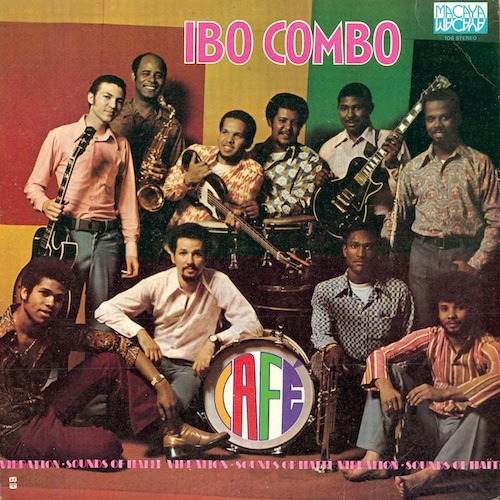
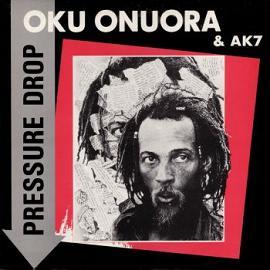
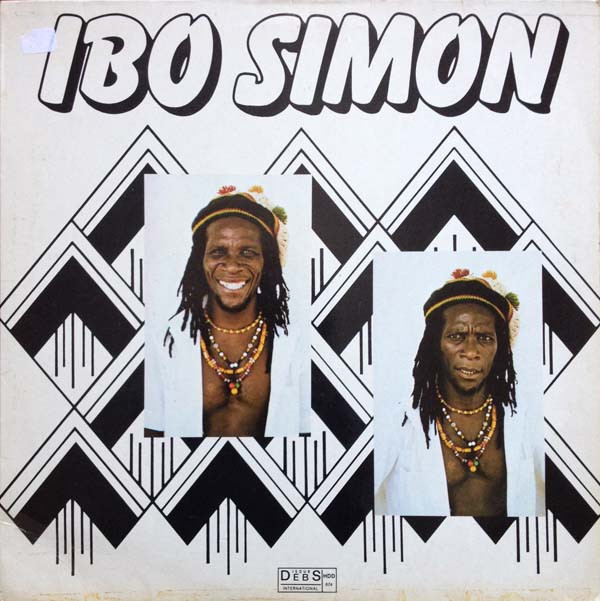
Or the various crumbs of influence Igbo culture has had in the Antilles. https://68.media.tumblr.com/24f26d896fa193e6cbb574e77dac0fd1/tumblr_oa2qddwXOI1qjh37to1_500.jpg https://68.media.tumblr.com/37f179fe956074c9f3592b1adef48406/tumblr_oa2qddwXOI1qjh37to4_r1_400.jpg https://68.media.tumblr.com/f60ae82dcabd57b41fcc4c119444e6ee/tumblr_oa2qddwXOI1qjh37to5_r1_1280.jpg 3 Likes |
| Culture › Re: Slaves from The Bight of Benin Vs The Bight of Biafra- Numbers & Cultural Legacy by ezeagu(m): 1:18am On Mar 15, 2017 |
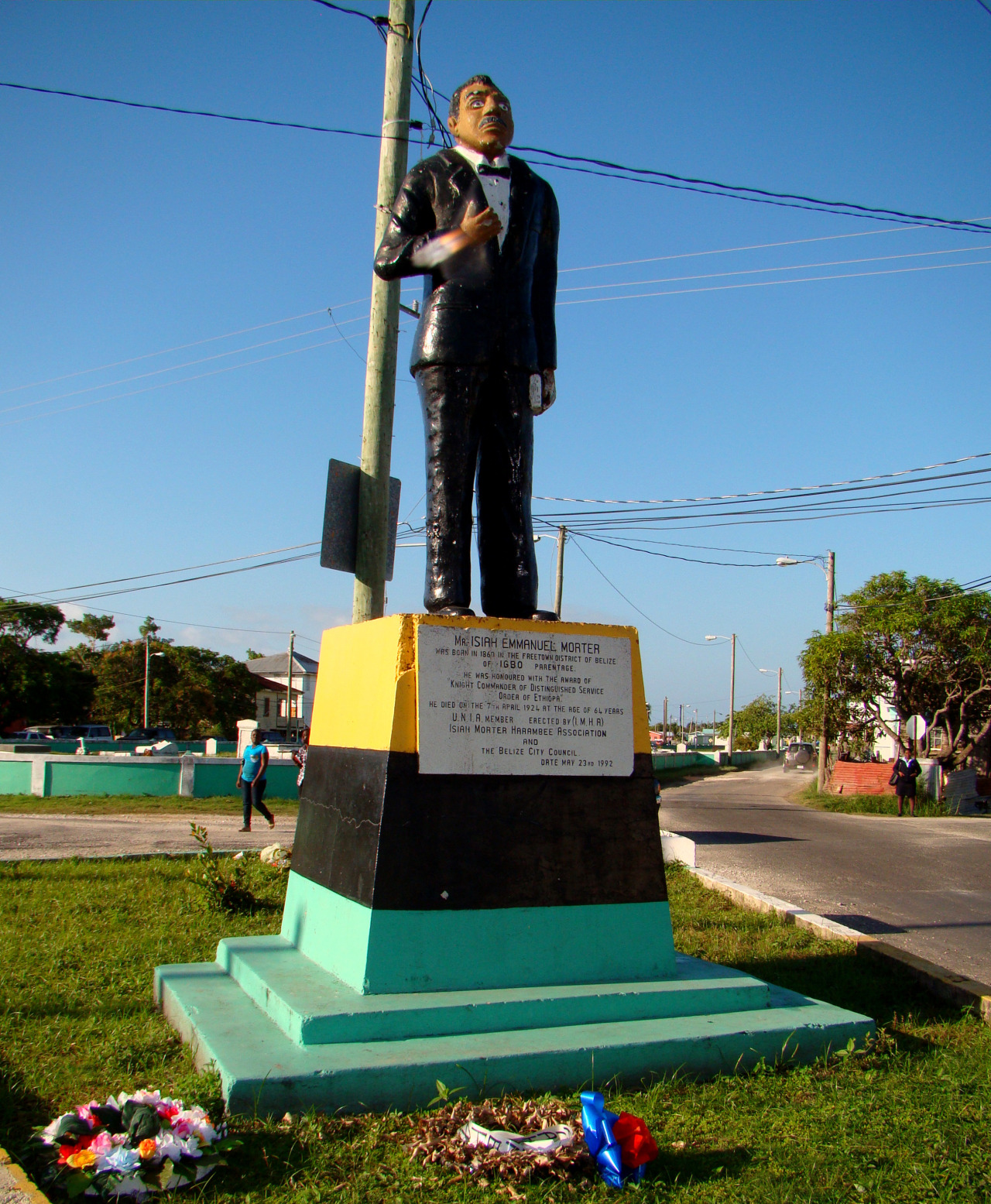
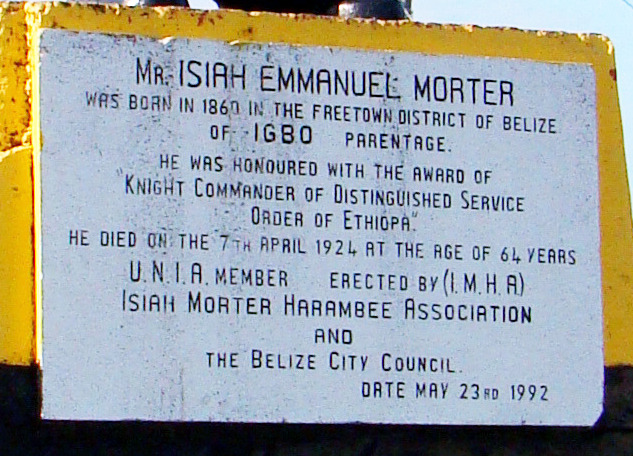
You know, the funny thing is that with all of this talk of this and that religion or the fading of this culture or the other, you can fund people with authentic links to African communities who are African descendants in the Americas without hassle. For example this prominent man from Belize whose statue stand at the mouth of the old Eboe Town. https://68.media.tumblr.com/7e3ad51434364db7ef72aef269285f08/tumblr_obeca1vteq1qjh37to3_1280.jpg https://68.media.tumblr.com/246faacbf2aef65c8ad8aada415b94f1/tumblr_obeca1vteq1qjh37to2_1280.jpg 3 Likes |


 , but like two years later, I saw her parading herself as Igbo Nigerian. Of course, she must have discovered that Cameroon wasn't all that, so she probably shifted to the next neighboring popular region. Or maybe she did her own analysis and concluded that the DNA testing company was wrong...


1 2 3 4 5 6 7 8 ... 14 15 16 17 18 19 20 21 22 (of 349 pages)