Ezeagu's Posts
Nairaland Forum › Ezeagu's Profile › Ezeagu's Posts
1 2 3 4 5 6 7 8 ... 50 51 52 53 54 55 56 57 58 (of 349 pages)
 Politics › Re: What Does The South West Offer Nigeria by ezeagu(m): 11:05pm On Oct 21, 2015 Politics › Re: What Does The South West Offer Nigeria by ezeagu(m): 11:05pm On Oct 21, 2015 |
aresa:Still not the first industry in Nigeria. 1 Like |
| Politics › Re: Aka Ikenga Backs Radio Biafra, Warns FG Against Dictatorship by ezeagu(m): 11:02pm On Oct 21, 2015 |
Man. 1 Like |
| Politics › Re: What Does The South West Offer Nigeria by ezeagu(m): 10:54pm On Oct 21, 2015 |
aresa:How does this post change the fact that the palm oil industry started off Nigeria? 1 Like |
| Politics › Re: What Does The South West Offer Nigeria by ezeagu(m): 10:41pm On Oct 21, 2015 |
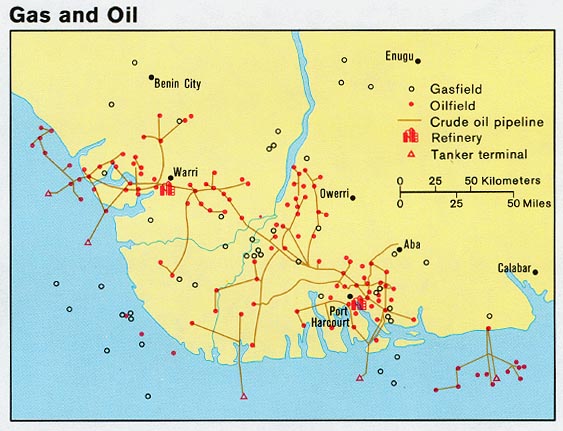
Twistaray:Bust this bubble [img]http://www.lib.utexas.edu/maps/africa/nigeria_gas_1979.jpg[/img] Nigerias exports https://s23.postimg.org/3pwg1aza3/Nigeria_Product_Export_Treemap.jpg 1 Like |
| Politics › Re: What Does The South West Offer Nigeria by ezeagu(m): 10:32pm On Oct 21, 2015 |
WIZGUY69:This is the nonsense I'm talking about. 1 Like |
| Politics › Re: What Does The South West Offer Nigeria by ezeagu(m): 10:31pm On Oct 21, 2015 |
veraponpo:When the Ekumeku movement was going on, where was everyone else? Ajayi Crowther was a repatriated slave from Sierra Leone. I'm sure you know of many slaves who are more popular than him. Yes, the palm oil industry was the main reason why Nigeria started. Maybe you should read on your own history: https://books.google.com/books?id=JXwPQKyE_YwC 1 Like |
| Politics › Re: Biafra An Online Country by ezeagu(m): 10:26pm On Oct 21, 2015 |
And it's biggest promoters aren't even from Eastern Nigeria like the OP. 1 Like |
| Politics › Re: What Does The South West Offer Nigeria by ezeagu(m): 10:25pm On Oct 21, 2015 |
Twistaray:The base of the entire economy, oil and importation. 1 Like |
| Politics › Re: What Does The South West Offer Nigeria by ezeagu(m): 10:25pm On Oct 21, 2015 |
WIZGUY69:Does aren't the first industries in Nigeria are they? 1 Like |
| Politics › Re: Nnamdi Kanu 'Free' - IB Times by ezeagu(op): 10:22pm On Oct 21, 2015 |
I guess she's the editor for Africa. 1 Like |
| Politics › Nnamdi Kanu 'Free' - IB Times by ezeagu(op): 10:22pm On Oct 21, 2015*. Modified: 11:50pm On Oct 21, 2015 |
By Ludovica Iaccino The leader of a separatist movement that calls for the independence of Biafra from Nigeria has been released on bail, Nigeria's state security service (DSS) told IBTimes UK. Nnamdi Kanu was apprehended by the DSS in Lagos after he had flown from the UK, where he lives, earlier in October. Kanu is considered the leader of Indigenous People of Biafra (Ipob) and is the director of the London-based radio station Radio Biafra, which the Nigerian government has deemed illegal. Ipob and other groups advocate for the independence of the Biafran territories, which separated from Nigeria in 1967 and were re-annexed to the African nation in 1970 following a civil war that killed between one and three million people. When contacted by IBTimes UK on 21 October, a spokesperson for the DSS said: "Yes, [Kanu] is free, he is on bail". The spokesperson refused to give further details on the bail and on Kanu's whereabouts. The Vanguard newspaper featured an interview with Kanu's lawyer, Egechukwu Obetta, who claimed the Ipob leader had been granted bail for the sum of 2 million Naira (£6,500). However, Ipob members and supporters of the Biafra cause claimed that Kanu had not been released, with some suggesting he is being tortured by authorities. IBTimes UK was not able to independently verify the allegations of torture. Media sources supporting the break-up from Nigeria called the bail "controversial" and claimed the DSS announced the bail only "to calm the angry people of Biafra". In the middle of the Twitter storm following Kanu's arrest, some people spoke out against him, claiming he is "a fraudster" that uses the Biafra cause for his own interests. Some also accused Radio Biafra of promoting hate speech against those who do not support the independence of Biafra or belong to ethnic groups other than Igbo, the biggest ethnic group in the Biafran territories. In an interview with IBTimes UK, David Otto, CEO of UK-based global security provider TGS Intelligence Consultants, said Kanu might have been arrested in relation to his role in the activities of Radio Biafra, which the Nigerian government has made illegal. The government claimed in July that the National Broadcasting Commission (NBC) had managed to jam its signal. Kanu's arrest triggered protests, mainly attended by women, in several states in Nigeria. It is believed that traffic was disrupted in Porth Harcourt, Rivers State, during protests, which also occurred in Anambra and Delta states. Some protester accused the police of shooting on the women who were calling for Kanu's release. This is not the first time that pro-Biafrans have accused authorities of being violent. The police denied the claims, while rights group Amnesty International said in an exclusive report to IBTimes UK that there is "credible evidence that pro-Biafran separatists in Nigeria are targeted by police". In recent months, Nigerian police have been cracking down on pro-Biafrans amid allegations they are hosting violent protests and after the inspector general of police, Solomon E Arase, released a statement urging authorities to clamp down on people who behaved violently across the country. A perceived increase in pro-Biafran activities was also confirmed by Anambra State commissioner of police Hassan Karma during another interview with IBTimes UK. He said: "It is people taking laws into their hands and it's the same situation that generated Boko Haram today in the north east. People started like this, even in Niger Delta, where militants started kidnapping people for extortion." Otto warned that pro-Biafrans might turn into a violent movement if they join forces with Niger Delta militants. In an exclusive interview with IBTimes UK he said that there are fears that the pro-Biafran movement is "gearing up to seek for a secession". http://www.ibtimes.co.uk/nnamdi-kanu-ipob-leader-whereabouts-unknown-despite-nigeria-security-forces-claiming-he-bail-1525032 4 Likes |
| Politics › Re: What Does The South West Offer Nigeria by ezeagu(m): 10:14pm On Oct 21, 2015 |
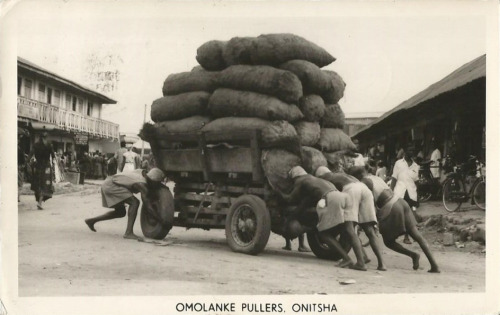
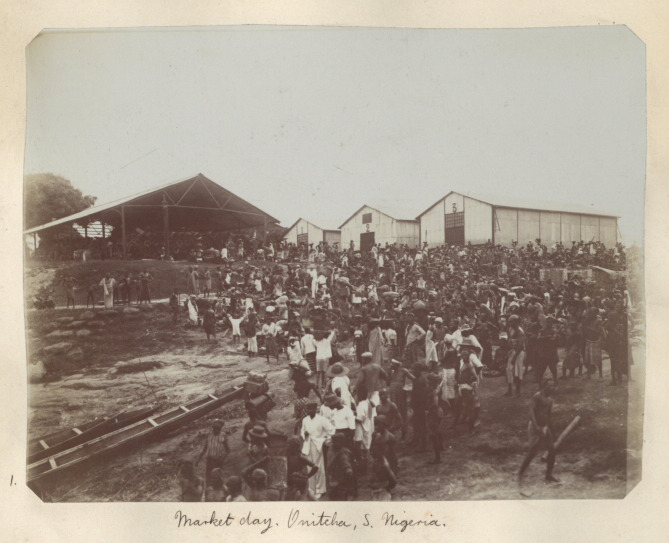
WIZGUY69:Look, I don't care about a radio station that doesn't exist today. I want to discuss innovations, not second hand equipment dashed to the Lagos office in the 50s. Eastern Nigeria was going through some industrialisation during the 1880s to 1900 which is why Calabar was the first capital. The palm industry is what started Nigeria and the trade was made by several ethnic groups in eastern Nigeria. The first anti-colonial movement, the Ekumeku movement, was initiated by Anioma-Igbo people. The biggest market of colonial Africa, Onitsha Main Market, still thrives today and now shares that title with Kumasi. I can't be bothered talking about industries that are completely dead today. 1 Like |
| Politics › Re: Breaking: UK IB Times Says Nigeria Have Expired by ezeagu(m): 10:01pm On Oct 21, 2015 |
Old news? I don't support Biafra though, I support Alaigbo. (But why always this same woman?) 1 Like |
| Politics › Re: What Does The South West Offer Nigeria by ezeagu(m): 9:56pm On Oct 21, 2015*. Modified: 11:15pm On Oct 21, 2015 |
aresa:You asked about relevant development which I gave you. The reason why some of these firsts are irrelevant in this discussion is because development was based around Lagos so technology was brought and tested through there first as the colonial administrative center and then quickly moved about Nigeria, especially eastern Nigeria, and many of these firsts were brought about by a combination of people from all over Nigeria like Vincent Maduka of Western Nigeria Television. It's like Liberia or Sierra Leone bragging about first black this or that. I would be more comfortable talking about 'firsts' or more like innovations before Britain brought their technology, anything other than that is bragging about being colonised because all these first ended when they left which is why cocoa house is in ruin. That's my point. It's not a big deal the the first industrial part of Nigeria was in eastern Nigeria. For example the first railway line in Nigeria was built in the western region in Lagos. 1 Like |
| Politics › Re: What Does The South West Offer Nigeria by ezeagu(m): 8:36pm On Oct 21, 2015 |
aresa:1. No you didn't, you said "any reason why your SE was unable to achieve anything meaningful within the same regional era", I could talk about the first. Also Lagos was the administrative capital from 1906. 2. None of the stuff anybody built is empowering anything. Crude oil is the only relevant industry in Nigeria and everybody knows that. 3. The South east folk, as I said, were busy running the biggest markets in Africa and being put in administrative positions throughout Nigeria. The British encouraged education and allowed many missionaries into eastern Nigeria which made them very competitive in western education. https://images-00.delcampe-static.net/img_large/auction/000/253/828/073_001.jpg 1 Like |
| Politics › Re: What Does The South West Offer Nigeria by ezeagu(m): 7:58pm On Oct 21, 2015 |
aresa:Eastern Nigeria had the biggest markets in Africa and eastern Nigerians were in top positions across Nigeria. https://www.youtube.com/watch?v=iHDaHlTaHJw It was because of the palm oil trade that this country started in the first place. Eastern Nigerian oil was the prized commodity. Much development across eastern Nigeria. We can go before British Nigeria if you want, because bragging over achievements in slavery is pointless, apart from say independence movements, which was sparked by events such as the Iva Valley shooting of 1949 and which came from the examples led by the Ekukumku of Anioma-Igbo and the Women's war. 2 Likes |
| Politics › Re: What Does The South West Offer Nigeria by ezeagu(m): 7:25pm On Oct 21, 2015 |
aresa:In British Nigeria, yes. 1 Like |
| Politics › Re: What Does The South West Offer Nigeria by ezeagu(m): 7:07pm On Oct 21, 2015 |
modath:I never said anything about 20 years old states, what the Asaba history site said was "Ibos of Asaba" and "Iboland", so there's nothing to disagree. If we want to go the route of using a single line to determine ethnic groups, we can use the disputes of several ethnic groups about their origin to make them of several origin. 1 Like |
| Politics › Re: What Does The South West Offer Nigeria by ezeagu(m): 7:02pm On Oct 21, 2015 |
aresa:1. No, but that's not an excuse. 2. Other regions were busy having the largest markets in Africa, being the best at agriculture, or simply filing the upper ranks of the military and civil service. There is no excuse why another Cocoa house wasn't built, apart from the missing presence of the British. I'm not saying you can't do it on your own, I'm saying that that was the situation. 2 Likes |
| Politics › Re: What Does The South West Offer Nigeria by ezeagu(m): 6:27pm On Oct 21, 2015 |
modath:This is the man that took the picture of Onitsha and put it on his blog. https://amightytree.org/wp-content/assets/Dick-jan-61.jpg http://amightytree.org/about/ Maybe you should start by emailing him and asking if he was mistaken. Yoruba people comprised the largest immigrants in Igboland before 1967 it seems. Asaba is Igboland. Geographically, nothing seems to connect the Igalas in Kogi State with the Ibos of Asaba in Delta State and the Ibos of Nteje in Anambra State, except perhaps networks of inter-state and inter-city roads. But historically and biologically, something connects them. What we know today as Asaba has its historical roots in both Kogi and Anambra State.Again you can email the Asaba people who run this website if you believe they got their own history wrong: http://asaba.com/asaba-a-long-history-and-tradition/ 2 Likes |
| Politics › Re: Photos From National Council Of State Meeting Today by ezeagu(m): 6:20pm On Oct 21, 2015 |
IBB for next dictator president after the current one. 5 Likes 2 Shares |
| Politics › Re: What Does The South West Offer Nigeria by ezeagu(m): 6:06pm On Oct 21, 2015 |
aresa:Where is the second Cocoa House? Why can't you understand that a Nigerian can build something in the 50s under British supervision (and to be honest, I don't know the constructors, contractors for Cocoa House, but I'm guessing they weren't indigenous) and fail to do so under their rotten system. Compare the projects started by Nigerians abroad to what Nigerians build in Nigeria for example. There all manner of architects, engineers, and other kinds of technocrats who do amazing work outside Nigeria, but Nigeria is still rotten. The fact is Cocoa House and Liberty Stadium are completely rotten today. Not even South Africa boasts about Hilbrow. As for south eastern Nigeria, having the largest market in Africa was probably more beneficial to them than a tower and a stadium. 2 Likes |
| Politics › Re: What Does The South West Offer Nigeria by ezeagu(m): 6:03pm On Oct 21, 2015 |
aresa:Well what happened to the Igbo and Hausa in the 50s? That's right Britain was organising everybody. Guy, Obasanjo could have undid whatever you say Aguiyi-Ironsi did. 1 Like |
| Politics › Re: What Does The South West Offer Nigeria by ezeagu(m): 5:58pm On Oct 21, 2015 |
modath:I've shown you Asaba which you could see cluster of houses in 1800s. I'll show you again Asaba 1800s [img]http://1.bp..com/-jrtkX1VCfH8/TdQxQ5nfreI/AAAAAAAAAXU/Cl1X56BI1ig/s1600/Ahaba.jpg[/img] Onitsha 50s-60s. https://amightytree.org/wp-content/assets/42-08-mm-road-enu-osha.jpg https://amightytree.org/wp-content/assets/42-01adj_abovemm_toenu1-600x306.jpg Colonial building from the 20s in Enugu: https://s11.postimg.org/7vteswyc3/wpid_enugu_state_sec_office_001.jpghttps://s2.postimg.org/kdqf3949l/wpid_enugu_state_sec_office_002.jpg Enugu: https://images-01.delcampe-static.net/img_large/auction/000/312/382/005_001.jpg Don't mind the white people https://images-00.delcampe-static.net/img_large/auction/000/308/300/060_001.jpg https://images-00.delcampe-static.net/img_large/auction/000/253/828/073_001.jpg Multicultural https://images-02.delcampe-static.net/img_large/auction/000/312/379/981_001.jpg In fact I should open a thread. 1 Like |
| Culture › Re: Should Onitsha Igbo Be Igbo Izugbe? by ezeagu(op): 5:05pm On Oct 21, 2015 |
agadez007:It's true, actually Izugbe is more of Umuahia dialects mixed with others. You're right, Onitsha is actually closer to Igbo Izugbo only that they change l to n and so on. 2 Likes |
| Politics › Re: What Does The South West Offer Nigeria by ezeagu(m): 5:00pm On Oct 21, 2015 |
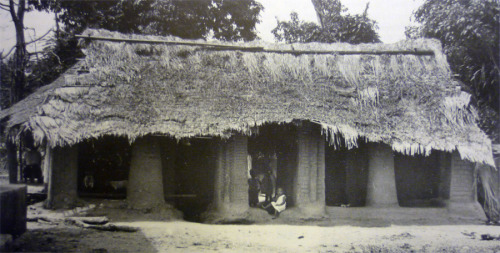
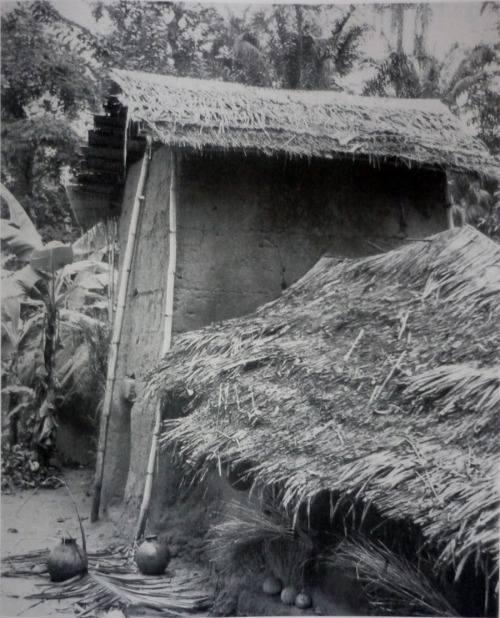
modath:I don't have Umuahia, Aba will do. [img]https://oldnaija.files./2014/12/aba-town.jpg[/img] Precolonial onitsha house: https://24.media.tumblr.com/tumblr_m7xn4oxF5e1qjh37to1_500.jpg Pre colonial Arochukwu house https://41.media.tumblr.com/b2b04bfbc11b10a119cb7c2fa057ecbf/tumblr_nvgw0oq5BZ1qjh37to1_540.jpg More Onitsha: https://amightytree.org/wp-content/assets/41-15-mm-clothing.jpg https://36.media.tumblr.com/705ded82210bf4534e7619c8a041a402/tumblr_nqz5roCiI71qjh37to1_500.jpg https://24.media.tumblr.com/tumblr_m7xzcz05kE1qjh37to1_500.jpg Pre colonial Awka architecture: https://s-media-cache-ak0.pinimg.com/736x/6d/a2/56/6da2561655c50369072ef2fb33e637e3.jpg https://25.media.tumblr.com/tumblr_m7q21bBues1qjh37to1_500.jpg [img]http://2.bp..com/_jeBv7EEofYQ/TLvDiw1p7LI/AAAAAAAAAKQ/QUdZLOjpDz0/s1600/Dike%27s+Tower.png[/img] You know what, just look at my signature 3 Likes |
| Politics › Re: What Does The South West Offer Nigeria by ezeagu(m): 4:45pm On Oct 21, 2015 |
aresa:It survived but it didn't thrive like now. Look at South Korea. If it was an indigenous feat that's where it would be. 1 Like |
| Politics › Re: What Does The South West Offer Nigeria by ezeagu(m): 4:44pm On Oct 21, 2015 |
veraponpo:Britain provided the framework of Nigeria to be able to organise such projects which is why there isn't a second coca house. If this was solely an indigenous feat Ibadan would have several Cocoa houses just like there would be several train eastern lines in the east. And yes, in a way Britian was in charge of industries in the 'south west'. That's the point of colonialism. 2 Likes |
| Politics › Re: What Does The South West Offer Nigeria by ezeagu(m): 4:39pm On Oct 21, 2015 |
modath:This is wrong. This is Asaba in the 1800s. [img]http://1.bp..com/-jrtkX1VCfH8/TdQxQ5nfreI/AAAAAAAAAXU/Cl1X56BI1ig/s1600/Ahaba.jpg[/img] This is a market in Onitsha in the early 1900s. https://36.media.tumblr.com/19b9d04a1ad21a4083822e161e53fa13/tumblr_nr0s85vjAu1qjh37to1_1280.jpg 1950s-60s https://amightytree.org/wp-content/assets/45-20-crowd-close-copy.jpg I can provide more images if you like. 2 Likes 3 Shares |
| Politics › Re: What Does The South West Offer Nigeria by ezeagu(m): 4:31pm On Oct 21, 2015 |
veraponpo:Nigerians love lying to themselves. They can't even read a comment properly. Any advantage any part of Nigeria including the east had before 1960 was of British manufacture. Don't 'beat your chest' about accomplishments made British mentorship. Look at other former colonised or occupied states like Singapore or even South Korea. 1 Like |
| Culture › Re: Should Onitsha Igbo Be Igbo Izugbe? by ezeagu(op): 4:25pm On Oct 21, 2015 |
Chiwude:Wétu obi now, is just a discussion. I think Igbo Izugbe is good, but I'm just wandering why people use Onitsha instead when in more informal situations. 1 Like |








1 2 3 4 5 6 7 8 ... 50 51 52 53 54 55 56 57 58 (of 349 pages)