 Islam › The Fast Of The 9th (tasu'a) And 10th Day(asuuroh) Of Muharram by Lukgaf(op): 5:04am On Aug 28, 2020 Islam › The Fast Of The 9th (tasu'a) And 10th Day(asuuroh) Of Muharram by Lukgaf(op): 5:04am On Aug 28, 2020 |
Today, the 28th of August is equivalent to the 8th day of Muharrom, 1442AH. So, based on the counting of NSCIA, tomorrow and the next; Saturday and Sunday are the blessed day of Tasu'a and Asuuroh respectively when Fasting is of great benefit. First of all, it is very important to make it clear that fasting on the day of `Ashura’ – the 10th of Muharram- is of great merits in Islam. The Prophet (peace and blessings be upon him) said, “Fasting the day of `Ashura’ (is of great merits), I hope that Allah will accept it as an expiation for (the sins committed in) the previous year” (Muslim) Also, fasting the 9th of Muharram is highly recommended by the Sunnah. Imam At-Tirmidhi reported that Ibn `Abbas (may Allah be pleased with them both) used to say: We should fast on two days: the 9th and 10th of Muharram to distinguish ourselves from the Jewish community. (At-Tirmidhi) https://i.pinimg.com/originals/f2/cb/64/f2cb64e0167cad1b272d84d87c47c6f3.jpgIt is the Sunnah of the Prophet (peace and blessings be upon him) to fast on the 9th and 10th of Muharram. The Prophet (peace and blessings be upon him used to fast on the day of `Ashura’. When he came to Madinah, he found out that the Jews of Madinah were also fasting on this day remembering Prophet Musa (peace and blessings be upon him). The Prophet (peace and blessings be upon him) admired this tradition and said to the Jews, “I am closer to Musa than you are.” He fasted and he also told his Companions to fast on this day. Later, before the end of his life, the Prophet (peace and blessings be upon him) told Muslims to add the 9th day also. Thus, it is recommended to fast on both the 9th and 10th of Muharram. Moreover, in the well-known book, Fiqh As-Sunnah, the late Sheikh Sayyed Sabiq states: Abu Hurayrah reported: “I asked the Prophet: ‘Which Prayer is the best after the obligatory Prayers?’ He said: ‘Prayer during the mid of the night.’ I asked: ‘Which fasting is the best after that of Ramadan?’ He said, ‘The month of Allah that you call Muharram’”(Ahmad, Muslim, and Abu Dawud). Mu`awiyyah ibn Abi Sufyan reported that he heard the Messenger of Allah say:“Concerning the day of `Ashura’, it is not obligatory upon you to fast on it as I do. Whoever wishes may fast and whoever does not wish to is not obliged to do so” (Al-Bukhari and Muslim). It is noteworthy that Muslim scholars have stated that fasting of `Ashura’ is of three levels as follows: 1. fasting for three days, i.e., on the 9th, 10th, and 11th of Muharram (Saturday, Sunday and Monday for this year), 2. fasting the 9th and 10th of Muharram (Saturday and Sundayfor this year), and 3. fasting only the 10th of Muharram (Sunday for this year). Source: Islamic online Brethren, my Allah make it easy for you and I, please, do let us fast these days. Kindly remind others too to get plenty reward |
| Islam › Re: Suggest Threads For Frontpage Here by Lukgaf(m): 9:10am On Aug 23, 2020*. Modified: 5:23am On Aug 28, 2020 |
|
| Islam › Amina Abubaker Has Memorized Half Of The Qur’an! by Lukgaf(op): 9:07am On Aug 23, 2020 |
The wife of the Governor of Niger State, Dr Amina Abubaker said "I memorize at least one page a week,” I hope you are inspired by her story. Enjoy reading... Dr Amina Abubaker, Niger State First Lady Has Memorized Half Of The Qur’an!
"I try to memorize at least 3 verses which in most cases will allow you to memorise a page of the Qur’an in a week.
I spend about 30mins to an hour (depending on the length of the Ayat) after Fajr memorising the verses, I then practice them through out the day during all my prayers. By the end of the day I would have memorised the verses. When I don’t, I repeat them the next day before I get another set of 3 new verses.
‘To retain the ones I have already memorised, I make sure I read at least half a Juz of the Qur’an everyday, usually in the evening or before Fajr prayers. This usually takes me 30 to 45mins. I start from the highest Juz I have memorized till I get to Juz Amma and then I start all over again. I also read the memorized Surahs in my voluntary prayers as a way of revising them.’
Doesn’t your schedule of duty clash with this method of memorisation?
‘Sometimes, I get overwhelmed by my schedules that I am unable to memorise new verses. On such days, I revise the previous verses of the Surah.
I have a teacher who guides me. We meet at the weekend for me to read the memorised verses to her where she corrects me and extracts lessons from the verses for me. Whenever we are unable to meet, she calls me either on WhatsApp or regular line and I read the verses to her. Just so that we don’t miss days.
‘The key is to have a routine and stick to it. It takes dedication and discipline but it is also very gratifying, when your hard work pays off and you get to memorise yet another Surah.
‘You also need to pray to Allah to give you the Tawfeeq and the Tasbeet to remain in the journey of the Qur’an.
‘May Allah make the Qur’an the springtime of our hearts, the light of our hearts, the disappearance of our sadness and worries. Ameen.’ She concluded.
May Allah make it easy for us too . https://dailytrust.com/this-first-lady-has-memorized-half-of-the-quranThis is a challenge for you and I. Let's use our time wisely.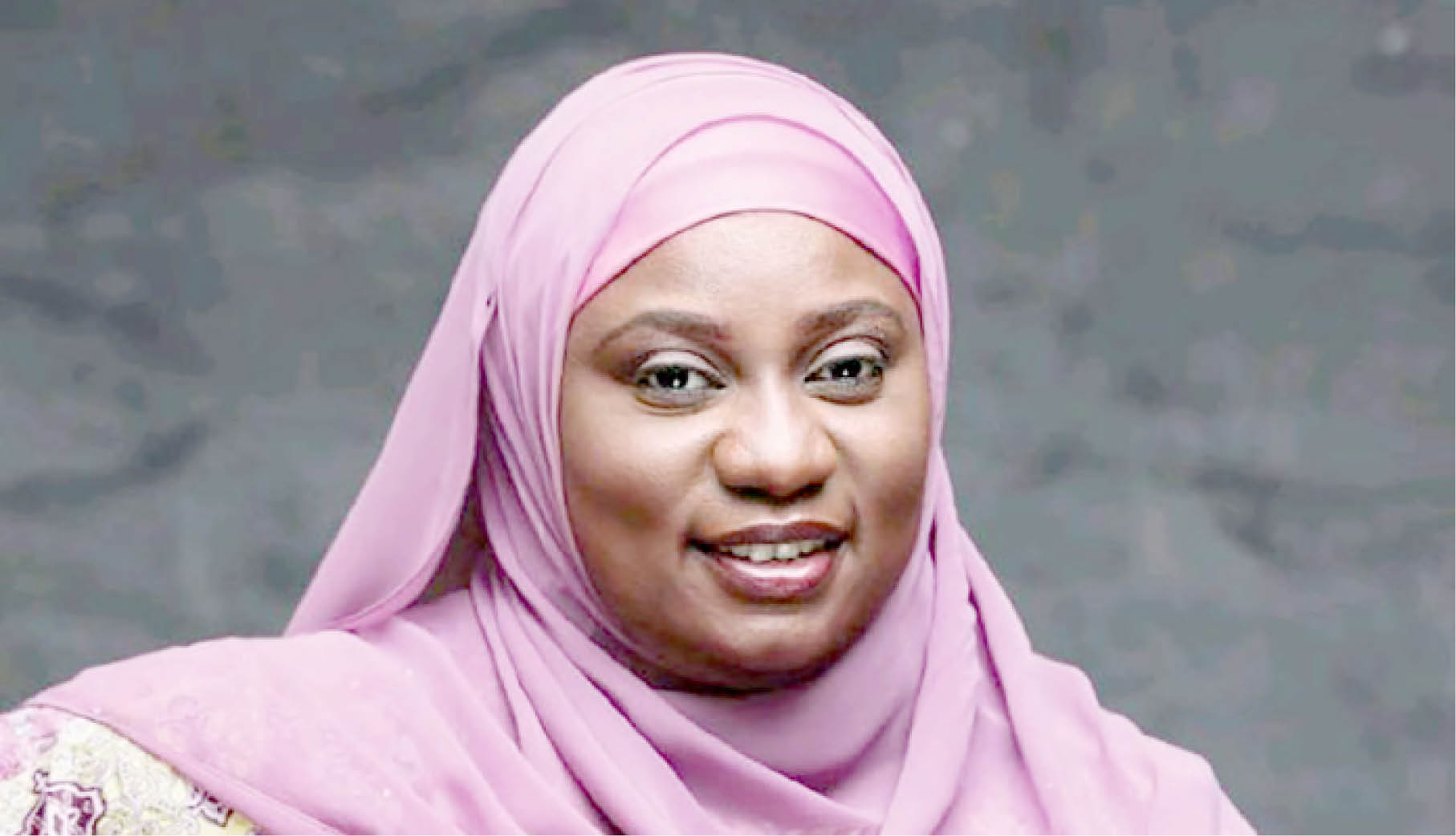
|
| Islam › Re: Suggest Threads For Frontpage Here by Lukgaf(m): 6:00am On Aug 21, 2020 |
|
| Islam › Ruling On Offering Congratulations At The Beginning Of The Hijri Year by Lukgaf(op): 6:00am On Aug 21, 2020 |
Alhamdulilah, today is the first of Muharam 1442AH. You would have received many wishes from your friends and the loved ones wishing you a happy new Hijrah calendar. Is this act permissible or not? Can you respond when you were offered these greetings and how do you respond? This thread provides answer to these questions and in particular whether or not is permissible to offer such congratulations at the beginning of the new Islamic year calendar? Shaykh Muhammad ibn Saalih al-‘Uthaymeen (may Allaah have mercy on him) was asked: What is the ruling on congratulating people on the occasion of the Hijri new year, and how should one reply to a person who offers congratulations?
He replied:
If someone offers you congratulations, then respond to him, but do not initiate such greetings. This is the correct view concerning this matter. So if a person says to you, for example, “Happy New Year”, then you can say, “May Allaah make it a good and blessed year for you.” But you should not initiate such a greeting, because I do not know of any report that the salaf [early generations of Islam] congratulated one another on the occasion of the new year, rather the salaf did not regard the first of Muharram as the first day of the new year until the caliphate of ‘Umar ibn al-Khattaab (may Allaah be pleased with him.
Shaykh ‘Abd al-Kareem al-Khudayr said concerning offering congratulations on the occasion of the hijri new year:
Praying for another Muslim in general terms, in phrases that are not meant as a kind of ritual on special occasions such as Eid, is acceptable, especially if what is meant by this greeting is friendship and to show a friendly face to one’s fellow Muslim. Imaam Ahmad (may Allaah have mercy on him) said: “I do not initiate the greeting but if someone greets me I return the greeting, because responding to the greeting is obligatory. But being the first to offer congratulations is neither Sunnah nor forbidden. https://islamqa.info/en/21290 |
| Islam › Muharram 1442AH: Time To Reflect, Resolve & Reclaim by Lukgaf(op): 5:49am On Aug 21, 2020 |
In sha Allah, today marks the first of Muharram 1442AH according to the Nigeria Supreme Council of Muslim Affairs. It is another year of the Muslim and it is a time for us to reflect, resolve and reclaim. [img] https://akewusolaf.files./2020/08/img_20200820_065411.jpg?w=369[/img] Muharram is one of the sacred months of the Islamic year. Muharram is the month with which we begin our lunar calendar. It commemorates the Hijrah undertaken by our beloved, The Beloved Messenger of Allah (peace be upon him) to Madina, where he was welcomed with sanctuary. It is one of the four sanctified months about which the Holy Quran says:
“The number of the months according to Allah is twelve (mentioned) in the Book of Allah on the day He created heavens and the earth. Among these (twelve months) there are four sanctified.” (Qur’an:Surah 9, Verse 36)
These four months, according to the authentic traditions, are Dhul-Qa’dah, Dhul-Hijjah, Muharram and Rajab. All the commentators of the Holy Quran are unanimous on this point, because The Beloved Messenger of Allah (peace be upon him) in his last sermon, declared: “One year consists of twelve months, of which four are sanctified months, three of them are in sequence; Dhul-Qa’dah, Dhul-Hijjah, Muharram, and the fourth is Rajab.”
It is derived from the word ‘haraam’ which means forbidden. What is forbidden during this month is fighting. We are not heads of countries that wage war on others, but we have our own battle fields in our homes, families, workplace and even our neighbourhoods.
Most of us live at such a frenetic pace that when we get home from work we are tired and stressed. This is the time when impatience and intolerance flares up and we fight with our partner or our children. A good thing to do is to remember who they are and what they mean to us. With consciousness it becomes possible to think before flaring up. The same thing often happens at work as well. When we remember that we are all working to provide a service, even if we never know who benefits from what we do, it could change our attitude. There are many of us who are not on speaking terms with family members, holding onto grudges, whether real or imagined. We should be aware that we are all different and unique, and that we are all the divine creations of Allah. Being conscious is not enough; we have to be Allah conscious, so that even if we cannot see Allah, be aware that Allah is seeing us. This should make us pause and consider before we act impulsively, or live in enmity.
The Beloved Messenger of Allah (peace be upon him) said that on the 10th day of Muharram we should be more generous to our family:“One who generously spends on his family on the day of Aashora, Allah will increase (his provision) for the whole year.” (Hadith:Baihaqi).
We do not have to confine such generosity to the tenth day, or for that matter, for the month of Muharram. Nor does generosity have to be limited to monetary spending. We can be more generous with our time; when a child runs to tell you something while you are busy it will make a world of difference to him if you stop to listen. In this way you will be giving time as well as kindness. The child will feel validated and very often will then leave you to continue what you are doing. Opening up to your family about your thoughts, dreams and hopes, is an excellent method of getting them to share theirs. Knowing the hopes and dreams of your children is invaluable as a means of achieving family cohesion. Another form of generosity you can share with your family is to share with them painful moments, and what you learnt from the experience. This could lead to them sharing things which had hurt or traumatised them and as a family you can brainstorm what lessons can be learnt from their experiences.
This is the time when reflection is very important; we need to think about what we have done and what we plan to do next. Allah speaks several times in the Quran about the need for reflection, particularly in the following lines:
“If we had caused this Quran to descend upon a mountain, thou, (O Muhammad) verily hadst seen it humbled, rent asunder by the fear of Allah. Such similitude coin We for mankind that haply they may reflect” (Quran–Surah Hashr: V 21).
Come the end of December and everyone makes resolutions, as Muslims we should be making resolutions on a daily basis. The hujaaj are returning now from having performed the fifth pillar of Islam, and as we rush to greet them we could easily forget that this is the 1st month of our year. Now is the time to engage in reflection, to resolve to make the shift to do better. We know that we are going to be judged by our intentions, so let us try to have only good intentions for the rest of the year, Insha’Allah.
The word resolve has a two-fold meaning: it means to make a resolution or intention to do something, but it also means to solve an issue. Many of us carry unresolved issues, and these clutter our lives and prevent us from true spiritual connection. It is hard to have closeness to Allah when we harbour grudges against people for real or imagined slights. Forgiveness is the key; it does not excuse the other person’s action, but it does set us free. It is also important to forgive ourselves when we feel we have done something we subsequently regret. We are all born pure,natural and innocent; we are born with a Fitrah. Somewhere along the way we have become contaminated by experiences, environment and conditions. The thing is not to beat yourself up about it, acknowledge what happened and accept it. Now try to do better. Resolve to reclaim your Fitrah, the perfection that Allah created you with. It has not been lost, it has just been overlaid with a lot of things, but it is still there.
In the stormy sea of life we have often been tossed around, but with Allah consciousness we can keep our heads above water.
“The believer is the ship and the world is the water. As long as the water remains outside the ship, it will sail through it. Once the water enters the ship, it will sink. So navigate through the world, but do not let it enter your heart and sink you into itself”(Imam Al Ghazzali) https://jamiat.org.za/muharram-reflect-resolve-and-reclaim/Brethren, Use this period to reflect, resolve and reclaim what we were truly meant to be, Insha’Allah. |
| Islam › 1442 Hijri New Year: Tracing The Roots Of The Islamic Calendar by Lukgaf(op): 5:21am On Aug 21, 2020*. Modified: 7:29am On Aug 21, 2020 |
According to the Nigeria Supreme Council of Islam, today, Friday 21st of August, 2020 is the first of Muharram, 1442AH. Below we provide the history of how Islamic Calendar came into existence. First established in the year 622 AD, the Islamic calendar consists of 12 lunar months, totaling 354 or 355 days per year.
In most countries, the calendar’s main use is now in determining the dates of religious events, such as Eid al-Fitr, Eid al-Adha, and the holy month of Ramadan. However, several countries, such as Saudi Arabia, use it as an official calendar.
[img]https://akewusolaf.files./2020/08/img_20200820_065411.jpg?w=369[/img]
The Hijra
The first year of the Islamic calendar marks the “Hijra” (migration) of Islam’s prophet Muhammad in 622 AD from his birthtown, Mecca, to Yathrib, currently called Medina.
The event holds special significance for Muslims, as it was after Hijra that Islam gained many followers.
According to Muslim tradition, Prophet Muhammad fled Mecca after God warned him of an assassination plot against him. The prophet only told his closest companions, Abu Bakr and Ali, of his plan to escape.
After a miraculous nocturnal escape from the tribe of Quraysh, Prophet Muhammad and his companion Abu Bakr hid in a cave outside Mecca. With a bounty on his head, the prophet stayed in the cave for three days before resuming his journey to Yathrib.
After the Hijra, Prophet Muhammad gained more supporters and Islam began to expand on a large scale in the Arabian Peninsula, as well as in Persia and Africa.
Pre-Islamic calendar
Muslims began using the Islamic calendar in the 17th year after the Hijra, approximately seven years after Prophet Muhammad died.
Prior to the establishment of the Islamic calendar, Muslims used a lunar calendar, with similar month appellations as the Islamic one. However, they did not numerically track years and only referenced them based on the occurrence of major events.
The most famous example of the years’ names is “A’am al-Fil” (The year of the elephant), which coincided with 571 AD and is commonly known as Prophet Muhammad’s birth year.
The year’s name derives from the story, mentioned in the Quran, of Abraha, a Christian ruler of Yemen. He marched upon Mecca with a large army, including war elephants, intending to demolish the Kaabah—Islam’s most sacred site.
However, according to the story, the elephants refused to destroy the holy site and a flock of birds dropped clay stones on the army to protect Mecca.
Establishment of the Islamic calendar
Muslims established the Islamic calendar under the reign of the second Muslim Caliph, Umar Ibn al-Khattab. The main reason behind the establishment of the calendar was the unprecedented expansion of the Islamic Caliphate, pushing Muslims to adopt a unified calendar for counting years.
Caliph Umar Ibn al-Khattab suggested the adoption of the Hijra as the start of the Islamic calendar, which all the prophet’s companions approved.
Another suggestion for the beginning of the Islamic calendar was the year Prophet Muhammad received his first revelations, in approximately 610 AD. However, the companions preferred the first option because the Hijra represented the actual birth of an Islamic nation.
When establishing the Islamic calendar, the companions had different opinions about what the first month should be. Many suggested the month of Safar, as it was the month when Prophet Muhammad migrated from Mecca to Yathrib.
In the end, they agreed on the month of Muharram because it comes right after the Hajj season—one of the most important annual rituals for Muslims.
Difference with the Gregorian calendar
Hijri years are 354 days, eight hours, and 48 minutes long—the duration it takes the moon to circle the Earth 12 times. This makes the Islamic calendar 11 to 12 days shorter than the solar Gregorian calendar.
The difference in duration makes the Islamic and Gregorian calendars unsynchronized. The two calendars mark a new year on approximately the same day only once every 33 years.
The difference also gradually pushes the Islamic calendar closer to the Gregorian calendar year-wise. While 622 years separated the two calendars at the establishment of the Islamic calendar, today, only 578 years separate them.
Through its over 14 centuries of existence, the Islamic calendar has documented wars and truces, births and deaths, and celebrations and mournings across the Muslim world. Today, in a multicultural context, it coexists with the civil calendar and connects Muslims with their eventful history and most sacred rituals. https://www.moroccoworldnews.com/2020/08/316090/1442-hijri-new-year-tracing-the-roots-of-the-islamic-calendar/May we witness more of this on earth with good health, wealth and sound faith (Ameen) |
| Islam › Re: Inside Abuja National Mosque, Nigeria (Video) by Lukgaf(m): 7:14pm On Aug 18, 2020 |
Thanks lalasticlala for moving this to an appropriate thread |
| Politics › Re: Aisha Buhari’s Long Absence Not Due To Infighting In Aso Villa – Presidency by Lukgaf(m): 6:42pm On Aug 18, 2020 |
Kherdija:
Assalamu Alaikum warahmatullah.
Good day sir!
Sir i recieved ur mail,wallahi i tried to reply but i have problem with the server and the Imap Address,i'm working on it when it's ready i will let u know insha Allah coz i have to change my current email. Wa alekum Salam Waramotulah wabarakatuh sister Kherdija. It is fine |
| Jobs/Vacancies › Statistics Of Unemployed Nigerians By Gender And Qualification. Do You Agree? by Lukgaf(op): 1:40pm On Aug 14, 2020 |
The Cable published the statistics of unemployed Nigerian by gender and qualification as released by NBS. The National Bureau of Statistics (NBS) says 21.7 million Nigerians are now unemployed.
According to its Labour Force Statistics report released on Monday, the number of unemployed Nigerians went from 20.93 in 2018 to 21.76 million in the second quarter of 2020.
This means more than 17 million Nigerians have become unemployed since December 2014, while the total working age population has grown by almost the same number in those six years.
For the first time in the history of the revised NBS unemployment reports, the number of people in the labour force willing to work dropped.
There are now at least 10 million people in the labour force unwilling to work, according to NBS. https://www.thecable.ng/breaking-21-7m-nigerians-now-unemployed-says-nbs/ampDo you agree with this statistics? 
|
| Islam › Re: Hijrah 1442AH: Ruling On Offering Congratulations At The Beginning Of The Year by Lukgaf(op): 10:14am On Aug 14, 2020 |
mjabdulk:
Assalamu alykum, Yaa Akhee fil-Islam.
There should be a mistake from either you the poster or the NSCIA regarding today's date of Dhulhijjah of 1441 A.H.
Eidul-Adha was celebrated on yaumul jum'ah that was 10th of Dhulhijjah then If you calculate the days that fall berween yaumu eidul-adha till date, today should be 24th of Dhulhijjaah not 23rd as you mentioned above.
Please, adjust because today may likely be the ultimate Yaumul jum'ah in this Islamic year calendar of 1441 A.H.
Jazaakallaahu khayrah. Wa alekum Salam Waramotulah Wabarakatuh Sir. Thanks for your observation. Kindly note that I posted this yesterday. Jazakumlah khaeran |
| Islam › The Virtue Of The Glorious Month Of Muharram by Lukgaf(op): 8:36pm On Aug 13, 2020 |
Praise be to Allah, the Lord of the Worlds, and blessings and peace be upon our Prophet Muhammad, the Seal of the Prophets and Leader of the Messengers, and upon all his family and companions. To proceed: The month of Allah Muharram is a great and blessed month. It is the first month of the Hijri year and is one of the sacred months concerning which Allah says (interpretation of the meaning): “Verily, the number of months with Allah is twelve months (in a year), so was it ordained by Allah on the Day when He created the heavens and the earth; of them four are Sacred, (i.e. the 1st, the 7th, the 11th and the 12th months of the Islamic calendar). That is the right religion, so wrong not yourselves therein” [Soorat at-Tawbah 9:36]. It was narrated from Abu Bakrah (may Allah be pleased with him) from the Prophet (blessings and peace of Allah be upon him): “… The year is twelve months, of which four are sacred: three consecutive months, Dhu al-Qa‘dah, Dhu al-Hijjah and Muharram, and Rajab of Mudar which comes between Jumaada and Sha‘baan.” Narrated by al-Bukhaari (2958). Muharram is so called because it is a sacred (muharram) month; this further emphasizes its sanctity. The words of Allah (interpretation of the meaning): “so wrong not yourselves therein” [Soorat at-Tawbah 9:36] mean: (do not wrong yourselves) in these sacred months, because doing so is a greater sin than at other times. It was narrated that Ibn ‘Abbaas said, concerning the words of Allah “so wrong not yourselves therein” [Soorat at-Tawbah 9:36]: (The command not to wrong yourself) applies in all months, then Allah singled out four months and made them sacred, and emphasised their sanctity, and He made sin during these months more grave, and He made righteous deeds and the reward thereof greater. Qataadah said, concerning the words “so wrong not yourselves therein”: Wrongdoing during the sacred months is more serious and incurs a greater burden of sin than in other months. Wrongdoing is a serious matter in any circumstances, but Allah makes whatever He wills of His commands carry more weight. And he said: Allah has chosen elites from His creation: from among the angels He chose Messengers, from among mankind He chose Messengers, from among speech He chose remembrance of Him (dhikr), from among spaces on earth He chose the mosques, from among the months He chose Ramadan and the sacred months, from among days He chose Friday (Jumu‘ah), and from among nights He chose Laylat al-Qadr. So venerate that which has been chosen by Allah, for people of understanding and wisdom respect that which has been chosen by Allah. End quote from Tafseer Ibn Katheer (may Allah have mercy on him), commentary on Soorat at-Tawbah verse 36 The virtue of observing a great deal of naafil (supererogatory) fasts during the month of Muharram It was narrated that Abu Hurayrah (may Allah be pleased with him) said: The Messenger of Allah (blessings and peace of Allah be upon him) said: “The best fast after Ramadan is in the month of Allah Muharram.” Narrated by Muslim (1982). The phrase “the month of Allah (shahr Allah)” is indicative of the veneration this month deserves, as it is attributed to Allah (in a genitive or idaafah phrase). Al-Qaari said: What appears to be the case is that what is meant is the entire month of Muharram. But it is proven that the Prophet (blessings and peace of Allah be upon him) never fasted any month in full apart from Ramadan. So this hadeeth is to be understood as meaning that it is encouraged to fast a great deal during the month of Muharram, not to fast the entire month. It is proven that the Prophet (blessings and peace of Allah be upon him) fasted a great deal during Sha‘baan, and perhaps the virtue of Muharram was not revealed to him until the end of his life, before he was able to fast during this month. Sharh an-Nawawi ‘ala Saheeh Muslim Allah chooses whatever He wills of times and places Al-‘Izz ibn ‘Abd as-Salaam (may Allah have mercy on him) said: Superiority of times and places is of two types, the first of which is in worldly terms and the second is in religious or spiritual terms because of what Allah bestows upon His slaves at those times and in those places of a greater reward for deeds, such as the greater virtue of fasting Ramadan over fasting in other months or on the day of ‘Ashoora’. Its virtue is due to Allah’s generosity and kindness to His slaves during it. Qawaa‘id al-Ahkaam (1/38) May Allah sent blessings upon our Prophet Muhammad and upon all his family and companions. https://islamqa.info/en/204142 |
| Islam › Hijrah 1442AH: Ruling On Offering Congratulations At The Beginning Of The Year by Lukgaf(op): 8:27pm On Aug 13, 2020 |
By the counting of the NSCIA, today is 23rd of DhulHijjah, 1441AH. Consequently, we have just a week to the Islamic new calendar. The thread seeks to provide whether or not is permissible to offer congratulations at the beginning of the new Islamic year calendar? Shaykh Muhammad ibn Saalih al-‘Uthaymeen (may Allaah have mercy on him) was asked: What is the ruling on congratulating people on the occasion of the Hijri new year, and how should one reply to a person who offers congratulations?
He replied:
If someone offers you congratulations, then respond to him, but do not initiate such greetings. This is the correct view concerning this matter. So if a person says to you, for example, “Happy New Year”, then you can say, “May Allaah make it a good and blessed year for you.” But you should not initiate such a greeting, because I do not know of any report that the salaf [early generations of Islam] congratulated one another on the occasion of the new year, rather the salaf did not regard the first of Muharram as the first day of the new year until the caliphate of ‘Umar ibn al-Khattaab (may Allaah be pleased with him.
Shaykh ‘Abd al-Kareem al-Khudayr said concerning offering congratulations on the occasion of the hijri new year:
Praying for another Muslim in general terms, in phrases that are not meant as a kind of ritual on special occasions such as Eid, is acceptable, especially if what is meant by this greeting is friendship and to show a friendly face to one’s fellow Muslim. Imaam Ahmad (may Allaah have mercy on him) said: “I do not initiate the greeting but if someone greets me I return the greeting, because responding to the greeting is obligatory. But being the first to offer congratulations is neither Sunnah nor forbidden. https://islamqa.info/en/21290 |
| Islam › Re: Suggest Threads For Frontpage Here by Lukgaf(m): 8:17pm On Aug 13, 2020*. Modified: 8:37pm On Aug 13, 2020 |
|
| Islam › Ruling On Watching BBN And Pornographic by Lukgaf(op): 8:05pm On Aug 13, 2020 |
Islamically, watching BBN is sinful as it is similar to watching porn which may lead to masturbation and Zina. Muslims are enjoy to marry and refrain from committing all these sinful acts. Shaykh ‘Abdullah Ibn Jibreen (May Allah Have Mercy On Him) was asked about the ruling on watching these kind of movies and replied: Praise be to Allah.
Every Muslim is obliged to keep away from these images and movies which provoke desire and push one to do sinful actions such as masturbation or zina, so that this avoidance will be means of protecting oneself against haraam things. There is no doubt that watching them and persisting in doing so is a major sin, because there is no minor sin if one persists in doing it. The one who persists in doing it is regarded as having fallen into major sin because of his persistence, unlike the one who sees it just once, such as an accidental glance and the like; in that case it is regarded as a minor sin. The same applies to masturbation; if it happens just once in order to reduce the pressure of desire, Allah may pardon that because it is a minor sin, but persisting in it is a major sin. https://islamqa.info/en/answers/130711/persisting-in-a-minor-sin-makes-it-a-major-sin |
| Politics › Re: FFK: If The Allegation That MURIC Is Funded By ISWAP Is True, FG Should Do This by Lukgaf(m): 12:48pm On Aug 11, 2020 |
Hypocrisy of the highest order.
Who takes FFK serious?
"Give Femi a biscuit and he will dance for you"
-OBJ |
| Islam › Du'a For “expiation Of The Gathering” After Physical Or Virtual Conversation by Lukgaf(op): 8:58pm On Aug 06, 2020 |
Praise be to Allah.
Shaykh, ‘Abd ar-Rahmaan al-Barraak (may Allah preserve him) and he said: Yes, they come under the same ruling as other gatherings, so when they end, they should be concluded by reciting the du‘aa’ known as “expiation for the gathering (Kaffaaratul-majlis).” The wife of the Prophet, Aishah (Radi Allahu anha) said: “Allah’s Messenger (Sallal laahoo alaihi wassallam) did not sit in a gathering, and did not recite the Qur’an, and did not perform any prayer without concluding by saying… (then she quoted the dua given below).” Subhaanaka Allaahumma wa bihamdika, ‘ash-hadu ‘an laa ‘ilaaha ‘illaa ‘Anta, ‘astaghfiruka wa ‘atoobu ‘ilayk“Glory is to You, O Allah, and praise is to You. I bear witness that there is none worthy of worship but You. I seek Your forgiveness and repent to You.” Source: https://authentic-dua.com/2011/11/27/kafaaratul-majlis-the-expiation-of-the-assembly/https://islamqa.info/en/answers/223321/should-he-recite-the-duaa-known-as-expiation-for-the-gathering-after-a-virtual-online-conversation-ends |
| Islam › Re: Suggest Threads For Frontpage Here by Lukgaf(m): 8:43pm On Aug 06, 2020*. Modified: 8:58pm On Aug 06, 2020 |
|
| Islam › Is It Permissible For A Woman To Wear A Makeup When Her Suitor Comes? by Lukgaf(op): 8:41pm On Aug 06, 2020 |
"If a suitor comes to a woman it is permissible for her to uncover her face and hands and head and that which usually appears, according to the correct view, but without wearing any cosmetics or adornments. " Praise be to Allah.
It is not permissible for a woman to show her adornment except to those whom Allaah has mentioned in the verse (interpretation of the meaning):
“… and not to show off their adornment except only that which is apparent (like both eyes for necessity to see the way, or outer palms of hands or one eye or dress like veil, gloves, headcover, apron), and to draw their veils all over Juyoobihinna (i.e. their bodies, faces, necks and bosoms) and not to reveal their adornment except to their husbands, or their fathers, or their husband’s fathers, or their sons, or their husband’s sons, or their brothers or their brother’s sons, or their sister’s sons, or their (Muslim) women (i.e. their sisters in Islam), or the (female) slaves whom their right hands possess, or old male servants who lack vigour, or small children who have no sense of feminine sex. And let them not stamp their feet so as to reveal what they hide of their adornment. And all of you beg Allaah to forgive you all, O believers, that you may be successful”
[al-Noor 24:30-31]
The suitor is not one of these, rather he is only permitted to look for the purpose of proposing marriage, and the woman does not have the right to adorn herself for him.
Shaykh Ibn ‘Uthaymeen (may Allaah have mercy on him) said: It is permissible for the suitor to see the woman to whom he is proposing marriage, but that is subject to certain conditions:
1 – That he needs to see her. If there is no need then the basic principle is that a man should not look at a woman who is a non-mahram to him, because Allaah says (interpretation of the meaning): “Tell the believing men to lower their gaze (from looking at forbidden things)” [al-Noor 24:30].
2 – He should have made up his mind that he wants to propose. If he is still hesitant then he should not look, but if he has made up his mind then he may look, then he should either go ahead or give up the idea.
3 – This looking should be without being alone with her, i.e. it is essential that she have one of her mahrams with her, either her father, brother, paternal uncle or maternal uncle. That is because being alone with a non-mahram woman is haraam, because the Prophet (peace and blessings of Allaah be upon him) said: “No man should be alone with a woman without a mahram being present.” And he (peace and blessings of Allaah be upon him) said: “Beware of entering upon women.” They said: O Messenger of Allaah, what about the in-law? He said: “The in-law is death.”
4 – He should think it most likely that she and her family will accept. If he does not think that is most likely, then there is no point in looking in this case, because his proposal will not be accepted, whether he looks at her or not.
Some scholars stipulated that his desire should not be provoked when looking, and that his aim should be only to find out. If his desire is provoked then he must stop looking, because before the marriage contract is done with a woman, it is not appropriate to enjoy looking at her, so he must refrain. In this situation the woman must come out to the suitor looking ordinary; she should not come out wearing beautiful clothes or makeup, because she is not yet his wife. Moreover, if she comes to him looking beautiful and wearing her best clothes, then he may propose because he was dazzled by her the first time he looked at her, then he will find out that she is not as she appeared to him at first.
End quote from Fataawa Noor ‘ala al-Darb
Elsewhere he (may Allaah have mercy on him) indicated that this may have the opposite effect, because if he looks at her when she is wearing makeup and fine clothes, he may see her as more beautiful than she really is, and in that case when he enters upon her following the wedding and sees her as she really is, he may be put off her and no longer interested in her.
To sum up: If a suitor comes to a woman it is permissible for her to uncover her face and hands and head and that which usually appears, according to the correct view, but without wearing any cosmetics or adornments.
And Allaah knows best. https://islamqa.info/en/answers/102369/is-it-permissible-for-her-to-wear-a-little-makeup-when-a-suitor-comes-to-see-her |
| Islam › What To Do When You Come To The Mosques And Found The Last Row Full? by Lukgaf(op): 8:32pm On Aug 06, 2020 |
Praise be to Allah.
The following questions were put to the Standing Committee for Academic Research and Issuing Fatwas (al-Lajnah al-Daa’imah li’l-Buhooth al-‘Ilmiyyah wa’l-Iftaa):
A person comes to the prayer and finds the rows full, and the last person in the row is a boy. Can he pull him back to pray beside him, or what?
If he comes and finds that the people are doing rukoo’, is it correct for him to pull someone back when he is in rukoo’, or what?
If the rows are full, and he cannot find anyone to pray with him except for young boys, some of whom have reached the age of discernment and some have not, is it OK for him to pray with them in that row?
The committee replied:
If he finds the row is full, he should wait until someone else comes to stand beside him, and should not pull anyone out of the row. If he can join the row or pray on the imaam’s right, he should do so. As for standing in the row with the boys, if they are of the age of discernment, then it is OK to join their row, because of the reports in al-Saheehayn and elsewhere from Anas (may Allaah be pleased with him) who said:
“The orphan and I formed a row behind him, and the old lady stood behind us” – referring to their praying behind the Messenger of Allaah SAWS (peace and blessings of Allaah be upon him), when he visited him in his house one morning. If the boys are not yet of the age of discernment, then then praying with them behind the last row is like praying standing alone, and it is not correct to pray standing alone behind a row, because the Prophet SAWS (peace and blessings of Allaah be upon him) said: “There is no prayer for the one who stands alone behind the row.”
And Allaah is the source of strength. May Allaah bless our Prophet Muhammad and his family and companions, and grant them peace.
Al-Lajnah al-Daa’imah li’l-Buhooth al-‘Ilmiyyah wa’l-Iftaa, Fataawa al-Lajnah al-Daa’imah, 8/706
If it is feared that he will miss the prayer and there is no place in the row, and no one else comes along to pray behind the imaam, then his prayer standing alone is valid, because Allâh says (interpretation of the meaning):
“So keep your duty to Allaah and fear Him as much as you can” [al-Taghaabun 64:16]. This was the fatwa of Shaykh al-Islam Ibn Taymiyah, may Allaah have mercy on him.
And Allaah knows best. https://islamqa.info/en/answers/5362/when-one-comes-to-the-mosque-and-finds-the-last-row-full |
| Islam › What Are The Sunnahs And Etiquette To Observe On The Day Of Eid? by Lukgaf(op): 3:33pm On Jul 30, 2020*. Modified: 8:51pm On Jul 30, 2020 |
Find below what the sunnahs Muslim should observe on the of Eid. Try as much as possible to observe them. Praise be to Allaah.
The Sunnahs that the Muslim should observe on the day of Eid are as follows:
1 – Doing ghusl before going out to the prayer.
It was narrated in a saheeh hadeeth in al-Muwatta’ and elsewhere that ‘Abd-Allaah ibn ‘Umar used to do ghusl on the day of al-Fitr before going out to the prayer-place in the morning. Al-Muwatta’ 428.
Al- Nawawi (may Allaah have mercy on him) said that the Muslims were unanimously agreed that it is mustahabb to do ghusl for Eid prayer.
The reason why it is mustahabb is the same reason as that for doing ghusl before Jumu’ah and other public gatherings. Rather on Eid the reason is even stronger.
2 – Eating before going out to pray on Eid al-Fitr and after the prayer on Eid al-Adha:
Part of the etiquette is not to go out to pray on Eid al-Fitr until one has eaten some dates, because of the hadeeth narrated by al-Bukhaari from Anas ibn Maalik, who said that the Messenger of Allaah (peace and blessings of Allaah be upon him) used not to go out on the morning of Eid al-Fitr until he had eaten some dates… of which he would eat an odd number. Al-Bukhaari, 953.
It is mustahabb to eat before going out to emphasize the fact that it is forbidden to fast on that day and to demonstrate that the fast has ended.
Ibn Hajar (may Allaah have mercy on him) suggested that the reason for that was so as to ward off the possibility of adding to the fast, and to hasten to obey the command of Allaah. Al-Fath, 2/446
Whoever does not have any dates may break his fast with anything that is permissible.
But on Eid al-Adha it is mustahabb not to eat anything until one comes back from the prayer, so he should eat from the udhiyah if he has offered a sacrifice. If he is not going to offer a sacrifice there is nothing wrong with eating before the prayer.
3 – Takbeer on the day of Eid
This is one of the greatest Sunnahs on the day of Eid because Allaah says (interpretation of the meaning):
“(He wants that you) must complete the same number (of days), and that you must magnify Allaah [i.e. to say Takbeer (Allaahu Akbar: Allaah is the Most Great)] for having guided you so that you may be grateful to Him”
[al-Baqarah 2:185]
It was narrated that al-Waleed ibn Muslim said: I asked al-Awzaa’i and Maalik ibn Anas about saying Takbeer out loud on the two Eids. They said, Yes, ‘Abd-Allaah ibn ‘Umar used to say it out loud on the day of al-Fitr until the imam came out (to lead the prayers).
It was narrated in a saheeh report that ‘Abd al-Rahmaan al-Sulami said, “They emphasized it more on the day of al-Fitr than the day of al-Adha.”. Wakee’ said, this refers to the takbeer. See Irwa’ al-Ghaleel, 3/122/
Al-Daaraqutni and others narrated that on the morning of Eid al-Fitr and Eid al-Adha, Ibn ‘Umar would strive hard in reciting takbeer until he came to the prayer place, then he would recite takbeer until the imam came out.
Ibn Abi Shaybah narrated with a saheeh isnaad that al-Zuhri said: The people used to recite Takbeer on Eid when they came out of their houses until they came to the prayer place, and until the imam came out. When the imam came out they fell silent, and when he said takbeer they said takbeer. See Irwa’ al-Ghaleel, 1/121
Saying takbeer when coming out of one's house to the prayer place and until the imam came out was something that was well known among the salaf (early generations). This has been narrated by a number of scholars such as Ibn Abi Shaybah, ‘Abd a l-Razzaaq and al-Firyaabi in Ahkaam al-Eidayn from a group of the salaf. For example, Naafi’ ibn Jubayr used to recite takbeer and was astonished that the people did not do so, and he said, “Why do you not recite takbeer?”
Ibn Shihaab al-Zuhri (may Allaah have mercy on him) used to say, “The people used to recite takbeer from the time they came out of their houses until the imam came in.”
The time for takbeer on Eid al-Fitr starts from the night before Eid until the imam enters to lead the Eid prayer.
In the case of Eid al-Adha, the takbeer begins on the first day of Dhu’l-Hijjah and lasts until sunset on the last of the days of tashreeq.
Description of the takbeer:
It was narrated in the Musannaf of Ibn Abi Shaybah with a saheeh isnaad from Ibn Mas’ood (may Allaah be pleased with him) that he used to recite takbeer during the days of tashreeq:
Allaahu akbar, Allaahu akbar, laa ilaaha ill-Allaah, wa Allaahu akbar, Allaah akbar, wa Lillaah il-hamd (Allaah is Most Great, Allaah is most Great, there is no god but Allaah, Allaah is Most great, Allaah is most great, and to Allaah be praise).
It was also narrated elsewhere by Ibn Abi Shaybah with the same isnaad, but with the phrase “Allaahu akbar” repeated three times.
Al-Mahaamili narrated with a saheeh isnaad also from Ibn Mas’ood: “Allaahu akbaru kabeera, Allaahu akbaru kabeera, Allaahu akbar wa ajallu, Allaahu akbar wa Lillaah il-hamd (Allaah is Most Great indeed, Allaah is Most Great indeed, Allaah is most Great and Glorified, Allaah is Most Great and to Allaah be praise).” See al-Irwa’, 3/126.
4 – Offering congratulations
The etiquette of Eid also includes the congratulations and good wishes exchanged by people, no matter what the wording, such as saying to one another Taqabbala Allaah minna wa minkum (May Allaah accept (good deeds) from us and from you” or “Eid mubaarak” and other permissible expressions of congratulations.
It was narrated that Jubayr ibn Nufayr said: When the companions of the Prophet (peace and blessings of Allaah be upon him) met one another on the day of Eid, they would say to one another, “May Allaah accept (good deeds) from us and from you.” Ibn Hajar said, its isnaad is hasan. Al-Fath, 2/446.
Offering congratulations was something that was well known among the Sahaabah, and scholars such as Imam Ahmad and others allowed it. There is evidence which suggests that it is prescribed to offer congratulations and good wishes on special occasions, and that the Sahaabah congratulated one another when good things happened, such as when Allaah accepted the repentance of a man, they went and congratulated him for that, and so on.
Undoubtedly these congratulations are among the noble characteristics among the Muslims.
The least that may be said concerning the subject of congratulations is that you should return the greetings of those who congratulate you on Eid, and keep quiet if others keep quiet, as Imam Ahmad (may Allaah have mercy on him) said: If anyone congratulates you, then respond, otherwise do not initiate it.
So, you can wish your family and loved ones a blessed eid here
5 – Adorning oneself on the occasion of Eid.
It was narrated that ‘Abd-Allaah ibn ‘Umar (may Allaah be pleased with him) said that ‘Umar took a brocade cloak that was for sale in the market and brought it to the Messenger of Allaah (peace and blessings of Allaah be upon him), and said, “O Messenger of Allaah, buy this and adorn yourself with it for Eid and for receiving the delegations.” The Messenger of Allaah (peace and blessings of Allaah be upon him) said to him, “Rather this is the dress of one who has no share (of piety or of reward in the Hereafter)…” Narrated by al-Bukhaari, 948.
The Prophet (peace and blessings of Allaah be upon him) agreed with ‘Umar on the idea of adorning oneself for Eid, but he denounced him for choosing this cloak because it was made of silk.
It was narrated that Jaabir (may Allaah be pleased with him) said: The Prophet (peace and blessings of Allaah be upon him) had a cloak which he would wear on the two Eids and on Fridays. Saheeh Ibn Khuzaymah, 1756,
Al-Bayhaqi narrated with a saheeh isnaad that Ibn ‘Umar used to wear his best clothes on Eid.
So a man should wear the best clothes that he has when going out for Eid.
With regard to women, they should avoid adorning themselves when they go out for Eid, because they are forbidden to show off their adornments to non-mahram men. It is also haraam for a woman who wants to go out to put on perfume or to expose men to temptation, because they are only going out for the purpose of worship.
6 – Going to the prayer by one route and returning by another.
It was narrated that Jaabir ibn ‘Abd-Allaah (may Allaah be pleased with him) said: On the day of Eid, the Prophet (peace and blessings of Allaah be upon him) used to vary his route. Narrated by al-Bukhaari, 986.
It was said that the reason for that was so that the two routes would testify for him on the Day of Resurrection, for the earth will speak on the Day of Resurrection and say what was done on it, both good and bad.
And it was said that it was in order to manifest the symbols of Islam on both routes, or to manifest the remembrance of Allaah (dhikr), or to annoy the hypocrites and Jews, and to scare them with the large number of people who were with him. And it was said that it was in order to attend to the people’s needs, to answer their questions, teach them, set an example and give charity to the needy, or to visit his relatives and uphold the ties of kinship.
And Allaah knows best. Source: https://islamqa.info/en/answers/36442/etiquette-of-eidEid Mubarak. Taqabalahu mina wa minkum |
| Islam › What To Be Done If Eid Coincides With Jumuah (friday)? by Lukgaf(op): 3:15pm On Jul 30, 2020 |
|
| Islam › Eid Ul Adha 1441AH (2020): Thread To Wish Your Loved Ones A Blessed Eid by Lukgaf(op): 2:37pm On Jul 30, 2020 |
|
| Islam › Re: The Takbeer And When To Say It. by Lukgaf(m): 2:30pm On Jul 30, 2020 |
JazakumLlohu khayro sir |
| Islam › Re: You Need To Memorize & Recite This If You Are Travelling This Eid And Other Time by Lukgaf(op): 2:22pm On Jul 30, 2020 |
|
| Islam › Re: Suggest Threads For Frontpage Here by Lukgaf(m): 2:20pm On Jul 30, 2020*. Modified: 3:38pm On Jul 30, 2020 |
|
| Islam › You Need To Memorize & Recite This If You Are Travelling This Eid And Other Time by Lukgaf(op): 2:18pm On Jul 30, 2020 |
If you would be travelling during this Eid or you are the type who travels a lot, then, you need to memorize this useful adhkar from the book of Hisnul Muslim and recite upon entering a new town or villages.
References:
-Hisnul Muslim by Shaykh Said bin Ali bin Wahaf Al-Qahtani
- Hisnul Muslim app
Eid Mubarak to you and your family. 
|
| Travel › COVID-19: Many Nigerian Students Are Stranded Abroad - ISF by Lukgaf(op): 7:33pm On Jul 29, 2020 |
Since the beginning of this year, students studying abroad or those who just secured admission are seriously been affected by the pandemics. Many self-sponsored students and those on partial scholarship could not afford to pay rent and at the same time pay to be evacuated back to Nigeria thereby making them stranded in many countries of the world. For example, a notable Scholarship Forum in Nigeria, The International Scholarship Forum (ISF) noted on a tweet this evening that TVC news reported through the President of the Nigeria Students Association in South Africa that over 174 Nigerian students studying in South Africa want to come home but could not afford the exorbitant amount of $840 (roughly # 400k = 1-way ticket), billed to them by airpeace through the Nigeria Government. It was claimed that the amount they asked them to pay was far greater than d initial amount of less than $500 (for return ticket before the lockdown). I think when it comes to the issue of welfarism of Nigerians, our Government should wake up and act like other countries of the world. They should rather assist these students by either subsidising the amount or evacuating them free of charge. What do you see to this? https://twitter.com/forum_isf/status/1288536887150415875


|
| Islam › Re: Virtues Of The Day Of Arafah by Lukgaf(op): 7:00pm On Jul 24, 2020 |
Highbeepeeh:
Salam aleikum, can u please elucidate TASHREEQ for me? Festive days |
| Islam › Virtues Of The Day Of Arafah by Lukgaf(op): 5:51am On Jul 24, 2020 |
The day of Arafah falls on every 9th day of DhulHijjah of Islamic calendar (equivalently, Thursday, 30th of July, 2020 this year). It is recommended that Muslim Fast and makeup some righteous deeds on this Day because of the virtues embedded. Below, we list some virtues of the day excerpted from IslamQA 1. It is the day on which the religion was perfected and Allaah’s Favour was completed.
In Al-Saheehayn it was reported from ‘Umar ibn al-Khattaab (may Allaah be pleased with him) that a Jewish man said to him, “O Ameer al-Mu’mineen, there is an aayah in your Book which you recite; if it had come to us Jews, we would have taken that day as an ‘Eid (festival).” ‘Umar said, “Which aayah?” He said: “This day I have perfected your religion for you, completed My favour upon you, and have chosen for you Islam as your religion.” [al-Maa’idah 5:3 – interpretation of the meaning]. ‘Umar said, “We know on which day and in which place that was revealed to the Prophet (peace and blessings of Allaah be upon him). It was when he was standing in ‘Arafaah on a Friday.”
2. It is a day of Eid for the people who are in that place.
The Prophet (peace and blessings of Allaah be upon him) said: “Yawm ‘Arafaah (the day of ‘Arafaah), Yawm al-Nahr (the Day of Sacrifice) and Ayyaam al-Tashreeq (the 3 days following Yawm al-Nahr) are Eid (festival) for us, the people of Islam. These are days of eating and drinking.” This was narrated by the authors of al-Sunan. It was reported that ‘Umar ibn al-Khattaab said: “It – i.e., the aayah ‘This day I have perfected…’ was revealed on a Friday, the Day of ‘Arafaah, both of which – praise be to Allaah – are Eids for us.”
3. It is a day by which Allaah swore an oath.
The Almighty cannot swear by anything except that which is mighty. Yawm ‘Arafaah is the “witnessed day” mentioned in the aayah (interpretation of the meaning):
“By the witnessing day [Friday] and by the witnessed day [the Day of ‘Arafaah].” [al-Burooj 85:3].
It was reported from Abu Hurayrah (may Allaah be pleased with him) that the Prophet (peace and blessings of Allaah be upon him) said: “The promised day is the Day of Resurrection, the witnessed day is the Day of ‘Arafaah, and the witnessing day is Friday.” Narrated by al-Tirmidhi and classed as saheeh by al-Albaani.
It is the “odd” [i.e., odd-numbered, Witr] by which Allaah swore in the aayah (interpretation of the meaning):
“And by the even and the odd” [al-Fajr 89:3]. Ibn ‘Abbaas said: “The even is the Day of al-Adhaa [i.e., 10th Dhoo’l-Hijjah] and the odd is the Day of ‘Arafaah [i.e., 9th Dhoo’l-Hijjah] This is also the view of ‘Ikrimah and al-Dahhaak.
4. Fasting on this day is an expiation for two years.
It was reported from Abu Qutaadah (may Allaah be pleased with him) that the Messenger of Allaah (peace and blessings of Allaah be upon him) was asked about fasting on the Day of ‘Arafaah. He said, “It expiates for the sins of the previous year and of the coming year.” Narrated by Muslim.
This (fasting) is mustahabb for those who are not on Hajj. In the case of the one who is on Hajj, it is not Sunnah for him to fast on the Day of ‘Arafaah, because the Prophet (peace and blessings of Allaah be upon him) did not fast on this day in ‘Arafaah. It was narrated that he forbade fasting on the Day of ‘Arafaah in ‘Arafaah.
5. It is the day on which Allaah took the covenant from the progeny of Adam.
It was reported that Ibn ‘Abbaas (may Allaah be pleased with him) said: the Messenger of Allaah (peace and blessings of Allaah be upon him) said: “Allaah took the covenant from the loins of Adam in Na’maan, i.e., ‘Arafaah. He brought forth from his loins all his offspring and spread them before Him, then He addressed them, and said: ‘Am I not your Lord? They said, ‘Yes, we testify,’ let you should say on the Day of Resurrection: ‘Verily, we have been unaware of this.’ Or lest you should say: ‘It was only our fathers aforetime who took others as partners in worship along with Allaah, and we were (merely their) descendents after them; will You then destroy us because of the deeds of men who practised Al-Baatil (i.e., ploytheism and committing crimes and sins, invoking and worshipping others besides Allaah)?’ [al-A’raaf 7:172-173 – interpretation of the meaning].” Narrated by Ahmad and classed as saheeh by al-Albaani. And there is no greater day than this and no greater covenant than this.
6. It is the day of forgiveness of sins, freedom from the Fire and pride in the people who are there:
In Saheeh Muslim it was narrated from ‘Aa’ishah (may Allaah be pleased with her) that the Prophet (peace and blessings of Allaah be upon him) said: “There is no day on which Allaah frees more people from the Fire than the Day of ‘Arafaah. He comes close and expresses His pride to the angels, saying, ‘What do these people want?’”
It was reported from Ibn ‘Umar that the Prophet (peace and blessings of Allaah be upon him) said: “Allaah expresses His pride to His angels at the time of ‘Ishaa’ on the Day of ‘Arafaah, about the people of ‘Arafaah. He says, ‘Look at My slaves who have come unkempt and dusty.’” Narrated by Ahmad and classed as saheeh by al-Albaani.
And Allaah knows best. https://islamqa.info/en/7284In conclusion, do not forget to fast that day. Kindly remind your friends, family and loved ones too. May Allah make it easy for us (Ameen). |
| Islam › Kinds Of Leisure And Entertainment That Are Permissible In Islam by Lukgaf(op): 5:41am On Jul 24, 2020 |
Praise be to Allah.
Firstly:
The human soul needs a little time to relax, to re-energize and have some fun by doing permissible activities, and it needs to rest after striving for worldly purposes or striving for the sake of the hereafter, lest one get bored and tired, so that one will be able to continue striving in matters that are of benefit in this world and the hereafter.
Al-Bukhaari (1968) narrated from ‘Awn ibn Abi Juhayfah, from his father, who said:
The Prophet (blessings and peace of Allah be upon him) established the bond of brotherhood between Salmaan and Abu’d-Dardaa’. Salmaan visited Abu’d-Dardaa’ and saw Umm ad-Dardaa’ looking disheveled. He said to her: What is the matter with you? She said: Your brother Abu’d-Dardaa’ has no interest in (the pleasures of) this world. Abu’d-Dardaa’ came and made some food for him, and [Salmaan] said to him: Eat [with me]. He said: I am fasting. He said: I will not eat until you eat. So he ate, and when night came, Abu’d-Dardaa’ got up to pray qiyaam, but Salmaan told him: Sleep; so he slept. Then he got up [later] to pray qiyaam, but Salmaan told him: Sleep. Then towards the end of the night, Salmaan said: Now get up and pray qiyaam. So they both prayed, then Salmaan said to him:
Your Lord has a right over you, your own self has a right over you, and your wife has a right over you; so give each one who has a right that which is due.
Then he went to the Prophet (blessings and peace of Allah be upon him) and told him about that, and the Prophet (blessings and peace of Allah be upon him) said: “Salmaan was right.”
Secondly:
The permissible things that are allowed according to Islamic teachings are many, praise be to Allah. A person may re-energize and relax by doing these permissible things, and keeping away from things that are haraam.
Permissible kinds of leisure and entertainment include: going out to hunt; swimming; going out to parks; going on trips that include some programs for the purpose of entertainment and leisure whilst paying attention to Islamic guidelines, with good companions; sports of various types; computer programs and apps for entertainment and relaxation; and many other means that are too numerous to be counted. https://islamqa.info/en/answers/325802/permissible-kinds-of-leisure-and-entertainment |
| Islam › Re: Suggest Threads For Frontpage Here by Lukgaf(m): 5:38am On Jul 24, 2020 |
|


